








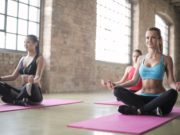










More and more elderly people around the world, especially in Western societies, are starting to enjoy the outstanding benefits that come with yoga. The practice is renowned for its many proven benefits for both the mind and the body.
There’s are countless studies which match yoga for benefitting other bodily elements, including reducing the heart rate, lowering blood pressure and even minimising stress, all of which combined can do wonders to the process of ageing.
Typically, when many people think of yoga, they think of young and flexible individuals in their New York studios, but this isn’t actually the case. In the US alone, it’s estimated that over 38% of all individuals that practice yoga are over the age of 60.
Personally, this is great news, and I’m fully aware of the health and mental benefits that can come with doing yoga. However, the level of injury that is being sustained by elderly people who practice yoga needs to be addressed.
The Facts
Researchers found that between the years of 2001 and 2014, there were 30,000 yoga-related injuries in the US, which is a lot more than there needs to be. As the human body ages, there is an increase in certain bodily problems. Some of these could include arthritis, hypertension, heart disease and more conditions that only typically affect elderly people.
No matter what age you are who how experienced you are, safety should always be a key concern. Here are some tips to help you out, regardless of who you are or what kind of yoga you practice.
1)Start Safely
This is especially important when you’re just starting out with the practice of yoga. Don’t try to do anything you think you can do, do what you can do. Yoga should never be uncomfortable, and it should never hurt to listen to your body and its limits. Your flexibility will improve over time.
2)Be Aware of the Styles of Yoga
Going to one yoga class will only typically represent one form of yoga. There are dozens of different styles and variations of practice out there so it may be worth experimenting to see which one suits you.
Each style will differ in difficulty and experience level, and it’s completely worth speaking to the instructor beforehand to see whether it’s for you. When looking for classes, many will have ‘over 50s’ or words to that effect in the name. This will allow you to find a class that’s suited for you.
3)Only Use Qualified Instructors
Many accidents and injuries can occur because you’re practising with an inexperienced or unqualified instructor. It’s important to ask and see the credentials of the instructor that you’re using..
4)Be Aware of Your Limits
As mentioned above, never try and force your body into a position that it doesn’t want to go into. Yoga should never hurt and never be uncomfortable so pay attention to how you feel. If there’s a pose you can’t get into, let your instructor know. They’ll be able to share an alternative with you.