















Home Blog Page 10

New Meditation App Hits the App Stores

0

We’ve all heard of Daily Calm and the app store phenomenon that is known around the world as Headspace, a meditation-based app which has amassed over 11 million downloads worldwide. With this in mind, it’s safe to say that meditation apps have massively helped to bring meditation into the mainstream society.

Personally, I believe this is a good thing. I used apps to help me get into meditation, through guided courses and now I will meditate with and without, depending on how I feel at the time. However, a new mindfulness app has hit the stores.

Say hello to Aura.

The Aura app has been designed by top practitioners and instructors in the field of science and mindfulness. There are four women in total that have banded together to create this app and is it beautiful. It’s also available on both iOS and Android devices.

I loved the user interface that the Calm app had, even though I made my way over to Insight Timer for the sheer diversity of what was on offer.

What makes the app special is the fact that it focuses on only sharing 3-minute long meditations, instead of varied times. This helps to make meditation far more accessible to people, especially people who are new to the practice and don’t feel like they have the time to sit for 10/20/30 or more minutes in their days.

Special Features

Additionally, the app has been created with an intelligent AI feature. This means you can choose your mood at the time that you want to meditate, and the app will choose the practice it thinks you should use.

Over time, the more it gets to know you, the better its recommendations will be. For me personally, I sit for hours in front of a computer typing away. I try to have little breaks when I can and sometimes meditate for 20 odd minutes.

However, using Aura, it’s a great way to motivate yourself to have little three-minute mindfulness breaks which have done huge positive changes in my productivity levels.

The app also comes with natural background sounds you can use to create an atmosphere in any room or physical setting, you can track your mood in real-time, and there’s even 30-second mindfulness breathing features.

In all, this app focuses around doing things little and often, so you can build up your confidence in meditation before moving onto longer sessions. This is also great for starting out or for people who have busy lives and looking for a little break!

Give it a go and see how you feel! Be sure to share your experience with us!
3 Common Meditation Myths That Are Holding You Back

0

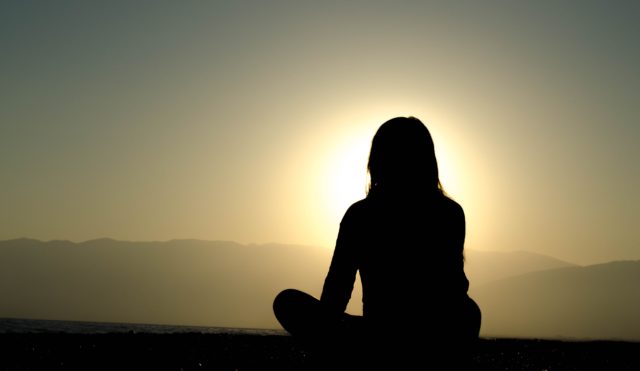
If you’ve never started meditation before, the thought of sitting with your eyes closed for 20 minutes while your mind enters a ‘new realm of consciousness’ can be scary, to say the least.

However, this isn’t what meditation is all about, and it’s actually one of the most beneficial things you can do for your mind and body. If you’re looking for ways to reduce your stress and anxiety, this is definitely for you.

But, like most thing, word of mouth has a funny way of changing things and very soon you have myths flying around which make it even more difficult to differentiate fact from fiction.

To help you get started, here are three of the most common meditation myths that could be holding you back from unlocking complete peace and virtue in your life.

Myth – Meditation is for Spiritual People Only

This is by far the most common, most believed and most incorrect myth around. There’s no test that allows you start meditating where you get up at the crack of dawn and start waving around burning herbs while the sun rises. This just doesn’t happen.

As long as you’re between the ages of 0-150, boy or a girl, CEO of a global company or a student and everything in between, you can meditate. Of course, spiritual people do meditate, and some even have it as part of their religious culture, but it’s not a strictly religious practice.

Myth – It’s All About Clearing Your Mind

Many people believe that they won’t be able to meditate, simply because they won’t be able to clear their minds. They know themselves, and their overactive minds, far too well. However, this is a common misconception.

Meditation isn’t about clearing your mind, so you’re sitting there thinking about nothing. It’s about becoming mindful of the present situation and the thoughts that your mind has.

I’ve spent countless hours meditating where my mind kept wandering off from my breathing pattern, and that’s fine. I’m not going to judge myself. I just take note of what these thoughts are, whether they are financial burdens or even relationship problems.

This can then help you to deal with these problems throughout your day to day life as you know exactly what they are and can deal with them. This is instead of getting anxious and stressed over them.

Myths – Meditate Only When You’re Stressed

When you want to run a marathon, you don’t just run a marathon. You’ve got to practice for months and months beforehand, and you’ve got to build up your body, so you can perform. The same goes for meditating.

It takes practice to get into a good mindset where you can practice effectively. It’s like exercise for your brain. This means not just meditating when you feel stressed, but meditating when you feel at your best.

Imagine how meditating will make you feel when you meditate when you’re not stressed.

It’s amazing!

Yoga Trends – Orgasmic Yoga (OYoga)

0

Okay, some of you may be thinking by now that these yoga trends are getting out of hand, and to some extent, I’m on your side. We’ve had Goat Yoga, Kitten Yoga, loads of animal-related yoga, beer yoga, surely that’s as far as people can take it?

However, if you’ve already read the headline, here’s the next big installment; Orgasmic Yoga, or OYoga.

Yes, this is actually a thing. More commonly referred to as OYoga, the classes have been started by Tatiana Dellpiane, a women’s sexuality coach as well as being a certified yoga instructor. In short, OYoga is a mixed up between yoga, burlesque and belly dancing, as reported by Greatist magazine.

The yoga session, as described by Dellpiane will help women, specifically, to enhance their ‘arousal breath’, activate their Shakti’s (the sex magnet, yeah, I don’t know what this is either) and strengthen the muscles. All of this combined is supposed to help better a women’s orgasm. This is by making them deeper as well as giving your body the strength practice strenuous positions.

An Increasingly Popular Trend

Some of the poses you can enjoy include; Bliss Breath, the Secret Squeeze, Small Hip Circles, a Microcosmic Orbit and Pelvic Tilts.

Some of the moves may seem basic. However, reports across the internet of people who have tried the class, the session does seem to encourage ‘the mood’. This is if you can break past the barriers of being in the same room as a group of women shouting ‘Yes!’ while listening to the 50 Shades of Grey soundtrack.

However crazy the class may seem, it’s made a big hit in its home-town of New York. We’re sure they’ll be many more of these classes opening up in the future due to its success.

If you’ve done a similar class in your area, get in touch as we’d love to hear all about it!

Getting Your Children into Yoga

0

Yoga is super beneficial, and as an adult, you’ll already be well aware of the good it can do for your mind and body. However, trying to get your children to enjoy these same benefits is a whole other ball game.

Children will give anything a go, but the quickest way to make them run in the other direction is to force the practice onto them. They have to do it in their own time.

Here are several other tips to remember to ensure your children love the practice and it’s something you can do as a family!

Use Their Energy

Children are renowned for having a tonne of energy. In fact, I might even go as far to say that it’s unlimited! However, instead of trying to calm your children down when practising yoga, embrace the energy they have.

This means doing a fast-paced and energetic routine that they can really engage with. Who knows, you might even be able to get them to fall asleep after!

Use Imagery

You’ll already know how much your children love stories and how vivid their imaginations are. Why not use this to your advantage?

To implement this into your yoga practices, take your children on a journey and create characters with your poses. Of course, if you plan it beforehand, the story will be better but feel free to make it up as you go along.

For example, the warrior pose could be pushing away the evil forces from the forest that you’re protecting. This is a great way to engage your child’s mind while teaching them about yoga and helping them to enjoy themselves.

Don’t Implement Rules

Children hate rules so if you start forcing them on them; they’re not going to enjoy yoga. Depending on the age of your children, they can learn the proper ins and outs at a later date when they’re older. In the meantime, solely focus on making sure they enjoy themselves.

One of the best rules, and possibly only rule, you want to implement is respect. Be sure to listen to one another about how you both feel, don’t threaten, put-down or in other ways raise the tension. Remember that yoga is all about calm.

Keep Things Fresh

Finally, if you’re going through the same poses time and time again, your children are going to get bored, especially if you’re doing it every day. To counteract this, use games, change the poses up and change the tone of your voice.

Basically, whenever you can make something different or change it up, do it from time to time. This helps to keep things new and exciting, even if you are doing the same thing as you did yesterday.

The most important thing to remember when doing yoga with your children is to enjoy yourself. If you’re enjoying yourself, your children will enjoy themselves. Have a smile on your face and appreciate the time you’re spending together!

Achieving Your New Year’s Resolutions Through Meditation

0

The New Year is a wonderful time where we come together with friends and family and celebrate the year that’s gone and the year that’s soon to be. For most of us, as that clock strikes midnight, it signals the start of a new beginning where all the changes we wanted to make within ourselves last year come to fruition.

However, we all know as well as each other than the typical new year’s resolution sometimes doesn’t last longer than a few weeks while some might not even last until the end of the day. This discipline and willpower can be so much rewarding if you give it a chance and the determination.

Here to help you gain this level of motivation and willpower to achieve what you want to do is everything you need to know about meditation that can help you become exactly who you want to be.

Define Your Goals

Firstly, you’ll want to set your goals, so they are so clear in your head. The more detail you can put into these goals, the more beneficial they’ll be and the more that you’ll be able to achieve. For example, don’t set your new year’s resolution that you want to lose weight, be precise with it.

For example, say I want to lose two stone by July. This gives you an exact goal to aim for which means you’re far more likely to achieve it.

Think Positively

More often than not, the reason we fail our new year’s resolutions is that we’re trying so hard to force them on ourselves and we’re not going to do anything that we don’t want to do. However, to overcome this boundary, you need to remember that we’re trying to change our lives and our lifestyles for the better.

With changes to our diet, our lifestyle, our habits or whatever the resolution may be, this will positively affect our lives, making us happier, more confident and just feel overall better about ourselves. This doesn’t have to be forced; this should be something that you want to do.

Becoming Present

One of the most important aspects to remember when trying to achieve your New Year’s Resolutions is to be present. If you’re too busy thinking about the future and becoming anxious, the chances are that you’ll forget to carry out your resolution.

For example, you might be trying to change to a healthier diet, but if you’re too anxious, it’s far too likely that you’ll start comfort eating. Likewise, if you’re stressed out about something that happened in the past, and you’re trying to quit smoking, you’ll probably end up smoking again.

As you can see, being present is such a key thing to remember when it comes to achieving your resolutions, which is why meditating can be such a big part of lifestyle change.

Even if you’re starting with just ten minutes a day, this can make a huge difference in your life and can help proactively achieve your goals.

Reducing Chronic Back Pain with Yoga

0

So, it’s official. Back pain is the leading disability and cause of pain and discomfort in the world, and it’s having some seriously negative effects on society. In fact, it’s estimated that in the US alone, 4/5 people will experience some level of chronic back pain at some point in their lives and in the UK, back pain is the most common cause of missing work.

It’s actually estimated that this costs the UK employers around £3 billion every single year. However, there is a simple solution that can not only help these employers but can also benefit you in your life and help you to reduce those levels of pain and discomfort that you might be feeling; yoga.

Reducing the Pain & Discomfort

Back pain is not a comfortable thing to deal with, and some say it’s even on par with a toothache, which we all know can be extremely horrible to deal with. However, the benefits of yoga are irrefutable, and the National Health Service (NHS) from the UK has even started to upload posts and information pages of the benefits that it can provide.

One NHS study took 150 employees from three hospitals in the North of Wales. Randomly, the group was divided into groups that either partook in an education session or a 60-minute yoga session. These yoga sessions took place once a week for a total of eight weeks. The yoga group were also given a home DVD that they could use and an informational poster and were advised to practice at home for 10 minutes a day over the course of six months.

The Results

The results of this small study were pretty clear. The participants of the yoga group claimed much larger reductions in the effects of back pain that the educational group and that the yoga group had 20 times less absence from work that the educational group average. It was also shown that the yoga group visited health professionals for back pain 50% less than the educational group.

In regard to practising for ten minutes at home, the participants were able to double their reduction in chronic back pain as well as a notable reduction in the amount of stress that they were feeling.

Try It Yourself

This is just another study to come out that can prove the benefits that even a little yoga practices every single day can have on your life. If you’re suffering from any level of back pain and you’re looking for a quick and easy solution that you can try yourself, try yoga.

Whether you’re buying yourself a DVD, a book or signing up for a class, there’s so much you can try. So what are you waiting for, change your life today!

5 Ayurveda Tips to Help You Drink Enough Water Properly

0

We always hear about the health benefits that drinking enough water can bring to our everyday lives. However, trying to meet the recommended two litres a day is easier said than done. However, it’s proven that although two litres are the common recommendation, we actually get a lot of our water through the foods that we eat, especially fruit and vegetables.

Nevertheless, it’s worth remembering that the amount of water we should be drinking will vary depending on our independent lifestyles, such as the diet we’re eating and the amount of exercise that we do.

But regardless, aiming for two litres of water a day won’t do any harm is almost guaranteed to keep us hydrated throughout the day, helping us live a healthy lifestyle. If you’re struggling to meet this recommended level, and so you can enjoy the maximum benefits that water provides to the body, here are five essential Ayurveda tips to remember.

#1 – Drink Sitting Down

This may seem like a rather odd suggestion but sitting down, rather than standing up and drinking, can do wonders for the amount of water your body actually absorbs.

In fact, drinking fluids while standing up, according to Ayurveda guidelines, can actually lead to an increase of fluids building up in your joints which has been claimed to increase your chances of conditions like arthritis.

Consider how tense your body and muscles are when you’re standing up and how when you’re sitting down, your body is much more relaxed. This helps your body to absorb much more liquid when you’re drinking, improving your overall intake throughout the day.

#2 – Avoid Ice Cold Water

Whenever you go out for a meal or have dinner, it’s common to have water with ice in it. However, Ayurveda practices suggest that this can actually disrupt your digestive process. The guidelines state that drinking cold water actively decreases the blood supply to certain organs in your body and can even lead to mild effects of constipation.

Instead, try drinking water that’s room temperature, ideally even warm, as it can help you actually improve your digestive process. What’s more, this can even improve your metabolism, helping you to lose or maintain a healthy weight, alleviate symptoms of bloating and even helps you control your cholesterol levels.

#3 – Don’t Glug Your Water

When drinking water, especially if you’re feeling particularly thirsty, it can be tempting to ‘chug’ a large volume of water in one go. However, according to Ayurveda practices, the way you should consume water depends on your dosha balance in your body.

There are three types of dosha. If you’re primarily a Vata dosha, you should typically drink water about an hour after you’ve eaten a meal. This helps you to digest your food more efficiently. If you have a pitta dosha, taking small sips before your meal can help kickstart your digestion process as you’re eating.

Finally, if you have a Kapha dosha, you should drink water before you start eating as it can help you feel fuller and therefore you won’t be tempted to consume too much food during the meal itself.

#4 – Drink Only When You Need Too

When trying to reach the target of two litres a day, you may find that you’re actually drinking too much water for your body, perhaps an unnecessary amount for you as an individual. As mentioned above, everybody has a different body type, and therefore it’s difficult to give an overall suggestion of what’s an appropriate amount to drink.

As a rule of thumb, simply listen to your body to think when you’re thirsty and drink then. Pay attention to how much you drink during an average day and try to aim to keep that as a running guideline on a daily basis.

#5 – Drink Water as Soon as You Wake Up

Ayurveda practices suggest drinking warm water as soon as you wake up in the morning to full refresh your body and to clear it of potential toxins. This is a habit known as Ushapan. Consider if you’re sleeping the recommended number of hours a night, 8 hours, that’s eight hours of your body becoming dehydrated, not a great start to your day.

2 Yoga Asanas to Help Fight the Signs and Effects of Premature Aging

0

We all live busy lives that are renowned for being fast-paced and relatively on-the-move the entire time. However, this kind of lifestyle can take its toll on our bodies and minds, especially when it comes to the signs of ageing.

Whether it’s the stress that we get from our jobs, the shortcuts we take when it comes to our health, such as diet or exercise or even the knock-on effects from social situations, premature ageing is a vicious cycle that can be difficult to break. However, one simple way to fight and even reverse these signs of ageing is through yoga.

As we all know, yoga is ideal for improving our blood pressure level, our blood circulation levels, reducing stress and depression and for energising our blood. So, it’s only natural that the practice can help us fight the signs of premature ageing.

To get you started, here are two asanas (postures and techniques) that can help you easily get into yoga, so you can start feeling the benefits almost immediately.

#1 – Warrior Pose

The warrior pose is a great way to correct your posture while building up your strength and flexibility. Additionally, the pose is also renowned for enhancing your stability, toning your muscles and improving your stamina, all of which contribute to fighting the signs of ageing.

All you need to do for this pose is stand with your feet apart about 3-4 feet in distance. Turn your back foot off to the side while keeping your front foot in the same position. Then, raise your arms parallel to the ground and bend your front knee, so it’s 90° to the ground. Hold for as long as you can (or around 8 breaths).

#2 – Download Facing Dog

One of the most common yoga poses in practice, mainly because it’s so beneficial. The pose is famous for its positive health effects as it actively improves your blood circulation and proactively stretches your muscles. With this in mind, it’s easy to see why the pose is so good for helping the effects of ageing.

All you need to do is put your body into cow pose, where you’re standing on your hands and knees. Be sure to spread out your fingers and keep your knees directly under your hips. As you inhale, simply push your knees off the floor and push your sit-bones up towards the ceiling.

At first, you’ll want to keep your knees slightly bent, but as you exhale, elongate your knees, so you’re a triangle shape with the floor. Your final pose should be similar to a backwards ‘V’.

All in all, you can practice these poses every day, even if it’s just for several minutes. You can practice them individually or as part of a routine. However, you decide to practice, doing so daily will proactively help you reverse signs of premature ageing so you can live the energised life you deserve.

How Meditation Can Help You Lose Weight

0

Recently, we covered how you can use meditation to help you achieve your goals of losing weight. Since the new year has come and gone, many of us have set a new resolution to eat healthier and hit the gym with the ultimate goal of reaching a weight where we’re confident in ourselves and living a healthy lifestyle.

With this in mind, we aim to take you back to the benefits that meditation can provide when trying to achieve these goals to live the life you want to live.

Coming into the Present Moment

One of the main aspirations of meditation is getting your mind into the present moment. When meditating, you’re proactively practising getting your mind into the present moment. Consider how many times in your life you’re doing something, whether you’re eating, working out or even just watching TV, and your mind wanders onto another train of thought.

When it comes to fully optimising your workouts or diet, being present is essential. Let’s say you’re eating a meal. Instead of eating while browsing social media on your phone or watching the TV, trying just focusing on what you’re eating.

You’d be pleasantly surprised at how much more you enjoy your food and how much fuller you feel after eating a meal. This because you’re eating without distractions, focusing on how your body feels, ultimately leading to you having a healthy diet.

Reducing Your Stress Levels

How often do you get stressed and treat it with comfort food? A typical go to is food like ice cream, chocolate or fast food which will have obvious effects on your weight and health. Through meditation, you can enjoy the proven benefits of reducing your stress levels. Less stress, less comfort food, better lifestyle.

Improving Your Sleep Patterns

When you’re trying to lose weight, your sleeping pattern and levels of sleep deprivation place a crucial role. This is because lack of sleep increases your cortisol hormone levels, the stress hormone, which in turn increases your appetite (see above).

You can resolve many sleeping issues through meditation. Whether you’re making your mind at peace, or using a guided sleep induction session, improving your sleep can have dramatic effects on your weight.

Managing Your Basal Metabolic Rate

More commonly referred to as BMR, this is a term that refers to how many calories you use when you’re resting. The lower your BMR, the more kilos you’ll be able to shed. Through meditation, you can proactively lower your BMR, meaning that your body will need fewer calories when resting, resulting in you losing weight.

Remember, it’s so important to lose weight in a healthy way. If you’re tempted to skip meals or vigorously exercise without building up your stamina, this can have detrimental effects on your body. If you need more advice, please contact your local healthcare professional for advice on what route you should take.