

















Home Blog Page 14

Top 5 Inspirational Yoga Instagram Pages to Follow

0

Yoga is difficult at the best of times and it can be hard to stay motivated. If you’ve ever been to a class when the yoga instructor request for you to do a pose and it looks so easy but it’s really not, you’ll know exactly how disheartening it can be. Even more so on Instagram.

However, Instagram has become a huge foundation for people from all over the world to share their inspirational yoga photos. By following these accounts, you can inspire yourself on a daily basis, even hour by hour, to maintain your practice and get to the skill level that you want to be at.

To get you started, here are five of the most inspirational Instagram accounts out there.

Laura Sykora – @laurasykora

Now with over 1.2 million followers on Instagram, you can follow Laura for some amazing and truly inspirational posts, usually including a variety of members of her family, from her adorable daughter, who’s much better than any of us at yoga, to her friendly pet dog.

Laura is a self-certified handstand addict and loves to share pics from beautiful locations, incredible poses, videos and posts and takes part in regular yoga challenges.

Yoga Inspiration – @yogainspiration

Although not an individual, Yoga Inspiration is a community page of Instagram that has amassed over 1.6 million followers and is a great daily source of inspiration, tips, quotes and all things yoga.

This is a great place to get involved with yoga conversations with like-minded people from around the world and a sure-fire way to boost your motivation when it comes to yoga.

Kerri Verna – @beachyogagirl

Kerri has almost 5,000 posts uploaded and over 1 million followers, making her one of the largest yoga figure pages on Instagram. Her Instagram is a great place to get up to date with everything that’s going on, as well as feeling inspired by her daily motivational posts and quotes.

Kerri is also the inventor of the innovative Yoga Pro Wheel, which she showcases on her page, helping her, and therefore you, to practice yoga from a new angle, helping you to be the best you can be.

Ashley Galvin – @ashleygalvinyoga

With over 510,000 followers, Ashely Galvin is one of the biggest and most popular up and coming yoga profiles on Instagram. On her feed, you’ll find all the inspirational quotes, images and videos that make you want to perfect your yoga practice. You’ll also find a vibrant and talkative community of like-minded people.

There are also links to her website where you can sign up to her newsletter or follow her yoga practice videos online!

Dylan Werner – @Dylanwerneryoga

A page with over 522,000 followers, Dylan is a proactive yoga Instagrammer with all the inspiration and motivation you need. Dylan travels all over the world in search of new practices and yoga-related experiences. From the Namaste Festival in Jakarta to the Radiantly Alive event in Bali, he shares all of his experience along the way!

His photos are amazing and some will leave you wondering one thing; how long will it be till I can do that?!


Why Yoga is Best in the Morning

0

Many people often ask me ‘Why is yoga best in the morning?’ This is a great question and one that has many answers. When I started, I like to do yoga in the evening. This was because it was a great way to wind down and relax after a stressful day.

However, my job changed, and I started working evenings, so I was just cramming in a 20-minute session where I could find the time. This was very inconsistent, and I started to miss days of practice which was taking its toll.

So, I decided to start doing my yoga practices as the first thing I did when I got up in the morning, and it was bliss. What a way to start your day!

When I researched it, doing yoga in the morning is actually the most beneficial time! Here’s why!

Start Your Day Mindfully

Yoga goes hand in hand with meditation. This is because you’re focused on your breathing and ‘in the zone’. By starting your day with this mindfulness, you’re getting your mind and your body into the mindset for a great day.

This means less stress, less anxiety and far more productivity in everything that you do. You can then take all these feelings from your meditation session into your everyday life.

Have a Healthier Day From Morning till End

If you’ve just completed a 20-minute yoga session as the first thing you’ve done when you’ve woken up, the chances are that you’re not going to go and splash out on a chocolate bar. You’ve just woken up and exercised, all within half an hour. Why would you want to go and ruin how great you feel?

Instead of loading sugar into your coffee, you might just have it without, or skip the coffee altogether if you’re feeling awake. That means fewer fry-ups in the morning and more smoothies or bowls of fruit. Start your day healthy and the rest of your day will follow suit!

Becoming More Flexible

For most of us, the goal of yoga is to get more flexible. Remember how you felt when you couldn’t touch your toes? Of course, this works because yoga stretches out the body and loosens up your muscles, hence why it helps to reduce stress.

By practising in the morning, you’re giving your body a set time to practice, making it far more likely that you’ll create a habit out of it. This means you’ll get a lot more flexible overtime while being able to achieve your goals!

Reduce Your Stress Levels

I briefly mentioned it above but yoga in the morning can help you stretch out after lying in bed all night and feel great for the day ahead. Hand in hand with breathing exercises, this is also a great way to reduce any stress you have built up in your body.

This means you can have the best start to your day and take on everything that life throws your way!

3 Things You Should Know About Meditation

0

Many people have different beliefs about what meditation is and isn’t. Some people believe it’s some spiritual mumbo-jumbo that has no real benefit while others believe it’s the best thing they ever started.

However, there are many things that everybody should know about meditation, whether you practice it or not and no matter what walk of life you come from. Today, we’ll explore five of things so you can continue to make your own decisions on this ancient practice.

It’s Natural

The mind-body connection has been about for decades now. There are countless studies available that prove that the conscious and subconscious mind are connected to the body. Meditation is just a renowned method of connecting the dots.

It’s a completely natural thing to do. Also, many people still believe that mediation is only for Indian people since it originated in India. Somehow, the practice comes naturally because it’s in their genes.

However, this couldn’t be further from the truth. Everybody can get involved when it comes to meditation and everyone can reap the benefits.

Everything Becomes One

Many people nowadays also believe that their mind and their body are two separate things. However, everything is connected, physically and psychological. Everything about our beings is completely entwined and nothing happens without consequence.

If you sit in front of a television all day and eat fast food, this will affect both your mind and your body. If you meditate for an hour everyday, this will affect your mind and your body.

It’s All About Awareness

Too many believe that meditation is all about clearing your mind and trying to think of anything. However, this couldn’t be further from the truth. Meditation is all about focusing on how your mind works. It’s all about becoming present.

While meditating, you focus on your breathing as this is the best anchor for your thoughts. If a thought pops into your head, it doesn’t matter. You simply notice that you had a thought and then return to your breathing. If you feel stress, nervousness, anxiety or any other kind of emotion, simply recognise that feeling and return to your breathing.

This will help you to become truly aware of how your body feels and how your mind works. For example, when I meditate, I like to complete full-body scans. Sometimes I’ll find that I’ve got a pain or a tightness somewhere, such as my back, which I have been ignoring throughout the day. I can then make the adjustments so it doesn’t hurt anymore.

Your body is constantly talking to you and your mind about how it feels and what’s going on, meditation is just a technique you can use to listen to it.

What is AyurBodha

0

Have you heard of AyurBodha? Well, me neither until last week and that’s because it’s a brand-new concept. If you plan on visiting Kerala anytime soon, you’ll have the opportunity to be one of the first people to give it a go!

Can you guess what it is yet?

Allow me to explain!

What is AyurBodha?

In short, AyurBodha is a blend of Ayurveda practices and tourism. It was first released at the World Travel Mart this Tuesday gone.

This new and exciting concept has been dreamed up by Kadakampally Surendran, the State Tourism minister of India and look forward to seeing where the project goes.

Within this new program, the Kerala Tourism Development Corporation (KTDC) will allow tourists and visitors to come and stay at dedicated KTDC resorts which are located in some of the most beautiful parts of the Kerala state.

Whilst staying in these resorts, the visitors will get a hands-on experience with basic home remedies and treatments that they’ll be able to replicate at home. There is a tonne of ayurvedic treatments and practices available to watch and to learn and the main focus will be education.

The tourists can also learn all about the mind and the soul, information about pressure points around the body as well as the history and usage of certain medicinal plants.

What’s more, the visitors will also receive a certificate after their stay, proving that they have learned all the knowledge that they were taught.

Ayurveda is one of the founding pillars of Indian Society and to share this with the rest of the world would be a huge step forward. This is also a great way for the Kerala state to bring in more tourism and visitors which will massively boost the local economy.

If successful, you can be sure that this won’t be the only area seting up its own AyurBodha resorts.

How keeping a journal improve your mindfulness

0

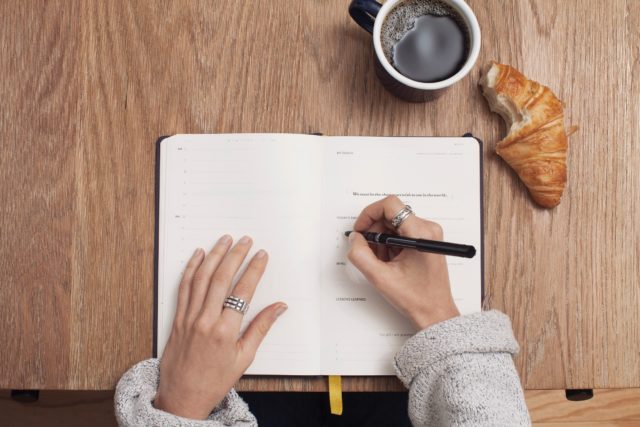
Writing has always been renowned for being an act of mindfulness. It’s why millions of people throughout history have kept diaries, or created memoirs or even just written notes to free their minds from their stresses and worries of everyday life. And yes keeping a journal helps with improving your mindfulness.

Personally, I’ve kept a journal for just over 8 months. I was first introduced to the concept by a friend of mine who’s a personal trainer. He didn’t really say much about it, just to practice and try and write in the journal every day, even if it’s just a couple of words or notes. Then he said to ask myself how I feel.

So, I gave it a go. I had never really kept a diary before and, being a blogger; I believed I already completed more writing in a day that most people do in a year so hadn’t really given it any thought.

However, as I already knew from blogging, it feels great to release your mind onto paper or onto a screen. When you find your flow and the words just effortlessly form sentences by being placed one after the other to create images, convey emotions or take your readers to other words. Words are amazing.

Keeping a Journal

So, I already knew the power that writing had, but I had never used it for myself. So, I gave it go. I got myself a blank diary and a pen. I did most of my daily writing on a computer, so I thought it would be nice to mix it up. There’s also something special about writing with a pen and paper and not on a computer.

So, I set myself aside ten minutes every evening to write. Just before I went to bed, so it was the last thing that I did. Although honestly, the first week was hard. I had no idea what to write about!

So, I asked myself three questions that I would answer every night for the day that I had just lived. These questions were:

  • What was my favourite thing that happened that day?
  • What do I wish I could have done better that day?
  • What was one thing I could say to myself at the beginning of that day if I could live it again?

This questions literally took me hours to think up, and it even got to a point where I was thinking ‘Do I think I should be spending more time with my cat today?’ Yeah, it got ridiculous.

Anyway, I settled for these questions for one main reason; gratitude.

In our lives today, everything happens so quickly and without thought. Days pass from one day to the next, weeks fly by and before we know it we’re two years in the future wondering where all the time has gone.

Living in the Future

As people living in the modern day, we need to stop and take a minute to realise what we’ve got in front of us and what’s happening now. We’re all guilty of constantly thinking ahead;

‘Oh, what am I doing this weekend?’

‘I can’t believe I’m going to be late.’

‘I wonder what we’re having for dinner tonight.’

‘Oh, I’ve got a big bill next month.’

Why are we wasting the only time we have in this life but worrying about these petty things that don’t matter? Why aren’t focused on the company that’s sat in front of us in our favourite coffee shop?

When was the last time you got excited by how absolutely beautiful the trees look when the leaves turn orange? What about the smell of freshly cut grass or the smile when your loved one catches your eye? Why don’t we long to seek out new experiences or listen to new music from artists around the world while sitting for hours to think why the artists are singing the lyrics that they are?

Life is full of amazing things, both small and wide scale. Of course, don’t get me wrong, the world is full of horrific things as well but in our lives, are things really that bad?

Through keeping a journal, you can train your mind to become more observant and more focused on the present moment. By being more present, you can be sure that you appreciate the little things in life and become grateful for everything that you have and experience.

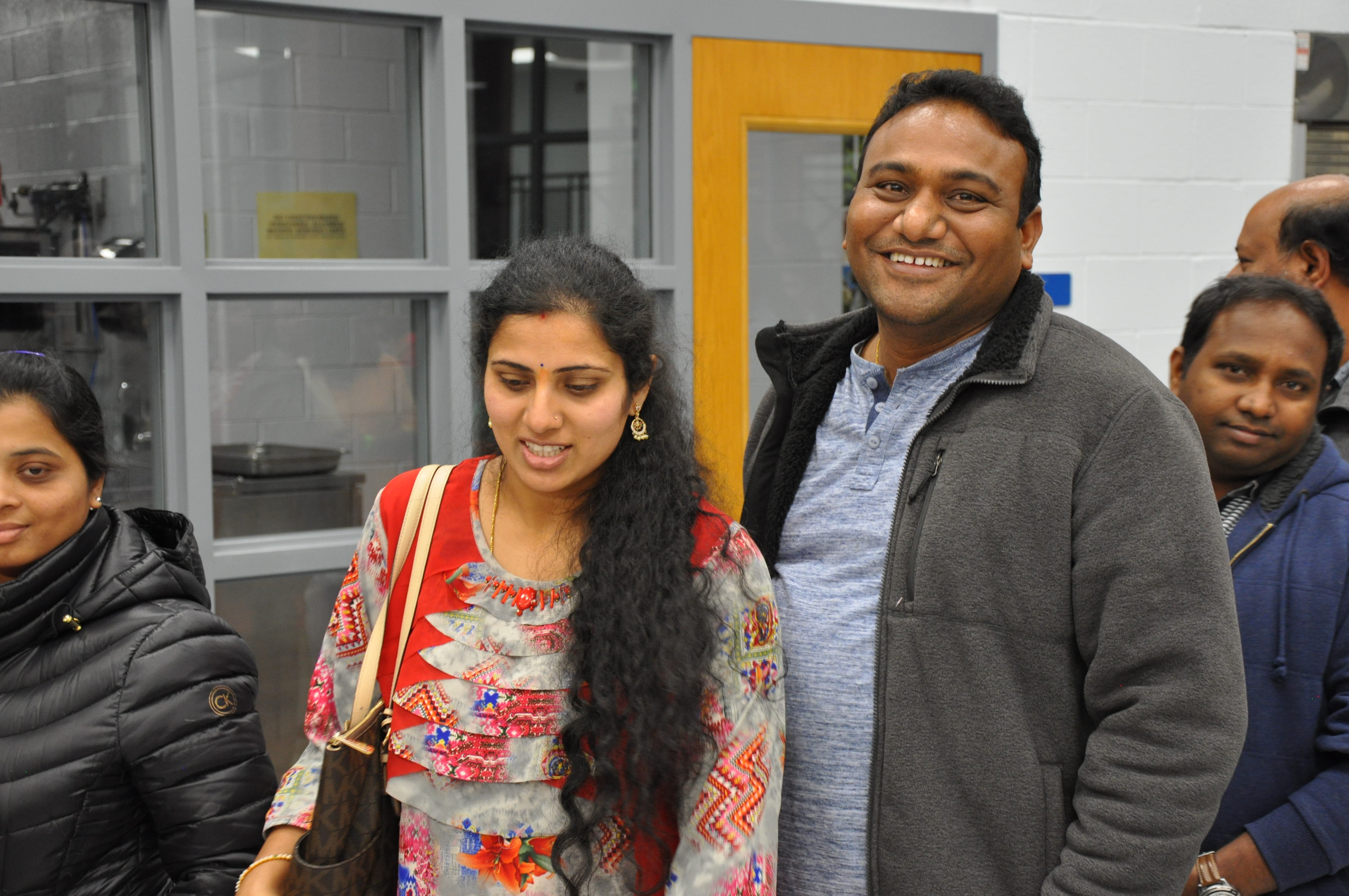
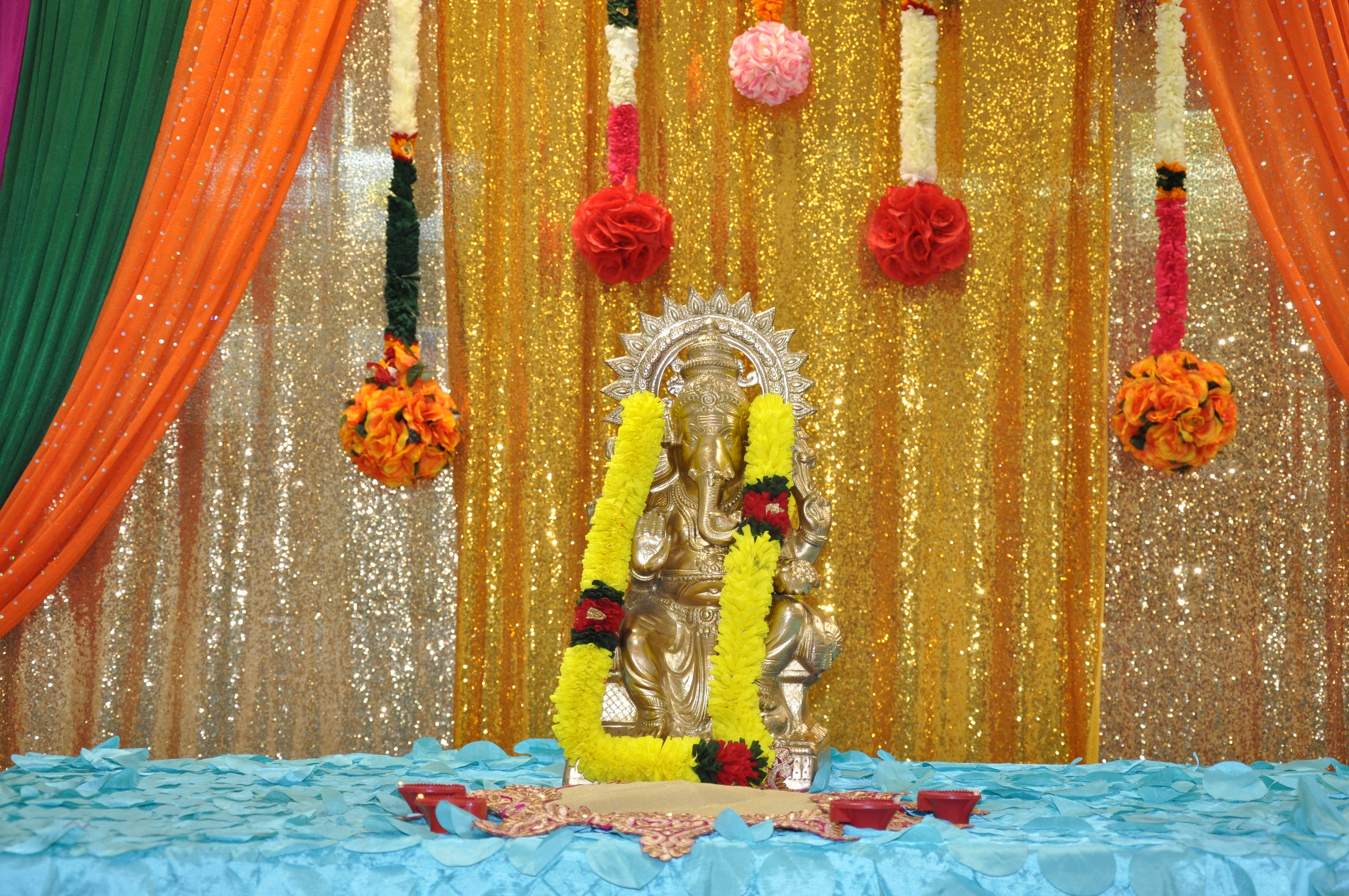
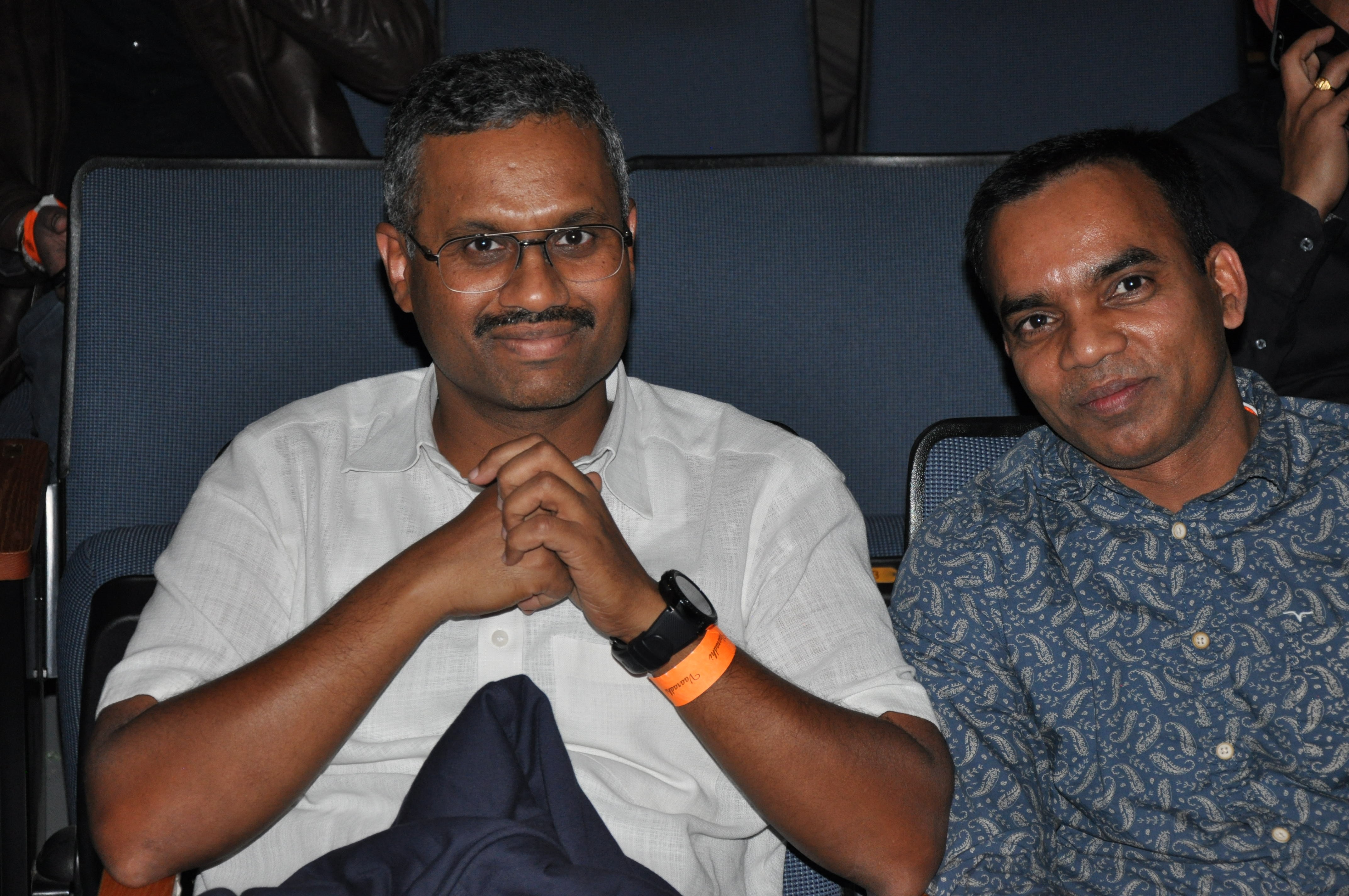
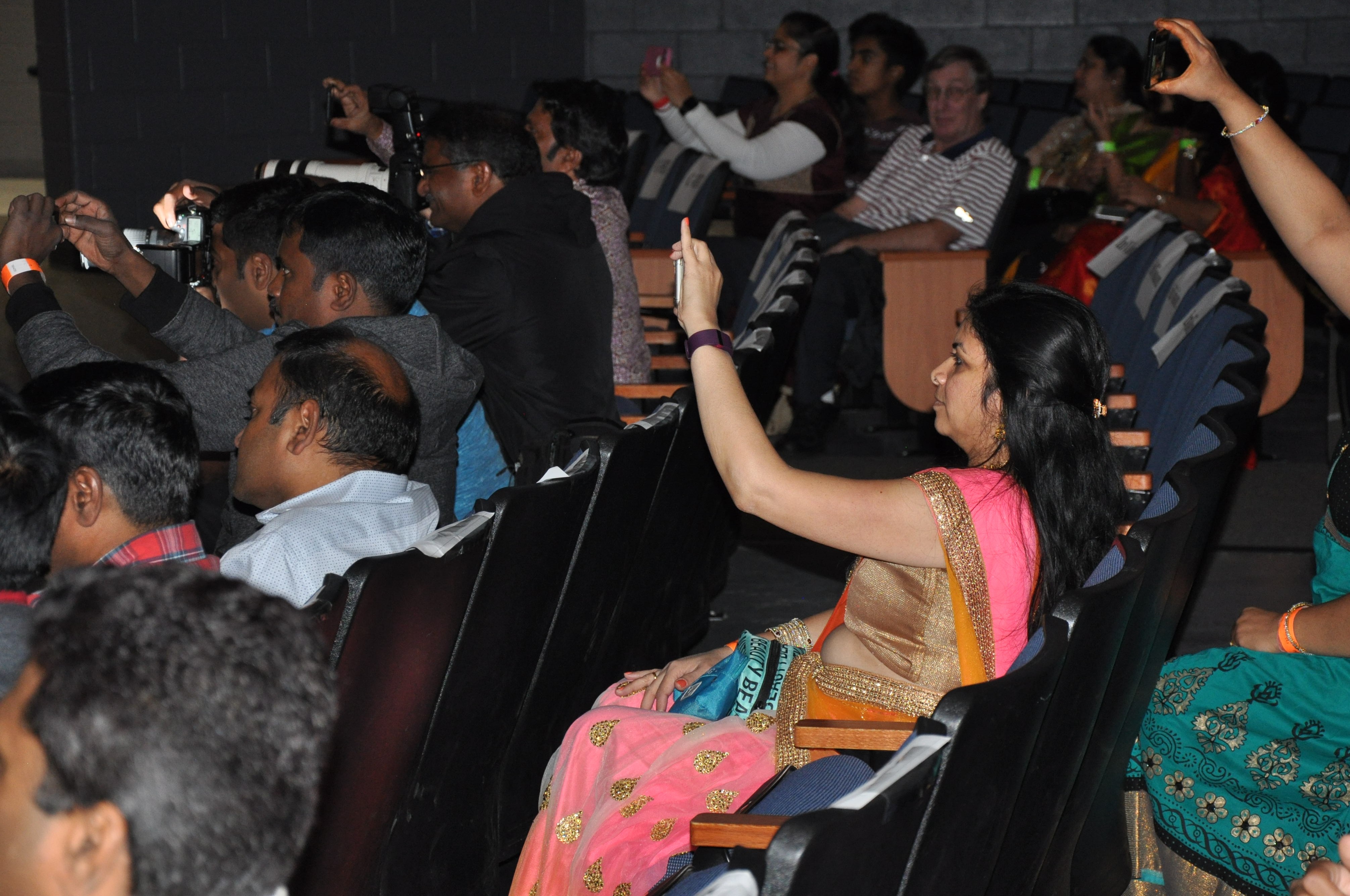
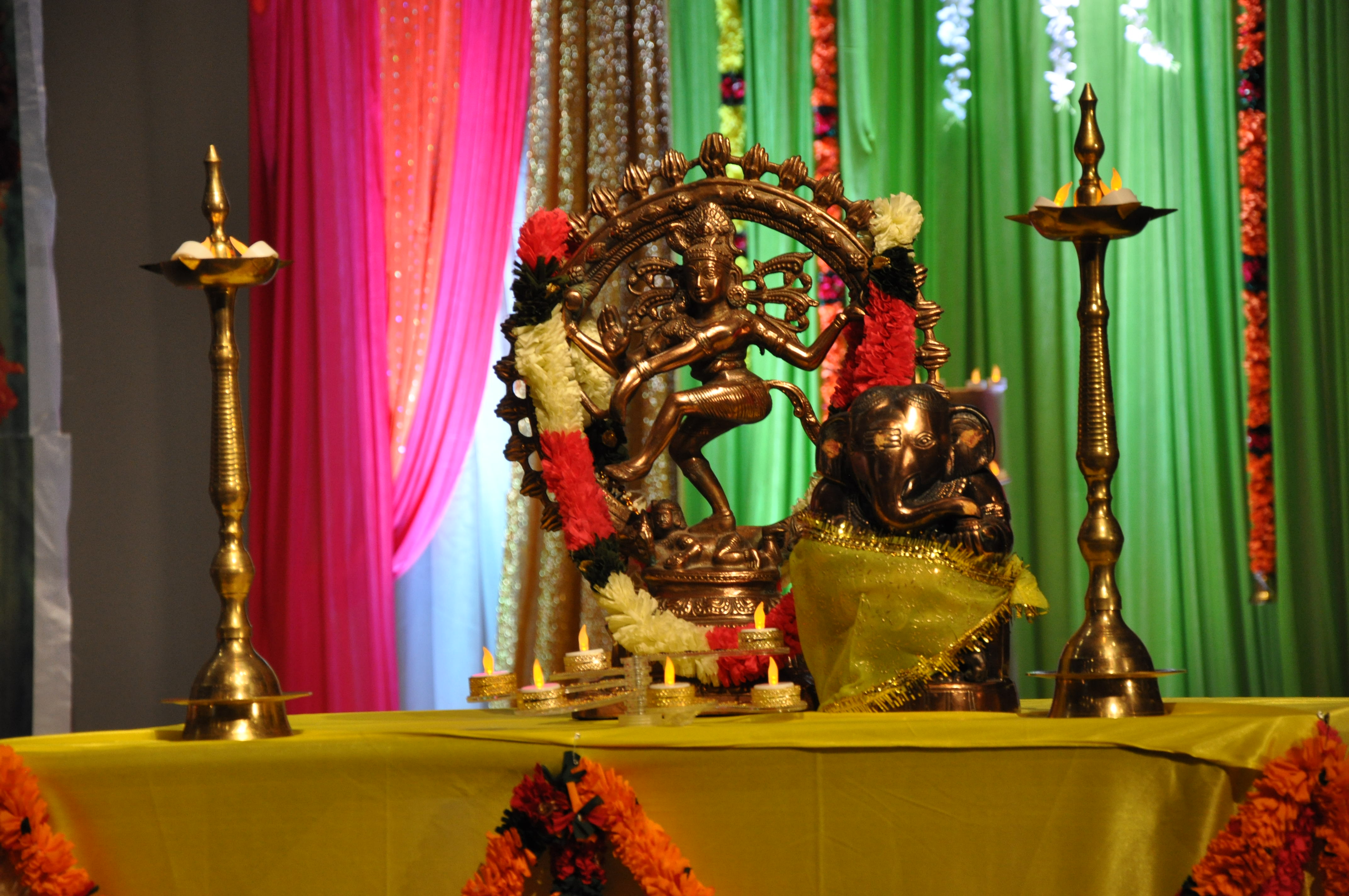
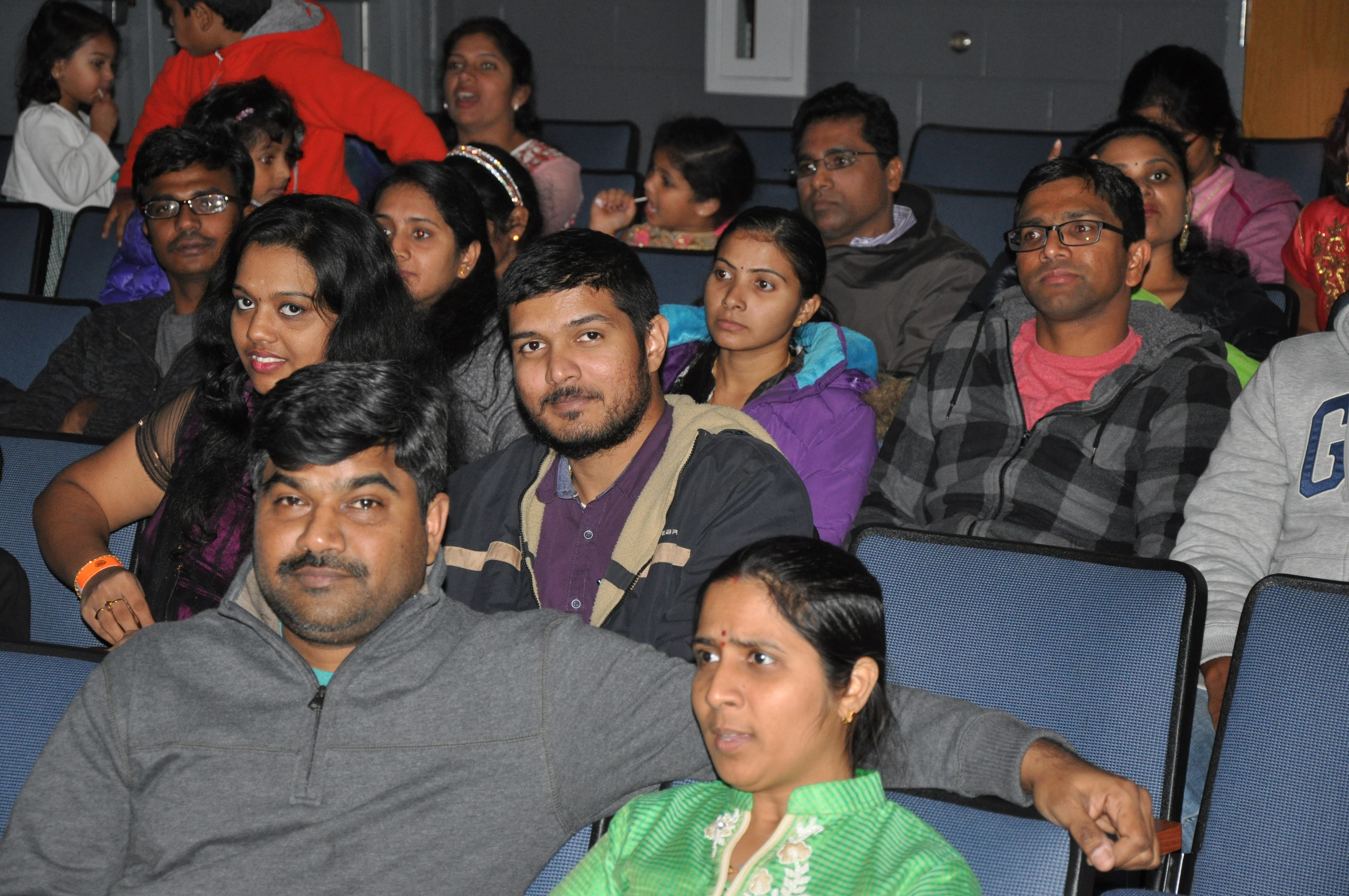
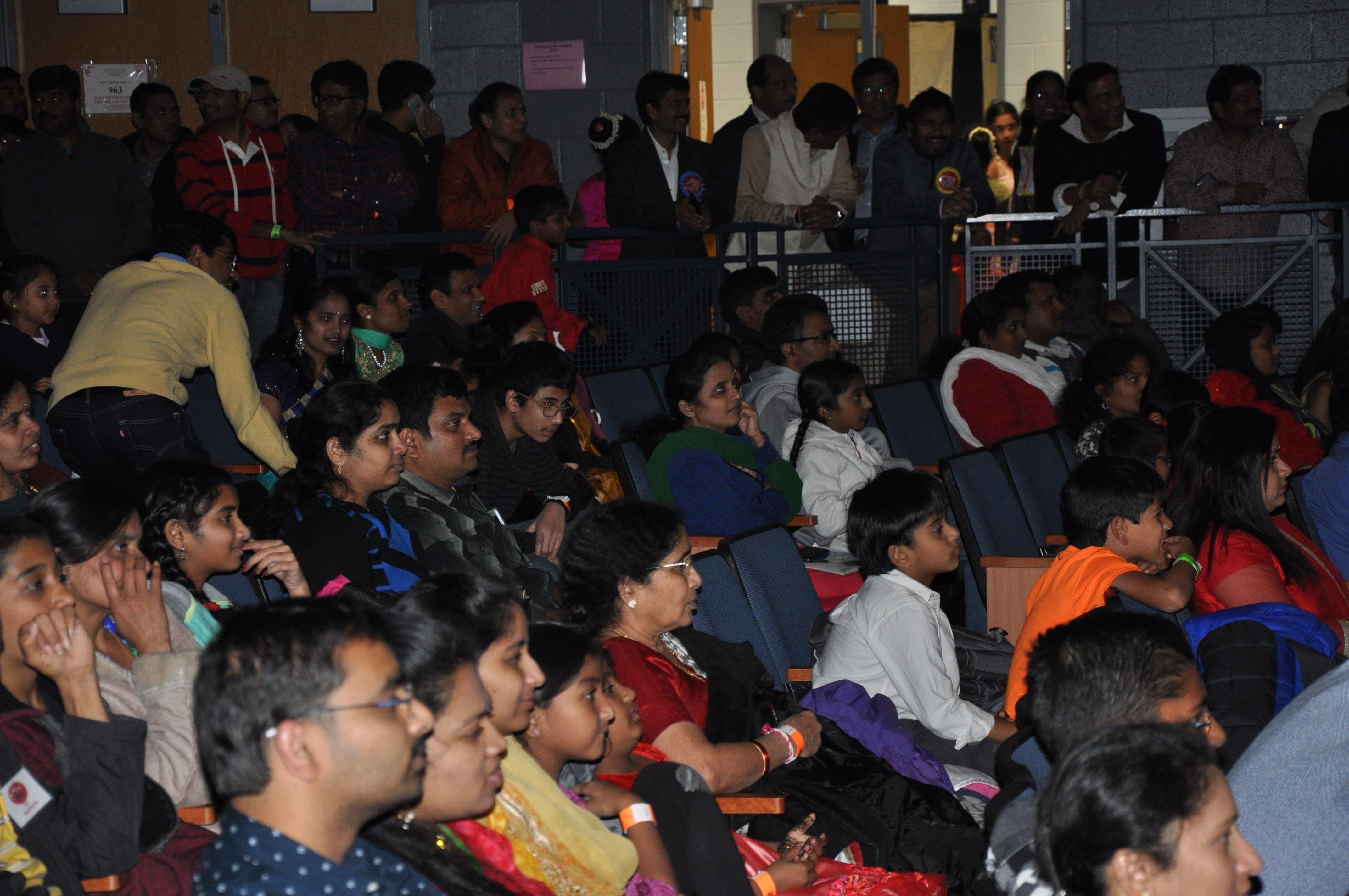
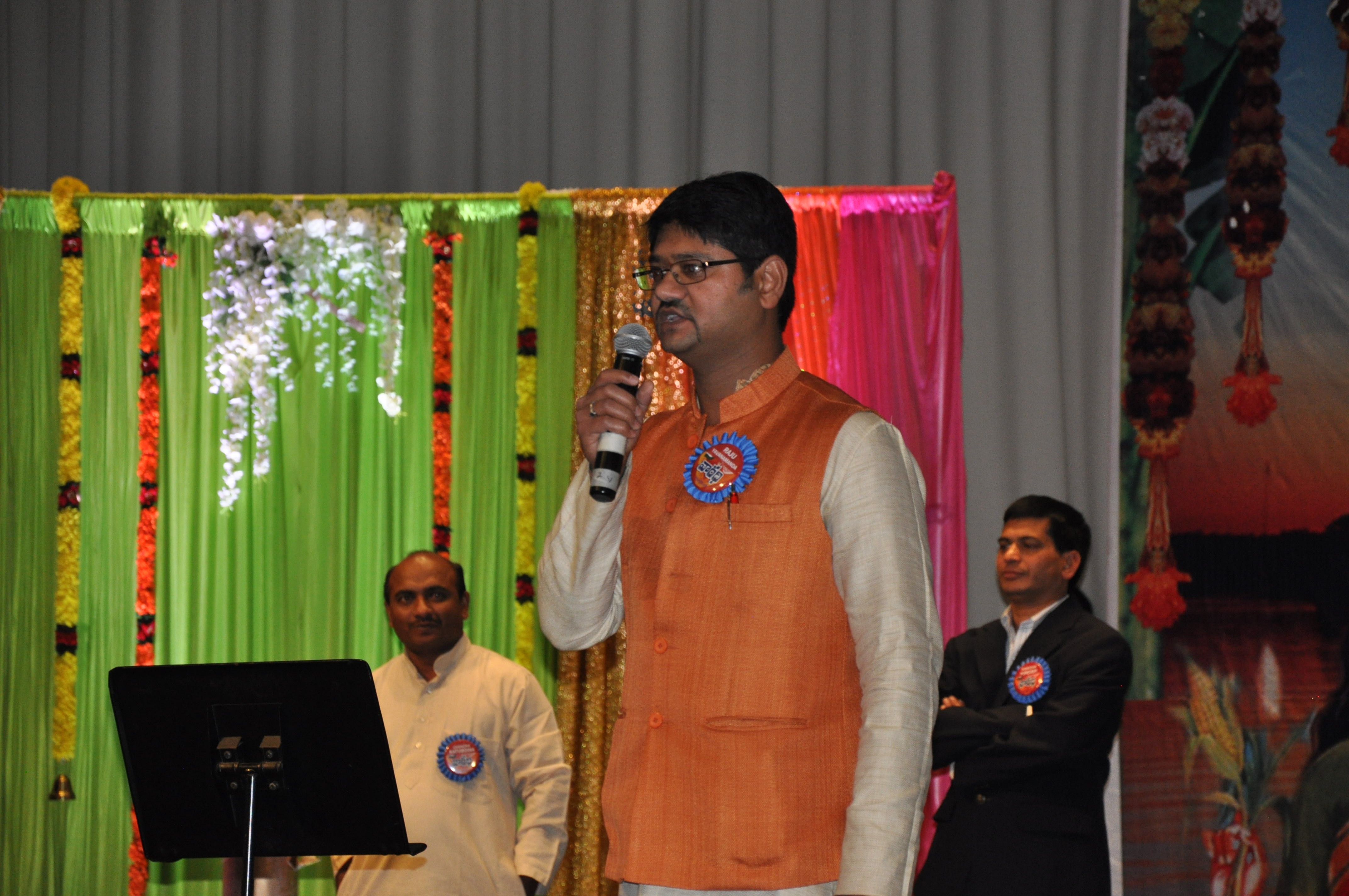
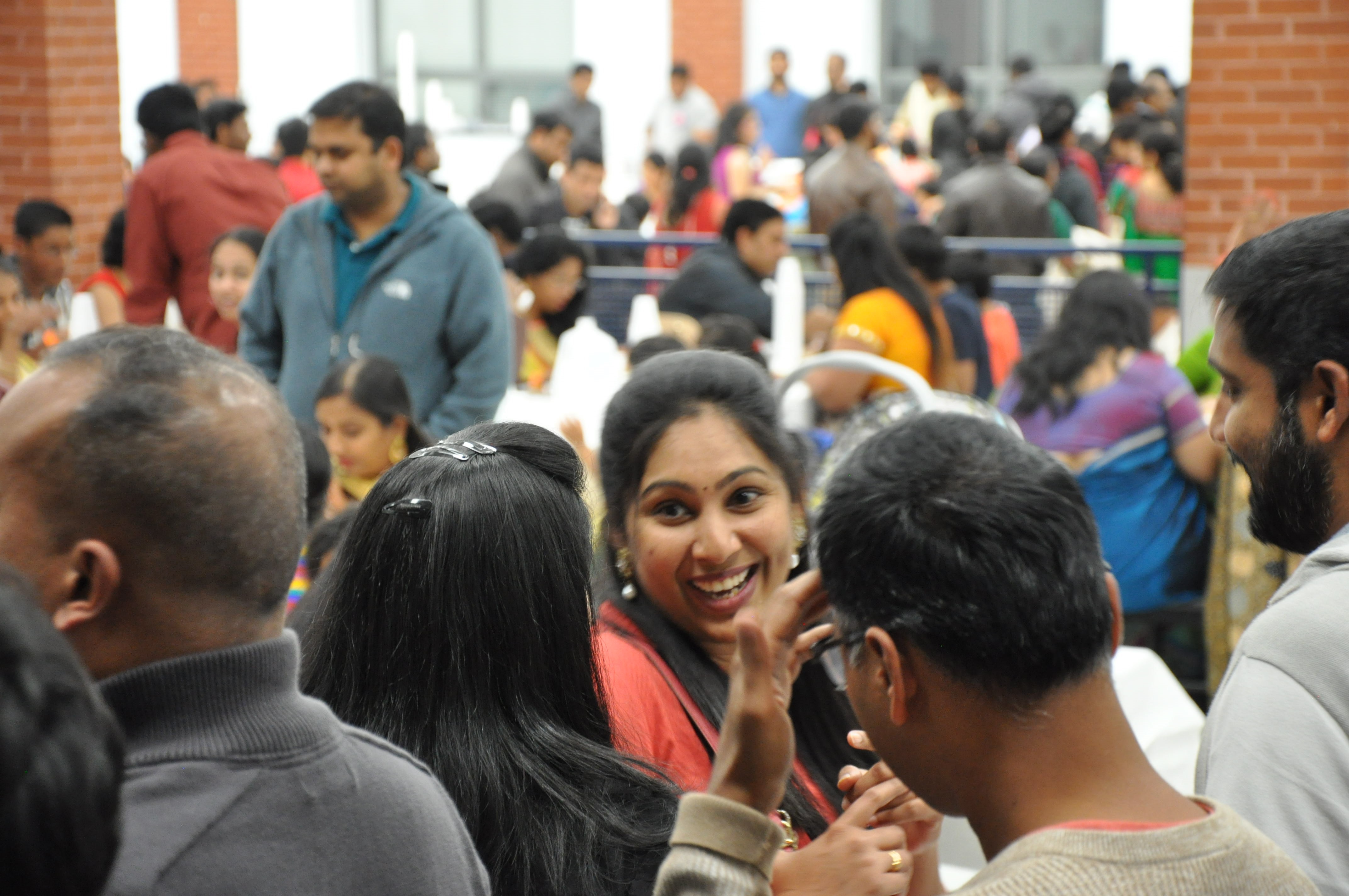
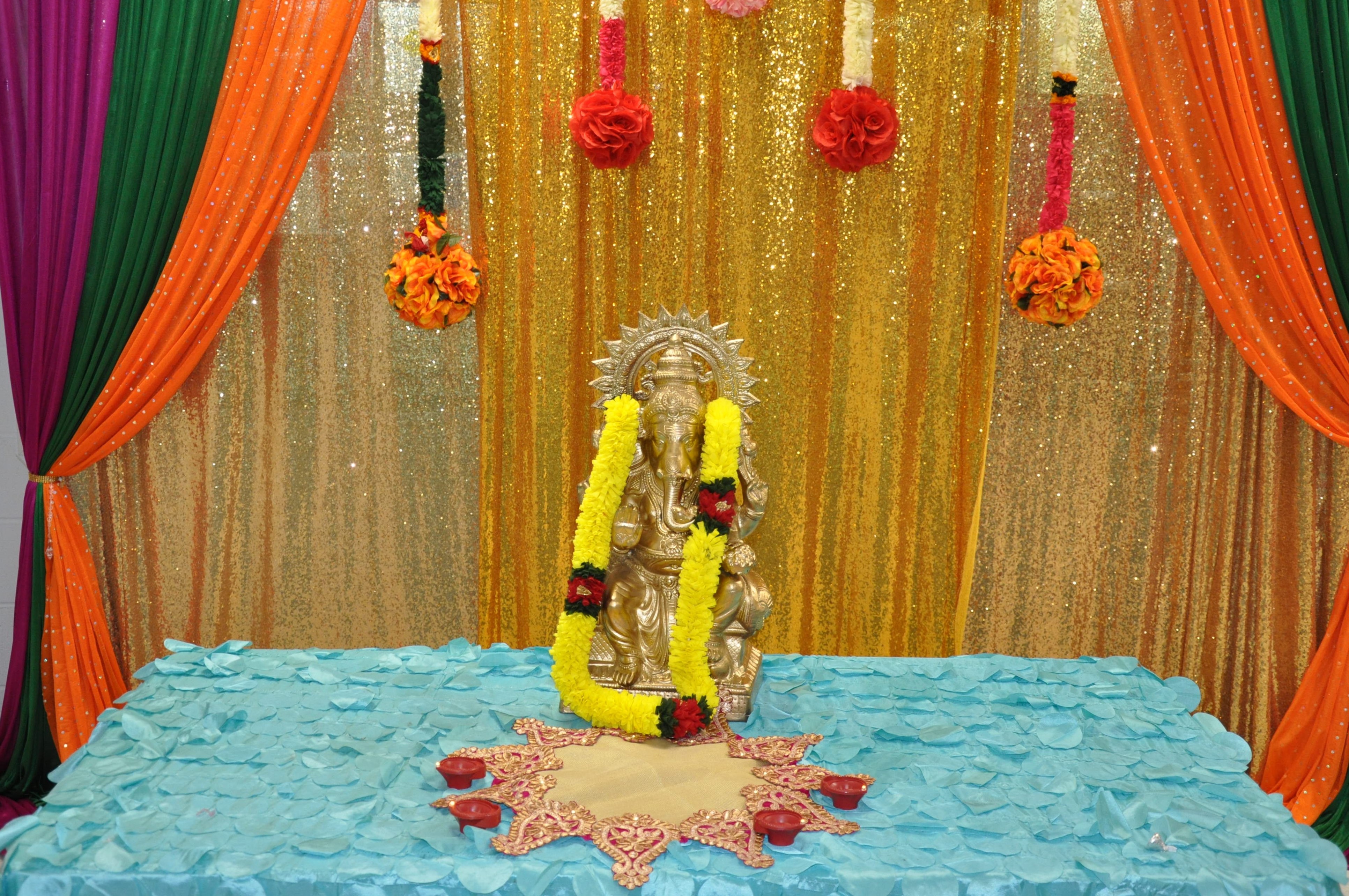
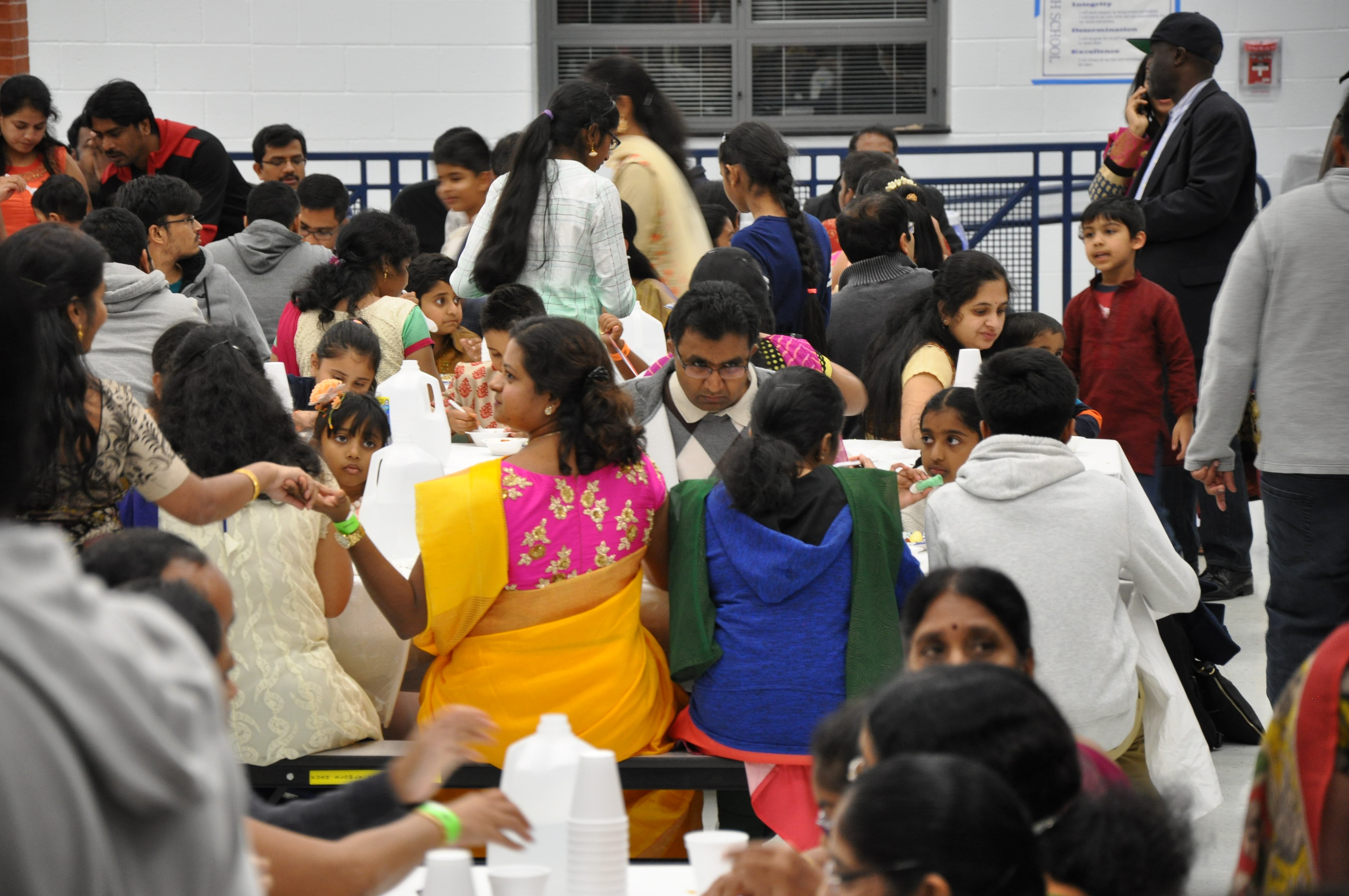
2017 CATS Dasara Diwali Pictures

0

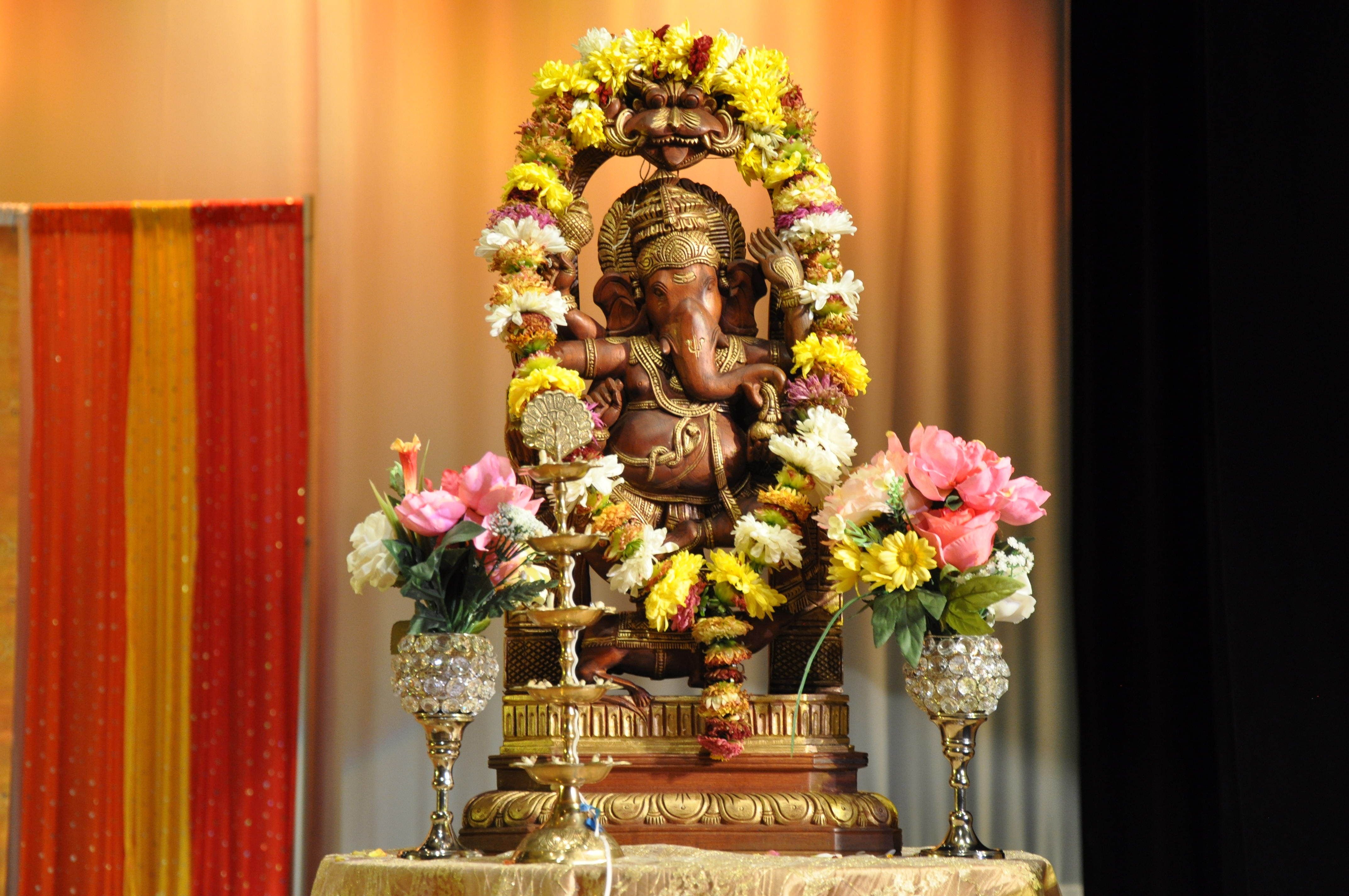
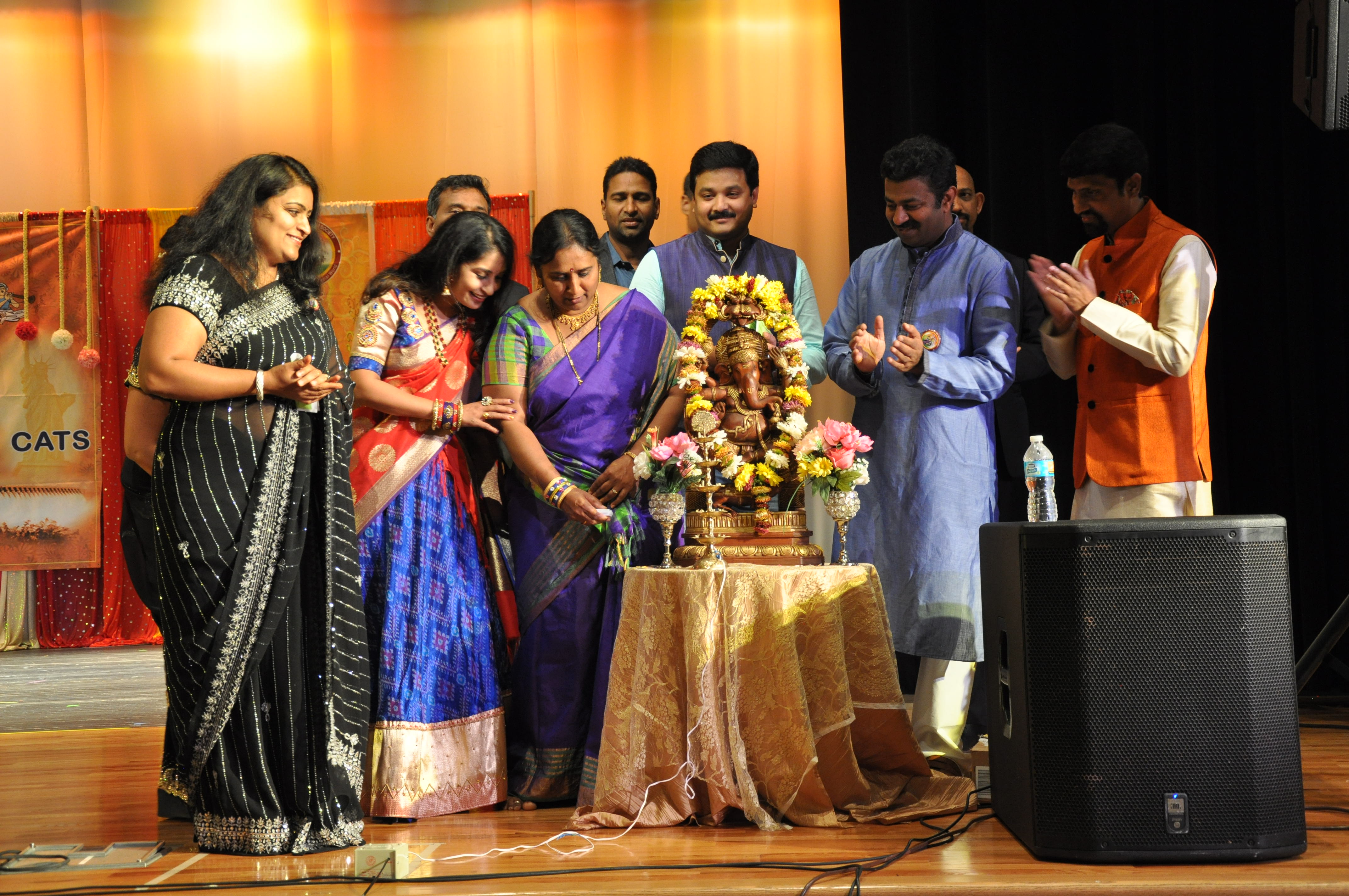
Event Pictures:

How to Make Time in Your Schedule to Meditate

0

There’s always a tonne of studies and case studies released every single week that declares and proves the benefits of mindfulness meditation. It’s quickly becoming such a huge part of our society and practised by millions of people around the world.

However, meditation does take time, and if you’re not already in the habit, it can be extremely difficult to find the time in our busy lives. As a writer, I can easily find myself working 14-hour days and when you want to have free time, social time and sleep, there’s very little chance that I have the odd ten minutes spare.

But, with the benefits of meditation completely outweighing the negatives, I had to give it a go. Now, about 18 months down the line, I’ve got all the time in the world for it.

If you’re thinking about starting meditation but can’t find the time, here’s a couple of ways you can start!

Meditating While Commuting

Of course, this one isn’t really possible if you drive to work. However, if you take a bus, train or taxi, this could be the perfect opportunity to sneak in a meditation session.  For this point, you’re probably going to want some headphones to block out the sounds around you, but that’s ideal.

You can use meditation music playlists, such as the ones on Spotify, or listen to guided meditations. If your commute takes 20 minutes, try and sneak in a 10-minute meditation to start with and work your way up to 15! This is perfect for getting into the right mindset for the day ahead, or unwinding at the end of a long day!

Meditation in Nature

The benefits of meditating in a natural environment are unparalleled. If you’ve got somewhere near your house, maybe your back garden, front garden, local park or any kind of rural area, this is something you can do.

This is a great way to find some peace and quiet and perfect for meditating in serenity. If you go for walks in nature, which it’s highly recommended that you take the time to do once a week, then use this opportunity to meditate.

Cut Social Media Time

How much time a day do you spend on social media? If you add up how much time you spend flicking for a couple of minutes here and there, it probably adds up to several hours throughout the day.

However, by being mindful about how much time you spend on social media, you can make more than enough time to meditate. It’s also a lot more beneficial to mediate than it is to look at funny cat videos!

Get Up Earlier

As mentioned above, meditation is so much more beneficial when you do it in the morning. Even if you want to start meditating just ten minutes a day, just by setting your alarm to wake up ten minutes earlier is more than enough time to squeeze in a quick session before you start your day.

As you can see, there are so many things you can do to start meditating, and this is just scratching the surface. Be mindful of how you spend your days, and you’ll soon notice areas you can change to fit in a session!

5 Dangers You Could Experience When Meditating

0

Many of you may have read this headline and thought ‘dangers of meditation?’ All over the internet, and in fact the world, you’ll be able to read articles and surveys stating the positive benefits of meditation and rarely about anything negative that it can do.

And that’s because there is very few! However, when meditating, you may find that certain things happen that make you feel a bit ‘not normal’. Today, I’m going to explore five of these dangers as well as how to stop them happening to you.

Cravings

One of the most surprisingly common hindrances to occur during meditation is craving something halfway through that you then can’t take your mind off. This could be smoking, a drink, some kind of food or something that starts when one of your senses picks something up, making a sound or a smell.

As with all areas of mindfulness, take note of this craving, just as you would an intruding thought, recognise it for what it is and then move on.

Anger

Anger is also another extremely common way to feel during a meditation session, especially when things aren’t going as you expected them to. You may find yourself constantly distracted, or you may feel pains or aches in your body that don’t seem to go away, causing you to become distracted.

Again, just like all aspects of mindfulness, it’s important to acknowledge this danger for what it is, taking note of it happening. Then, simply return to concentrating on your breathing.

Anxiety

More commonly referred to as restlessness, this is when your mind is finding it impossible to go quiet and still. In Buddhist terms, this is known as ‘Monkey Mind’. Of course, every human suffers from some kind of anxiety, especially when actually listening to what their mind has to say.

However, the best way to get through this problem is by practising meditation regularly. The more you practice, the better and calmer your mind will become.

Doubting Yourself

Another extremely common worry that meditators face is doubting themselves and their practice during their sessions. So many unique thoughts can come into your head, some along the lines of ‘am I practising properly’, ‘am I doing it right?’ or ‘should I be doing something else like work right now?’

These are all extremely common, especially when you’re starting to get into the habit of meditating when you’re starting out. However, these thoughts will pass in time as you start to improve. It may be beneficial to use a guided meditation to follow and focus your mind.

Laziness

In Buddhist terms, this is known as ‘sloth’, and it’s so difficult not to get angry during your sessions if you begin to fill this way. Your mind and body may start to feel dull, lazy and tired which can be very distracting when you’re trying to concentrate.

However, there are several things you can do to overcome this. Firstly, try breathing more deeply and with more focus. You can also try using a guided meditation to keep you focused and away. You may even want to stand up during your session just to wake your body up or even do the whole session standing in mountain pose.

With all these considerations above in mind, you may want to focus on what time of day you meditate.

For the best benefits, you’ll want to meditate in the mornings as soon as you wake up. This is when you’ll be more awake but try altering your routine if it doesn’t work. If you’re really hungry when you wake up, have a breakfast and then meditate.

If you leave your practice to the end of the day, you’re far more likely to be tired and distracted with everything that happened, but it’s also a great way to wind down.