

















Home Blog Page 20

Meditation for Boosting Creativity

0

Creative thinking is such an important part of modern society. Whether you’re in marketing, a photographer, a graphic designer or a small business owner. Whatever career you’re in, they will always be a need for some kind of creative input.

Even if you’re a high-sailing CEO of a huge corporation, how are you supposed to give the stakeholders what they want without a bit of thinking outside the box? But, what happens when you run out of good ideas? How are you supposed to re-ignite that spark?

One of the most popular methods of regaining your mojo is through meditation. Consider the big companies. Google, Medtronic, Buzzfeed, Facebook. All these companies provide their employees with meditation sessions to get the juices flowing. Not only will these sessions reduce stress in everyday life, but it can also help you to become a lot more creative.

Enhancing Your Creativity

It’s been proven time and time again that mindful meditation has many positive effects on the mind, especially when it comes to working environments. Stress is a part of everyday life, and we should be doing whatever we can reduce this.

Meditation also helps you to become a lot of a positive thinker. It can help you to overcome negative effects or events. It also helps you to make more balanced decisions.

In fact, it’s been suggested that even just 10-12 minutes of meditation a day is enough to boost your creativity levels dramatically. During a study that took place in the Netherlands, 129 students were asked to think of as many uses as possible for drones.

Before the study took place, the group was split into three groups. The first group engaged in a 10-minute mindfulness meditation. The second engaged in a fake 10-minute meditation session. The final group began brainstorming immediately.

The Results

After the experiment, the results were diverse. All groups managed to create roughly the same amount of ideas. The description for each idea was also roughly the same.

However, the group that had meditated had created a much broader list of ideas. The non-meditating groups had created two categories of ideas. On the other hand, the meditating group had created over four categories. One meditating group had even created more than nine categories.

In total, the meditating group was 22% more creative than the rest of the students tested. The students were also tested for how they felt. Restlessness was decreased by an average of 23%, irritation by 24% and nervousness by 17%.

Final Thoughts

As you can see, this recent study carried out a few months ago has turned up some surprising results that state the very clear benefits that meditation has. By even taking the time out of around 10-15 minutes a day, you can dramatically improve your life to become more productive and more creative than ever before.

Coping with Anxiety & How Meditation Can Help

0

Everybody from time to time will face some sort of anxiety; it’s simply part of who we are. Whether you’re worried about problems you may have in a relationship, or maybe you don’t have enough money in the bank, anxiety can affect us in many different ways.

Anxiety is easily one of the most common mental health issues the modern world faces. In America alone, over 40 million people suffer from it. However, despite everybody being different, there are ways you can reduce and minimise the effects.

Through meditation, you can start to change your mindset to becoming happier while freeing yourself from anxiety.

Where Does Anxiety Stem From?

In short, adverse comes from you and your mind. If you spent the majority of your time wondering about things that could happen in the future, it’s safe to say that you’re not living in the present.

With anxiety, we may be nervous about an upcoming job interview or even a pending social event. However, these events are all far off into the future, and you don’t have any control over what happens. Anxiety then stems from imagining the worst of a situation.

However, the more we think about these adverse events, the more anxious we become. By controlling and adapting our mindset, we can stay to become more present. This allows us to delight in the events in front of us, without fear of what’s to come.

How Can Meditation Help Anxiety?

In many different ways. An anxious mind can easily be described as an overactive mind. One of the most renowned benefits of meditation is calming this kind of mind.

In short, anxiety is simply thoughts in your head. Some can seem worse than others, but these ideas can sometimes be paralysing to the individual. Little do most people know that these thought processes can be contained and controlled, allowing us to take back control of our lives.

Referring to the human consciousness, the brain can only concentrate on one thought at a time. If you’re worried about an upcoming situation, you’re not focused on the present.

Through meditation, you can help your mind to become present, undistracted, giving you the best chance at being happy as you pass through moment after moment.

Getting Started

It’s important that you take your time when meditating. It’s a slow process trying to break years, possibly even decades worth of mental habits. You may have been an anxious person since birth, meaning you’re now trying to break a mindset you’ve been in for your entire life.

You may feel comfortable meditating for an hour, or ten minutes, it’s really up to you, whatever you feel comfortable with. One of the best ways to start is using an app such as Headspace or Calm. Alternativity, you can look up beginner sessions on YouTube, or you could even join a class in your local area.

If you’re looking to start at home, ensure you find a nice quiet space where you won’t be disturbed. Get yourself comfortably and breathe deeply and steadily. Follow your breath from the beginning of the inhale to the very end of the exhale.

Any random, possibly anxious, thoughts that pop into your head during the session, don’t get frustrated. Just acknowledge the thought and return to your breath. It can take weeks, even months to get your head into the right place so take your time and be patient.

Final Thoughts

Meditation is a slow, steady process and it can be difficult to grasp. In a world where we can access or gain information instantly, it can be frustrating not to see instant results. However, by being patient with the practice, the benefits you’ll enjoy are unparalleled.

4 Ayurveda Herbs You Need to Know

0

Life can be stressful, overwhelming and chaotic, even at the best of times. Our modern-day lives are riddled with complaints of stress, anxiety and emotional roller coasters that leave us feeling distraught and, overall, unhappy.

However, to take back control of your life, here are four essential herbs, proven by Ayurveda practices, that can help to reduce these stress levels, enabling you to return to your happy, functional and relaxed self.

Essential Herbs That Your Need to Know

Brahmi

This is easily one of the essential herbs that you should be stocking. Brahmi is renowned for actively decreasing the cortisol hormone in the body, a hormone commonly associated with stress.

By regulating this hormone, you’re able to stay focused throughout the day as well as providing you with a smoothing effect across your nervous system that will leave you feeling relaxed and calm, even in the most stressful events or environments.

Jatamasi

If you’re in need of a herb that helps you to quickly de-stress while keeping you from feeling tired throughout the day, a common complaint from people living in modern societies, Jatamasi is for you.

The most beneficial part of Jatamasi is the root which is renowned for its therapeutic effects on the human brain. According to Ayurveda guidelines, these roots proactively cleanse and rid the brain and body of potentially harmful and stressful toxins, allowing you to remain level-headed and stress-free throughout the day.

Vacha

Vacha is one of the most effective root herbs in Ayurveda. This root is renowned for its relieving properties that can benefit you in many ways.

These calming effects mean that you can help yourself to sleep more naturally and more refreshingly. This will also help you to calm your mind, especially from anxiety, throughout your days.

There have also been reports that Vacha can help to stimulate and increase your memory capabilities, leading to a more productive lifestyle.

Ashwagandha

This herb, very similar aesthetically to ginger, is made from a beautiful collection of vitamins and amino acids. These natural substances will bring so many positive benefits to your mind and body.

Ashwagandha is renowned for being an adaptogen. This enables your body to adapt to perform consistently, even in the most stressful situations. You’ll also instantly see a boost in your stamina, endurance and your overall energy levels in everyday life.

This is also a very traditional Ayurveda herb for perfecting your sleeping pattern. It does this by actively fighting the symptoms of insomnia.


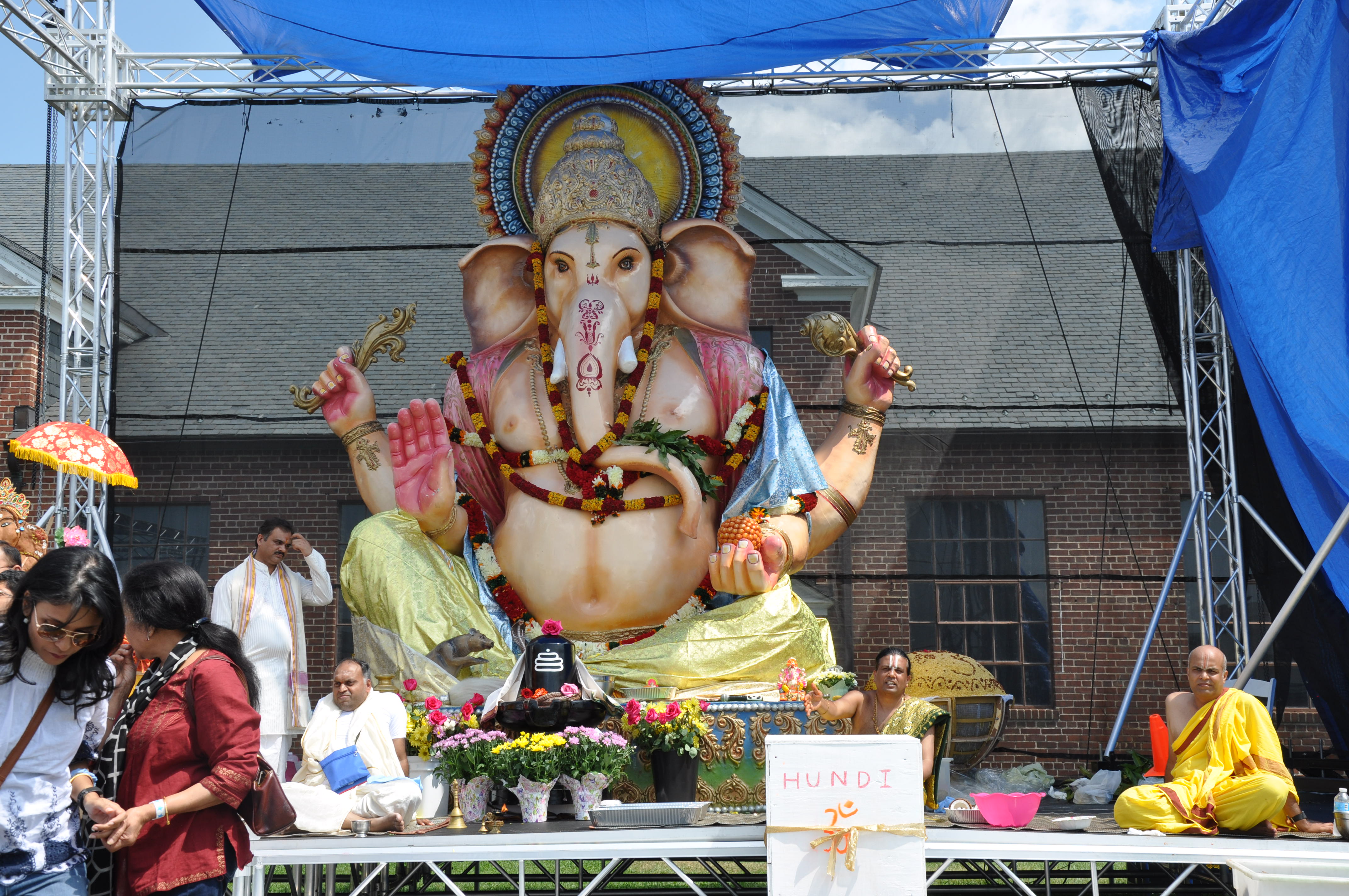
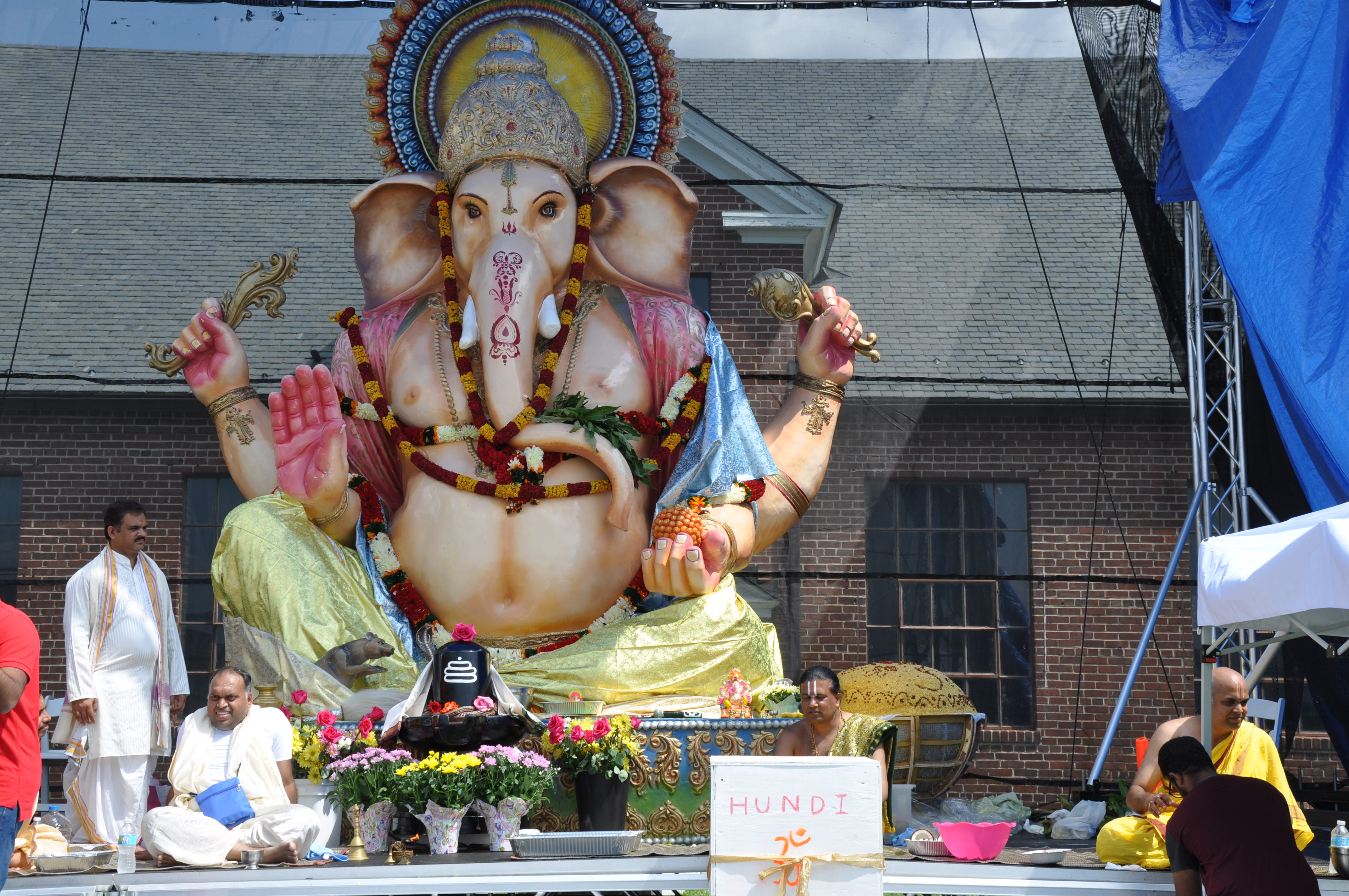
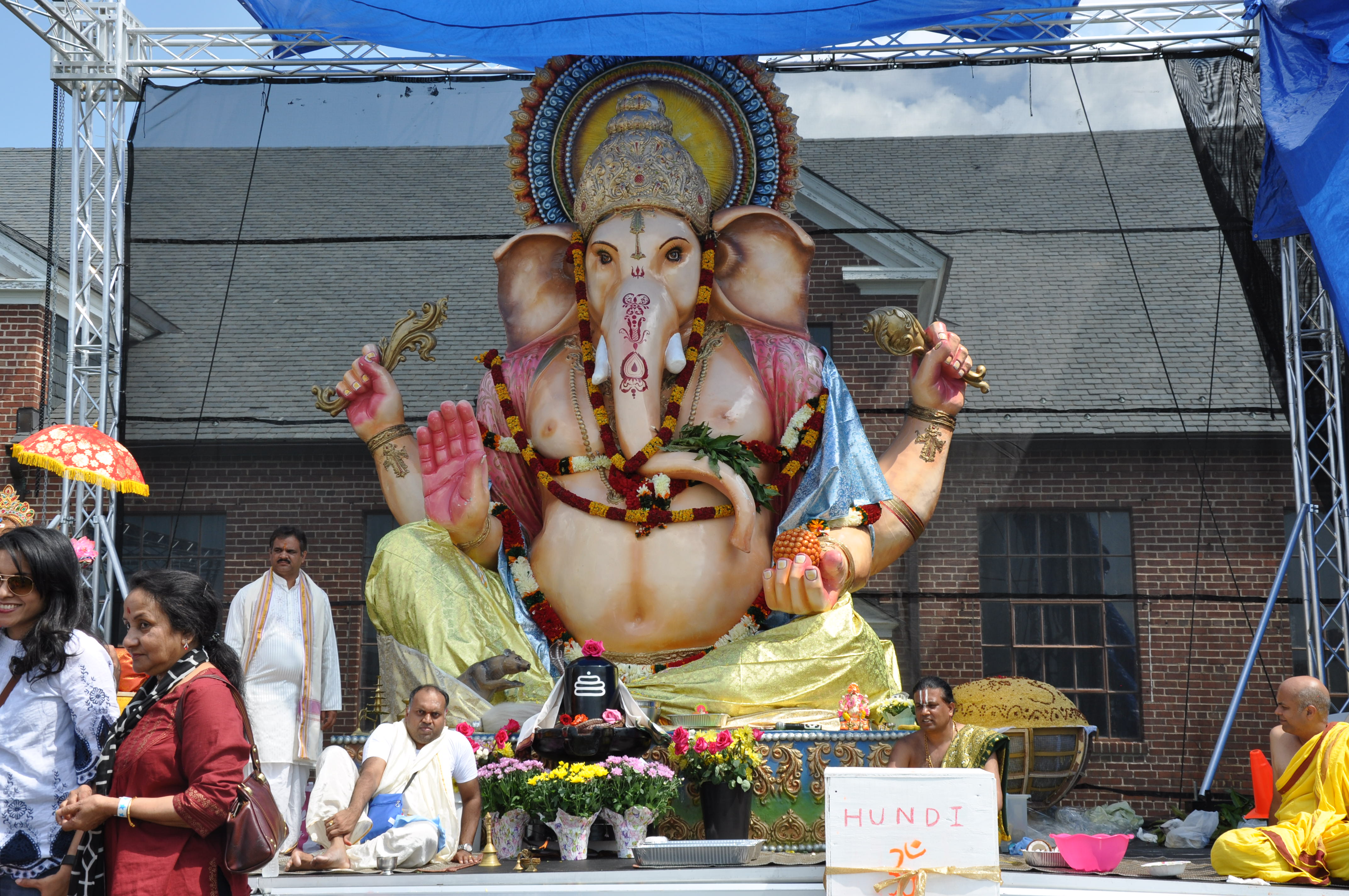
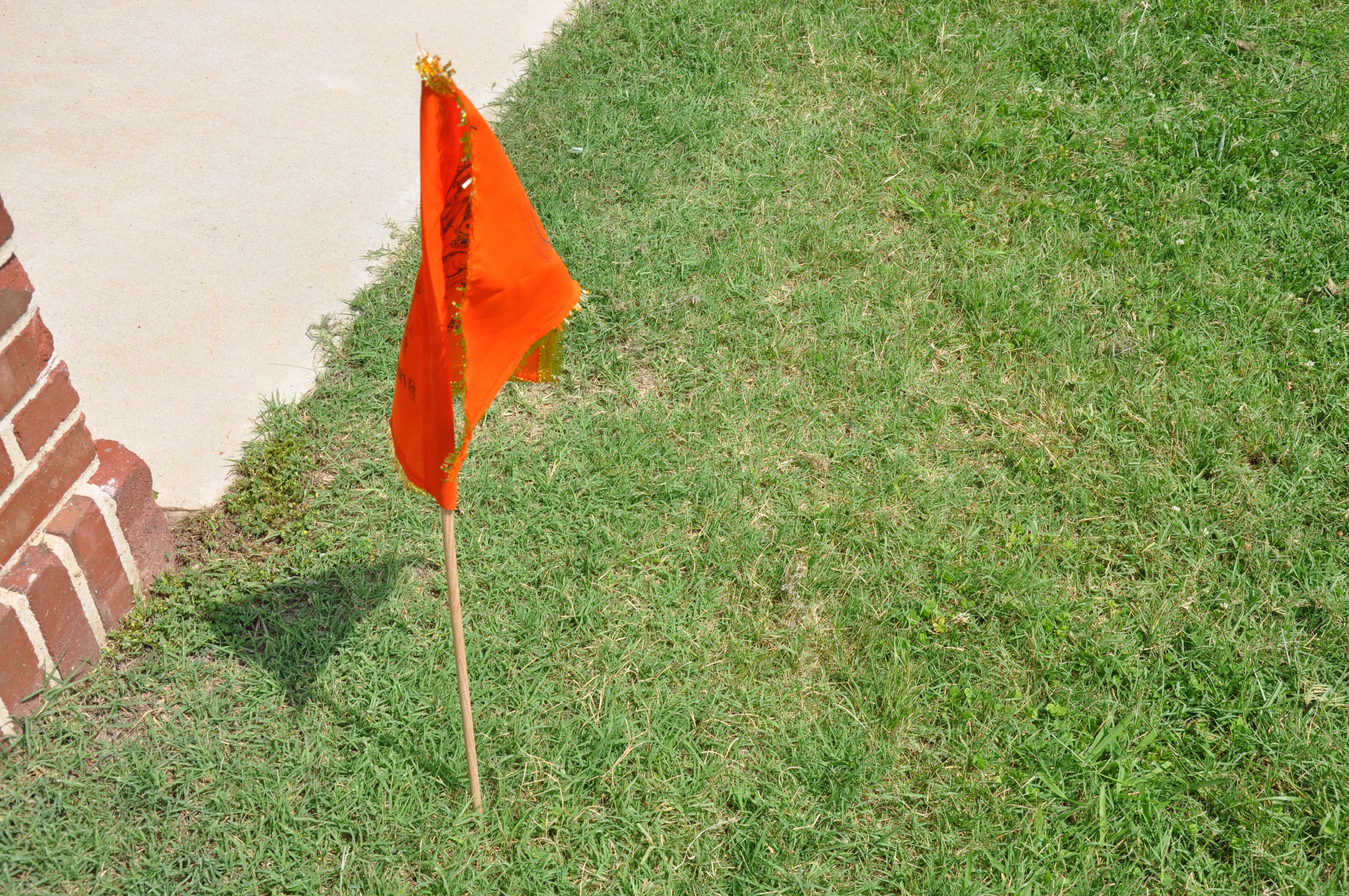
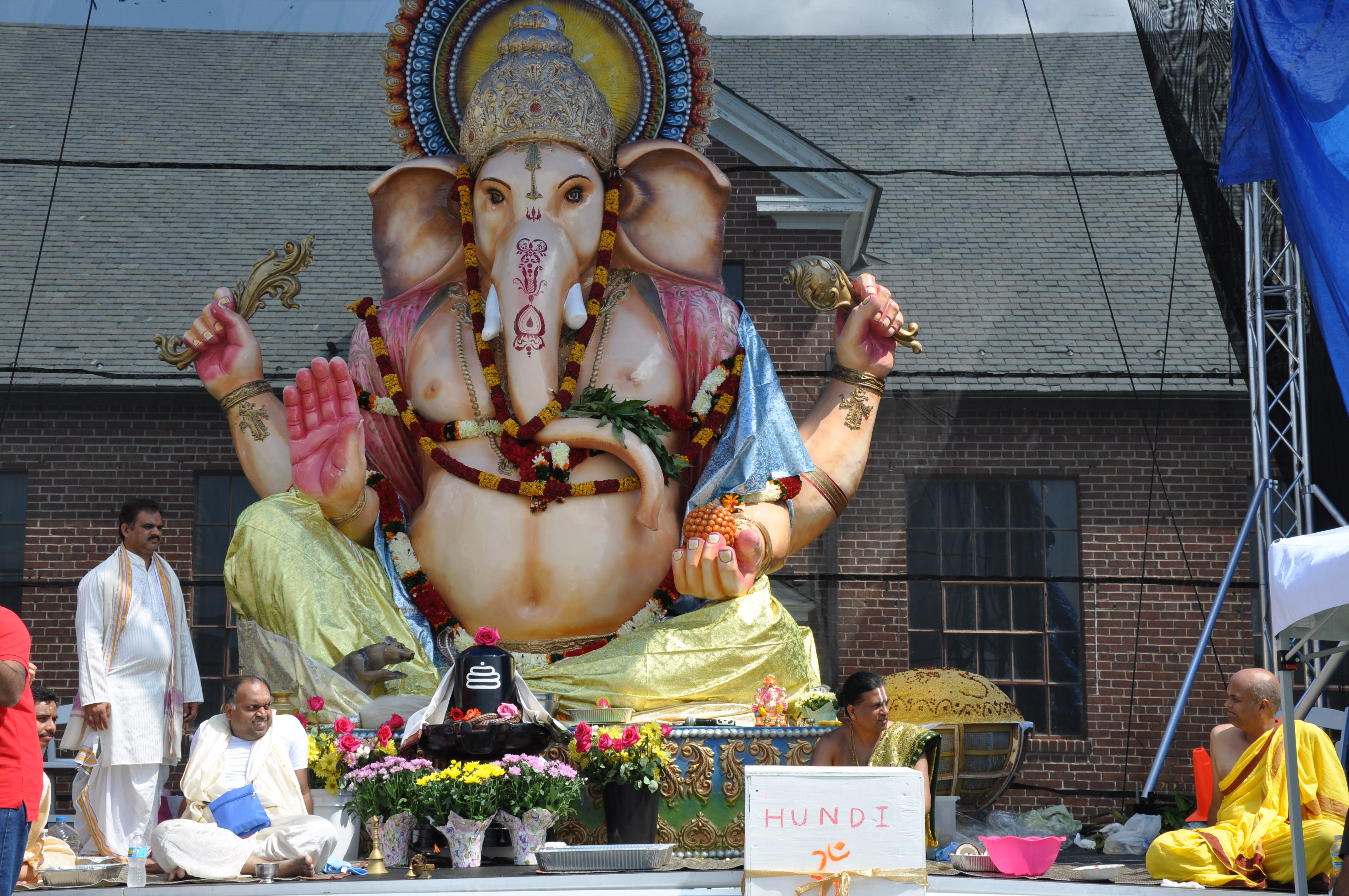
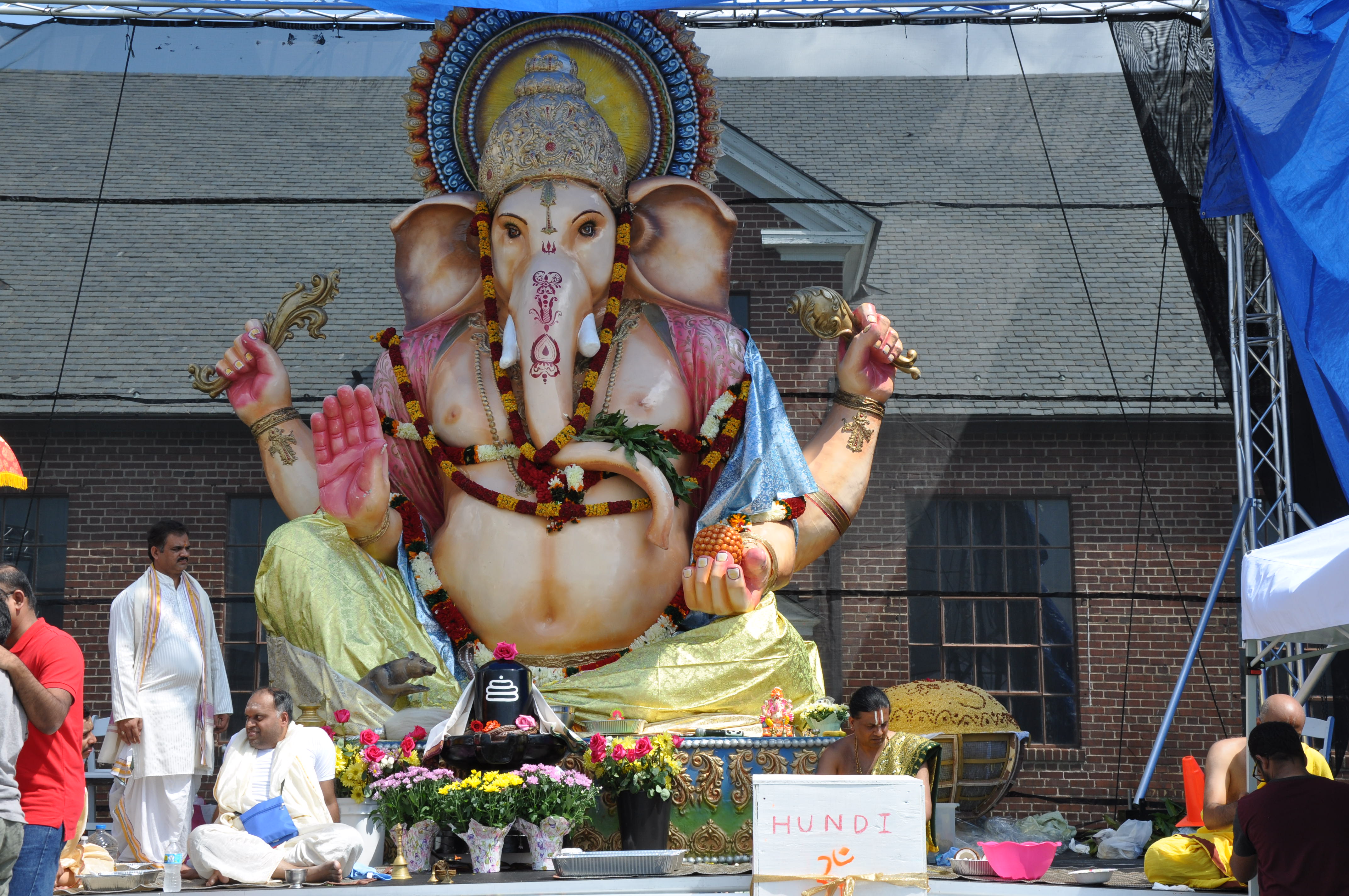
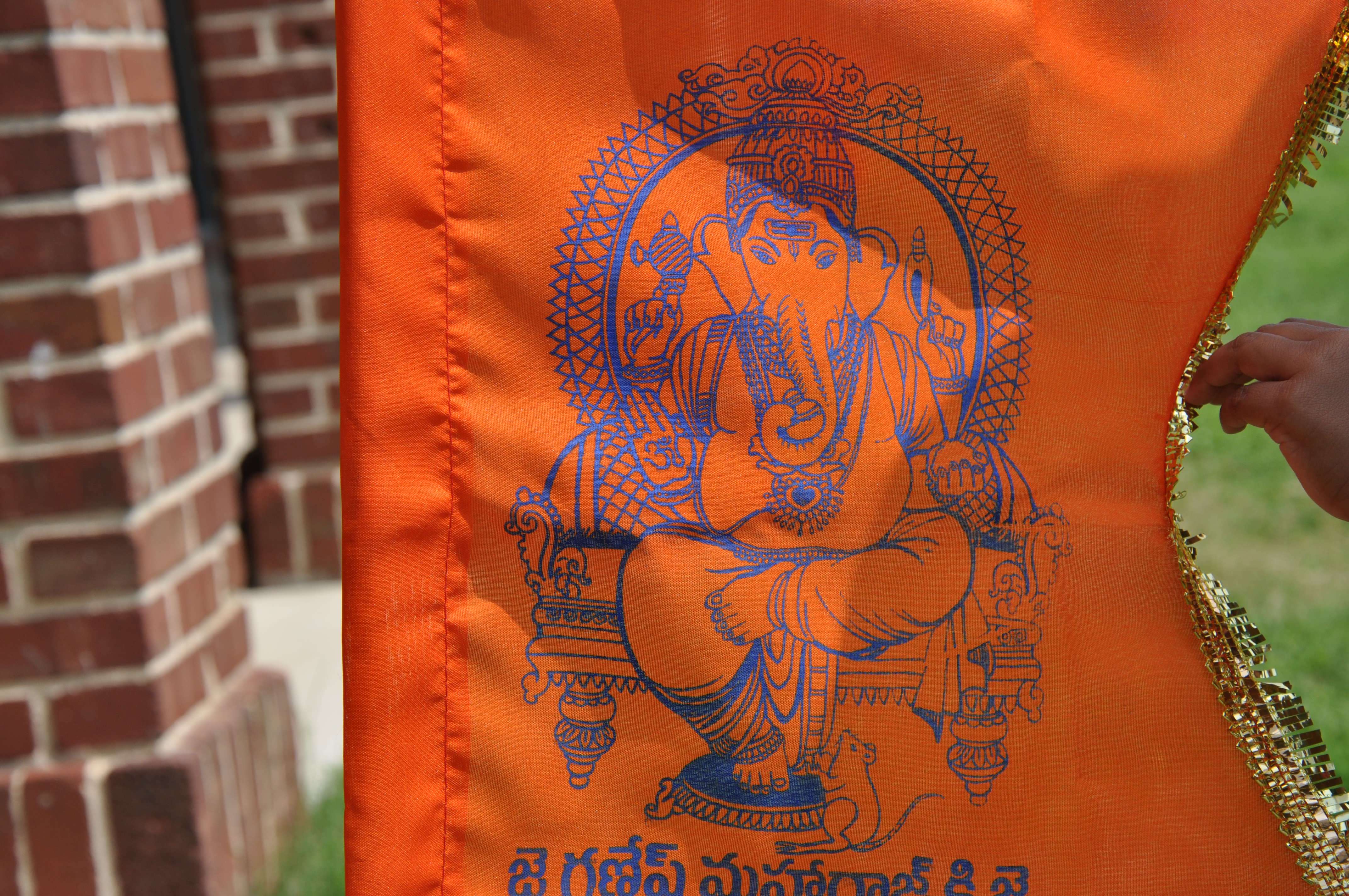
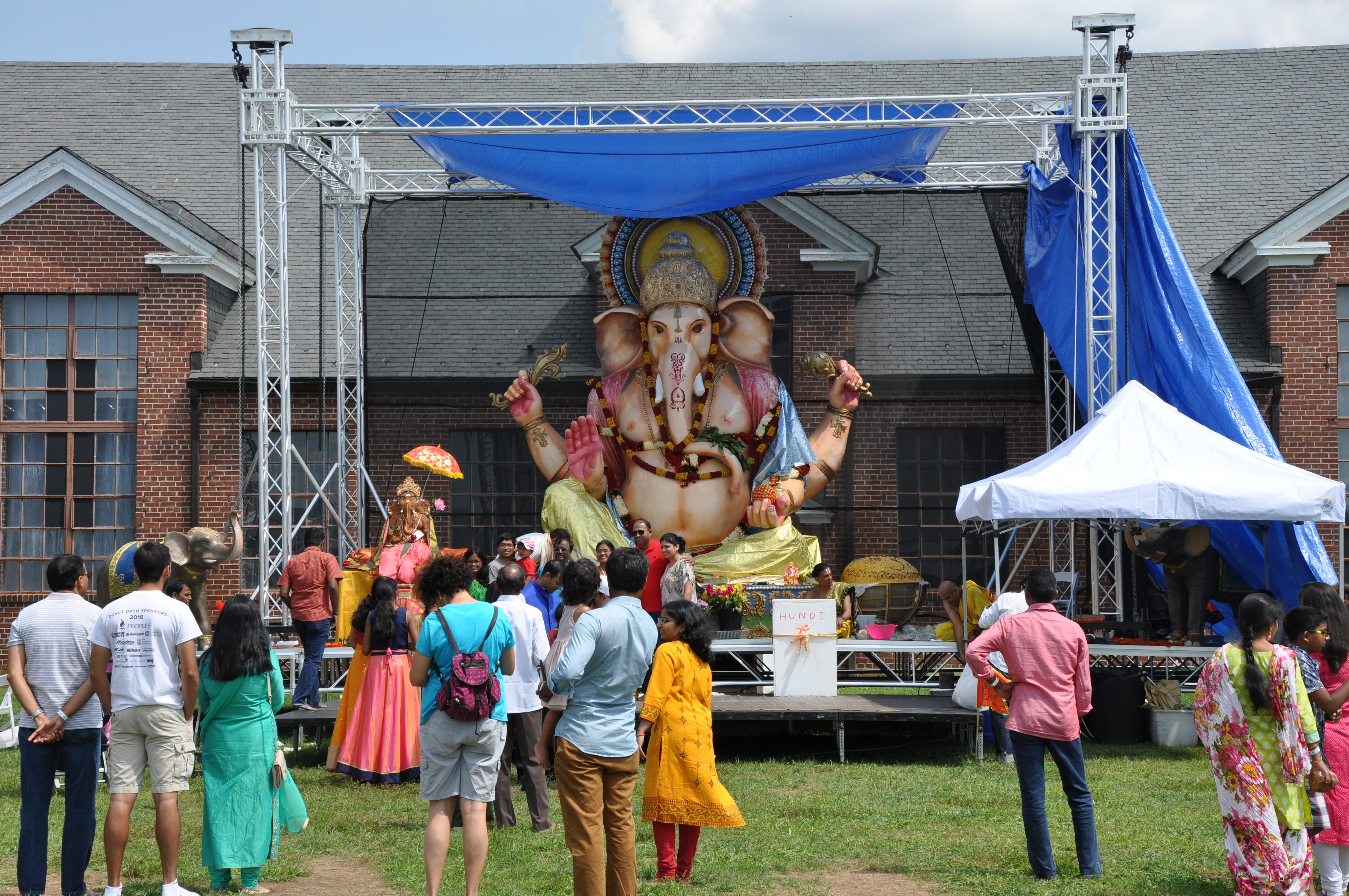
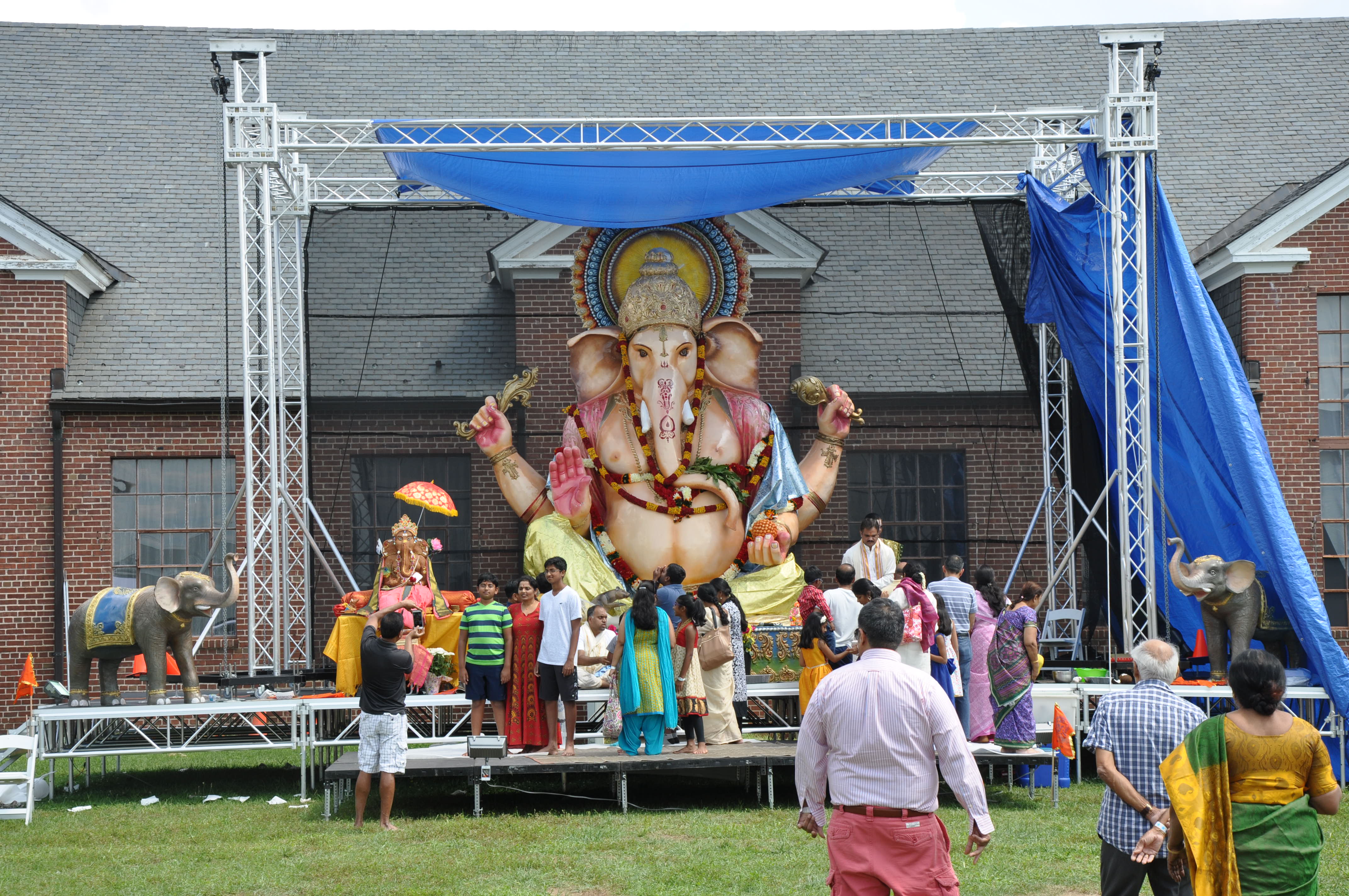
2017 Ganesh (20 Feet Idol) Festival Pictures – Virginia, US

0

2017 Ganesh Festival – Pictures and Videos

How to Meditate Through Writing

0

Not everybody will find it easy to sit cross-legged on their yoga mat in the attempts to become present and stress-free. For some of us, our minds are just far too active and no matter how many times we try, we simply can’t stop our minds from wandering off. But have you tried meditative writing?

By practising your writing, you can proactively become present with your mind and your body, enabling you to find peace while releasing stress. Here’s how.

Start a Diary

The traditional idea of writing a diary every day is a think of the past. Whether you want to write daily, once a week or even once a month, it’s completely up to you and what you have time to do. However, the more often that you write, the more you’ll be able to enjoy the benefits.

By writing down your thoughts and feelings, you can actively focus on how you feel and where your mind is presently at. This will help you to become a lot more aware of what’s actually going on in your head. If you’re feeling down, write down what’s going on, and you’ll be surprised on how seeing your thoughts and feeling in front of you gives you a new perspective.

Forget Formatting

You may have some preconceived ideas on how a diary or piece of personal writing should be written, but it really doesn’t matter. You could try like to write a letter to yourself. Maybe create a mind map. You could try writing a list of just single words and short sentences. Write in whatever writing style you feel comfortable with.

Time Yourself

When meditating, many people like to use meditation timers to ensure they meditate for an adequate amount of time. The same should be implemented with writing. Even trying to write for ten minutes a day will allow you to open your mind to your new ideas, giving you the ability to really explore your mind and inner being.

Switch Off

When writing, it’s highly recommended that you leave your personal electronic devices off. Switch off your television and simply give yourself time to concentrate on what you’re doing. It’s easy to write a sentence before heading straight back onto your phone, but even if you keep it locked for ten minutes, you’ll be surprised in how clear and focused your mind can become without the distractions of modern technology.

Take a Deep Breath

The first thing you should do before writing, just to prepare your mind, is to take a deep breath. In fact, take ten deep breaths. When you sit down to write, close your eyes and take ten deep breaths, following your breath from the beginning of the inhale to the end of the exhale. This will help you to become present and to shut off distracting thoughts before you start.

Writing is such a beneficial hobby that can help you to reduce stress and organise your mind. By practising on a regular basis, you’ll be able to become a lot more in tune with your mind, leading to a happier, healthier lifestyle.

A Beginner’s Guide to a Beginner’s Mind

0

A beginner’s mind? I hear you ask. Indeed, this is a concept that I only stumbled upon yesterday but have been hooked on the idea ever since.

Think back to when you were a child. Everything was new, everything was exciting, and no matter what you did or what activities you engaged in, there was always an enjoyment to be had. What changed when we became adults?

Why does the world around us seem so dark, dull and unengaging? Well, it’s because we have lost our beginner’s mind.

What is Beginner’s Mind?

This is the mindset the human mind approaches any new task, activity or event with. The feeling of excitement rushes through you, and you can’t wait to see what happens next. The same applies when you’re learning something new, especially from a young age when your mind craves knowledge.

As modern-day humans, we spent our entire lives trying to be the best, trying to be knowledgeable about a certain subject, or anything, which is what causes us to lose our beginner’s mind.

For example, let’s say you learn ‘everything’ there is to know about carpentry. If some stranger attempts to show you how to create a certain joint, you may think ‘no, I already know how to do this’ or think you know a better method. This ensures that the teachings you’re being taught do not affect your current mindset.

This means that your mind is closed to new experiences. It means you’re unable to obtain or absorb the knowledge that is being presented to you. This ‘closed-off’ mind is restricting you from experiences new and exciting things.

It’s Everywhere

When you visit a new country, you’ll also think how beautiful and amazing it is. However, why do we not think this when in our own town or city? It’s simply because we’ve got used to it, and we think we know everything there is to know about our home location.

This is the same concept as before. Because you unconsciously believe that you know everything, you immediately and instinctively shut off from learning anything new.

This deprives us, as humans from experiencing new things that can stimulate our minds and encourage feelings of enjoyment.

Breaking the Habit

To rid ourselves of this repressive mindset, we must meditate. We must listen to our minds and our bodies with the ambition of tuning into ourselves and our minds in a deep and meaningful way. At its core, our minds are always eager to learn new things and to experience new experiences, so it’s vital that we allow it.

Otherwise, we will spend our entire lives repressed and stuck in a never-ending day by day cycle. Use daily meditation to unlock your mind once again, giving you a mindset where you can experience life to its full potential.


Meditation: Relieving Those Annoying Headaches

0

In today’s stressful world, many of us suffer from headaches, sometimes even daily. Over time, you can get used to these headaches. You might even dismiss them as being a regular occurrence.

However, always remember that headache is a pain, and it means that something in your body isn’t right. That’s why it’s essential that you do something to cure them.

The Most Common Medical Complaint

There are many reasons as to why you could be suffering from a headache. In fact, depending on the location of your headache, it could be a number of different causes. They can also vary in length, some lasting minutes, some lasting several days.

One of the most common forms of a headache is caused by overactivity. This could be overactivity of your mind, your physical body, muscles of even the nerves in your head. This can result in cluster headaches, tension headaches or even migraines.

Alternatively, you could be suffering from a secondary headache. These are caused by another condition where a headache becomes a symptom. These can be caused by hangovers, ‘brain freeze’, dehydration, panic attacks and even strokes or tumours.

No matter what kind of suffering you’re going through, many of us just want it to stop. Commonly, you may take medication, such as paracetamol, but this has been proven to cause long-term damage and immune weakness over time. This will almost definitely be the case if you’ve been taking them regularly.

Relieving a Headache with Meditation

One of the most up and coming methods of treating headaches is through meditation. This allows you to stop what you’re doing, tune into your body and locate the source of your headache. Next time you feel like a headache is coming, or it’s in full flow, try this quick 10-minute session to get you back to your normal happy self.

Step One – Get Relaxed

This is especially important if you’re suffering from a stress-induced headache. Whether you prefer to sit on the floor, in your chair or lay on your bed, find a comfortable position to relax your muscles. As you sit, try to relax your shoulders, so they’re away from your head.

Also, revolve your head and your neck in little circles, simply to relax the muscles. You may also want to tense the muscles in your foot, releasing the tension to feel the stress flow away.

Step Two – Breathing

Now that you’re feeling comfortable close your eyes. Really stare into the blackness and the emptiness of your closed eyelids. Take ten long, deep breaths, following each breath from the beginning of the inhale to the very end of the exhale. Every time you breathe out, release the tension in your shoulders even more.

Step Three – Search for Tension

After your ten breaths, allowing your breathing to return to normal. Start to scan your head and your skull for signs of tension. Start wherever you please and slowly move your focus around your head until you accurately find the source of your headache.

Once you have found the source, use the same technique above to release that tension with your breathing. Also draw your focus to your forehead, your eyes and your ears, another common source of tension and headaches.

Step Four – Calming & Winding Down

Now that you’ve pinpointed the exact location of your headache return to following your breathing. You’re not trying to clear your mind, simply focus on your breathing. If any thoughts of your day pop into your head, simply think to yourself ‘thought’ and then return to your breathing.

Continue this process for around 2-3 minutes, simply to calm your mind and tune into your body. You may notice other points of stress in your body. If you do, simply breathe away the tension using the method above.

Final Thoughts

No matter how used to headaches you are, this doesn’t have to be the case. Using this quick 10-minute meditation session, you can wash away the stress of your day, get yourself re-focusing, enabling you to tackle whatever life throws your way.

Enjoy reading this article? Have the benefits worked for you? We’d love to hear your experiences! Feel free to leave a comment in the comment section below and start a conversation that could change your life! Don’t forget to share this article with your family and friends!

News: The First Ever Ayurveda Festival 2017

0

Making history, the first ever national youth Ayurveda is to be held this year. From September 14th-16th, young people from across India will converge on Jaipur for the first festival of its kind. The festival is hosted and organised by the National Institute of Ayurveda, National Ayurveda and the Youth Association. Current estimates state that around 3,000 people will be attending

This is a landmark moment for the Ayurveda culture and could be a turning point in history. Jaipur’s MP, Ramcharan Bohra, states that it’s vital that youth are introduced to this culture present at the event. He went on to state that he hopes this festival will bring a ‘modern outlook’ to Ayurveda culture.

Youth groups plan will have the chance to be enjoyable educated in the benefits of Ayurveda, causing them to request more Ayurveda services which could benefit the entire country. This is sure to be the case if events, such as the festival, can help bring Ayurveda into the mainstream.

Bringing Ayurveda to the Mainstream

The overall spirit of the festival is incredibly encouraging. Youth from across the country are invited to attend, and it’s a great opportunity for them to show off their talents, no matter what they are, as well as hopefully learning something that they can take away. Students of Ayurveda will also have the opportunity to present their skills and share their knowledge.

Already included in the line-up, participants can expect a quiz competition, a dance competition, endless photography opportunities and events as well as a video documentary screening. There will even be an Ayurveda themed fashion show to captivate and inspire the attendees.

There’s going to be so much more to come into the lineup over the next month. It’s motivating to see how Ayurveda and the National Institute will bring a modern edge to the traditional culture. It will be fantastic to see the event inspiring thousands of people.

To find out more information on the event, check out the Facebook page.

4 Essential Tips for Starting Meditation

0

Let’s face it; meditation is everywhere. No matter you are or where you’re from, you’ll have heard of the practice, or you’ll know someone who does it. Maybe you’ve thought about trying it yourself, but you’re still on the fence, or maybe you’re not sure how to really go about starting. Maybe you’ve attempted it but still found it very difficult to concentrate? Not to worry, here are four essential things you need to know to get you started!

It’s All About Being Comfortable

When meditating, you always need to be comfortable; it’s just essential. If you’re sat on the ground, and you’re finding it hard and you keep moving, you’ll naturally find it difficult to concentrate and focus yourself. This is especially important when starting out. Find a comfortable position where you’re able to keep a straight back without it feeling achy or in pain.

You can sit in a chair, lay on your bed, sit on a cushion, it’s really up to you, as long as you’re comfortable.

Noises Don’t Matter

In today’s fast-paced modern world, it can be extremely difficult to find somewhere that’s actually silent, let alone quiet. As you’ll already know, the people around you, whether they’re out on the street or in your home, won’t live quietly either. This doesn’t matter when it comes to meditating. A whole aspect of meditating is the fact you’ve got to accept these noises.  At the end of the day, it’s only ambient background noise. There’s no need to get angry or irritated because they are there.

Set Aside Time in Routine

The easiest way to fall out of practising meditation is by not having a dedicated time to complete it every day. This way, you know when it gets to this time in the day, you can simply carry out your practice. It’s easy to say you’ll do it at some point in the day but things will always come up. The best time to meditate is as you get up in the morning. This way, you can stay focused for the day ahead, so try practising then.

Get Others Involved

You could join a class, join an online community or even get your family involved. Teamwork is the best way to move forward so adding the ‘pressure’ of others by saying; we’re going to meditate at 8 am every morning. This is the best way to help each other stay in a routine and to not forget. Everything is always better with friends!

Mike Arnold is a freelance writer and an avid yoga enthusiast and daily meditator. He’s committed to making a change in people’s lives and always open to exploring new ideas and concepts that can lead to happier lives for all. Liked this article? Share your thoughts and opinions in the comment section below, and don’t forget to share this with your family and friends!


Benefits of Practicing Yoga Outside

0

I know, I know, we all love practising our yoga sessions inside a hot, sweaty gym or studio. It’s what we live for. However, if you follow any yoga pages on social media or you’ve walked past your local park during the early hours of the morning, you’ll be aware that some people like to practice yoga outside. Why is that? Is there any real benefit to practising this traditional art outside with nature? Let’s find out.

Yoga Revitalises Your Energy

When we were our ancestor’s way back thousands of years ago, our nervous system was evolved so when we felt stress; we felt energy. This is similar to the ‘flight or fight’ mindset that everyone goes on about. According to a recent study found in the International Journal of Environmental Research and Public Health, spending time outdoors signals our brains to become more alert, similar to our ancestors back in the day.

So, I think it’s pretty safe to assume that practising yoga outside would increase our alert and focus tenfold!

Building Up Your Confidence

That’s not to say that you should practice your downward dog on the edge of a building. What I mean is practising outside means you’re open to the elements, the people and your surroundings. This may seem like an introvert’s worst nightmare but hear me out.

If you’re practising in a yoga studio, it’s very easy to fall into a state of self-consciousness because you’re used to people around you. One way to look at it is your comfort zone shrinking because you’re getting into it deeper and deeper. By taking your practices outside, even for once a week, you’re keeping things fresh and exciting for your mind and body. This will also help to build up your confidence.

Increased Meditative Benefits

Countless people, whether online or in real life, have described the benefits of meditating outside, including myself. If you’re anything like me, you will usually meditate before your yoga session starts, sometimes afterwards. By taking your sessions outside, even once or twice a week, you’re then meditating outside, becoming one and present with the world around you.

Another way to think about it is that Buddha didn’t meditate in a studio, he was outside either in a forest or the mountains! Go and get some fresh air!

Mike Arnold is a freelance writer and an avid yoga enthusiast and daily meditator. He’s committed to making a change in people’s lives and always open to exploring new ideas and concepts that can lead to happier lives for all. Liked this article? Share your thoughts and opinions in the comment section below, and don’t forget to share this with your family and friends!