















Home Blog Page 24

Looking for Yoga Inspiration? Click Here!
0

Social media platform is renowned for being one of the most inspirational platforms to exist. Whether you’re into food, working out, running or traveling, there’s a complete range of accounts to follow. These accounts then fill your feed with inspiration-filled imagery to help get you to where you want to be. But what about yoga?

Yoga is one of the most popular Instagram topics ever to hit the site, and a related hashtag is often seen trending on the site. If you’re looking for inspirational pages to follow to help motivate your yoga enthusiasm, here are five pages you must follow!

Kerri Verna – @beachyogagirl

Mother of two boys, Verna is a yoga instructor who lives in West Palm Beach. She currently holds five unique fitness certifications and is regularly seen practising her favourite poses on the nearby beach. Her account is full of inspirational photos from beautiful beachfront scenes to happy quotes that will help get you through the day.

Caitlyn Turner – @gypsetgoddess

A combination of ‘Gypsy Jetsetter,’ Turner’s tag says it all. You’ll regularly see posts from around the world, sometimes in the most peculiar of places. Her posts are full of energy, excitement, and inspiration, perfect for people who want to get up and get moving. Some of the highlights from her account include headstands in airports and meditating on top of elephants!

Brian Miller – @brianmilleryoga

Miller used to practice boxing. He did so for 15 years before dedicating his life to practising yoga. He owns his studio in his hometown of Montreal and also runs a series of online courses. Since his transformation from a boxer to a yogi, you can follow Brian as he hones his techniques. On his page, you’ll find regular updates on his classes and his progress. You’ll also find a series of wisdom filled words and sentences to boost you up, allowing you to achieve your goals.

Patrick Beach – @patrickbeach

It all started a couple of years ago. Beach’s dad made a bet with Patrick that he couldn’t learn how to do a handstand. It’s safe to say he won the bet and it also inspired a life-changing passion where Patrick now teaches the vertical positions. You’ll find traditional Instagram posts including cat pictures and beard jokes alongside heartfelt inspiration that can help you achieve your dreams.

Taylor Harkness – @tjhark

One of the most flexible individuals I’ve ever seen, Harkness boasts outstanding levels of physical strength. He’s a yoga instructor by trade who has helped dozens of students both in and outside his studio. He’s renowned for his upbeat and positive personality which motivates and inspires those around him, including his followers. This account is ideal for guys who want to practice yoga but believe flexibility may hold them back. Harkness is proof that it can be achieved!

Do you follow any amazing Instagram accounts that could help motivate others? Maybe you’ve got an account yourself that you’d like to share with us! Let us know by leaving a comment in the comment section below!
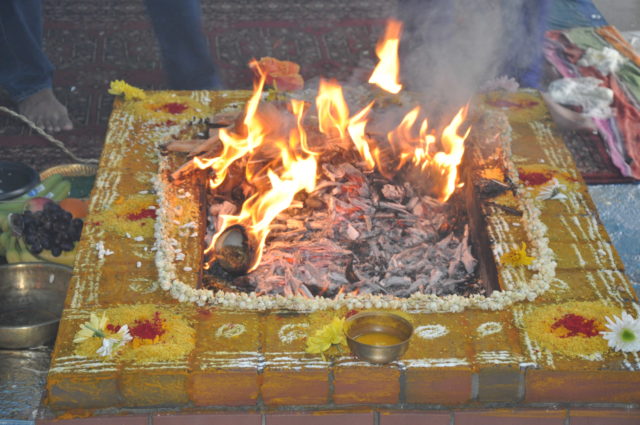
 

The Most Beautiful Yoga Retreats in the World?

0

Especially if you’re living in the United States, you may have heard of a little yoga retreat known as Yogaworks. A yoga retreat built for all, even celebrities, this comprehensive yoga retreat is fully-featured and gives you everything you need to take a break from everyday life and to gain a higher level of awareness.

Yogaworks has been designed to be suitable for yogis of all skill levels, placing them into beautiful environments around the world to become one with themselves. This also helps them to forget about the stresses and worries of day to day life. In the retreats, you can opt in to join a studio class, a Pilates class, private yoga sessions or just have a day of exploring the pristine grounds and landscapes.

If you’re thinking of teaching yoga as a living, the retreat also provides world-acclaimed classes, anything from 200-300 hour courses as well as continuous training after you have graduated. There are also multiple locations to choose from all over the United States. These locations include;

  • Baltimore
  • Boston
  • Los Angeles
  • New York
  • Northern California
  • Orange County
  • Washington DC

Each yoga studio has its unique style and personality, perfect for relaxing, unwinding and taking a well-deserved break from day to day life. You can attend the retreat as a one-off visit or even join up on a monthly membership scheme. Price will vary depending on the location of your retreat, but a monthly subscription will set you back around $115. As a student, you can also receive a discount for your first week to be free.

In the city studios, the rooms are designed to be like a home away from home, a place of refuge in a city that’s so chaotic. The studios are comfortable, bright and ideal for taking a well-needed breather.

Yoga Retreats

Now, looking at the retreats which can take you to some of the most beautiful countries in the world. Yogaworks provides you access to two retreats, one in Costa Rica and one in Bali. Both are as beautiful as each other and boast a variety of activities during your week off that gives you everything you need to find peace.

During these retreats, you’ll have access to a variety of classes as well as scheduled excursions that will take you around the local area including beaches, hiking opportunities and even rainforests!

These courses sell out every year, and double occupancy slot will set you back about $1,200 for the week, but this price is for two people. There are also single, triple and quadruple slots available so get your places fast!

Let us know what you think! Have you ever been a yoga retreat that you fell in love with you? Or are you tempted by one of these amazing escapes from the modern world? Let us know your thoughts by leaving a comment below!

Why Are Hindu Brides Younger Than The Groom?

0

Is it a myth that Hindu Brides are always younger than the groom or is it real. As we read through our holy readings, there is no written rule or a reference anywhere that Hindu brides have to be younger than the groom. But it is a traditional custom in India for older men to marry younger girls that has been passed down from an ancient custom that is believed to produce a happier marriage.

Ancient wisdom presented in the Dharma Shastras provides us with a valid explanation that is arguably as true into today’s society as it was thousands of years ago.

“Nowadays it has become a custom, in India also, let the girls have many friends, but don’t marry unless you find a suitable man.  Society degrades.  Actually in the old Indian system is that when the girl is utmost 12 years, not more than that, 10 to 12 years, she must be married. And the father would see, not necessarily in every case the boy is rich man or educated.  If he is healthy and if he can work, he’ll ‘take charge’.”

The culture of Hindu marriages

Historically, it was custom for girls to be married before they reached puberty. In modern times, the marriageable age for Hindu girls is 18. Yet it is 21 for boys, so even modern laws encourage women to marry older men.

In many ways, the custom makes sense. Women mature younger than boys both physically and mentally. Females therefore handle themselves better personally, professionally and socially. When a woman is with a man who is not mature, she can feel embarrassed and more likely to show dissent.

Even today, it is unheard of for a wife to show disrespect towards her husband in Hindu culture just like in olden days where Married women were submissive to her husband and his family. And in Indian culture, it is customary to show respect for your elders. A younger bride makes it easier for the wife, the husband and the family to get along as the show of respect comes naturally.

The historical view of Hindu marriage today

In today’s world, it is common for women to have a stable career and be capable of managing both the home and work life. This is what Hindu men look for in a wife.

Although not true in every case, most Indian women want a husband that is financially independent and can afford to give her a comfortable lifestyle. Because older men typically earn more, they are a favourable partner for younger women.

Up until the 20th Century, it was not customary for women to work at all. This is true of many cultures and not only in Hinduism. The arrangement was for the husband to be the sole provider and protector for the family. Even in today’s society, women look to their men for protection and security.

The ancient scriptures therefore accommodated this way of life in their texts on marriage advice. The key proponent of the Dharma Shastras is that a balanced relationship makes a happy home. The man provides and the woman looks after her husband.

The Dharma Shastras however are not static and provide different contexts. Ancient scriptures actually provide details for eight types of marriage. The most ideal marriages are between couples that fall in love independently of their parent’s intervention.

Love of course is an essential basis to marriage. But a happy marriage with fewer conflicts requires respect for each other, diligence and fulfilling your role. Although the roles of men and women are historically different than today, the element of balance and equality has always been a dominant factor.

Mind the gap

The ancients realized that age gaps between men and women created a happy equilibrium. The same principle holds true today. Even though both men and women go to work, men should try helping around the house more often. They will probably find they fall in favor with their wife more often.

In Hindu culture, there are fewer arguments between married couples when the male is significantly older. When the age gap is smaller there is a higher risk of dominance and imposition.

Furthermore, Hindu brides want a husband they can learn from and be proud of. When the man is older, it makes this significant requirement easier to achieve.

Because women mature quicker than men, relationships between couples that are the same age tend to fall apart because women start to see the immaturity of their partner. Subsequently, a lack of respect and resentment grows. This is a natural process of human nature that is difficult to counteract no matter how much a wife intends to stay faithful.

With a loss of respect, there is also a lack of equilibrium and equality. An imbalance in power is the foundation of an unhealthy relationship and subsequently leads to bickering, resentment and spiteful behavior. Again, this is human nature which is difficult to control when brought to the surface.

It is also common for men to avoid responsibility when they are younger, thus they stay immature for longer. When a man is put in a position that requires responsibility, in which he is not mentally or emotionally ready to fulfil, he can feel suffocated and unhappy which is then projected back on the wife.

Ancient views on Hindu marriage

Ancient rules for marriage sort to avoid negative emotions arising in the first place and an age gap between couples presents itself as a suitable solution.

Men also value physical beauty more than women, thus a young, attractive bride is more appealing. This encourages the man to be more charming and caring towards his wife for fear of losing her to a younger man that may be more virile. And virility is an important factor in happy marriages.

What is your view of age gaps in marriages? Do you think it works better in some cultures than others because of the general customs in society? Tell us what you think by leaving a comment below.

Meditation Tricks and Tips for a Better Night’s Sleep

0

Time and time again you may lay in bed, thinking of ways to try and get to sleep. It’s not uncommon, especially when you consider that the majority of us sit at desks all day and use little amounts of energy. People across the world have reported that they have troubles sleeping. It’s surprising when you think about how many people sit and watch their bedside clock countdown to morning time.

Thoughts along the lines of ‘If I fall asleep now, I can still have 5 hours of sleep’ creep across our minds. Surely there’s something you can do, without having to follow the route of medication? Fortunately, there is!

Despite mediation practices usually used to wake us up and energise us for the day, there’s a collection of routines that can be used to help you fall asleep at night. Say goodbye to the nights of lying restlessly awake! Dr Rubin Naiman, an author and sleep expert, has been studying and experimenting with over a dozen different routines. Finally, after months of trying, he finally found the perfect technique to help you sleep.

The Technique

In his latest book, Hush, Naiman details that you should lay in bed and get yourself comfortable. Once comfortable, trying to lay as still as you can with your eyes closed.

Now, you need to imagine you’re on a beach, known as the shore of falling asleep. You want to try and imagine and see as much detail as you possibly can.

Imagine the sand, imagine the waves and envision the trees.

Now calm the sea with your mind, so it’s completely still.

Imagine the moonlight reflecting off its surface.

While relaxing on this beach, imagine the weight of gravity pulling you into the sand.

Feel your body become heavier and heavier. Keep focused on your breathing, imagine ripples in the water with every breath.

Now, keep focused on this imagery, and eventually, you’ll fall asleep! It is that simple!

This is a very effective technique as laying in your bed, thinking about you’re not falling asleep is only going to keep you up. By distracting yourself with this imagery, this relaxing imagery especially, you are calming your mind. This leads to a peaceful mindset that can allow you to fall asleep with ease.

Have you practised this technique or something similar to fall asleep? How did it work for you? Do you have any techniques for other people looking for ways to fall asleep? Let us know your thoughts in the comment section below!

Are Meditation Apps the Way Forward?

0

Every day, millions of people around spend hours every single day glued to their mobile smartphone devices. These devices are renowned for their addictive traits, apps and unrestricted access to social media no matter what we are doing. All of these factors have already been proven to cause stress, but, could our smartphones actually be used for good?

Over the last couple of years, there has been a flurry of meditation apps to hit the app store markets. These apps are designed to allow you to a couple of minutes to an hour out of your day to relax and practice meditation easily. There is a wide variety of apps to choose from, one of the more recent ones being Headspace. This guided meditation app makes it easy for beginners to start learning the practice in a fun and engaging way. The app features info bites, informative animations and a vast number of sessions, ten of which are free. After the ten free sessions, the users must pay a monthly subscription to the app. At the time of writing, the app currently has in excess of 11 million downloads.

But just how effective are these apps? Is it really possible to practice such an activity, such as meditating, using a smartphone?

Rich Pierson, CEO of the Headspace app states that it’s an upcoming trend that is slowly gaining popularity. He exclaimed how the hobby of jogging used to be a rather unusual form of exercise but now is a commonly accepted practice. It’s this status he is trying to implement to the practice of meditating.

Many people believe that meditation apps should be taken with a pinch of salt. We live in an extremely ‘wired’ technological era. By having a meditation app, some believe we are simply adding to a daily checklist to our lives. Wake up, have a coffee, eat breakfast, gain perspective on the world, go to work. It’s a rather grey area when it comes to meditation. At its core, the whole idea is to disconnect from the bustle of everyday life and take a moment to reconnect with reality.

The Business of Meditation

One of the main concerns from meditation experts is the fact that meditation has become a business and there are a lot of people profiting from it. Headspace, for example, had reportedly made over $250 million by the beginning of 2017. This is rather shocking when you consider that you can easier practice for free using books or your own mental willpower.

As stated above, I personally believe that meditation apps should be taken with a pinch of salt. The practice of meditation does come with a huge amount of physical and mental benefits that have been scientifically proven time and time again. I think any form of engagement that encourages a practice such as meditation can only be taken positively.

However, the users of these apps should be aware that meditation takes a lot more willpower and practice to have a full experience. This is something you simply can’t get from just an app. With over a dozen extremely popular apps on the market, it will be interesting to see where the industry goes next.

Pierson explains that his next move will be to move towards home speaker systems, such as the Amazon Echo. This will allow people to meditate in the comfort of their own homes without their smartphones. But, is this just another move to make money from the rising trend?

We’d love to hear your thoughts on the mediation app industry! Do you think it’s a good thing for people around the world? Or do you believe this is simply another technological distraction used to make money? Leave a comment in the comment section below!
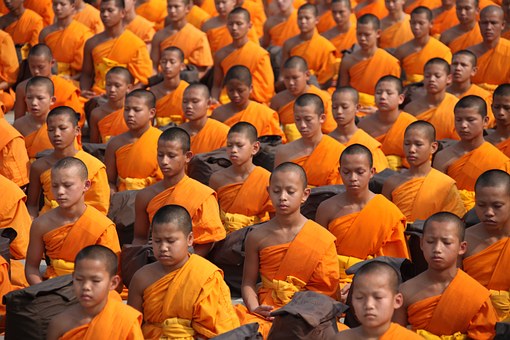
Relieve Persistent Back Pain with Traditional Practices

0

A recent study has been released stating that back pain can be effectively treated using traditional meditative practices such as yoga. This kind of pain is typically experienced by middle-aged individuals and older and is a great alternative to harmful painkillers.

Despite the medicine that your doctor has prescribed you, this research could revolutionise the lives of many. The research was led by researchers based at the Boston Medical Center and included yoga teachers, physiotherapists and doctors. The research even suggests that a yoga class can be equally as effective as physical therapy.

During the class examined, the trained instructors led the class through a series of gentle poses. These poses included child’s pose, cat-cow and the triangle pose. These are all simple relaxation techniques and poses. The more difficult poses were left out. This is important as strenuous poses could do more harm than good. The idea is to slowly build up the difficult to compliment the strength of your back.

There has even been a release of a complimentary guidebook, teaching and educating you about the poses that were performed in the class. It’s written in the form of a training manual and can be found here.

The results of this study were released Monday here. The researchers made sure that all the results were set out in accordance with the American College of Physicians and their guidelines on treating back pain. It’s suggested that individuals who experience back pain should avoid painkillers as much as possible. Instead, you can replace these with practices such as Tai Chi, massages and yoga.

It’s worth noting that these practices should only be practised replacing painkillers if you are experiencing back pain from day to day activities. If you’re experiencing back pain due to an accident or physical injury, always consult your doctor.

The Study

The research took place among a group of 320 very diverse people from all walks of life. For the most part, these individuals were from Boston’s lower-income areas. Each one complained to be experiencing back pain of some degree. The study was conducted over the course of a year.

These 320 participants were then split into three groups. The first group was directed to attend a weekly yoga class for the following 12 weeks. The second group was told to attend around 15 physical therapy sessions. The final group was given books and newsletters to educate them. The final 40 weeks of the year, the group practising yoga was told to do at a class every week or practise at home. The PT group was told to do the same but in the form of PT.

The Results

Using a 23-point questionnaire, the researchers monitored and accessed the participants, recording the back pain that they felt throughout the course of the treatment. Surprisingly, the PT and yoga group reported the same levels of improvement over the same period.

As the study commenced, around 70% of the individuals involved were administering back pain medication. After the first three months had passed, around 50% of the individuals in the yoga and PT classes had dropped taking back pain medication. However, the educational group remained the same.

In conclusion, it’s obvious to see that yoga and physical training are equally effective in treating back pain. You don’t even have to attend a class, you can simply practice in the comfort of your own home. As with anything, always consult your doctor before coming off medication completely, especially if you are unsure of the condition of your back. However, if you begin to feel better and experience improvements, by all means, talk to your doctor about how good you’re feeling.

Have you practised yoga to help with back pain or any kind of pain or condition around the body? Let us know your experiences in the comment section below!
Smart Technology to Assist Yogis

0

Smart watches, smartphones, tablets and laptops. We live in the modern era and there is so much technology around us, we’ve all become quite used to it. It’s almost as though they are releasing something new every day. No matter what the problem, issue or niche, there’s a technology there to helps someone out. Now, the same can be said for Yoga.

Enter Wearable X.

This technology company has come with a new solution for yoga beginners and experts alike. Named the Nadi X Leggings, these ‘smart’ leggings can gently pulse and vibrate whilst being worn. Connect the leggings to the app and they’ll be able to monitor your body shape whilst you are practising yoga. The leggings will then vibrate and pulse on certain parts of the body. This is the leggings telling you that your pose needs to be corrected in some way.

This can help you massively to increase your pose, stance, posture and even your wellbeing if you’re practising a pose in such a way that it could be damaging to your health.

How Does It Work?

The Nadi X leggings work thanks to five sensors that are located in key locations around the fabric. Connect the leggings to your smart device via Bluetooth and the leggings will be able to determine which yoga position you are in. The app will then display which pose you are in on the screen and will then proceed to gently vibrate, proving feedback to areas of your body that need to move to improve the effectiveness of the pose.

There are multiple vibrations that will tell you how you need to move. Wearable X has worked tirelessly with over 50 yogis to develop this ground-breaking software that could effectively help and improve yoga practices for people around the world. The brand’s co-founder, Billie Whitehouse, told Deezen that they believe that touch is a universal language. This language is natural to all beings on Earth and that it was the perfect way to implement the draw of attention in a practise or exercise such as Yoga.

From the success of the Nadi X, Wearable X plans to use this technology to implement it into other clothes. This will be able to improve and train individuals in a wide variety of sports and activities.

The Nadi X leggings are available on the Wearable X website with prices starting from $299.

What do you think? Do you think technology should be infused into a traditional practice such as yoga in this way? Or do you think it will distract from the mental attributes of yoga such as awareness and mindfulness? Let us know in the comments below!

Recent Survey Suggests Meditation Reduces Risk of this serious disease

0

Over the last 11 years, Coventry and Radboud universities in the UK have been studying the effects of MBI. MBI stands for mind-body interventions and includes practices such as yoga, meditation and Tai Chi. These surveys consisted of over 845 participants which unearthed some extraordinary patterns relating to this serious disease: Cancer.

During the length of the study, patterns were uncovered that described changes occurred in the body on a molecular level as a result of MBI practices, both physically and mentally. These changes have been linked to reducing the risk of both cancer and depression.

How Does It Work?

Every human being has a biological make-up, caused by genes that activate themselves to produce proteins. It’s these proteins that help to create brain cells as well as the immune system. In situations where an individual becomes stressed, the body relies on the sympathetic nervous system (SNS). This is more commonly known as the flight-or-fight response, a system which boosts the production of certain molecules, such as nuclear factor kappa B. This molecule, in particular, is useful to the body for its regulation of genes property.

Also known as NF-kB, the molecule is important for dealing with stress. It does this by stimulating genes to produce a certain protein referred to as cytokines. On a cellular level, these proteins cause inflammation, responsible for initiating the flight-or-fight response. If your stress levels are like this for an extended period of time, the inflammation increases the risk of cancer and other negative effects such as increased signs of ageing and mental disorders including depression.

The Results

In light of this latest study, the individuals who practised MBIs experienced a unique effect. There was a notable reduction in the production of NF-kB and other cytokines. In short, this causes the effects of the molecular inflammation to reverse, reducing the risk of those diseases mentioned above.

Millions of people around the world already experience the vast number of benefits of yoga, meditation and other MBIs. Unfortunately, it’s unlikely that these people, as well as the millions of people who don’t practise MBIs, are aware of the molecular level benefits that these practices promote.

If you would like to know more information, you can find the details of the study here.

If you would like any more information on the study, or simply wanted to ask a question, leave a comment below and a member of our friendly community will be happy to help!

New Delhi – 10,000 Government Jobs for Certified Yoga Teachers

0

With the practice of yoga rapidly gaining in popularity year on year, an AYUSH minister from New Delhi has exclaimed that the government have put forward plans to create 10,000 job vacancies. Specifically, for certified yoga teachers, this move hopes to fill the gap since statistics show that yoga has gained a 30% increase in popularity in New Delhi over the last two years.

As more studies are released that show the many positive benefits of yoga, even private companies are beginning to hire professional teachers into their offices. This is so their employees can practise in the professionally led sessions, enabling them to become more efficient and productive.

Since both of these factors show that yoga is on the rise, the government has stated that it wants to create over 10,000 yoga related vacancies over the next few years. Already, in the Haryana state, the government has already created over 1,000 vacancies. The process was put into place due to the complete lack of certified yoga teachers. It wasn’t until 2015 that they were even a certification for yoga teachers to earn. Since its creation, all certifications are managed and monitored by the Quality Control of India (QCI). This helps to ensure and maintain a high quality of teachings.

Furthermore, the QCI has adopted a scheme in which yoga professionals can complete a voluntary certification. To complete this, the trainers must follow the principles and requirements detailed in the international standards.

Currently, the Central Council for Research in Yoga and Naturopathy (CCRYN) is deeply involved in research. This research sets out to actively test the efficiency of yoga practices, recording the benefits of mental health and effects on diseases. Once more and more research is released, it will help to show to need of these job vacancies and will show why yoga is so important.

Related News

In related news, over 51,000 people gathered in the city of Lucknow to celebrate International Yoga Day last Wednesday. This shows a clear interest in the practice of yoga. This will be extremely beneficial for younger people. Many of this age range don’t have jobs but would happily take a yoga career. This helps to deal with unemployment levels and fill the spaces.

Do you think it’s a good idea getting the government involved in yoga and certifications? Or do you think it’s beat that yoga professionals remain in the private sector? Let us know your thoughts in the comment section below.

The Benefits of Meditating in the Morning

0

As we all know, the practice of meditation has countless physical and mental benefits that can dramatically improve our quality of life, enabling us to be happy and healthy individuals. However, have you ever wondered if meditating at different times of the day, especially in the morning, could alter the effectiveness of the practice, leading to more benefits or an improved form of practice?

By adding a daily dose of meditating to your morning routine, you’ll be able to enjoy an extended range of benefits that will help you make the most of each and every day, some of which are listed below!

Reducing the Need for Coffee

It’s a daily routine for many of us to get up and head straight over to the kettle to make a cup of coffee. By meditating as soon as you wake up, you are actively encouraging your bodies parasympathetic nervous system. This is the system that is responsible for initiating that deep state of relaxing that you feel whilst practising.

From meditating around 20 minutes in the morning after you wake up, your body will endure a boost of endorphins that will supply energy to your body.

A Calmer Mentality Throughout Your Day

By meditating as part of your wake-up routine, you’re putting your body into a state of relaxation and calmness. This means that your brain won’t develop a stressful state of awareness throughout your morning. This state will instead be replaced with a calmer, more positive outlook.

Imagine there are no parking spaces at work. This usually stressful situation simply won’t bother you as you deal with the situation in a calm and collected manner.

Develop Better Eating Habits

There are countless studies found that elements of stress or sleep deprivation can make you want to unhealthy, ‘bad’ foods. Imagine you have the most stressful morning you can imagine. By lunchtime, all you are going to want to do is reach for the crisps, chocolate or takeaways.

By meditating in the morning, as the reasons above state, you are clearing away that stress. This means that by the time it’s lunchtime, you’re happy, care-free and feeling encouraged and motivated to look after your body and mind.

Reduced Number of Headaches

Stress is renowned for causing headaches. Studies have proven that meditation can help reduce the pain and other distracting symptoms of headaches. All together, this can help to make your day a little more bearable.

You Feel More Alive

As you can see from the points above, morning meditation is all about relieving stress and waking you up. By adopting this practice into your daily routine and making it into a habit, you will stay to envision every part of your life in a positive manner. This will reduce stress levels that will enable you to be both happy and healthy all day every day.

Have you felt any amazing benefits from meditating in the mornings that you would like to share with others? Leave a comment in the comment section below and share this article with your followers to change someone’s life!