








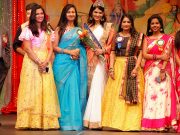

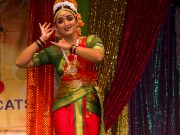

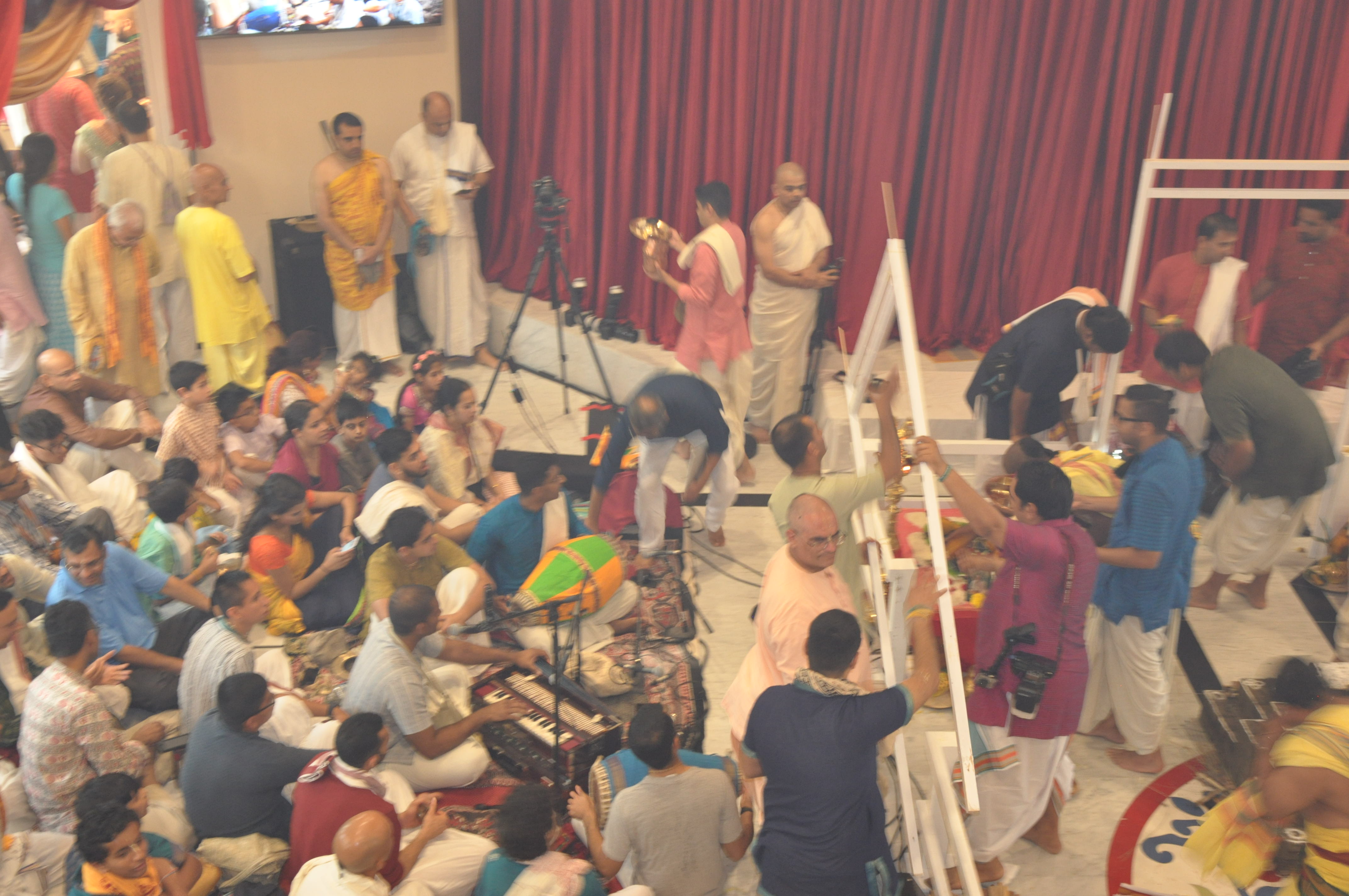
ISKCON of Baltimore Temple Grand Opening Ceremony
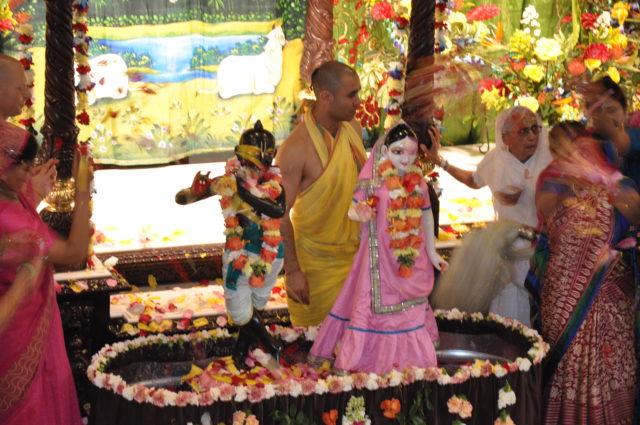
EVENT DETAILS:
When: April 28th – April 30th 2017
Where: 200 Bloomsbury Ave, Catonsville, MD 21228
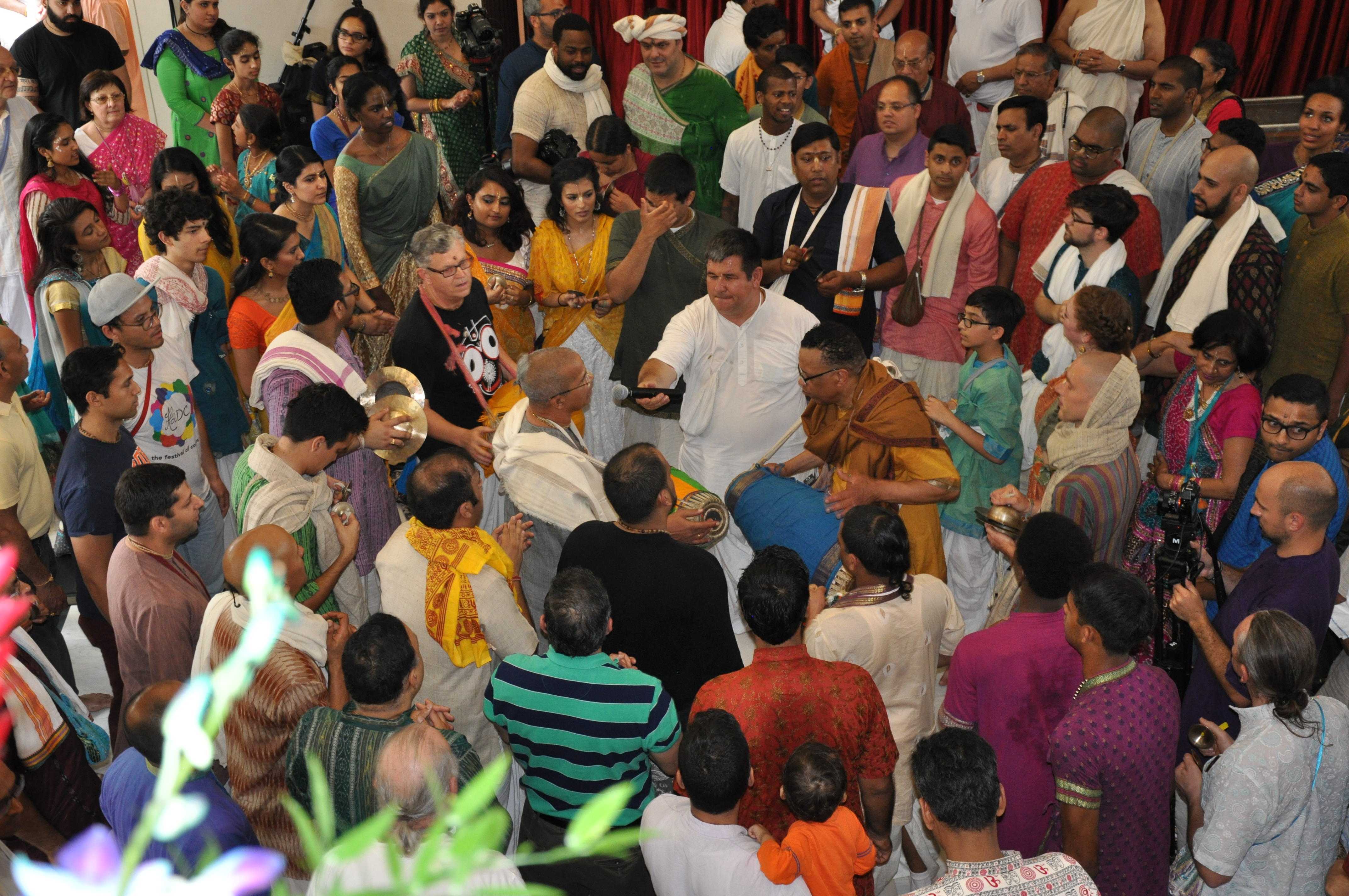
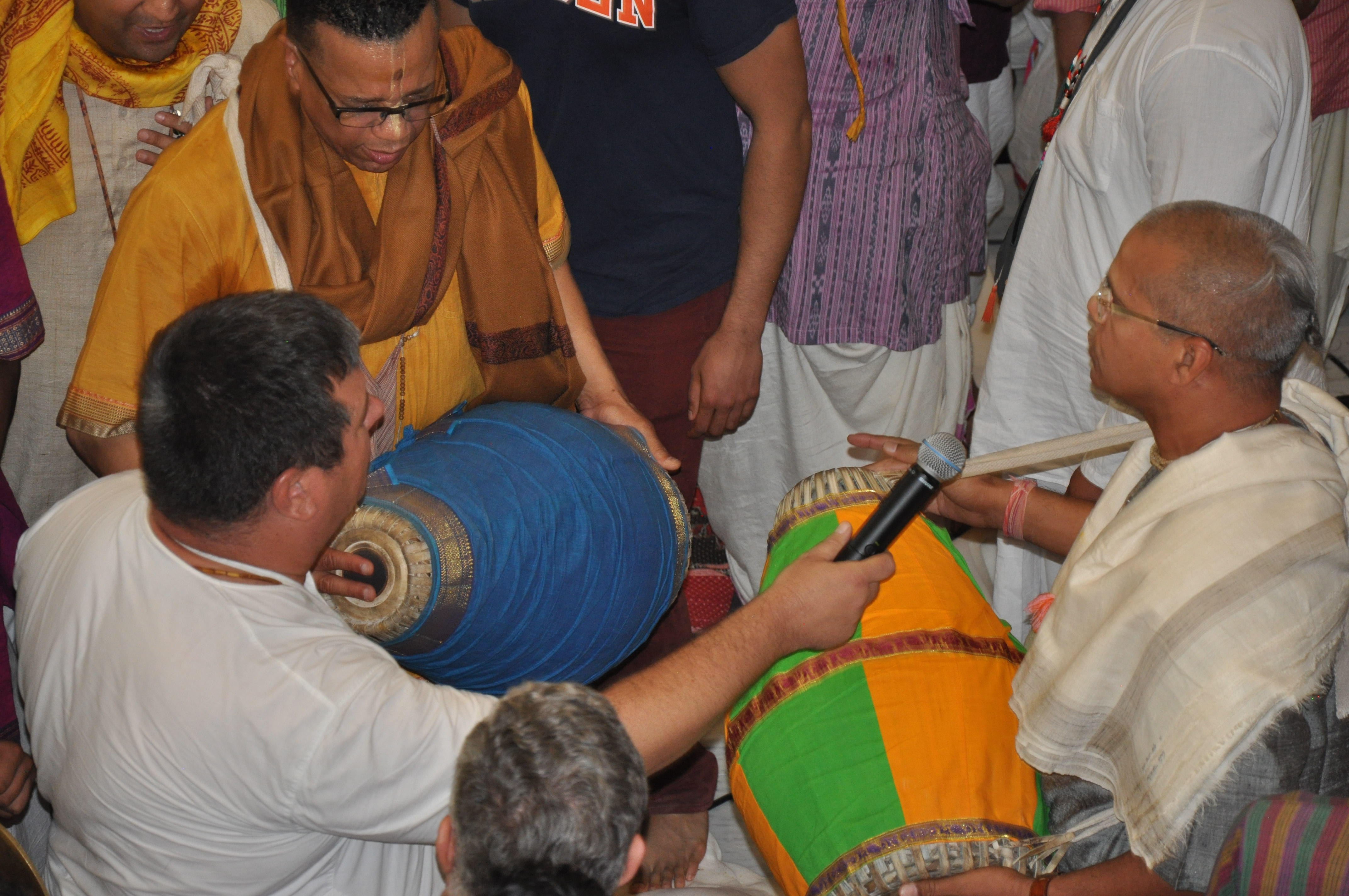
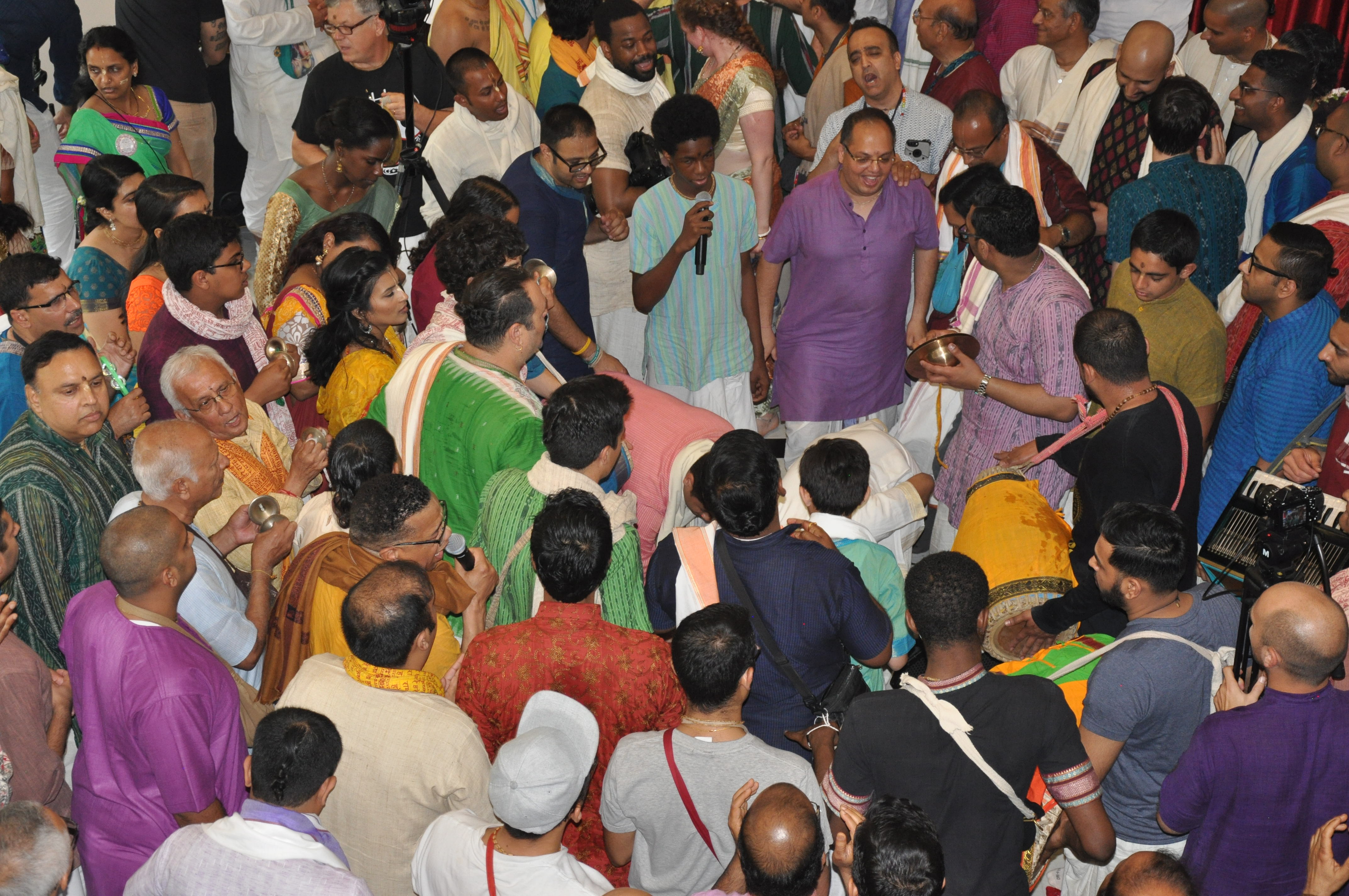
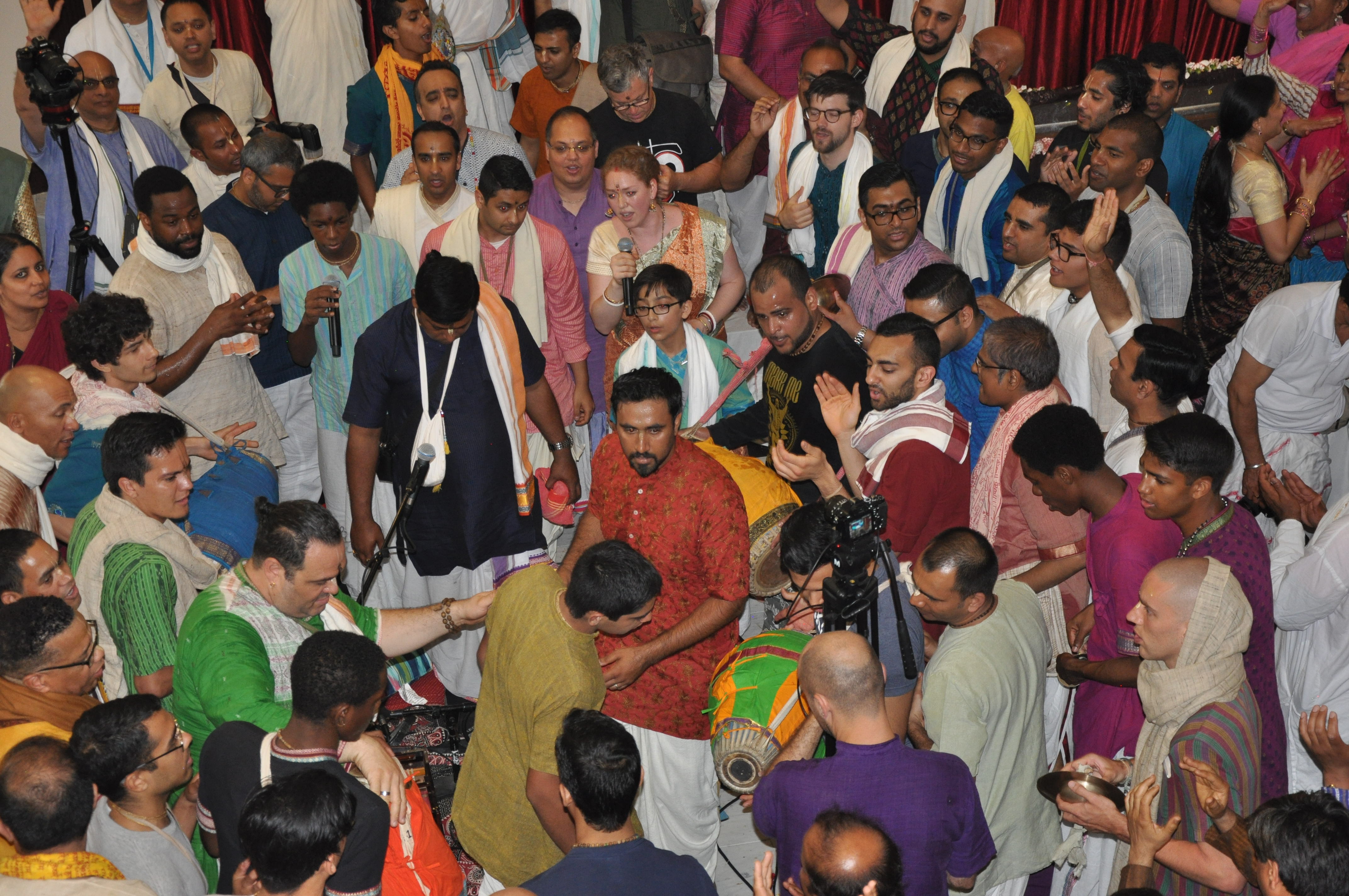
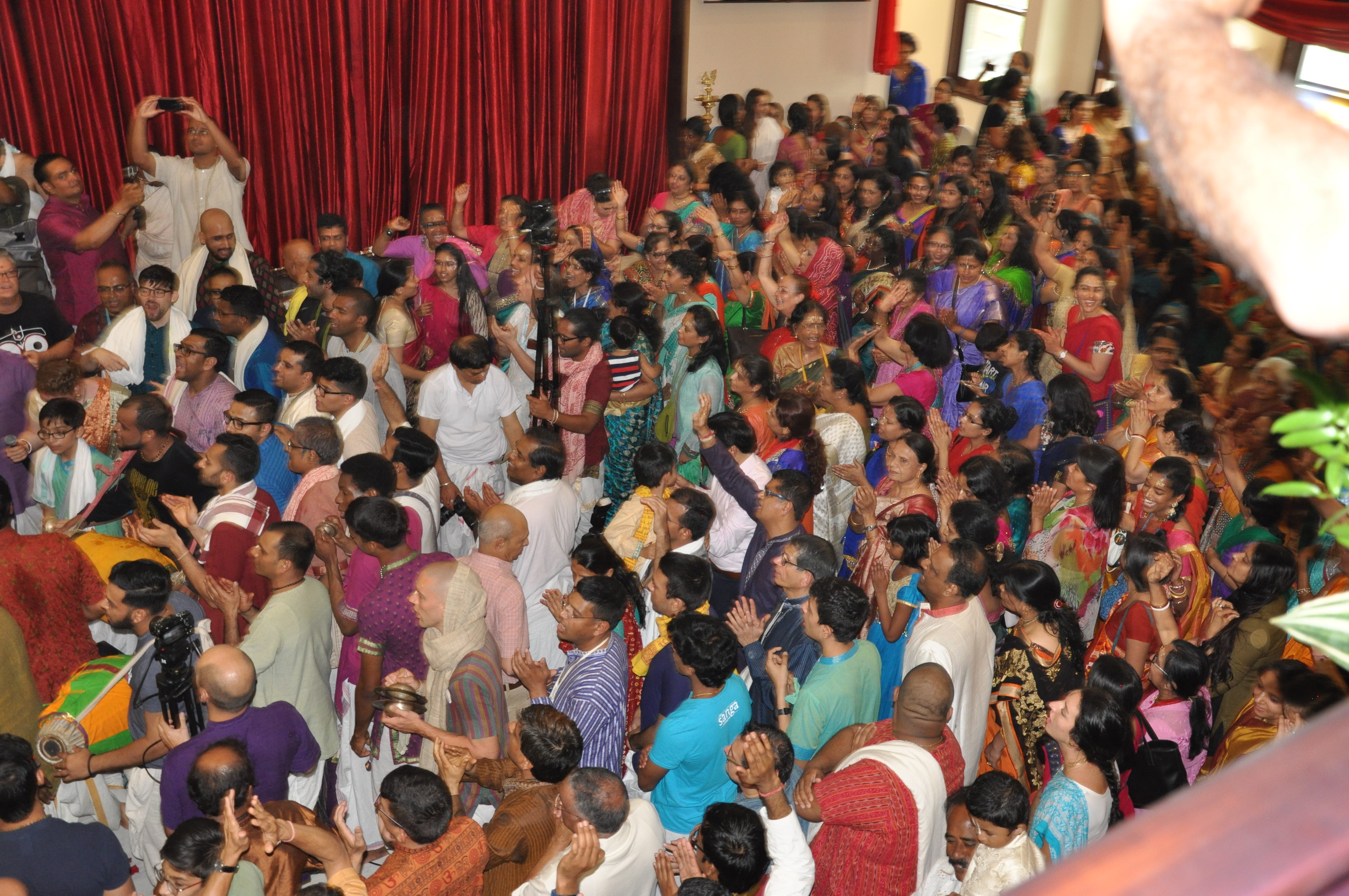
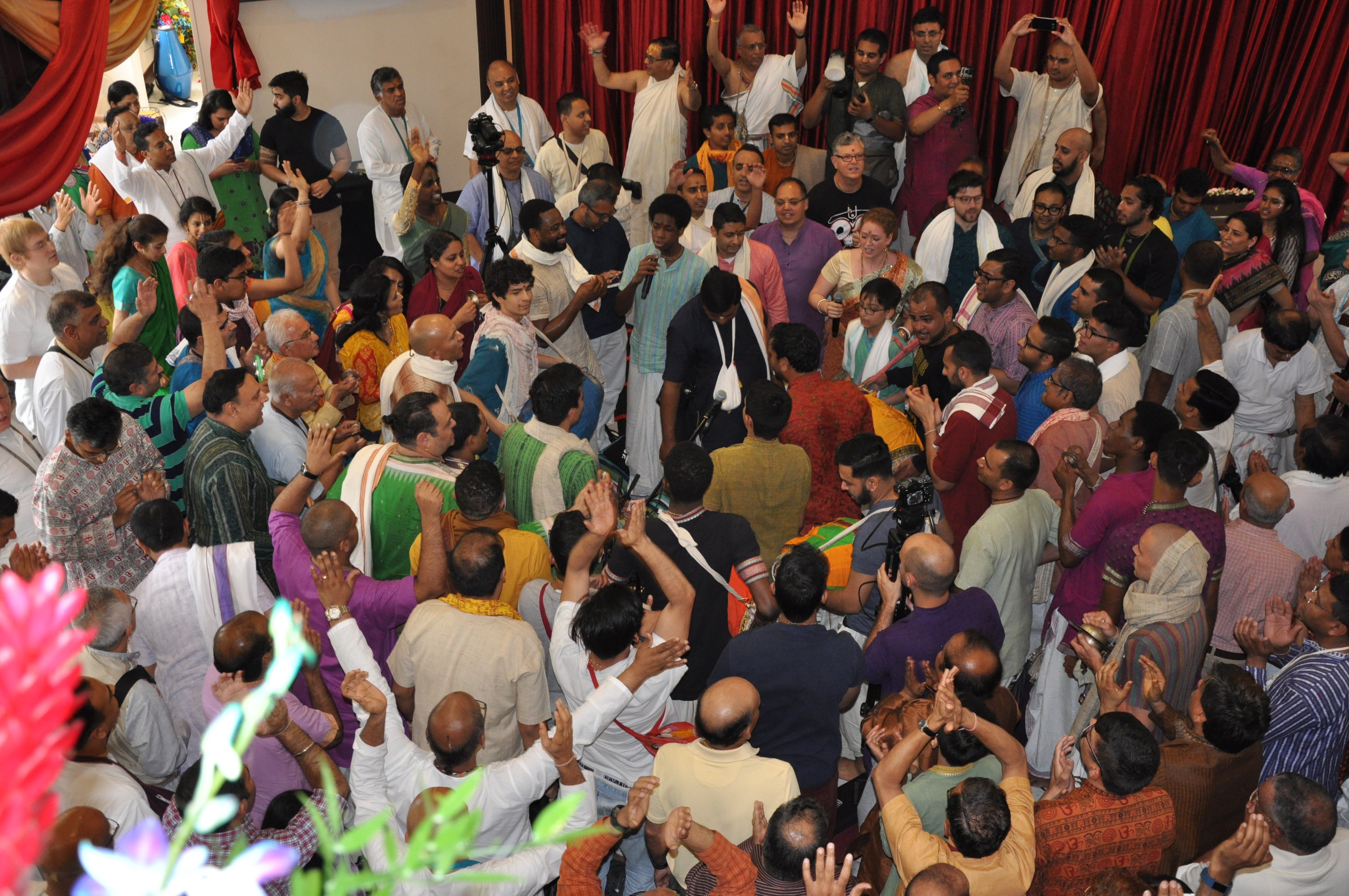
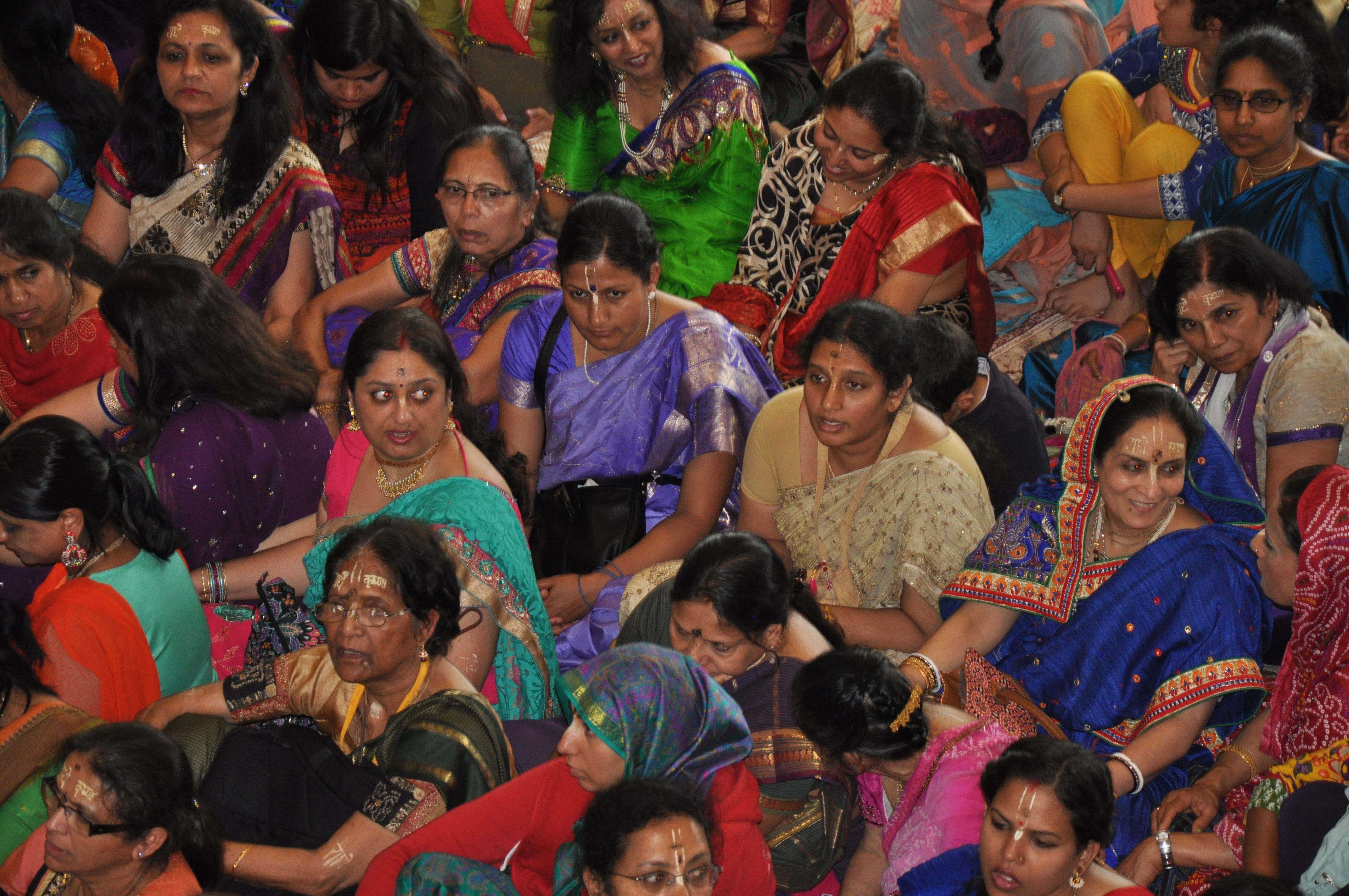
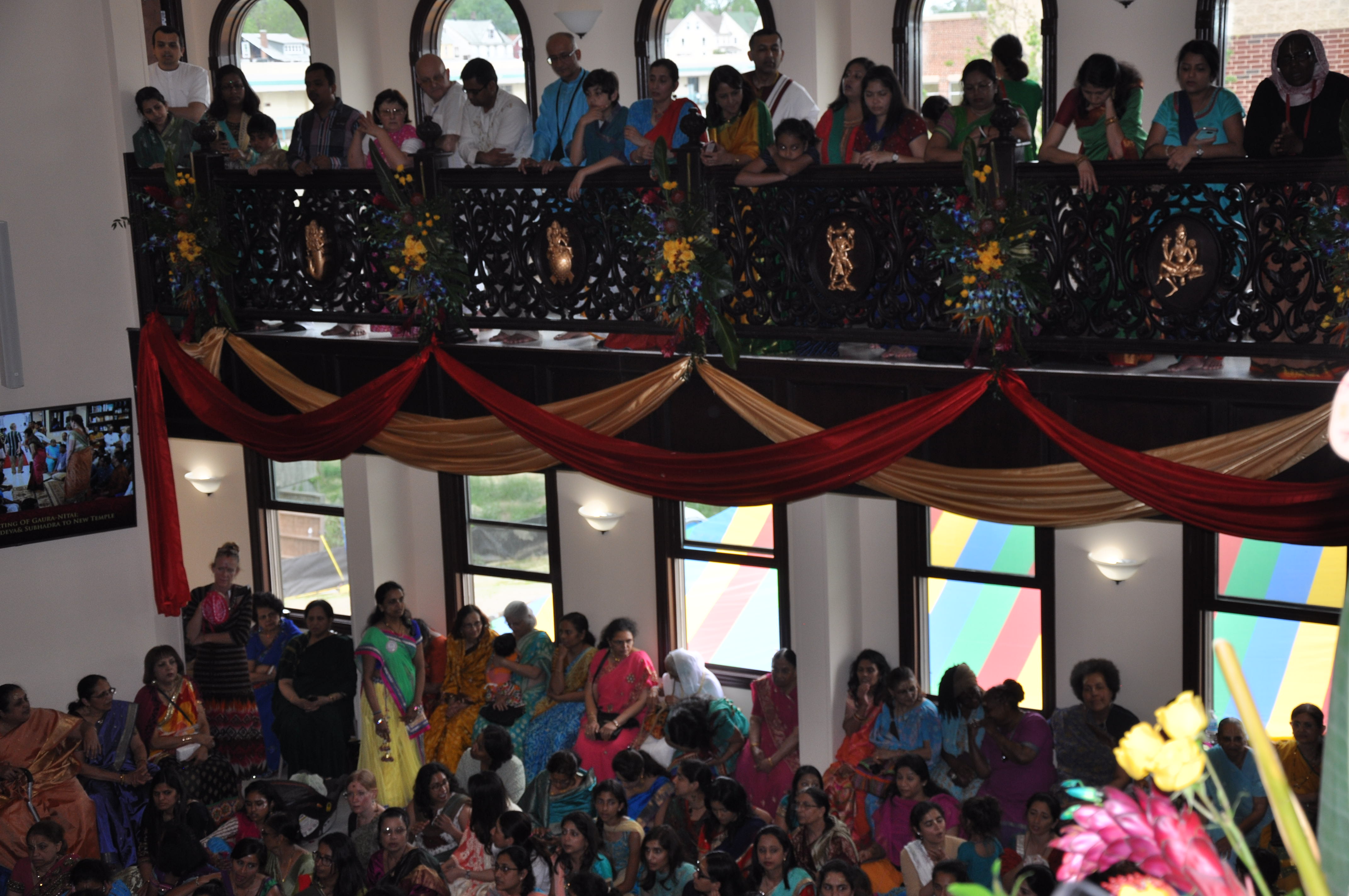
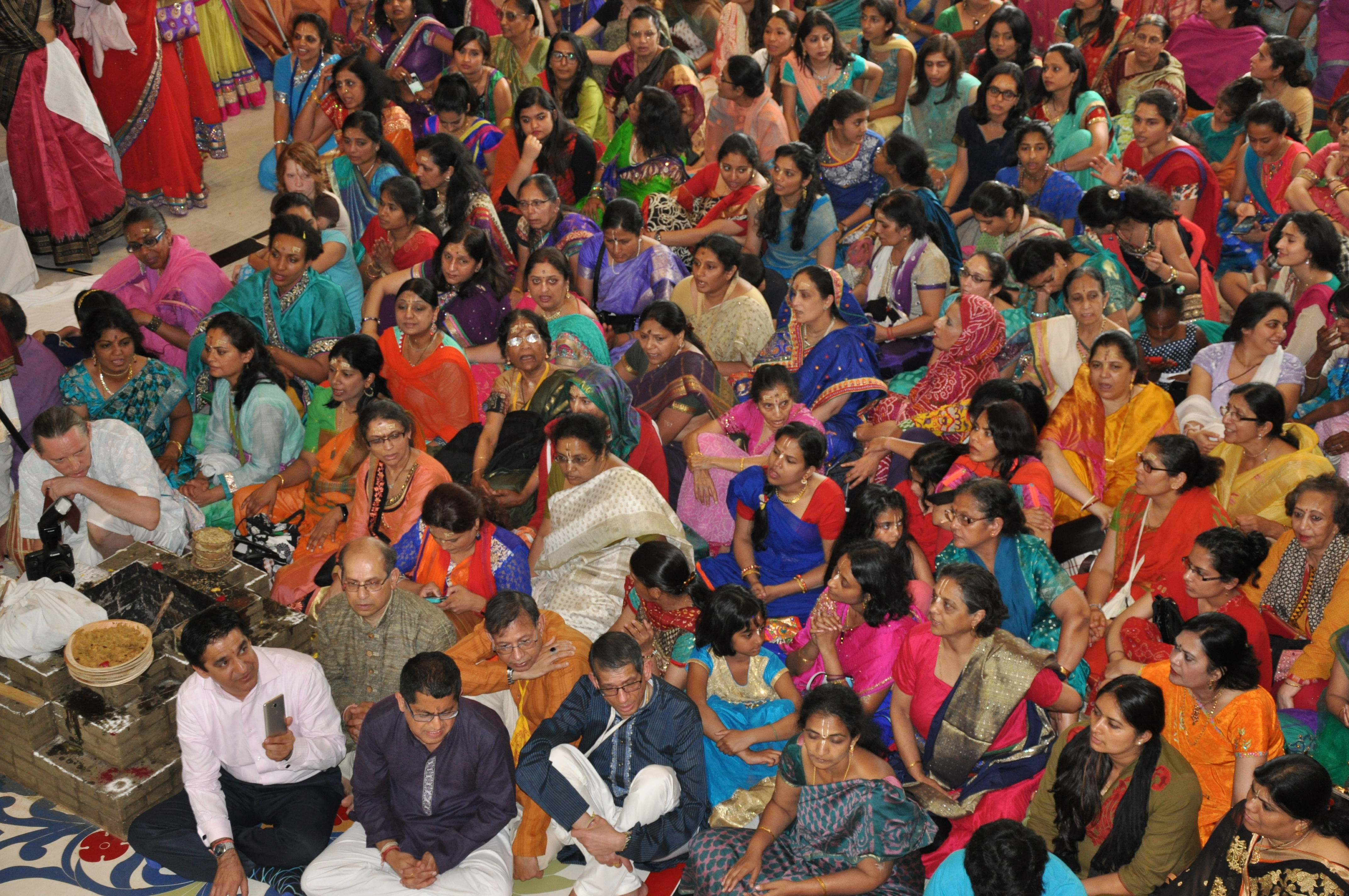
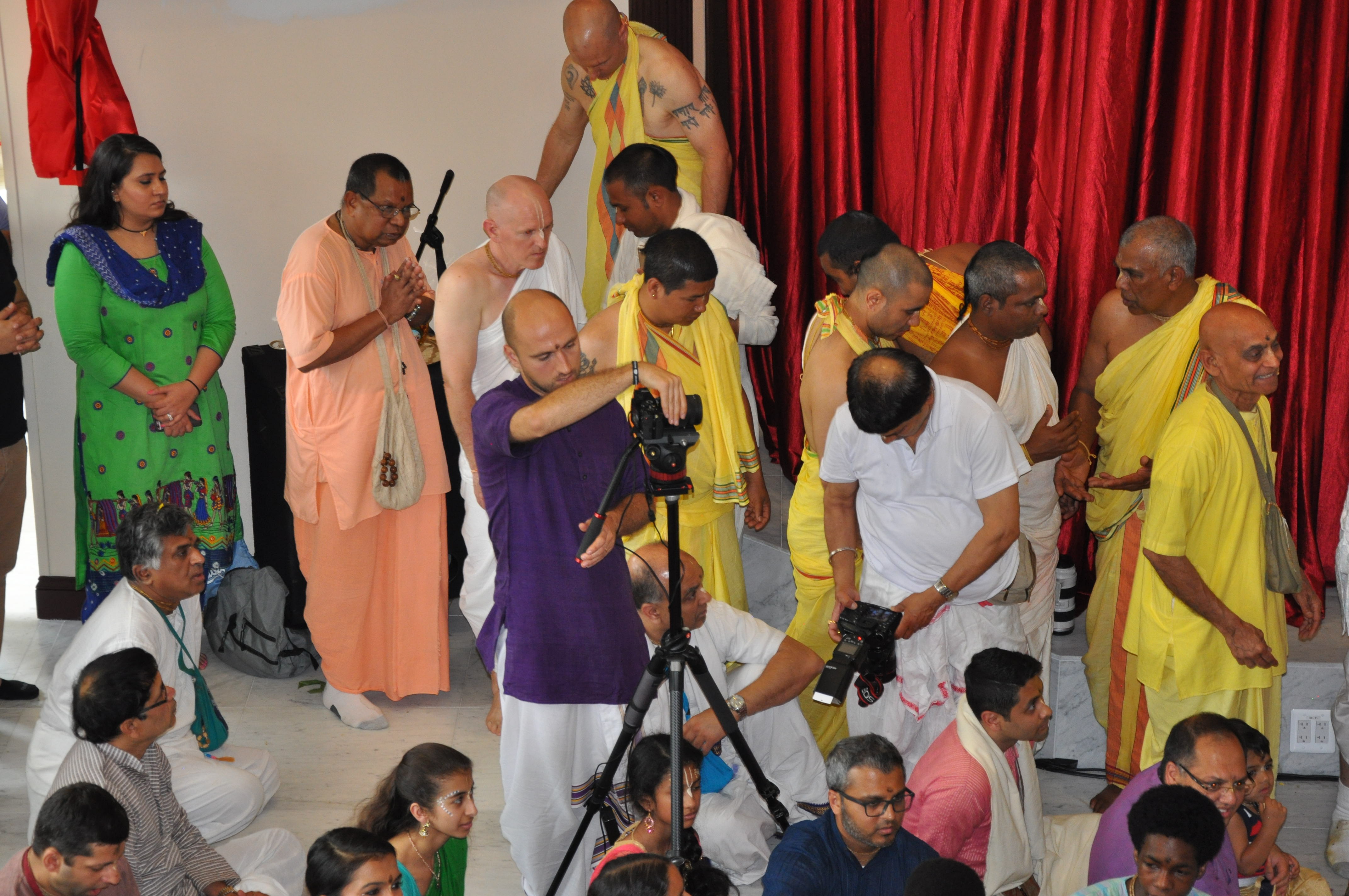
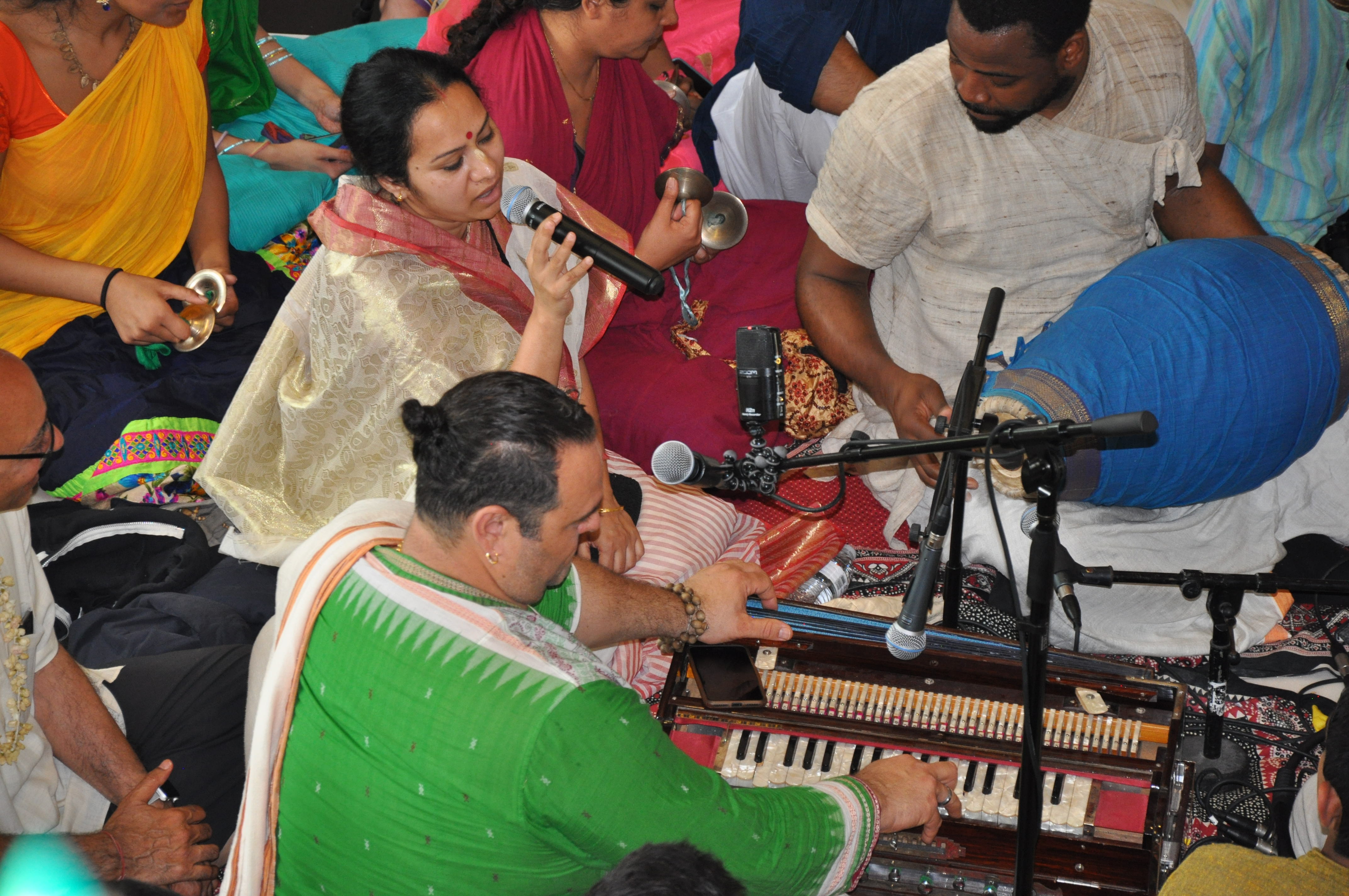
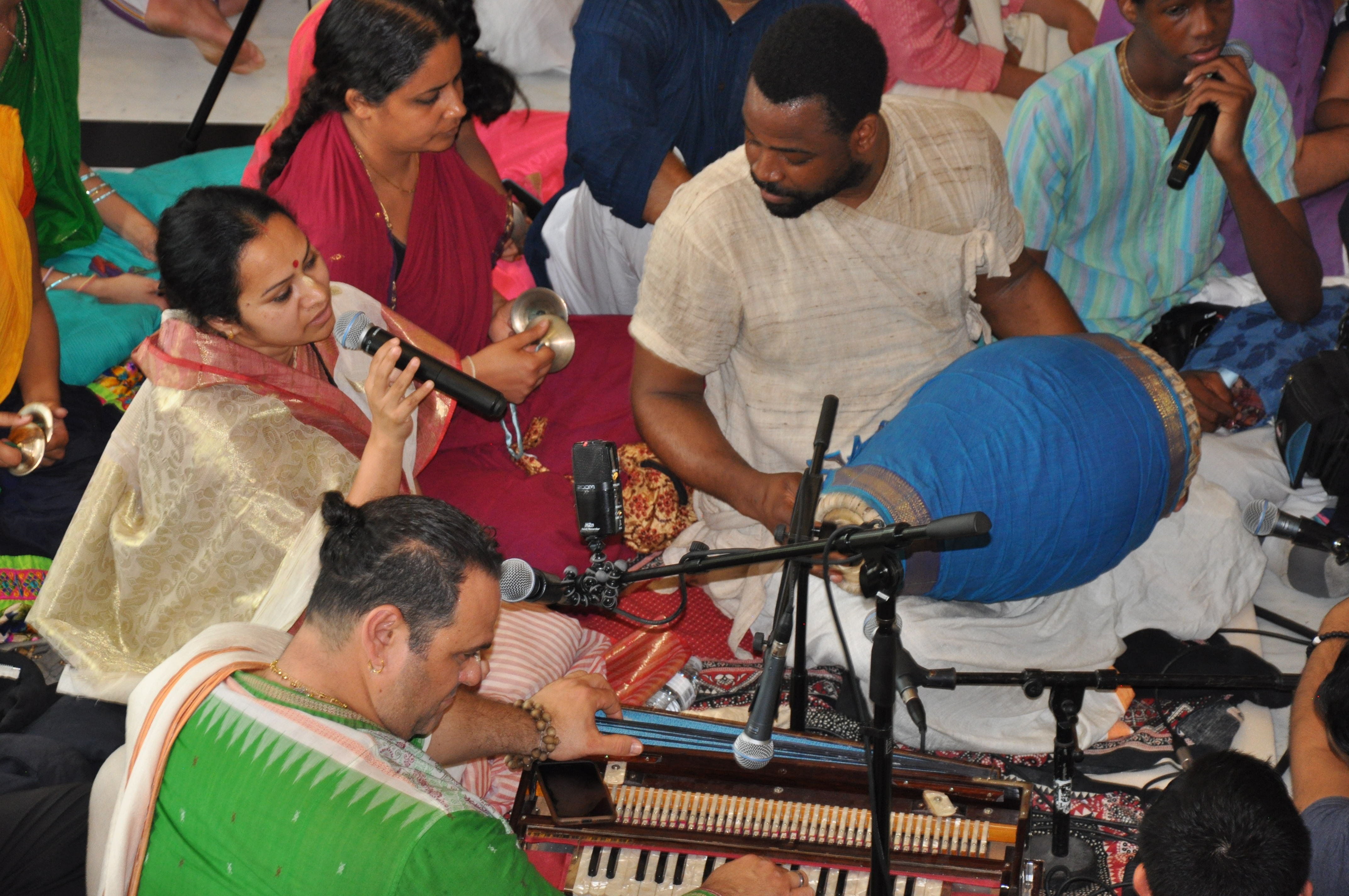
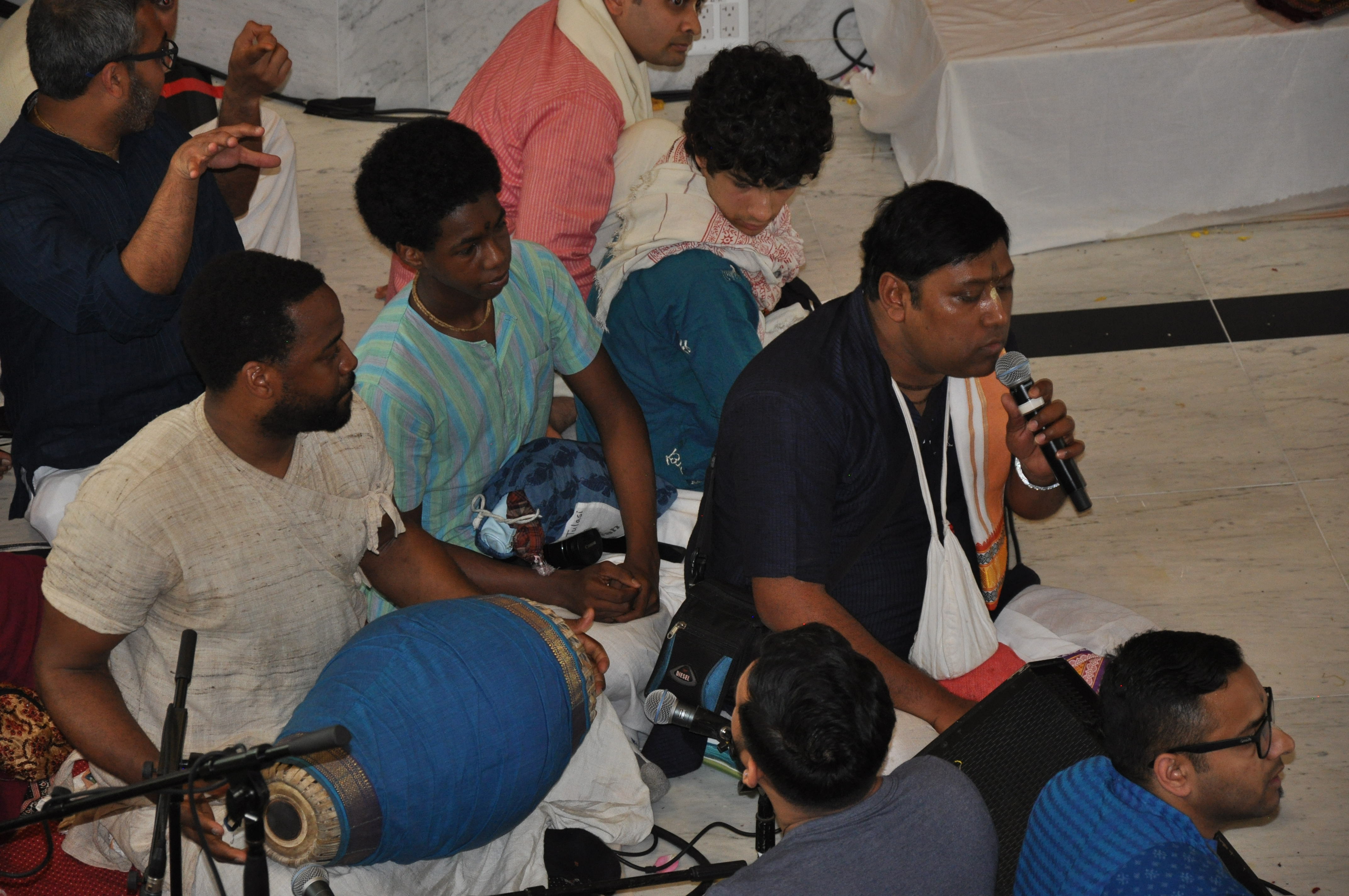
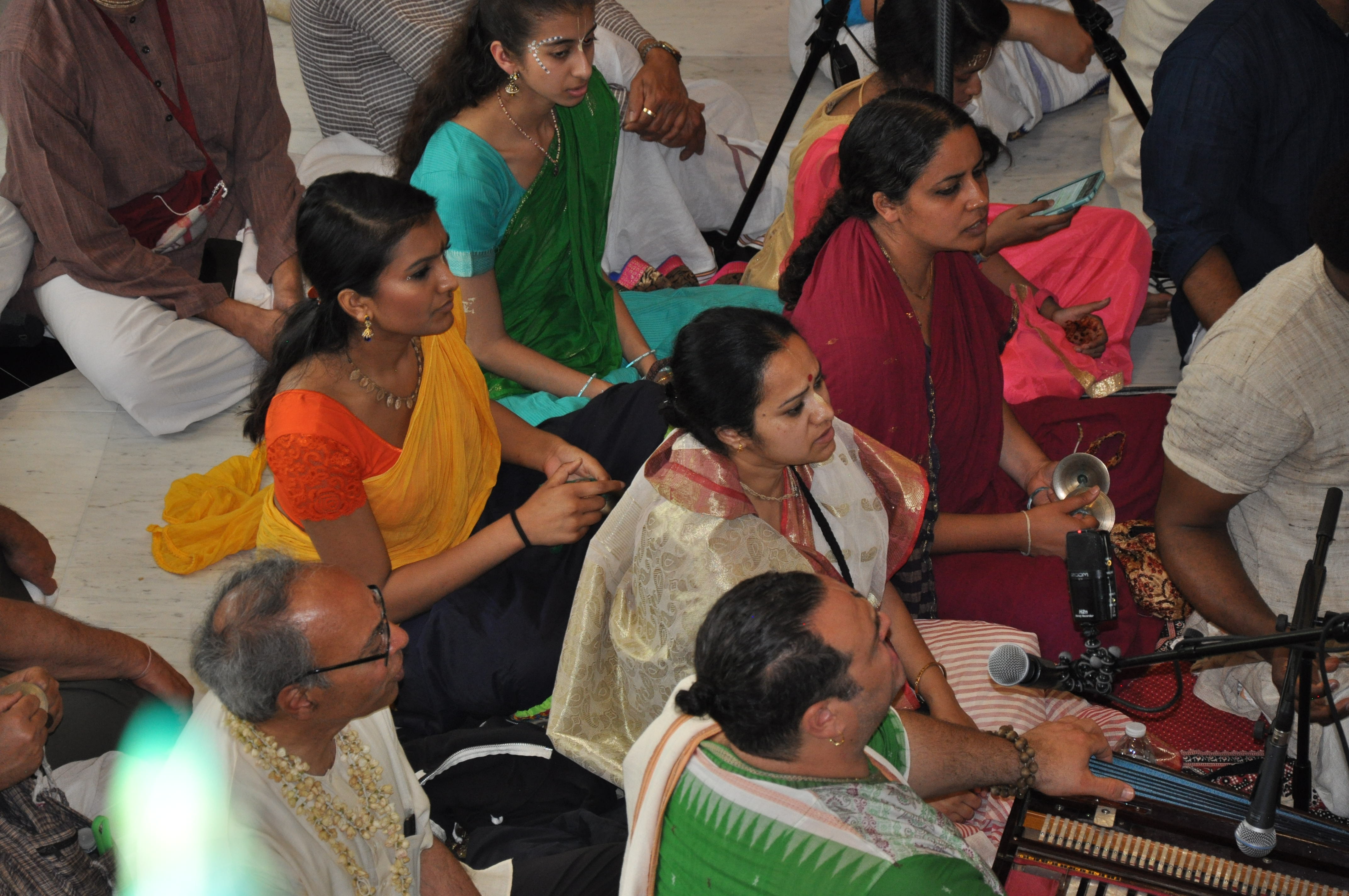
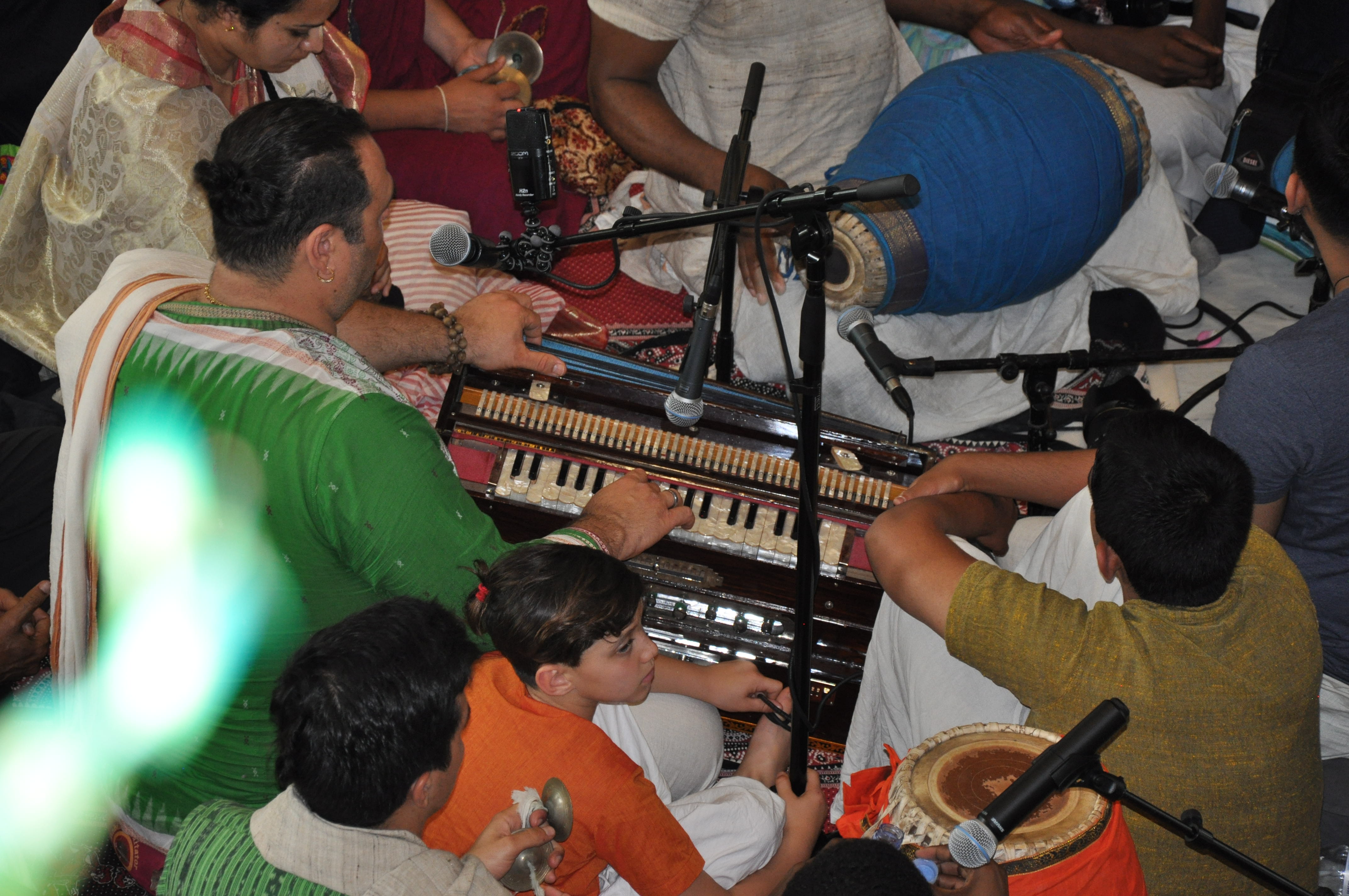
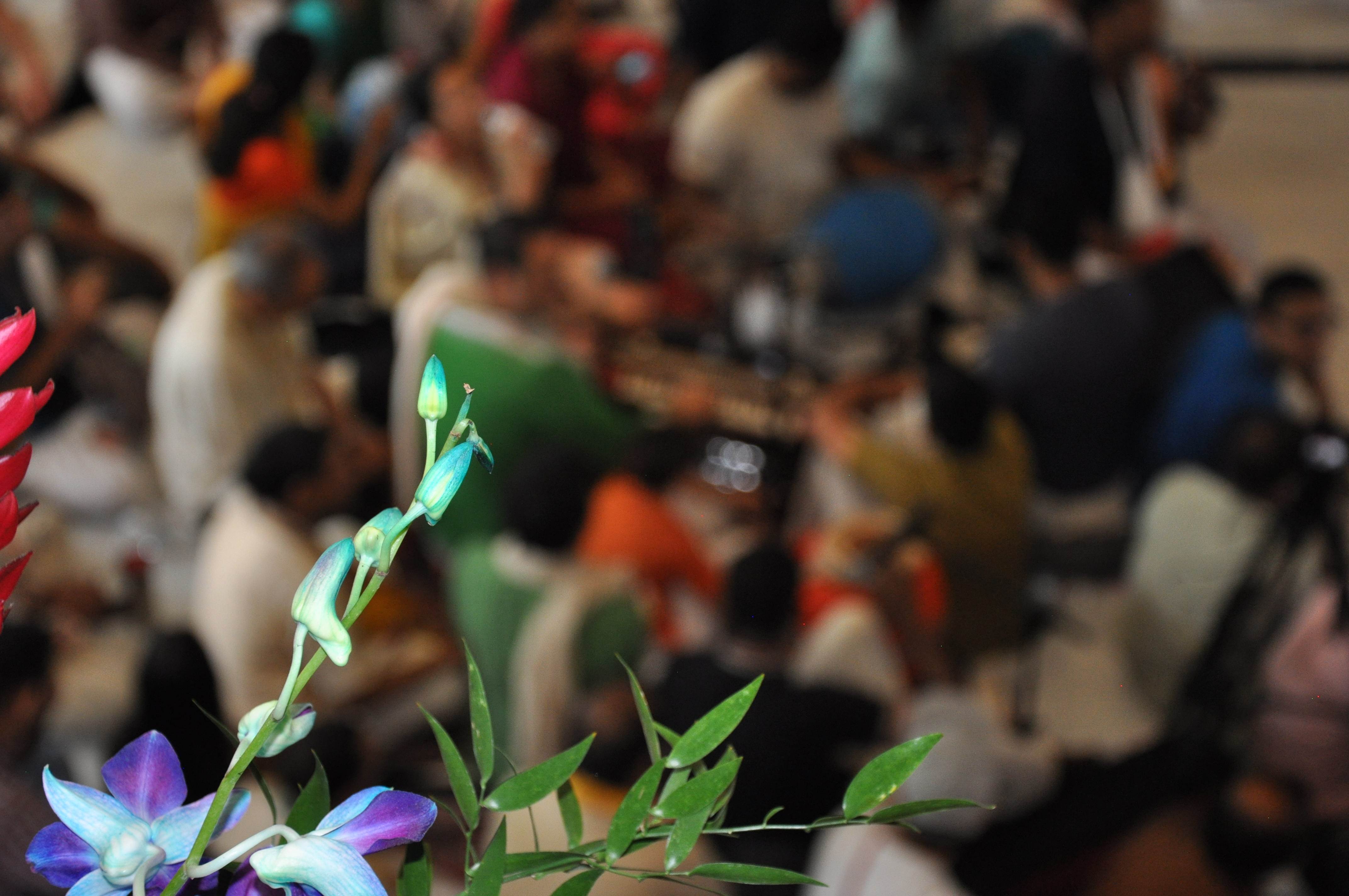
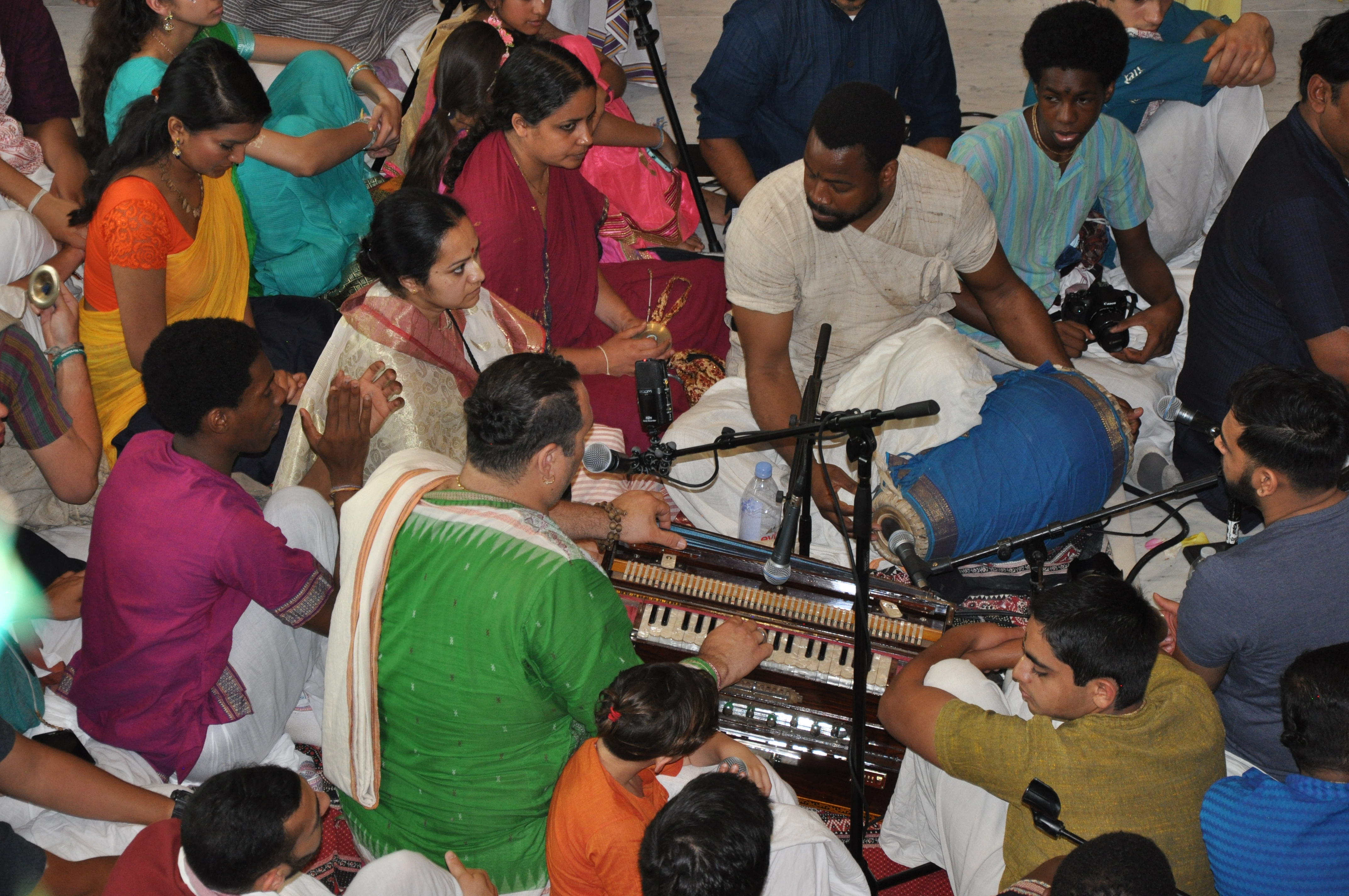
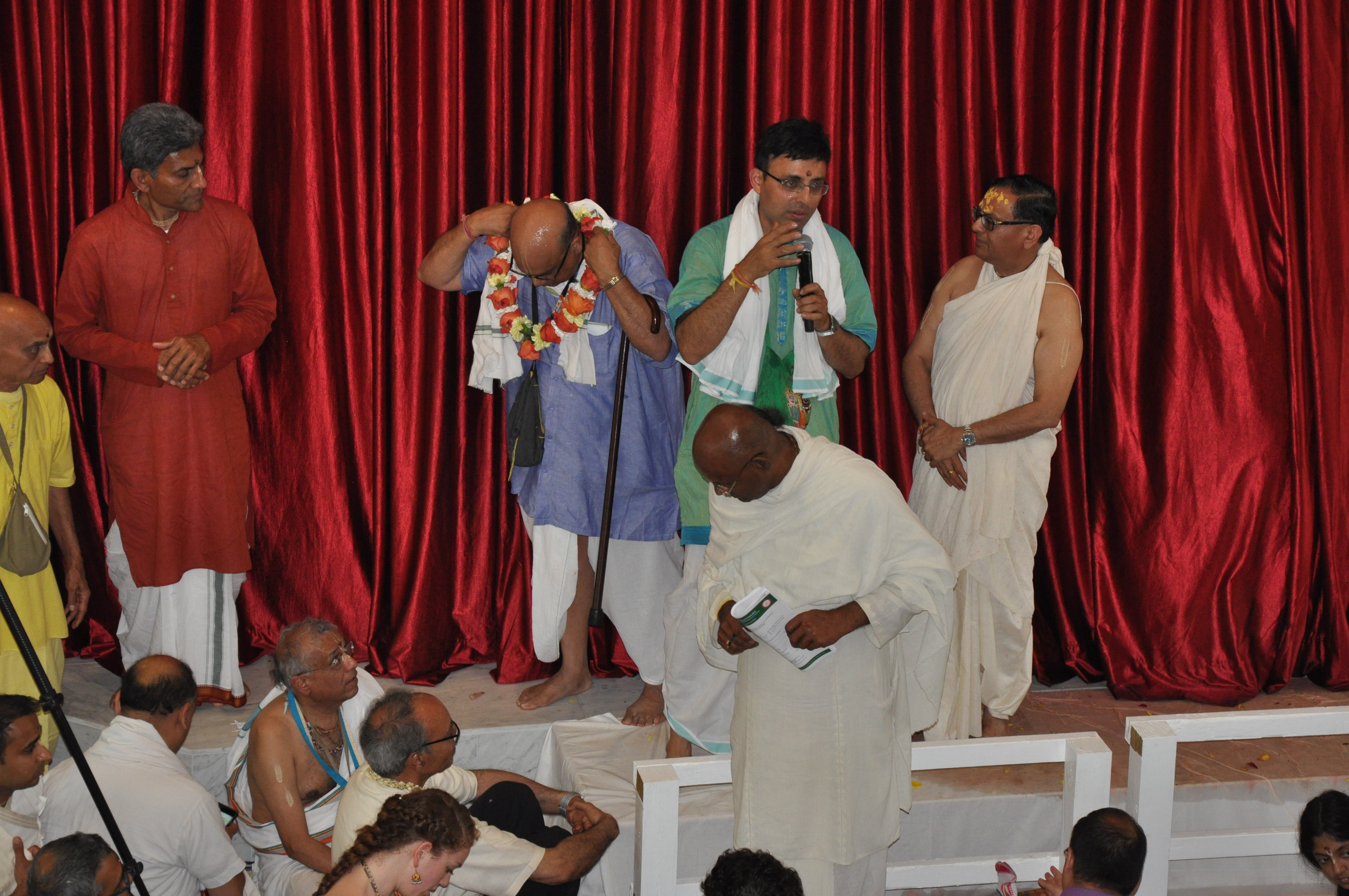
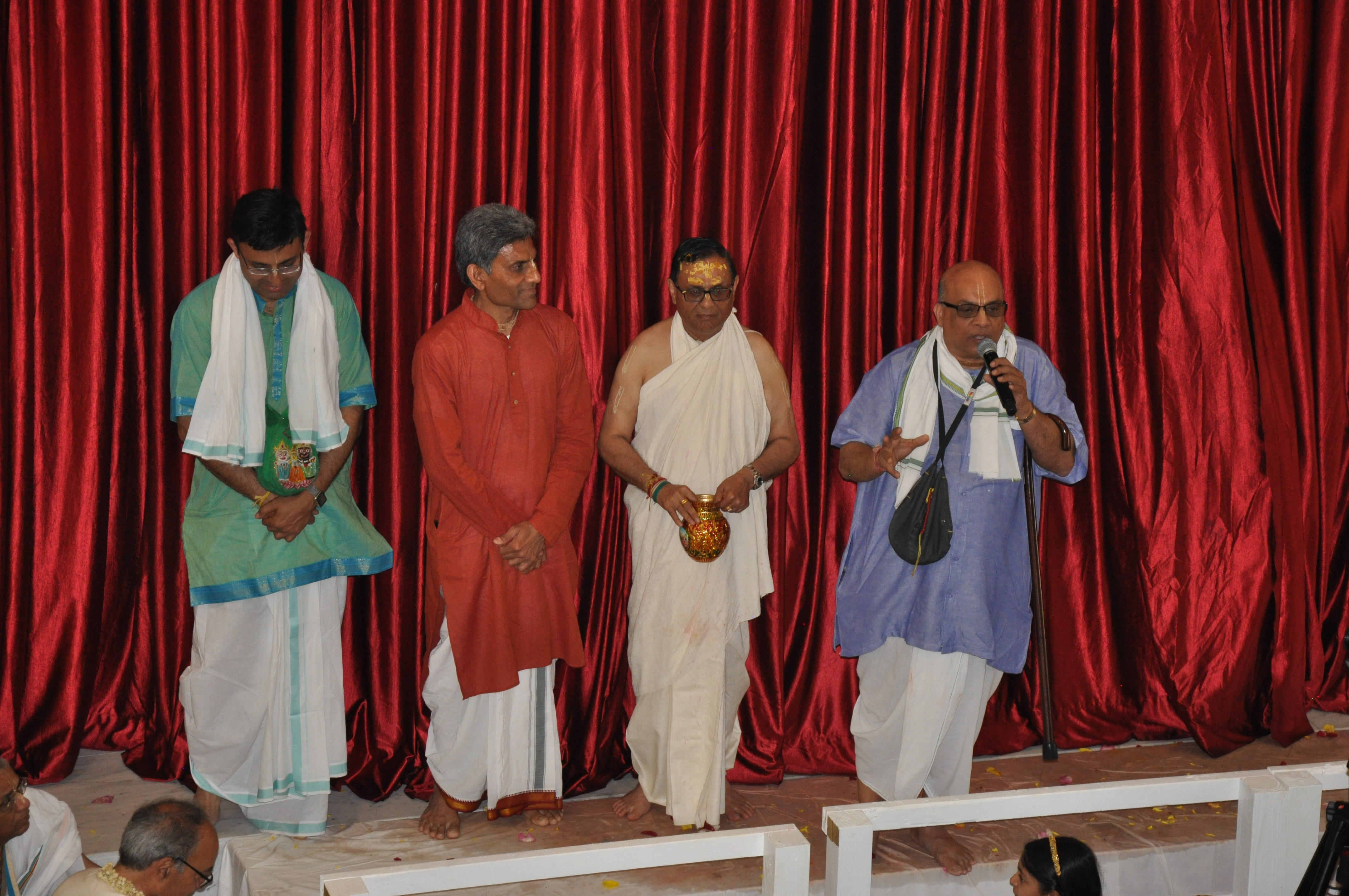
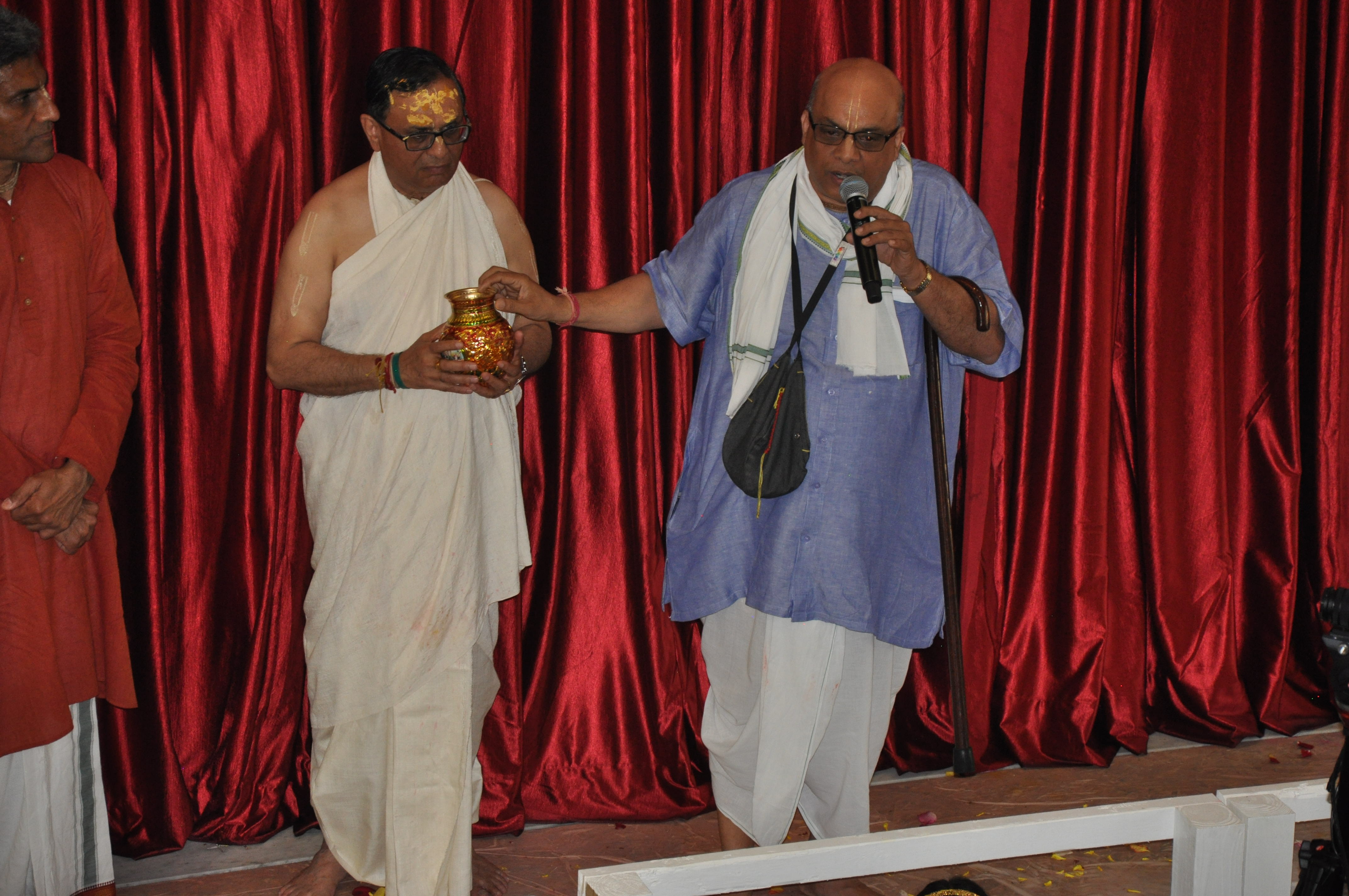
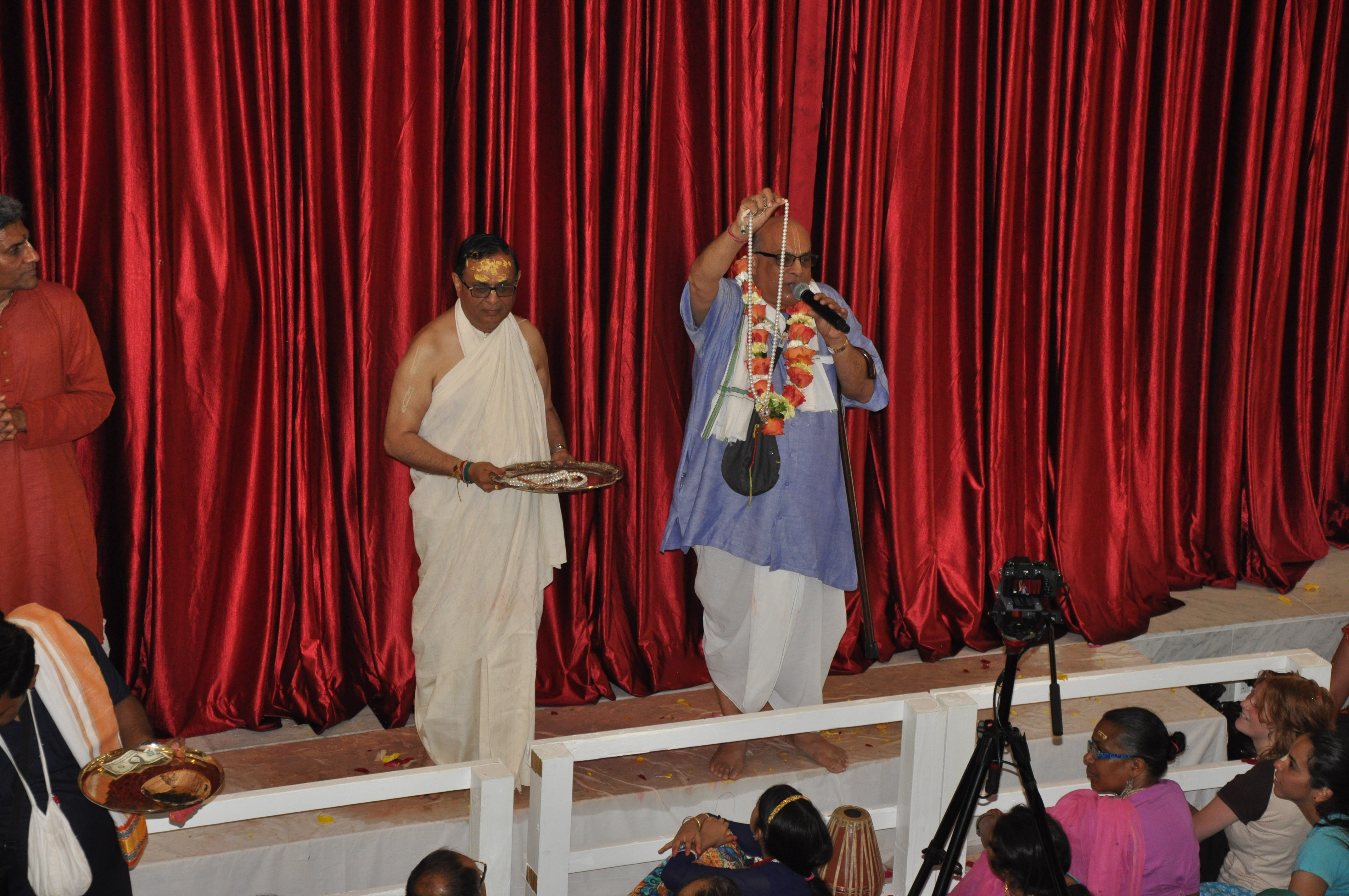
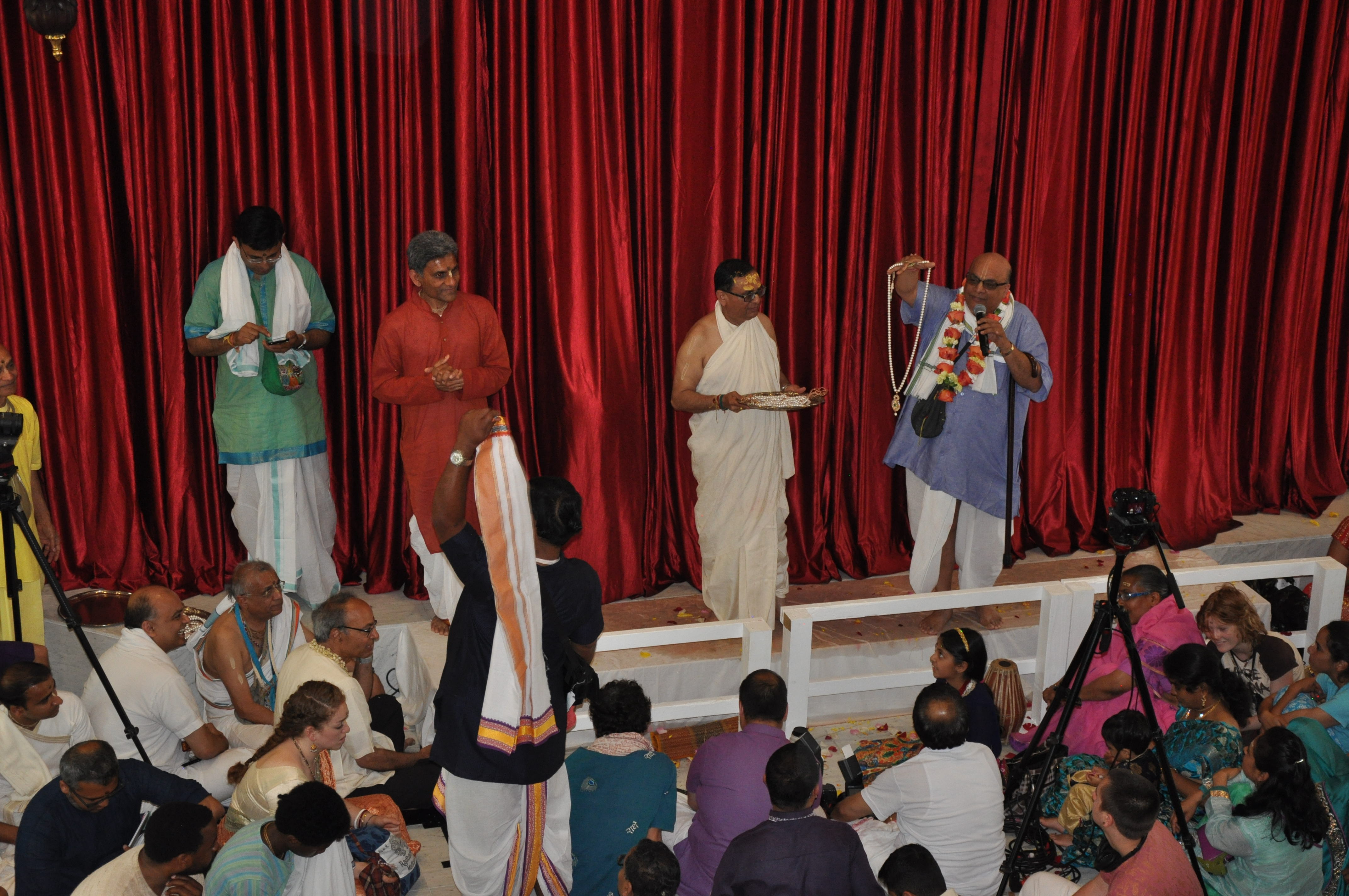
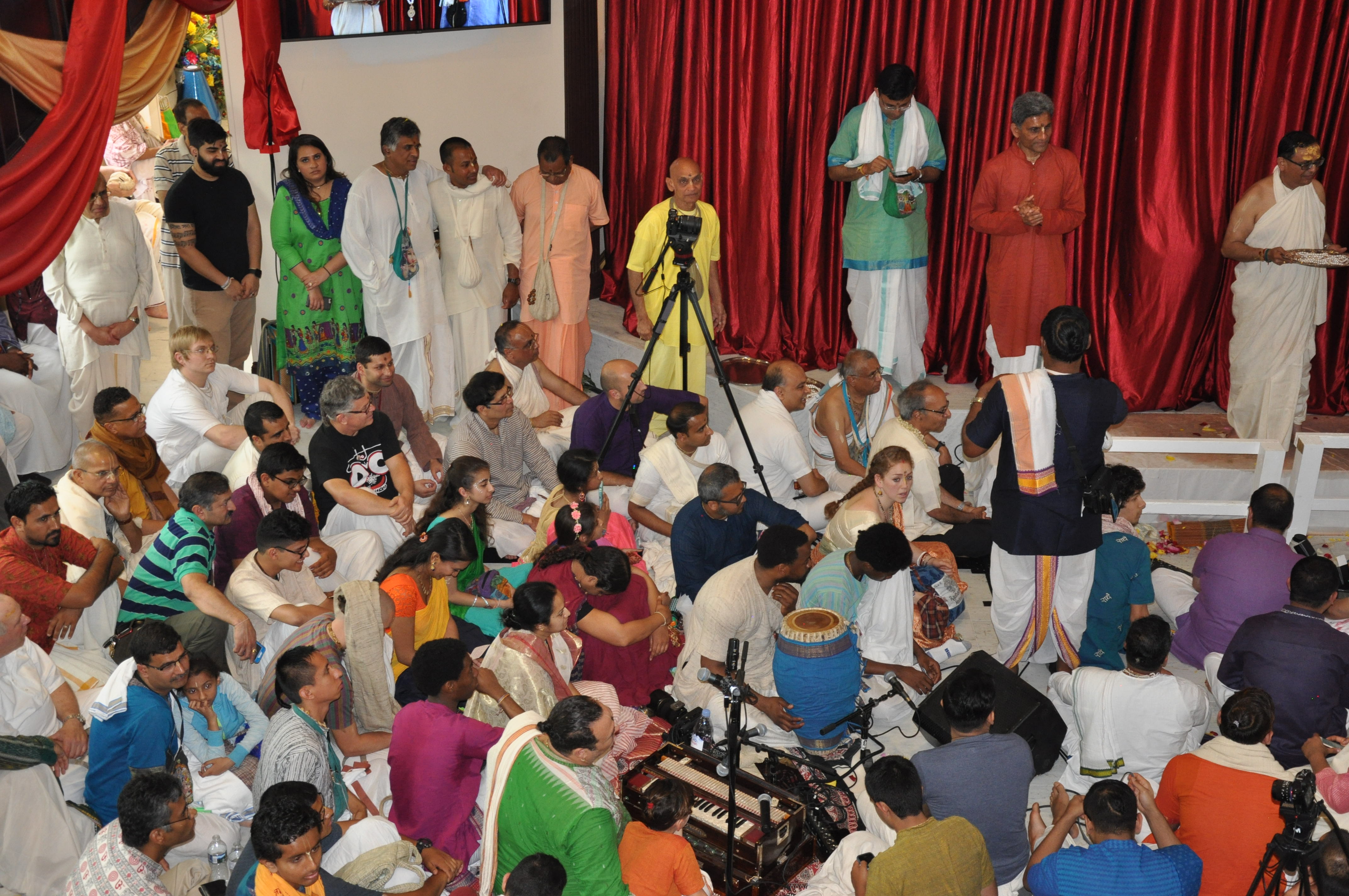
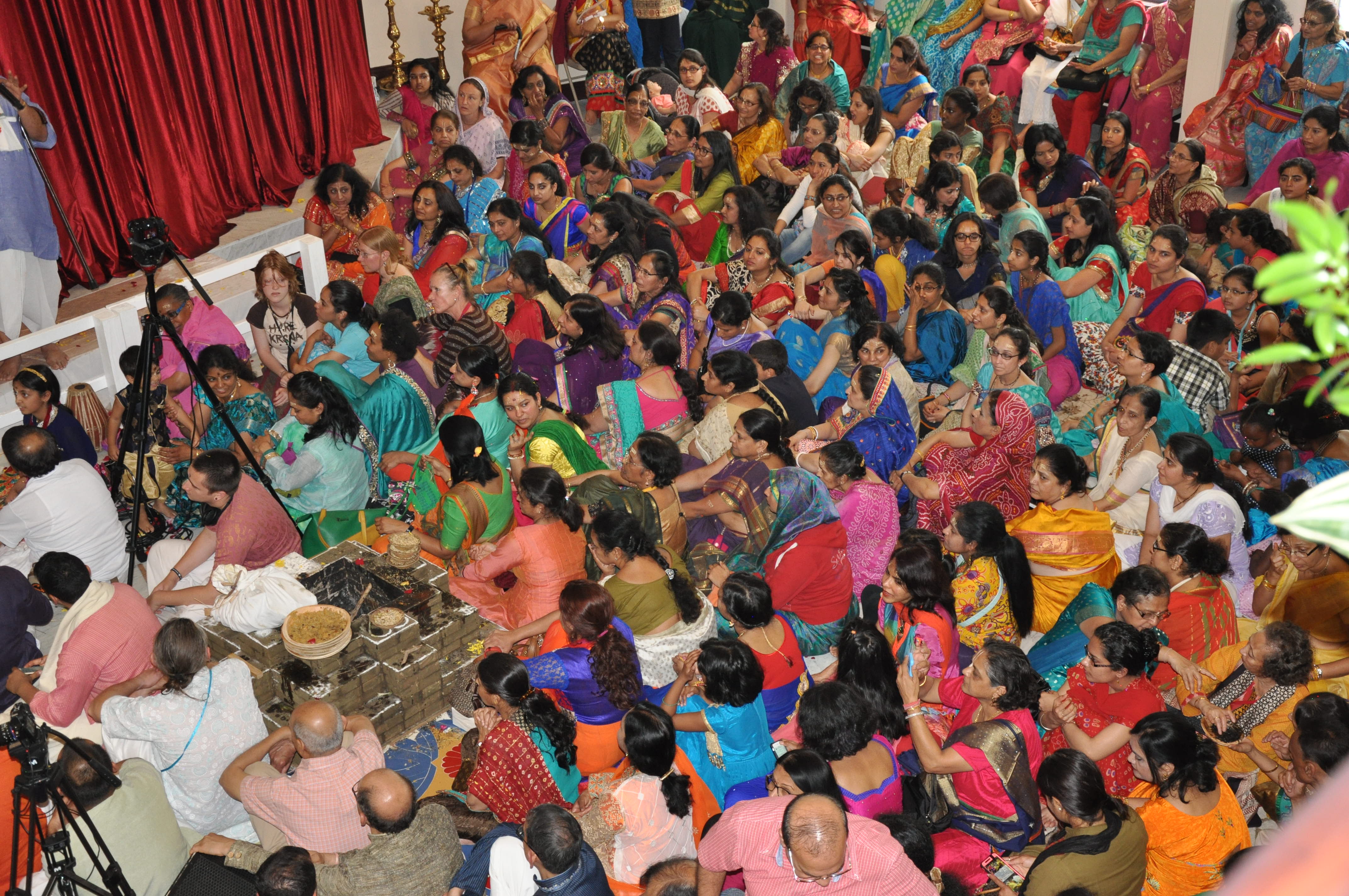
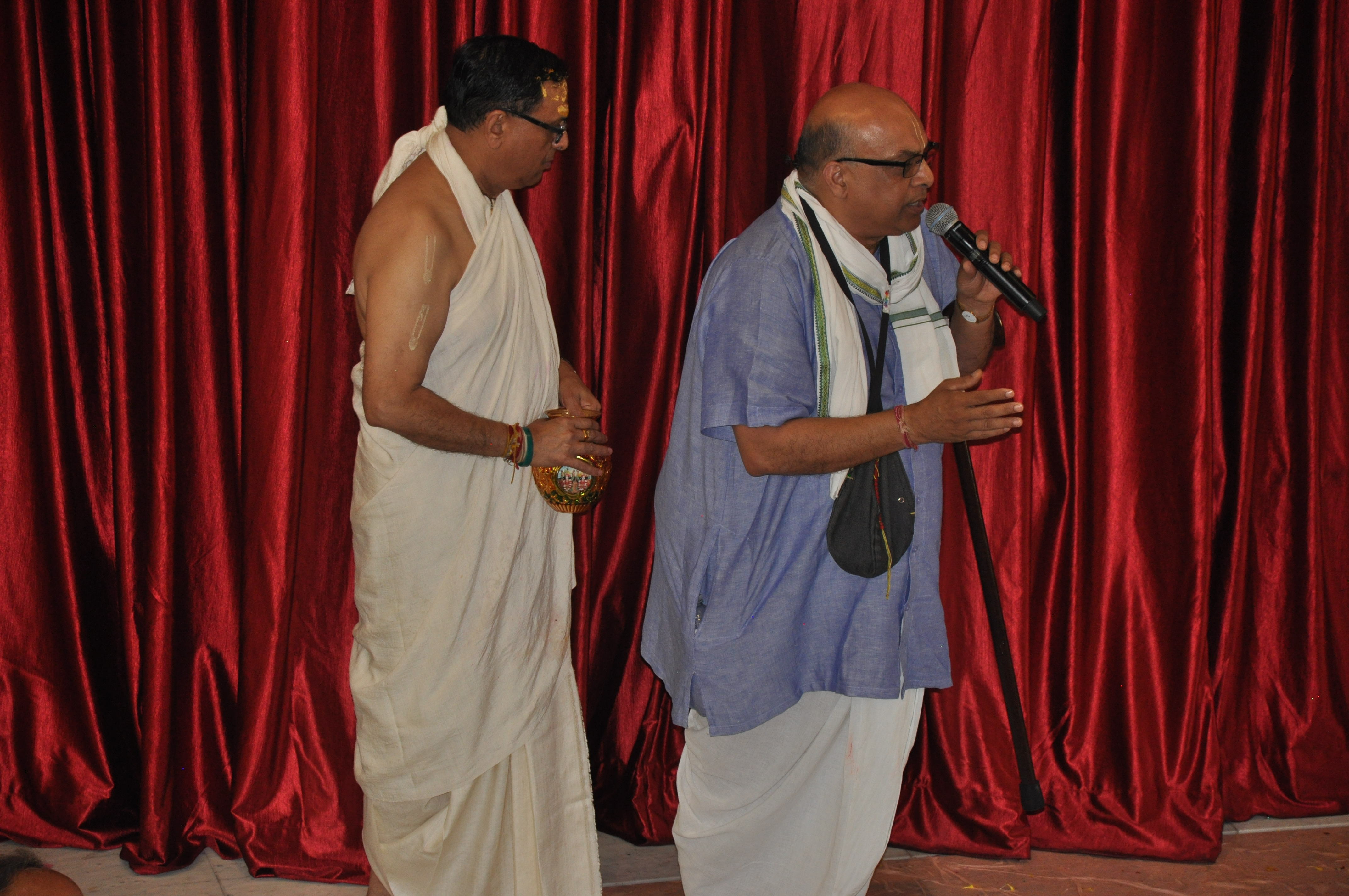
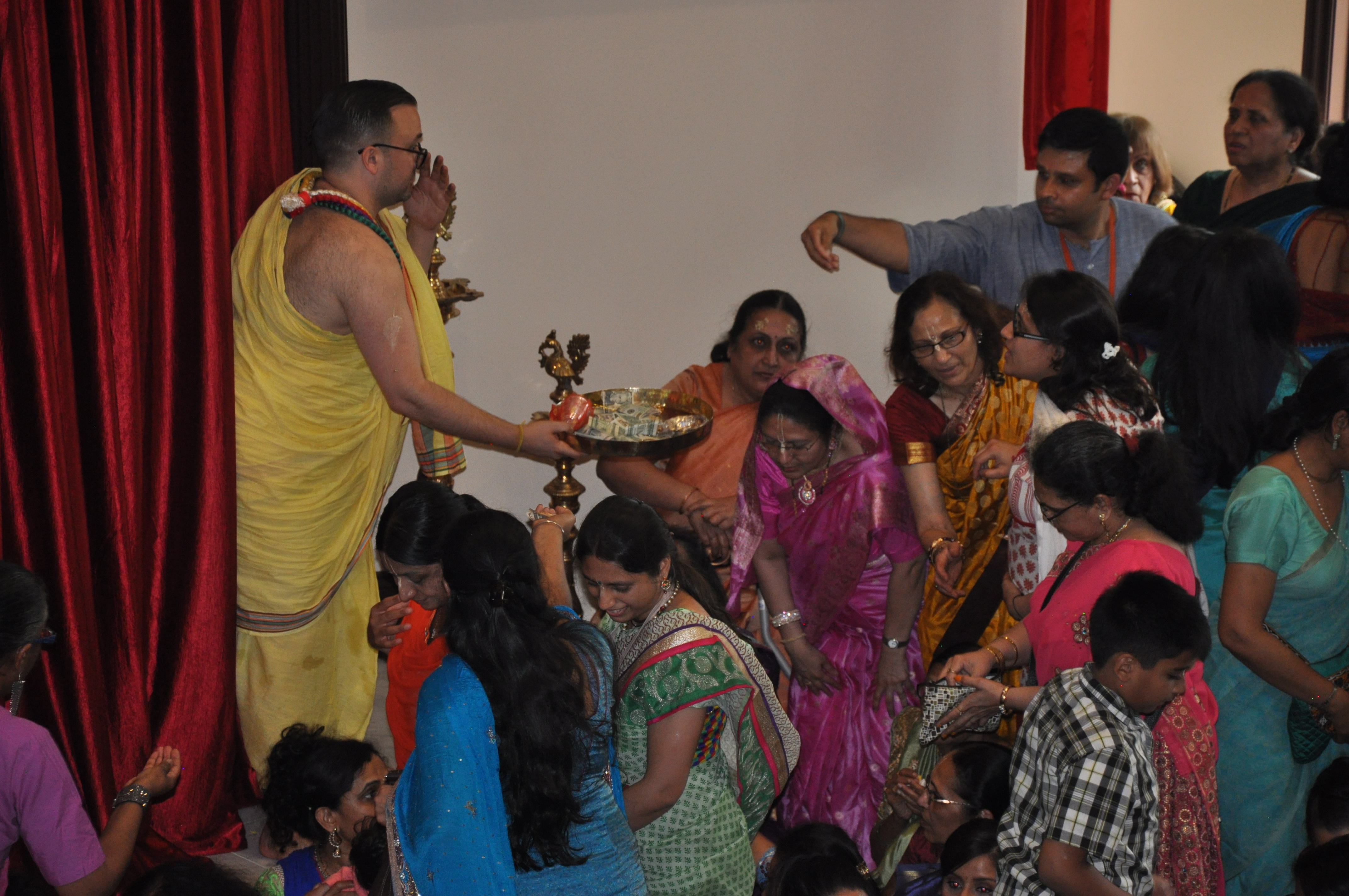
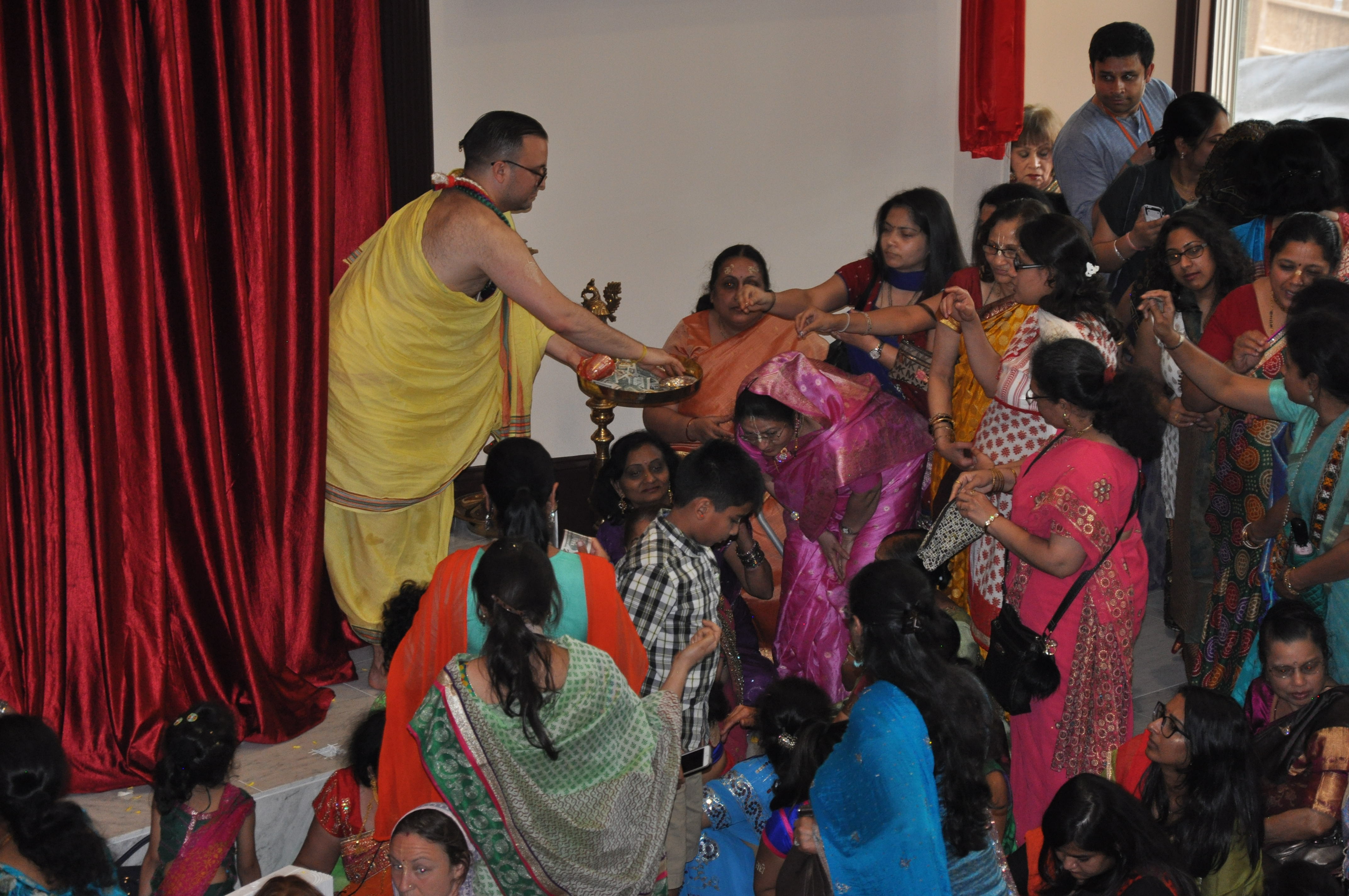
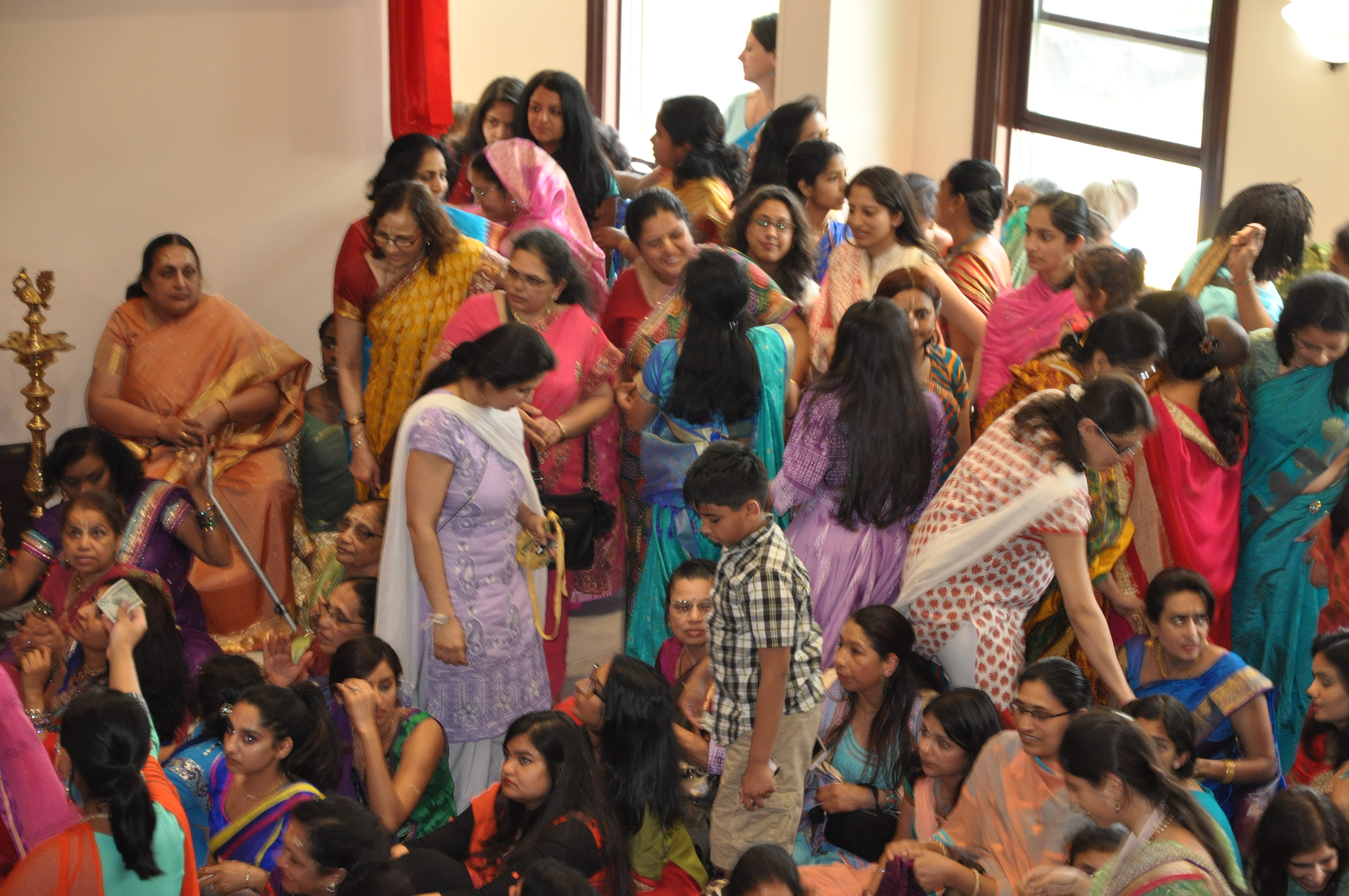
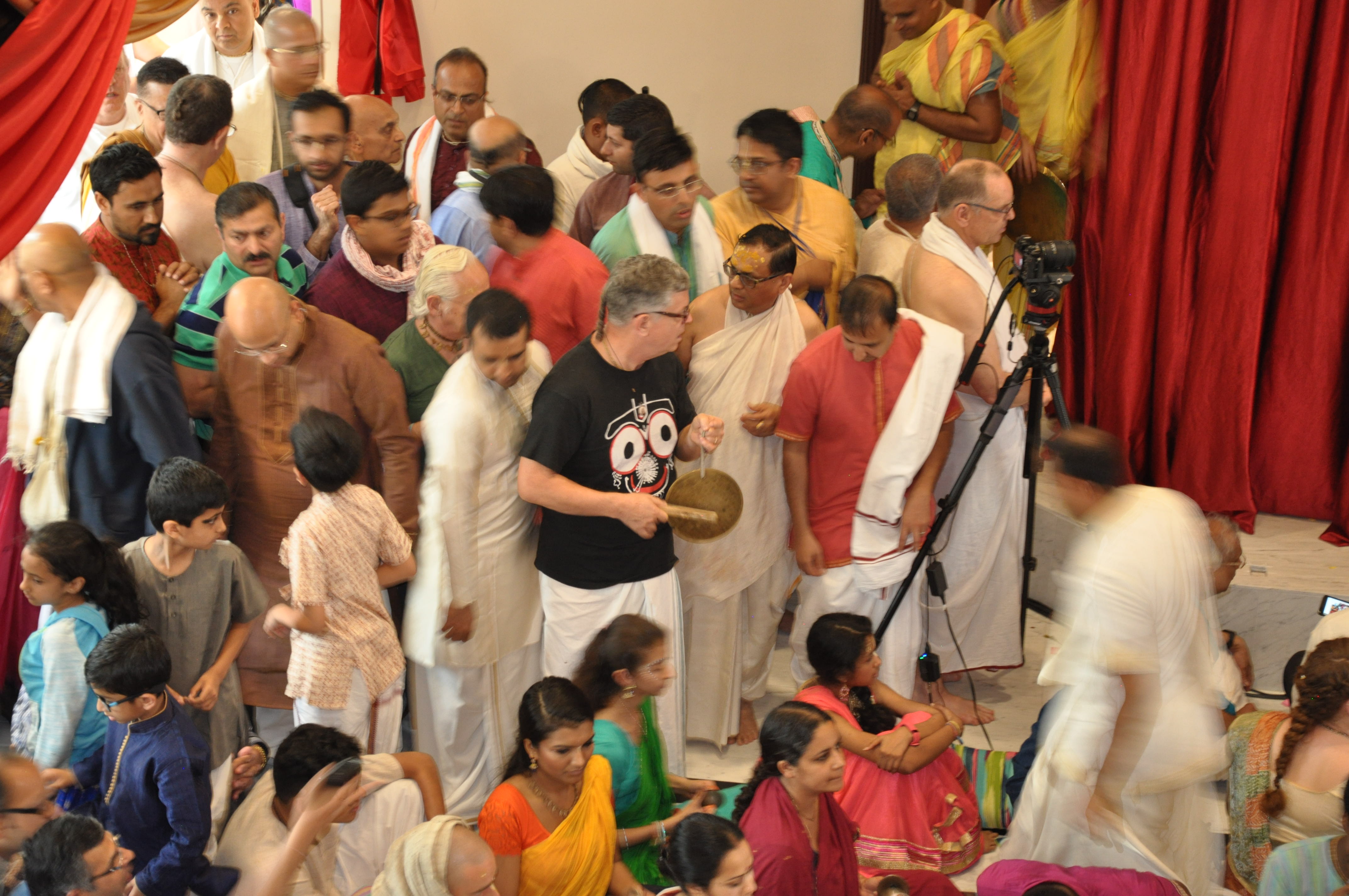

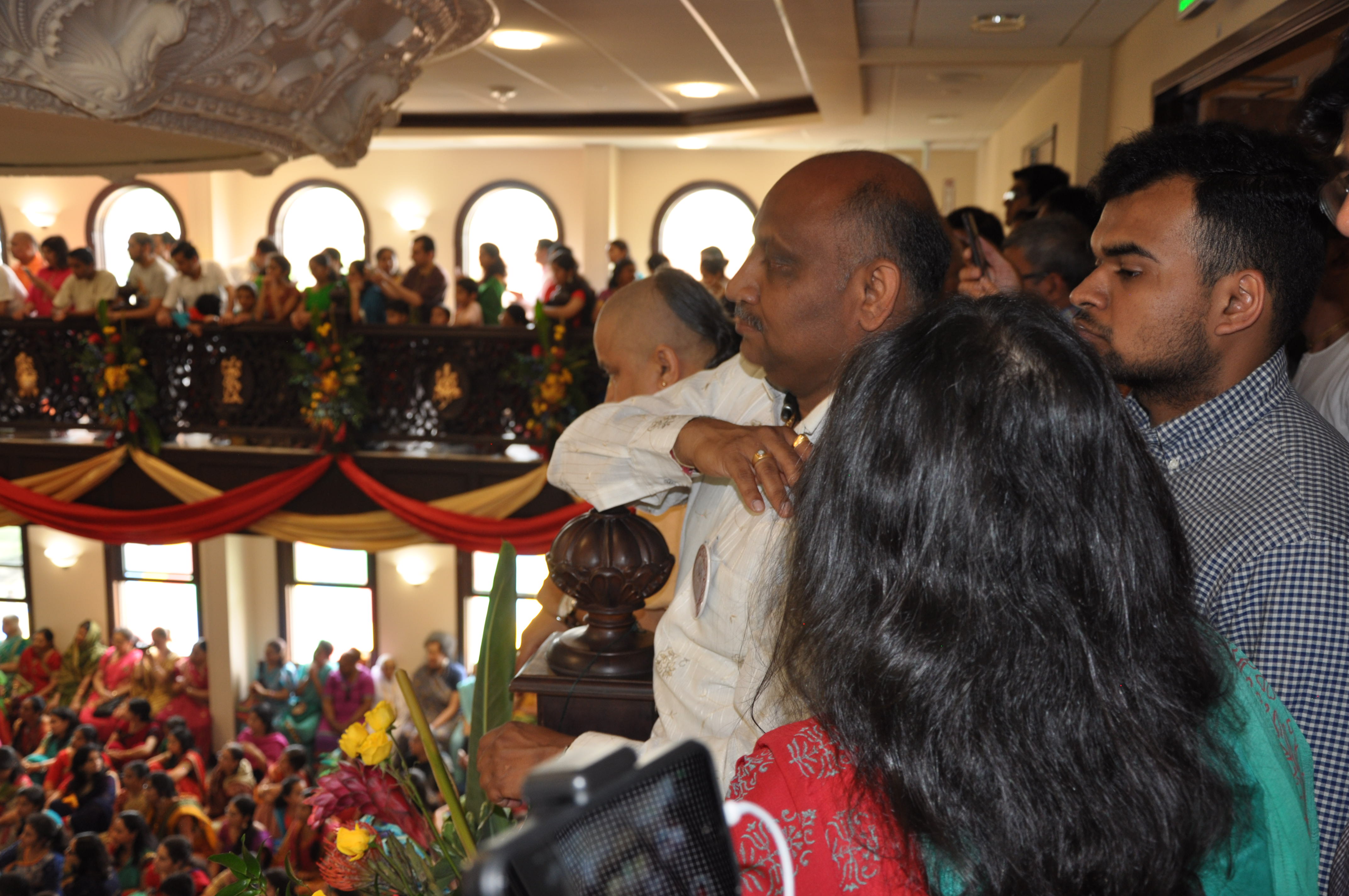
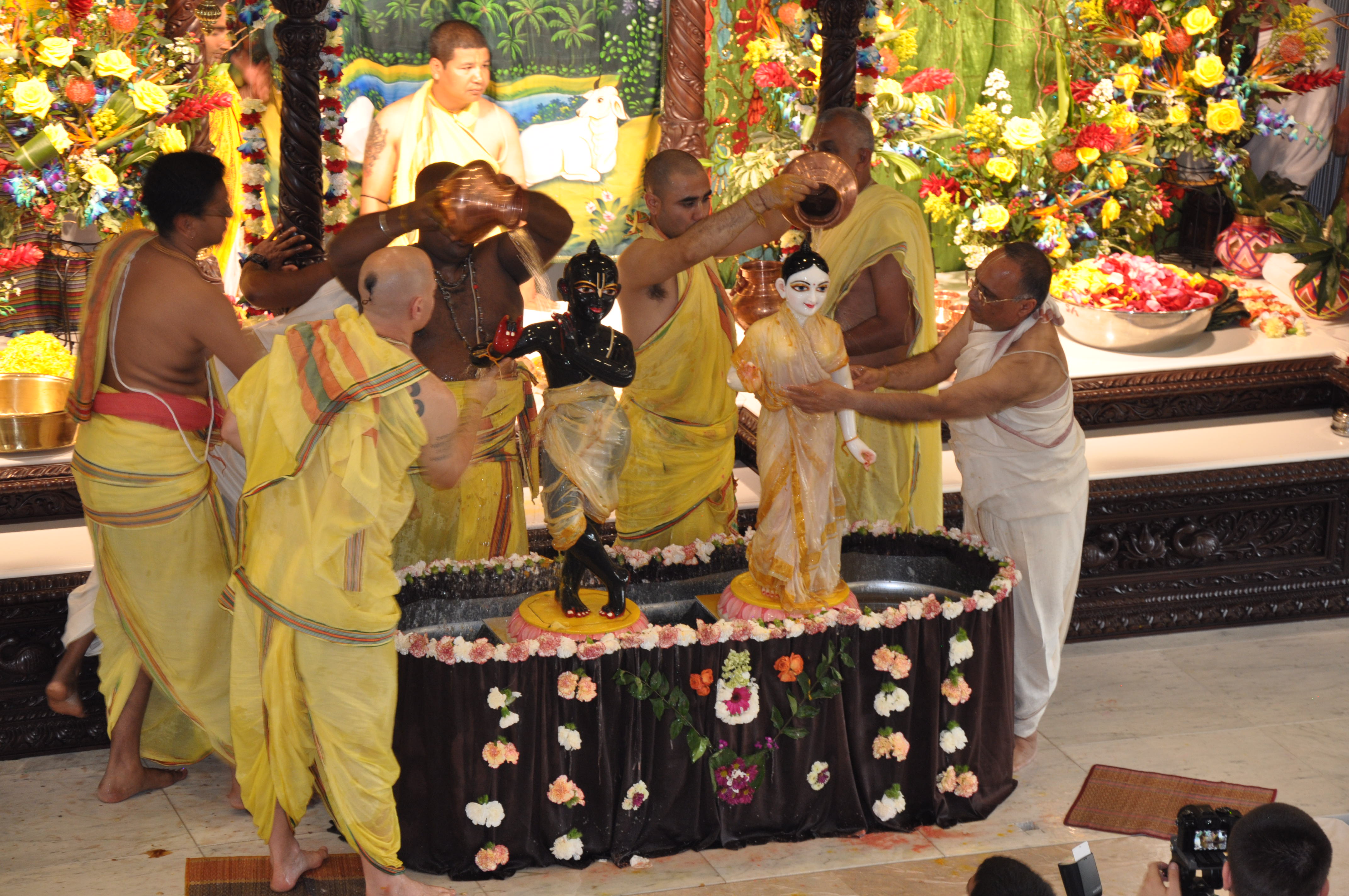
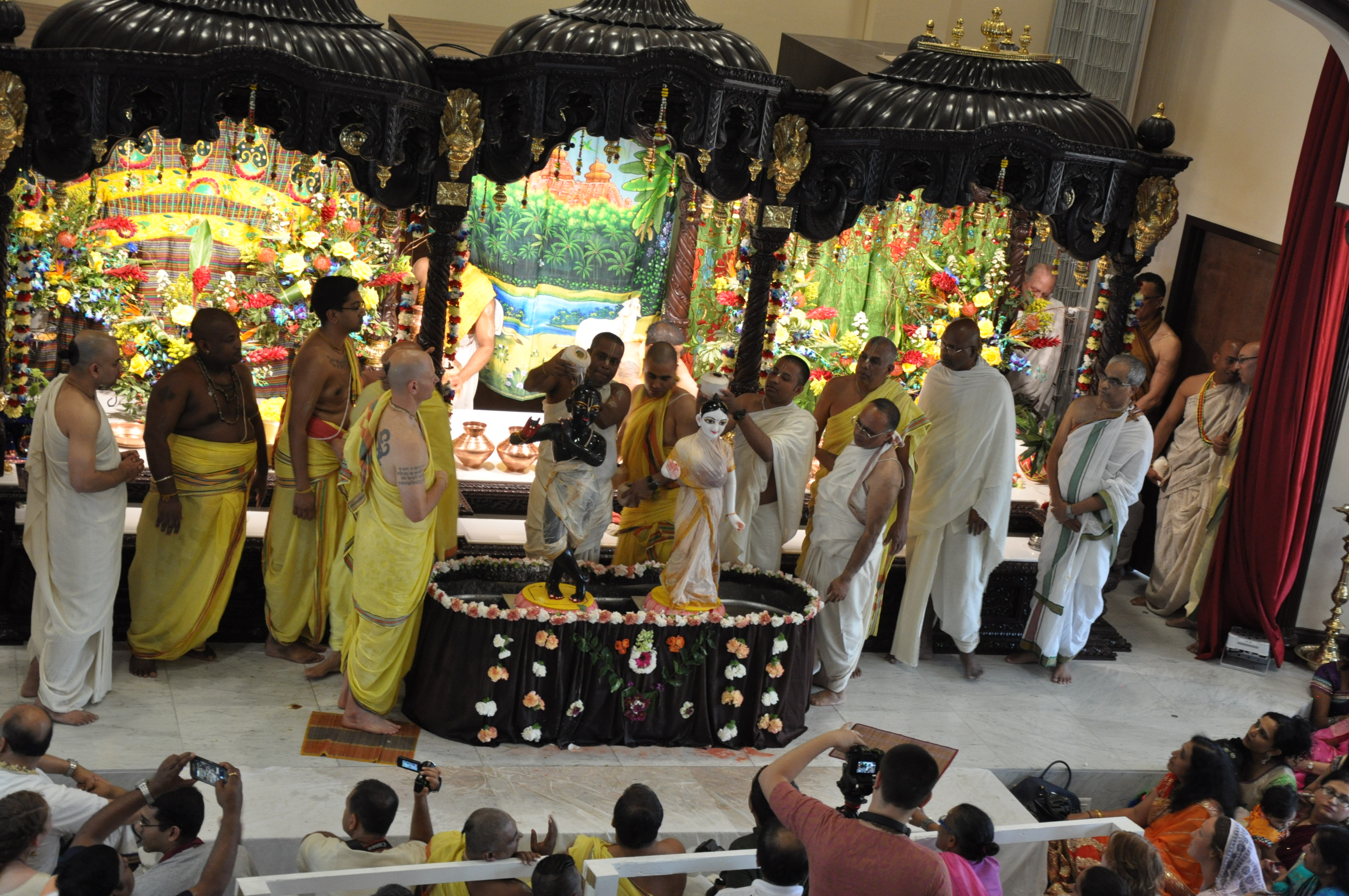
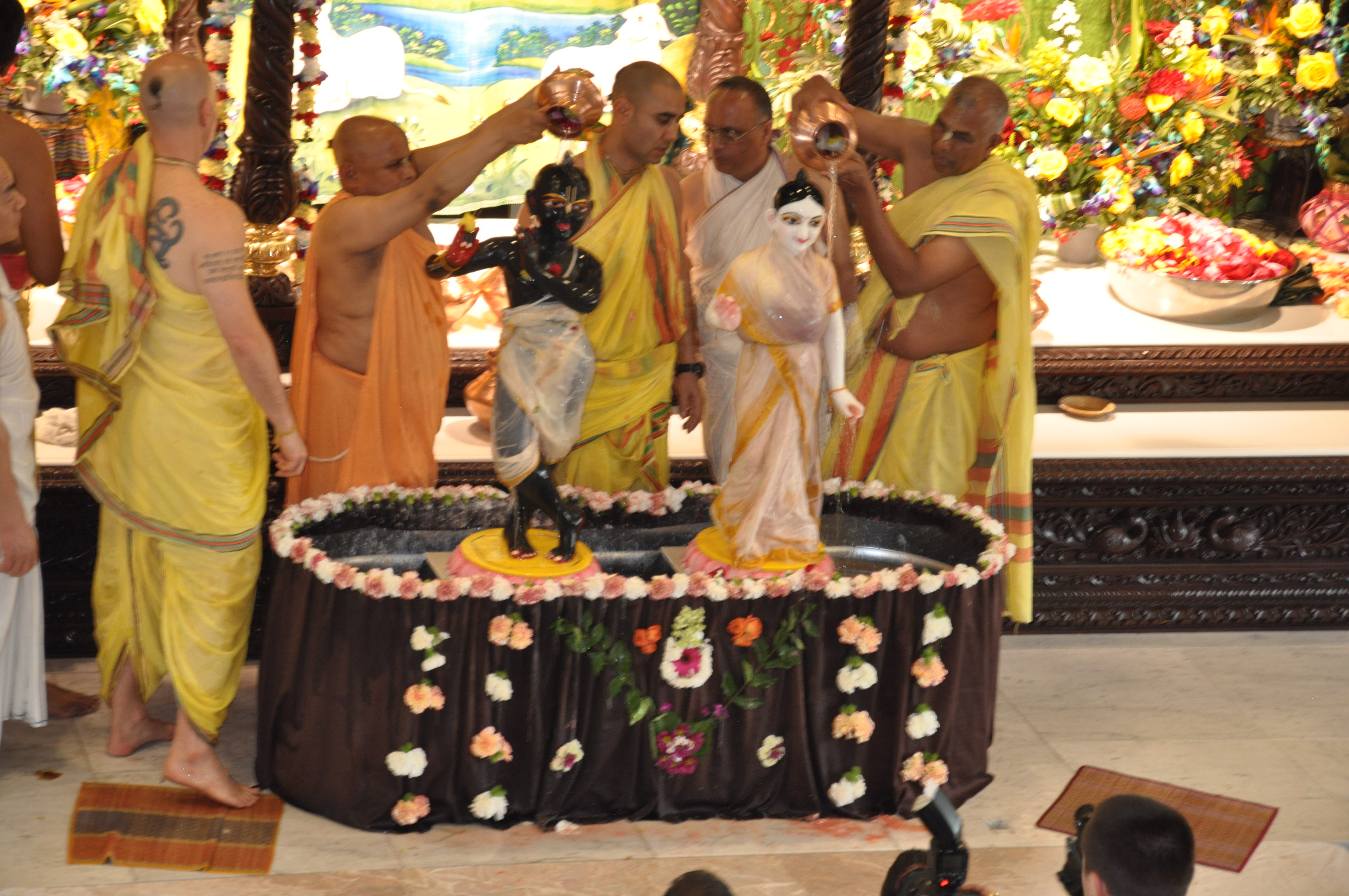
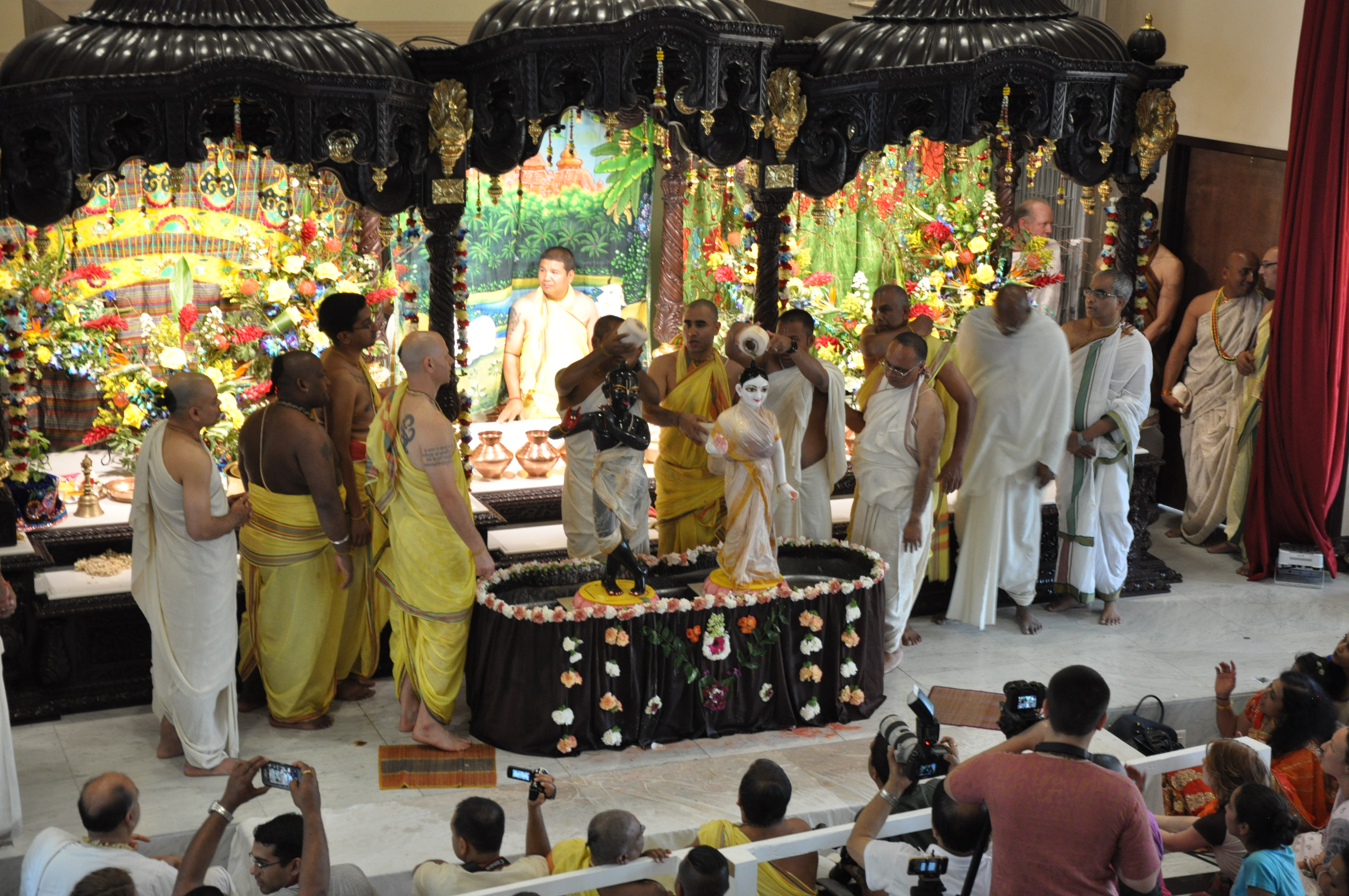
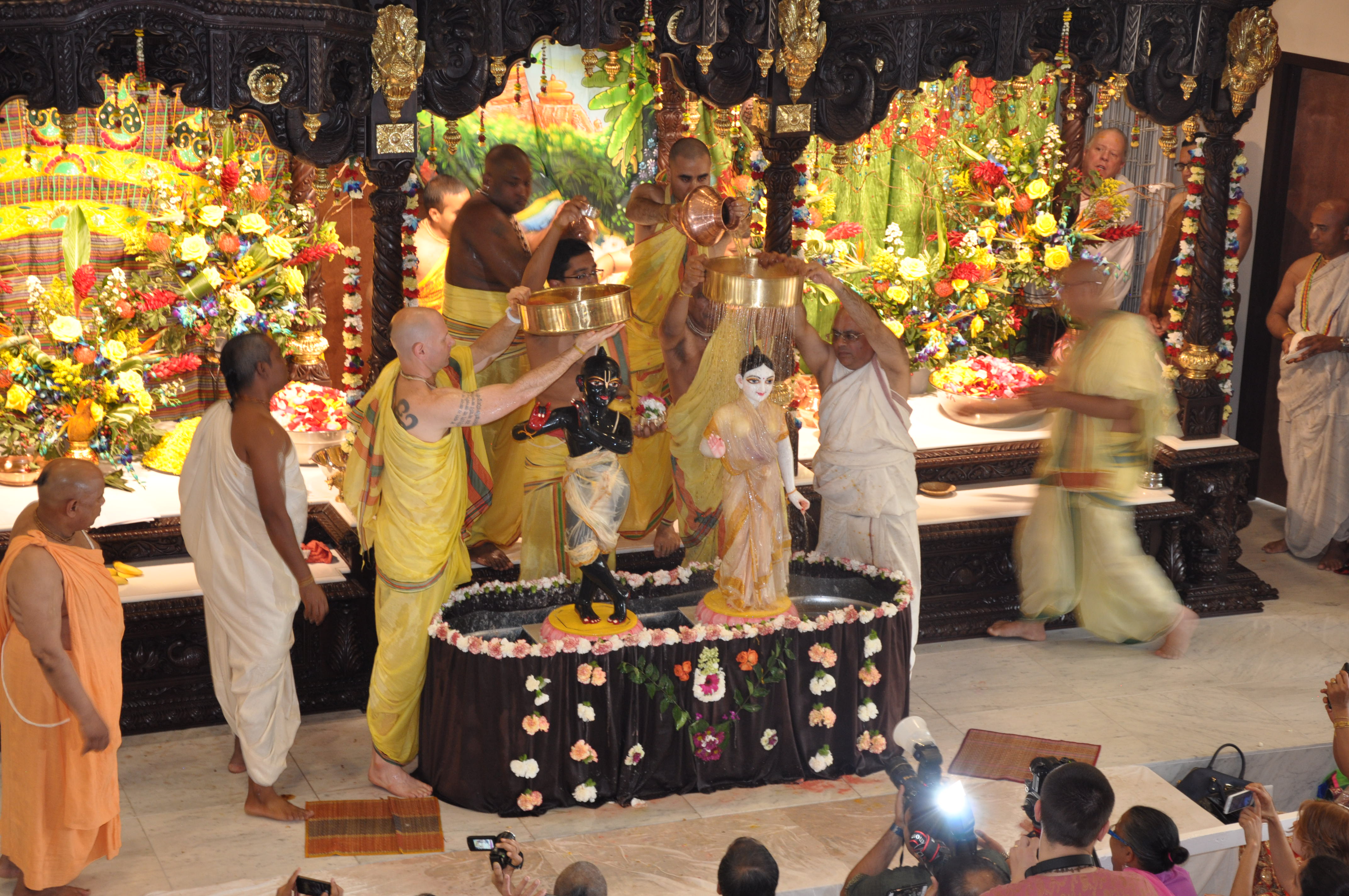
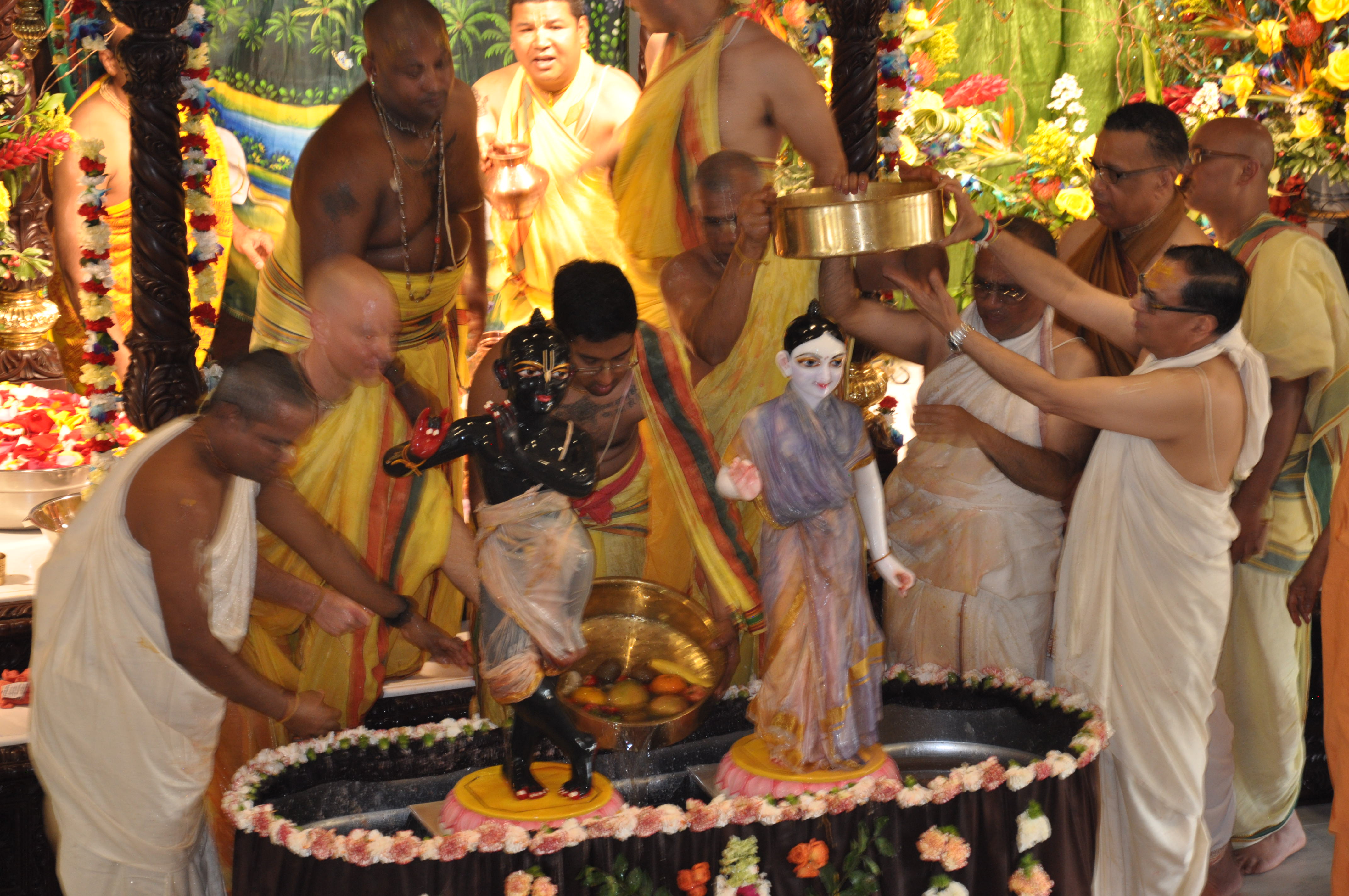
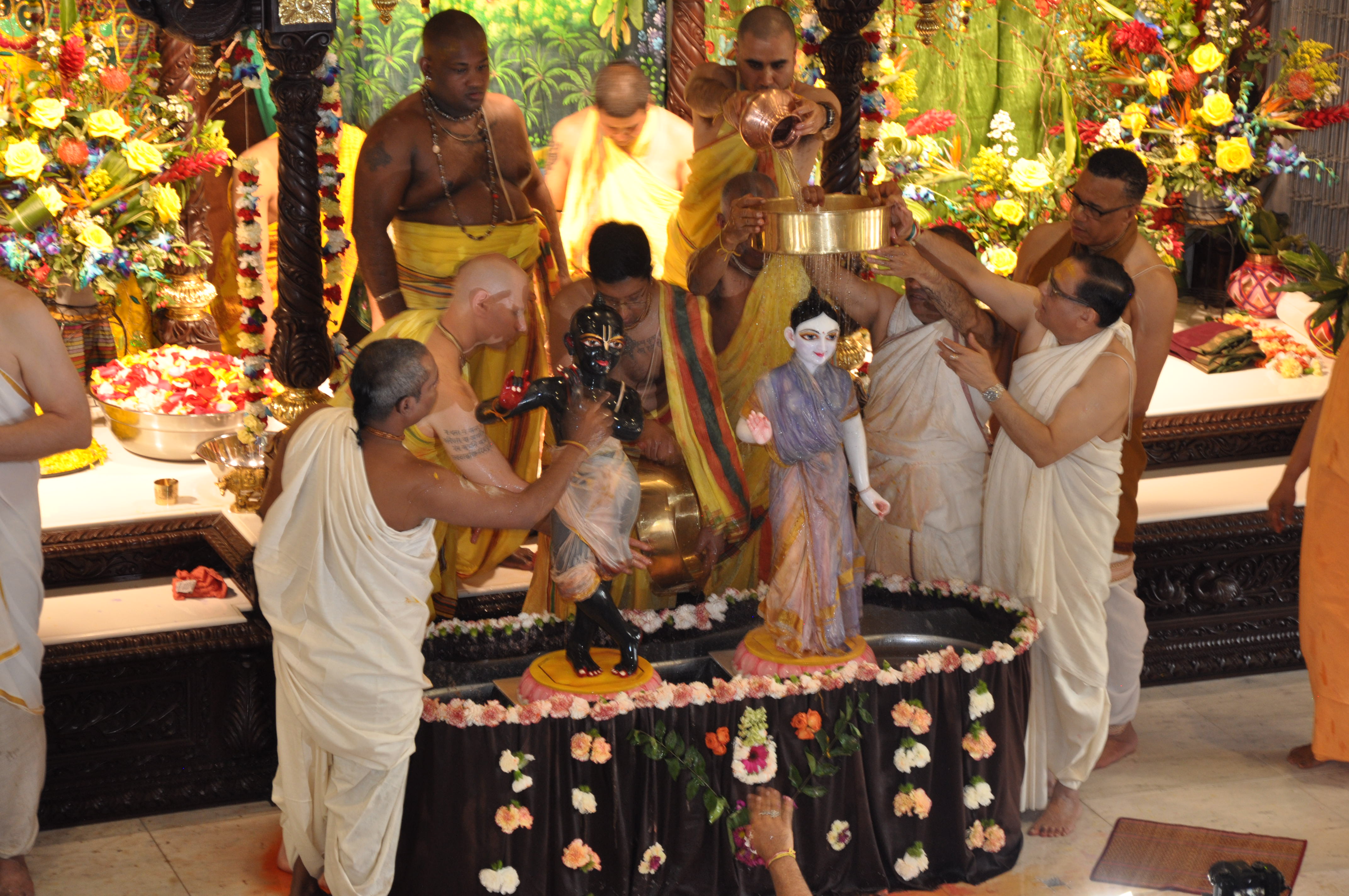
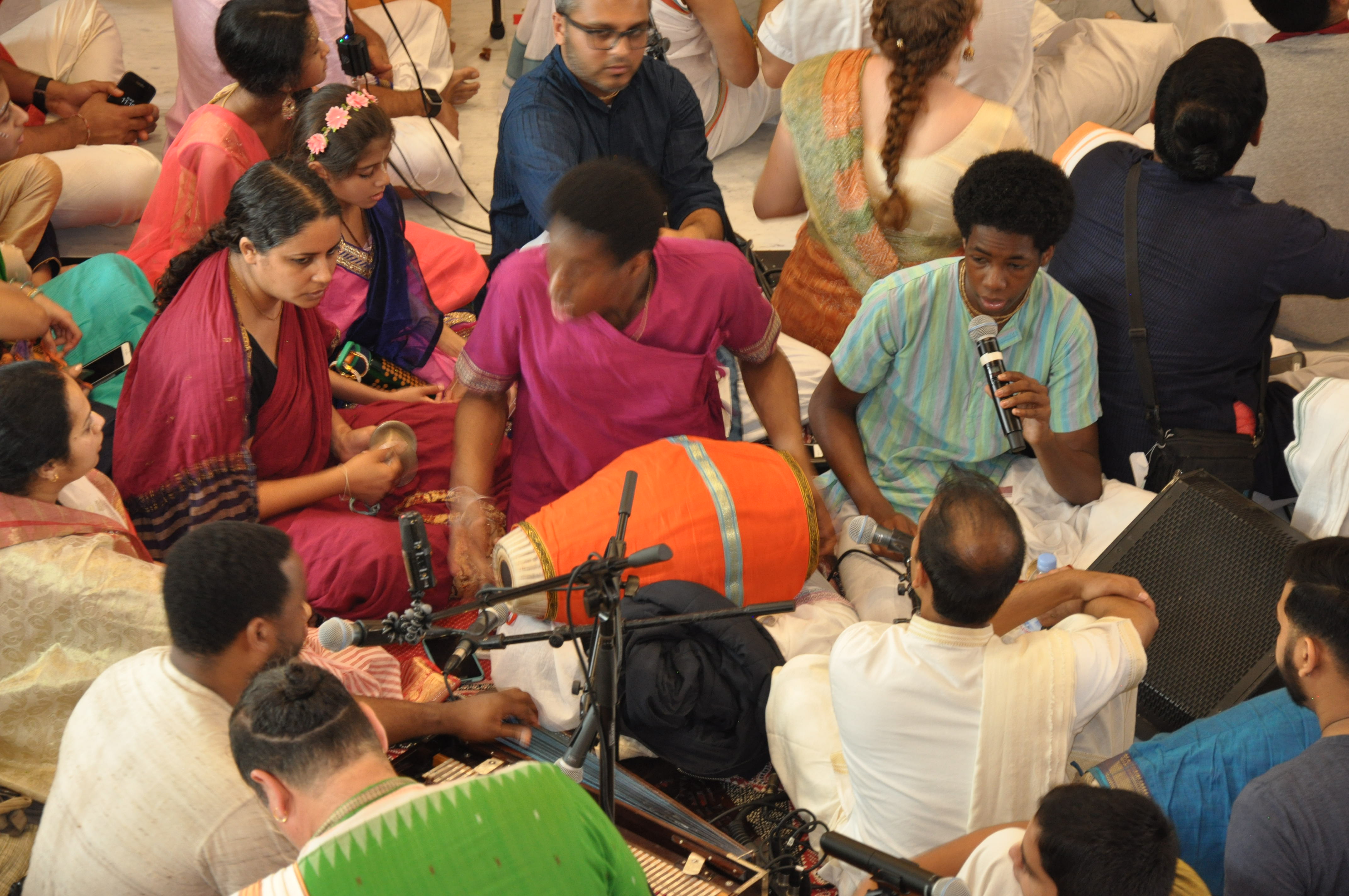
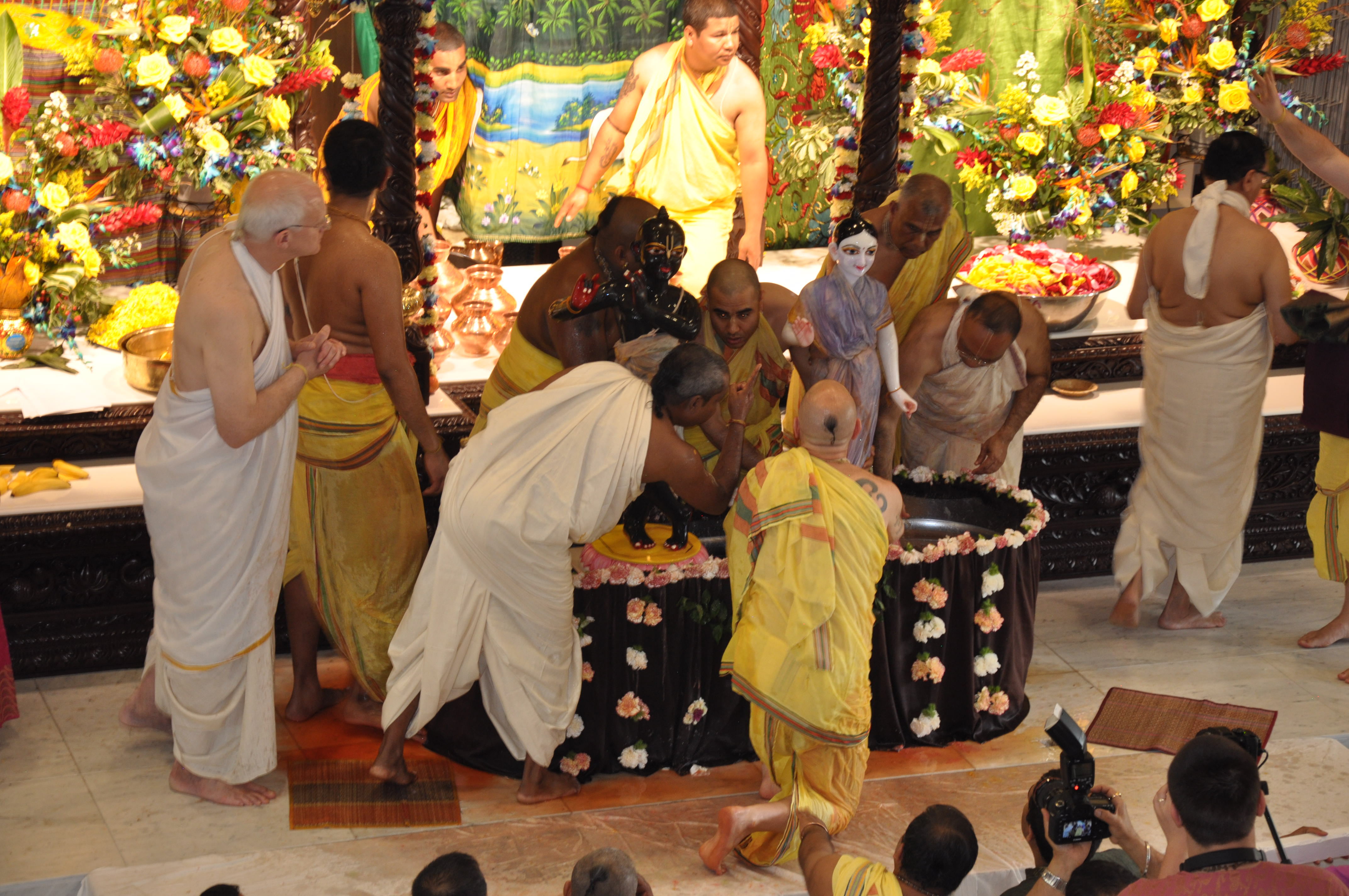
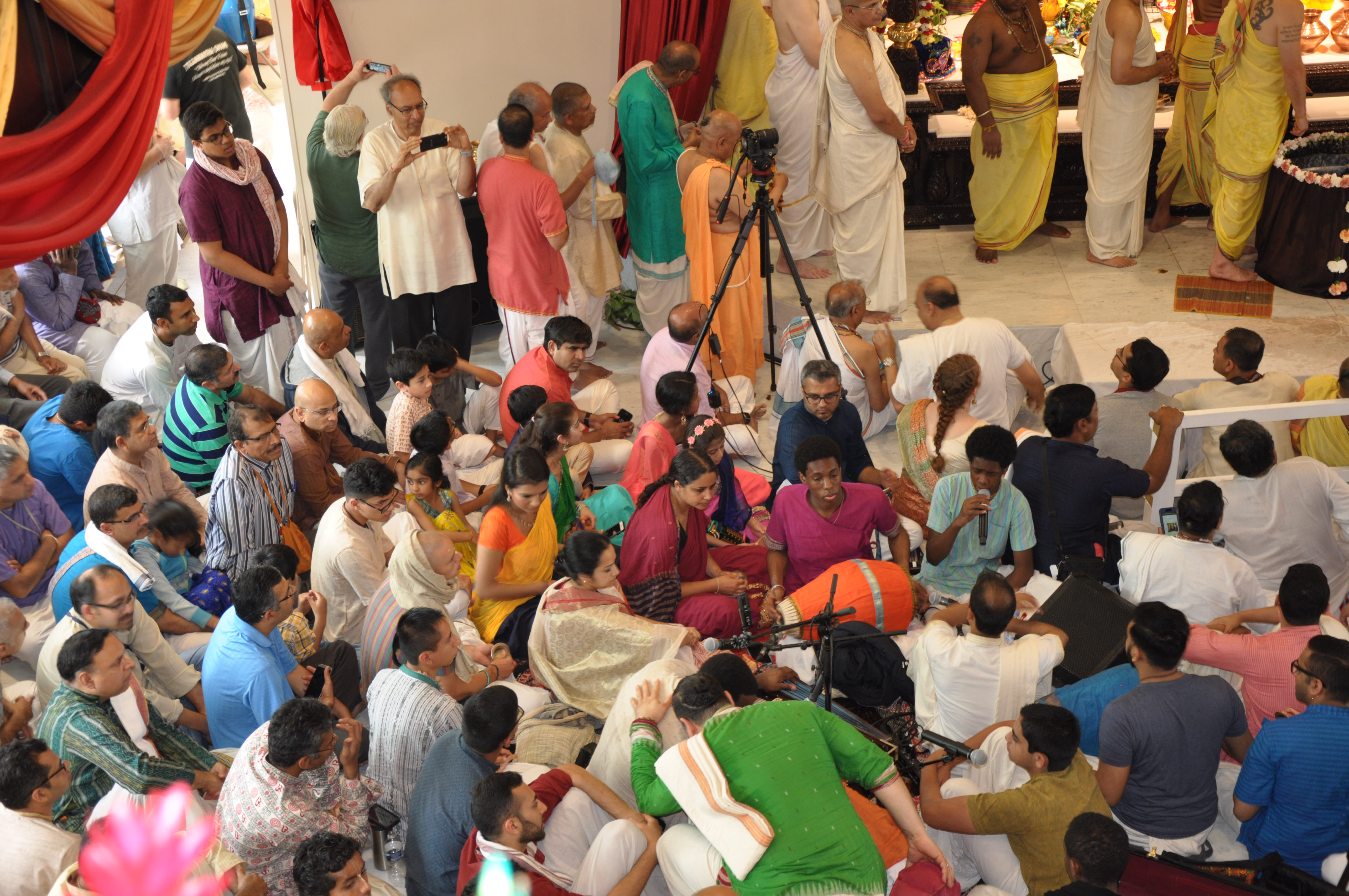
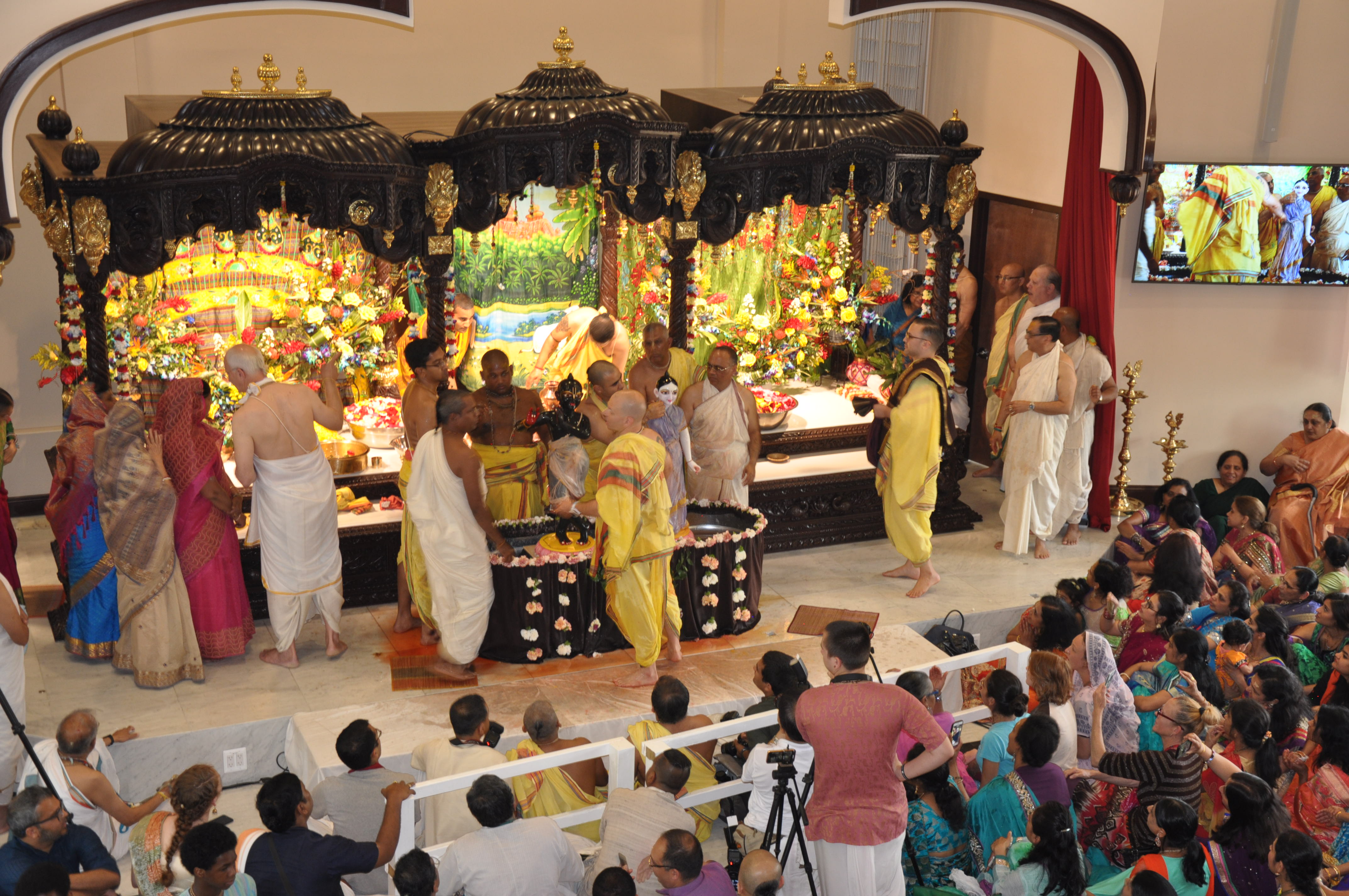
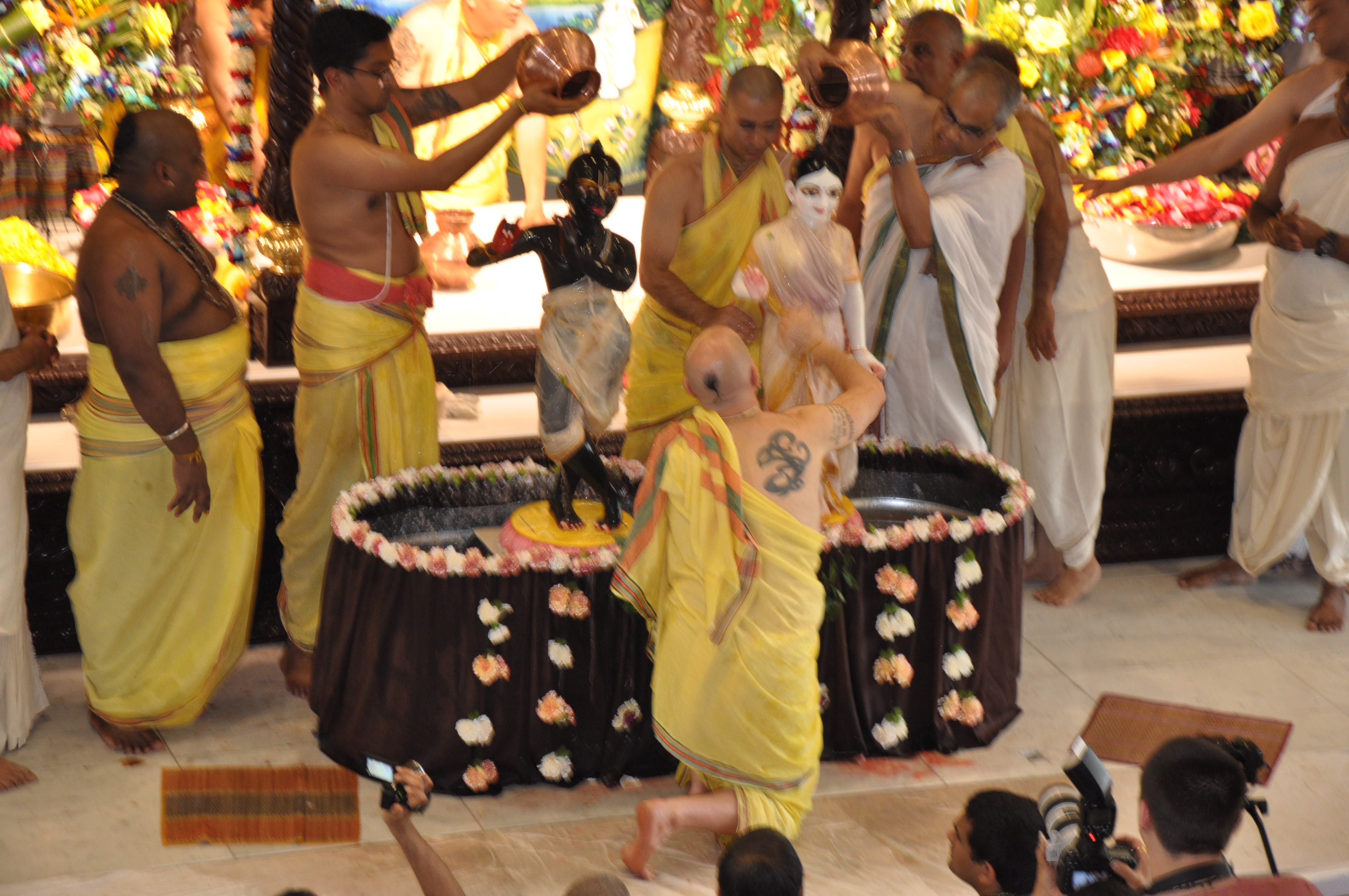
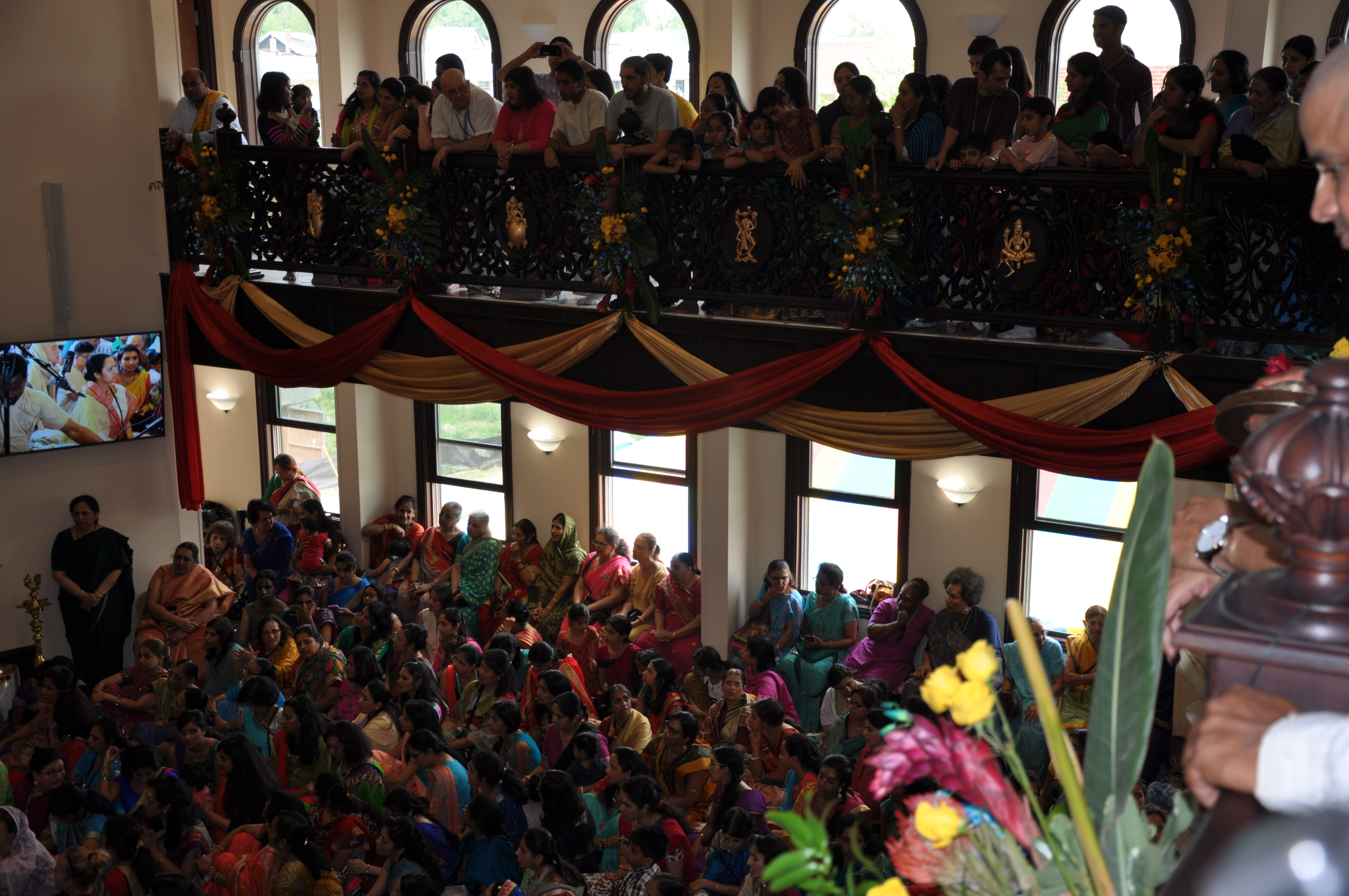
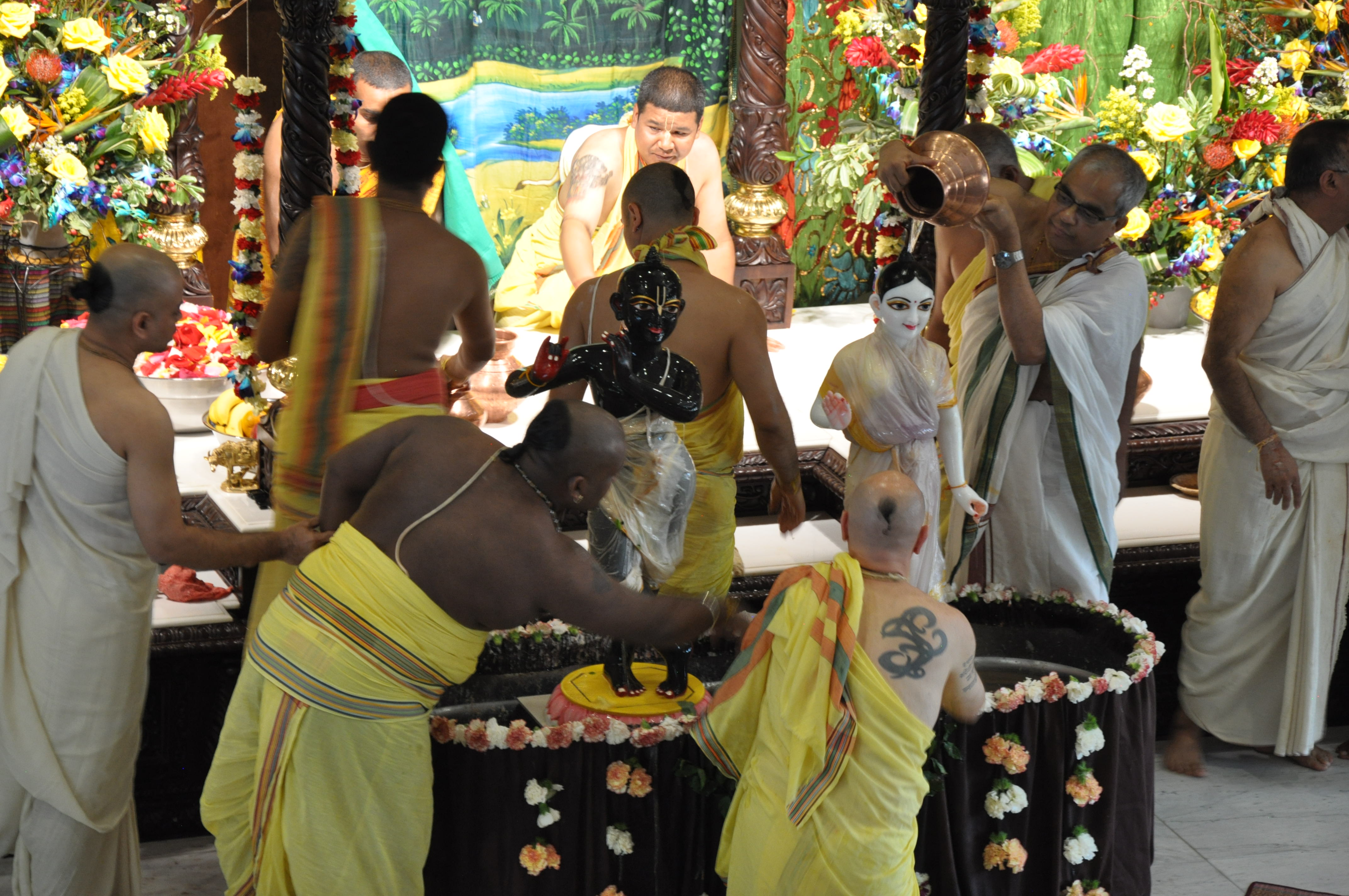
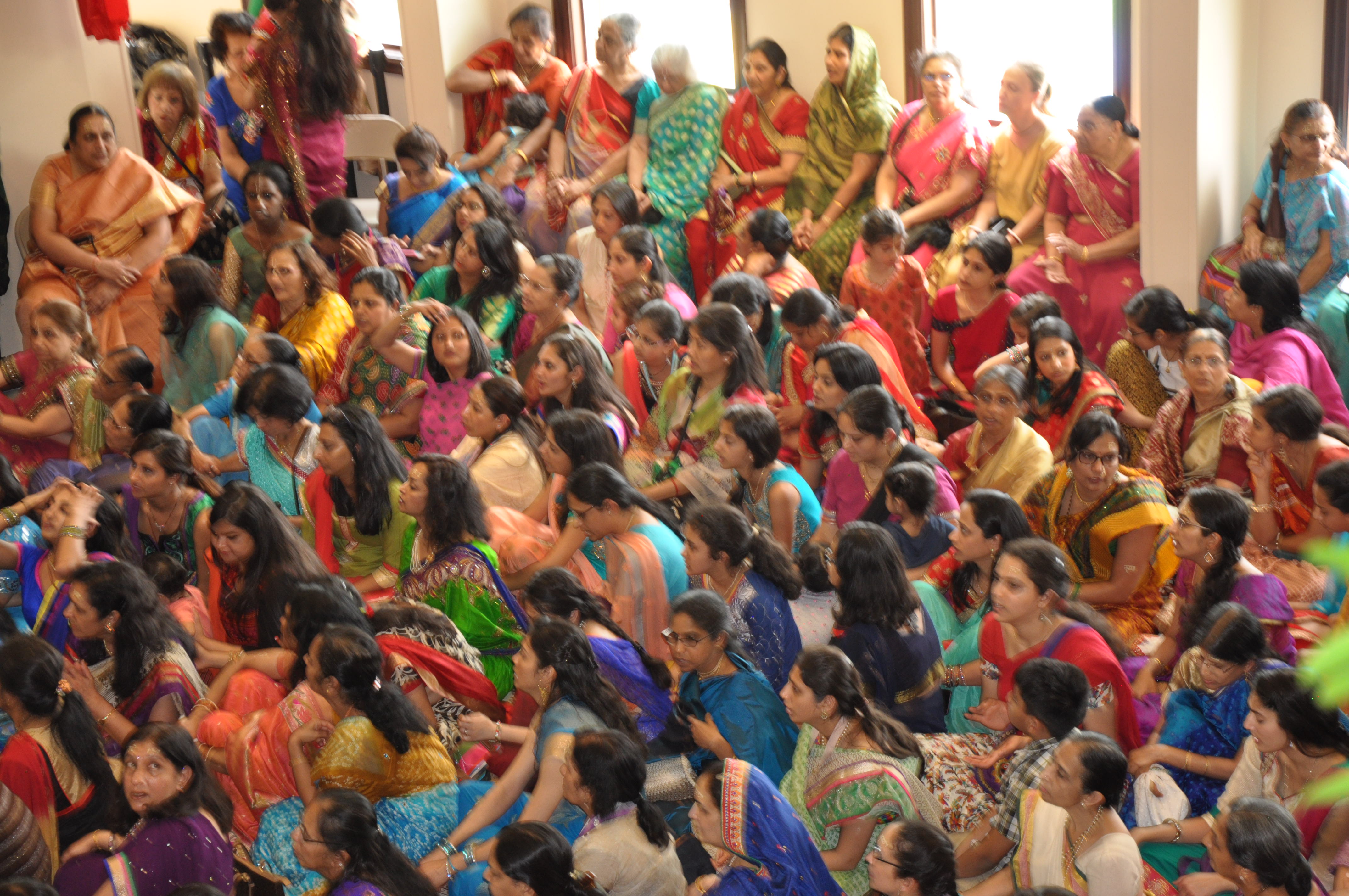
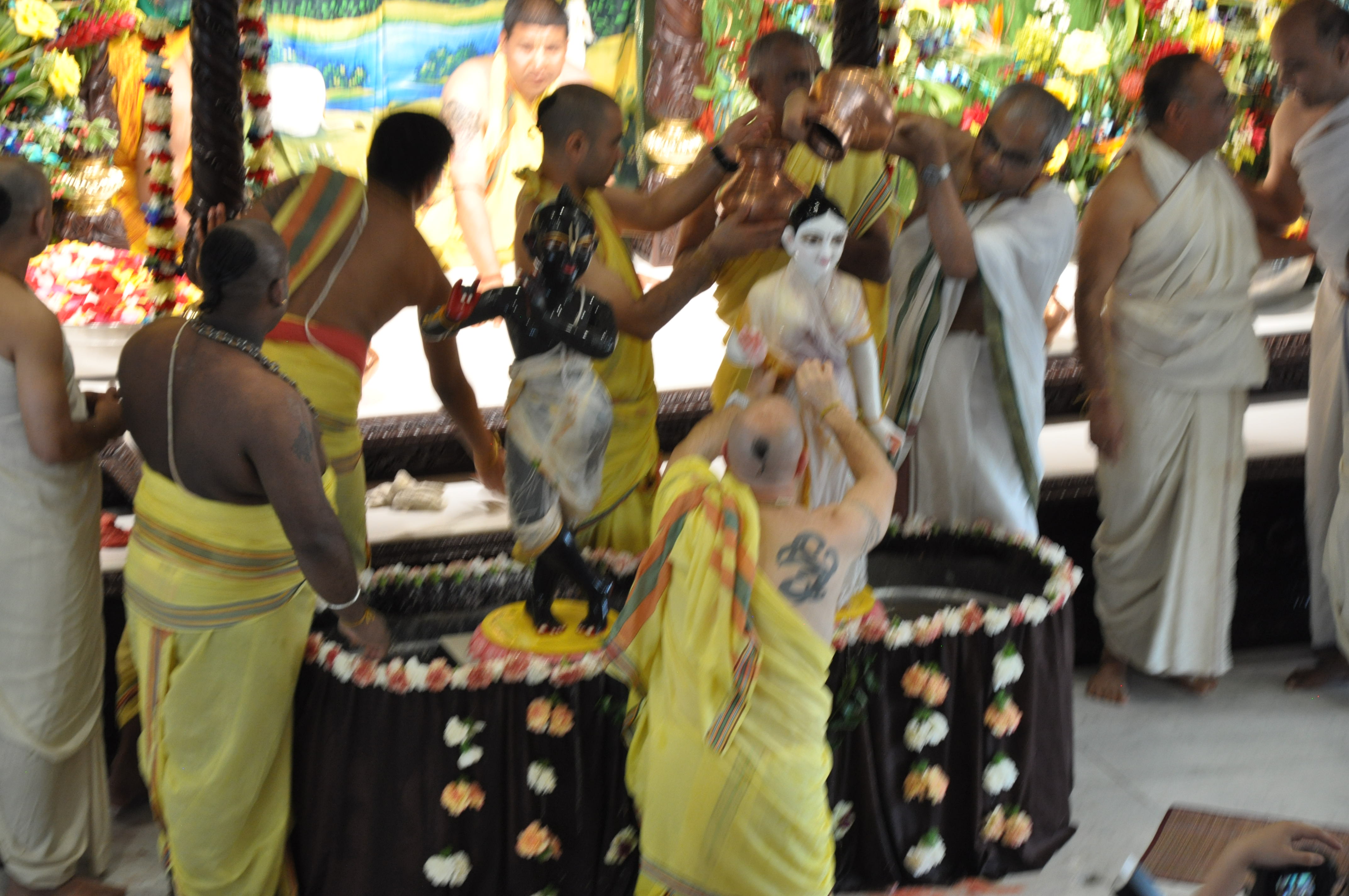
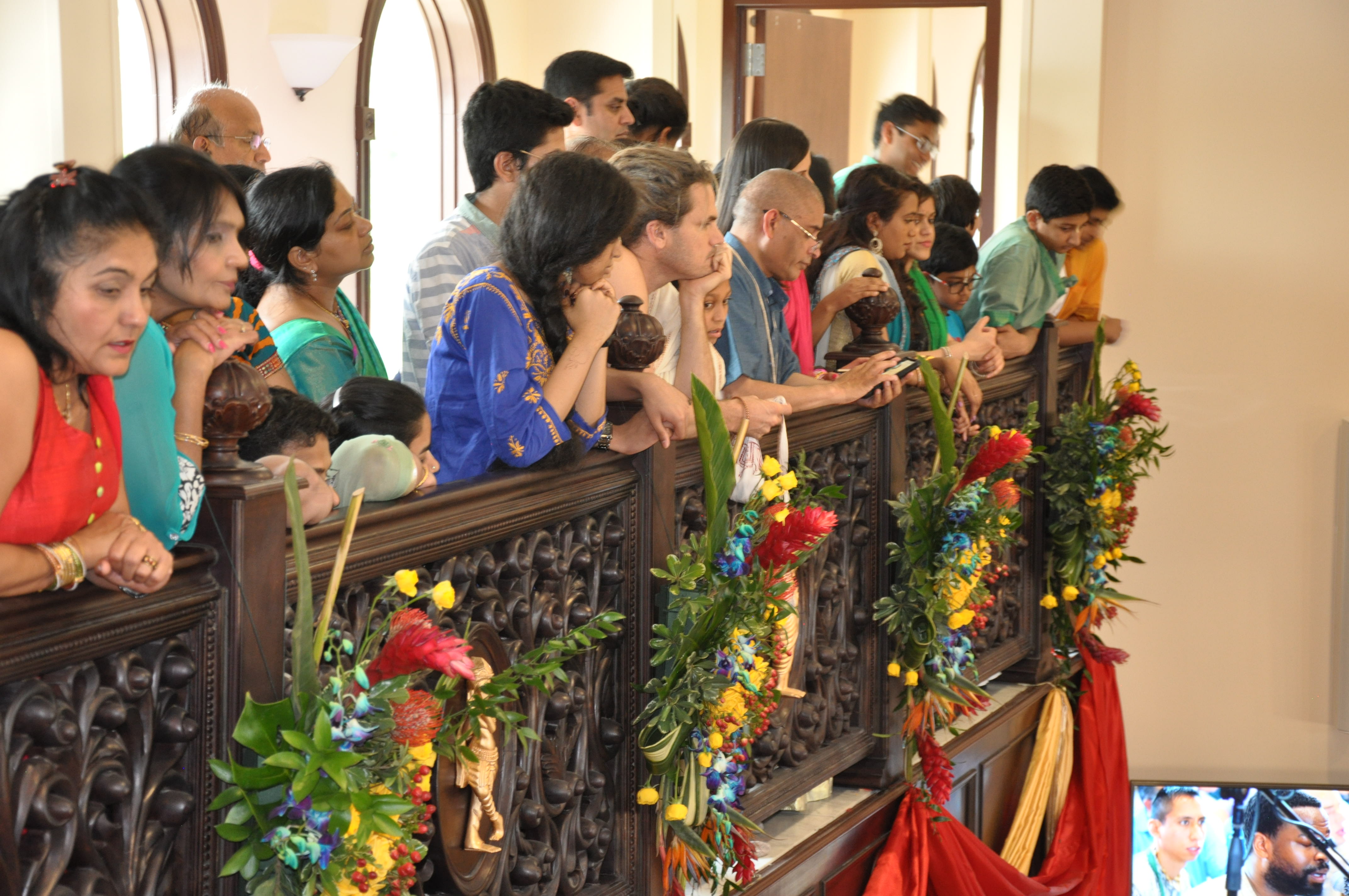
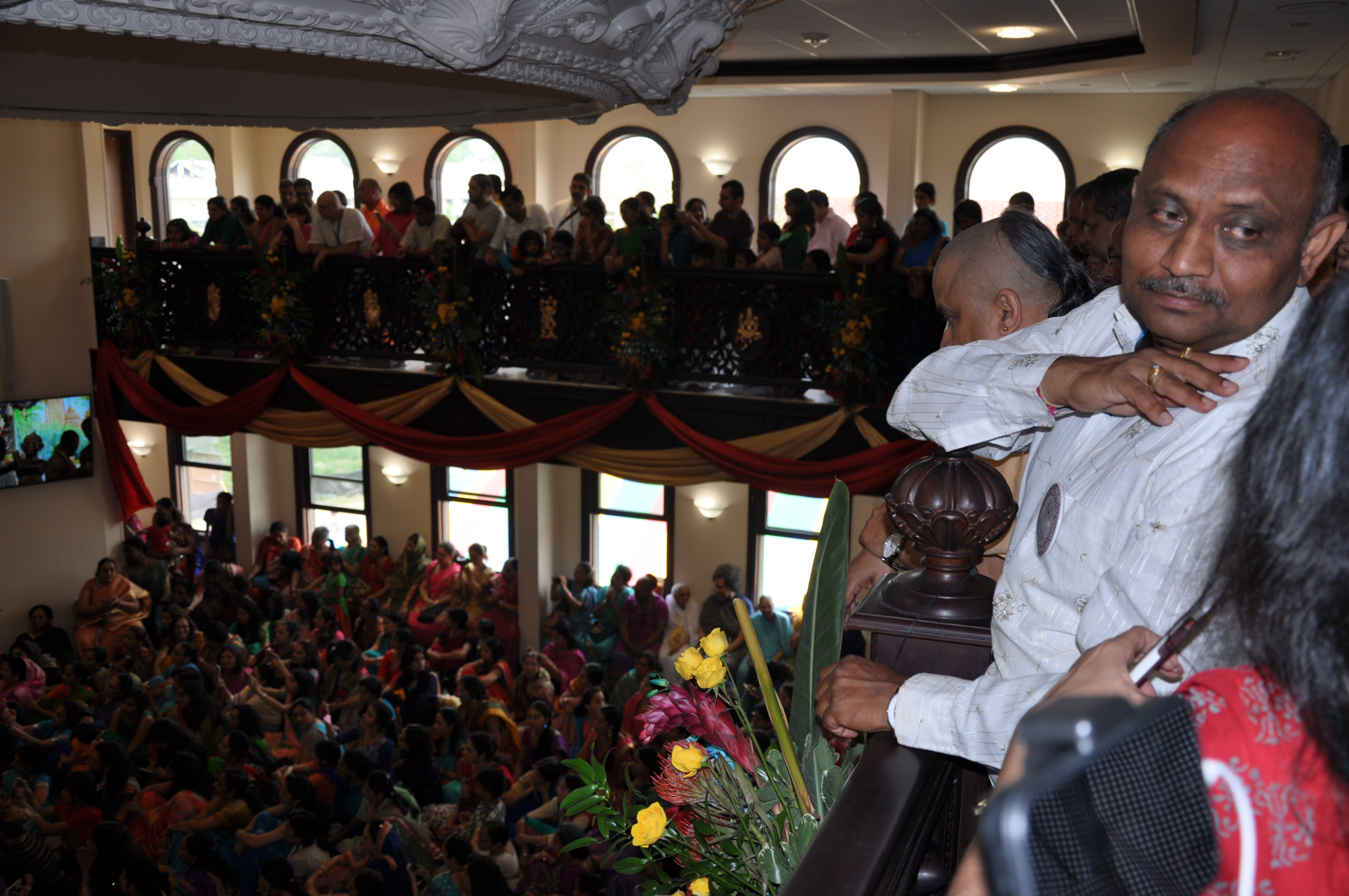
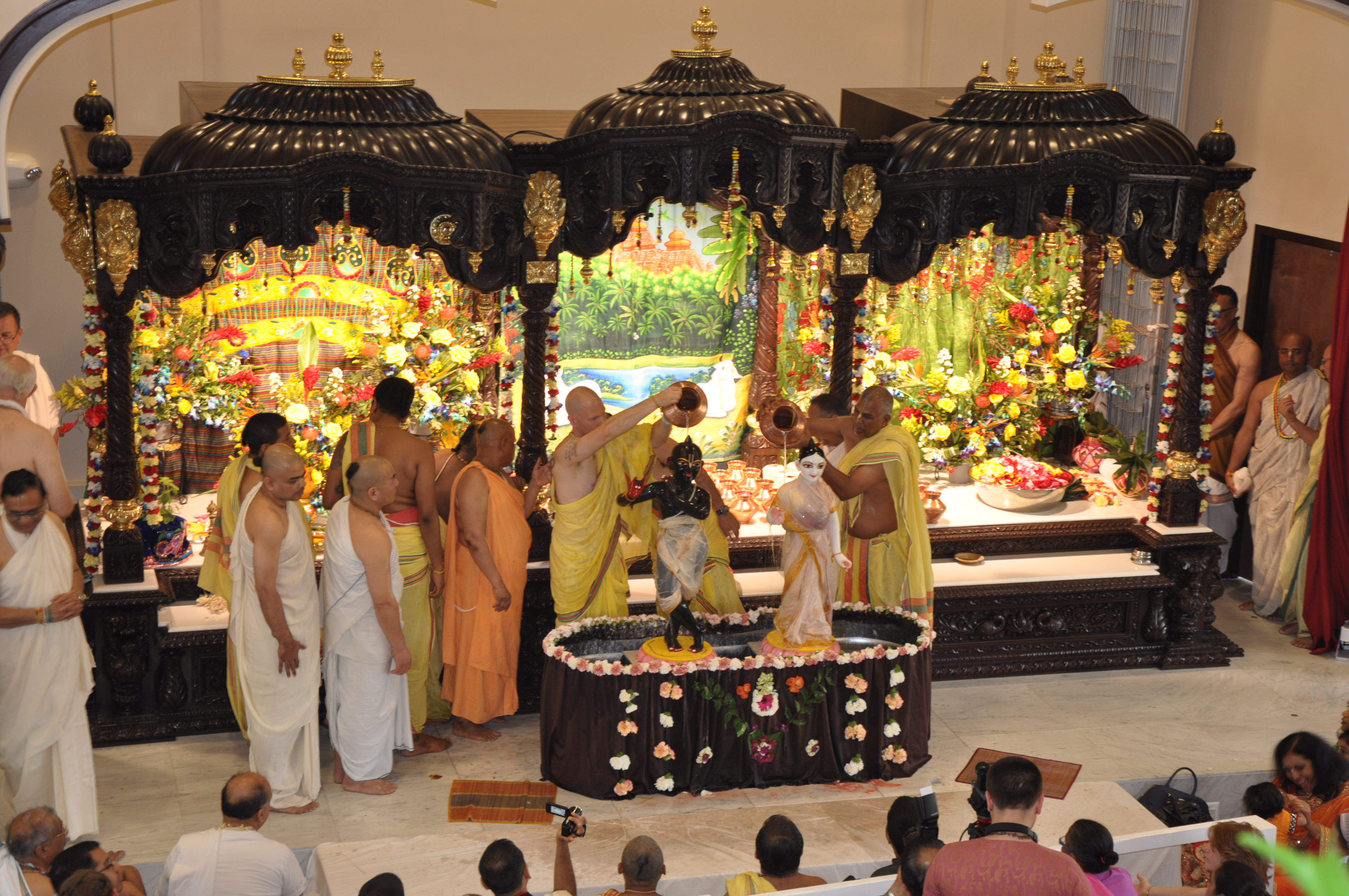
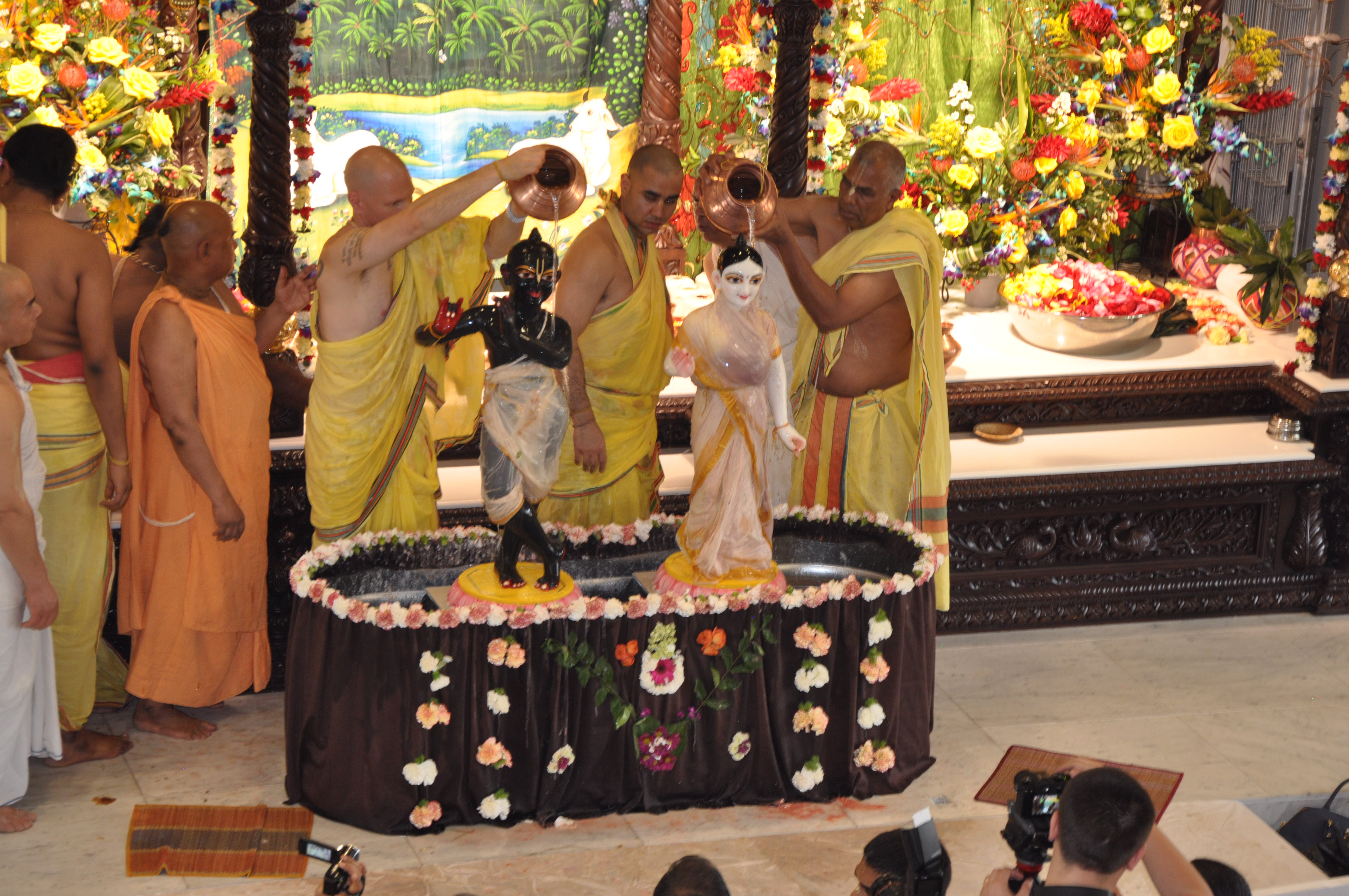
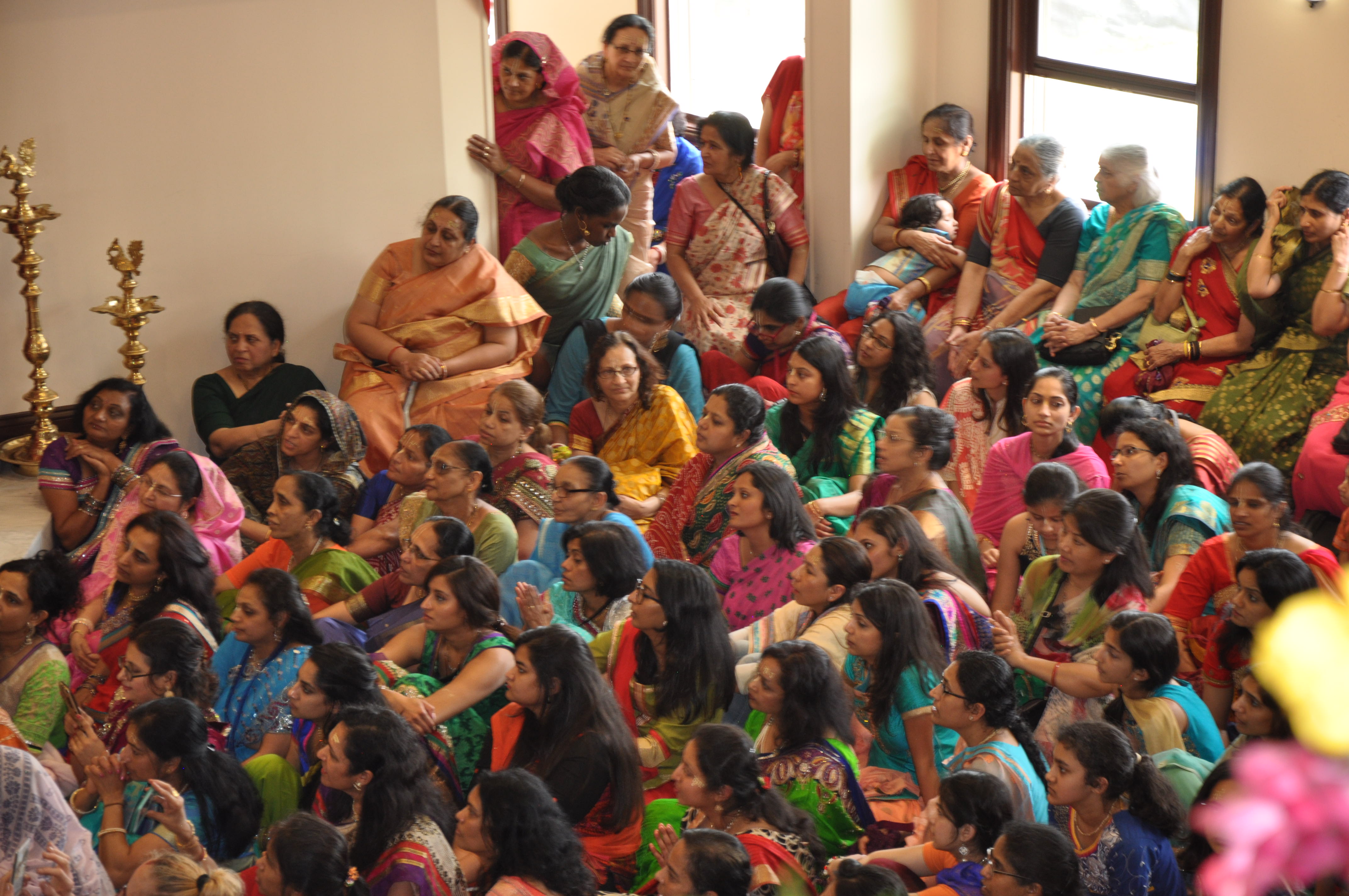
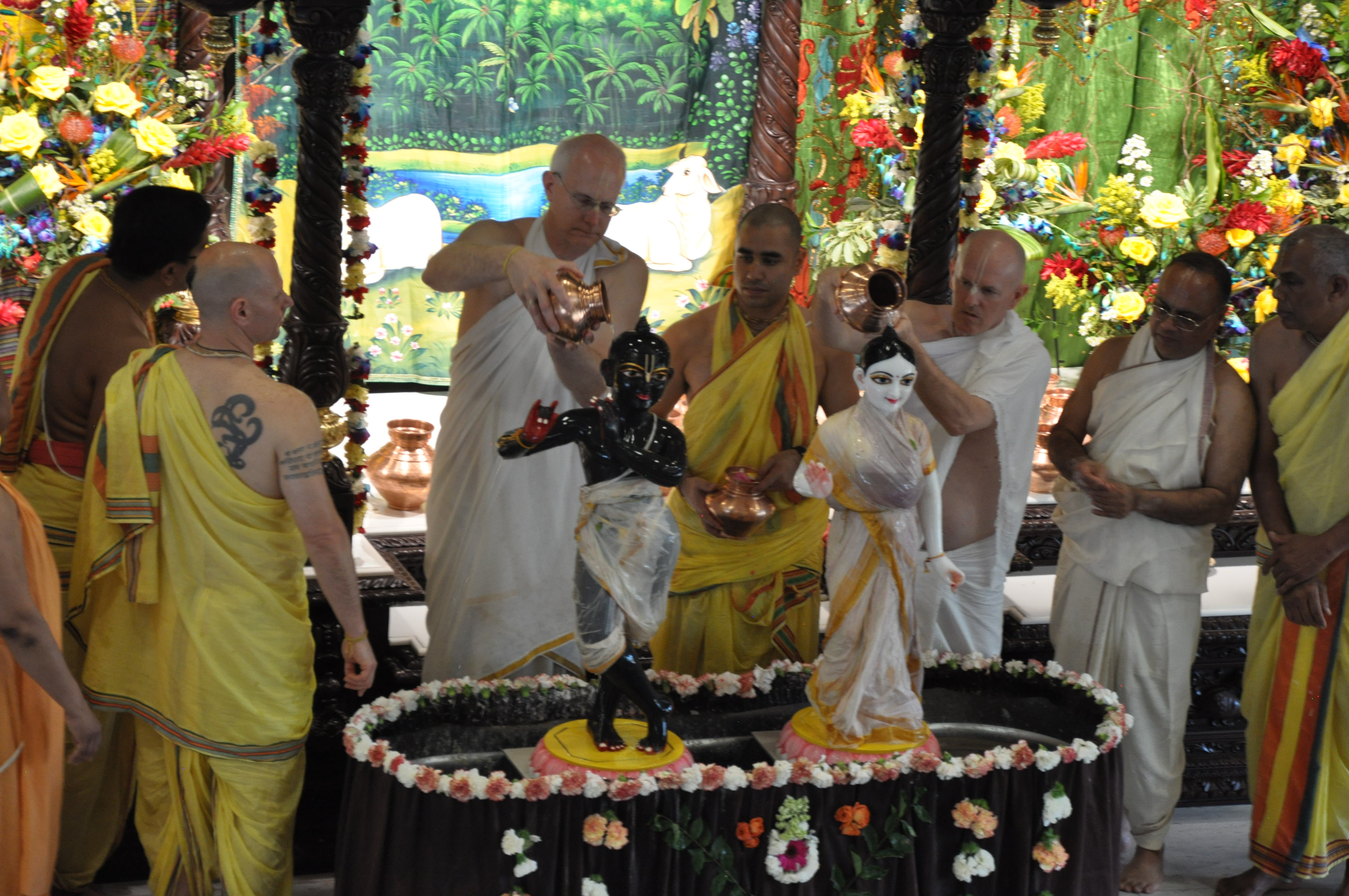
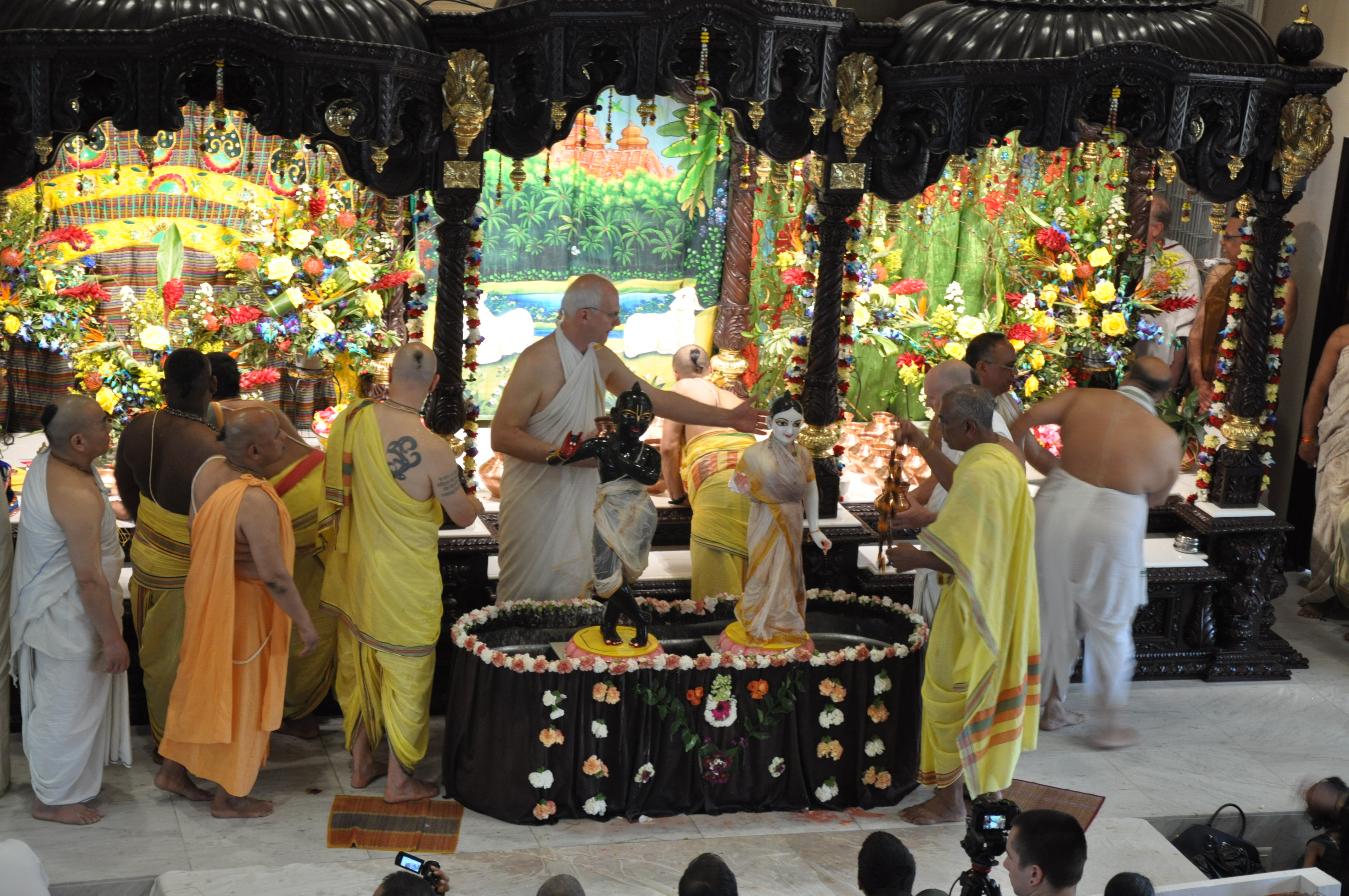
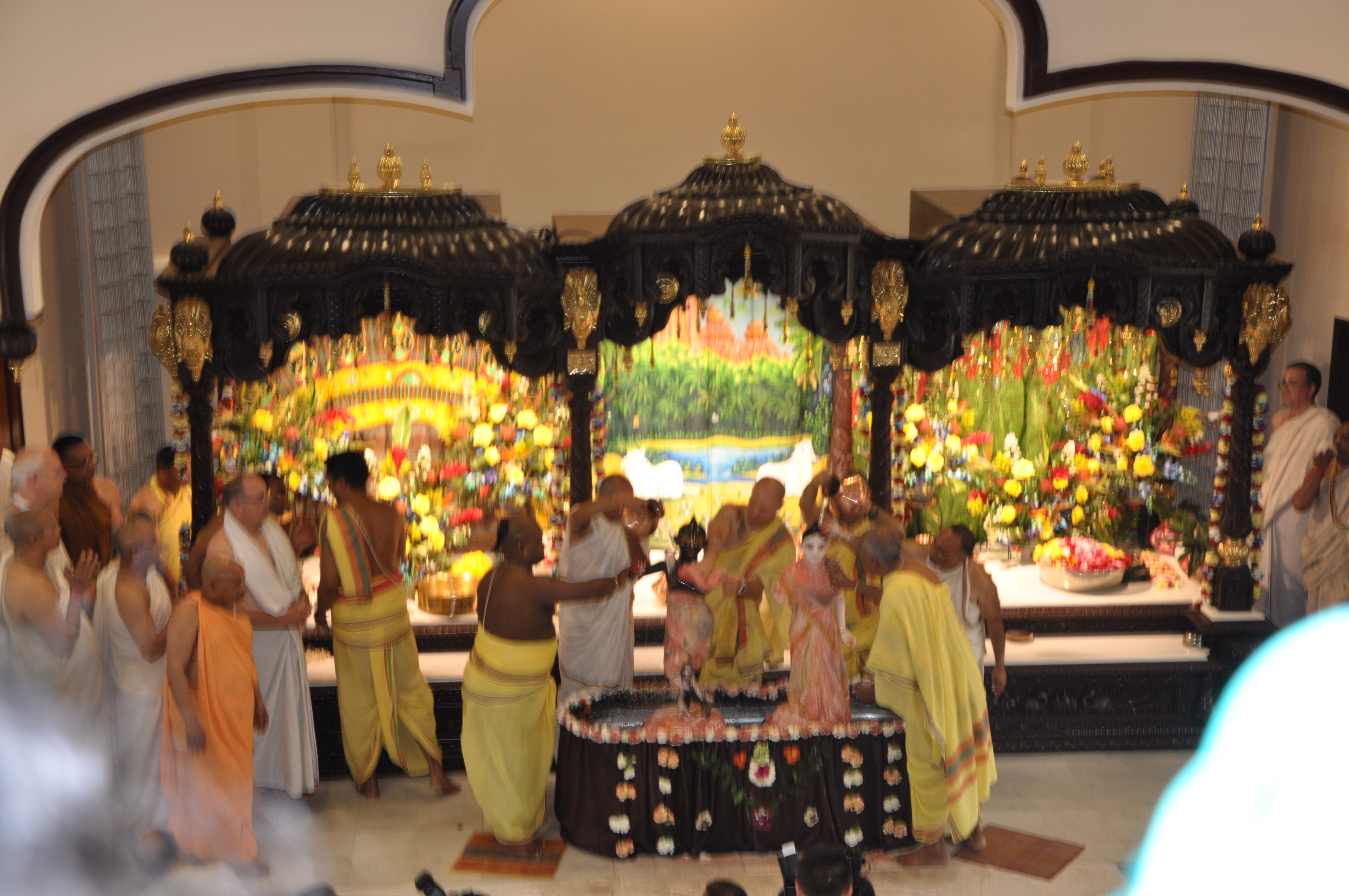
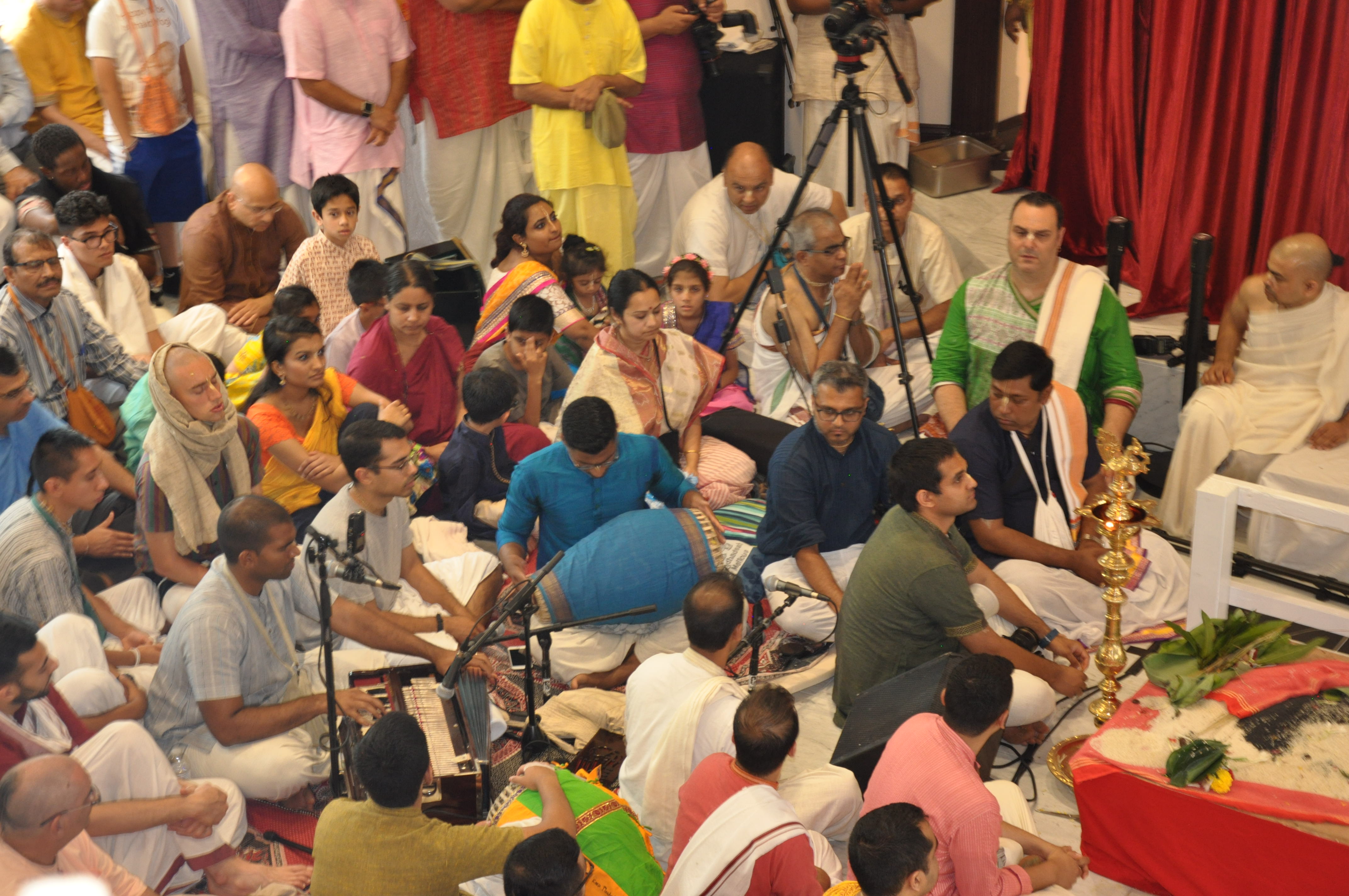
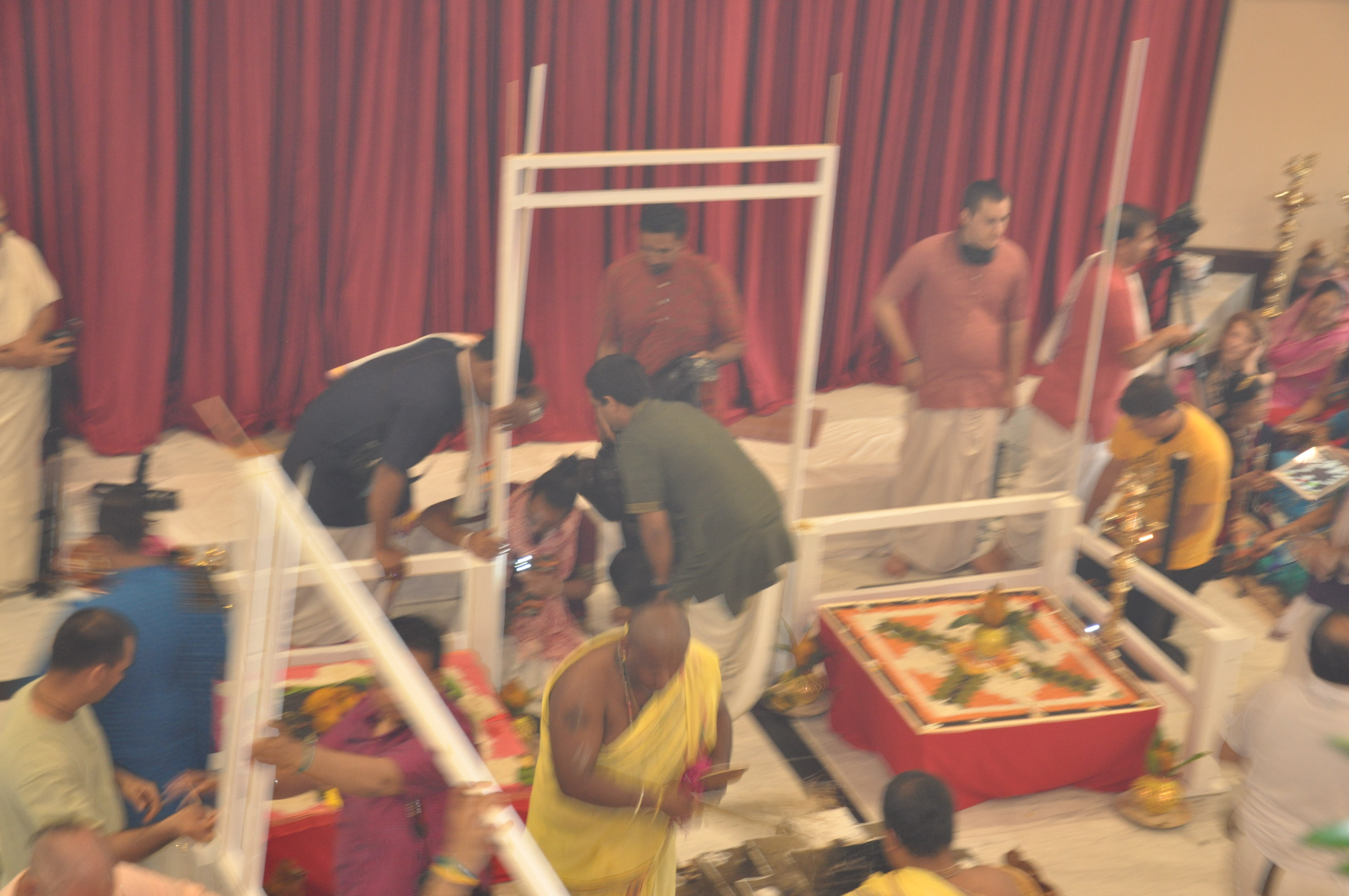



EVENT DETAILS:
When: April 28th – April 30th 2017
Where: 200 Bloomsbury Ave, Catonsville, MD 21228

EVENT DETAILS:
When: April 29th, 2017
Where: 3601 Powder Mill Road, Betsville, MD 20705
Time: 2:00pm – 9:00pm
Dinner: 6:00pm – 7:30pm

Ayurveda is based on the principle that everything is made up of five elements: earth, fire, water, ether and air. Each of the elements relates to certain principles in the universe and governs specific functions within the body.
Within the individual body, the elements combine to form Doshas. There are three Doshas: Vata, Kapha, and Pitta.
Each person has a unique mix of these Doshas and imbalances are what, according to Ayurveda, cause ill health. Keeping these Doshas in balance leads to health, vitality, energy and harmony. You can find out which dosha you are here.
Using the principles of Ayurveda we can create harmony and balance within the body. This can heal and prevent disease. You can then experience the following benefits of Ayurveda.
One of the benefits of Ayurveda is a reduction in stress. Stress is all too common in today’s society and it causes a variety of health problems both physical and psychological.
For this reason, using Ayurvedic techniques to lower stress can have an all round improvement on health and well-being. Ayurveda remedies for stress include dietary changes, herbal treatments, massage, skin brushing, breathing exercises and yoga
Eating more fruit and veg, which are high in antioxidants, can reduce our susceptibility to stress, fatigue, and disease. You could also try Ashwagandha a useful Ayurvedic herb for combatting stress.
Breathing more deeply is proven to help reduce stress levels. You can practice many breathing techniques but a simple one for beginners is abdominal breath.
Studies have shown that Ayurveda diets and relaxation techniques can lower inflammation and even reverse the thickening of artery walls. In general, Ayurveda recommends eating fresh natural food wherever possible and avoiding artificial or processed food. You should also try eating according to your dosha for the best benefits.
Ayurvedic medicine promotes shedding excess weight by consuming a natural and healthy diet. Ayurveda can also help detoxify the body and improve health and vitality. In addition, Ayurveda recommends exercise, including yoga, to help keep healthy and trim.
Ayurveda can help ensure you get a good night’s sleep. Start by eating only a light meal several hours before bed. You can also engage in soothing activities such as a gentle walk or yoga routine. Using a relaxing scented oil can also create a calm atmosphere to promote good sleep. If this fails it might be worth trying a herbal remedy such as Indian valerian or jatamansi which are natural herbal sleep aids that have been used in Ayurveda for centuries.
Ayurveda can help you achieve healthy and glowing skin and hair with a variety of methods. Firstly a good diet will improve skin condition and the strength and shine of your hair as well as creating strong nails.
Eating vegetables and fruit with a high water content that are easy to digest will lead to glowing, fresh skin. Nuts and seeds containing Omega 3s will help keep skin supple and smooth.
In addition, stick to a natural beauty regime using plant based products such as coconut and olive oils to moisturize skin and sugar to exfoliate.
Using the techniques of Ayurveda can improve health and wellbeing and make you feel pampered and full of energy and vitality. The benefits of Ayurveda are simple to achieve and could transform your life.
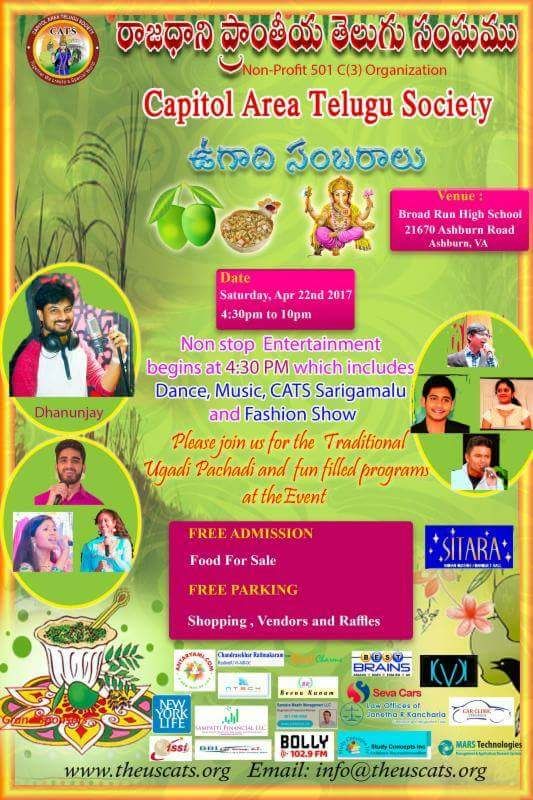
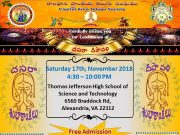
Event details
When: April 22nd, 2017
Where: Broad Run High School
21670 Ashburn Road
Ashburn, VA
Time: 4:30pm to 10:00pm
***** OPEN TO PUBLIC *****

With Insight Timer you can choose from over 4000 guided meditations. These include meditations from a variety of spiritual paths and traditions. I particularly enjoyed using the chakra meditations from this section. There are also some well-known names to choose from, including meditations from Tara Brach and Glenn Harold. You can also choose meditations for certain purposes including better sleep, healing, stress and relaxation. There are also meditations in various languages.
Alternatively, Insight Timer allows you to create your own unguided meditation. In this section, you can choose the length of the meditation, the starting sound, background music and several other options. Once you have created your meditation you can save it as a preset to use again and again.
The app records the time you have spent meditating. It also provides a range of metrics to allow you to assess your progress. You can view your meditation stats including milestones achieved, hours of timed meditation, hours of guided meditation, total meditation hours, meditations streaks, and total number of sessions.
The really great thing about Insight Timer is the social aspect. The app allows you to set up a profile, add a bio and photograph. The app also allows you to send and receive messages, add friends, and join groups based on your location and meditation interests. This can help you get a real community feeling from the app. After you complete a meditation the app shows you who meditated “with you”. You can send them a message if you wish. You can also view nearby meditators based on your location. Though when you see that someone has been meditating for several hours it can make you feel a bit inadequate!
This app is available on iOS and Google Play For further information visit https://insighttimer.com
The app is completely free!
Features: 9/10
Ease of use: 9/10
Information 6/10
Value 10/10
Overall rating: 8.5/10

Mind Body Bowl is a quality large format book with beautiful photographs throughout. It is divided into three main parts focusing on the mind, exercise and food.
In her introduction to Mind Body Bowl, Annie talks about her own journey to a healthier lifestyle.
She points out that there is no ‘one-size-fits-all’ approach to health. Instead, she suggests we find what works for us. Annie suggests focusing on mind, body, and food, which she considers the three pillars of health that we need to keep in balance. She offers a guide through the mass of confusing and sometimes conflicting information about health, exercise, and diet. Annie suggests that as we approach this journey we stay open minded and be prepared to step outside our comfort zone. She says ‘I want to show you how to fall in love with taking care of yourself.’
Annie shares her own journey to balanced health, commenting on her own health problems and explains how she achieved a better balance. She began with a rigid regime of limited diet and a lot of exercise even – becoming a personal trainer. She then goes on to explain how she became more balanced and how her training as a yoga teacher helped.
Annie also includes and informative section on motivating ourselves and staying positive.
The first section of Mind Body Bowl is about the mind. Annie defines mindfulness as ‘being aware of the present moment and having a conscious understanding and acceptance of the way you feel’.
In this section of the book, she considers how the way we approach things can be such an important part of finding balance. She points out that goal setting can lead us to ‘end up in a cycle of chasing happiness but never allowing ourselves to reach it.’ She argues that we will feel better if we ‘find happiness on the way towards our goals.’
Among many gems in this section, Annie reminds us to be kind, starting with ourselves and to treat ourselves as we would our friends. She reminds us of the danger of comparing ourselves to others and recommends just trying to be the best version of yourself instead.
Annie reminds us that we are responsible for our own happiness and that sometimes we need to look after number one. She also points out that we are not responsible for the happiness of others – we can’t fix everything for everyone else.
In this section, Annie gives us a set of questions to answer to discover what is important to us. These questions direct us to consider what in our current lives does and doesn’t make us happy.
In this section, she also talks about procrastination and stress management and offers techniques such as yogic breathing, meditation, and exercise to help us with these difficulties.
In the second section of Mind Body Bowl, Annie reminds us that our bodies are amazing, a fact that we often don’t really take in until something goes wrong. She points out that we are often harsh about our bodies and criticize them rather than being loving and caring.
Annie encourages us to practice self-acceptance and to stop viewing our bodies in purely aesthetic terms but to think about all they enable us to do. She reminds us that more important than how we look, is how we feel. ‘You only have this one body – so the best thing we can do is to accept it, look after it, protect it and love it.’
In this section she talks about exercise, starting with some of the reasons why we don’t exercise, including self-consciousness, lack of time and motivation and finding it boring. To help with motivation she recommends that we find something we enjoy. She also suggests booking a class or finding a workout buddy in order to help with commitment. She suggests that if we make it as easy as possible to do then we are much more likely to do it.
Another good point Annie makes is that, while we often don’t feel we have time to exercise or prepare fresh food when our days are crammed full, actually these things will make us more productive and save us time.
The next section is on yoga and Annie explains why yoga is important for both the mind and body. She offers a good explanation of the different types of yoga and includes and explanation of the types of yoga poses. There are no actual instructions or diagrams explaining yoga poses, but the author does include suggestions as to where to get further information.
Annie says ‘ A big part of a healthy lifestyle for some of us will include shifting towards more natural products with fewer nasty ingredients.’
As always Annie keeps her approach to this subject simple. She suggests switching to natural shampoos, using apple cider vinegar as a hair rinse and switching to a natural deodorant. She also explains how coconut oil can have a multitude of uses including a moisturizer makeup remover, a hair mask and after sun. This has the advantage of simplifying our beauty routines and making traveling simpler. The added bonus of making these changes is that they are kinder to the environment as well as our bodies.
In the final section of Mind Body Bowl, Annie talks about food and nutrition. Again she encourages us to find what works for us, learning to study our own bodies and minds to see how what we eat affects us. She asks us to think about what food means to us, is it fuel a social activity, a hobby or a pleasure?
She says ‘I suppose the key is education – not necessarily what you learn from external sources but a combination of understanding key principles and recognizing your own needs, habits, and feelings. Annie advocates making sustainable changes to our lifestyle rather than choosing rigid plans or looking for quick fixes. She points out the importance of getting in tune with our own bodies. Annie also reminds us that our needs may change over time. To help with this she suggests keeping a food diary.
This section includes sections on breaking bad habits, an explanation of store cupboard essentials and information on nutrition and a balanced diet.
There follows a section of nearly 60 recipes that are dairy, gluten, and refined sugar-free and also entirely plant based. The recipes include breakfasts, soups, and salads, hearty meals, sides, and snacks.
Mind Body Bowl is a great resource for anyone just beginning a journey to a healthier more balanced lifestyle. If you already know a lot about mindfulness, nutrition, yoga, meditation it might not be for you.
Price £16.99
I would rate Mind Body Bowl 8/10 as it is a great introduction to the subject of creating a healthy balanced life. It is also beautifully styled making it a pleasure to read.
You can find out more about Annie Clarke and her book here:
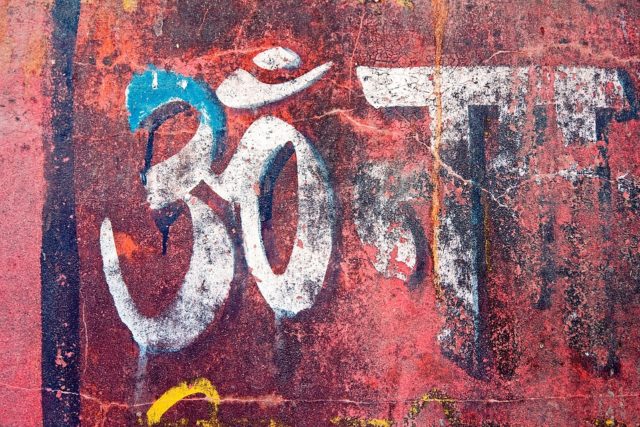
The Puranas are the religious texts of Hinduism. They were written way back. For modern scholars to say the ancient cultures that wrote the Vedas were primitive is arrogant. But that is what historians have lead us to believe for several hundred years if not more.
But modern science is proving the ancient sages that penned the Vedas of India knew more about the creation of the Universe, the human mind and consciousness than they are given credit for. And even more than scientists of today.
The Puranas are a prime example. Although classified as mythological or religious texts, these 18 cryptic books explain the creation of the Universe and the evolution mankind. Modern scientists on the other hand are still trying to work that conundrum out and openly admit they cannot explain consciousness.
The origin of the Puranas is unknown. Scholars believe they were written in the 4th century AD, and intended for common men and women that could not understand the philosophical nature of the earlier Vedas.
But the knowledge contained within the pages of the Puranas demonstrate the writers had an understanding of how the creation of the Universe occurred.
Modern science could not fathom any of the concepts illustrated in the Puranas until at the least the Middle-ages. Some information – albeit a riddle shrouded by symbolism – might even explain the evolution of mankind which was not proposed in modern terms until Charles Darwin put forward his theory on the origins of man in the early 19th century. The theory is still unsolved.
In total, there are 18 books that make up the canon of Puranas. As a collective they honour the Hindu Trimurti. Six are Sattvic and glorify Vishnu, six are Rajasic and are dedicated to brahma and six are Tamasic and honour Shiva.
The 18 Puranas are:
1. Vishnu Purana
2. Naradiya Purana
3. Bhagavat Purana
4. Garuda Purana
5. Padma Purana
6. Brahma Purana
7. Varaha Purana
8. Brahmanda Purana
9. Brahma-Vaivarta Purana
10. Markandeya Purana
11. Bhavishya Purana
12. Vamana Purana
13. Matsya Purana
14. Kurma Purana
15. Linga Purana
16. Shiva Purana
17. Skanda Purana
18. Agni Purana
The most important book in the Puranas is the Bhagavata Purana. It is here that we learn about the nine avatars of Vishnu; fish, turtle, boar, man-lion, the dwarf, man with an axe, Rama, Krishna, and Buddha.
The sequence of incarnations of Vishnu explains the evolution of mankind from fish, to reptiles, to animals, to Neanderthals (the lion is symbolic of strength and wisdom), to dwarf men (symbolic for the weakness and shortcomings of man), to men that became builders and created the first civilised cities, and then on to moral man, philosophical man and finally enlightened man.
The deeper meanings of the Puranas
Scholars say the Puranas have five distinctive characteristics; cosmology, history, secondary creation, genealogy of kings and the dawn of mankind on earth.
But ancient sages used the writings to greater effect. The symbolism in ancient myths helps to explain consciousness and man’s connection to the divine consciousness that flows through us as cosmic forces of nature – later described by the Chinese as Yin-Yang.
The first part of the Brahma Purana explains how consciousness comes into being as thoughts and emotions. Brahma is born from Vishnu’s navel, the source of all emotions. Brahma is the creator God and we create our reality through thoughts and emotions.
In the Vishnu Purana are tales of battles being fought between the Devas and Asuras. In Hindu mythology, Devas are Gods and Asuras are demons. Essentially they represent our higher conscious mind and our lower conscious mind.
The battles, inspired by history, actually reflect the battles we have with ourselves when we know we have to change our habits, but find it difficult to suppress the overwhelming urges of unconscious mind.
In the Shiva Purana, the God Shiva is glorified over Vishnu, and vice-versa in the Vishnu Purana. But they are thought to be of the same essence and have equal importance.
Shiva is the destroyer that is gives us the strength and the power to overcome habits that no longer serve us. When we are able to do that, we expand our conscious awareness and grow spiritually.
Other important Puranas
The story of Markandeya in the Narada Purana expands on this notion of expanded conscious awareness. Markandeya is a devotee of Lord Vishnu and is granted to live for eternity – the idea of reincarnation.
We are essentially energy, and all energy returns to the source. When we die energy, the life force that enables us to have an experience on Earth, will also return to the origin.
The third part of the Linga Purana explains how we are connected to the energies of the Universe. The story describes Mount Meru, the mythical place where the Hindu Gods live.
However, the Gods represent aspect of human consciousness, morals and behaviours. Essentially, they are aspects of our character. Therefore, if Mount Meru is the place where the Gods reside, Meru must be our body and mind.
The book also describes seven islands. These are the seven chakras in the human body, energy centres which channel energy and distribute it around our body.
The Purana describes the relationship between the Purusha and Prakriti, feminine and masculine aspects of the Universe which form the Shiva Linga. The Linga spans the Universe and has no beginning and no end. Nor does consciousness.
In essence, the Linga (male energy) and the Yoni (female energy) these are the protons and electrons of atoms, the building blocks of creation. The ancients realised that all life comes from one point of origin and therefore the Universe and everything in it is interconnected.
If you find the chance to read the Puranas, don’t take the stories literally. Otherwise you completely miss the point of the knowledge the ancient sages of India had. And once you understand the symbolism in the Puranas, together with the other Vedic texts, the myths make much sense.

Many yoga mats are made of synthetic, oil-derived materials and contain chemicals we would rather not have in our lives. But there is now a huge range of eco-friendly yoga mats available that won’t hurt you or the planet. When choosing an eco yoga mat consider factors like use of chemicals, the sustainability of the product and the working conditions of those who produce the mat.
The following eco-friendly yoga mats are made of natural and sustainable products, won’t give off chemical fumes and are long lasting. The modern eco yoga mats have great comfort and grip so you can enjoy your practice in the knowledge that it is earth friendly.

I’ve mentioned this one first as it is rated the best environmentally friendly yoga mat by the New York Times.
What makes this mat so good is the mixture of natural rubber and jute fiber (a vegetable-based fiber) used in its construction. The rubber underside grips the floor and the jute top surface provides a comfortable yet grippy surface. No chemicals are used and the mat is biodegradable. The mat is made in the UK
Costs $90
http://www.barefootyoga.com/the-original-eco-yoga-mat

Another rubber-based option is the Manduka eKO Lite Mat. This mat is made from biodegradable, non-Amazon-harvested, natural tree rubber. The rippled surface texture makes it super grippy – even during the most strenuous routine!
It’s also available in a range of colors and prints using natural dyes making it one of the prettiest eco mats around.
Cost from £55
https://www.manduka.com/eu/
The Lifeforme yoga mat uses natural rubber for the base layer, felt in the middle, and ‘eco-friendly polyurethane’ for the top layer. The British company also supply their mats in recycled cardboard packaging. The mat is supportive and grippy while still providing excellent cushioning qualities.
The company uses a heat bonding process on the mats to avoid the need for toxic glues and uses etching rather than printing to avoid potentially toxic dyes. The mats are also bio-degradable.
Cost £100
https://liforme.com

If you prefer a 100% hemp mat then the Ultimate Hemp Yoga Mat could be for you. This hemp mat follows in the long tradition of natural fabric yoga mats in India and Nepal.
The ultimate hemp yoga mat is made from 2 layers of organically grown European hemp. The mat is sweatshop-free, chemical-free, PVC-free and formaldehyde-free.
Hemp mats are not as grippy as rubber ones and you may need to put your hands or feet on the floor for inverse poses. However, it is quite versatile and can be folded to provide extra thickness during sitting meditation or used as a pillow or support. The hemp mat is also extremely absorbent making it perfect for intense yoga sessions and hot yoga.
Cost $99
http://www.rawganique.co/default.asp

The Yoloha cork yoga mat uses recycled tires for the backing and cork for the surface. Cork is naturally antimicrobial and is free from PVC’s or harmful chemicals. It is also sustainable as no trees are harmed in its production. Cork forests also help to support biodiversity. Yoloha uses non-toxic Greenguard adhesives to join the cork to the mat backing.
The mats are 100% recyclable and come in 100% recycled packaging.
Cost $119
http://yolohayoga.com/cork-yoga-mat
Let us know your favorite eco-friendly yoga mats in the comments below.
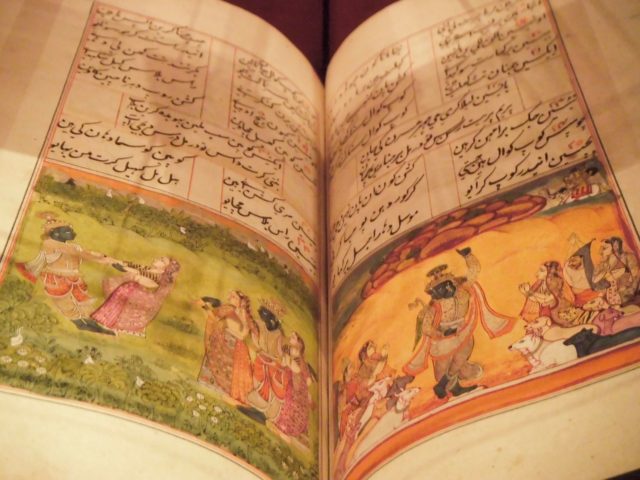
The Upanishads belong to the core philosophical teachings of ancient India. If you read the overview of Upanishads you will know that they are arguably some of the most influential books that help us to understand the innate nature of consciousness within man and the intimate relationship we have with the world around us.
The principle focus of the Upanishads is to teach man how the ‘Atman’ (individual soul) – which is body and mind – connect with the supreme spirit; the Brahman which is absolute consciousness and the root of our origin.
Upanishad means ‘sitting close to.’ It implies the mystic doctrines of the ancients that in each of us is a God. This is the fundamental teaching of the Upanishads; that we can convert from the ego mind of the physical world and connect with our true self.
“Brahman is the only Truth,
the world is unreal, and
there is ultimately no difference between
Brahman and Atman, individual self.”
In discovering the true self, we liberate the ego mind from the false trappings of the world around us. As Buddha – inspired by the Upanishads – taught years later, the false mind is the cause of our suffering. Only by dissolving ego, will you find inner peace.
The most important Upanishads
Over 200 books were written as part of the Upanishad canon, fourteen of which have been identified as the most important; Mahanarayana
Chandogya, Kena, Aitareya, Kaushitaki, Katha, Mundaka, Taittriyaka, Brihadaranyaka, Svetasvatara, Isa, Prasna, Mandukya and the Maitra.
These texts are rich in philosophical meanings and are intended to provide inspiration to initiates looking for moksha – the liberation of the ego mind. But the basic understanding is that moksha cannot be reached through intellect, only by dissolving the mind of thoughts and memories.
The core teachings evoke the metaphysical principles of samsara, karma, dharma and moksha. If the concepts of the Upanishads are taken too literally, they are typically viewed with consternation and disbelief.
For example, samsara promotes the idea of reincarnation, that after the physical body dies, the soul goes to ‘heaven’ (or hell) and is later reincarnated. The idea of death and rebirth is prominent in every religion.
But the cycle of death and rebirth is not limited to the concept of a reincarnated soul once we die. Our soul has to evolve during this human life. Whenever we adopt new attitudes, habits and views of the world, we experience samsara; old values die so that new values are reborn.
Karma is a concept that is more widely accepted in modern thinking, principally because the idea is backed by Newton’s third rule of physics – the universal law of cause and effect.
Science explains that for every action there is a reaction. So again, we see that the idea of karma presented ancient texts is not a concept that is restricted to the afterlife, but effects conditions of our current existence.
“As it does, so it becomes; by doing good it becomes good, and by doing evil it becomes evil, it becomes pure by pure acts and bad by bad acts.”
Karma is heavily influenced by dharma – ‘right action.’ We have an obligation to ourselves and others and by adhering to that responsibility, we project positive energy that subsequently returns as positive energy.
Liberating the mind
The ultimate teaching of the Upanishads is moksha, liberating the mind so that one can be freed from the cycle of death and rebirth. But what is death and rebirth and how can we liberate the mind to escape the cycle?
Let’s not forget that earth life also has repetitive cycles. We are born as babies with no understanding of the world and develop our understanding, through infancy, childhood, adolescence and various stages of maturity.
Through each progressive stage of life, we adopt belief systems. These belief systems are then stored in the unconscious mind to serve us through life. Yet the programs we learn in the early years of life do not serve us as adults.
We therefore have to liberate our minds from the mental programs we adopted as children. This is moksha, freeing our minds of belief systems that no longer serve us. Forgetting the false beliefs stored in our subconscious programming.
The Upanishads explain that the body and mind are merely vehicles we use on earth to have a human experience. But our true self, the essence of the soul, the origin of our consciousness, is the Brahman. Brahman is the supreme being, the Holy Spirit of Christianity.
Before we can return to Brahman, it is our objective to discover Atman, the individual self, or rather the god within us. But to do that we have to abandon the false programs stored in the unconscious mind. Only then can we liberate the mind and discover the deepest levels of our existence.
Understanding Brahman
The ancient sages that scribed the Upanishads used the term Brahman to describe the essence of nature. Consciousness and energy created the entire universe and – just as modern science predicts – came from one point of origin.
“That immortal Brahman alone is before, that Brahman is behind, that Brahman is to the right and left. Brahman alone pervades everything above and below; this universe is that supreme Brahman alone.”
Brahman is the source of everything and in everything. One of the greatest insights offered by the Upanishads is that man and Brahman are thus made of the same essence. The route to Brahman is through understanding the Atman – the individual soul that we can physically feel and experience. The True Self.
When we discover the True Self and understand that everything is connected to the origin of consciousness, the Atman connects with Brahman and the mind is liberated. This realization frees us from ego whereby all suffering is dissolved.
The Upanishads speak undeniable truths. Because they include a practical understanding of life we all experience, they are not considered as pure philosophy. Look beyond the veil erected by organized religions and you will find pure knowledge in the Upanishads that will help you find salvation.
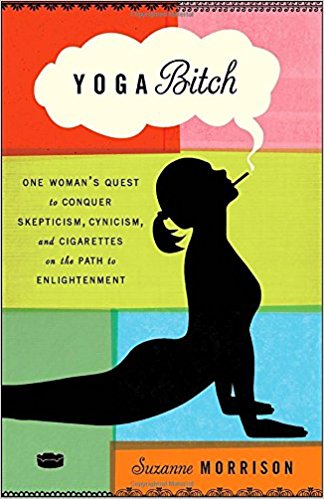
Yoga Bitch is an autobiography of Suzanne Morrison’s path to spiritual enlightenment. The book tells the story of Suzanne’s two-month yoga retreat to Bali. It also includes elements of her life previous to this experience, including her close relationships with her family. The author’s Catholic upbringing is also a key theme. The book also jumps ahead to her experiences years after the retreat.
The title Yoga Bitch comes about from Morrison overhearing two yoginis is in a café who are discussing a fellow practitioner who ‘’just doesn’t get it’. Morrison is determined to never be one of these people. However, as part of her yoga retreat, she comes up against some questions about her fellow yoga buddies and teachers that cause her to go through a phase of becoming one of these yoga bitches. However, Morrison never claims to be perfect and we feel her pain as she realizes that her teachers are only human too. When she spectacularly falls from the yoga path we can empathize with her in a way that is made possible by her openness and vulnerability.
It is a great read; I completed it in a day because I couldn’t put it down. Morrison is funny and down-to-earth, but the book touched on some deep issues that affect many of us who follow the path of the seeker. The book is not a guide to yoga and does not include directions or yoga poses. It is more an overview of one woman’s experience of the yoga path.
What I like most about this book is that it is not an idealistic look at the spiritual path. It is not about perfectionism, but more about process. Watching Suzanne question her own spiritual path is comforting. It helps us realize that we all have questions and none of us has all the answers.
I would highly recommend this book to anyone who is following a spiritual path and sometimes falls off the wagon. It is a comfort to know that we are all only human.
For sharing her doubts and fallibility, I give Suzanne Morrison and her book Yoga Bitch a 10/10
You can find out more about Suzanne Morrison and her book Yoga Bitch here