












Home Blog Page 30

How We Can Use The Law of Karma to Improve Our Lives
0
Tumblr_o0dwnrHzZD1slhhf0o1_1280

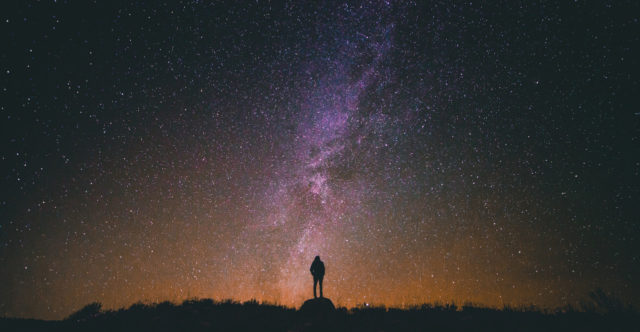
The Law of Karma works on an energetic level, not a physical one, so we have to be careful that the energies we send out are harmonious.

The Law of Karma says that whatever you give you will receive back. However, it is actually more complicated than that.  Karma works on an energetic level, not a physical one.  

This makes it difficult to predict the Karmic reactions of our deeds.

However, if we ensure that the motivations behind our actions are loving and compassionate, we can be sure that Karma will send us harmonious energies in return. On the other hand, if we act from motivations such as hate and greed we can expect Karma to respond on the same energetic level.

In essence, we have to give to the world what we wish to see in the world. For example, if we want the world to be at peace, we need to be peaceful ourselves. This is the reason war and fighting can never bring peace but only more war and fighting.

What does this mean for our lives?

This can be a very useful knowledge to help us improve our lives. By following this rule, we understand that whatever it is we want to receive we must first give. A good example of this is love. If we are feeling lonely and unloved we will not find love by complaining about how lonely we are or how unfair life is. We will instead receive the energy of loneliness or unfairness.

We will only receive the love we desire when we give it first.

By understanding the Law of Karma we are truly in a position to use our energy to improve our lives. We can use this knowledge to help to heal the problems in our relationships and our lives. We can look at the experiences that we are suffering and ask how we can change our energy to promote the flow of good Karma back into our lives.

This works especially well in relationships with others. If you find there are difficult people in your life, you may have inadvertently become involved in a downward spiral of Karma. We can inadvertently send out energies such as intolerance and blame through actions such as harsh words. Understanding this, we can take steps to improve these relationships by consciously taking actions that are loving, or at least more tolerant, instead.

Like attracts like

We have to be careful that the energy we send out is truly harmonious and good. If for example, if we give money away out of pure generosity, the energy being sent is generous energy and we will receive generosity in return. However, if we give away money with the desire to receive something in return, we are not using a generous energy but instead a greedy and selfish energy. This means that the return of Karmic energy will be that of selfishness or greed and we will then suffer because of it.

Broader laws of Karma

There are also broader laws of Karma that work on a wider scale. We can be affected by the Karmic energies of our families, societies, and nations. This means that war and poverty are the fault of failure of entire nations and not just the individual. However, we remain accountable for our own actions.

Karma and accountability

The Law of Karma teaches us that our own actions have caused the circumstances in our lives. If we are unhappy with our life situation, it is up to us to act to attract the energy we need for things to improve.

Whatever we feel we are lacking we must learn to give.
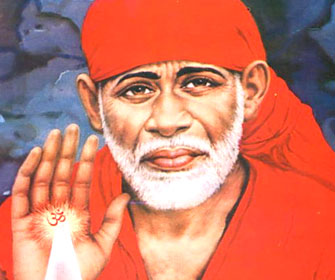


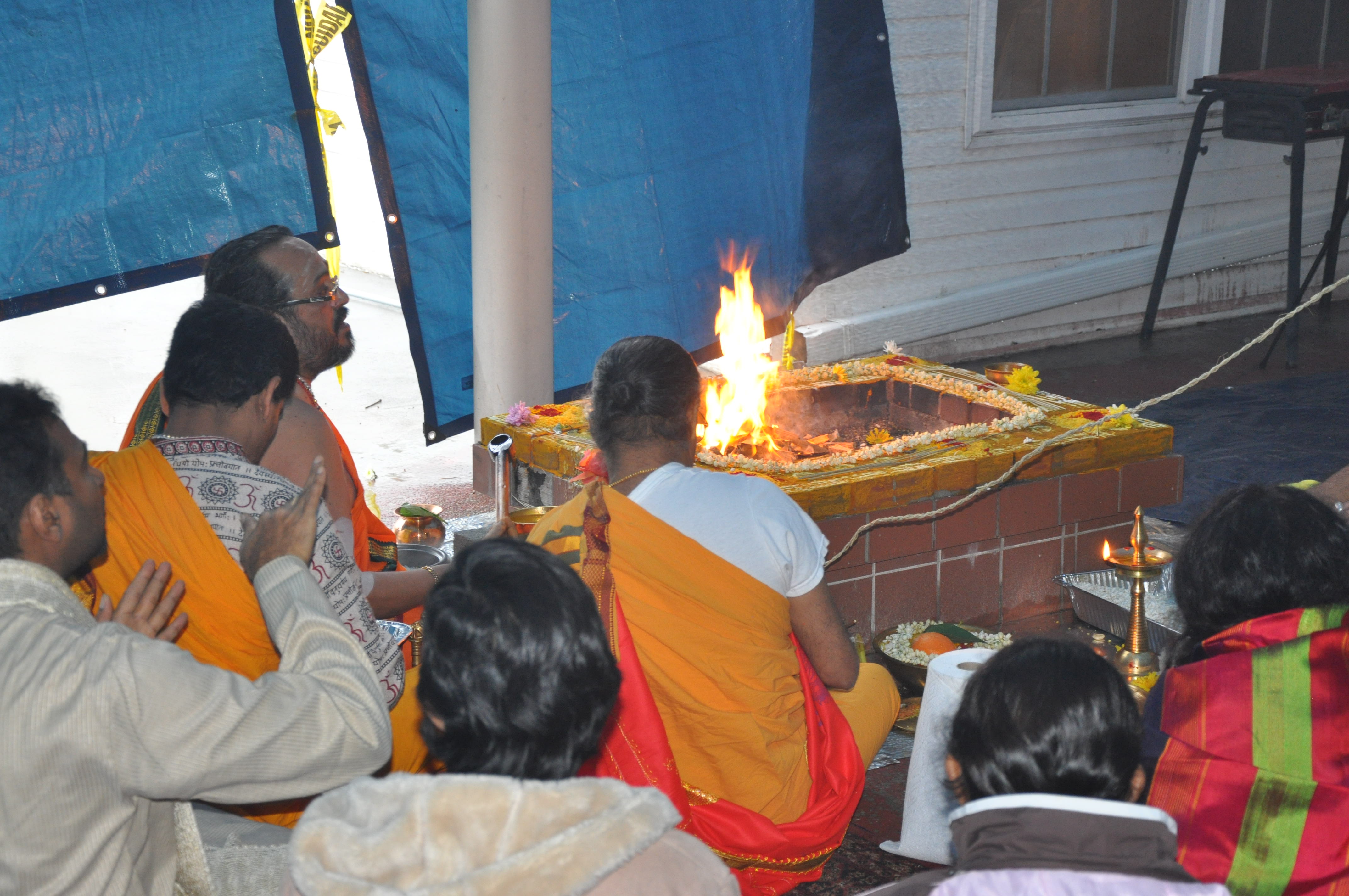
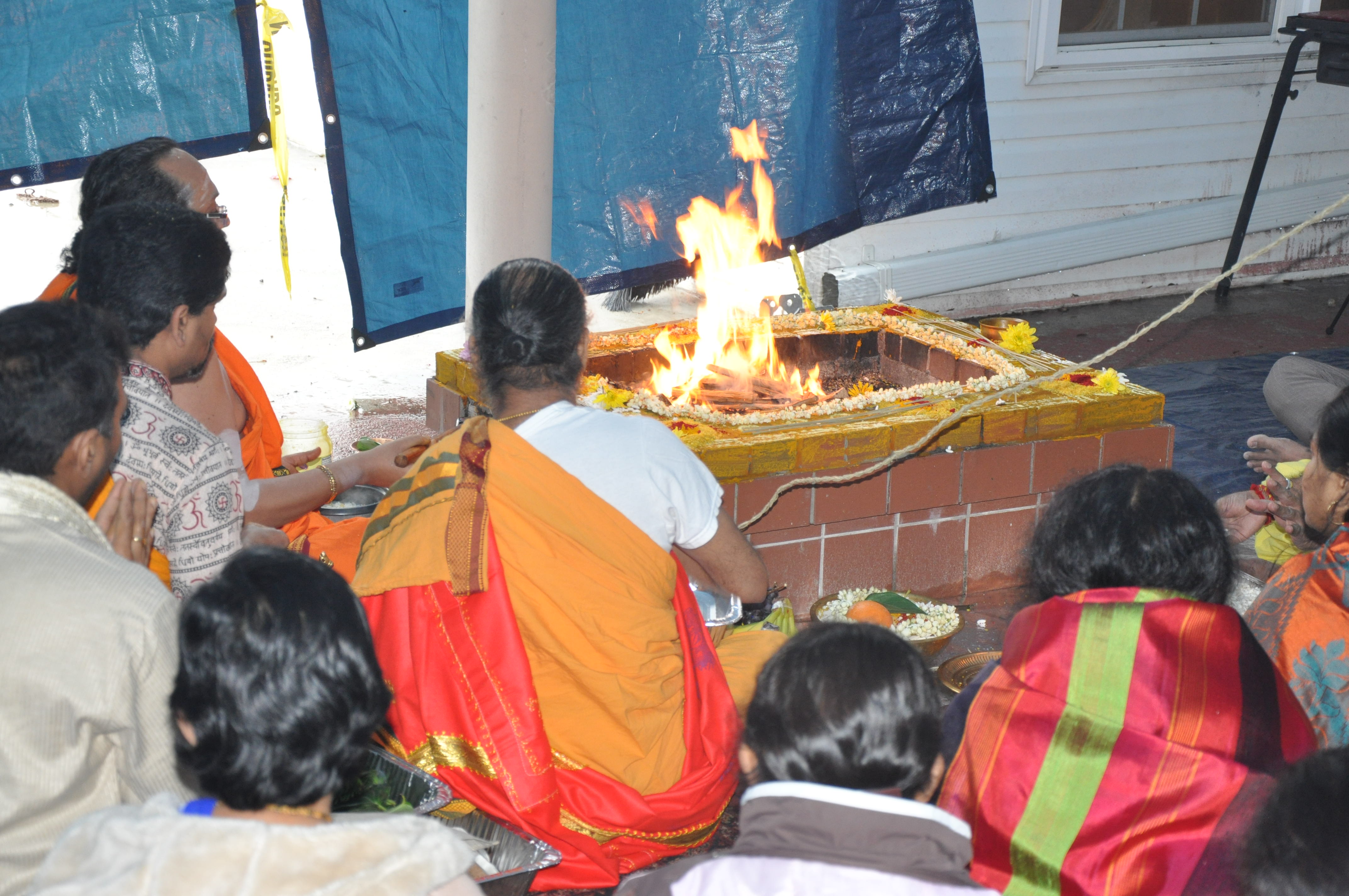
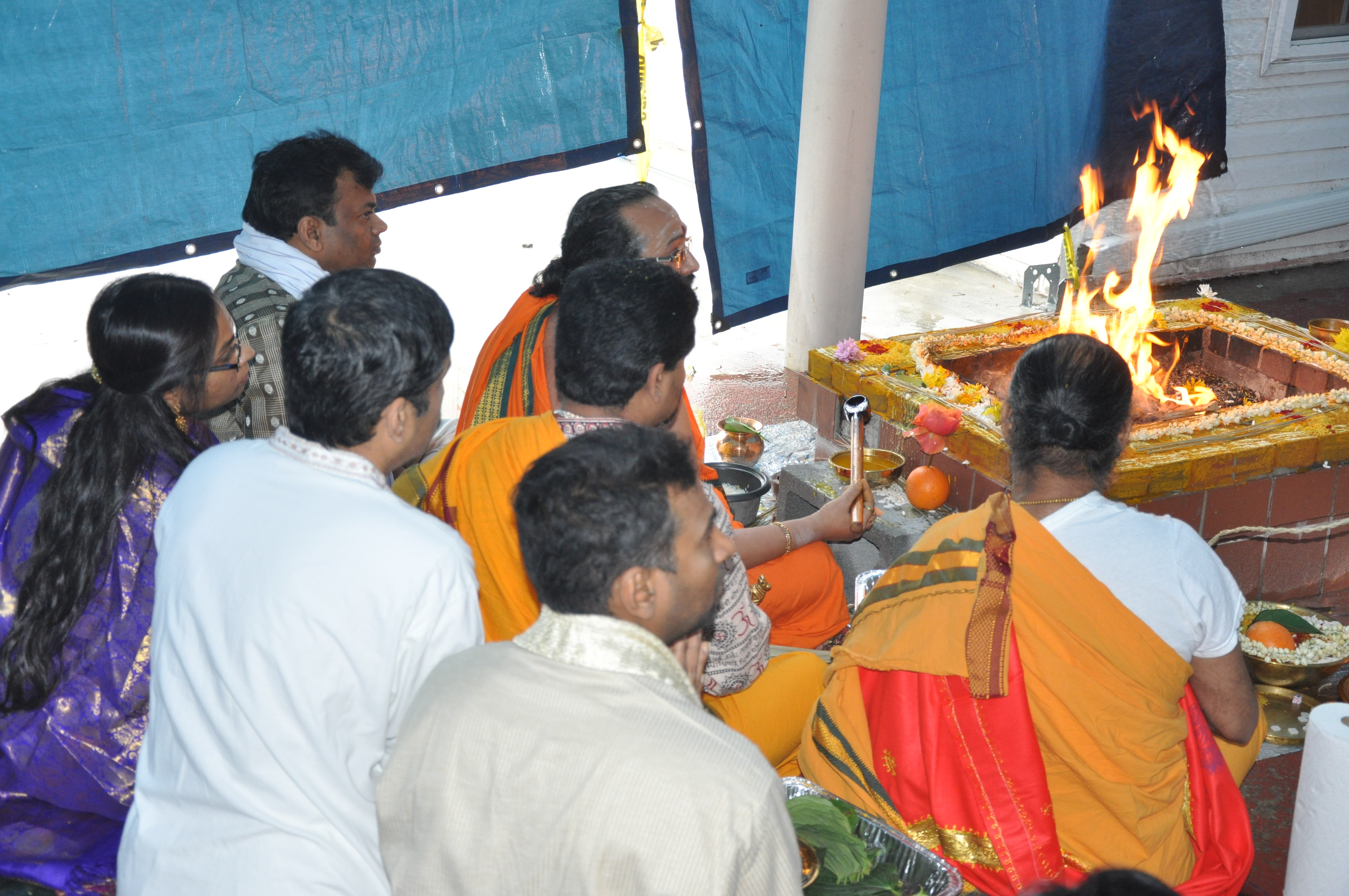
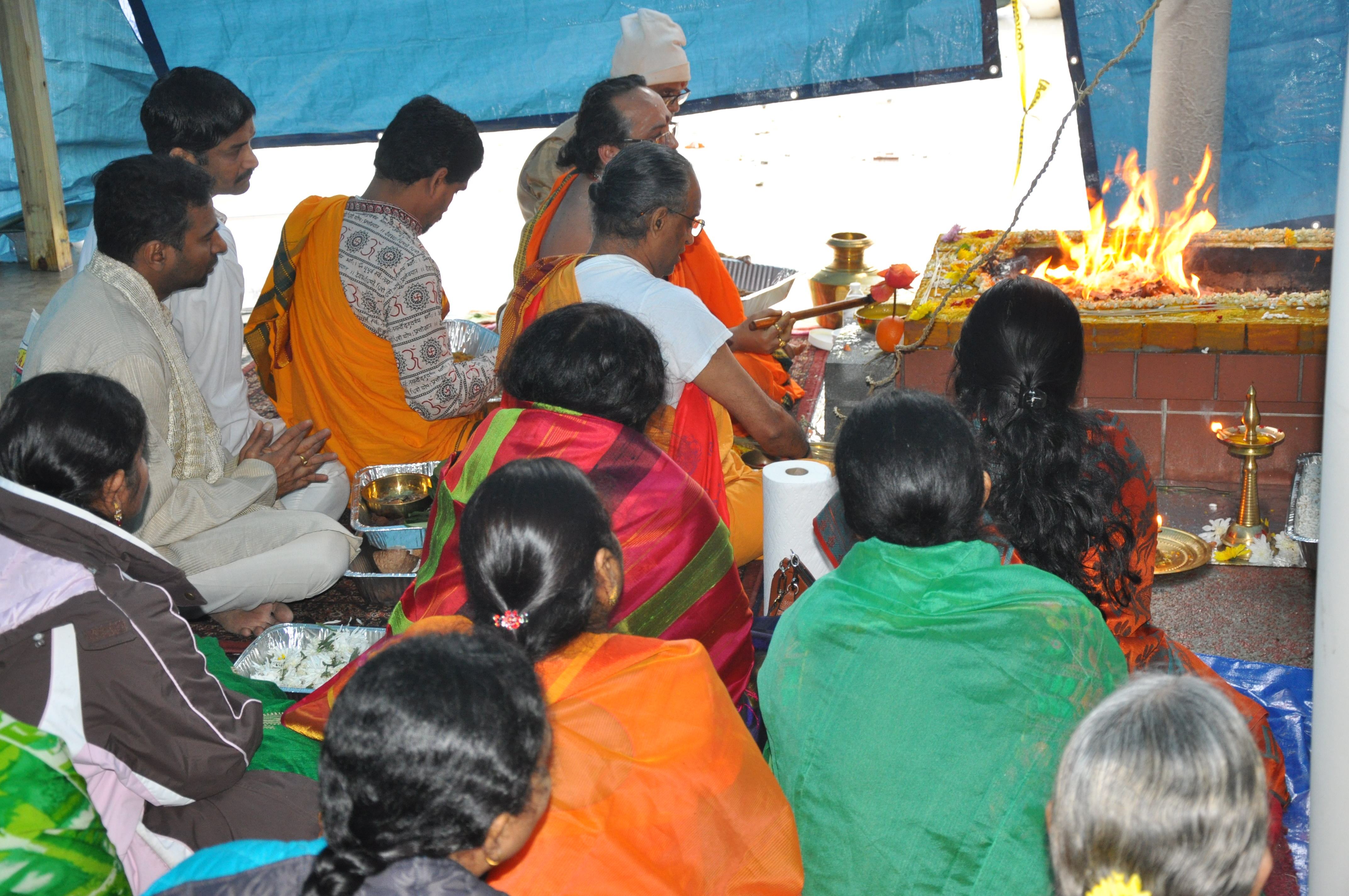
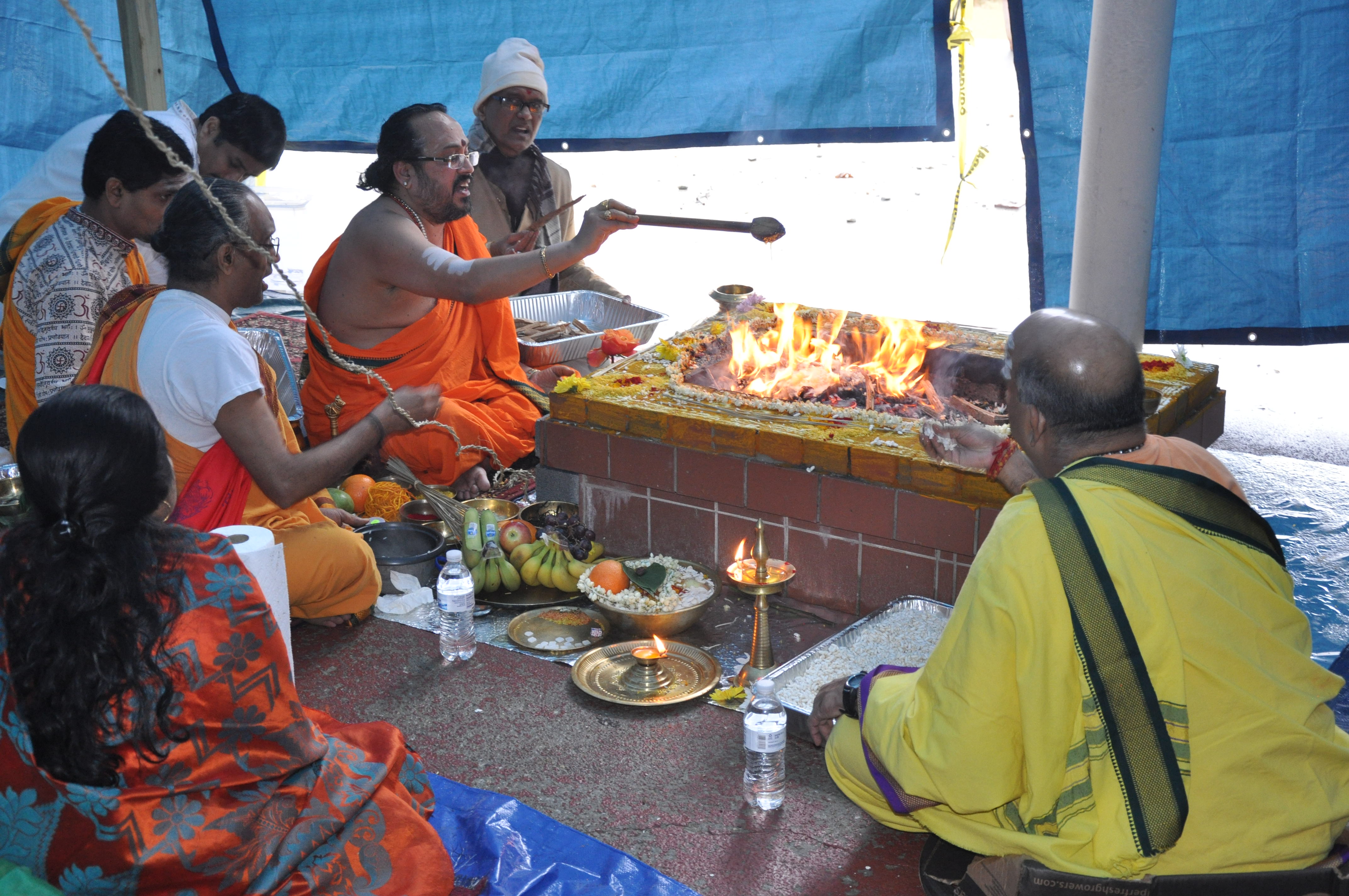
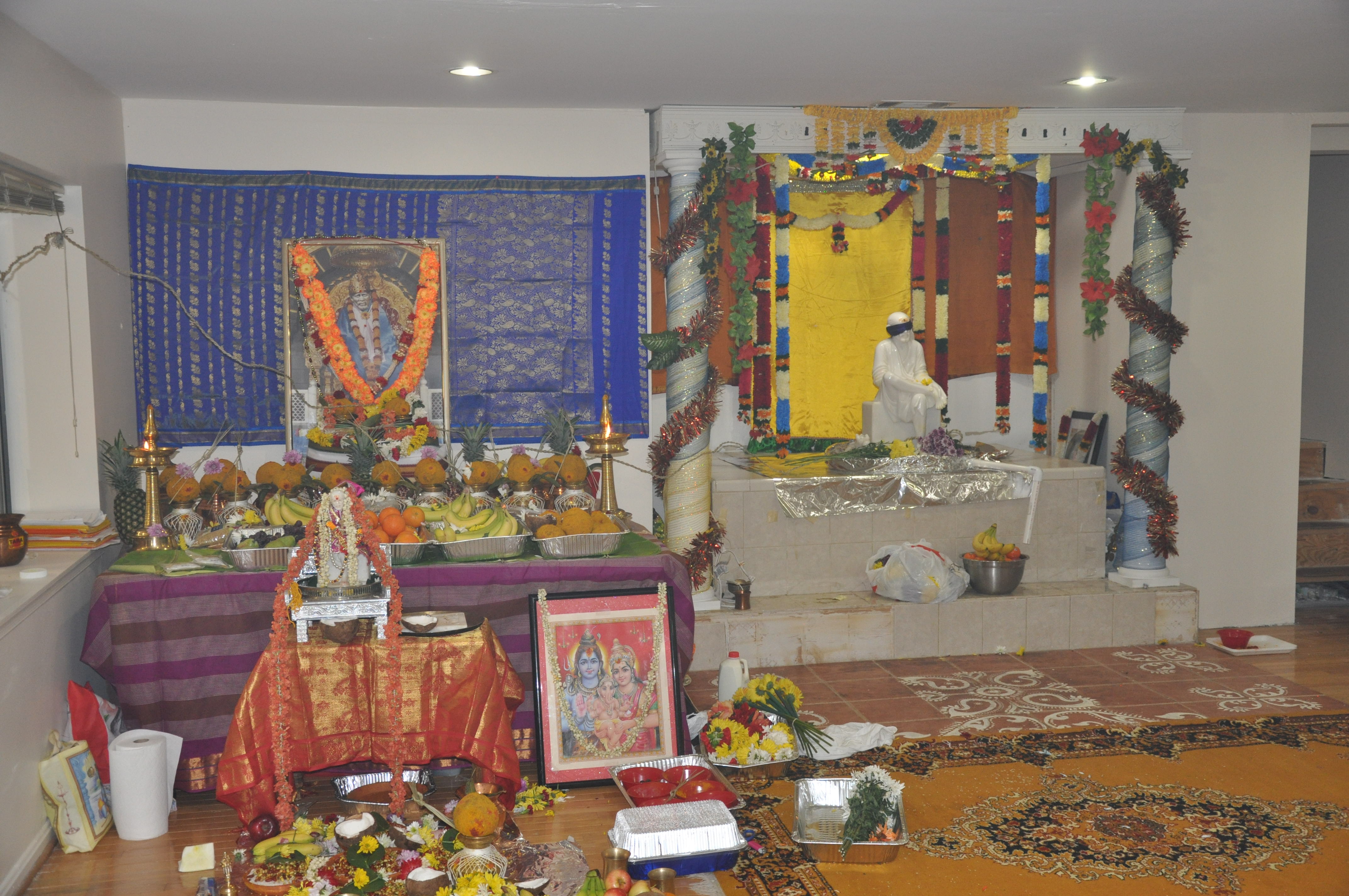
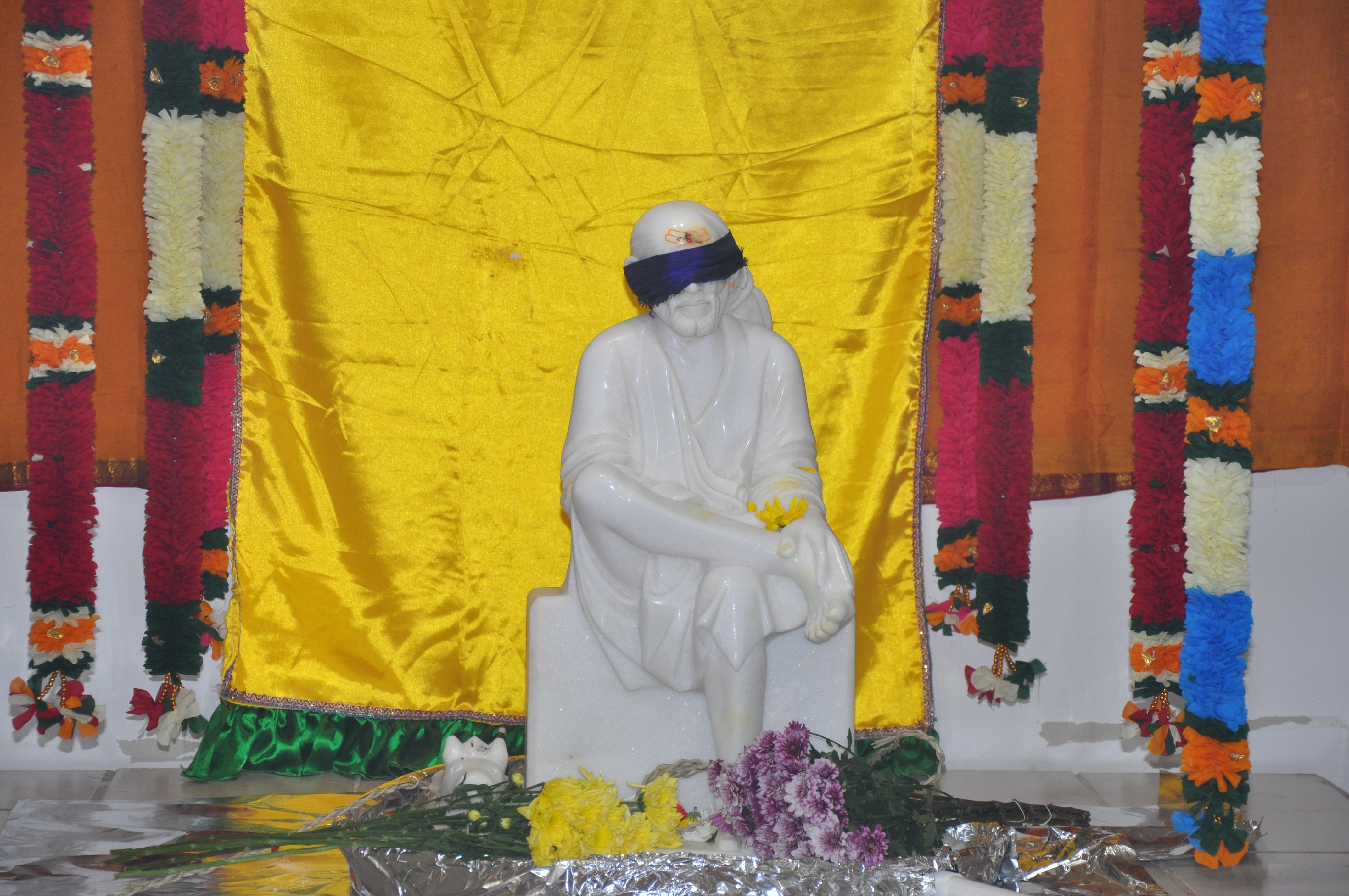
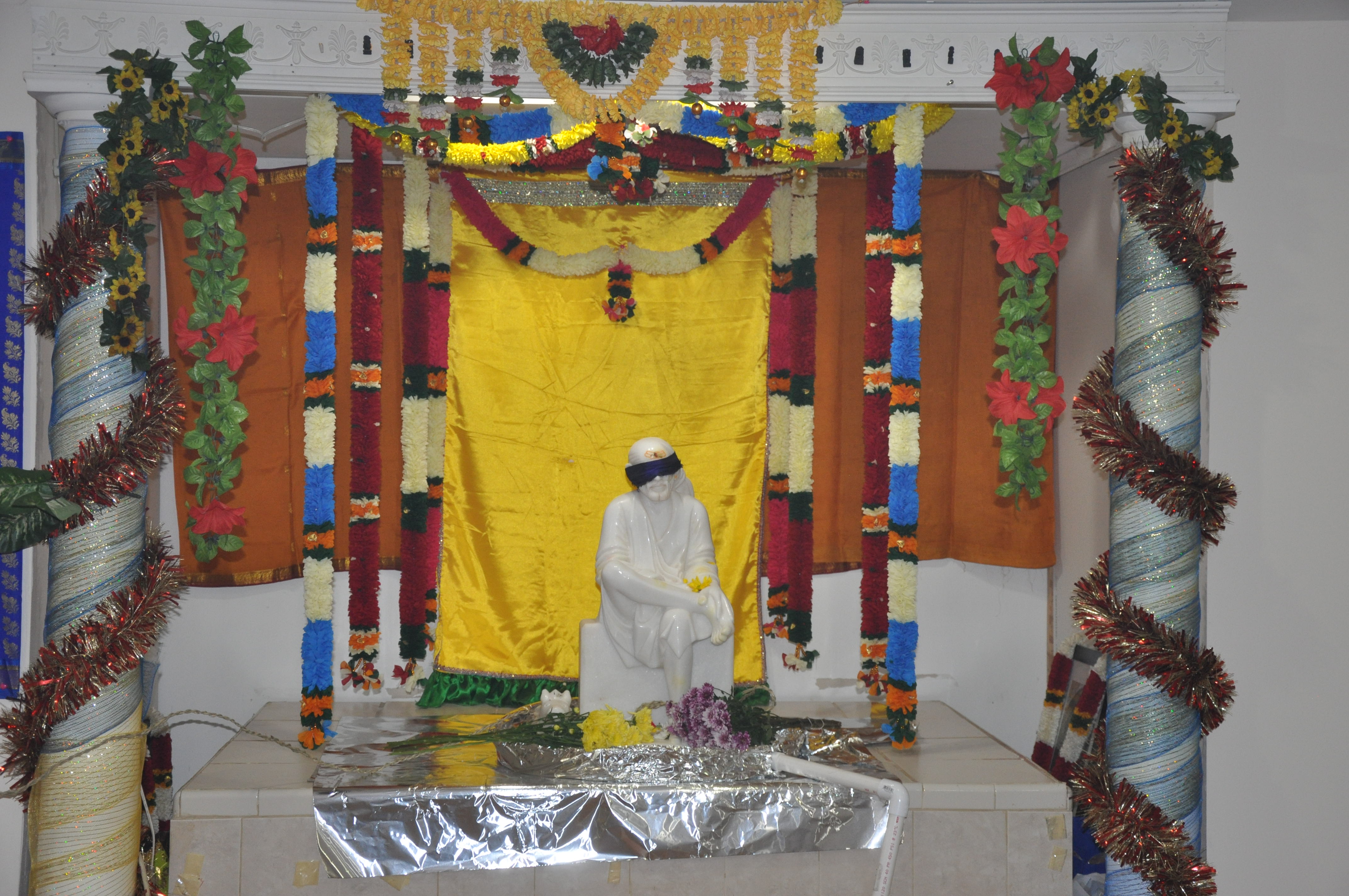
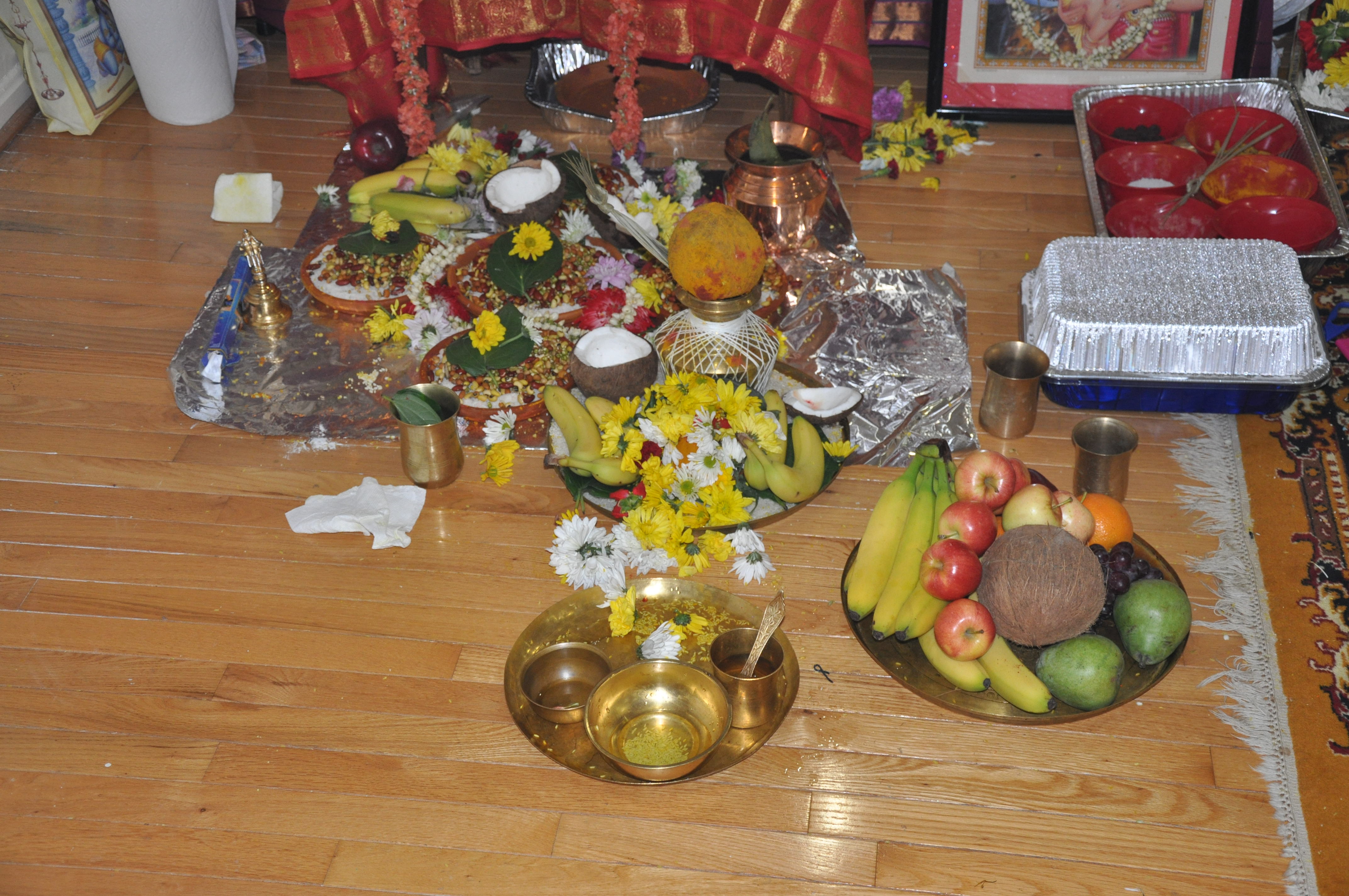
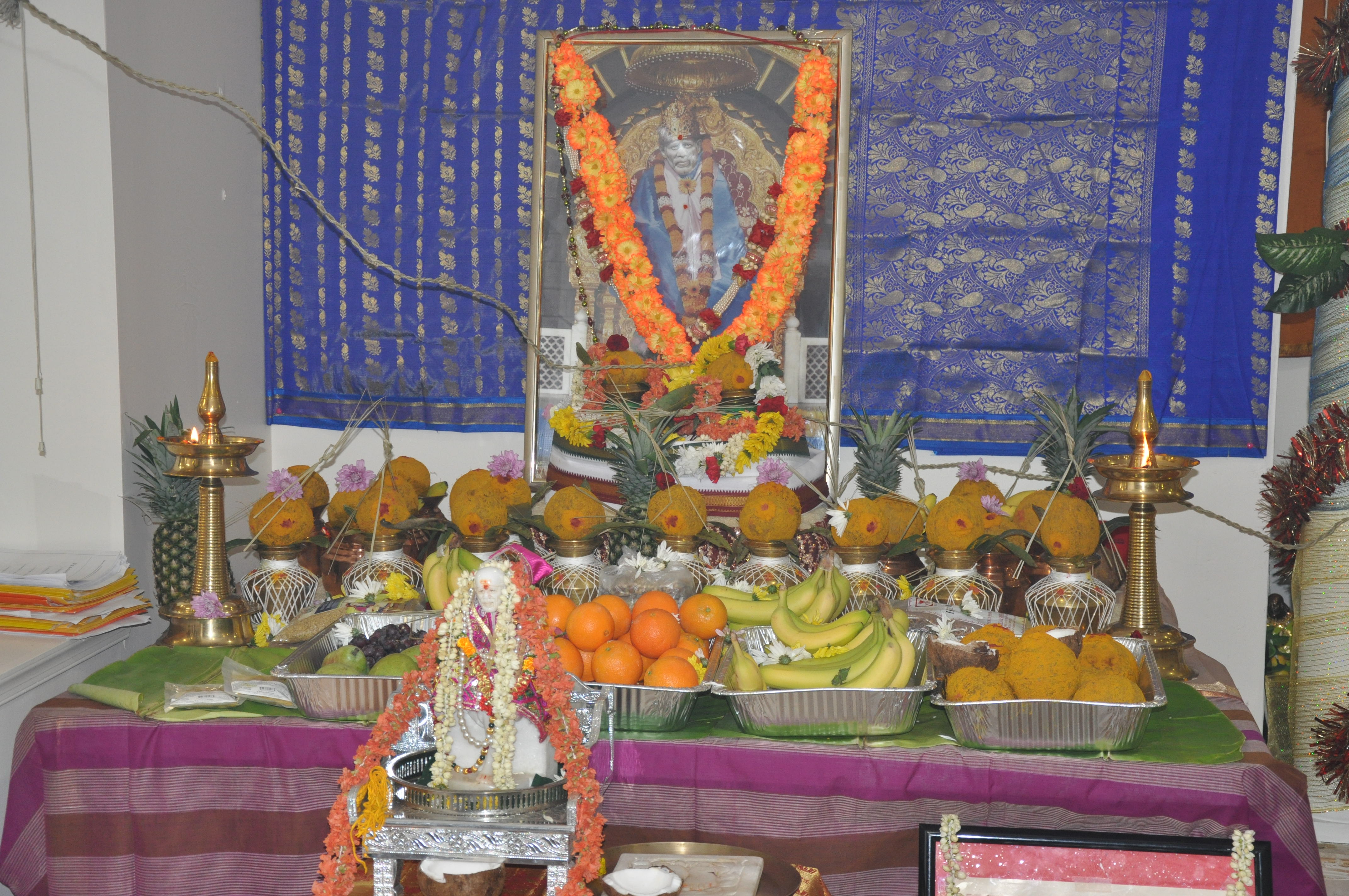
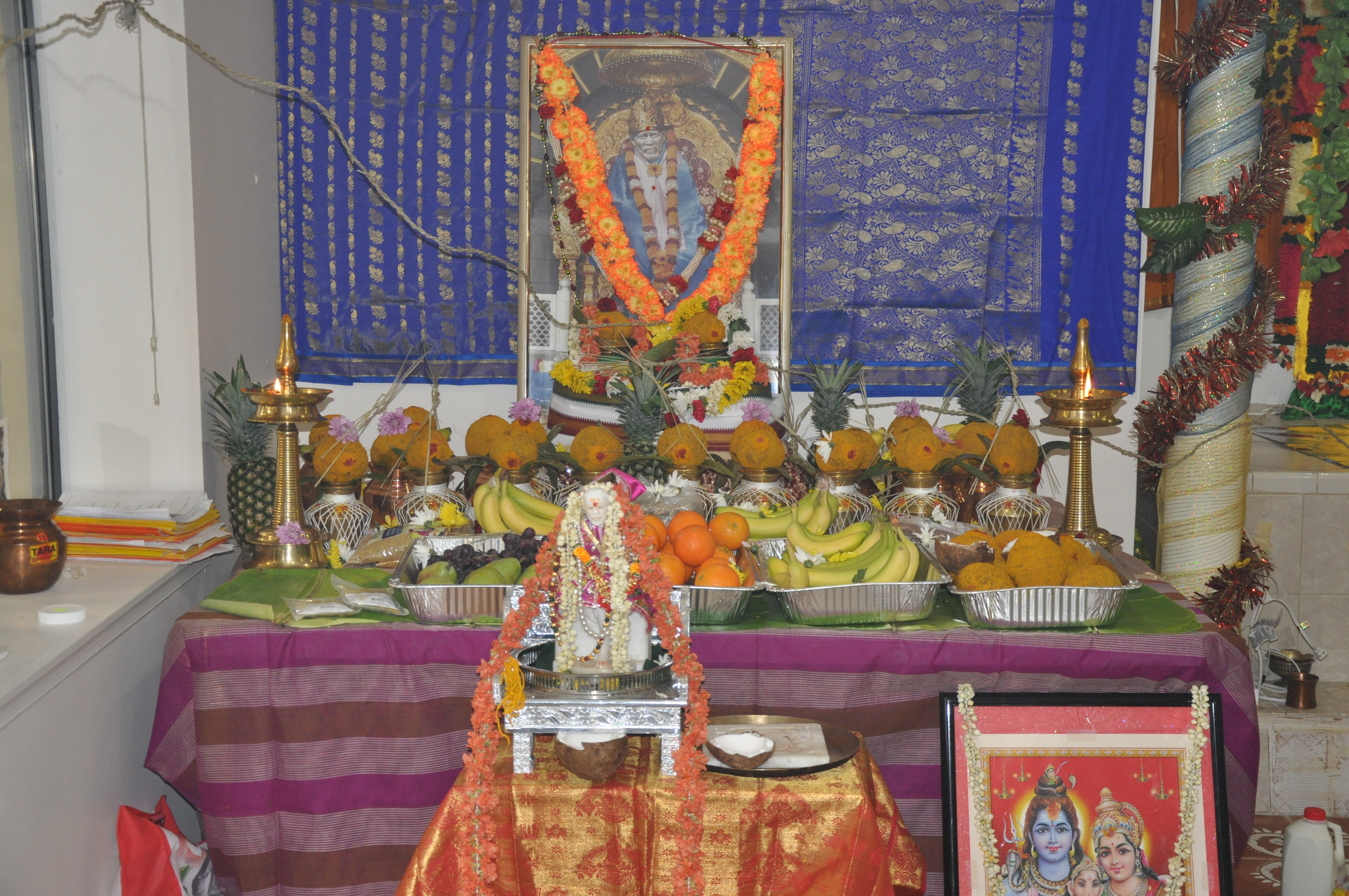
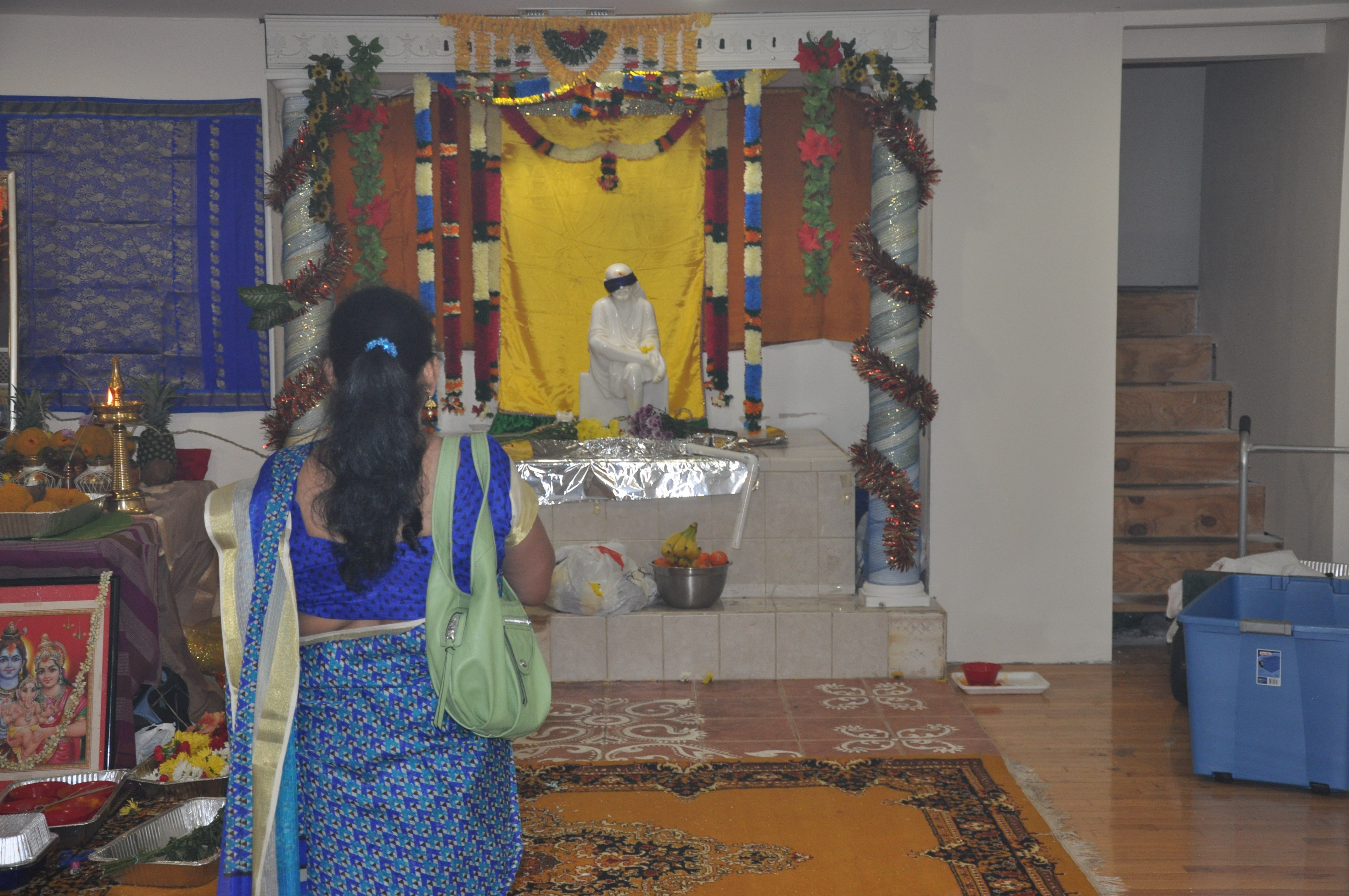
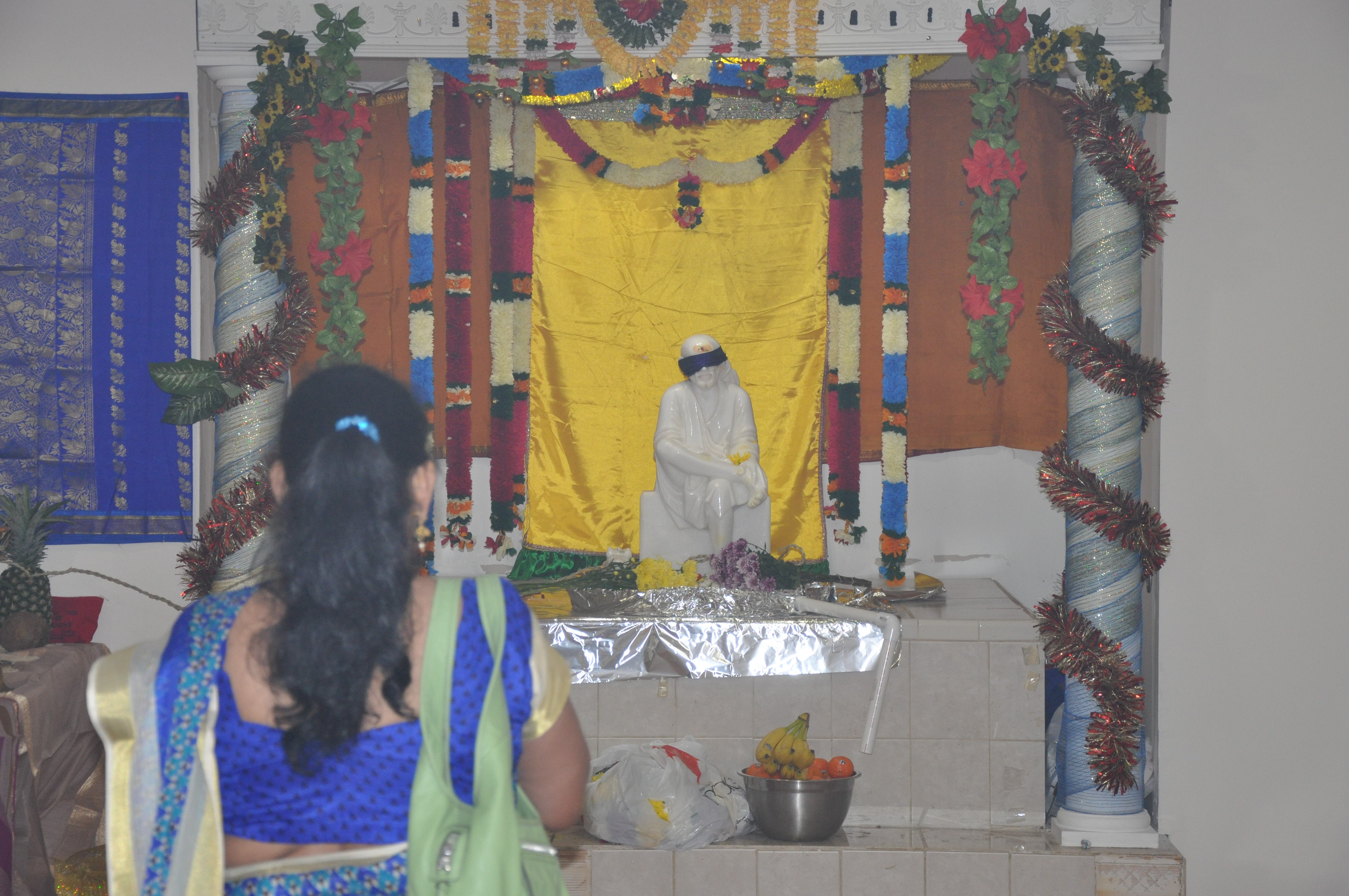
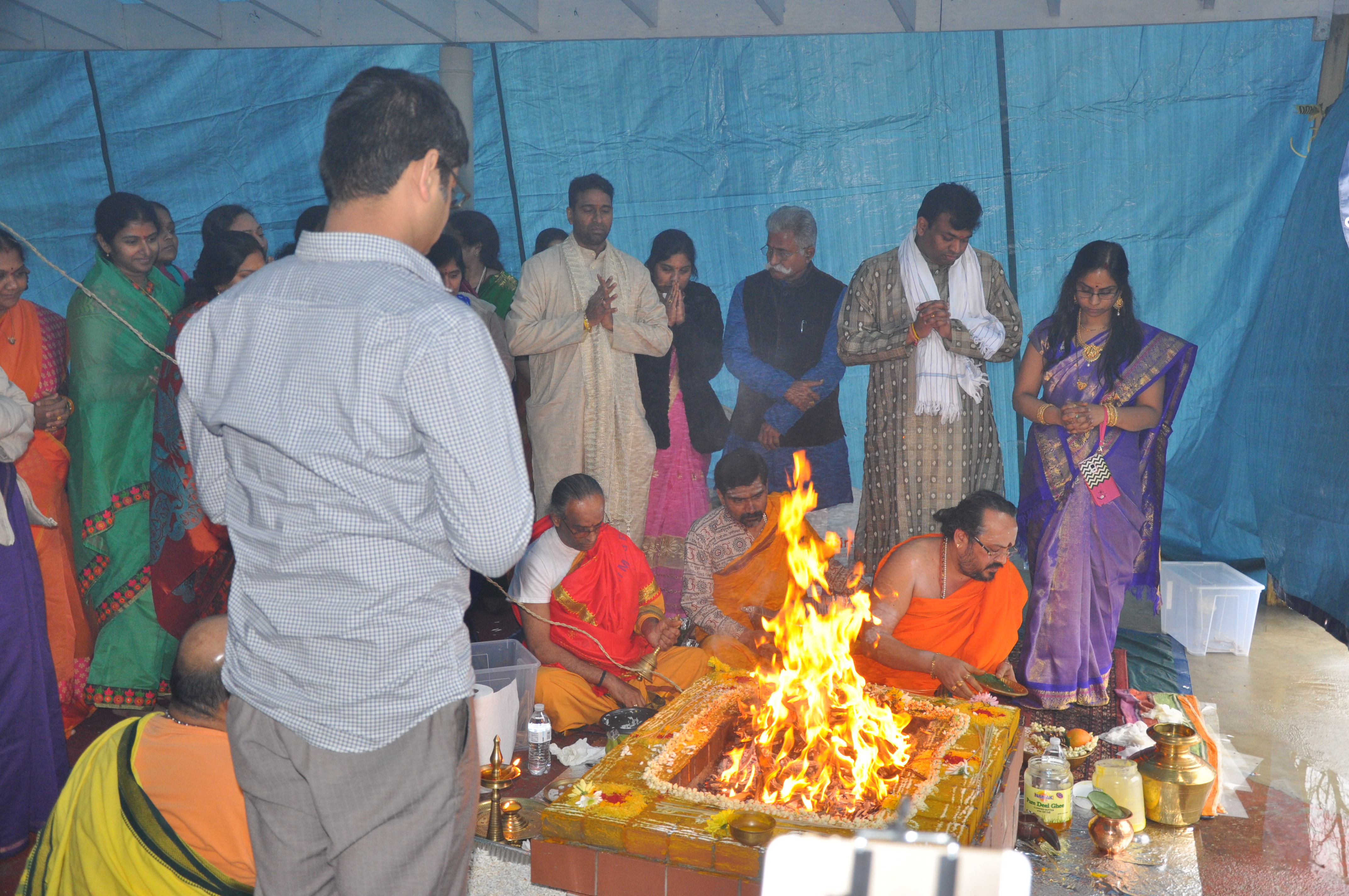
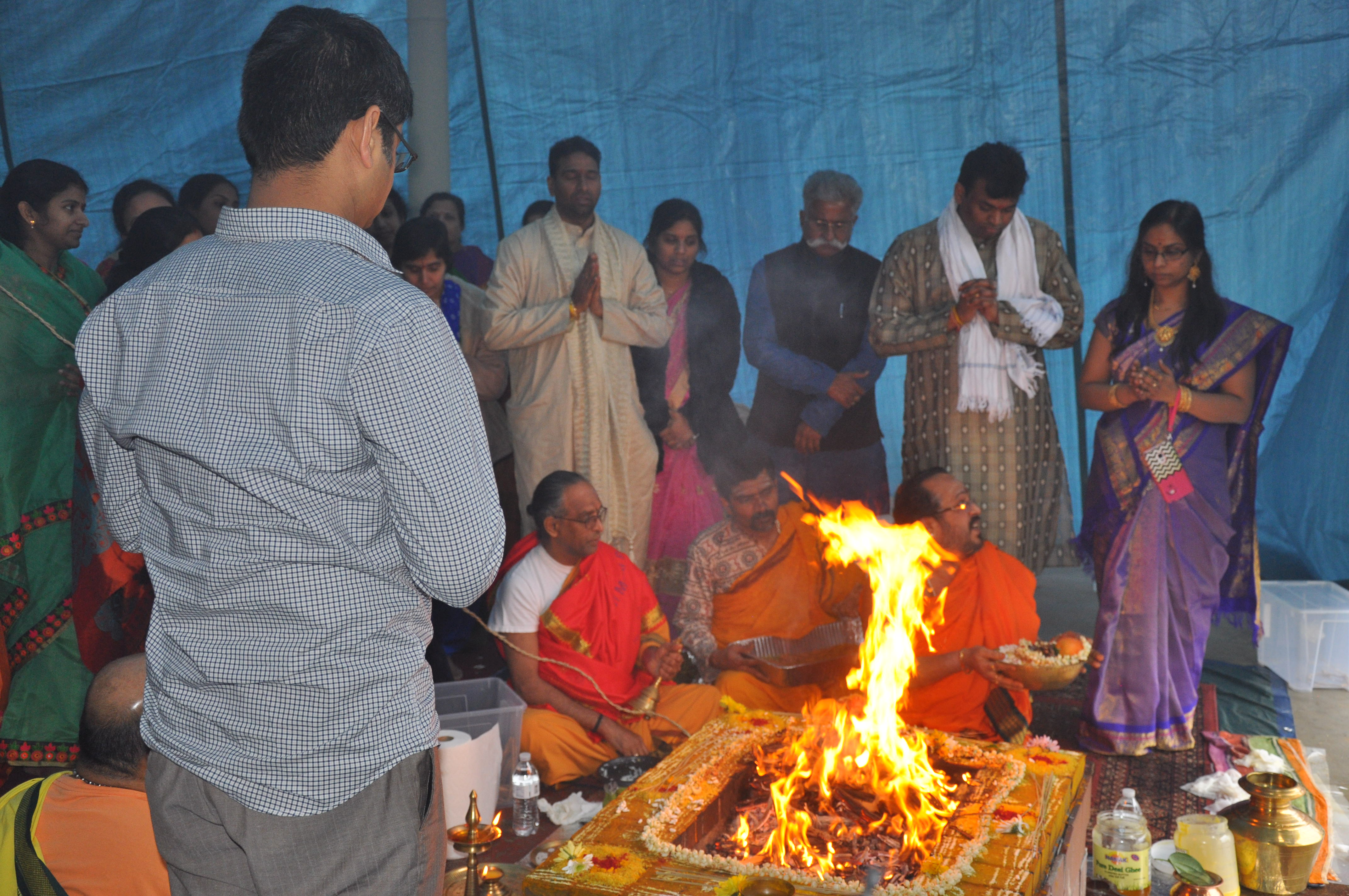
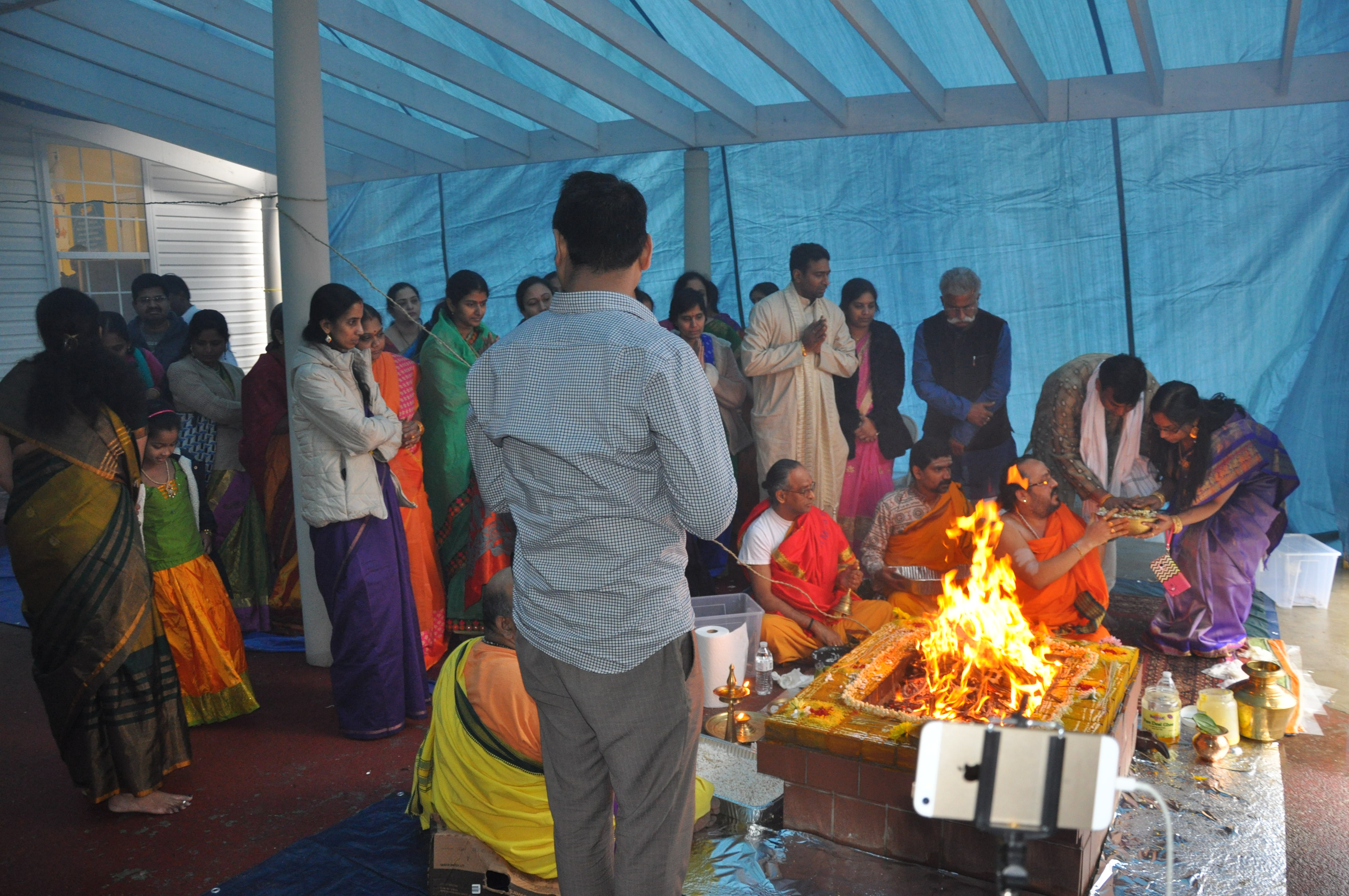
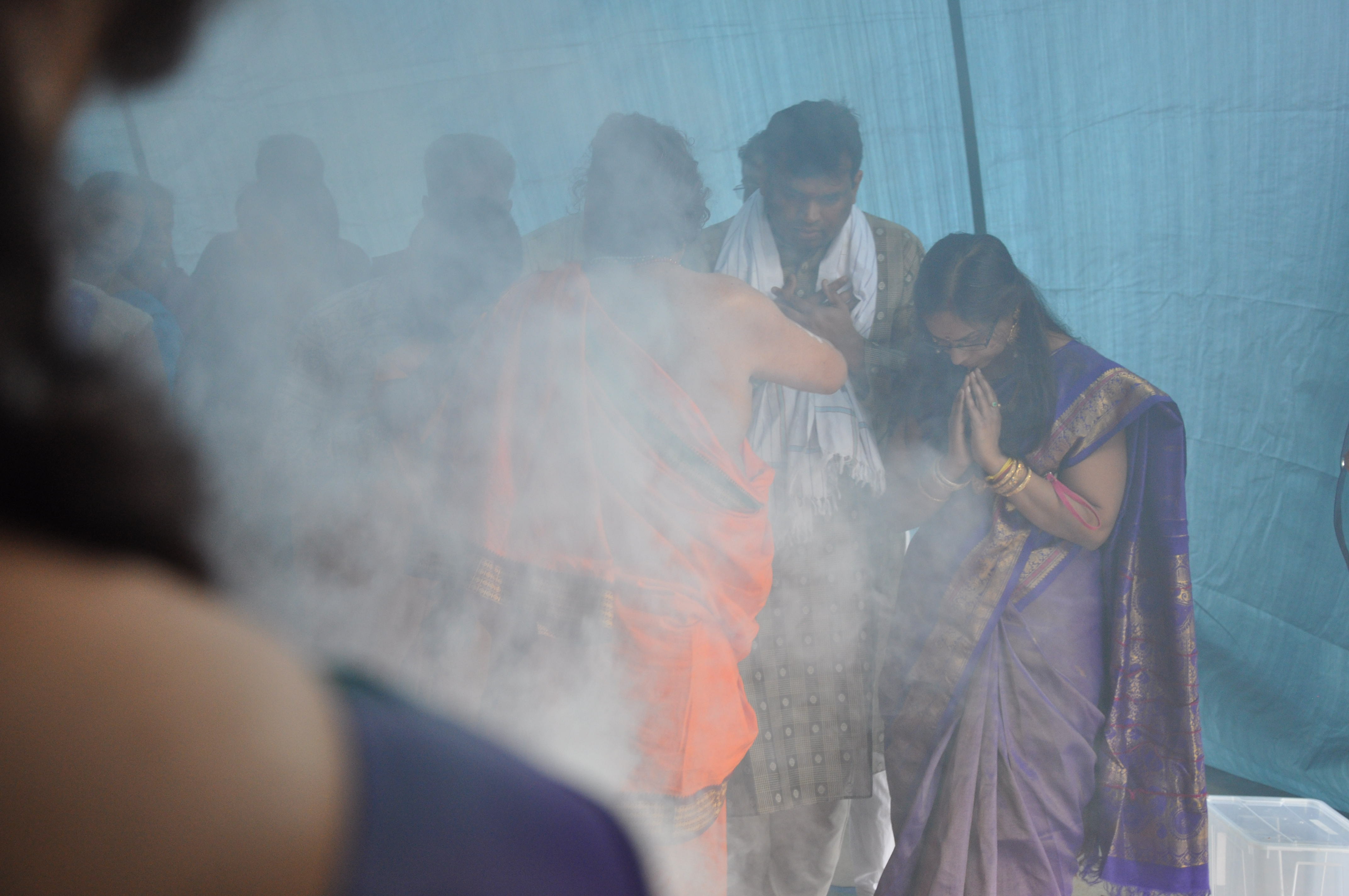
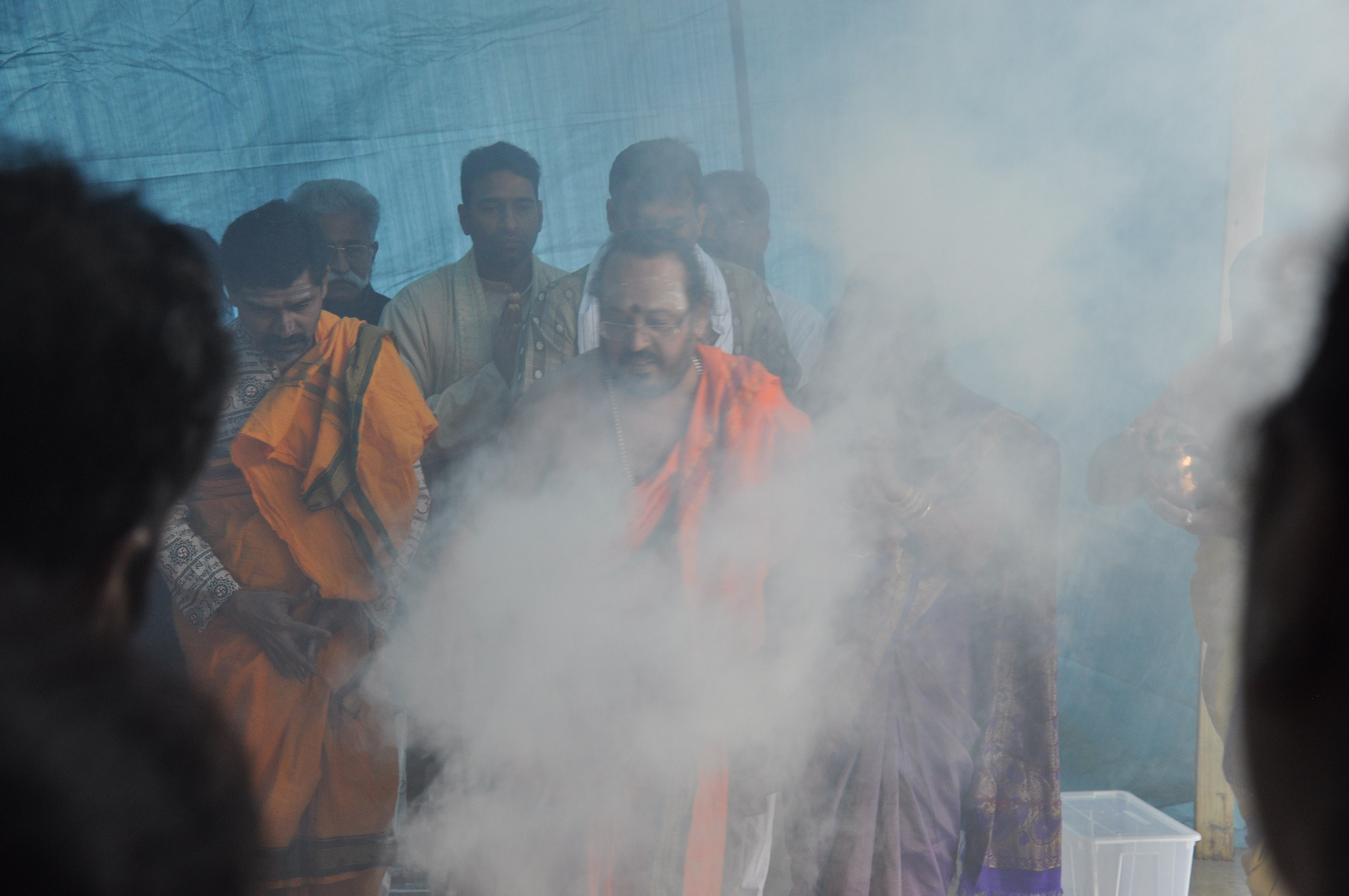
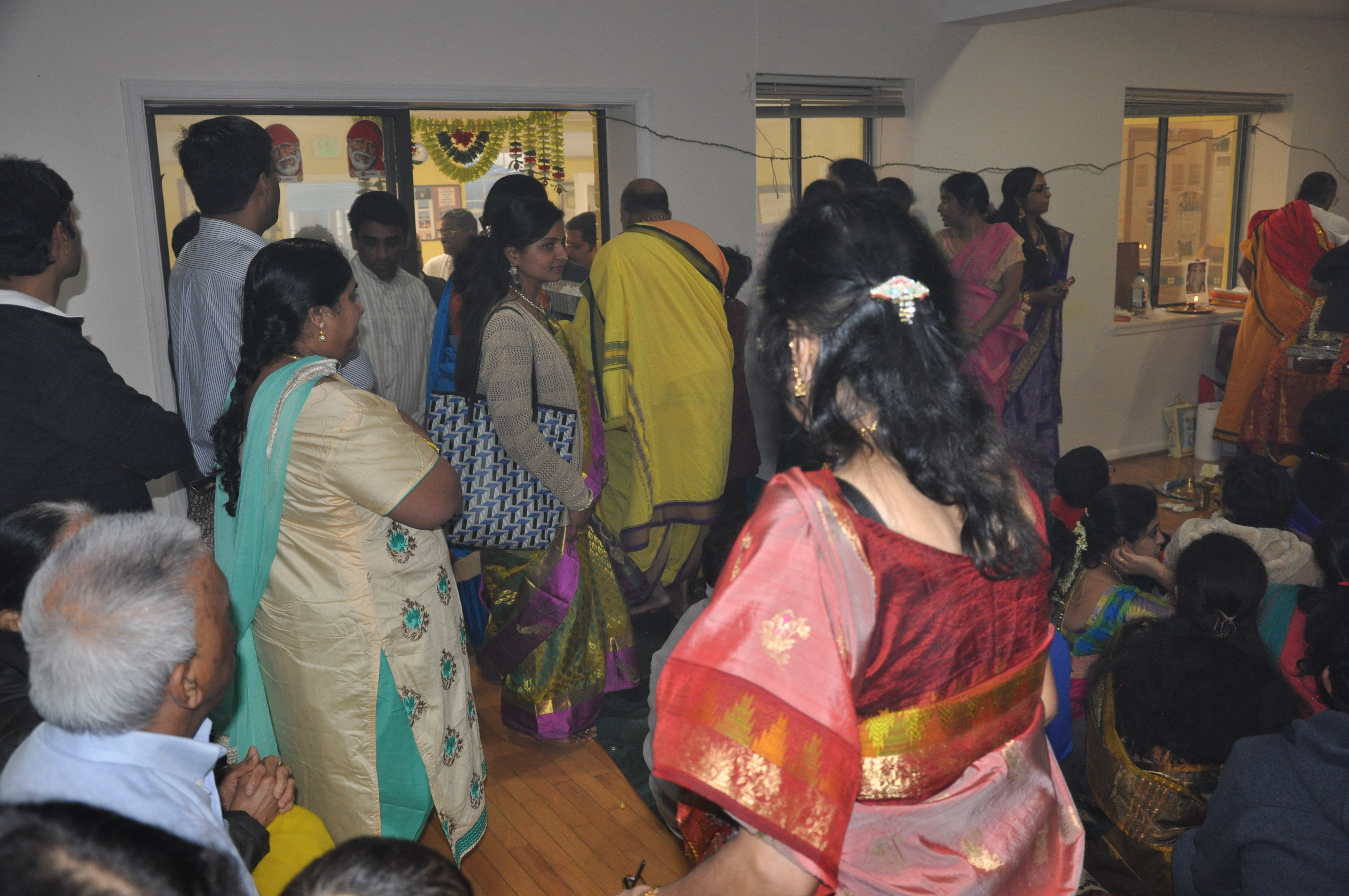
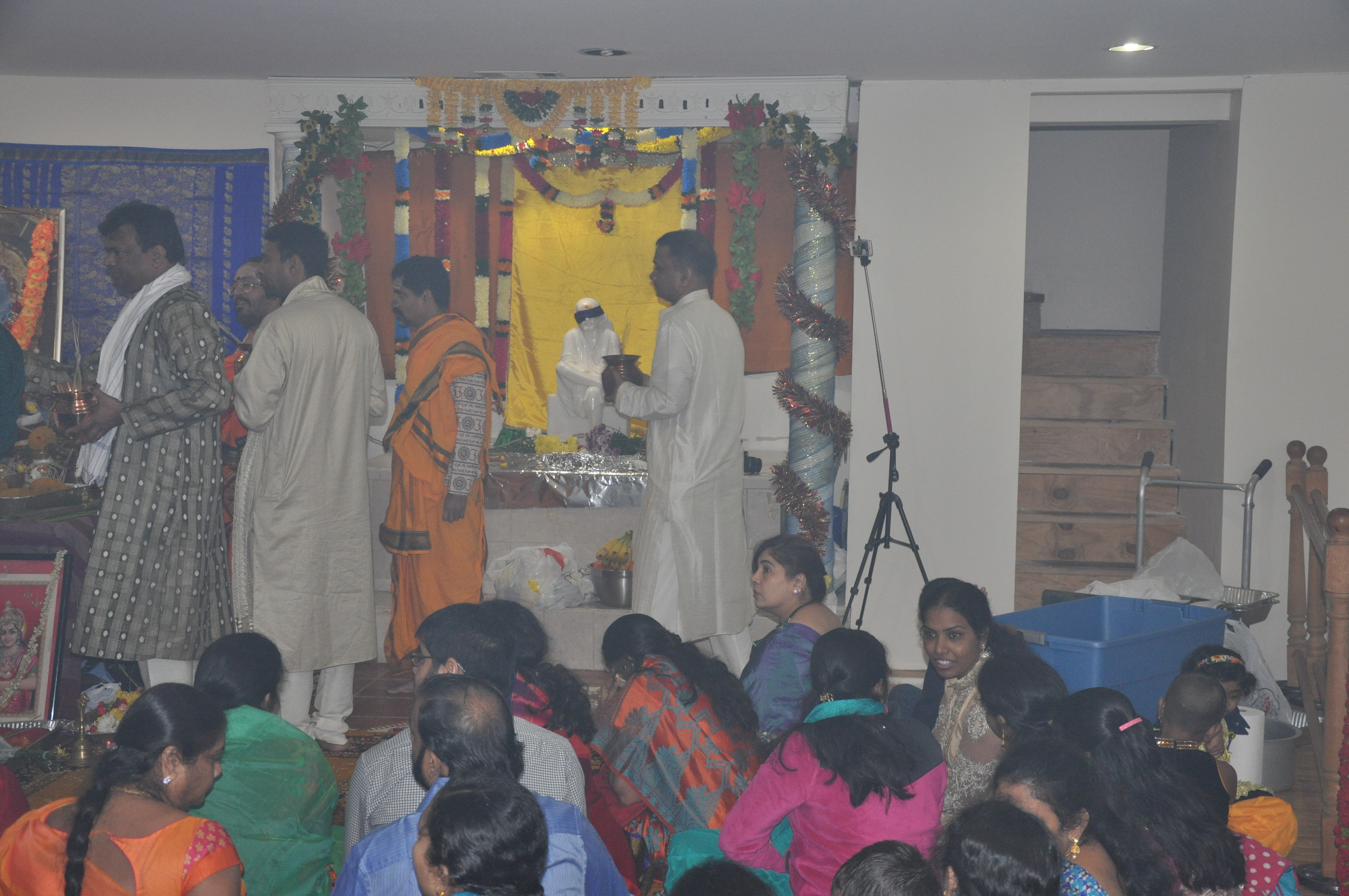
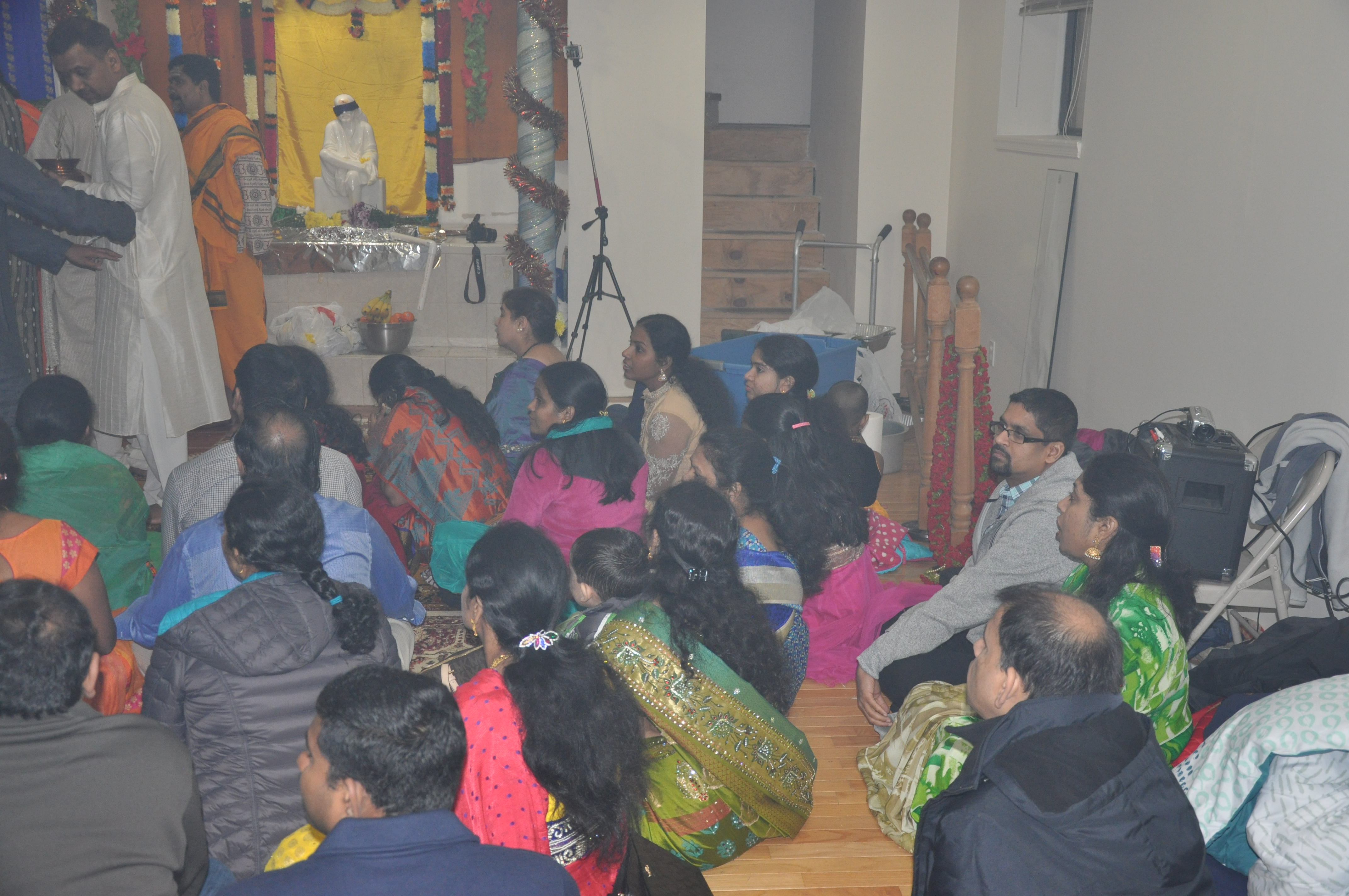
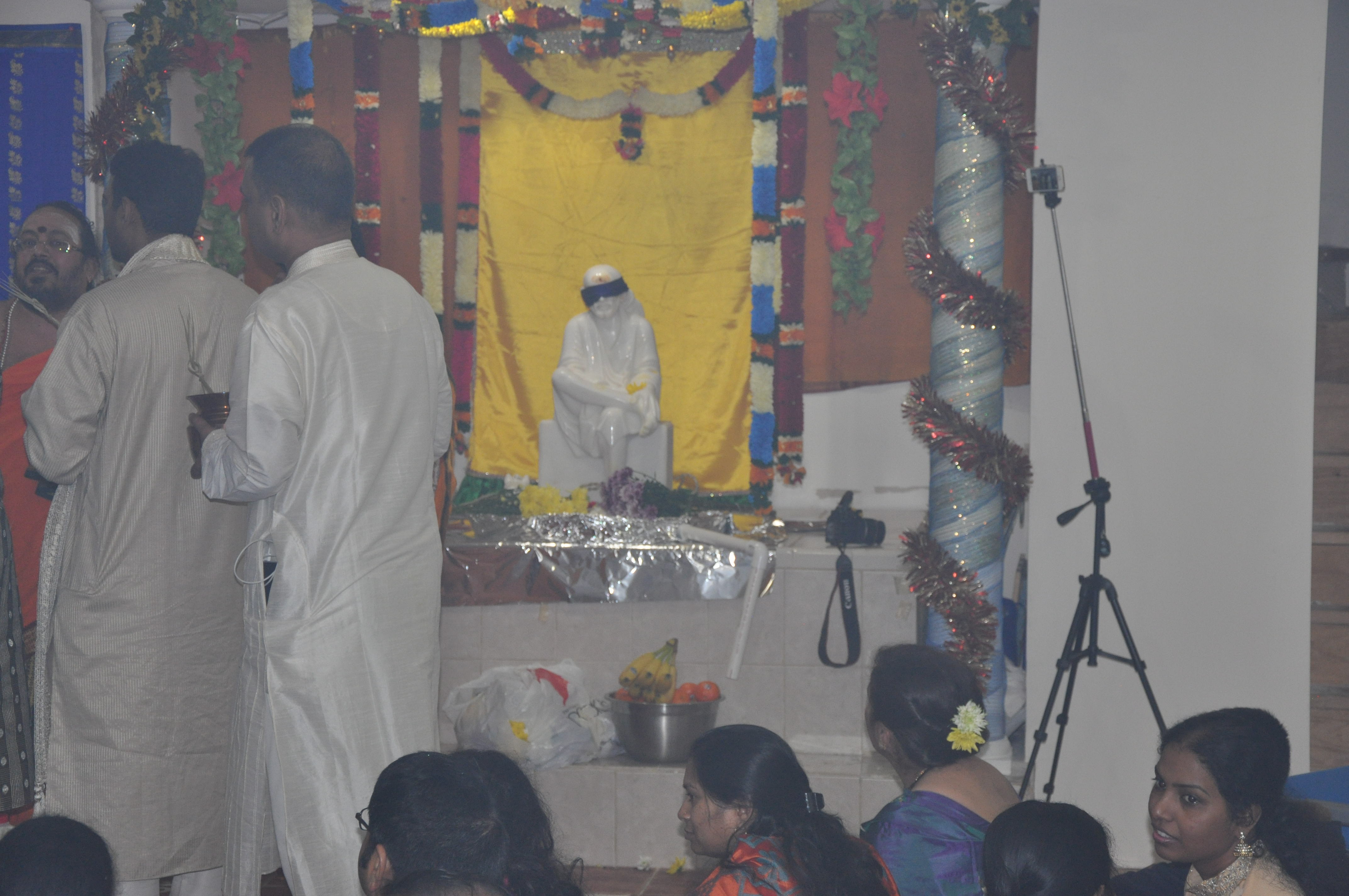
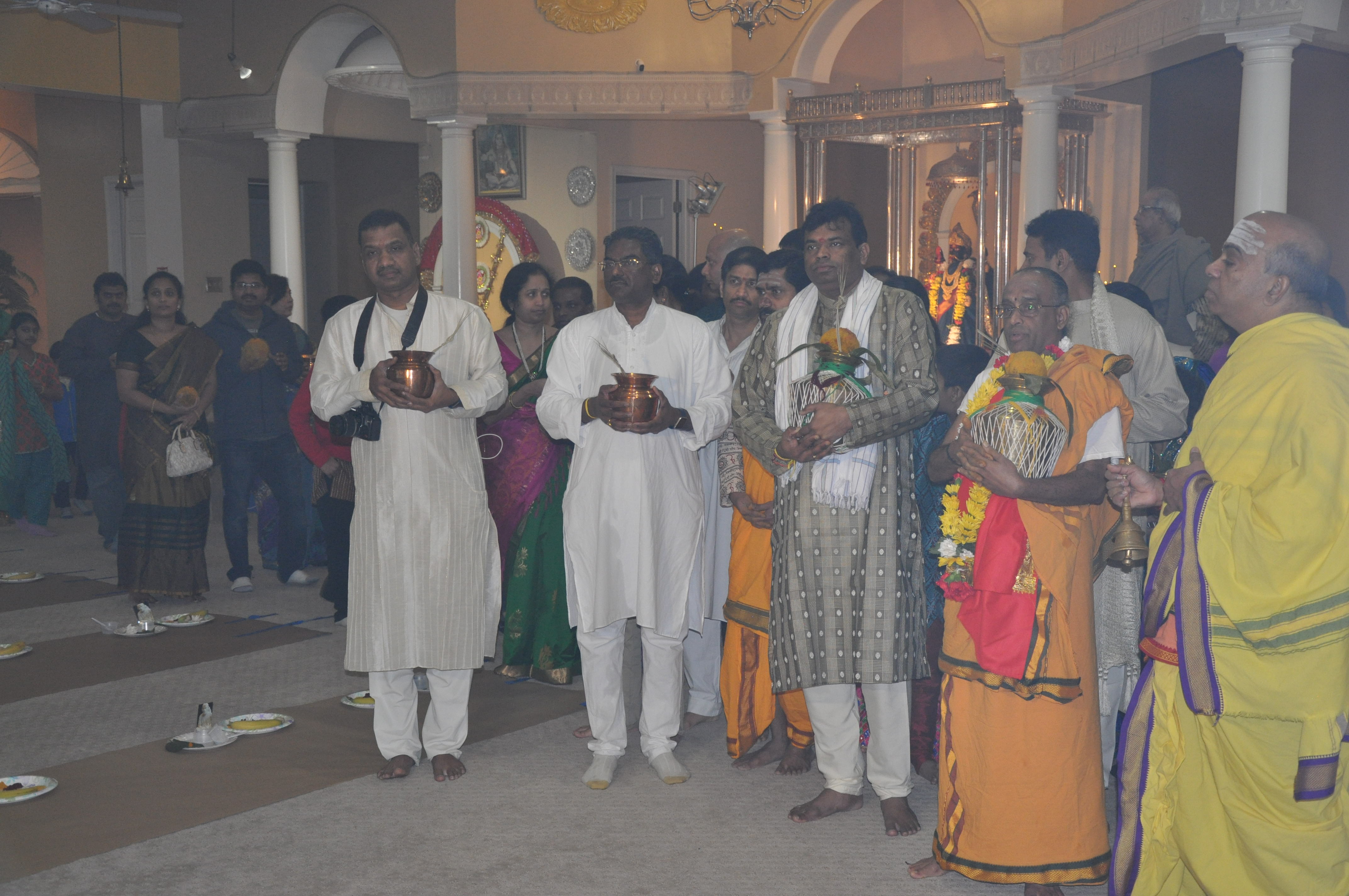
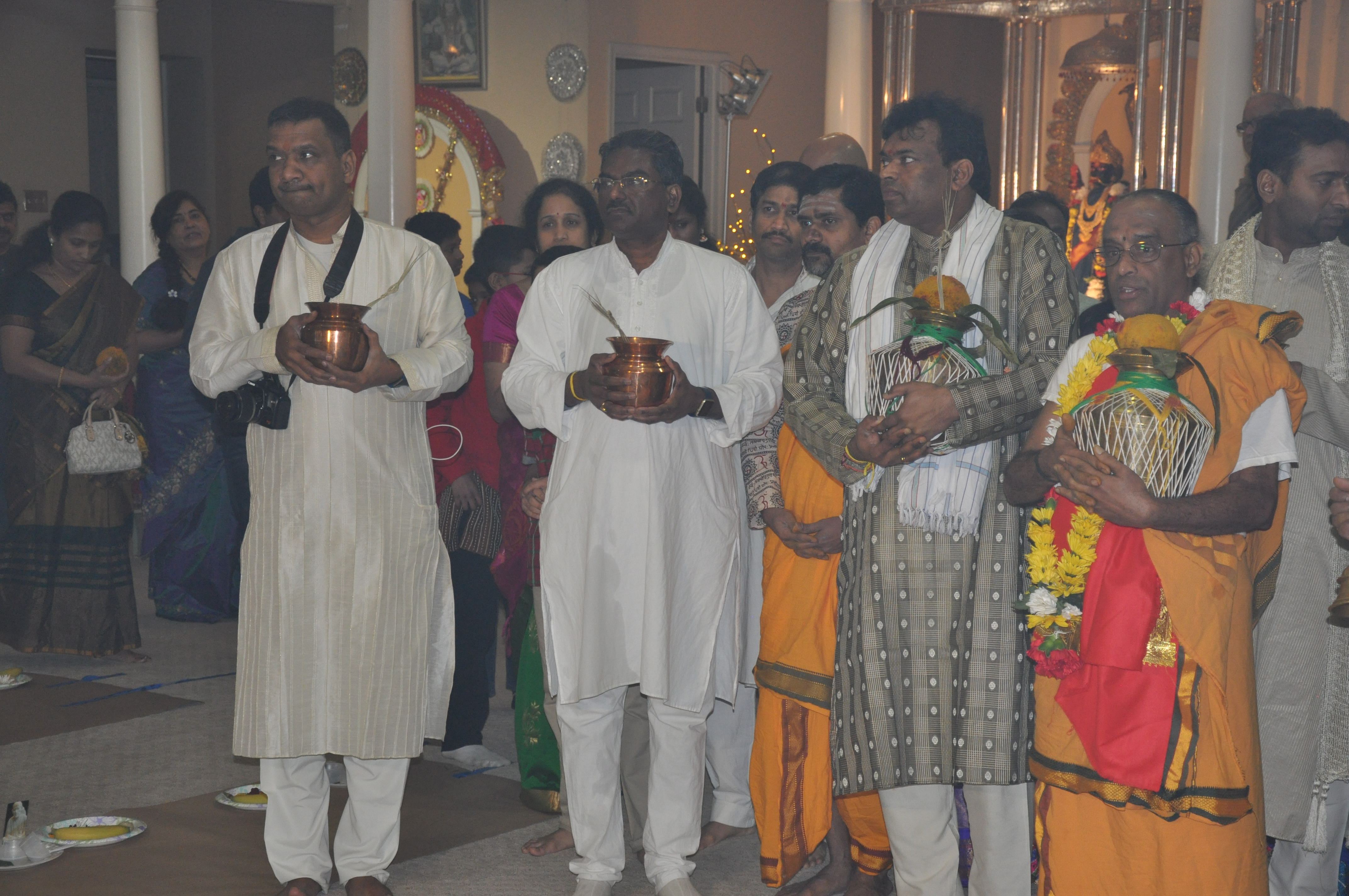
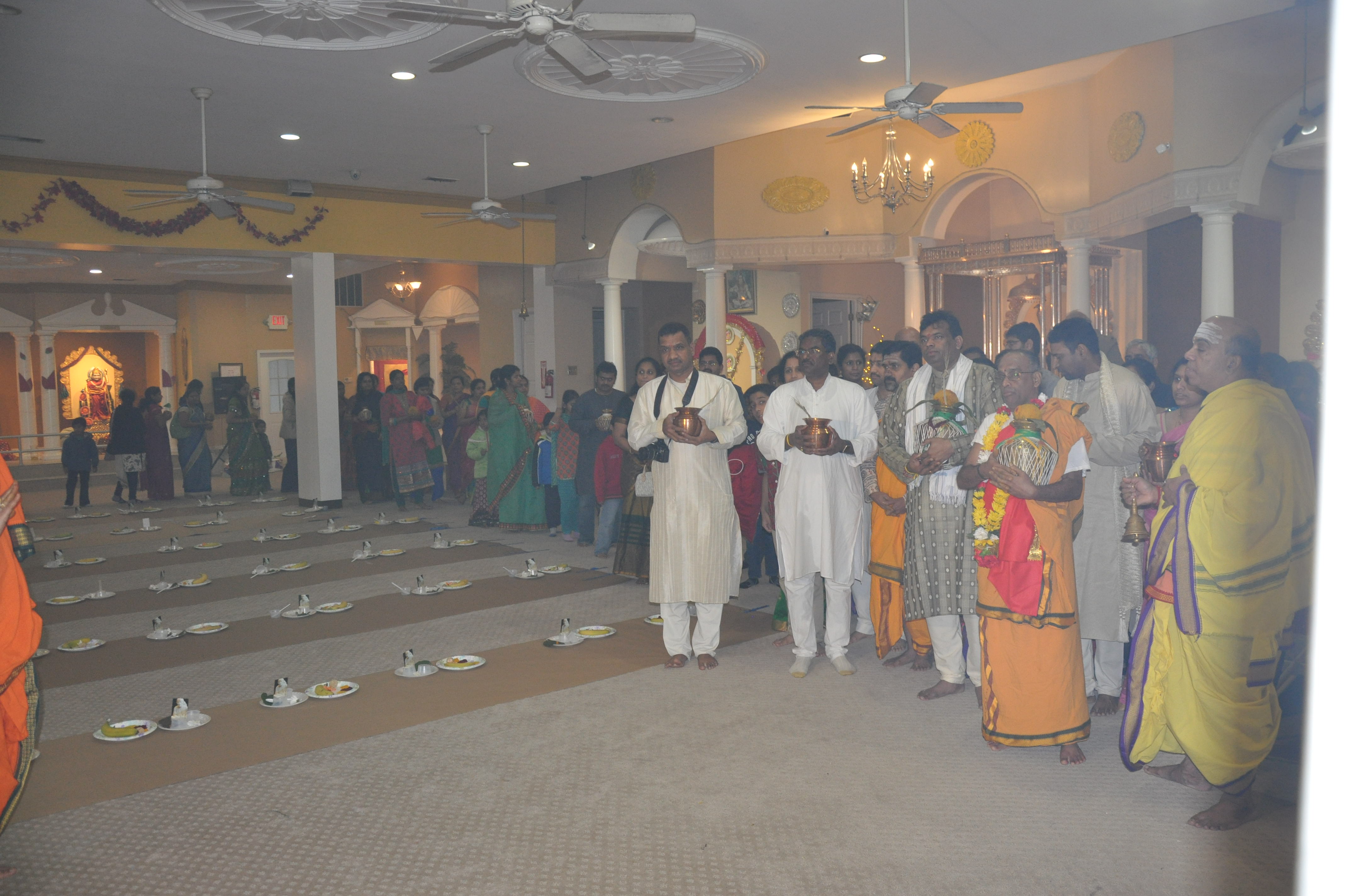
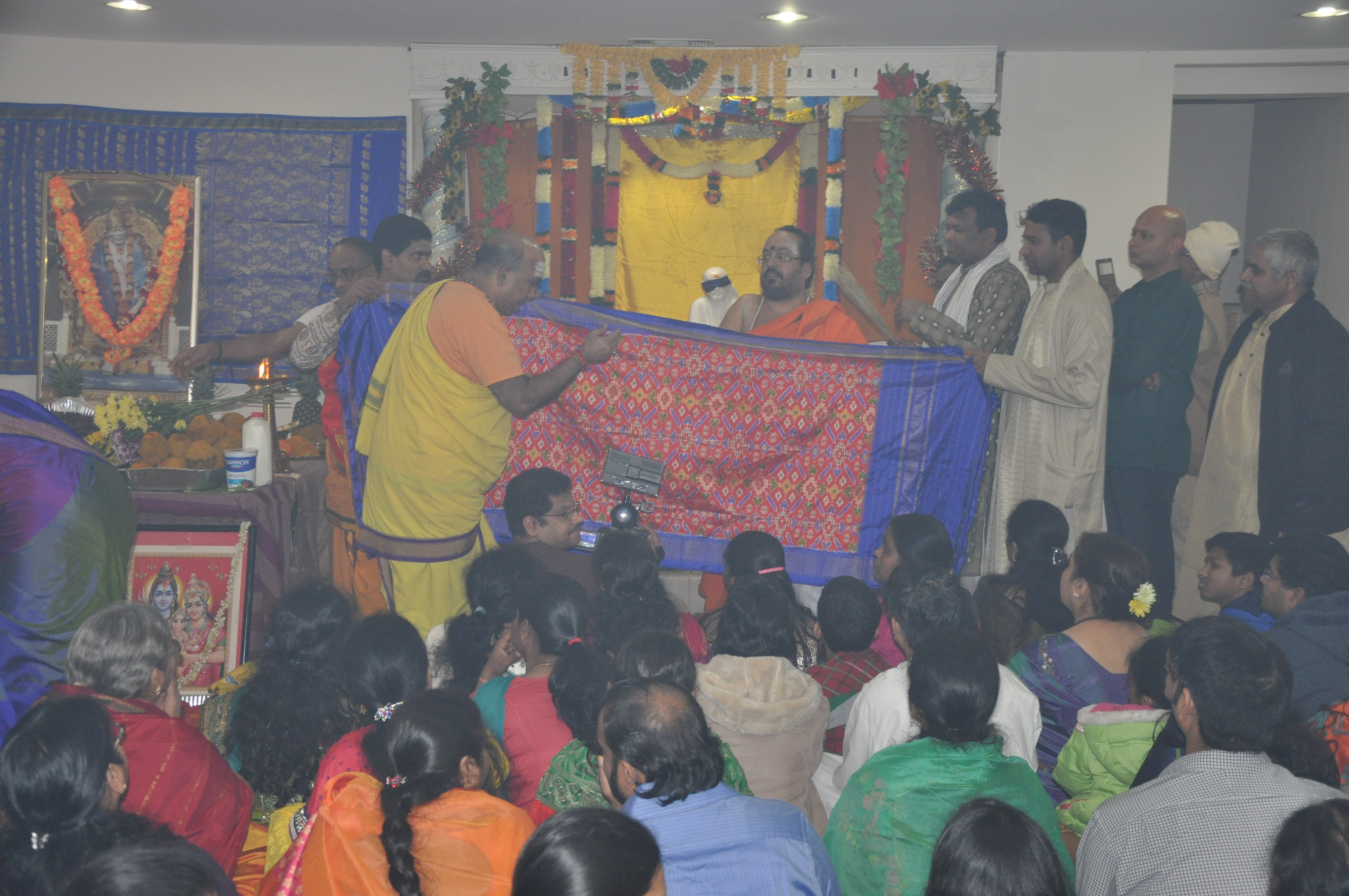
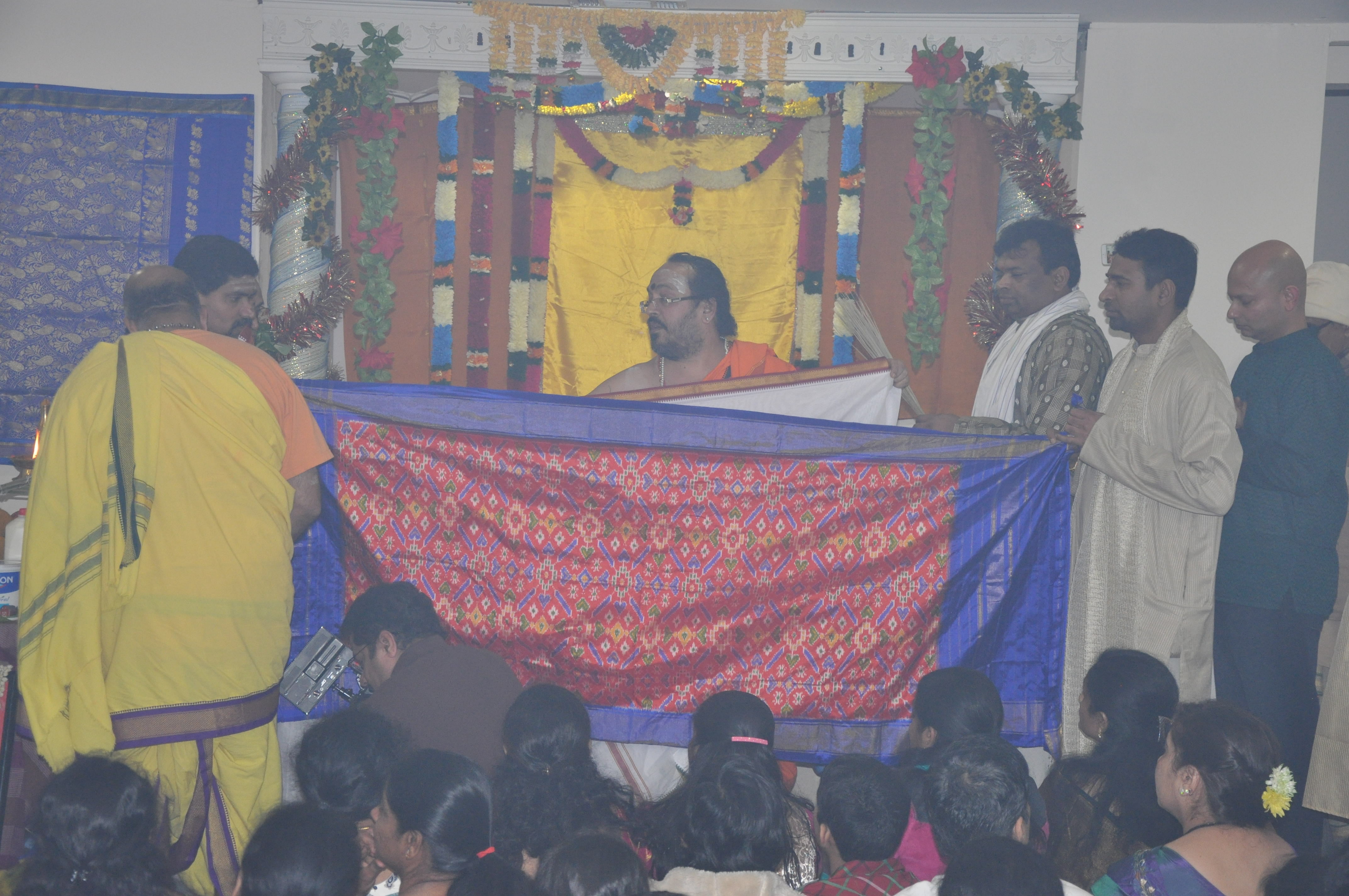
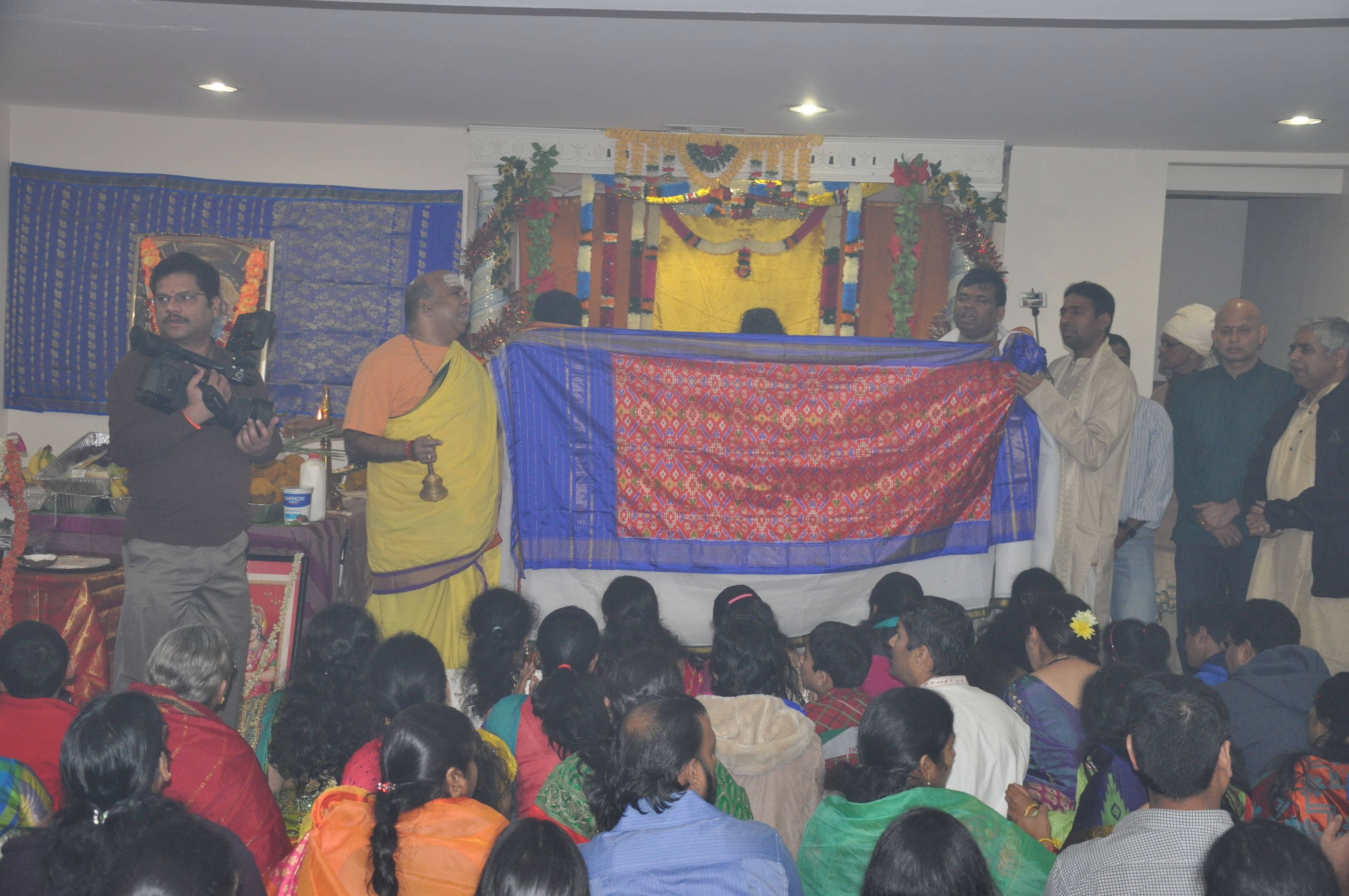
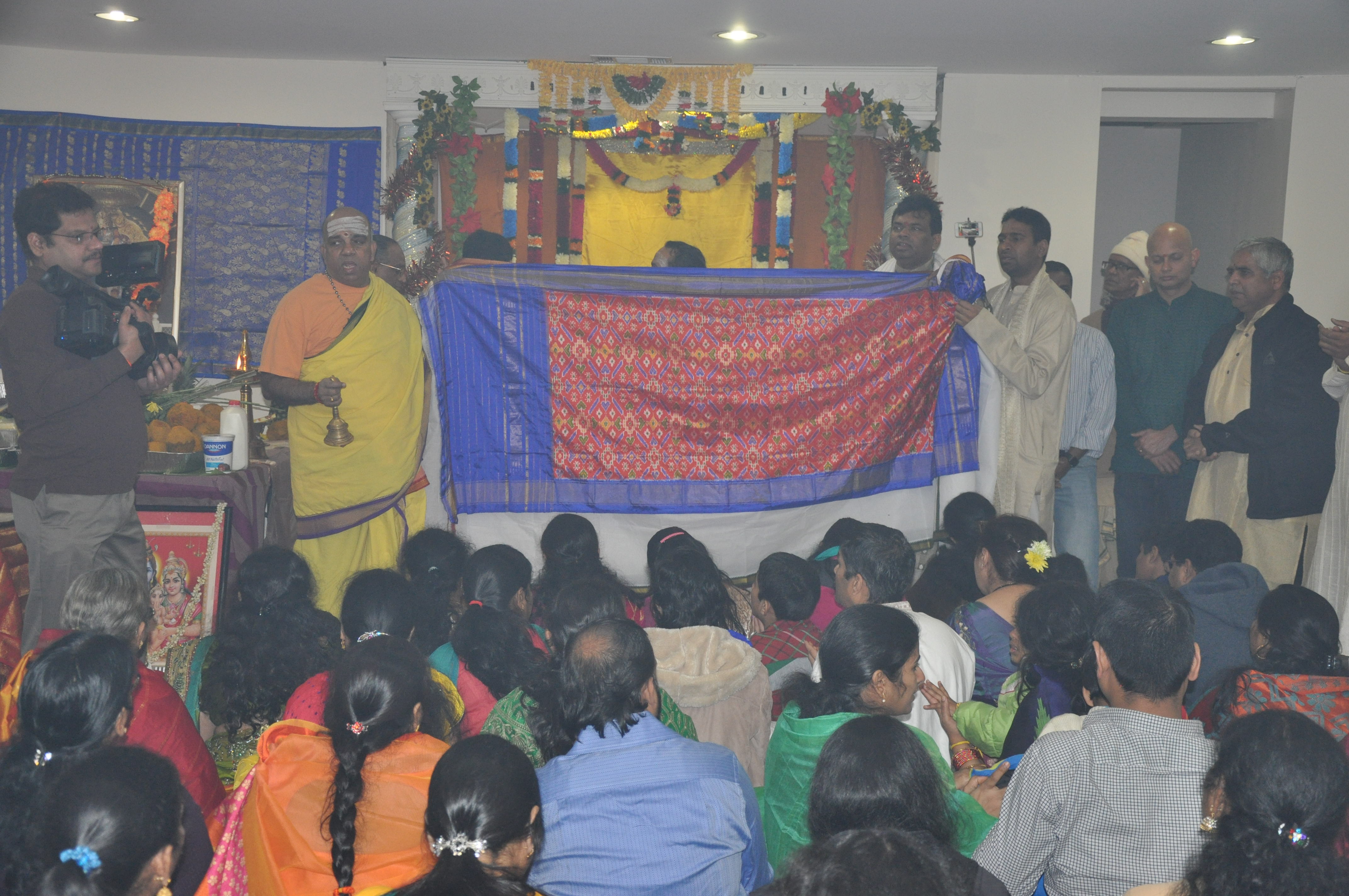
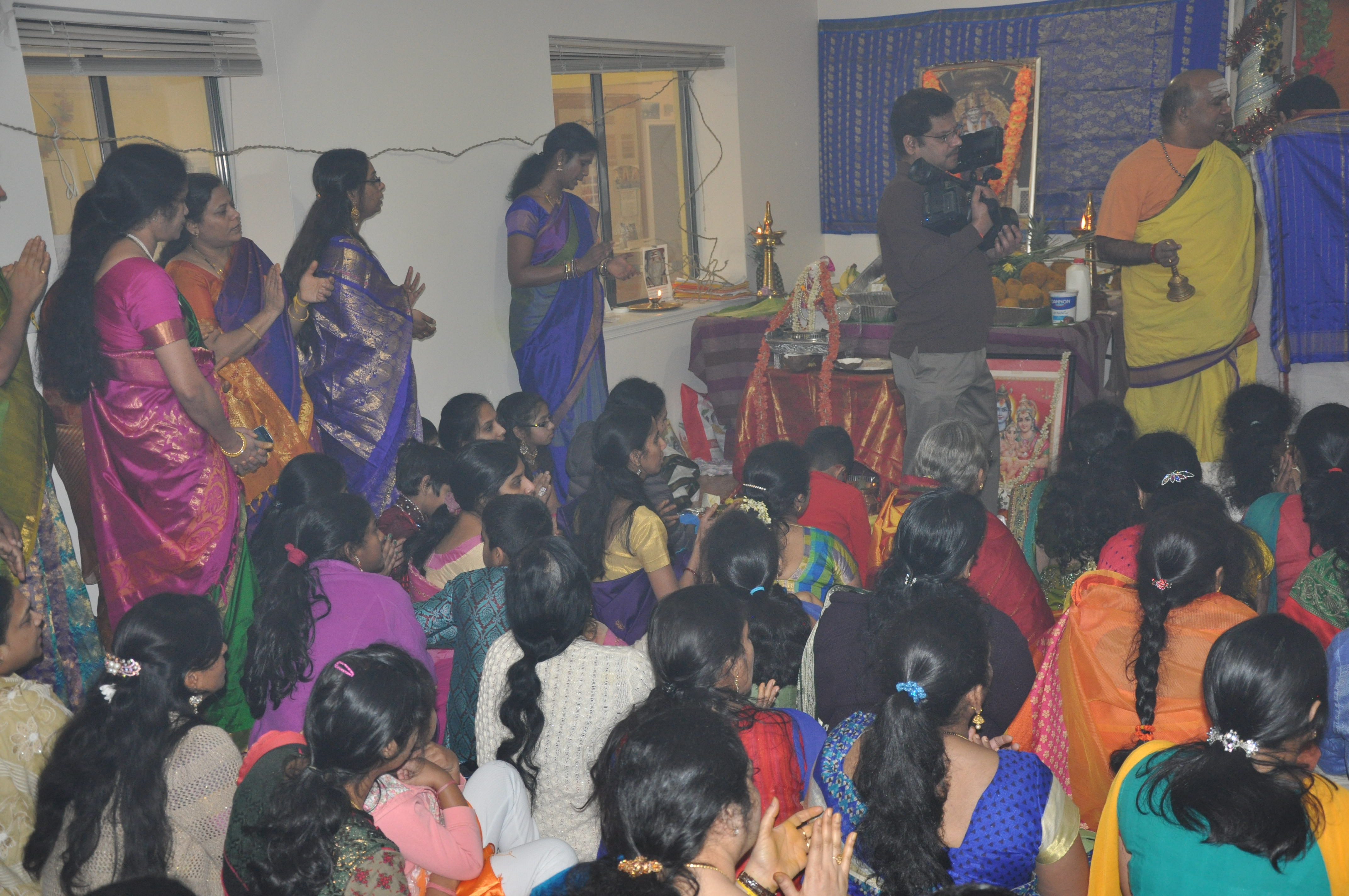
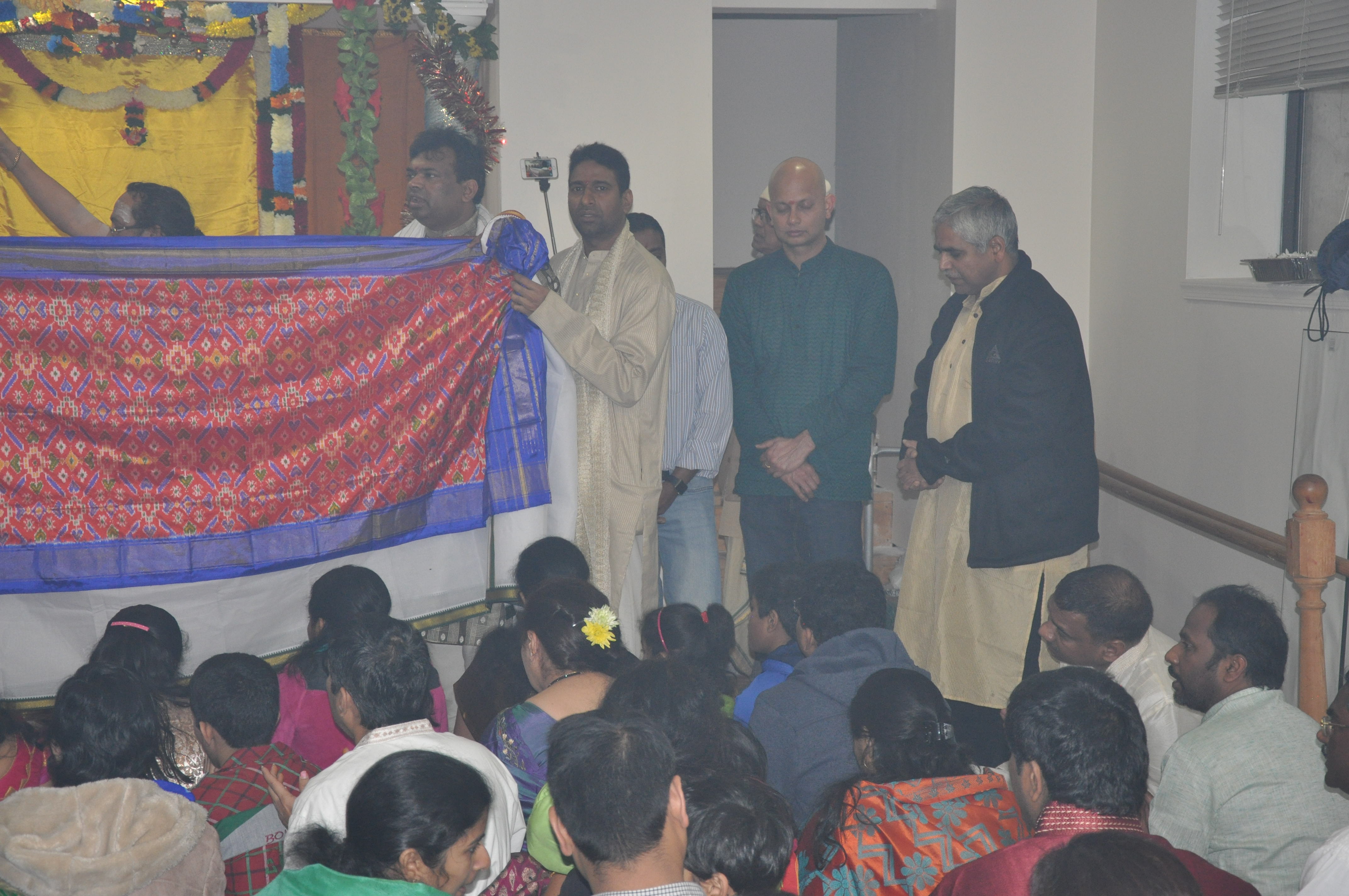
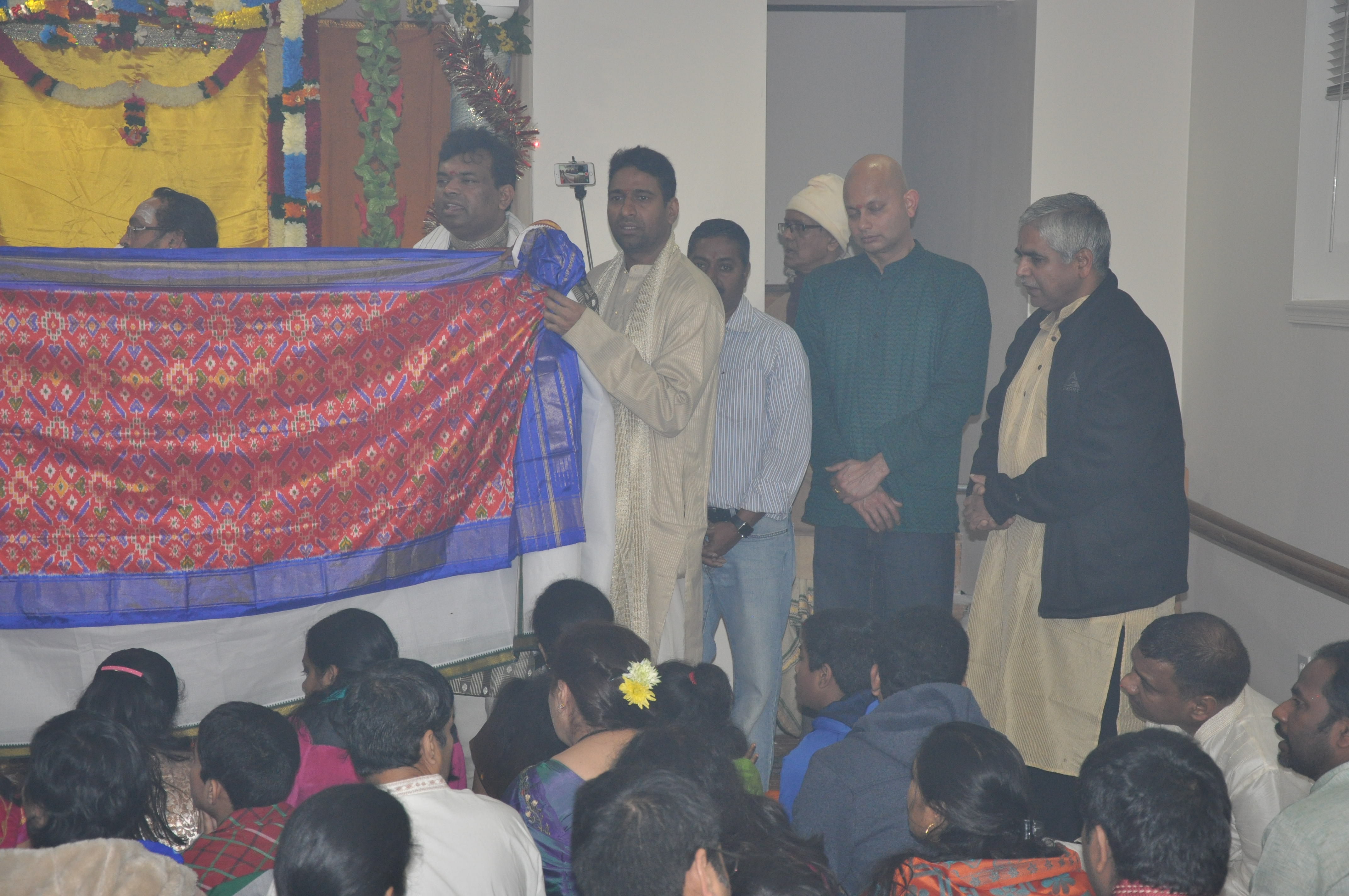
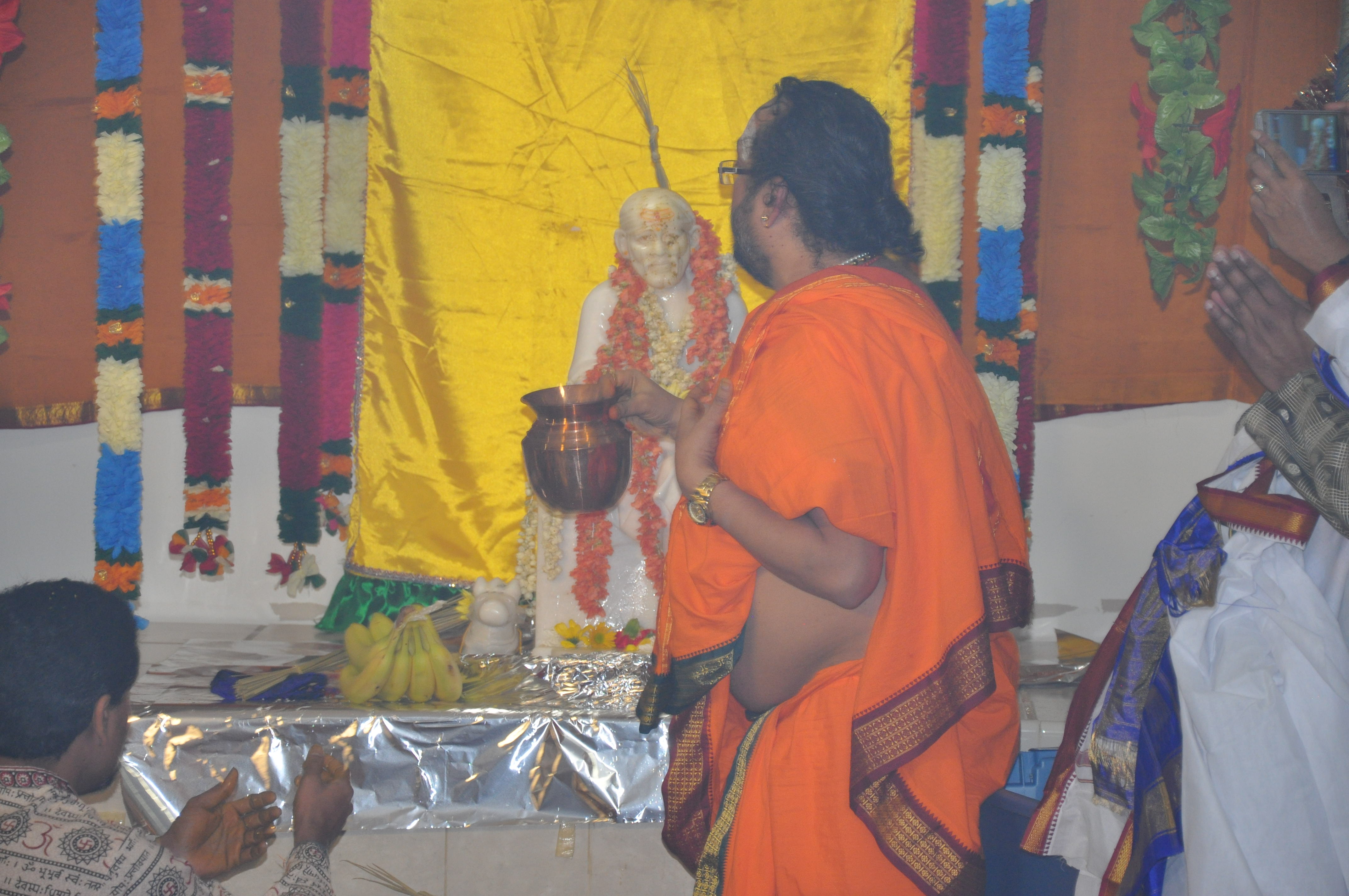
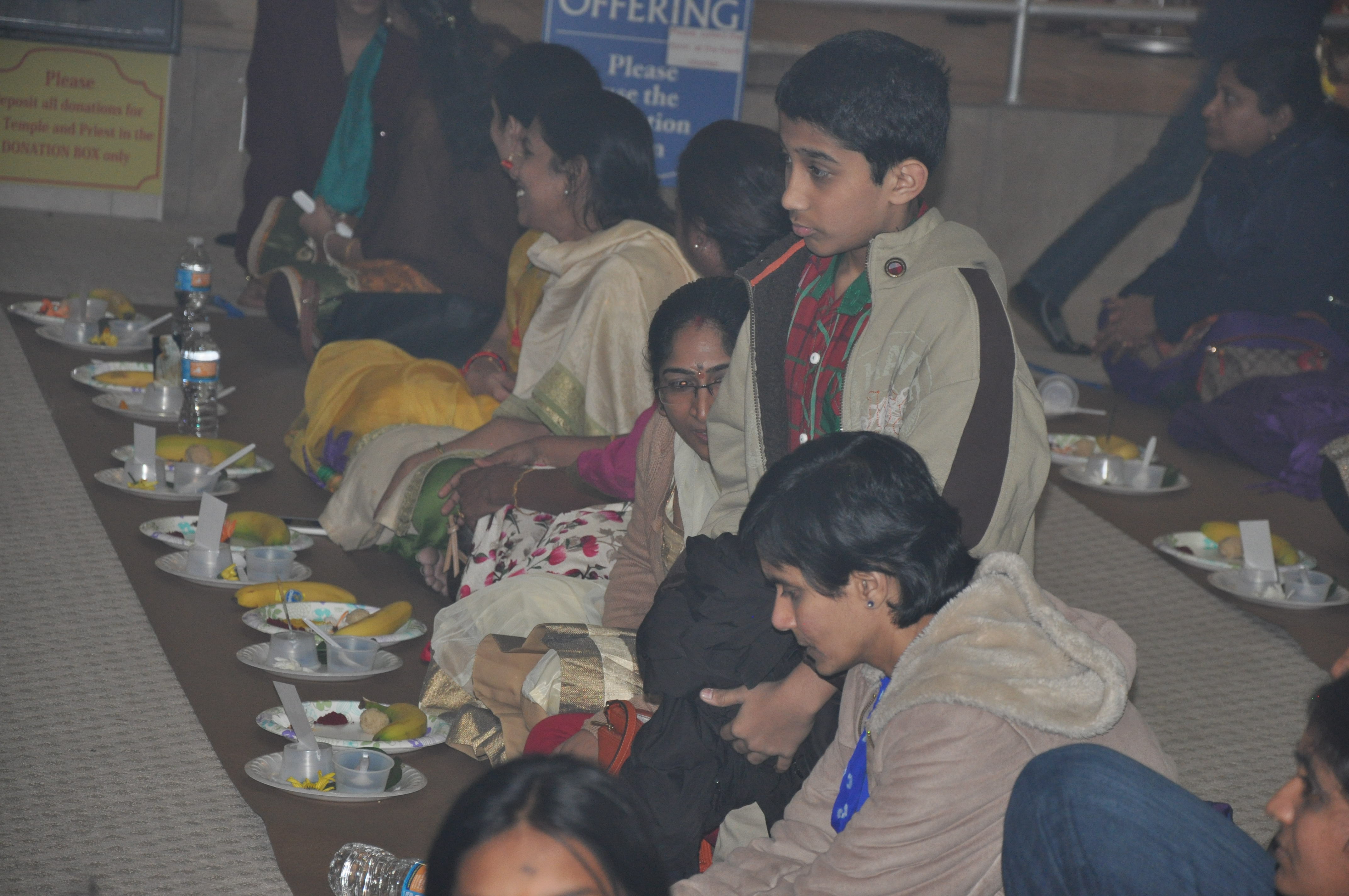
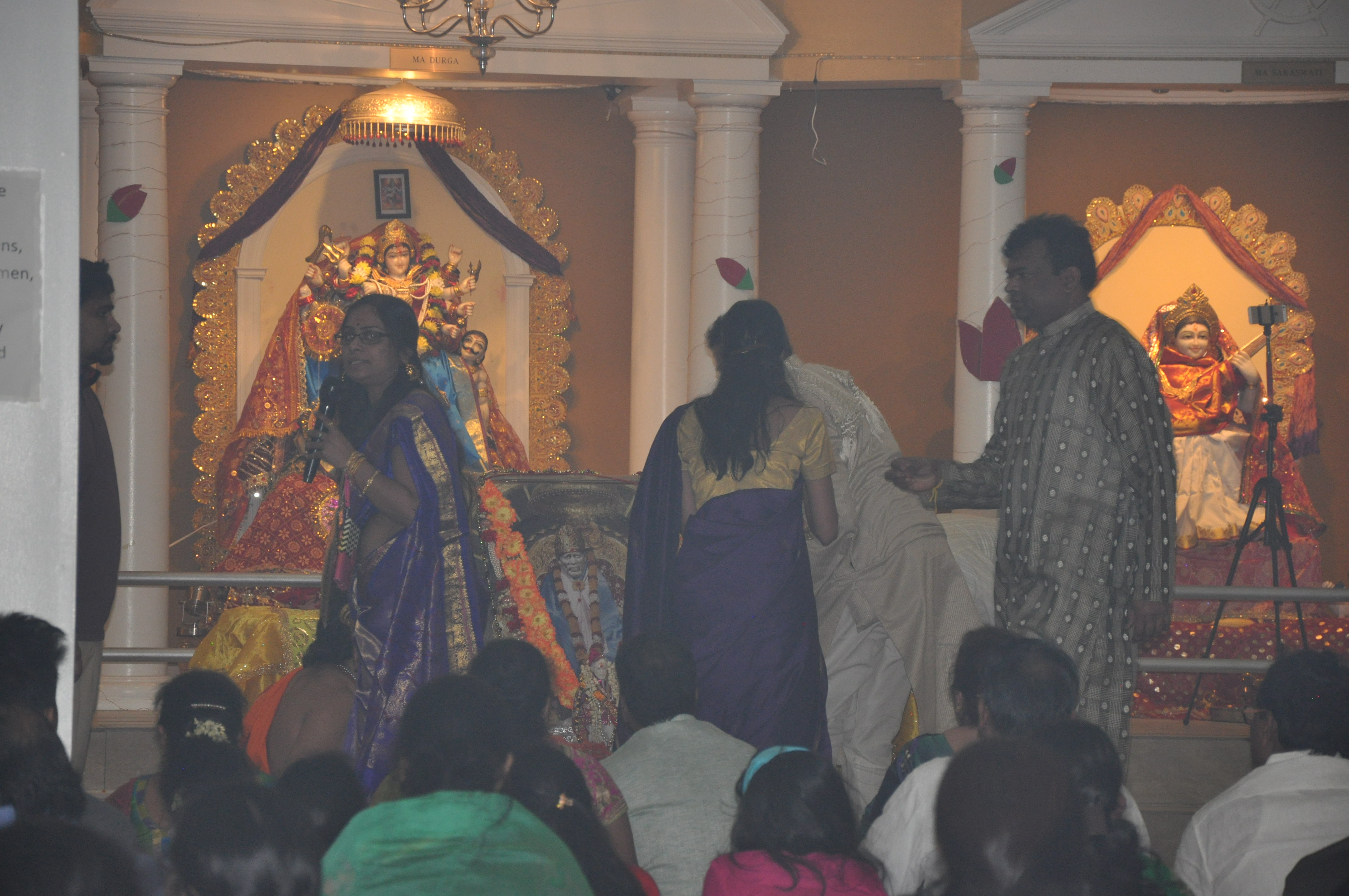
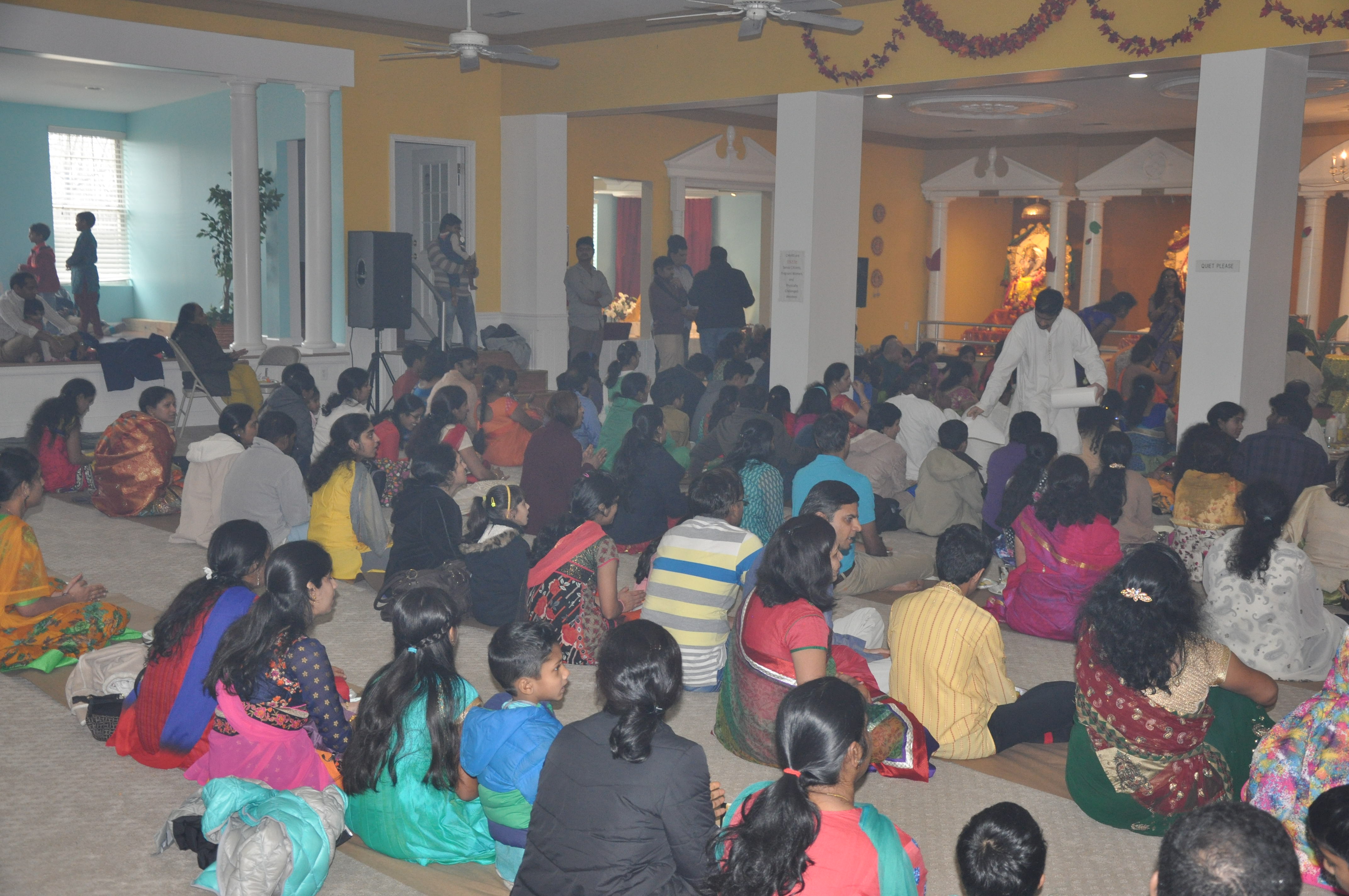
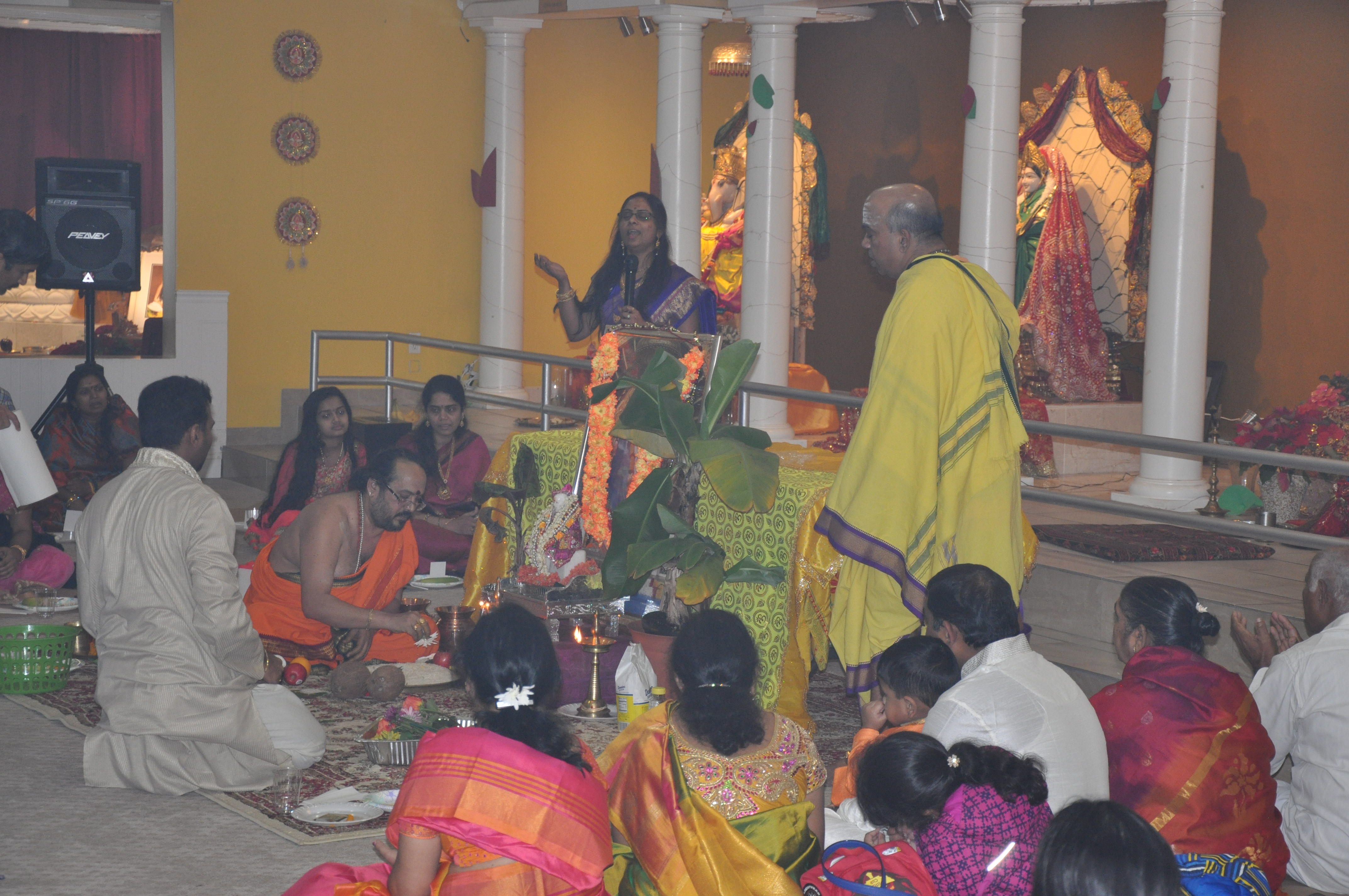
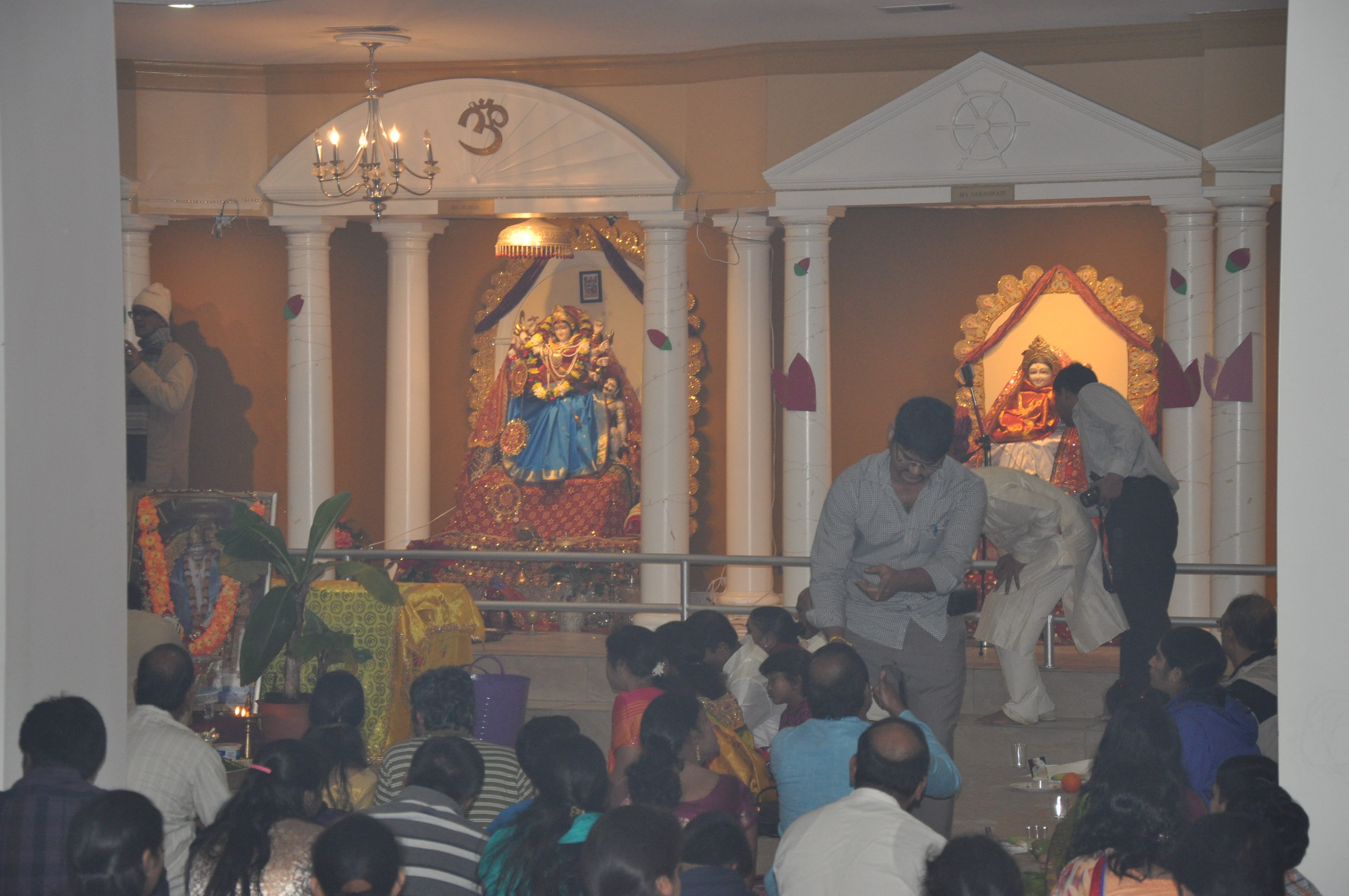
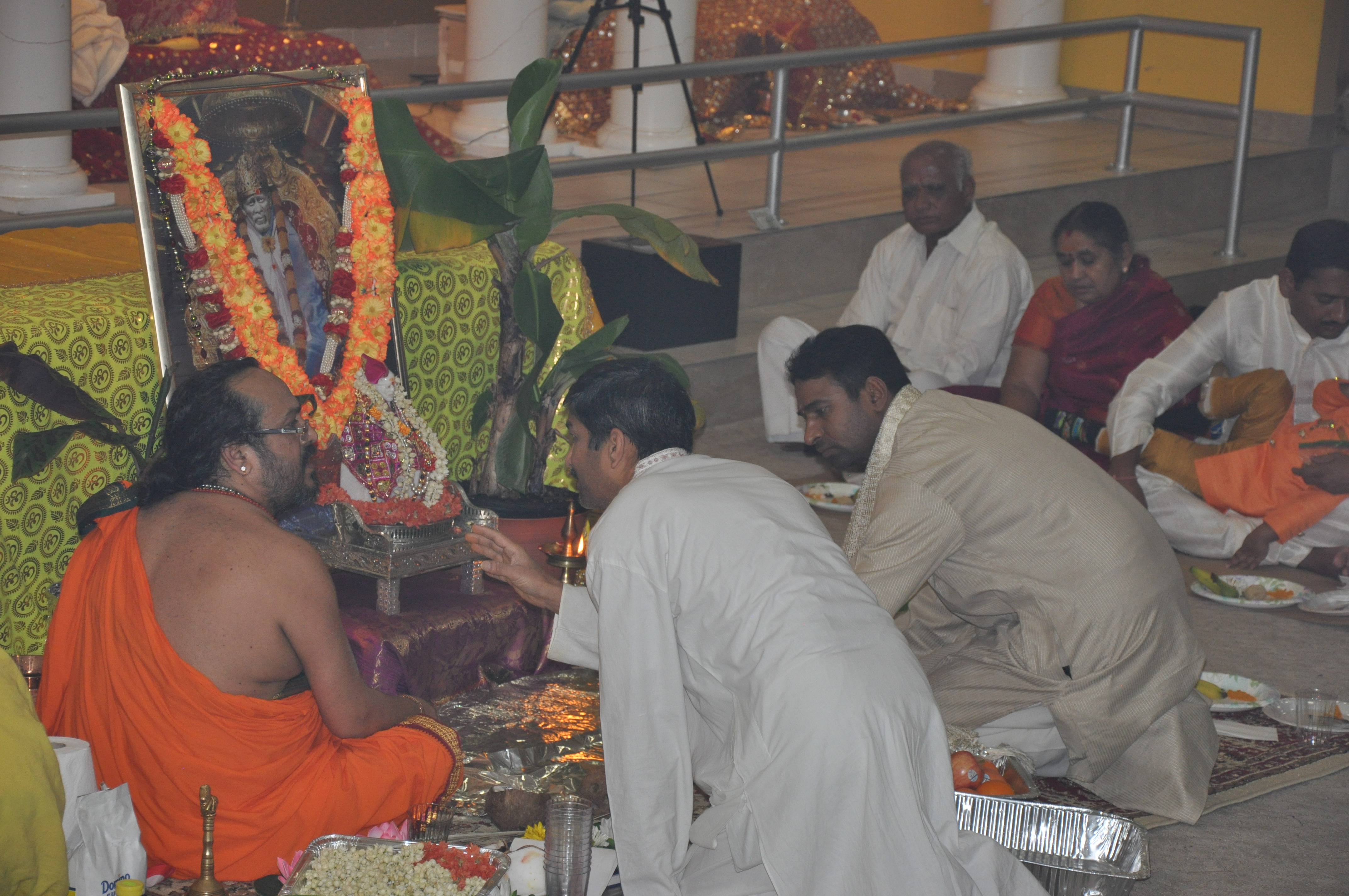
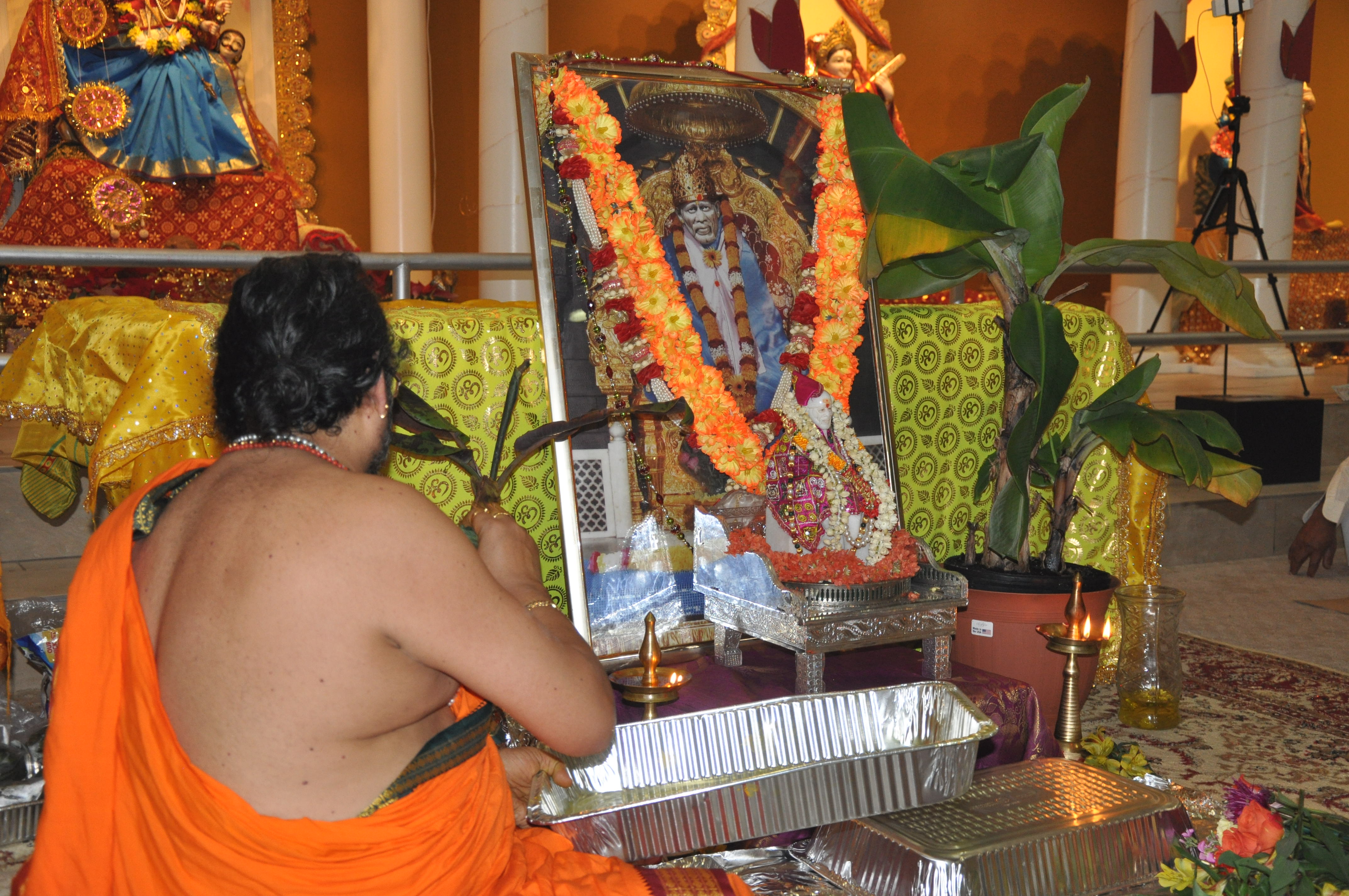
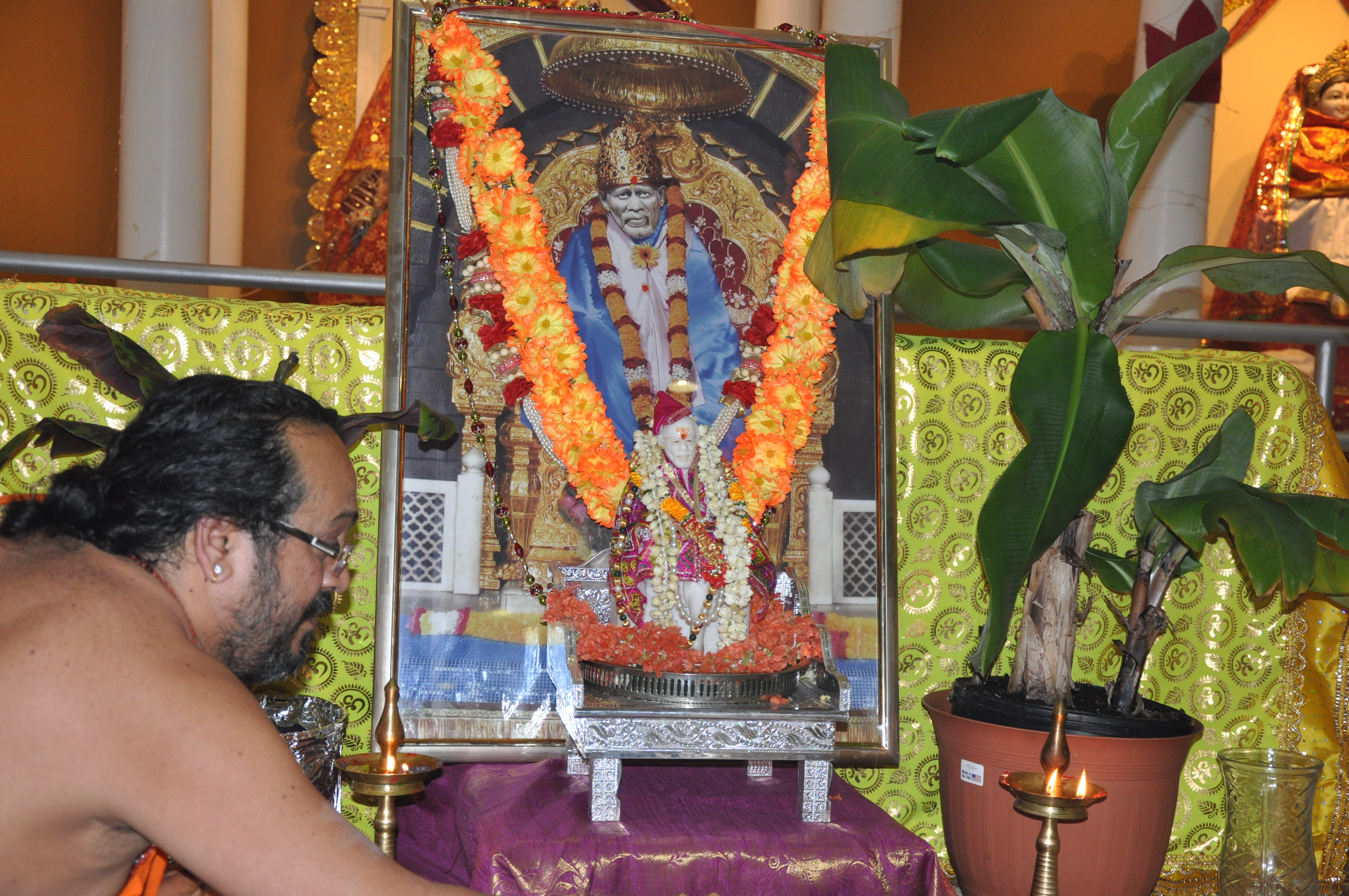
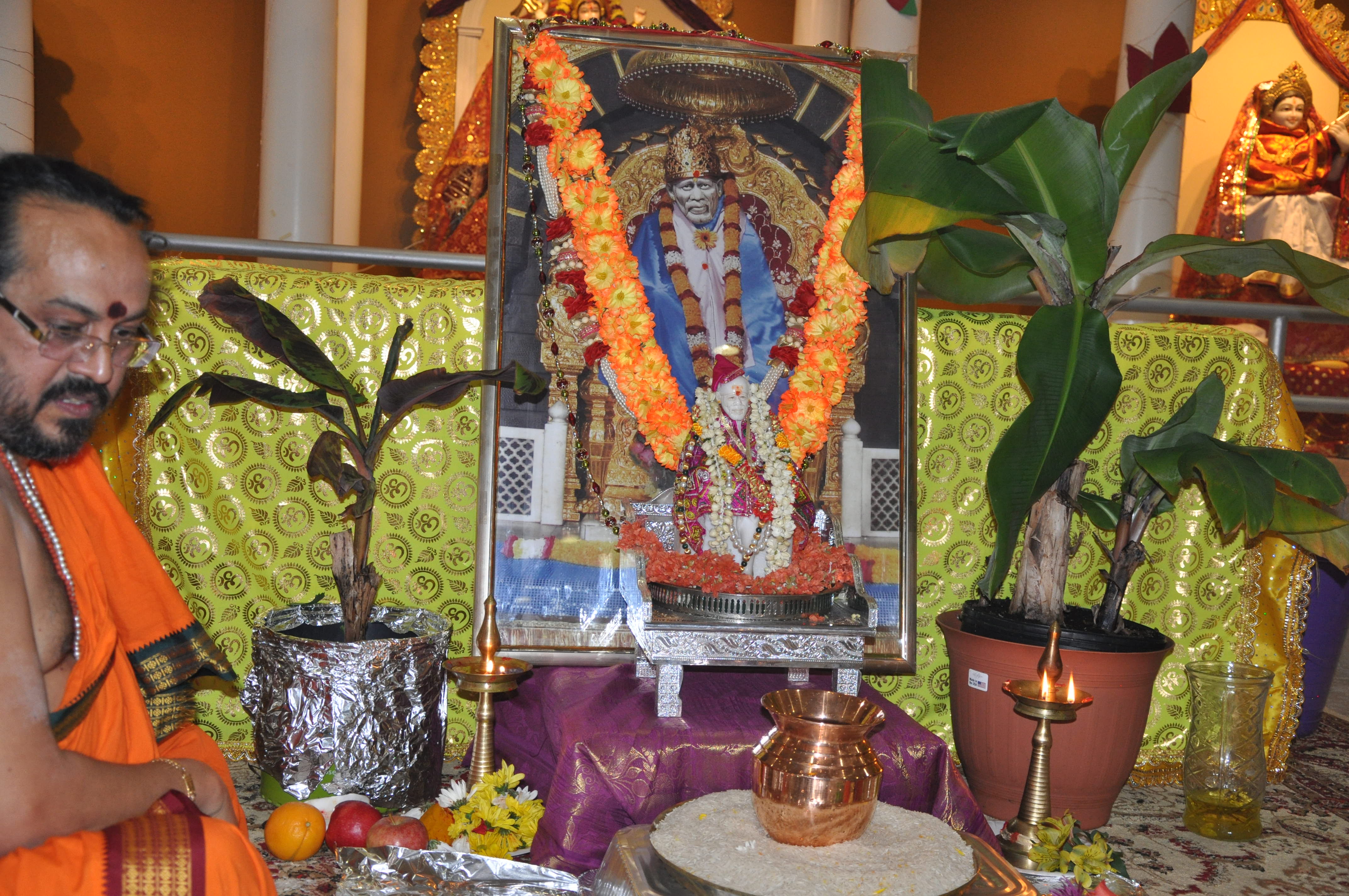
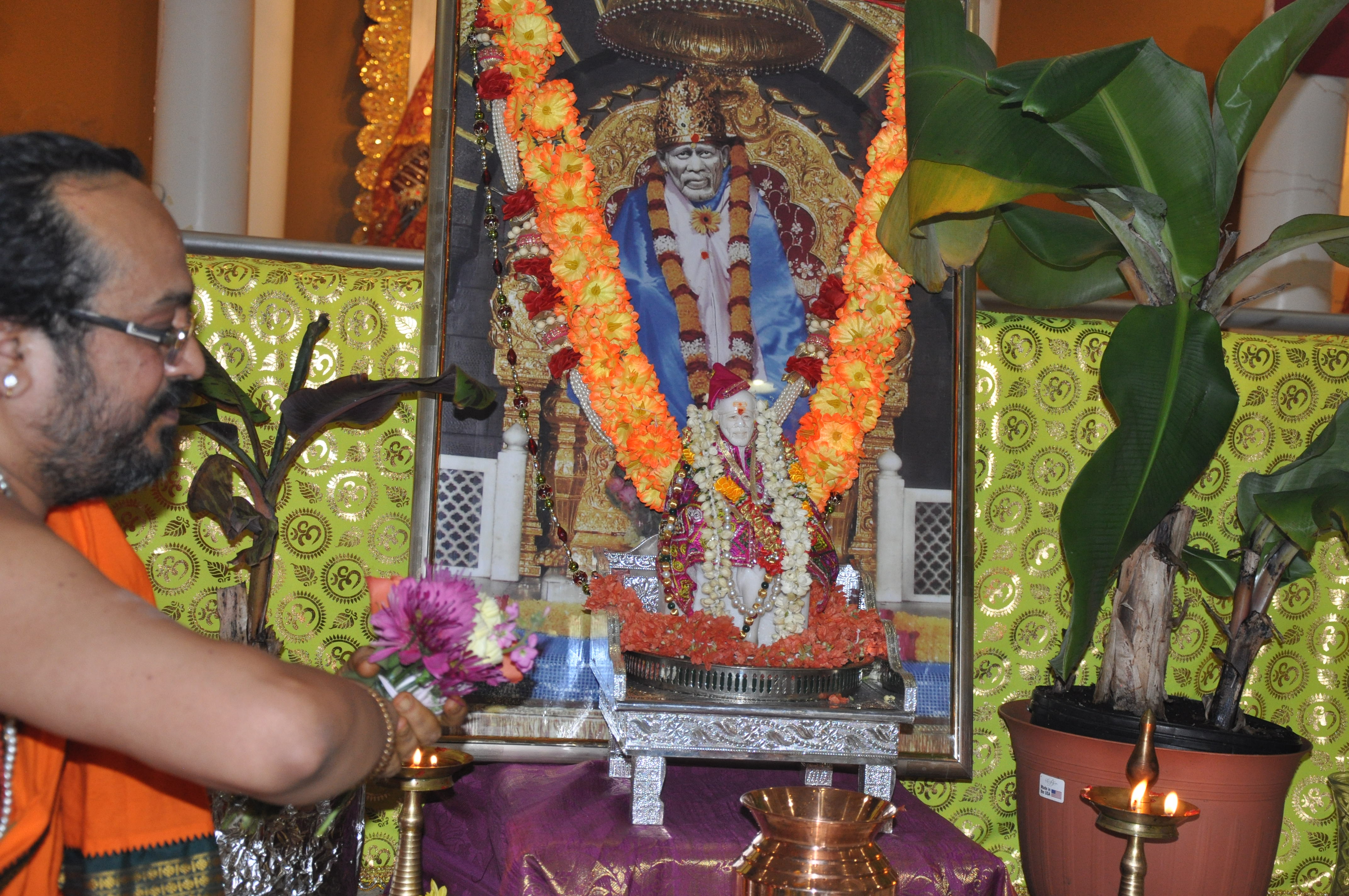
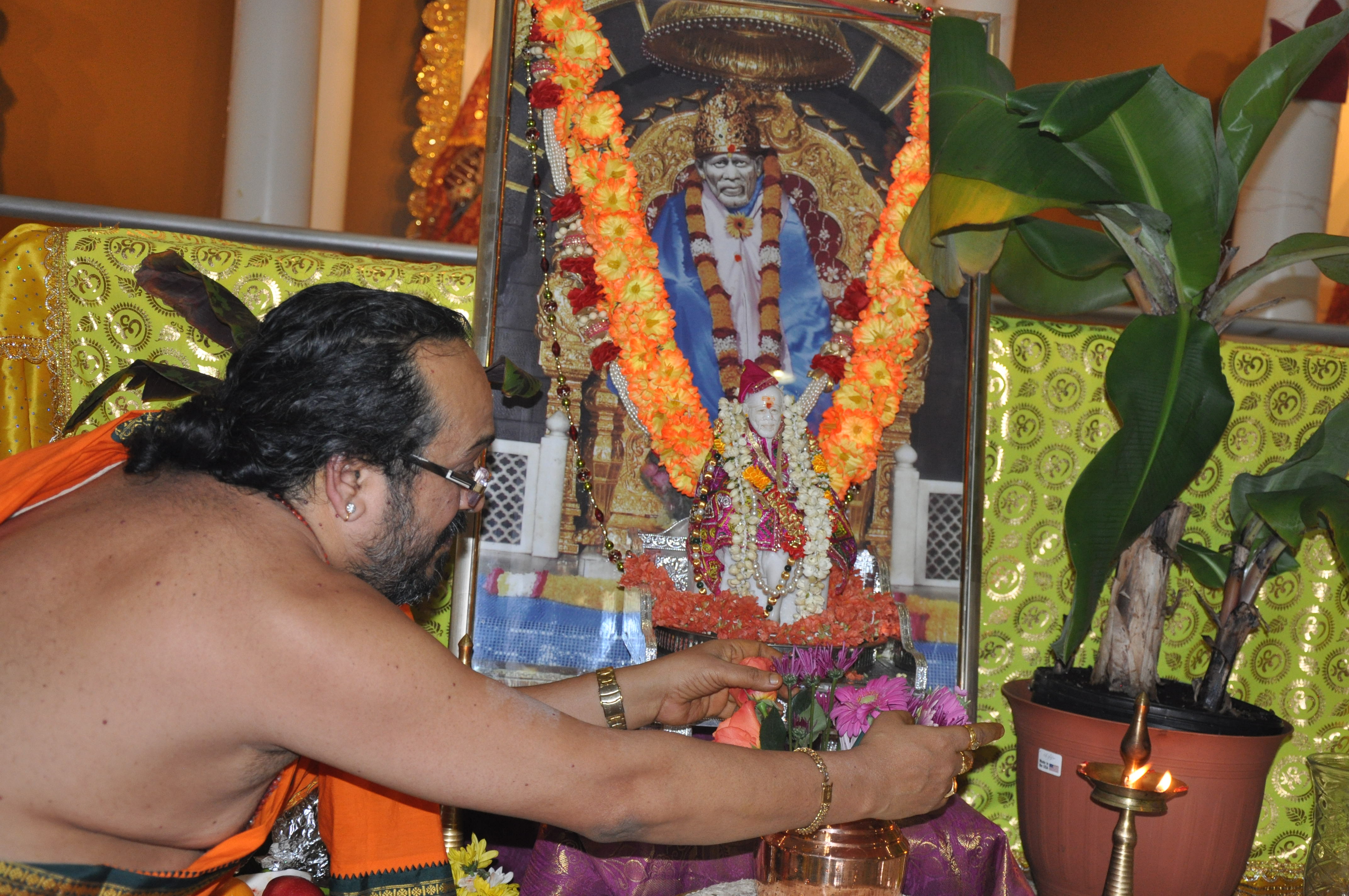
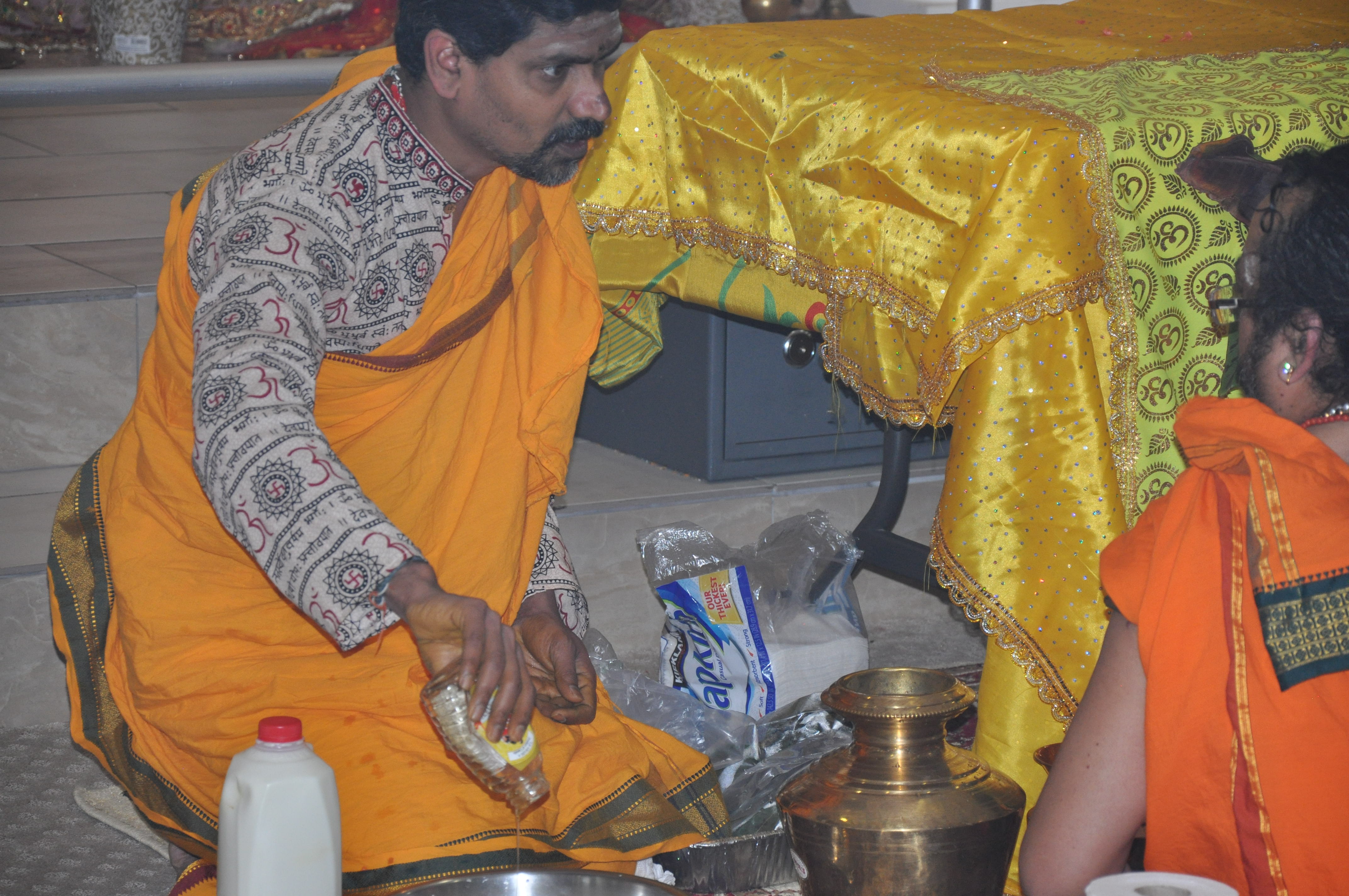
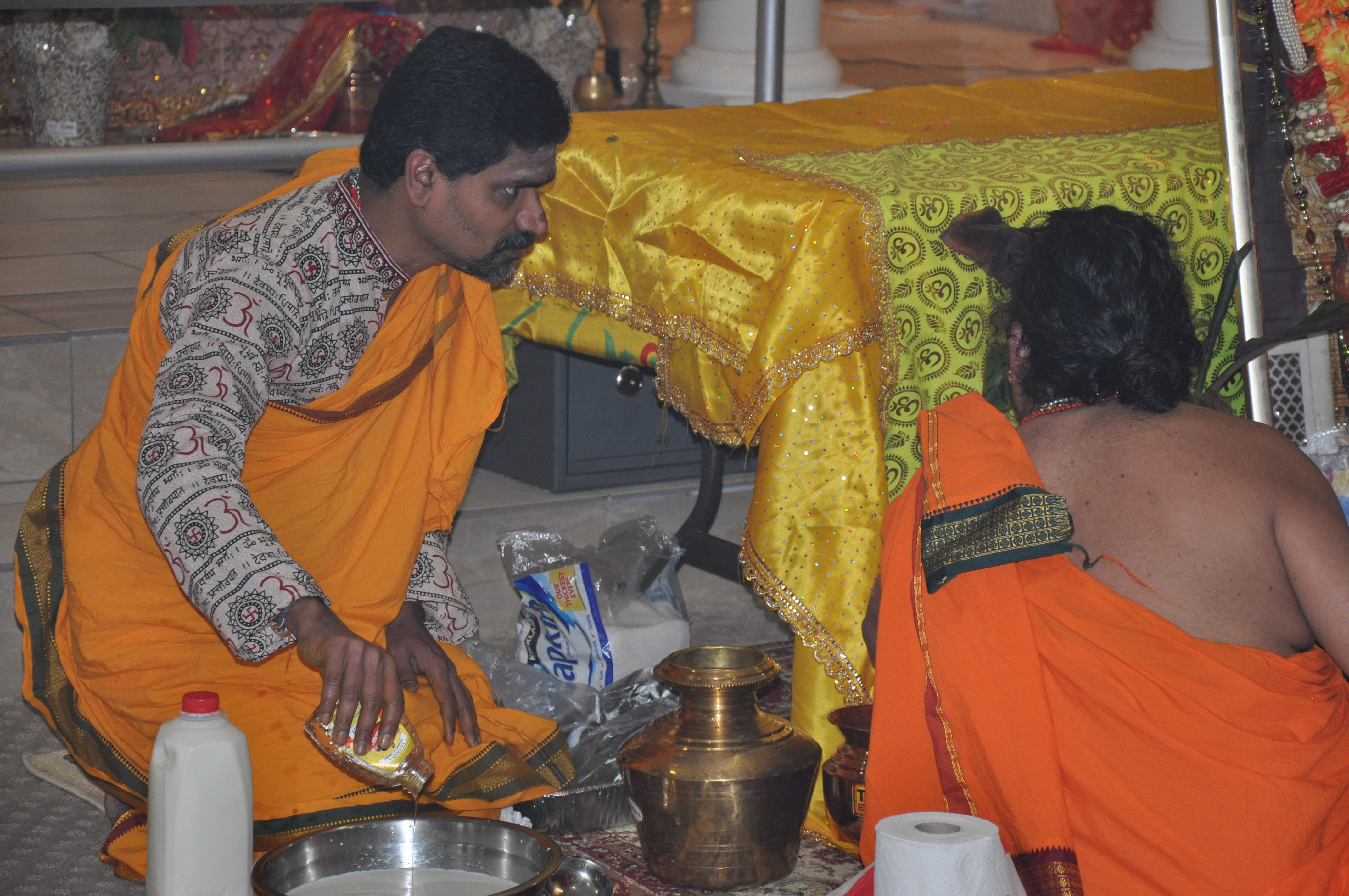
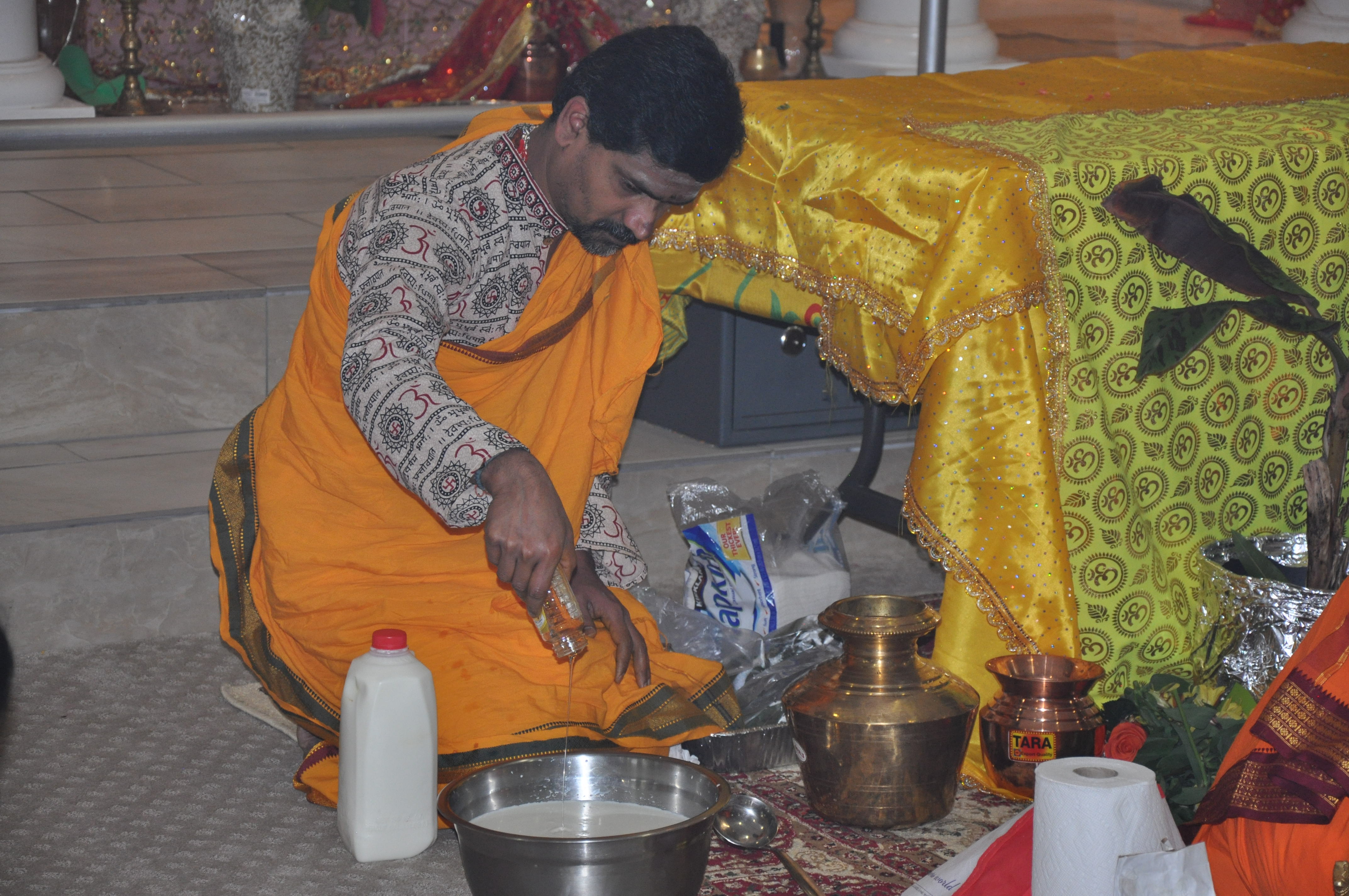
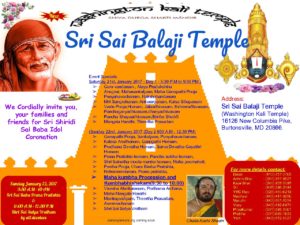
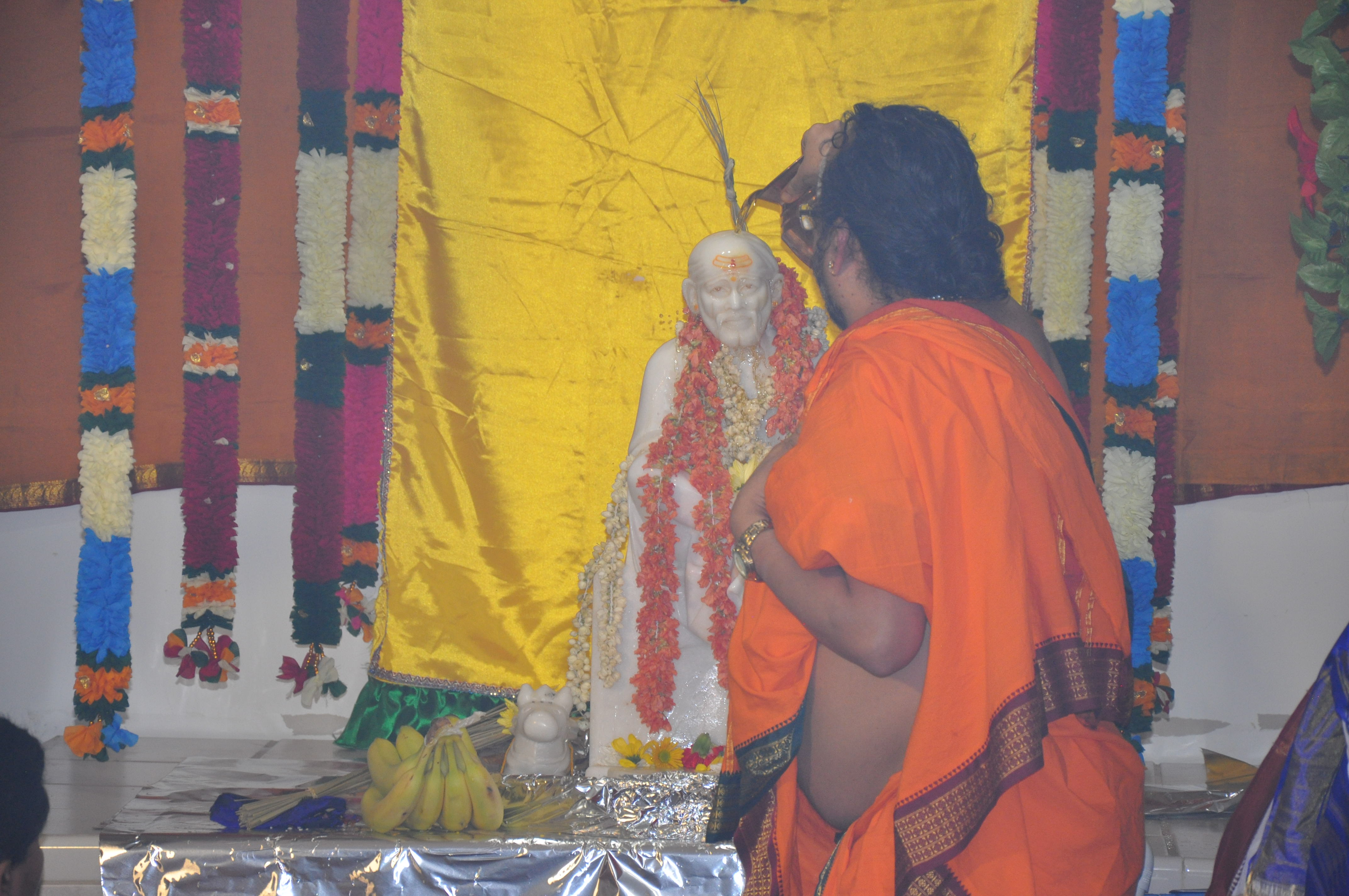
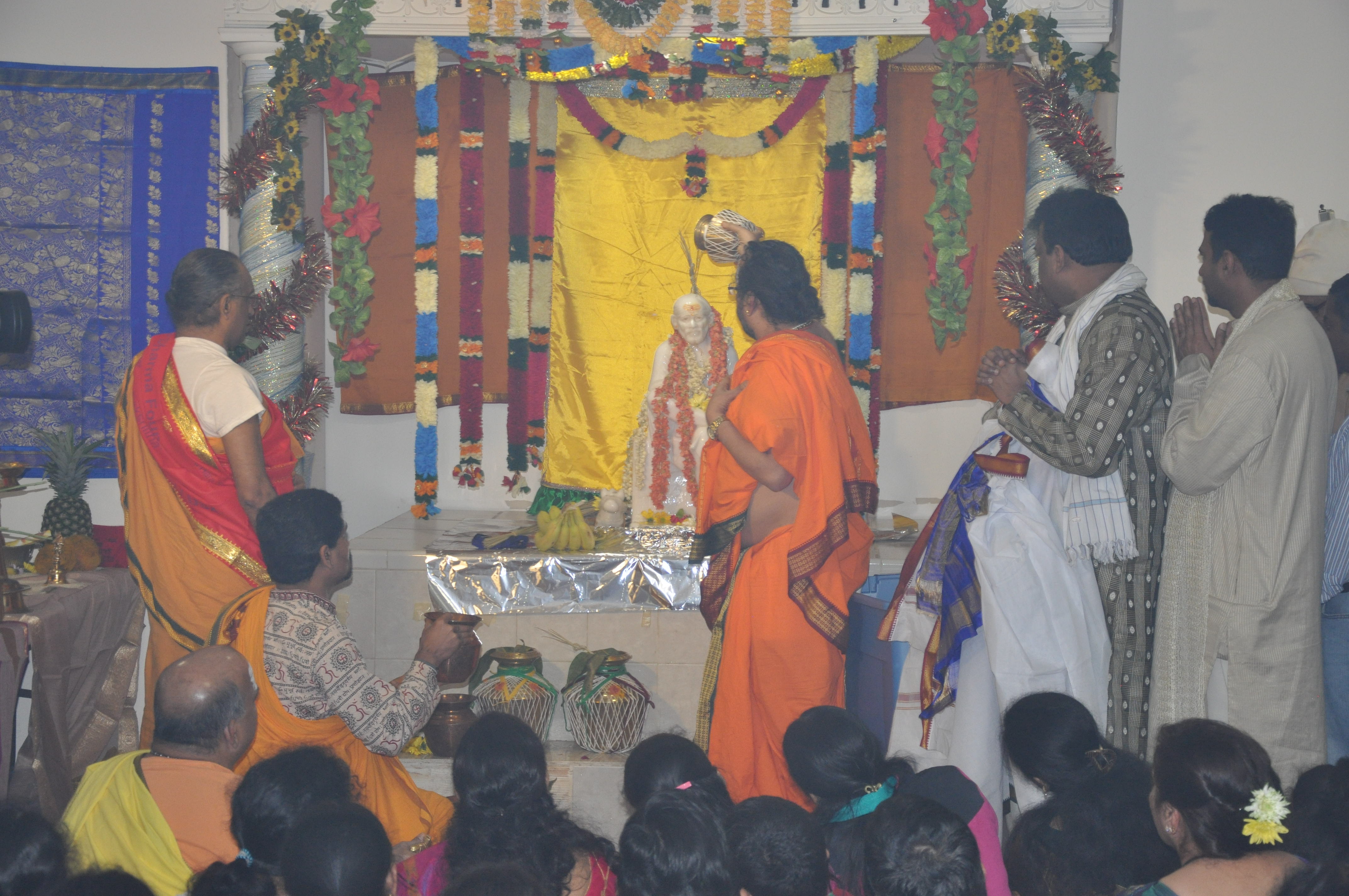
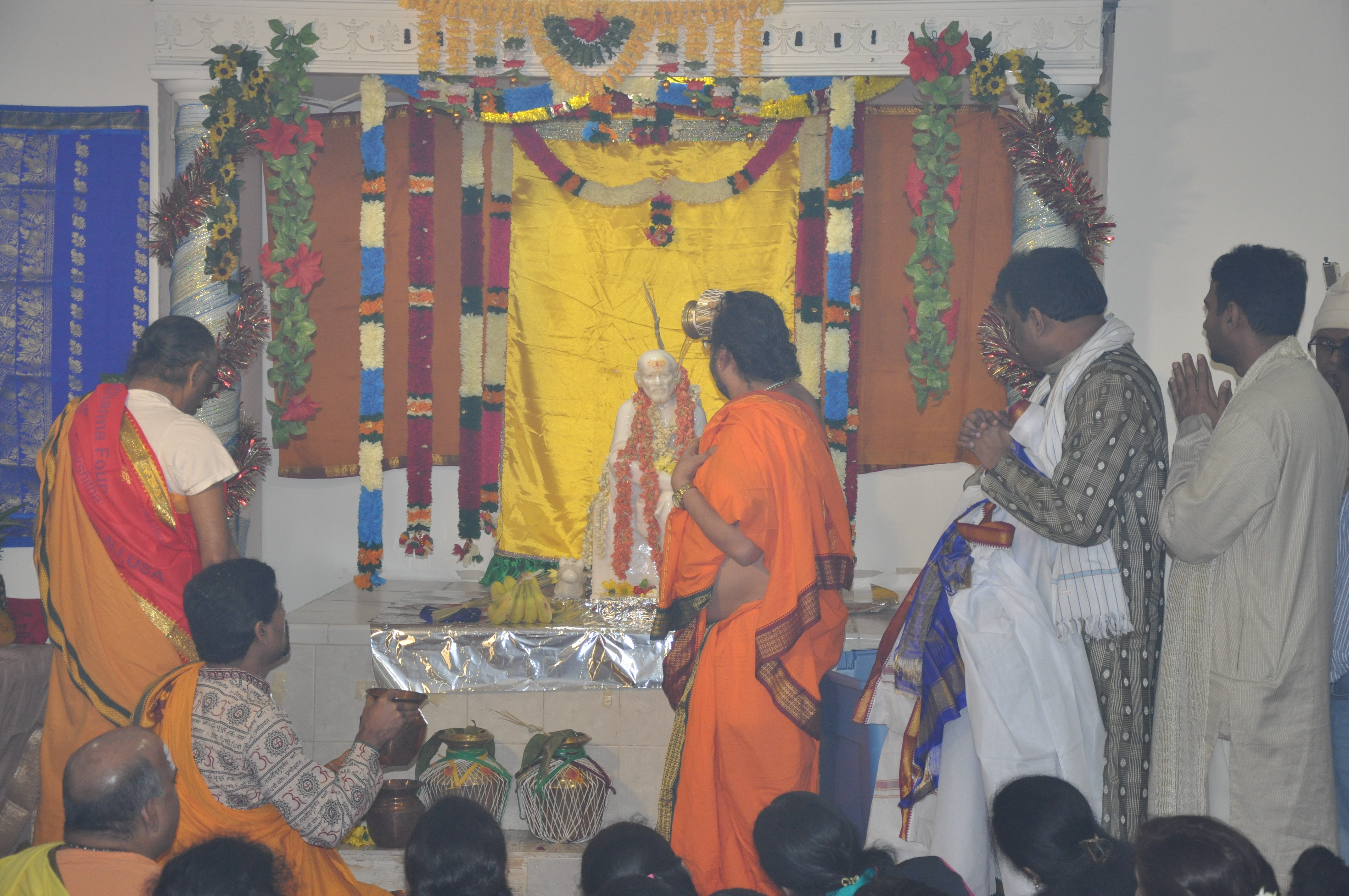
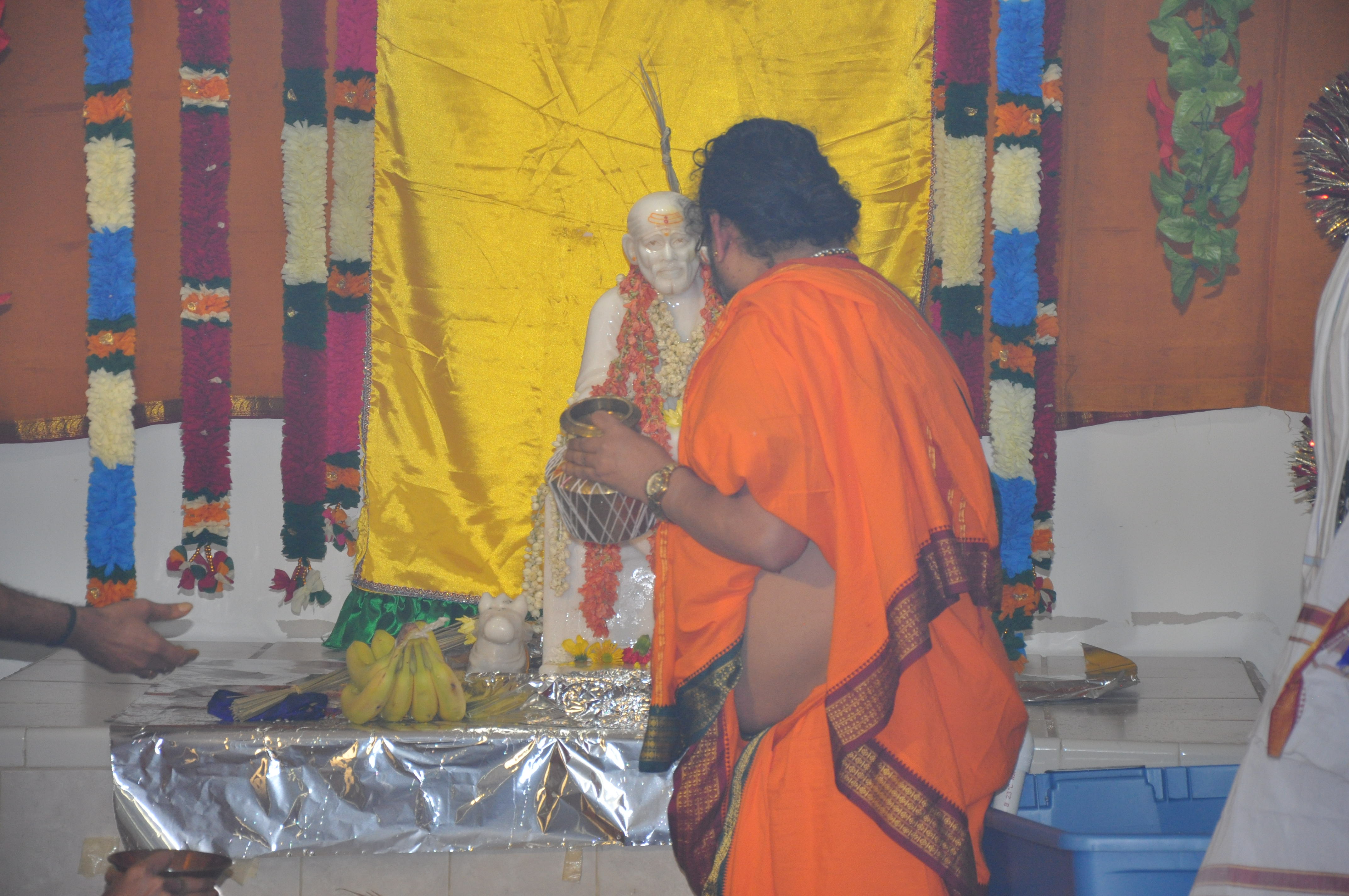
Sri Saibaba Prana Pratistaa ( Baba Idol Installation) event

0

To All Shirdi Saibaba Devotees

Event : Sri Saibaba Prana Pratistaa ( Baba Idol Installation ) ceremony

When : January 22nd 2017

Where : Sri Sai Balaji temple

Entry : Open to Public

Detox for the New Year with Yoga and Ayurveda

0

Many of us have overindulged over the course of winter and while celebrating various festivals and holidays. But with the days getting longer, now is the perfect time to cleanse, detox and lighten up our lives for the year ahead.

There are many ways to detox, and it doesn’t necessarily mean living on green juice or brown rice for a week. By using the following simple guidelines you will soon feel refreshed and energized once more.

Eat natural

Consume foods that are as close to their natural state as possible. Refined foods including sugars, processed fats and alcohol are more difficult for the body to deal with. Give your organs a break by sticking to fresh fruits and vegetables that are in season, organic free-range chicken or turkey, wild-caught fish, cage-free and organic eggs, whole grains, beans, nuts, and seeds instead. This simple diet will help your to detox after any overindulgence.

Eat mindfully

Eating slowly and without distractions will allow your body to digest food properly. You will also be less likely to overeat if you allow your body to register when it is full. Have a short rest after eating as well so your body can focus on digestion.

Drink up

Making sure you stay hydrated will support your organs and help your body detox. Drink pure filtered water, green tea and hot lemon water.

Practice Yoga

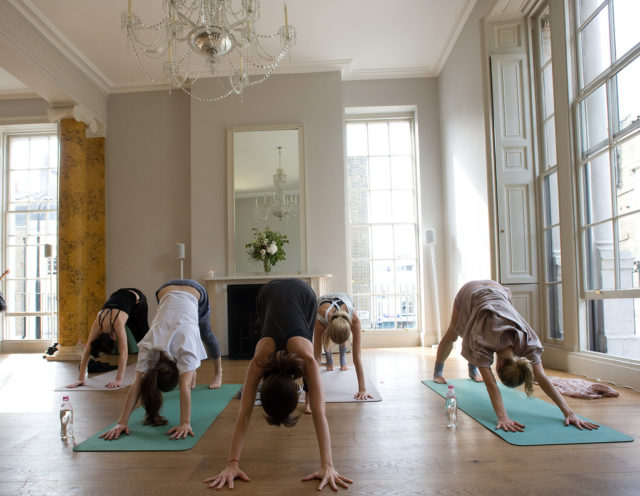
Yoga poses that include twists are good for eliminating toxins from the digestive system, kidneys, and liver. This is because they wring out your organs so that when you unwind, new blood and oxygen rush back into them. Twists are best practiced on an empty stomach ideally first thing in the morning or at least a few hours after food.

There are many yoga poses that include twist but a simple one to start with is the Twisted Triangle Pose

  • Begin standing at the top of your mat with your feet hip-distance apart and your arms at your sides. Step your feet about two to three feet apart
  • Turn your right foot out 90 degrees so your toes are pointing to the top of the mat. Pivot your left foot inward to a 45-degree angle.
  • Bring your hands to your hips and square your hips forward.
  • Raise your left arm toward the ceiling, with your bicep next to your left ear. Reach up strongly through your left hand.
  • On an exhalation, hinge forward from your hips, keeping your spine long. Place your left hand to the outside of your right foot.
  • Inhale and lengthen your spine again. Then, exhale as you roll your right shoulder back and extend your right arm straight up toward the ceiling. Reach strongly through your right fingertips.
  • Turn your head to gaze at your right thumb.
  • Hold the pose for up to one minute. To come out of the pose, gently release the twist. Then, press firmly through your left heel. With an inhalation, lift your torso upright and lower your arms. Turn to the left, reversing the position of your feet, and repeat for the same length of time on the opposite side.

Eagle pose is another great yoga pose that will help you detox


  • Stand with your feet together and arms by your side in mountain pose.
  • Draw your left foot upward, bending the knee as you lift it.
  • Wrap the left foot around your right leg as you rest the back of your left thigh on the right thigh.
  • Cross your arms at the elbows, left over right.
  • Join the palms of your hands together, as closely as you can without straining, keeping the fingers pointed upward. Inhale and hold the posture for the duration of the inhaled breath.

Meditate

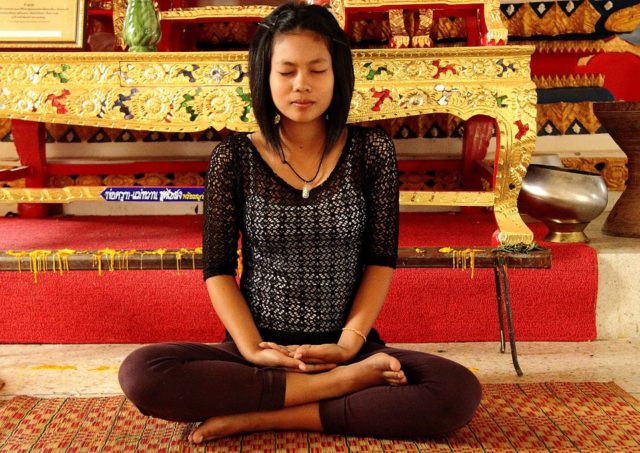
Repeating words over and over again can help you find calm and focus. You can choose from a number of Sanskrit mantras like the Gayatri Mantra, which has meaning in its words and sounds, or you can use a word that you find relaxing such as love or peace. It doesn’t matter what you choose, just that you feel good about your choice. You could also meditate by concentrating on something such as a candle flame. Meditation helps us to destress and unwind which allows the body to detox from negative stress hormones.

Try Ayurveda

Many Ayurvedic herbs are helpful in detoxifying the body. Three of the most easily obtained are:

Turmeric

This is a very common kitchen ingredient in the Indian households. It has powerful blood purification and cleansing properties. It is also a good antioxidant. Turmeric detoxifies the liver and aids in fat metabolism too.

Capsicum

Capsicum not only detoxifies the blood and the circulatory system, but also purifies the digestive system and regulates blood pressure. This delicious vegetable is also a good source of vitamin A, B and C, and minerals.

Neem

Neem is regarded as a potent detoxifier. It has antimicrobial, antiparasitic and antifungal effects. It is also good for maintaining blood sugar levels.

Following these simple practices will soon help you recover from over indulgences. So start your detox now and look forward to a cleansed and refreshed you for the coming year.


Four Must-Have Yoga Accessories

0
Adidas-by-stella-mccartney_cc_attribution_license

Starting a yoga practice is simple. All you really need are comfortable clothes. However, a few yoga accessories will really enhance your yoga practice making it more comfortable and effective.
These five yoga accessories may soon become indispensable.

1. Yoga Pants

Any comfortable trousers will work when beginning a yoga practice. However proper yoga pants can make practicing easier and more comfortable – and they look great too. Choose yoga pants that are made of breathable fabrics to avoid becoming uncomfortably sweaty. To be most comfortable and to allow for the best movement and hold during postures you want something that is not too slippery. You can choose from tight-fitting yoga pants or looser drawstring options depending on what is most comfortable for you.


The High Times Pant from Nulu is a lightweight, breathable and super-stretchy option. They cost £88 and are available from

http://www.lululemon.co.uk

If you prefer a looser fit, try the Ahimsa Yoga Pant from Sweaty Betty. These have a wide fit, elasticated waistband and fitted cuffs that help keep them in place while you practice. These pants are also breathable, soft and stretchy.

They cost $115 and are available from

http://www.sweatybetty.com

2. Yoga Mat

Yoga mats come in a variety of materials. To be effective, a mat must be thick enough that you don’t hurt yourself on a hard floor, but not so thick that it reduces your stability. PVC mats provide good stickiness, helping you to be stable in poses. However, they are made using chemicals, which can be toxic and strong-smelling. Natural mats made from rubber or cotton are available if you prefer a non-toxic option.

PVC mats are inexpensive, easy to clean, flexible and durable. They are available in a wide range of colors. This choice is perfect for beginners who want to try out yoga without spending a lot of money on equipment. PVC mats are available from all sports retailers.

If you prefer a more natural option, consider the Liforme Yoga Mat. This mat was developed by Yogi’s for Yogis and is made from natural rubber and eco polyurethane. It’s super grippy and comes with its own bag.

It costs $140 from
https://us.liforme.com

3. Yoga Towel

Even with the best breathable fabrics and a nice grippy mat, you are likely to get a little sweaty during a yoga class. For this reason, it’s a good idea to take along a towel. Of course, any towel will do, however, a lightweight one that fits into your yoga bag easily is a convenient choice. Your towel can also double as a pillow or blanket during relaxation sessions so it is a handy accessory to have.
I highly recommend the yoga towels from Yoga Brights. Linda is the soul behind Yoga Brights and has developed a range that is eco-friendly, durable and lightweight. They are also easy to care for a come in a great range of colors.

At $19.97 they are also an affordable extra to add some luxury and practicality to your yoga practice.
The Yoga Brights Towel is available from
http://www.yogabrights.com/shop/

4. Yoga Bag
Finally, to keep everything together ready for class, consider investing in a yoga bag. You can choose a variety of styles and sizes depending on what you want to fit in the bag. You might want one big enough for your yoga ma or you may choose to carry that separately either with a strap or its own bag. Choose a bag that is easy to care for and washable.

I love the Go Roam from Manduka as it is big enough to fit everything I need for a class. It really is big enough to fit in everything I need and more and is also lightweight and comfortable to carry.

Visit Manduka.com for more information
https://manduka.com

These yoga accessories can have a huge impact on your yoga practice. They are all practical, durable and cheerful and will give you many years of service.

What Is The Meaning of Antaryami?

0

For the benefit of mobile readers – and pub quiz cheats – the quick answer to the title question is that: the English translation of Antaryami is omniscient.

If you want to go deeper into the meaning of Antaryami read on, because omniscience gets interesting, and dare I say, somewhat controversial. But we do like a healthy discussion here at Antaryami, so feel free to have your say.

You are probably already aware that omniscient is a word typically used to describe “God.” I’ve put that name in inverted commas because God is what we call the omniscient force that is Antaryami.

Essentially, omniscient means all-knowing. The English word is derived from the Latin words, omni which means ‘all’ and scientia – where we also get the word science – which means knowledge.

In his book, ‘The Book Of Virtue: The Mystical Path to Self-Transformation,’ Brian Warner states the Hindu word, ‘Antaryami,’ means “controller within.”

The concept, in Warner’s opinion, is similar to the idea of the “God Within” that is spoken of in ancient texts and modern religions from around the world. Warner goes on to expand on his summary by explaining:

“It is a reference to the Divine source of life that lives within all creation.”

But what is this mysterious “divine source” that so many people talk about. This is where we venture into the realms of controversy, so take a deep breath and try to keep an open mind.

The three OOO’s

The following explanation is perhaps easier to follow by understanding the three O’s modern religions associate with God. Omniscient as you know means, “all-knowing.”

It is said the “God” knows everything past and present and future. Nothing comes as a surprise. Everything there is to know, He knows because His knowledge is complete.

Then there is Omnipotent which means “all-powerful” and has control of every living being, the wind, water, gravity and everything else mentioned in physics. We are told that “God’s power is limitless.”

Finally, there is Omnipresence which means “everywhere.” So we consider God to have limitless powers, is all around us and knows everything about us. Furthermore, He judges us and manifests into reality that which we deserve.

Well, you can say the same thing about consciousness, regardless of whether scientists understand or not. We know consciousness exists because are alive and our lives evolve through conscious interpretation of the world view.

Is God another word for consciousness?

The three OOO’s are referred to in all religious systems, but whereas pantheistic religions that were most prominent in the ancient past, believe the universe and the divine are connected as one, modern monotheistic religions separate the divine from the Universe.

This may sound biased given we herald the Hindu religion, but it is difficult to see how modern religions can justify separating the divine from the Universe.

In the Bhagavad Gita, Krishna says:

“O Arjuna, as the Supreme Personality of Godhead, I know everything that has happened in the past, all that is happening in the present, and all things that are yet to come. I also know all living entities; but Me no one knows.”

In Hindu mythology, Krishna, the avatar of the earlier Lord Vishnu, represents absolute consciousness. That is to say the source from which all consciousness arises. In my opinion, consciousness is what religions call “God.”

According to the Scientific American Magazine, scientists have all but given up trying to find categorical evidence that explains consciousness. Physicist Edward Witten says: “I think consciousness will remain a mystery.”

As Krishna said, “but Me, no one knows.”

And so we have the enigma that is “God.” Many belief He is real, many more know he is there, but nobody knows how to explain the concept of God to non-believers.

But we do not have to tell non-believers that consciousness exists because they already know. So does consciousness go some way to understanding the concept of “God” even though scientists cannot explain what consciousness actually is?

The answer to that has to be left to the perception of individuals. What we can say about consciousness, is that it is gives rise to all life in accordance with laws of the nature. It is therefore omnipotent, omnipresent and omniscient.

Science beginning to prove ancient texts

Modern day scientists may not be able to prove what ancient sages teach us about consciousness, but quantum physicists are beginning to understand there is some truth in ancient wisdom.

Believed to have been written around 450BCE, the Advaita Vedanta teaches that everything in the Universe is unified even though it appears separate at surface.

When Albert Einstein said: “a human being is a part of the whole called by us, Universe,” science took one step closer to understand the one consciousness of the Universal mind.

There are other modern day researchers that also agree with the Upanishad sentiment that the Universe is connected and we are all part of the same consciousness.

In his book, ‘Unified Reality Theory”, Steven Kaufmann explains that reality stems from the source of Universal consciousness.The author states: “the model describes in detail how the universe gets something from nothing.”

In the Vedas, Hindu mythology tells the story of Brahma being born from a golden egg that manifests from the naval of Lord Vishnu. The symbolism suggests the latter is the source from where consciousness begins, whilst Brahma represents consciousness that evolves into reality by our thoughts, emotions and actions.

The Trinity of thoughts emotions and actions are the dharma and karma effect that Hindus hold so closely to their hearts. There is a firm belief that carry out the right action will manifest in goodness. Wrong actions illicit negative experiences.

Hinduism and other modern religious groups say “God is the ultimate sanctioning agent of good or bad effects.” He passes judgement on us. This is an ancient belief we are beginning to rediscover. So can we realistically imagine what it is like to be Antaryami?

Latest Health Benefits of Yoga: December Edition

0

Our monthly round-up includes the latest research into the health benefits of yoga, including how it improves gut health, relieves depression and helps you live longer!

Best eating strategies for before a yoga class.

Most of us have been embarrassed by a gurgling tummy or worse during a yoga class. However, with a little planning, you can benefit your health, while ensuring you suffer no discomfort or embarrassment during a yoga class.

Eating a heavy meal before a yoga class can cause bloating and discomfort. This can make certain asanas uncomfortable, especially inverted poses such as headstands. On the other hand, practicing yoga on an empty stomach can lead to embarrassing stomach gurgling and possible weakness and light-headedness, which can prevent you from having the best workout to benefit your health.

To avoid these issues, avoid rich, heavy and spicy food before a workout. Also, avoid very high fiber foods such as beans or bran. Ideally, have a snack of plain, easily digested food two hours before your class. If you find this is not enough to keep you going, have another small snack at least half an hour before you begin your workout.

After the class, ensure you drink plenty to rehydrate, this is particularly important after a strenuous workout such as hot yoga.

Study suggests yoga breathing techniques can relieve depression

Another of the health benefits of yoga is improved mental health

A study led by doctors in the department of Psychiatry at the University of Pennsylvania found a significant improvement in symptoms of depression and anxiety in patients who practiced a yoga breathing technique.

The study followed patients who suffered major depressive disorder and who were currently receiving medication. Participants practiced a two months course of  Sudarshan Kriya yoga, a breathing technique where slow and calm breathing is alternated with fast breaths. The study found the technique to be of benefit to the health of the patients, who cut their depression rating score by several points.

Yoga can Improve Gut health

Several yoga poses have been found to improve the symptoms of constipation. Constipation is often caused by a sedentary lifestyle and lack of exercise. The yoga poses help by targeting the bowel area to improve digestion and bowel health.

Yoga guru Rashidah Mohamed recommends several poses that can benefit your health.

Here are two poses he recommends that are suitable for beginners

1. Wind Relieving Pose

This is a great spine posture that helps release any excess gas in the body and also massages the organs in the abdomen area.

• Lie down on your back and bend your knees to your chest.

• Keep your thighs close to your abdomen and chest.

• Wrap your arms around your legs and stay for 10 breaths.

2. Butterfly Pose

This forward-bending pose helps improve the digestive system, and also relieves gas, cramping and bloating of the stomach.

• Sit up straight with your legs spread out and bend your legs so that the soles of your feet touch each other.

• Grab your feet tightly with both hands, bend forward with your arms bent to the side.

• Feel the stretch in the inner thighs and take long deep breaths while relaxing your muscles.

Centenarian proves that yoga is a great exercise for people of any age

And lastly, a further one of the  health benefits of yoga is improvement in longevity

Lil Hansen celebrated her 105th birthday by teaching a weekly yoga class. Hansen teaches a yoga class at her local senior center every week. Born on November 30, 1911, she started teaching yoga when she was 103 — and she’s still going strong. “I don’t feel any different,” Hansen said. “I’m just a bit more careful than I was years ago, but I don’t feel old.”

We’ll be back with more Yoga Health News in the New Year.


Yoga Book Review: Yoga Your Home Practice Companion

0


This comprehensive guide produced by the Sivananda Yoga Vedanta Centre contains everything you need to know to practice yoga at home.

The book is divided into seven sections which provide all the information you need to practice yoga at home.

Introduction
The benefits of yoga
Proper exercise
Proper breathing
Proper relaxation
Positive thinking and meditation
Proper diet

Introduction

The introduction begins with a section on the history of yoga. This is followed by an explanation of what yoga is and the four paths of yoga. After this, there is a brief introduction to the five principles of yoga and some excerpts from the Hatha Yoga Pradipika.

The benefits of Yoga

The next section of the book describes the benefits of yoga, including the beneficial effect on the emotions and the heart. Following this is a comprehensive explanation of the movement of the muscles, illustrated with a combination of photos and drawings. This section also covers the importance of posture and breathing and clearly and thoroughly explains the nervous and the endocrine systems. This is ideal for the beginner, especially for those wanting to practice yoga at home, as it helps to understand correct posture and reduce the risk of injury.

Proper exercise

At this point, the book begins the main core of information about the principles of yoga, starting with proper exercise. It gives an outline of the steps required to achieve a balanced yoga practice. Furthermore, there are some relaxation exercises and introductory poses. Also included are exercises for the eyes and neck, which are explained clearly and illustrated with plenty of photographs.

Next, there is a guide to the sun salutation, which is clearly described and illustrated. Following this is a description of various yoga poses. The book features a comprehensive range of poses to enable the reader to practice yoga at home. They are described and illustrated beautifully. This section also includes information about the benefits and contra-indications of each exercise. Included in the descriptions are variations of each pose that make them suitable for both the beginner and more advanced student.

Proper breathing

This section begins with an explanation of prana (life energy) and pranayama (proper breathing). There are several breathing techniques demonstrated including abdominal breathing and alternate nostril breathing.

Proper relaxation

This short chapter explains the importance of relaxation both during and after yoga practice. It outlines a final relaxation for readers to follow at the end of their yoga routine which is perfect for those who wish to practice yoga at home.

Positive thinking and meditation

This section explains the physical, mental and spiritual benefits of meditation and concentration with ideas on how to find the practice that is right for you. There is also a guide to practicing meditation. Also included in this section is a guide to managing stress. The chapter ends with a section on the law of Karma.

Proper Diet

This chapter begins with a section on being vegetarian. There is a description of the Gunas and ideas on how to keep them in balance. This is followed by a six-week guide to help you transition towards a yogic diet. Included is a plan for a week of meals. Also included in this chapter are cooking techniques and recipes for breakfasts, lunches, vegetable and condiments, dinners, breads, sweet treats and desserts, snacks and beverage.

Finally, the book closes with a comprehensive list of further resources.

This book provides a comprehensive guide to beginning yoga at home and covers all aspects of a yogic lifestyle. In this way, it really is a guide that explains everything a beginner yogi needs to know. This book is also suitable for intermediate and advanced practitioners, as the poses include options suitable for developing practice. Where this book really shines is in the way it explains the entire yogic lifestyle rather than simply focusing on poses. I would recommend this book to anyone interested in creating a complete yoga practice.

For beginner yogis, I would rate this book 8/10


Yoga App Review: Simply Yoga

0

Simply Yoga is a comprehensive Yoga App that offers the information and guidance to enable you to complete a great yoga practice at home

With this app you can choose from a 20, 40, or 60-minute session at Level 1. You have to buy the full app to access Level 2 sessions. I completed the Level 1, twenty-minute session.

The Simply Yoga app features a relaxing voice that guides you through each pose. There is also a video demonstration of a person completing the asanas (poses) to show you how they should look. The instructions give clear guidance on how to breathe through the asanas. There is a background track of waves breaking on a beach that is very relaxing. The poses are suitable for beginners and the narrator give instructions on how to complete the poses if you are not yet flexible enough to go into the full pose. The app offers excellent instructions and guidance on how to complete each of the poses. The pose names are given in English and Sanskrit, which is nice. The narrator also explains the benefits of each pose.

The first part of the session begins with Mountain Pose and then all the further asanas begin from this pose. The second section starts with Staff Pose and then the remainder of the poses in this section start from this pose. The last few poses begin in either a crossed leg or lying down position.

The second pose in this session is a Sun Salutation, which is lovely. However, it might be a bit overwhelming for a complete beginner as there are a lot of different steps to it. The other poses in this session are reasonably straightforward, though they get more difficult towards the end with poses such as Bridge Pose. The session ends by relaxing in Corpse Pose

The poses included in this session are:

Mountain Pose
Sun Salutation
Warrior 2
Chair Pose
Deep Forward Fold
Tree Pose
Sun Salutation
Staff Pose
Double Leg Forward Stretch
Boat Pose
Gate Pose
Sphinx Pose
Child’s Pose
Bridge Pose
Revolved Easy Pose
Corpse Pose

Simply Yoga is an astoundingly good free app. It is detailed and well made and includes a comprehensive yoga session. There is also a range of levels and session lengths to choose from. The app also allows you to set reminders. In addition, the app tells you how many calories you burned in the session. There are adverts on this free version, however, they are tucked away at the bottom of the screen and are very unobtrusive. There is a larger add when you complete the session.

Simply Yoga is available on iOS and Google and Windows
Cost: Free (contains in-app purchases)
For more information visit:

iTunes
Google
Microsoft

Features: 8/10
Ease of use: 8/10
Information: 8/10
Overall rating: 8/10

What’s new in the world of Yoga December Edition: 10 of the Hottest, Coolest and most Bizarre Yoga trends

0
yoga-1

Stuck in a rut with your yoga routine? You can find your Zen in the snow, the brewery or even in a hammock. Here are sixteen of the biggest Yoga trends.

1. Snowga

Wrap up warm and take your yoga practice outside this winter with Snowga, which as the name suggests is yoga in the snow. This yoga trend might be the perfect way to relax after a day’s mountain hiking or skiing. However, after a session outside, you might need to snuggle up by the fire, soak in a hot bath or take a sauna to warm up! Let it snow. Let it snow!

2. Brewga

If getting in the spirit of Frozen is not for you, perhaps a brewery might be your erm…cup of tea? Imagine the warm malty scents and the bubbling vats while you breathe deeply into a few relaxing yoga poses. You can also combine yoga with happy hour for one great night at brewga.

3. Doga or Meowga

If you have a fur baby, you might want to give doga or meowga a try. Practicing yoga with your pet can be a deeply healing experience. In addition, it can also enhance the bond between you and your pet. The practice uses the dog or cat in poses, as a prop, or even a weight. Obviously, only try this yoga trend if your pet seems to enjoy the idea!

4. Rage Yoga

If you can’t see yourself as a traditional yogi, or you just want to let off steam, then rage yoga could be for you. The classes take place in a pub and are completed in a spirit of fun and irreverence. Rage Yoga promises a stress-busting Vinyasa yoga class that is full of laughter with more swearing than mantras. Plus, it often includes an after class pint.

5. Voga

The voga trend combines 80’s aerobics with yoga to create an exhilarating workout. Voga provides a fast and fun session. Just remember to pack your neon legwarmers.

6. Mass Meditation

The Big Quiet is bringing mass meditation events to various cities. With mass meditation you can experience the oneness of meditating with hundreds, even thousands, or like-minded people.

7.Restorative Yoga

Learning to slow down and make time for restful and restorative activities is something many of us have been thinking about recently. Restorative yoga offers a therapeutic approach to asana, minus the rigorous practice of Vinyasa. If you feel the need to spend more time wrapped up in blankets while in a restful pose then this could be the perfect yoga form for you. Allowing our bodies and minds to relax deeply can allow healing and the restoration of our bodies on a cellular level.

8. Hot Barre Yoga

Most barre-based classes use a combination of postures inspired by ballet and other disciplines like yoga and pilates. The barre is used as a prop to balance while doing exercises that focus on isometric strength training. As a new twist for this year is barre yoga taking place in a room with temperatures averaging around 95 degrees Fahrenheit.

9. Yoga Pole Dancing

Yoga Pole focuses on teaching inversions like headstands, handstands, and forearm stands by using the pole to help practitioners hold steady. The pole provides support and allows practitioners to enter more challenging poses.

10. Sound Healing

Sound healing uses bowls made of crystal or brass played by circling the outside rim, giving off a vibration. Workshops usuing sound yoga are offered at many yoga studios. You may also find that your teacher plays the bowl at the end of standard classes, too.

So, if you have found yourself in a yoga rut this year, consider trying out one of these yoga trends to add some fresh activities to your practice.

Let us know if you have tried any of these yoga trends in the comments section below.

References

mindbodygreen

anymatic.com

star2.com

Top 9 Hindu Festivals In India

0

India is a hotbed for Hindu festivals. And were not talking about pokey little gatherings for alternatives like we have in the US and Europe. We’re talking full scale events attended by thousands of people.

Hindus have a reputation for tradition, auspicious occasions and colorful temples. Their festivals are no different and encompass many aspects of Hindu life and religious beliefs.

Furthermore, many Hindu festivals are countrywide and celebrated by people from every region. In this article, we celebrate the passion, the history and the legends from which the top Hindu festivals were born.

Diwali

Diwali is without doubt the most popular Hindu festival. Commonly known as the ‘Festival of Lights,’ the five-day extravaganza is held to celebrate the triumph of good over evil. The origins of the festival come from the legend of Lord Rama who rescues his wife, Sita from the clutches of the demon King Ravana.

The festival marks the return of Rama, his wife and brother, to the Kingdom of Ayodhya after their 14 years of exile in the wilderness. Upon their return, Rama is crowned king.

During the festival, people decorate their houses with clay lamps, Ashok leaves and candles. Fireworks brighten up the night sky. Shops and markets bustle with people buying new clothes to mark the festive occasions.

Diwali is held around the night of the new moon in the Hindu lunisolar calendar, sometime between mid-October and November.

Holi

Holi is arguably the most famous of the Hindu festivals because it is the most colorful and photogenic. Known as the ‘Festival of Colors” the two-day event involves throwing paint powder at one another and dancing under water sprinklers.

The festival celebrates the spring harvest and there is a fervent and carefree attitude when gatherers forget their responsibilities and troubles for two days. It is common for some people to consume Bhang, a potent paste made from cannabis plant.

On the eve of the festival, family and friends gather to build a Holika bonfire. They typically party and dance and sing well into the night. The following day, the real fun begins as people go wild with paint powder, water pistols and balloon bombs filled with water.

Ganesh Chaturthi

The birth of the popular elephant-headed deity, Lord Ganesh is honored in a marathon 11-day festival. Held in the Hindu month of Bhadrapada sometime around August and September, Hindus install statues and podiums of Ganesh in their homes and worship the God throughout the period of the festival.

At the end of the festival, villagers parade through the streets with their Ganesh statues and walk down to the ocean or river to submerge in water and be cleansed. Lord Ganesh is known as the remover and the submergence in water is symbolic of removing sins, woes and troubles.

Onam

Another marathon Hindu festival is Onam which takes place in Kerala between August and September. The festival marks the return of the legendary King Mahabali who reigned over Kerala during the states golden era.

During the 10 days of celebration, people prepare a wide variety of dishes and decorate their houses with flowers arranged in pretty patterns known as ‘onnapookkalam.’ It is also tradition to buy new clothes for the occasion.

Krishna Janmashtami

The festival of Krishna Janmashtami is celebrated in the Hindu month of Bhadrapad on the 8th day of Krishna Paksha. The celebrations honor Lord Krishna, arguably the most popular God of the Hindu pantheon.

During the festival, worshippers generally fast for the day and prepare delicacies made from milk products as an offering to Lord Krishna. In the evening people gather in the temples and at the stroke of midnight pray to mark the hour of day the miracle child was born.

Raksha Bandhan

Hindus have close family ties and one of the festivals in India that teach young children to respect one another from an early age is the festival of Raksha Bandhan.

As with most Hindu festivals, the event is inspired by the mythological story of Queen Draupadi and Lord Krishna. Krishna was injured during a battle, and Queen Draupadi rushed to his aid by tying a torn piece of cloth from her sari around his wrist to prevent the bleeding. The tradition for the Raksha Bandhan is for sisters to tie a holy piece of thread around the wrist of their brother.

Navaratri & Durga Pooja

Although this festival is celebrated all over India, it goes by different names. In East India it is known as Durga Pooja in honor of the Goddess Durga, the consort of Lord Shiva. In the rest of the country, the name given for the festival is Navaratri, which in sanskrit means ‘nine nights.’

In Hindu myth, Durga, also known as Shakti, is the slayer of demons and the nine-day festival is symbolic of overcoming the animal instincts of our lower consciousness. It is held during Ashvina of the lunar calendar – end of September and beginning of October.

During the nine-day festival, it is customary to fast. The tenth day is called Vijayadashami and is dedicated to Lord Rama to mark the Gods victory of the demon King Ravana.

Maha Shivaratri

Otherwise known as ‘The Night of Shiva,” the Maha Shivaratri celebrates the legends of Shiva, one of the Hindu Trimurti. Shiva is known as the destroyer because of his ability to destroy ego.

The festival is held on the moonless night of the new moon in the Hindu month of Phalgun around February-March time. It is a ritual to fast and worship the shiva lingam. Many worshippers will only eat fruit and drink milk, rather than water.

It is believed that by fasting and honoring Shiva, worshippers will be absolved of sins whereby they can be liberated from the cycle of death and rebirth. The auspicious day involves rising early in the morning and taking a ritual bath in the river, then dressing in new clothes and attending the temple and pouring a mix of milk, honey and water over the shiva lingam.

What is your favorite Hindu festival? Leave a comment in the field below and tell us about your experience – and which festivals you will be enjoying this year!