












Home Blog Page 31

Beginners Yoga – 6 Best Foundation Poses

0
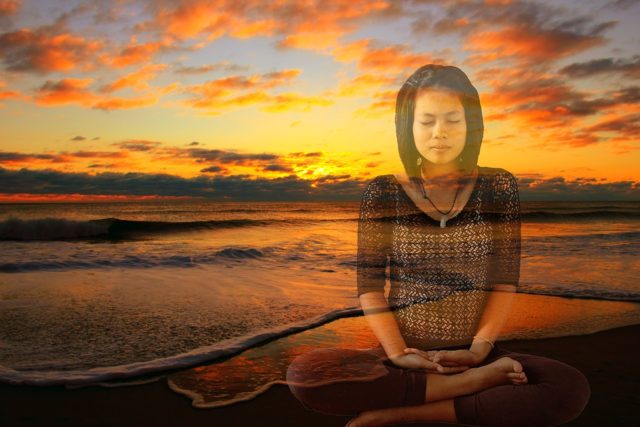
pixabay vivitoart meditation-338446_960_720

These beginners yoga poses provide a good foundation from which to develop a yoga practice while still being challenging enough to stretch your abilities.

These poses provide a balanced beginners yoga routine that can be practiced in just a few minutes a day to see extraordinary results.

Mountain pose

This pose is a great beginners yoga pose as it provides the basis of all standing poses. It seems very simple but it will ensure correct alignment and help you to feel grounded.

1. From a standing position, bring the feet together or hip width apart. Feel your weight evenly balanced through the bottom of each foot, not leaning forward or back.

2. Pull up the knee caps, squeeze the thighs and tuck the tailbone slightly under. Feel the hips aligned directly over the ankles. The legs are straight, but the knees are not locked back.

3. Inhale and stretch upwards pressing the crown of the head up towards the ceiling, feeling the spine long and straight.

4. Exhale and drop the shoulders down and back as you reach the fingertips towards the floor.

5. Continuing to reach out through the fingers, inhale the arms up, turning the palms shoulder height, bringing the arms into an H position.

6. Exhale relax the shoulders down from the ears while still reaching the crown and fingers up.

7. Breathe and hold for 4-8 breaths.

8. Exhale the arms down to your sides.

Tree pose

This beginners yoga pose is particularly good for developing balance.

1. Stand in Mountain Pose for as long as it takes to gain a sense of balance. Find a place to focus your gaze upon, to help you balance. Keep your focus and breath steady as you continue.

2. Shift your weight onto the left leg. Slowly bend your right leg, and place the sole of the foot onto the inner side of the standing leg. You can place the foot on the inside of the ankle, calf or thigh. The important aspect of this pose is to be balanced rather than where your foot rests. To reach the inner thigh, guide your foot upward with your hand. Press the foot into the thigh to keep from slipping.

3. Press through the foot of the standing leg, and as you breath to lengthen your torso up. Bring your hands together in front of your chest into a prayer position. Allow the breath to flow naturally.

4. Hold for as long as you feel comfortable. When you are ready to release, bring your foot back down to the ground in a smooth flowing movement.

5. Repeat with the other leg

Triangle Pose

This beginners yoga pose strengthens the muscles in the thighs, hips, and back while toning the knees and ankles. It also stimulates the organs of the torso, improving metabolism.

1. Stand with your legs about three feet apart

2. Turn your left foot to the left so that it is at right angles to your right foot and aligned with the instep of your right foot.

3. Inhale and raise your right arm alongside your right ear

4. Exhale and bend your trunk to the left. Bend your left leg and place your left hand on your left foot.Look up towards your right ear.

5. Hold for up to one minutes and then repeat on the other side

Downward facing dog

This beginners yoga pose strengthens the upper body, arms, shoulders, chest and legs. It also energizes the whole body and stimulates circulation.

1. From all fours (on your hands and knees) bring your hands slightly forward of your shoulders.

2. Firm your hands down, pressing the outer edges of the palm and the fingertips to the floor.

3. Keep your upper arms and shoulders rotated outwards while your forearms rotate in.

4. Tuck your toes under.

5. On an exhalation, engage your lower belly drawing the navel back to the spine. Press the floor away from you, lift your hips back and up to push yourself back into an upside-down V pose.

6. Keep your knees initially bent to lengthen the spine, taking the hips up and away from you. Then if possible straighten the legs, while maintaining the length in the spine. Taking the top of the thighs and knees back.

7. Press upper arms towards each other, shoulder blades down along the spine, but keeping the space across the tops of the shoulders.

Warrior pose

This is a lovely strong beginners yoga pose that strengthens the legs, opens the hips and chest and stretches the arms and legs. It also aids concentration, balance and groundedness.

1.Stand in Mountain Pose.

2. With an exhale, step or lightly jump your feet 31/2 to 4 feet apart. Raise your arms perpendicular to the floor.

3. Turn your left foot in 45 to 60 degrees to the right and your right foot out 90 degrees to the right. Align the right heel with the left heel. Exhale and rotate your torso to the right, squaring the front of your pelvis as much as possible with the front edge of your mat.

4. With your left heel firmly anchored to the floor, exhale and bend your right knee over the right ankle so the shin is perpendicular to the floor.

5. Keep your head in a neutral position, gazing forward, or tilt it back and look up at your thumbs.

6. Stay in the pose for up to a minute. To release the pose, inhale, press the back heel firmly into the floor and reach up through the arms, straightening the right knee. Turn the feet forward and release the arms with an exhalation, or keep them extended upward for more challenge. Take a few breaths, then turn the feet to the left and repeat for the same length. When you’re finished return to Tadasana.

7. To release, inhale, press the back heel firmly into the floor and reach up through the arms, straightening the right knee. Turn the feet forward and release the arms with an exhalation, or keep them extended upward for more challenge. Take a few breaths, then turn the feet to the left and repeat for the same length.

8. Repeat on the other side

Child’s pose

Child’s pose is a lovely relaxing beginners pose that also stretches out the ankles, thighs, hips and knees and releases tension in the back and neck.

1. Sit on your heels and lean forwards resting your forehead on the floor. Extend your arms alongside your legs and rest your hands beside your feet with your palms facing upwards

2. Breathe deeply and rhythmically for at least 8 breaths.

These beginners yoga poses will set a good foundation for the development of your practice into the future.

We’d love to hear your experience of these beginners yoga poses. Please let us know in the comments section
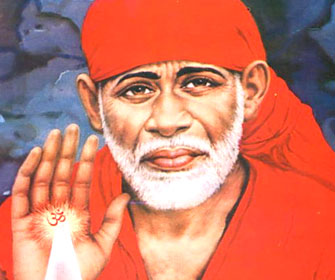

Self Introspection – Concept to evolve & find enlightenment by Nate Natesan

0

1) Release me from the never-ending chain of desires so I may live in peace with absolute contentment
2) Free my mind from the darkness of lust and fill my soul with the light of divine love
3) Let me not live to eat & indulge in the unreal outer self, eat but to live, evolve & realize my real Inner self
4) Let me not use words as missiles that injure, use them but gentle sparingly for comfort & cure
5) Let me not forget my brittle dwelling of glass so throw not I stone wherever I glance
6) Enlighten my mind with the knowledge of thee and releasing the weight that scholarship brings
7) Detach my self from the bondage of my ego so differentiated am I no more
8) Let good tidings of others forever bring joy unqualified and merge my soul with that of one & all
9) Inspire in me the sense of surrender at thy lotus feet so sorrow not I see, but your dance to stay on my feet
10) Let me not do any work for rewards & fame but let every act be dedicated to thy name
11) Help me eleminate the chatter in my mind so I stay connected with thy name on my mind
12) Help me to enrich & protect my subjective mind to filter & deflect the objective mind
13) Help me to manage attractions and replusions so I stay balanced, detached and never in agitation
14) When you finally grace me to thy shore, Let me please come with my friends galore

What’s New in the World of Yoga – November Edition

0
Tumblr_o3z58lev5r1slhhf0o1_1280

Keep up to date with the yoga community with our monthly round-up of what’s new in the world of yoga, from becoming a yoga teacher to Russell Simmons new wellness center.

Becoming a yoga teacher

With the rise in popularity of yoga, it’s a great time to become an instructor.

In order to become a yoga teacher, you will need a teaching certificate and insurance. Additionally, it can be helpful to achieve accredited status from a yoga association.

There are many different training courses to choose from. Available study options include intensive courses, three-month courses, and year-long courses. Furthermore, there are also courses you can study at home. This range of options makes it easy to find something to fit with your schedule. The main yoga associations can offer advice on training as well helping you achieve accreditation. Contact the following associations for more advice.

The British Wheel of Yoga
The British Wheel of Yoga Teacher Training Diploma covers 500 hours of training and takes a minimum of two years to complete. However, applicants need to have practiced yoga for over two years and usually complete the BWY Foundation Course as well.

Yoga Alliance (International)
Yoga Alliance (International) accredit 200-hour training programs. These consist of a minimum 180 hours of contact time with teachers and 20 hours of home study. As long as the required minimum time is spent on each part of the syllabus, the association values both the intensive and long-term training paths.

Yum Juice Bar and Yoga Studio is open for business

Tamara Wynn is the proud new owner of Yum a Juice Bar and Yoga Studio located in Yucaipa. Yum offers juices and healthy treats alongside yoga classes.

The most popular juice is the “Revitalizer” which contains a blend of spinach, red delicious apple, lemon, parsley, and ginger. These are said to remove toxins in the liver and blood.

A further favorite is its Acai Bowls. These consist of a large bowl of acai sorbet, fresh banana, strawberry, blueberries and apple juice topped with hempseed granola and agave nectar.

Yoga instructor Francesca Jamare also teaches Yoga in the back room. Vinyasa and Restorative Yoga classes are available at beginner and intermediate levels. Also on offer is a mommy and me and post-natal class.

Yum is located at 12152 Fourth St. in Yucaipa.

Tantris: Russell Simmons new wellness center in Los Angeles, set to open

Lastly, Russell Simmons is opening a wellness center in Los Angeles. The center, called Tantris, is an 8,000-square-foot studio that offers high-end amenities including pH-balanced showers, valet parking, a juice bar and a lounge with city views. Additionally, there will be a boutique that carries Mr. Simmons’s new activewear range.

The hip-hop tycoon, best known as a founder of Def Jam Recordings, has been a yoga practitioner since 1994 when an intern at Def Pictures took him along to a class.

He has since become hooked on the practice and regularly uploads snaps of yoga poses to his Instagram account. Russell even recruits his famous friends for the photos, with a recent image showing Russell, comedian Mike Epps and rapper Snoop Dogg meditating.

Latest Yoga Health News – November Edition

0

Our round-up of the latest Yoga Health stories of the month

Yoga can help reduce blood pressure

A new study find that yoga can effectively help lower blood pressure

The study, conducted by Dr. David Friedman, chief of Heart Failure Services at the North Shore-LIJ Plainview Hospital, tracked 58 men and women for six months.

The results of the study found that practicing yoga two to three times a week can significantly lower blood pressure. Dr Friedman commented “Yoga, along with deep breathing exercises, meditation, and inner reflection, is a good adjunctive and integrative cardiovascular approach to better health, including lowering blood pressure, as this data suggests. In addition to proper diet and aerobic physical fitness most days of the week, I recommend that my patients take time each day for the above measures of finding disciplined inner peace, for improved health and well-being.”

Any physical exercise can help to lower blood pressure, however, yoga has the added benefit of incorporating meditation, which has been proven to reduce stress. As stress is a contributing factor to high blood pressure, yoga works in two ways to reduce blood pressure.

Yoga poses to reduce blood pressure

Mountain pose
Stand with the sides of your big toes touching. Your second toes should be parallel and your heels slightly apart. Lift and spread your toes, and place them back down on the floor.

Sun salutation
Standing with both feet touching, bring your hands together (palm to palm) and place them at your heart. Keeping your hands together (interlacing the fingers if necessary), exhale and raise your arms upward. Slowly bend backward (gently) while keeping your arms stretched above your head.

Child’s pose
Drop down onto your knees, spread your knees wide, and bring your big toes together. Sit your hips back onto your feet or heels, and reach your arms forward on the ground. If possible, rest your forehead on the mat.

Meditation before exercise could help treat depression

A study published in the medical journal Translational Psychiatry found that meditating before exercise could alleviate some symptoms of depression. The study looked particularly at rumination, a common symptom of depression where a person gets stuck in a negative cycle of negative thinking. The volunteers practiced mindfulness meditation over the course of the eight-week study. At the end of the study, 40% of participants reported a reduction in rumination.

More evidence that Yoga is great for your heart

More and more cardiologists are recognizing the benefits of yoga in improving heart health.

Yoga has been found to reduce blood pressure and cholesterol as well as improving circulation and heart rate.

In addition, yoga relieves stress as it promotes living in the moment and letting go of the day’s worries. It does this by helping to focus the mind on the poses and on breathing correctly while practicing.

Lastly, studies have shown that yoga can also aid in smoking cessation, which is a known risk factor for heart disease and heart-related complications.

As you can see, yoga a few times a week can go a long way in improving heart health, giving yet another reason why you should incorporate it into your life.

The following poses are especially good for heart health.

• Mountain pose
• Tree pose
• Extended hand and foot pose
• Triangle pose
• Warrior pose
• Chair pose
• Cat pose
• Downward facing dog

We’ll have a further round up of yoga health news next month

References
www.belmarrahealth.com
https://consumer.healthday.com/alternative-medicine-information-3/mis-alternative-medicine-news-19/yoga-may-help-ease-high-blood-pressure-study-finds-676200.html” target=”_blank”>Cosumer.healthday.com
https://consumer.healthday.com/alternative-medicine-information-3/mis-alternative-medicine-news-19/yoga-may-help-ease-high-blood-pressure-study-finds-676200.html

What Is The Hindu View On Reincarnation?

0

Reincarnation is a spiritual Hindu belief that is also held by many other cultures throughout the world. Although the fundamentals to all the theories of reincarnation are similar there are subtle differences – and not all are believable.

Hindus call the cycle of reincarnation, samsara. And this version of the ancient doctrine makes complete sense on so many levels.

Whether you believe in reincarnation or not, the Hindu idea still holds important lessons we can learn in our current human lives. There are specific aspects of the doctrine that help make us consciously aware of our behaviour and desires.

In all cultures, reincarnation involves the soul passing from one life of existence to another. Mostly humans being reincarnated as another human. The purpose of reincarnation is for the atman, the ‘I’ to reconnect with Brahman – the supreme being.

What makes the idea of samsara – but at the same time can cause confusion, debate and disbelieve – is that the soul is seen as eternal and can reincarnate as anything; plant, animal, or mineral.

The co-founder of the Theosophical Society, Helena Blavatsky eludes to the same principle in her writings. Blavatsky claims that from being a child she was able to communicate with everything around her – even the furniture – on the basis they were soul fragments.

This notion also fits into the idea that we are all connected to one source of energy – a discovery modern scientists acknowledge could be possible. Studies in quantum mechanics suggests that everything in nature shares information.

As furniture is made from natural resources such as wood and metal, they are also connected to the web of electro-magnetic energy. And so goes Blavatsky’s wisdom.

It is possible that the majority of Hindu’s do not believe we can reincarnate as a mineral. It is rarely spoken of although samsara has been interpreted from ancient Sanskrit to include everything that has “physical forms.”

So if it is true that your next life could be as a bar stool, there is no wonder reincarnation is so unbelievable. But Hinduism also includes the law of karma. And that’s when reincarnation does start to make more sense.

Why karma binds the theory of reincarnation together

To understand reincarnation, we need to first understand the concept of karma – the law of cause and effect. This is how religionfacts.com describe karma:

“The Sanskrit word karma means “actions” or “deeds.” As a religious term, karma refers to intentional (usually moral) actions that affect one’s fortunes in this life and the next.”

The broader meaning of karma in Hindu philosophy is that this fundamental law binds the soul to the cycle of rebirth. Thus when people ask why a newborn baby is inflicted with an illness or disability, the Hindu answer is because they committed bad karma in a past life.

Science and philosophy describe karma in the same way – cause and effect. Every action we commit to will result in an end product. When you shout, somebody gets upset, or angry. Or maybe they just laugh. The point is, you caused the effect through your actions.

So let’s go back to quantum mechanics. Actions are energy. This is a fundamental truth proven by science. And every day living. That’s why we get tired when we exercise.
So if we are all connected to a completely connected web of energy, we can assume that whatever energy you send out will be returned to us in one form or other.

Let’s not forget, we experience karma in this life as well. So why not when we die. Could bad karma impact on the next life?

According to Hindu philosophy, yes it can. Because karma attaches to our soul. The Brahman never changes. The Atman does. And as atman, it is our quest to reconnect with Brahman. This is a divine philosophy that has been believed for thousands of years.

So if the energy we accumulate in this life, especially if it is not resolved in this life, is attached to our soul, it stands to reason that the karma will be brought into the next world when we are born again.

But there is also another view which confuses the matter even further. Our choice of soul reincarnation.

The limbo state of reincarnation

Hindu’s say that when we die we exist in other realms for an unquantified period of time. Whilst we are in this limbo state between physical forms of existence, our soul is assessed. We then have to determine what our next life should be in order to learn the lessons we have failed in previous lives.

So does our soul consciously choose what our next life will be – or is there a supreme ‘God’ that makes the choice for us? Many religions believe it is the latter, including Hindus.

Yet Hindu mythology classifies life in the Trimurti as that which should be created, dissolved and preserved. This is another impression of reincarnation in the current life. We have to destroy things we don’t need in order to create and preserve samsara.

By way of a better explanation, when we have ideas, beliefs, character traits and habits that no longer serve us, we need to get rid of them. But idea, beliefs, traits and habits are part of our fabric as human beings. They are not easy to unpick.

However, Shiva, the destroyer, has the power to dissolve ego which harbours things we no longer need in our lives. And it is true that when we have a different understanding of something we can change our personalities.

This is death and rebirth in your current life. You kill old habits or ideas and you start doing things differently. You change character traits and become a different person. You change your energy and thus can rid yourself of bad karma.

Without experiencing reincarnation by means of remembering our past lives, it is impossible to categorically claim whether samsara is true or not. Although there are plenty of people who claim to have had such experiences.

What are your thoughts on reincarnation? Have you had a past life experience?

Book review: The Ayurveda Ultimate Guide

0

The Ayurveda Ultimate Guide: Ayurvedic Healing For Health, Yoga and Weight Loss, Mindful Eating, Anti Aging and More by Sarah Brooks

This is a short book, offering an introduction to an Ayurvedic lifestyle.

The author starts with a simple outline of the principles of Ayurveda, including its holistic approach to health and well-being, which is based on the idea that all things in nature are connected. Following this is an introduction to the three doshas including the functions each dosha controls, and the reasons why the energy of the dosha can be disrupted.

Chapter two includes some remedies for imbalanced doshas to help restore balance and reduce symptoms. Some of these treatments offer excellent choices for health, including dietary changes, breathing exercises, and lifestyle changes. However, some of the suggestions sound quite severe and are not remedies I would be happy to recommend to others. These include bloodletting, vomiting, and laxatives.

Chapter three focuses on yoga. The author explains why yoga is an essential part of Vedic philosophy. The chapter explains the healing effects of poses, yogic breathing, and sense withdrawal.

Chapter four focuses on meditation, giving an outline of its benefits. The section outlines the best types of meditation and/or breathing techniques for certain doshas or conditions. This part of the book is very brief and doesn’t go into much detail about forms of meditation, mantras or pranayama.

Chapter five covers weight loss with Ayurveda. Many of the tips will be familiar, such as drinking warm lemon water in the morning, engaging in exercise and eating regularly. There is a nice section on the benefits of eating seasonally, too. Additionally, there are some more specific tips to Ayurvedic practice such as incorporating the 6 Ayurvedic tastes of salty, sweet, bitter, pungent, sour and astringent. The section of helpful tips on improving digestion also provides useful information.

Chapter six covers the eight practices of mindful eating. These include eating in a quiet environment, at a moderate pace and enjoying food using the senses.

Chapter seven contains information about Ayurvedic superfoods. Most of these are familiar foods such as ginger and turmeric. There are one or two that will be unfamiliar to those with no knowledge of Ayurveda, however, the author does a good job of explaining these.

Chapter eight is a section on Ayurvedic natural remedies and healing foods. Again many of these will be familiar, including lemons and dates. This is a very brief section containing only a handful of foods.

Chapter nine covers the subject of anti-aging. This section gives a thorough list of various herbs that can help in the treatment of aging skin. The chapter is limited to skin effects, however, and does not include remedies for other ailments we experience as we age such as stiff joints.

Chapter ten provides an overview of how to incorporate the ideas in the book into a healthy Ayurvedic lifestyle.

My recommendations

Overall, I found this book to offer some good introductory principles of Ayurveda. Because it is brief, the book did not have room to go into much detail on any of the topics. Much of the information contained in the book could easily be obtained on the internet. However, it is useful to have it all in one place. My favorite section was the explanation of the doshas. The other topics were a little too brief to provide a solid grounding. However, the book made me aware of certain aspects of Ayurveda I was unfamiliar with and I will look forward to researching these areas further.

For more information about this title visit:

Amazon.co.uk
Amazon.com
Goodreads.com

For those new to the subject of Ayurveda I would rate this book 9/10


Yoga Review: 5 Minute Yoga App

51

5 Minute yoga app is a simple yoga app that guides you through five yoga poses in five minutes to create a simple daily yoga program.

What the app does

Each pose has a written set of instructions and includes a picture to guide you towards achieving the correct posture. A timer counts down 40 seconds in each pose. The poses are simple, yet challenging enough for a beginner to feel they are having a proper yoga session. For some of the poses, the instructions include breathing guidelines. The app is simple to use and the instructions are clear and easy to follow. There is no music on the app but you could easily use your own music to make the experience even more relaxing.

The first session on the app includes poses such as big toe, bound angle, chair and extended side angle. Day two includes poses such as cobra, dolphin and extended triangle. If used regularly this app promises to improve flexibility, increase energy levels and create a general sense of well-being.

Cost and availability

5 minute yoga app is available on iOS for Free

The free version does contain adverts and a mini game automatically loads at the end of each session. You also have to answer some feedback questions to unlock session 2 of the app. There are only two sessions available for free, however, the low cost of the upgrade means this still provides a great simple, affordable app for beginner yogis.

Pro version

You can upgrade to the pro version for £1.49 for 1 months access, £3.99 for 6 months access or £4.49 for lifetime access.

The pro version includes over 70 different sessions to work through. This version also allows you to add your own music to make your workout more inspiring. The pro version also allows you to set reminders so you never miss a session.

Visit 5 minute yoga app for more details.

Features: 6/10
Ease of use: 8/10
Information: 7/10
Overall rating: 7/10

Why Do Hindu’s Love Krishna?

0

Krishna, together with Rama, is the deity Hindu’s worship the most. But overall, Hindu’s have more of a fascination with Krishna. But why? After all, he is a childlike prankster, a womanizer and a mischievous thief. His actions are not always moral and Godly.

But Krishna’s devotees forgive the God for his miscreants because he means so much more to them. He is a king, a warrior, a guru and advisor with unlimited knowledge. He is the perfect balance of life.

And Krishna is the personification of love.

In Hindu myth, Krishna has everything going for him. He is an inspirational leader, a consummate politician and the assured confidante in battle. He conquers everything he puts his mind to. Even 16, 801 brides. But the number of wives Krishna has does not make him a womanizer or adulterer. The number has special symbolic significance.

When you add the digits in the above number using the ancient form of mathematics known as gematria, you get seven (1 + 6 + 8 + 0 + 1 = 16: 1+6 = 7).

Seven is a feminine number and in ancient alchemy represents emotion. And like everything in the world, emotions have a polarity. The positive on the scale of emotion is love. At the opposite end is fear. Krishna shows us how to love and how to overcome fear.

Given Krishna’s birth was through divine power – the result of an immaculate thought – the adorable prince signifies the connection between the spiritual and the material world. His stories teach the lessons we need to learn to master our emotion. Love, Strength and Wisdom.

As the converted Hindu Stephen-Knapp says on his website:

“One of the reasons why I became a Krishna bhakta is that He is the God of unconditional love, which is something that everyone is looking for, and He also instructed in the Bhagavad-gita that we should stand up and protect Sanatana-dharma for the benefit of others.”

The political influence of Krishna’s rise

Krishna’s popularity began to flourish in the first century AD, around the same time as Jesus. The parallels in the life of Jesus and Krishna are strikingly similar.

In Hindu myth, Krishna is named as the eight avatar of Vishnu, the Supreme God that symbolizes absolute consciousness. Hence in Hindu mythology, Krishna is born from divine inspiration.

Vishnu’s previous avatar, Rama, is still also a popular figure amongst Hindus. In ancient myth, Rama is a God personified as a man and represents moral values. However, in the first century AD, a great political and religious struggle changed the perception of Hindus.

Muslims were impressing themselves upon the sub-continent and threatening people to convert to Islam; by consent or by the sword. Islam triggered ideas of reform as well as their relationship with God. The moral goodness in mankind had been compromised. People began to turn to the wisdom and divine virtue of Krishna.

In the Bhagavad Gita, Krishna says “One who sees everyone in Me and sees Me in everyone, for such a person, I shall never remain hidden and he shall never be far from me.”

These powerful words were enough to convince people to dedicate their worship to Krishna. People wanted a God that stood for love and goodness, not a pantheon of devas that were forever at war.

Krishna v Rama

If there is one Hindu God that can rival Krishna for most popular deity, it’s Rama. Despite the 1st century reforms, Rama survived the power struggle and among Hindus and stands shoulder to shoulder at the altar with Krishna.

Rama was a pious and dutiful God who is described as the ‘perfect human being.’ He is also the reflection of many people you know in your life – thus a reminder to look for the God in man – just as Krishna calls out in the Bhagavad Gita.

Yet Hindus that study the characters of the two Gods, tend to sway towards Krishna as he is a more complete God. Yes, he is a mischievous prankster as a child, but as an adult, he becomes an inspirational thought leader.

This is the God people want to aspire to.

Rama on the other hand was surrounded by idealistic people. Krishna supporters argue Rama was a small minded man. They call into question whether his morals and actions set a good enough benchmark.

A prime example is when Rama shows a degree of jealousy by questioning his wife Sita if she is still ‘pure’ just after he rescues her from captivity. In other words, Rama asks his wife if she slept with the enemy.

But Rama often captures the imagination of children and many unfailingly carry this belief into their adulthood. Krishna is seen as cunning that gives into temptation. And we are taught that temptation is bad for soul development. Rama on the other hand is steadfast and unassailable.

It is quite often during teenage years, that Krishna becomes the hero for young Hindus. He has the ability to conquer anything he puts his mind to, and that nature within man is more appealing to ambitious adolescents. They need confidence, faith and love and this is what Krishna teaches.

This is the reason why for many Hindus, Krishna becomes the realization as the consummate God in man. He does what is right and what is real, even if he has to bend the rules.

But let’s remind ourselves that both Krishna and Rama are avatars of Vishnu. And although Vishnu still remains popular among Hindus, he is not as commonly worshipped as the later deities. Probably because he is older.

But essentially, the later Gods are reincarnations of earlier Gods that inspired ancient Ayurvedic writers to create more religious stories in association with the times they lived in. You can trace every God that ever surfaced in ancient myth back to an earlier source of writing.

Yes, Krishna has a dark side, but don’t we all. It is the ability to overcome the dark passenger that resides within that is important. Throughout his life, Krishna reflects the stages of life we go through, but in the end, Krishna masters his emotions and becomes unconditional love. And this is what we must also strive for.

Yoga practice: from hippy movement to modern lifestyle choice

0

The recent history of yoga practice

Ten years ago, yoga practice was a fairly niche activity that took place in New Age centers and Buddhist retreats. Today, it is a billion dollar industry and a lifestyle choice for many.

Over the years, yoga has lost its hippy background. When we think of yoga we no longer imagine dimly lit halls and the waft of incense. Now yoga takes place in well-lit rooms spread with brightly colored yoga mats. And yoga is no longer for hippies. Everyone from movie stars to children, enjoy yoga practice.

It is not surprising that yoga practice has seen such growth. More people are concerned about fitness than ever before. Yoga offers many physical benefits including improved flexibility and strength. However, yoga offers something unique in the fitness arena. This unique aspect is the use of meditation and mindfulness to ease the stresses of modern day life.

The yoga boom

Along with the increased popularity of yoga, there has been a boom in associated products. A wide variety of yoga-related items such as bags, mats, clothing, and books are now available. Many of these products mirror the ethical and spiritual roots of yoga by offering eco-friendly and ethical products. There is also an array of books that feature inspiring images of yogis in beautiful landscapes such as Yoga Girl by Rachel Brathen.

Yoga publications demonstrate the holistic aspect of yoga practice in their subject matter. Yoga Magazine is the number one yoga publication in the UK and USA. According to their website, each issue is ‘packed with celebrity interviews, organic and natural beauty, fashion, travel, food and the best of yoga and fitness.’ Yoga magazine also has thousands of Facebook and Twitter fans, suggesting that social media has played a part in the yoga boom.

Ethical Products

The most notable thing about yoga products is the high percentage of ethical brands that produce yoga clothing and accessories. Since 2006, Gaiam has enforced a carbon-neutral shipping program. The brand has also partnered with Fair Trade to produce items ethically in countries like Cambodia and India.

Eleven44 is another company who take their responsibilities to the planet seriously. The company make their products in Bali and use only organic cotton and sustainable bamboo.

Purusha People, are based in Los Angeles and use non-toxic water-based inks, low impact dyes, and Fair Trade organic cotton to create their comfortable yoga wear. They also ensure their local workers are paid a living wage.

These ethically and environmentally inspired companies uphold the traditional principles of yoga as a spiritual practice that helps us to understand and value the interconnectedness of life on earth.

Spiritual Roots

Many traditional yogis may fear that the spiritual roots of yoga may have become lost along the way. However, the flood of information available both online and offline suggest that there is room within the yoga world for many types of practice. Yoga can suit those looking for a way to improve fitness as well as those who are seeking a more spiritual practice. The many inspiring and ethical yoga related products also suggest that the original philosophy of yoga is alive and well in the 21st Century.