











Home Blog Page 32

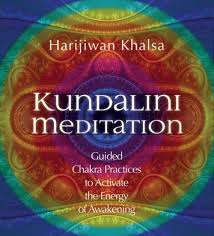
Audio review: Kundalini Meditation by Harijiwan Khalsa
0

Kundalini Meditation is not an audio recording for the fainthearted or the narrow-minded. The information is deep and enlightening. It may well take you further in your exploration of the bodies energy systems than you have ever gone before. The author has been teaching kundalini yoga since 1975 and was taught by Yogi Bhajan. His comprehensive knowledge and experience shows and you have the feeling you are in hands you can trust. Kundalini Meditation takes you on a deep spiritual journey.

Session one of Kundalini Meditation – introducing the chakras

The Kundalini Meditation starts with an introduction to the chakras in brief. Khalsa emphasizes the importance of experience in understanding the bodies energy systems. We can read about such spiritual ideas, but without practicing them we will never truly feel them for ourselves. He makes a useful analogy by pointing out that reading about food is never going to take your hunger away. The author describes how prana is the life force that moves between the chakras, explaining how the more you understand how your energy moves and flows the better you are able to enjoy your life.

A further, more in-depth overview of the chakras follows. As well as describing the individual chakras, Khalsa explains the relationship between them. He goes into some detail about how we can use the energy of our chakras to achieve what we desire and to communicate more effectively with others.

The author describes the chakras and explains how these are related to organs and the purpose of their energies. This section gave me new insights into the interconnectedness of the chakras, describing them as interlocking gears that affect one another. Khalsa describes the attributes and characteristics of eight chakras, the eighth one being the aura, which is something not covered by many books and meditations on the chakras.

The connections between chakras

This section goes into some depth about communicating with others, describing from which chakra we need to project depending on the kind of information we are trying to convey. I found Khalsa’s explanation of the connections between chakras particularly useful.

In the following quote, Khalsa explains why it is important to direct the energy through the chakras.

When the mind is directed to the spirit, then there is the feeling of expansion. If the mind isn’t directed towards the spirit it will…start to direct towards the earth or lower chakras…and the experience will start to become narrow.

Khalsa describes how we can get stuck in the energy of a particular chakra. When we begin to perceive the world through this limited view we become closed and narrow-minded. He explains how the universe offers unlimited energy, as long you know how to connect to it and channelize it. The chakras offer the way to connect.

Kundalini Meditation – mantra practice

This first session concludes with a brief mantra practice. The author explains that this can ‘take the lower energies and put them up in the higher centers’. This mantra may seem strange if you have no experience of chanting. However, I did feel it was waking up energies within me and expanding my mind. I also felt very peaceful by the end. It is worth finding a quiet place to complete this section so that you do not disturb others or feel self-conscious.

Session two of Kundalini Meditation

Session two of this audio contains a deep meditation on the eight chakras. The meditation works through them individually to clear each chakra. Khalsa plays a gong to help release negative and non-productive energy. Khalsa directs his voice at the subconscious mind to heal unprocessed memories, thoughts and karmic patterns.

I found the sound of the gong to be very relaxing and mind expanding. At first, I found the style of voice a little distracting, especially at sections where he repeats phrases. However, I soon began to relax into the sound of his voice. Khalsa doesn’t clearly explain the physical location of all the chakras, so it may be useful to have a diagram at the ready if you are not familiar with their positioning.

The whole meditation is quite long taking around an hour to complete in all. I found it hard to fit this into my day. However, each chakra can also be done individually. It was actually difficult to make notes while listening to this meditation as I became so relaxed. I had to rewind a few times to note down my thoughts.

Each section covers the physical healing of the areas of the body related to each chakra, such as organs and the digestive system. It also covers releasing of memories and emotions such as guilt or greed. It then describes the positive elements of each chakra and how the chakra feels when balanced. The meditation is inspiring and empowering. The combination of gong and voice had a hypnotic effect and I did feel my mind expanded while listening. I felt deeply calm and relaxed and saw swirling patterns of light, color and darkness before my eyes. I have rarely felt this deeply relaxed and awakened. This is a truly powerful meditation.

Who I recommend Kundalini Meditation for

I would recommend Kundalini Meditation to anyone who already has some knowledge of chakra system. This is a recording suitable for those with some existing spiritual knowledge. The reader will need to bring a spirit of curiosity and openness to get the best from this profound work.

Product Details

Total time: 2 hours 20 minutes

This audio meditation is produced by Sounds True. Visit http://www.soundstrue.com/store/kundalini-meditation-590.html

Also available at Audible.com
Ushira – the “cooling” herb of hot India

0

In Indian Herbal Ayurvedic System, Ushira herb has its own place of importance. It has cooling properties which can be “deployed” as Ushira sherbet or juice to have cooling effects in heat. Since old times women have been using the extract of Ushira for treating problems related to their periods. The leaves of this plant are used in many of the top skin care products and it can also be directly applied on the body. It has other medicinal benefits like curing emotional traumas, insomnia, aromatherapy, joint and muscle pains and much more.

Other names for Ushira are – Khaskhas and Vetiver. We will use these names interchangeably in this article. Vetiver, an English word, actually has Tamil origins, from where it was taken by French, and then the English. In ancient Tamil literature, Vetiver – Vettiver in Tamil, meaning rooted out (vetti) grass, finds mention for its medicinal properties. The plant has been native to India and is now used all over the world in many applications.
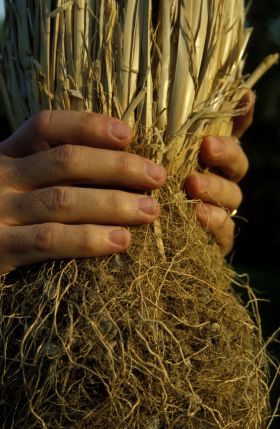
1. Unlike other grass, Ushira roots go very deep, deeper than some trees. This makes the plant an excellent stabilizer for stream banks, terraces etc. In fact, this property has been used by India’s Konkan Railways, which runs through western ghats having very high levels of rain, to stabilize the railway tracks. An excellent Indian solution to an Indian problem in modern times. You can read about this on this webpage:
http://vetivernetinternational.blogspot.in/2009/01/this-11-year-old-railroad-located-in.html

2. Some special properties of Vetiver enable it to protect crops. It attracts insects which lay their eggs on Vettiver, but due to its hairy architecture, the larva cannot survive on it and die, thus reducing the pest population in areas around Vetiver. The oil in Vetiver roots also has anti fungal properties.

3. Some of us, to whom old Indian concoctions were available, have tasted “Khas Sherbet”. Khas essence is added as a flavoring to a mixture of sugar, water and citric acid to make Khas syrup. This syrup is then mixed with water to make a nice flavored drink. We see less of these on Indian shelves nowadays, but those interested can still find this syrup online. Khas can be used for flavoring Lassi or ice cream also.

4. Vetiver is very popular in perfumery also, and perhaps this application of the plant has found the most widespread acceptance globally. Some notable examples (taken from Wikipedia) are: Dior’s Eau Sauvage, Guerlain Vetiver, Mr. Vetiver by Une Nuit a Bali, Zizan by Ormonde Jayne and Vetiver by L’Occitane. You can also get Khas flavored room fresheners. In fact, the main feeling Khas flavor gives is one of “coolness”. So Khas flavored scents feel very nice in hot weather.

5. Khas used to be literally used for cooling places in the old days when no air conditioning and not even fans were available. Khas mats were hung on doors and windows and were soaked with water. As water evaporated in the hot summers of the Indian subcontinent, it cooled the room and provided a pleasant ambience. Khas has many advantages in this application. Its nature is such that algae and bacteria do not develop easily, even if water runs on it for months. Also, it gives off a pleasant smell of its own. Alternative materials such as wood shavings or hay would start giving off bad odor within hours.

6. Finally, of course, Vetiver has medicinal properties, and has been used in medical applications since ancient times in India. It has strong antiseptic properties which make it very suitable in the treatment of acne. Vetiver oil is popularly used for this purpose today also. Mixed with green gram powder, Vetiver also is used as a bath powder. The root can also be made into an Ayurvedic bath scrub which feels very pleasant and cool.

Vetiver has been very effective in providing many types of “cooling” and freshness to people on the Indian subcontinent for ages. We hope these tested and proven methods of improving our lives are not lost, but find their proper place in our modern lives also.

Yoga: Book Review 101 Essential Tips Yoga

0

101 essential tips yoga packs a lot of useful information between its slim covers.

The book is divided into seven sections, which guide the reader through the practice of yoga. The book covers everything from the benefits of yoga to clear instruction and images showing how to do the poses.

Yoga and you

The book is structured in the form of 101 tips, which start with 1. What is yoga? In this first section, the tips guide the reader through the essentials of yoga and its benefits with the first tips offering guidance on the benefits of yogic exercises, correct breathing and complete relaxation. This section then moves on to further benefits and covers related areas such as positive thinking and a balanced diet. Each of the tips offers a brief introduction to the subject. The information is clear and simple to understand, although not in depth.

Getting started

This second section offers tips on starting a yoga practice including equipment and health guidance. This section also gives some warm-ups exercises to complete before beginning your practice.

Poses for strength

After explaining how yoga can improve strength, this section guides the reader through the first yoga poses. The section offers some simple introductory poses; such as mountain pose and warrior pose. The poses are shown with clear directions. There are also clear pictures, which are annotated with further guidance notes. This section finishes with a sun salutation.

Poses for tone and stretch

This part begins with an explanation of how yoga improves body tone. It then demonstrates poses specifically designed to improve these areas. Building on the first poses, it includes classic stretching poses such as standing forwards bend and cat pose. Again the pictures and instructions provide clear guidance.

Poses for relaxation

Beginning with a concise explanation of how yoga promotes relaxation and harmony, this part builds on previous sections with poses for relaxation. The section contains many floor-based poses as well as poses using a chair. The section includes classic relaxation poses such as child pose.

Poses for balance

Flowing on from the previous sections to provide a complete routine, this section
includes classic balance poses such as tree pose and eagle pose. It explains how yoga improves balance and offers floor-based poses and poses using a wall for support.

The cool-down

The final section of the book, the cool-down includes methods of physical relaxation as well as mental relaxation. Included in this section are classic relaxation poses such as the corpse pose. There is also a section on meditation, hand positions and yogic breathing.

This book provides a simple introduction to yoga. With this book, the reader is given all the information necessary to begin a yoga practice at home, including warm up, poses, relaxation, meditation and cool down. The information is clear and concise and the poses are well demonstrated with clear directions and pictures. The book covers all the necessary information required to begin a yoga practice. It is intended to be a brief introduction to the practice and so does not go into great depth on any subject. This could be useful for a beginner, as they will not be overwhelmed by information.

The book is a very western take on yoga with barely any Sanskrit terms used. I think it would have been useful to explain terms such as pranayama (yogic breathing) and mudra (hand positions) as this would make it easier for readers when they moved on to more in-depth information about yoga that uses these terms.

Overall, I would recommend this book as an ideal tool for complete beginners to yoga.

How yoga practice was key to my spiritual awakening.

0

I started my yoga practice because I wanted to be more flexible. Little did I know it would help me achieve spiritual awakening.

I took my first yoga session with a wonderful, experienced and compassionate teacher. The lesson was harder than I expected. I had become tied up in knots with a sedentary job hunched over a laptop. But by the end, my muscles felt looser.

However, the benefits of that first yoga session were so much more than I had anticipated. My whole body felt loose, alive and flowing as if energy was flooding through it and rejuvenating parts that had been stagnant since I was a child. I felt vibrant and energetic in a way I hadn’t felt for a very long time. My body felt like it was floating down the steps to the street door and out onto the pavement.

Even more astonishing was the way my mind felt after that first session. I was a stressed out mom of two with a busy life, a demanding job and a long-term illness that made me feel tired all the time. But as I left this yoga class, my mind felt completely different. Instead of the constant worries about what I had to do next, how to fit it all in and how to make everything all right, I felt calm. My mind felt like a wide-open space instead of a maze of narrow alleyways. At this point, I had not achieved a spiritual awakening, but I had certainly begun to be more open and aware.

I was hooked.

Over the next few months, I continued with my yoga practice. I also began to read more about meditation, mindfulness, and eastern religions. I began to look at the world in a different way. But reading about these things alone didn’t seem to change me. I read about the connectedness of everything, about attachment and suffering and on an intellectual level, I understood. But I still had the anxious thoughts and a feeling that something was just not right. My body went back to tense muscles and shallow breathing.

The only thing that really made a difference to the way I felt was the yoga practice. I kept up my practice attending a class every week and the feeling I got from the class lasted. I began to feel more peaceful all the time. Although I was by no means enlightened and still got stressed out, anxious, tired and grumpy from time to time, something was different. Beneath the angst of daily problems was a layer of peace that was there all the time. The connection I felt from this body and mind experience allowed me to understand the spiritual truths I was reading about on a deeper level.

And gradually, I began to have glimpses of being more than just a body and mind. I began to experience moments of bliss where I was connected to everything and everything was connected to me. I would be holding a pose or lying in a meditation and suddenly my mind would just expand to encompass everything.

At first, these were just fleeting moments. My ego would suddenly flood back in and my mind would once again start thinking, putting itself at the center of the universe. But gradually, the ego interfered less. I began to understand the interconnectedness of all things. A part of me began to see that there was no ‘I’ that was separate. I was able to release my anxiety and stress and to begin to enjoy the wonderful journey of my life as a spiritual being in human form. I had achieved a momentous spiritual awakening.

How does Yoga help us achieve spiritual awakening?

We come to yoga to help our bodies.

Most people come to yoga for the physical benefits. We begin with a class and because it feels so good we come back. We somehow understand that this practice is more than just physical, we get a glimpse of the peace available to us and we long for more.

At this stage, we start to view our bodies differently, being less inclined to feed them with junk and treat them badly. Some people decide to become vegetarian, others to follow an Ayurvedic diet. Many just choose to make healthier choices in order to help the body and mind.

We realize that yoga is working on our minds as well as our bodies

As we develop our practice, we notice that the physical effects of yoga are just the beginning. We begin to feel calm and become less reactive to the drama going on around us. We begin to pause when stress starts to rise and we find new capabilities within us for dealing with the problems of the world in a new way.

The more we practice yoga, the more we begin to understand that our bodies are not separate from our minds and that we have no real physical substance at all. We are merely energy moving with all the other energies in the universe. In this way, the energy of the universe begins to flow through us better. We release blocks and clear the pathways through our bodies. As we open these pathways we become more sensitive to the energy around us.

By clearing these energetic pathways, we’re opening ourselves up to a different way of being. Eventually, we become so open that we have brief experiences of oneness.

We are drawn to discover what else yoga has to offer

As we deepen our practice, we begin to notice other shifts. We become more forgiving and more compassionate. We are less judgmental of others around us as we begin to understand that they too are on a journey and we are all at different stages.

And then, we get an insight; a moment of bliss, a tiny spiritual awakening that suggests that there is so much more to yoga than we originally thought. We may experience a moment of peace and understanding beyond anything we have ever felt before. Suddenly we begin to experience the world in a completely different way. Instead of fighting life as if it were an enemy that must be overcome, we understand that there is no ‘me’ and ‘the world’ but instead, we are the world and the world is us. We suddenly let go and understand ourselves as an expression of the whole. Just as the wave cannot be separated from the sea but is an expression of the sea, we begin to understand that we are an expression of the creativity of existence.

Chhath Pooja – the surviving “Vedic” festival of India

0

Chhath Pooja (Sanskrit: Surya Shashthi), however, is one popular festival in Nepal and eastern parts of India that appears to have its origins in the Vedas themselves. Sun is one of the most important deities to whom invocations are made in Vedas. But more importantly, the Goddess “Usha”, the wife of Sun, also a very important Goddess in the Vedas, but not mentioned very often in other scriptures, is worshipped in Chhath festival. And only in the Chhath festival. Usha is called “chhathi maiya” by Chhath worshippers.

Present day Hindu culture and religion largely connects with the Ramayana, Mahabharata and Puranas. Our remembered heroes and Gods / Goddesses, our festivals and rituals, all connect with these scriptures. The day to day practice of Hinduism seldom seems to connect with the Vedas, though of course Vedas are held in highest esteem.

It is in fact conjectured that Chhath may even predate Vedas. There are verses in the Rig Veda which describe Sun worship, and the description closely matches the observances of Chhath today. Other references include Draupadi being depicted in the Mahabharata observing Chhath rituals, as also Sita in Ramayana.

Chhath Pooja is probably the oldest and the only surviving festival from Vedic times in India!

Chhath Pooja falls on kartik shukla shashthi according to the Hindu calendar. This means Chhath arrives six days after Diwali. Chhath is mainly celebrated in Bihar, parts of UP and parts of Nepal now, though some people in other parts of India too observe the festival. Chhath has moved all over the world now with the migration of people from Bihar and Nepal.

The actual observance of Chhath is quite rigorous for those who celebrate and observe it. Like most Hindu festivals, Chhath involves ceremonial bathing and worshipping the Gods / Goddesses, in this case the Sun and his wives Usha and Pratyusha. But Chhath also involves fasting upto a period of 36 hours during which the devotee does not even drink water. The festival actually lasts 5 days, with the most important day mentioned earlier falling on the shashthi of kartik shukla.

In modern times, Chhath seems to have become more identified with the people of Bihar, which is unfortunate because this festival has the potential to connect us Hindus with the Vedas. Indeed, this festival could be the most universal and unifying feature of Hinduism since it relates not to any sect (e.g. Vaishnavite, Shaivite etc.) but to those scriptures revered by all Hindus.

History of Hindusim: The Untold Story

0

A History of Hinduism

Hinduism is considered the oldest religion by many people. Although there are no surviving documents that give us a precise history of Hinduism, the evidence that does exist divides opinion amongst the academic community. What we do know however, is that Hinduism does provide mankind with the oldest writings we know exist.

Stemming from the west, I was told the oldest book in the world was the Bible. However, the Rig Veda and Hinduism proceed Christianity by at least 4000 years. Possibly even more.

Religious practices in the Indus Valley are known to date back to at least 5000 BCE. Vedic traditions are evidenced on coins found in the Harappa region of northern India, and some of the Gods still exist in modern day Hinduism.

Furthermore, Hinduism is arguably the founding philosophy that influenced all other modern religions. Hindu tradition is certainly the basis of Buddhism, but there are also reflections of Hindu mythology in Christianity, Judaism and Islam.

It would appear that Hindu philosophy did not originate from one single source. The Vedas were clearly written by a number of wise sages that documented their experiences of enlightenment in vivid and colourful stories for the education and entertainment of others.

Although the viewpoints throughout those ancient texts are consistent with each other, the stories vary widely. They are also rich in symbolism which disguises the true meaning of the lessons contained within.

It is uncertain when the symbolism was first exacted, but the meanings are consistent throughout the ages. Gods change name and levels of importance, but the lessons more or less remain the same.

In later texts, there does however appear to be a more profound understanding how the body and mind work in conjunction with consciousness and energy.

Not only that, but the ancient Sanskrit writings are consistent with philosophies of other ancient cultures. We find similarities with Hinduism in Zoroastrian texts, Celtic symbols, Nordic Gods and Sun worship in the Americas.

At the risk of being contentious, the philosophies of the ancient world either came from an originating source of seafaring travellers, or our ancestors tapped into the collective unconscious of the electromagnetic field and every culture found their own path to enlightenment based around very similar ideas.

Ancient travellers

There is a growing body of evidence to suggest a band of ancient seafarers travelled the world. The Phoenicians which enjoyed their golden age between 1200BCE and 800BCE are known to have been enthusiastic travellers.

It is believed that the Phoenicians later became the Canaanites which are the modern day Jews which settled in Israel. The country takes its name from ancient Gods and Goddesses of Egypt – Isis, Ra and El. We even find significant traces of Hinduism in ancient Egypt.

In India, the expansion of spiritual practices flourished around 5000BCE. There is evidence an advanced civilisation flourished in the Harappa region of north India and Mohenjo daro in modern day Pakistan. Ancient cities have also been discovered off the coast of Dwarka in north-west India and the Gulf of Khambhat in the south-east.

It is most likely that the ancient Sanskrit writers learned to reach enlightenment independently or with the help of Rishis from their own tribes. Just as we are in an epoch of greater conscious awareness now, it is possible the ancients went through a similar period of enlightenment.

The ancient Rishis were wise men and would have reached enlightenment by following their own instincts – understanding their true nature. This is one of the lessons all ancient traditions from around the world point towards.

Even today, Hindu monks and yogic practitioner travel the world teaching people their own techniques towards enlightenment and how we can live a peaceful existence.

And it is with modern day Hindus. More than any other religions and arguably any spiritual believer or atheist, Hindus recognise there is more than one route to self-realisation. We are unique individuals and there are multiple paths of life.

Hindus are by far the most open-minded and tolerant peoples when it comes to appreciating the spiritual beliefs of other religions. It is a lesson that all non-Hindus can and should adopt.

The many Gods of Hinduism

Hindus are best known for their worship of many Gods. It is for this reason they have been vilified by monotheistic religions. Yet the truth is that Hindu’s also accept there is One God, but that Oneness is expressed in many different forms – all of which are symbolised in the pantheon of Gods.

Although Hinduism is classified as a religion, it is considered by Hindus to be a way of life. The spiritual traditions originated from the complex socio-political structure of the region, a system that many scholars believed was imposed after the so-called Aryan invasion.

However, the Aryan invasion is widely contested as there is no evidence to support such an invasion ever took place. It could be possible that the Aryan race arrived in India, but it is debateable whether they stayed or had any great influence on the existing cultures or their spiritual traditions.

The Aryans are known to have boasted blond hair and blue eyes. If they did invade India, they would surely have interbred with the locals. Yet there are no Asians with blond hair and blue eyes that date back to ancient times.

Furthermore, Indian society is extremely varied due to the vast geography. There are many different languages, dialects, creeds and castes. Hinduism as a religion was ultimately shaped by the political rhetoric of Indian society.

It is for this reason Hindus are tolerant of other people’s beliefs. Furthermore, there is no one book, God or Messiah that claims to be The one and only Truth. This lack of dogma allows Hindus to practice their own believes with open freedom.
However, it is fair to note that the Vedas point towards an all-encompassing power, an existence that is defined by God in other world religions. But regardless of which religion professes to be the only ‘Truth,’ there is an underlying reference to consciousness and the laws of nature in all of them. And this is what the Gods of Hindu traditions represent. The history of Hinduism therefore, is evidence that our ancient ancestors were more advanced in the understanding of science and psychology than modern day scholars give them credit for.

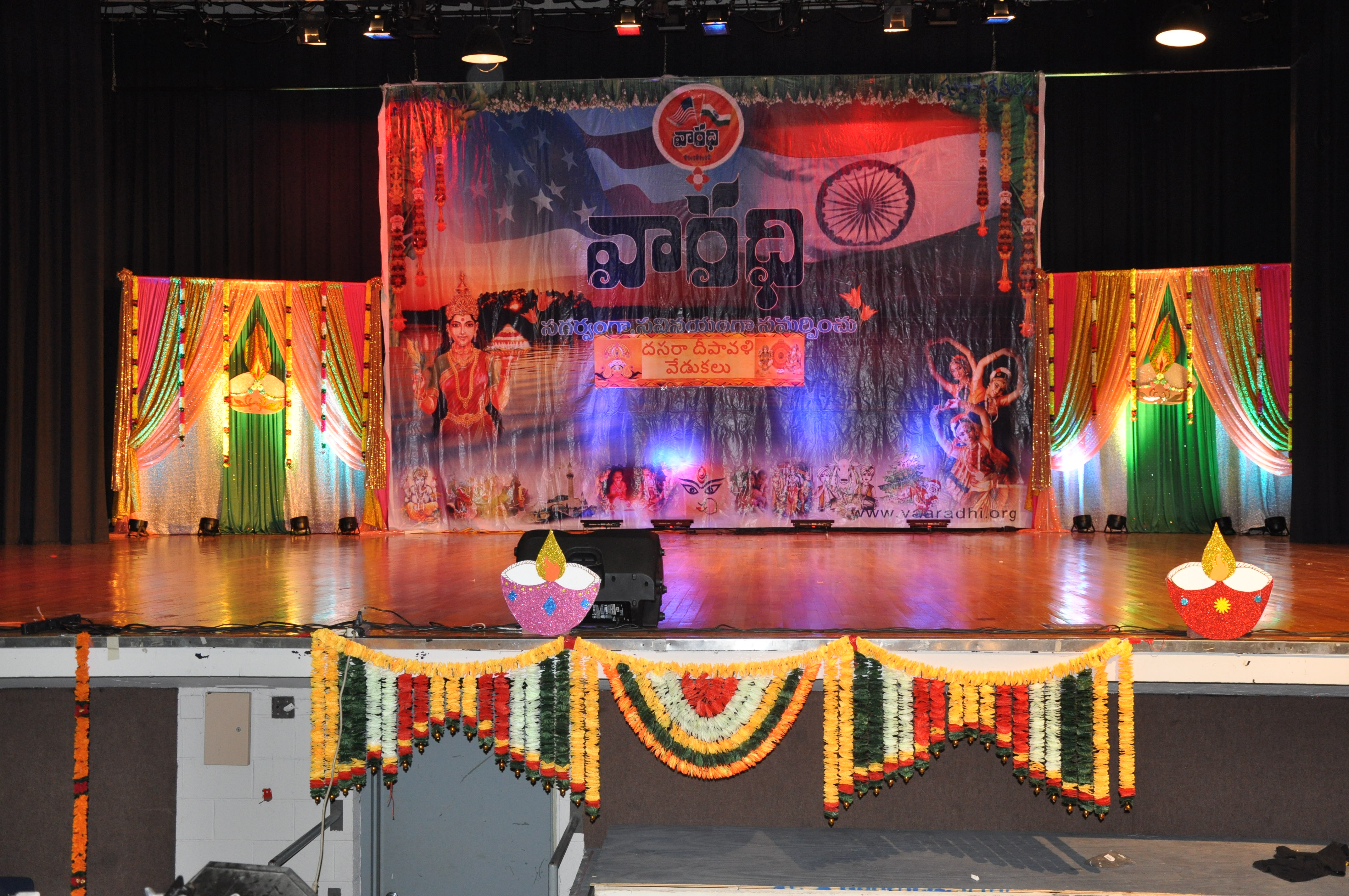
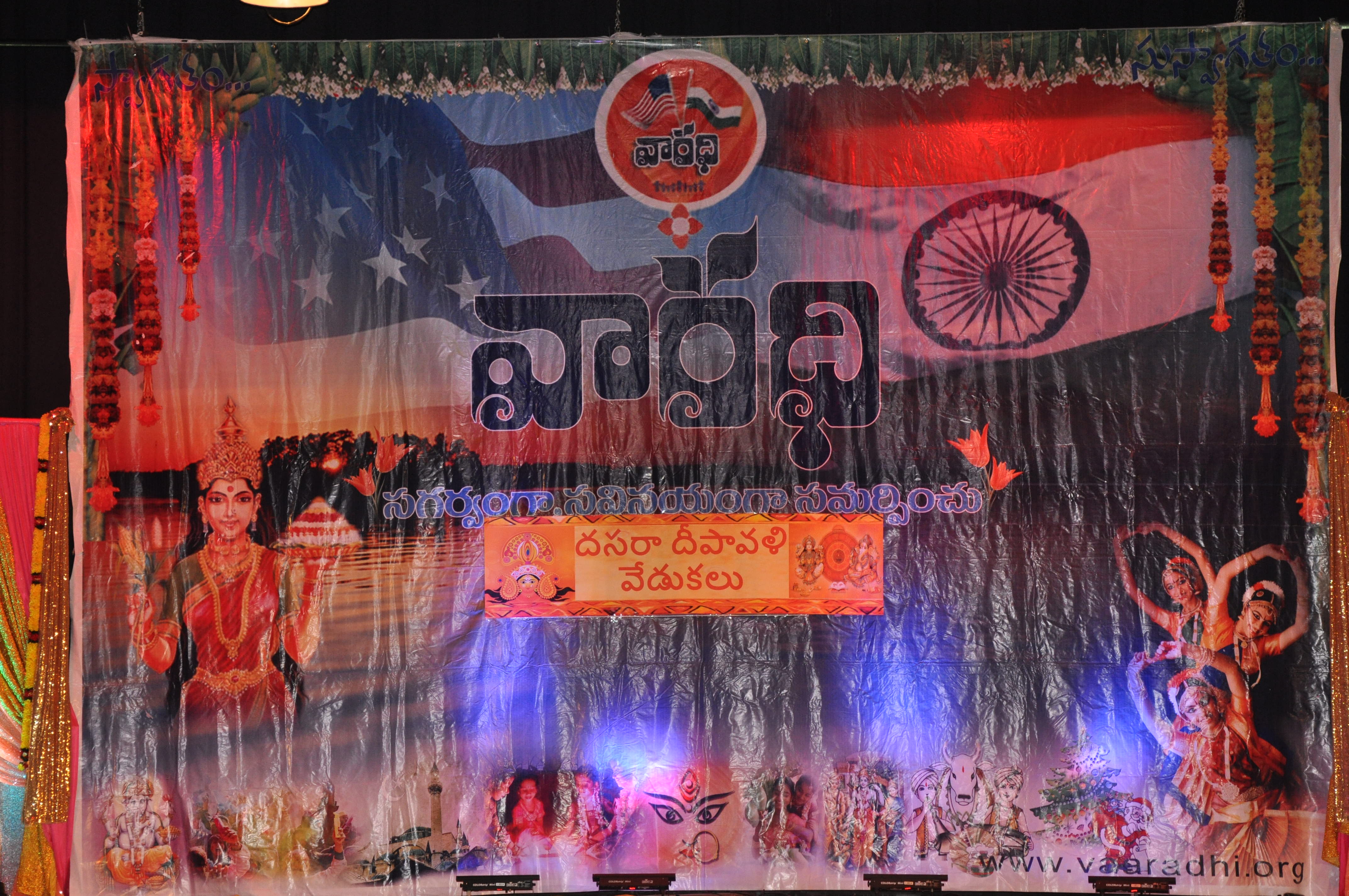
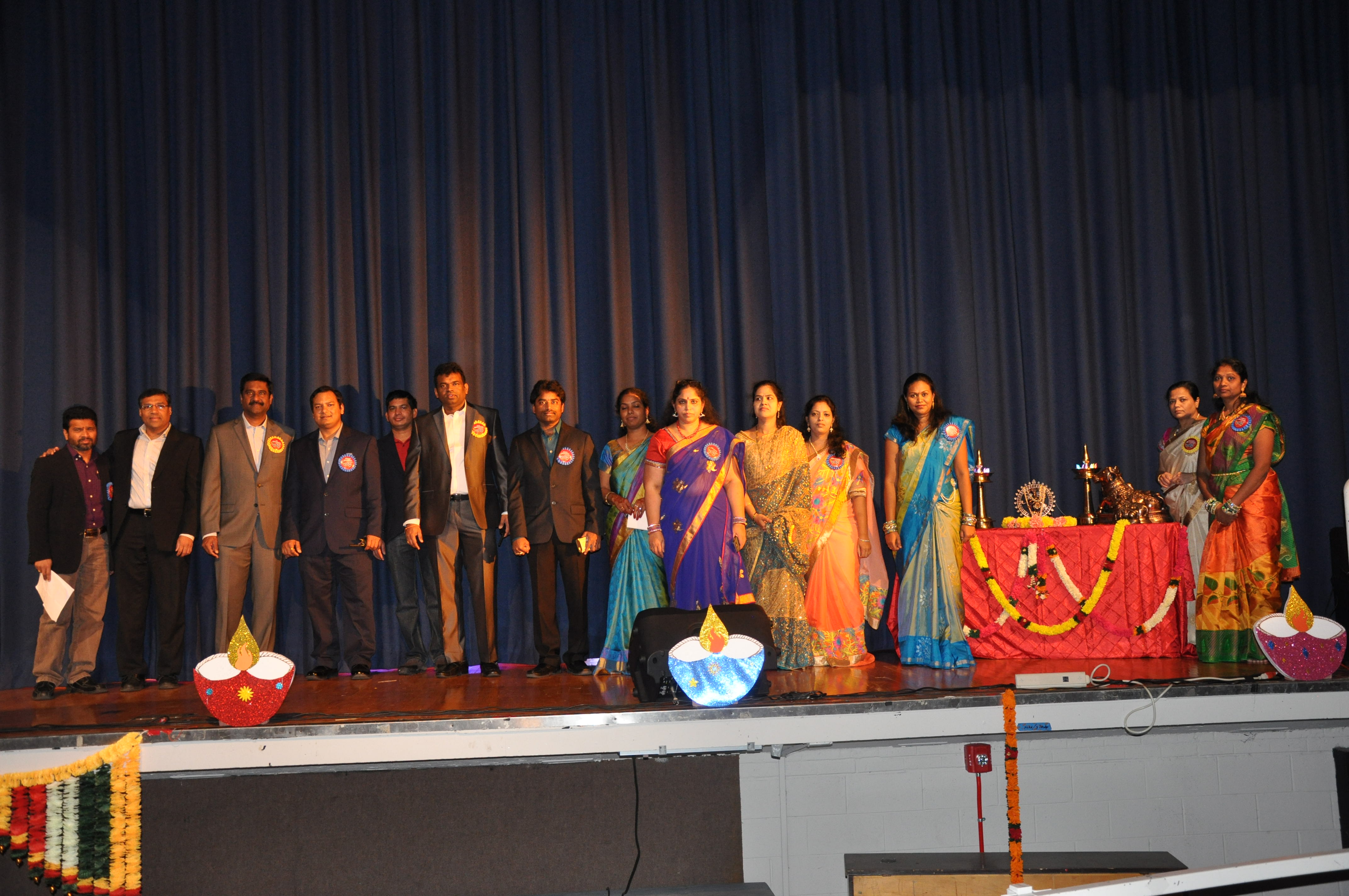
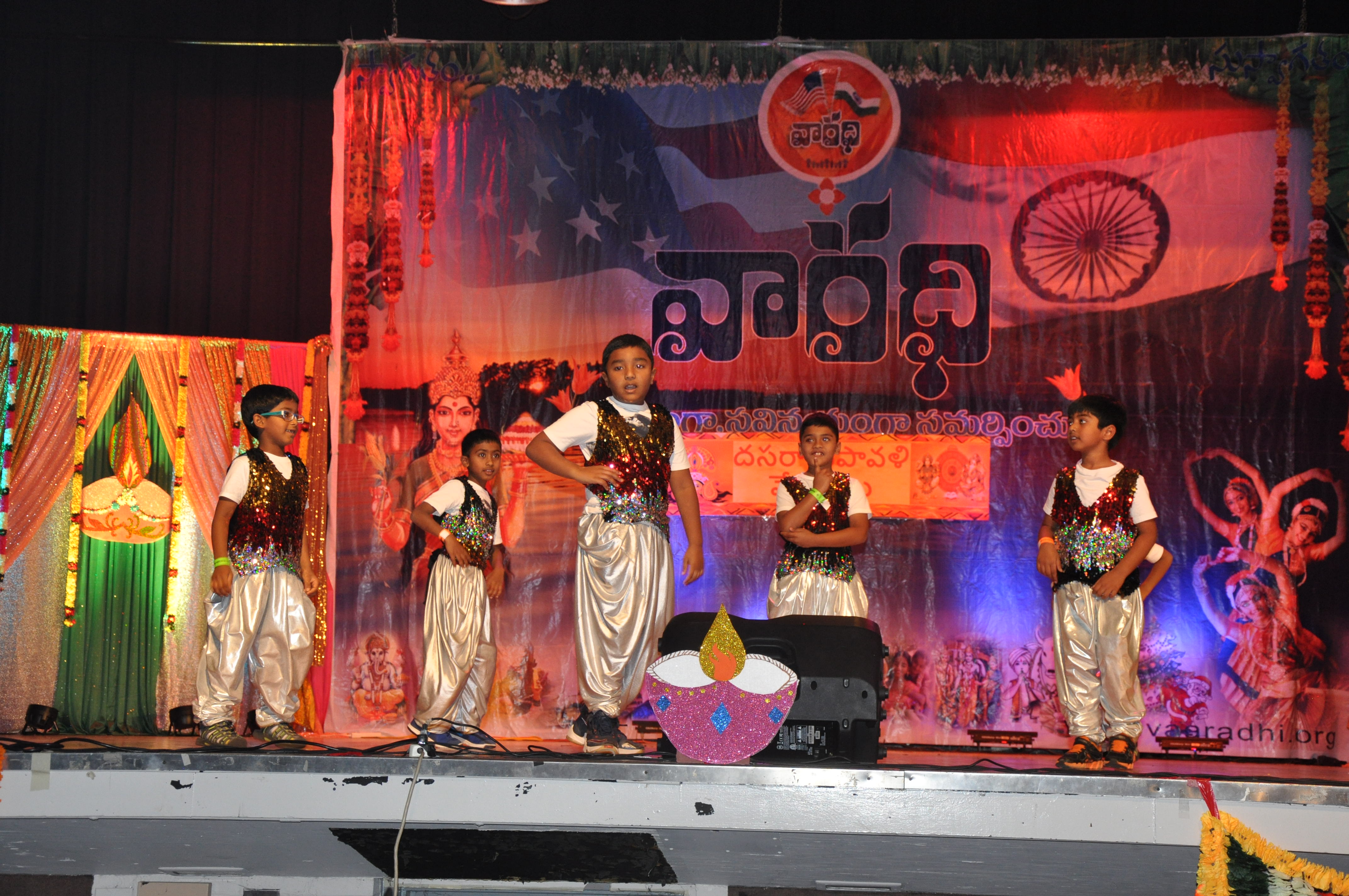
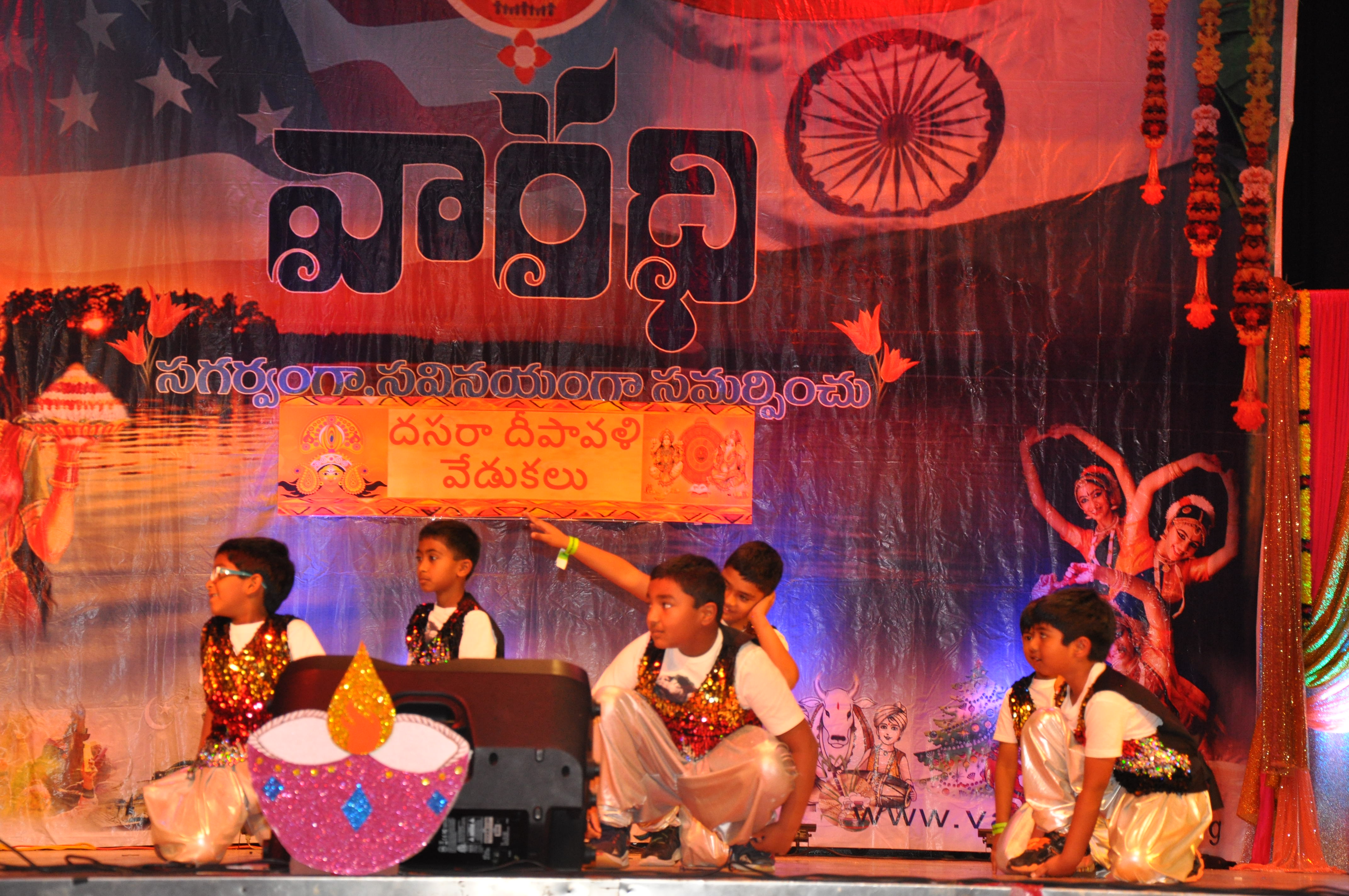
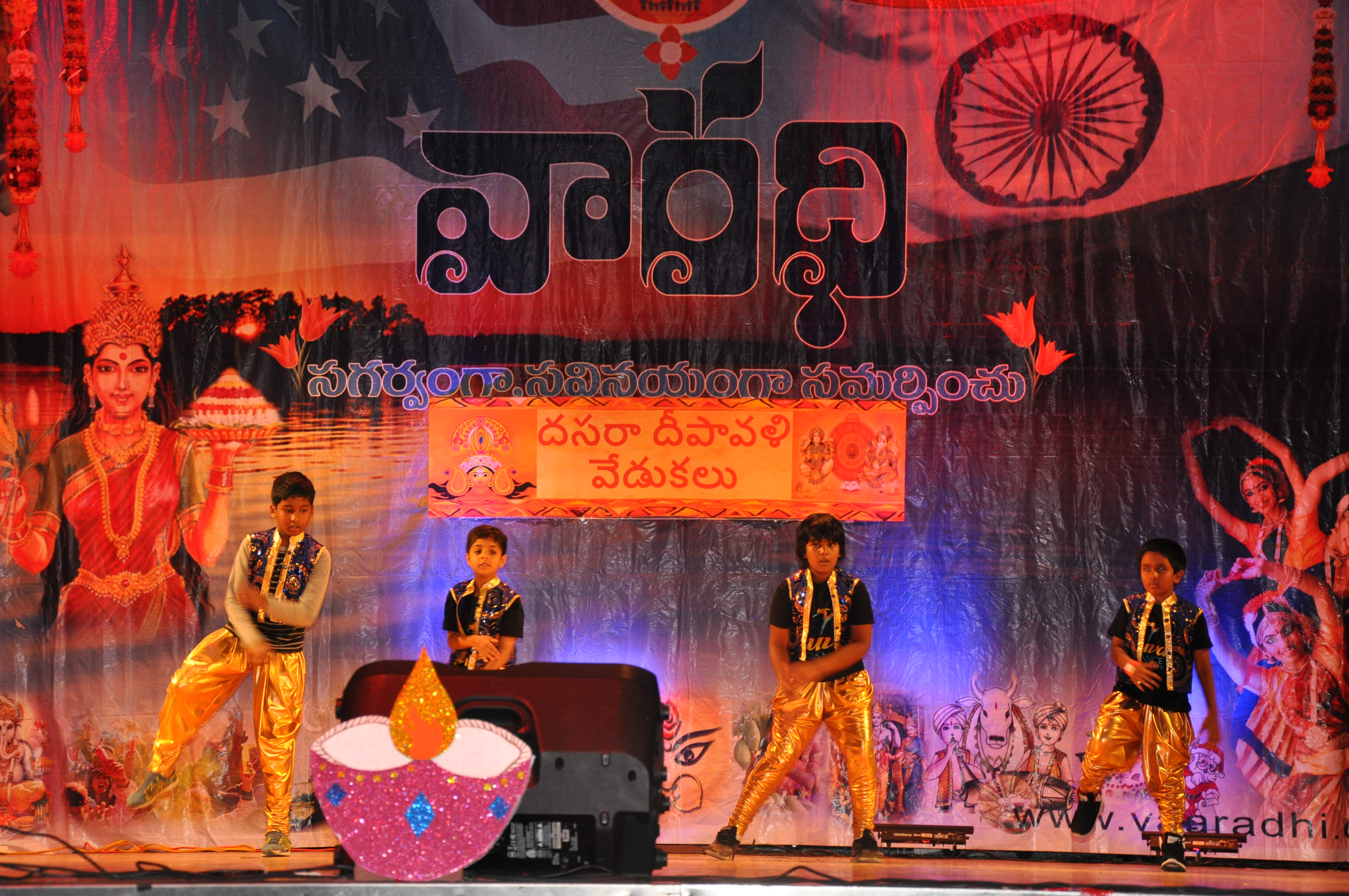
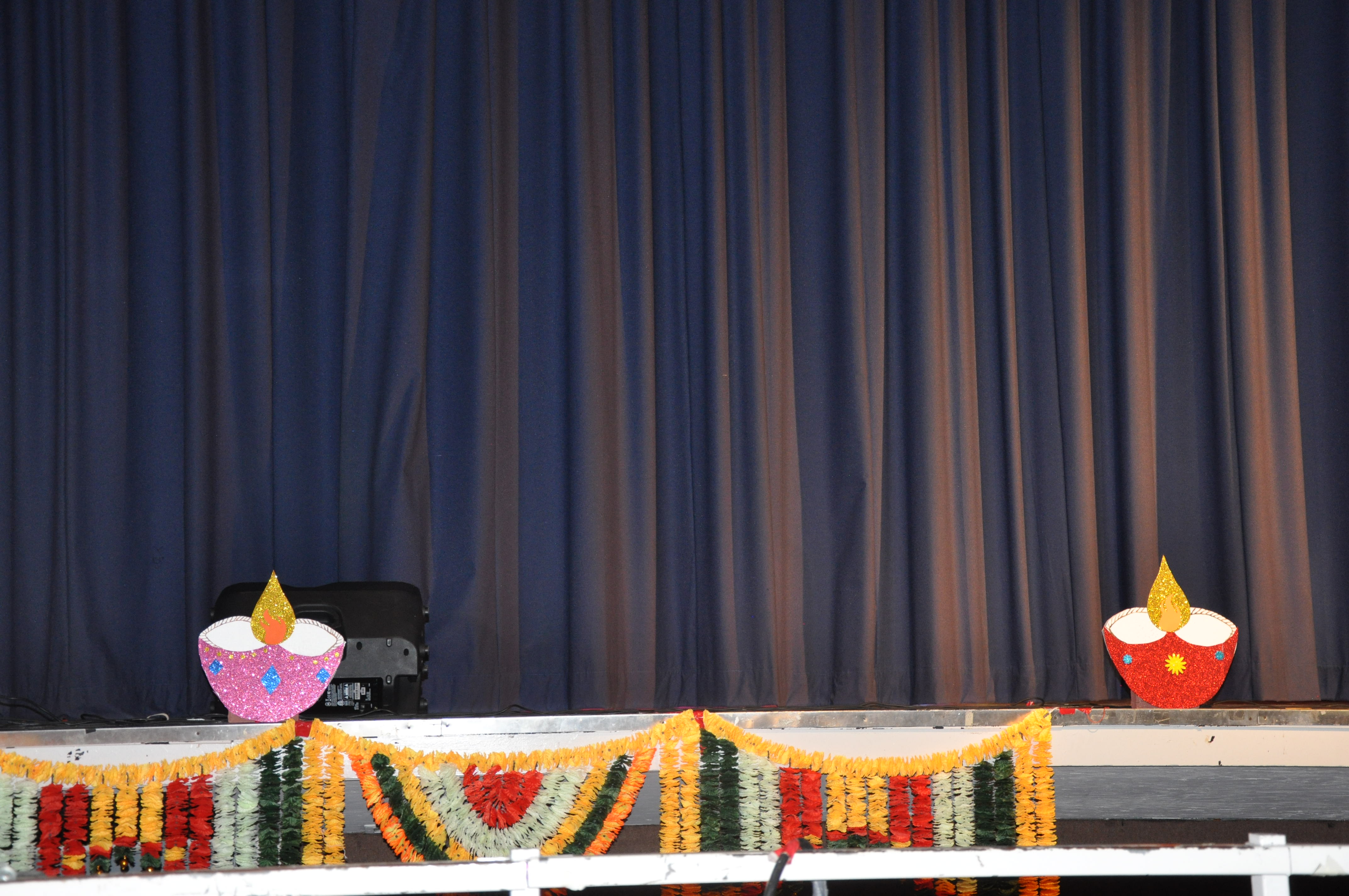
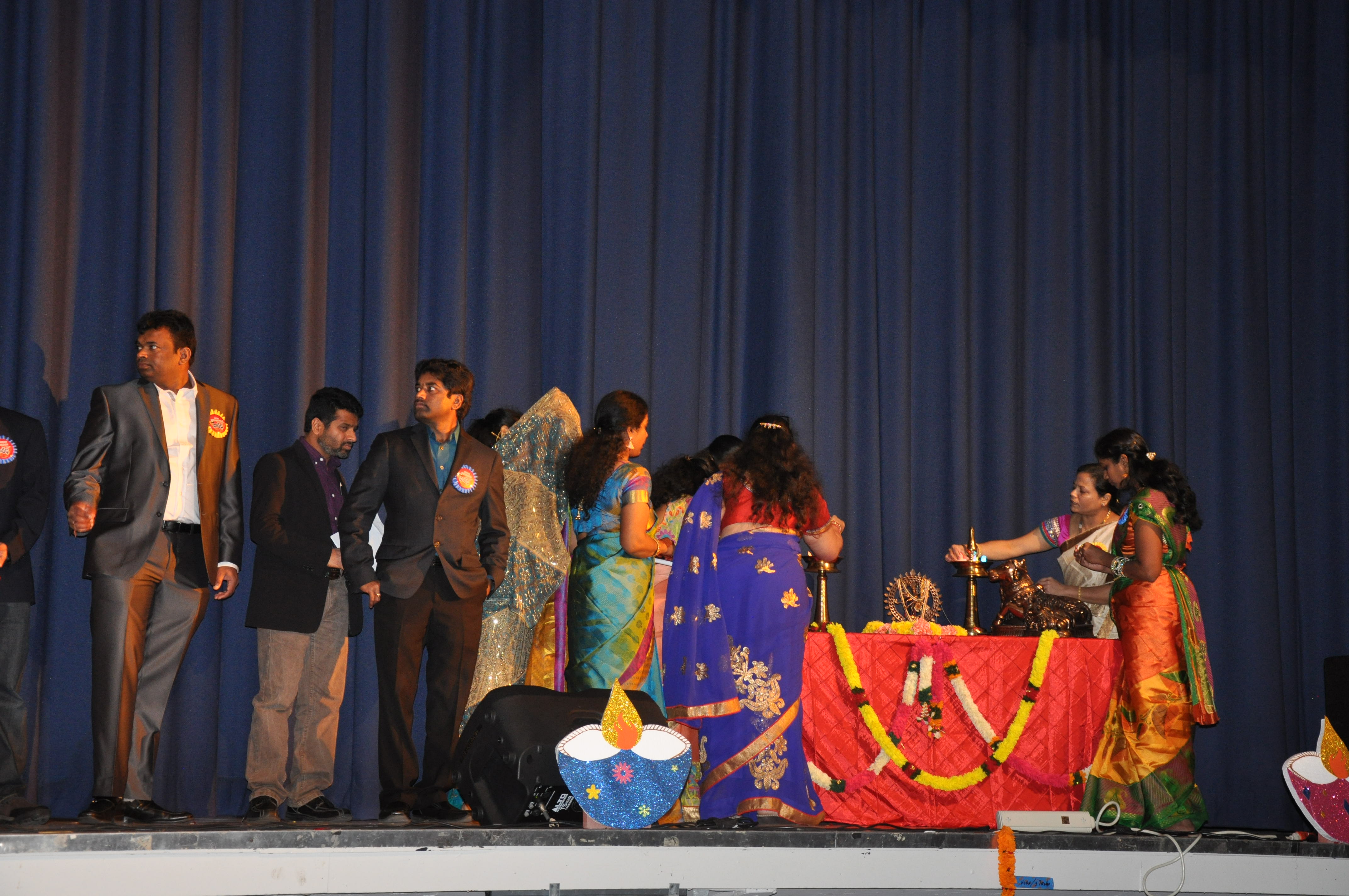
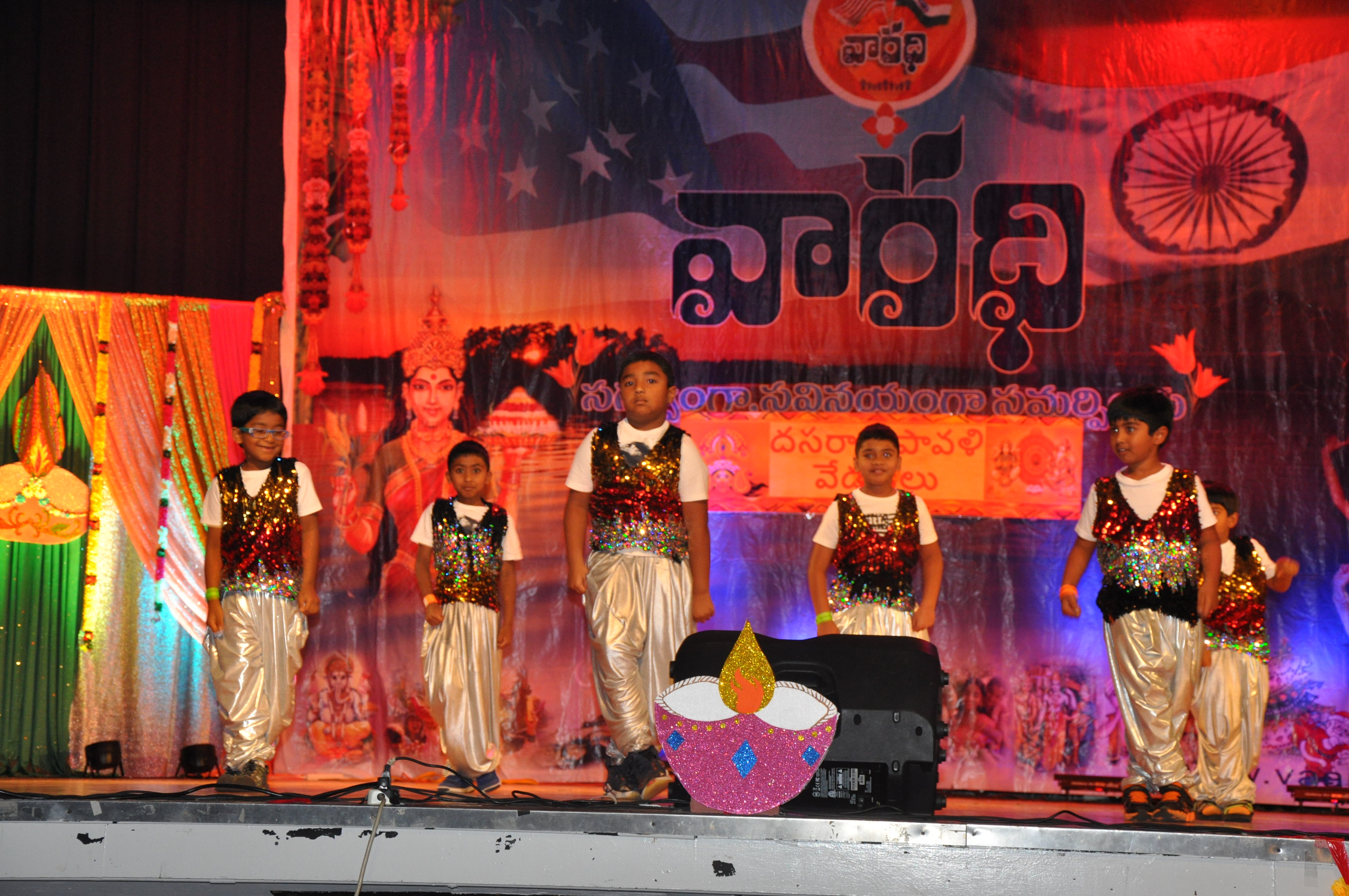
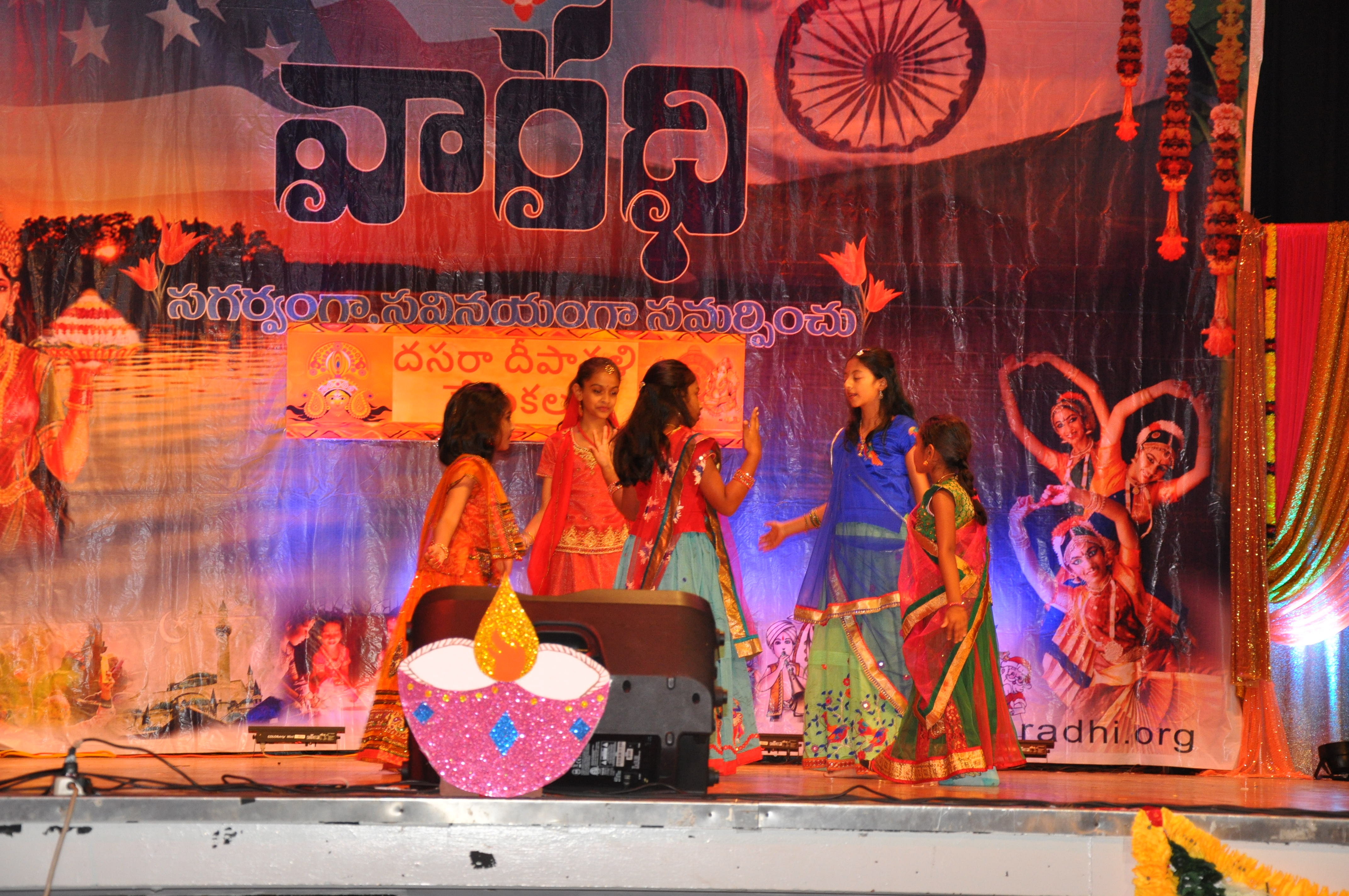
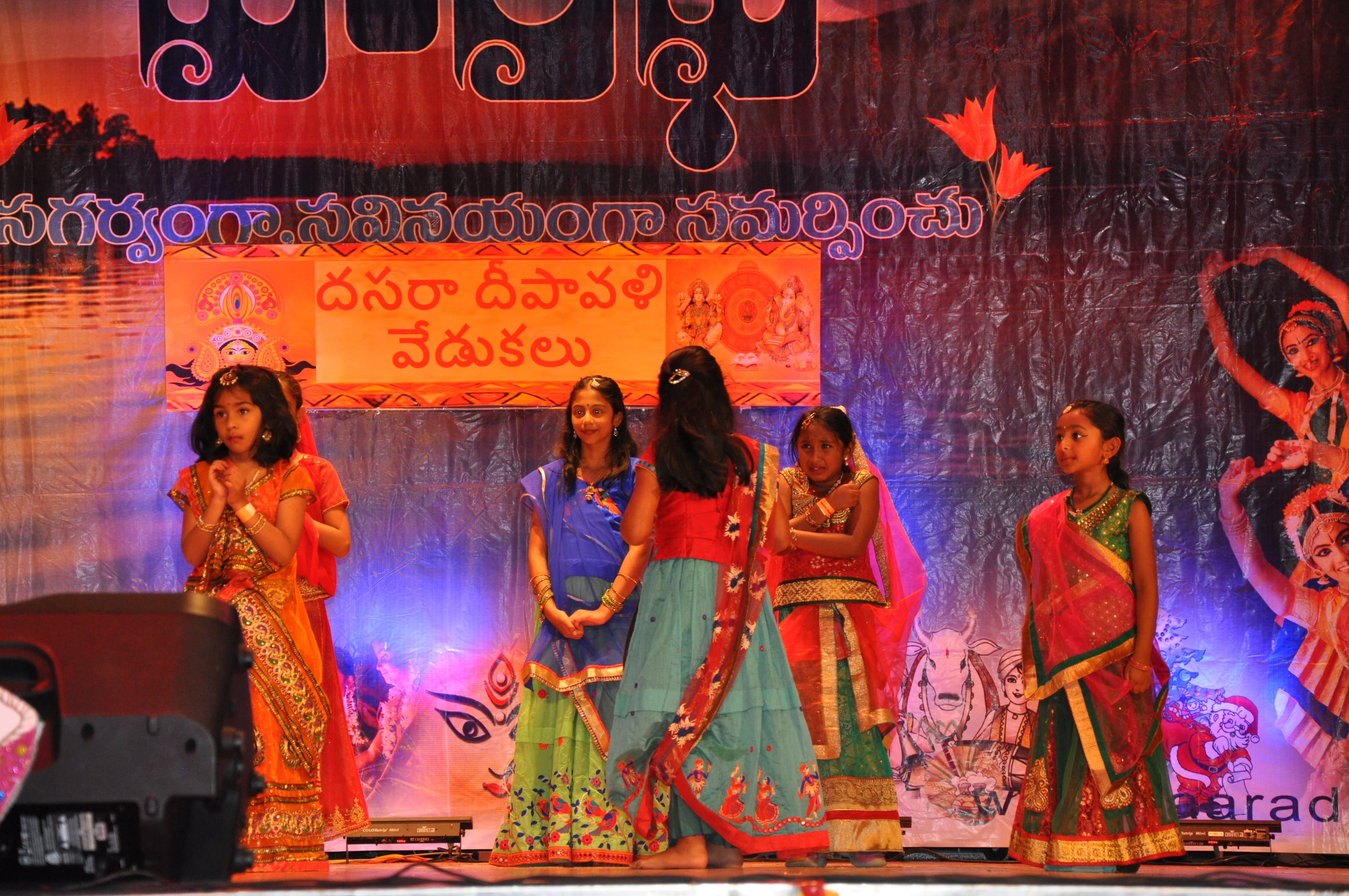
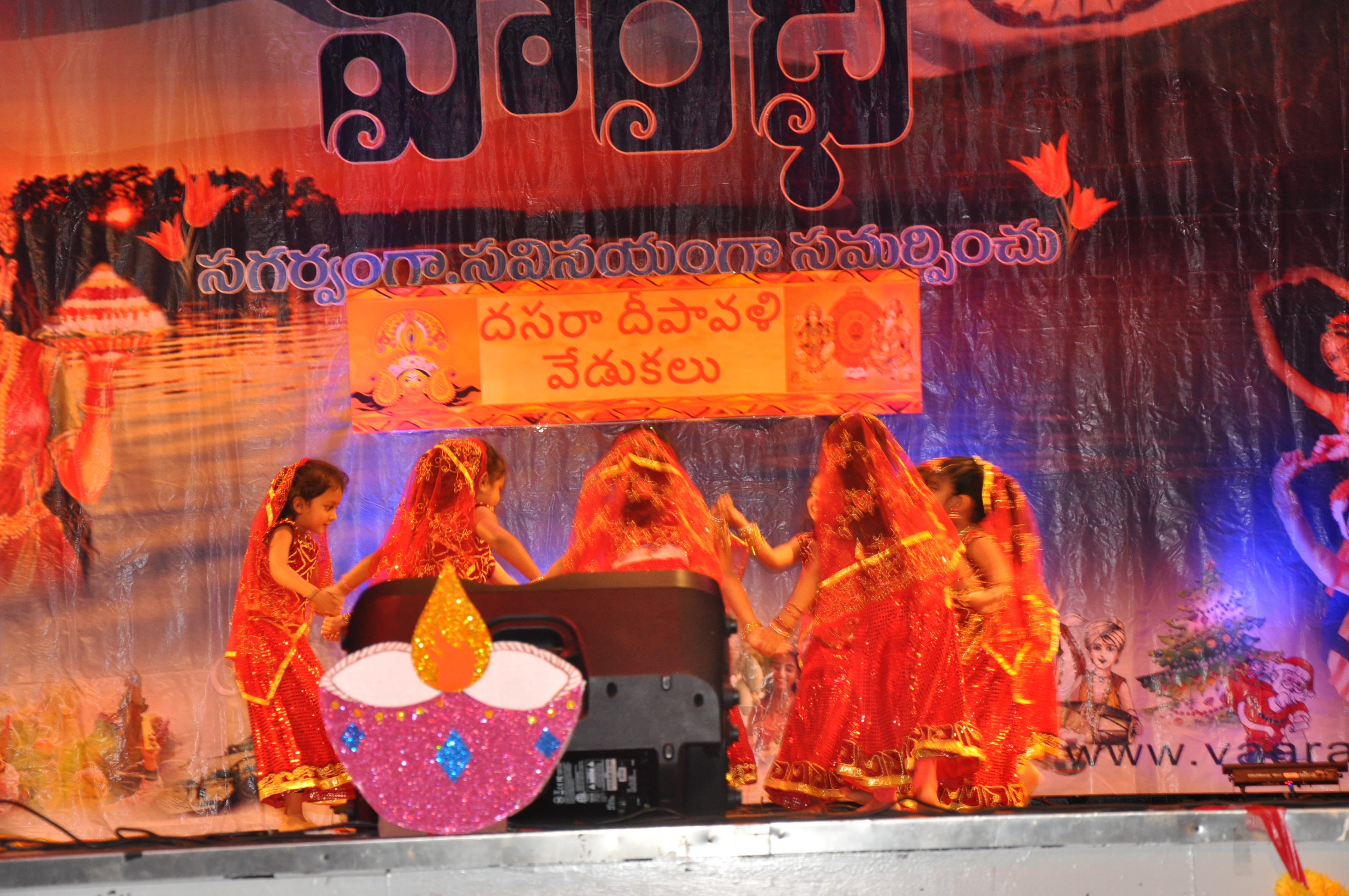
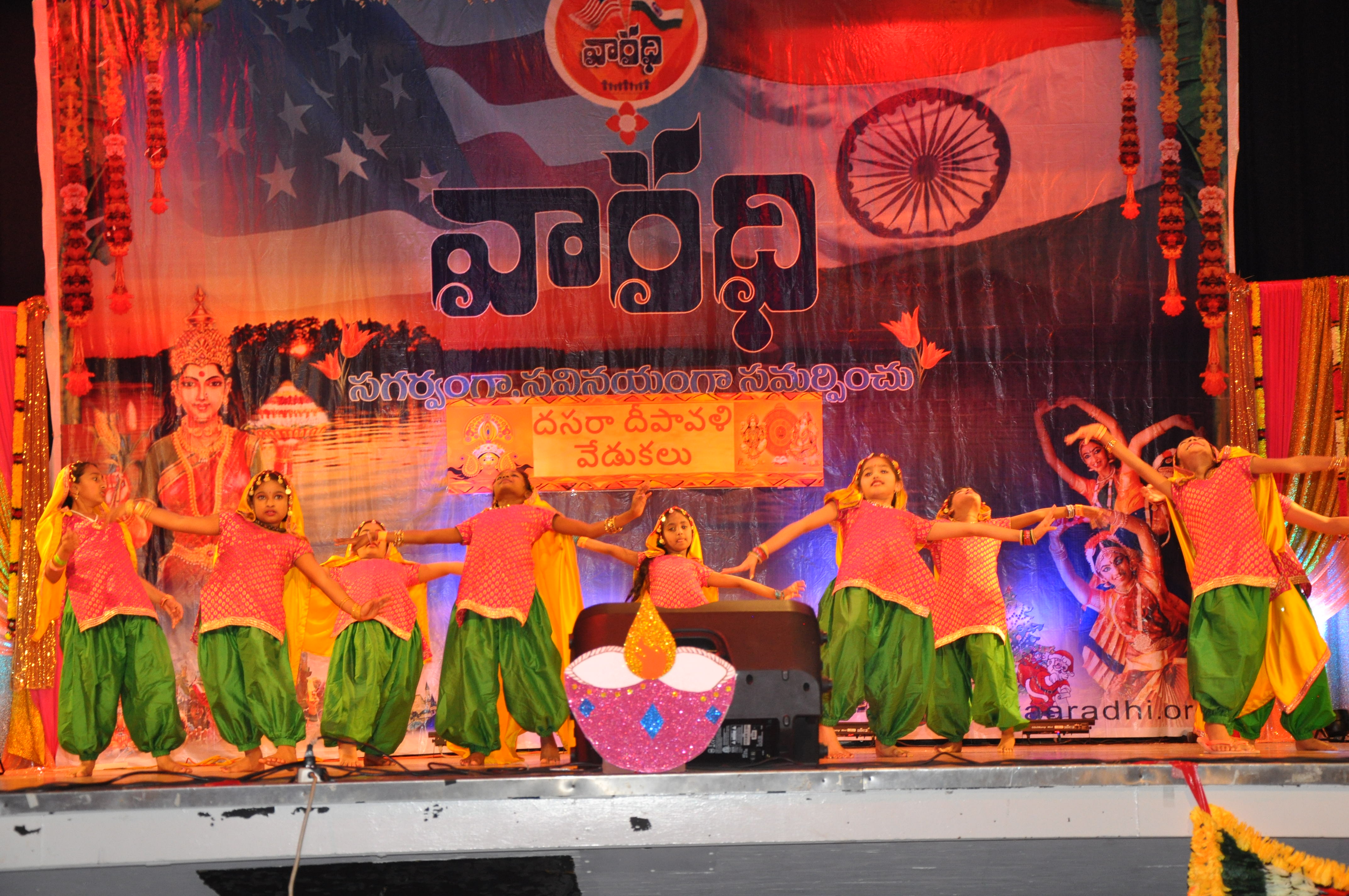
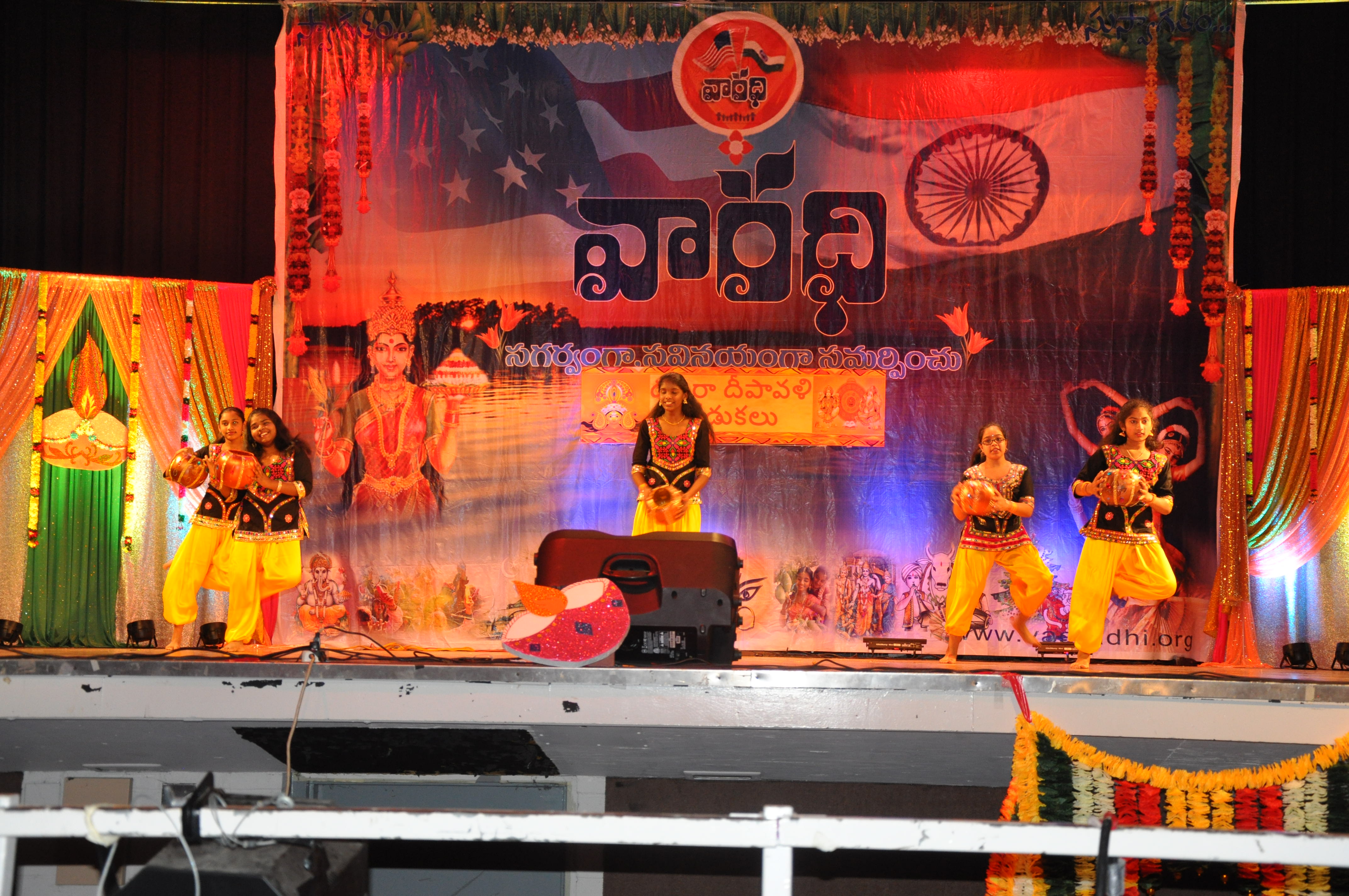
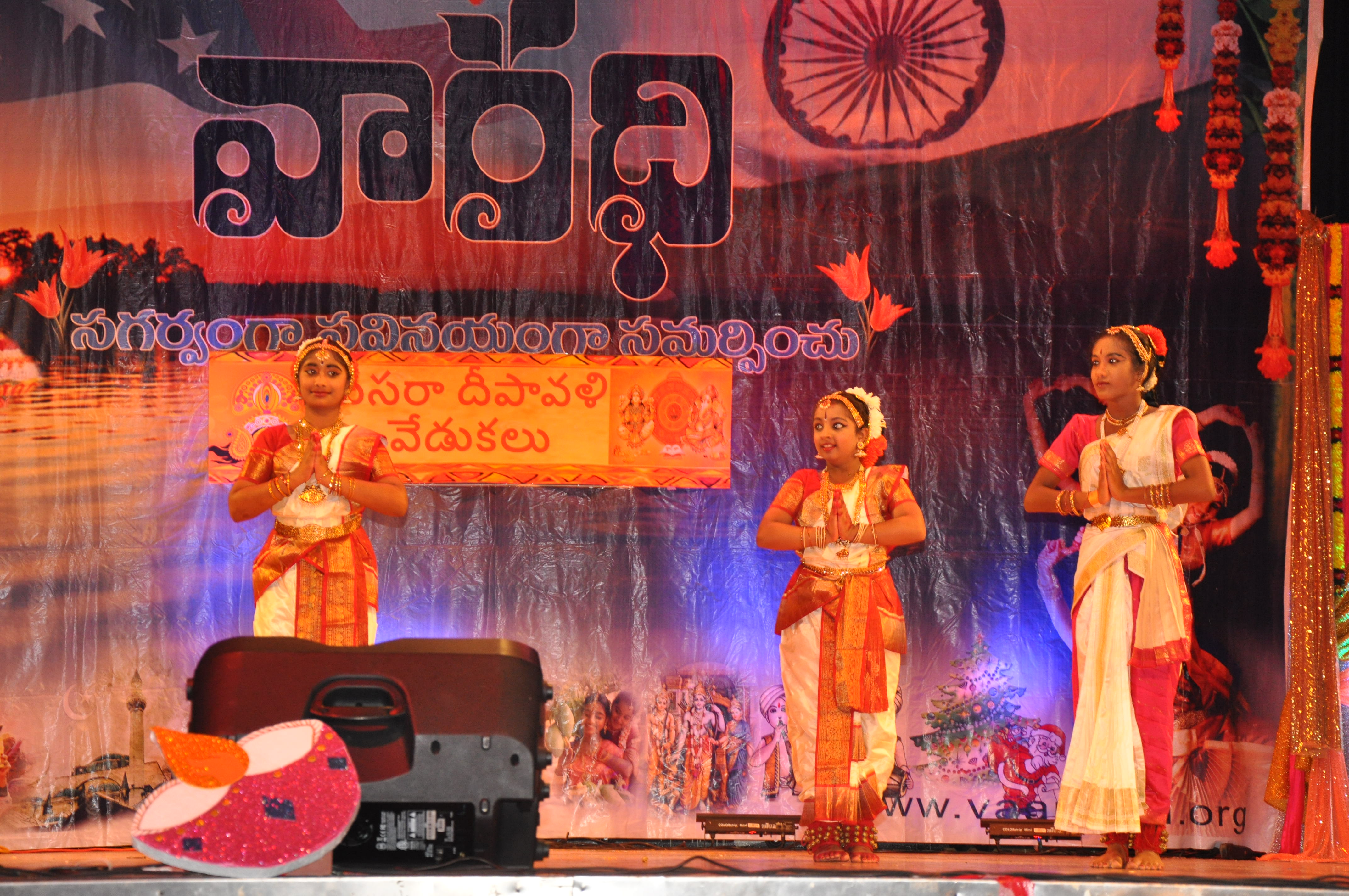
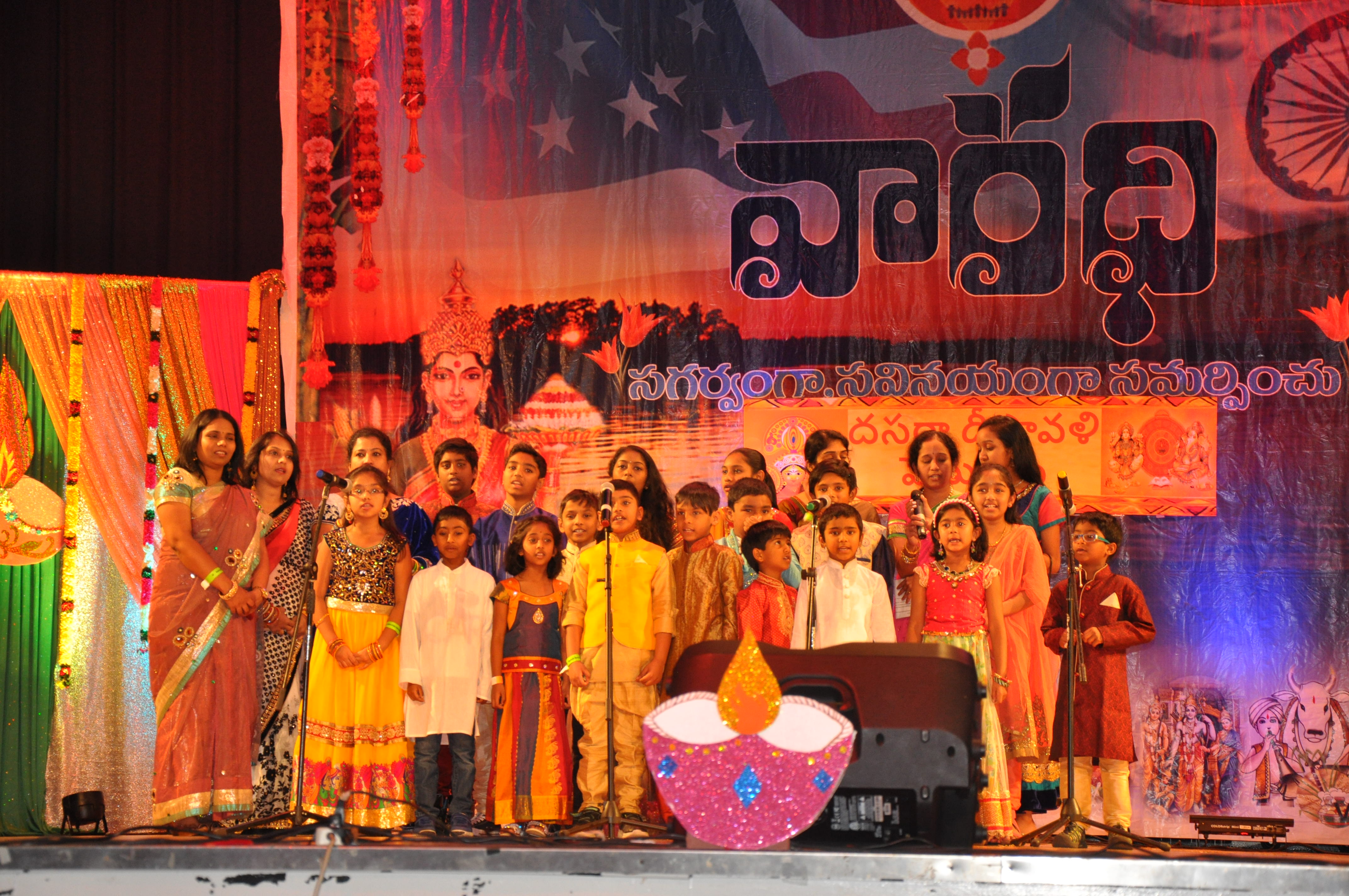
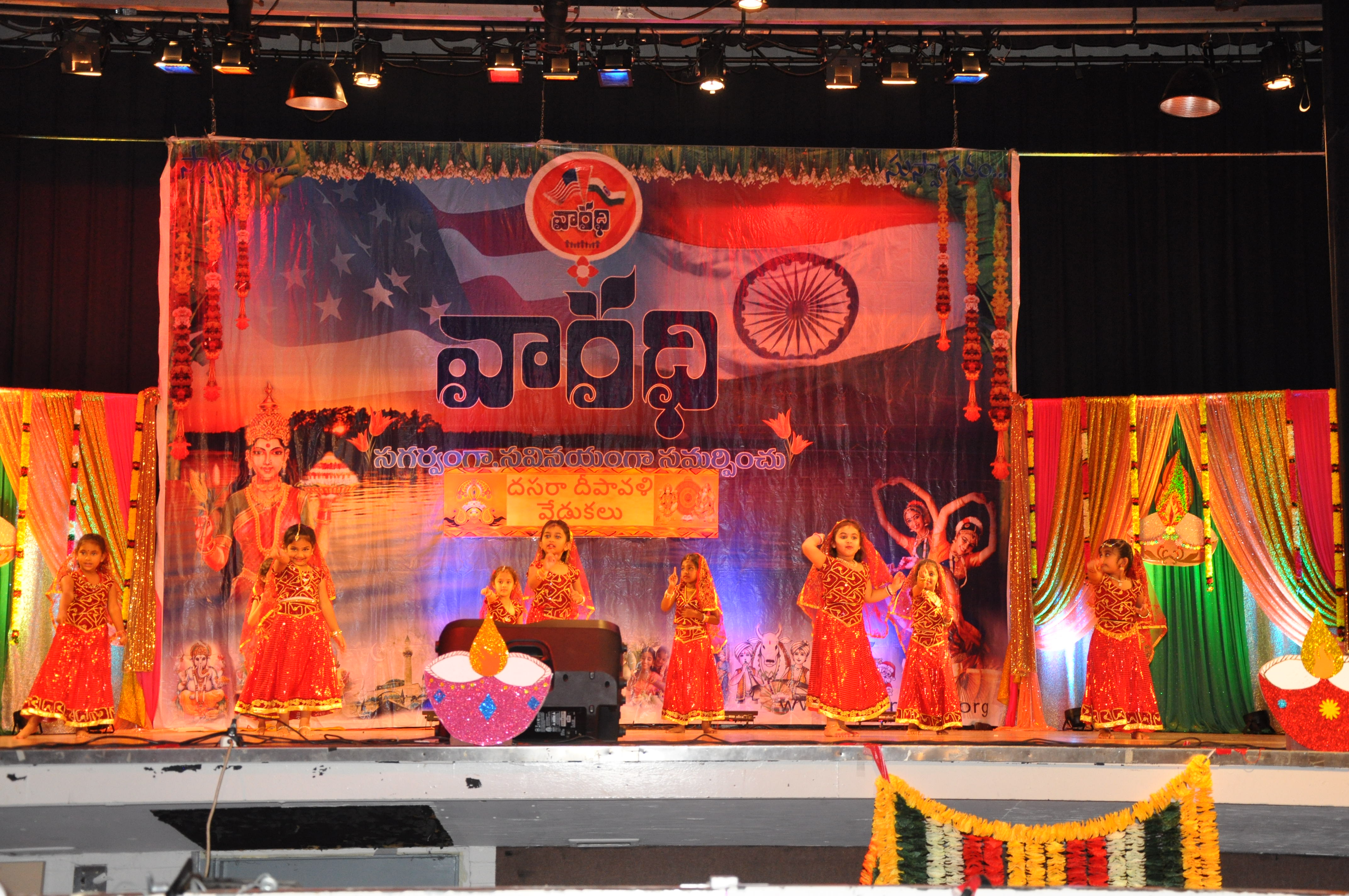
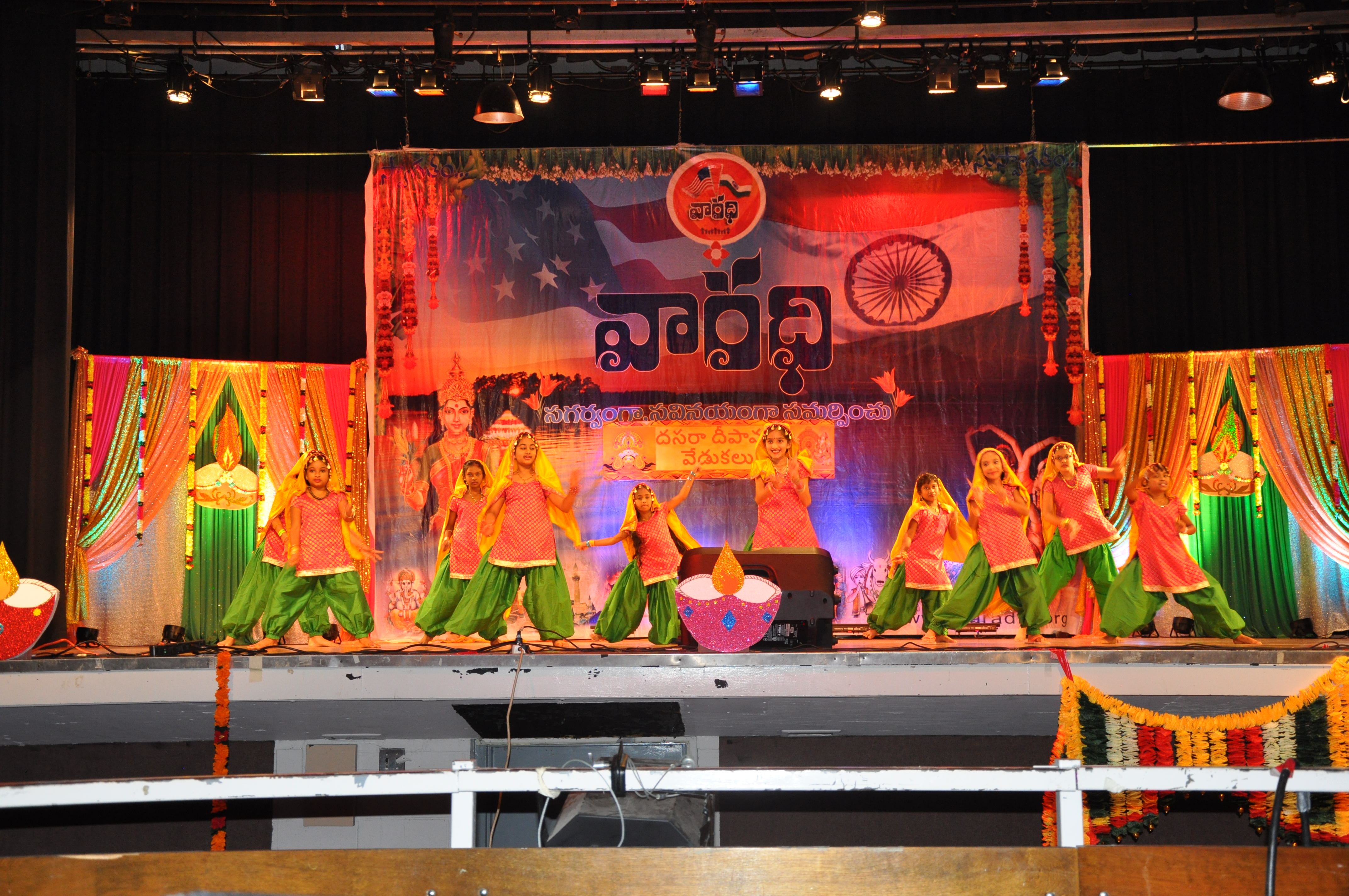
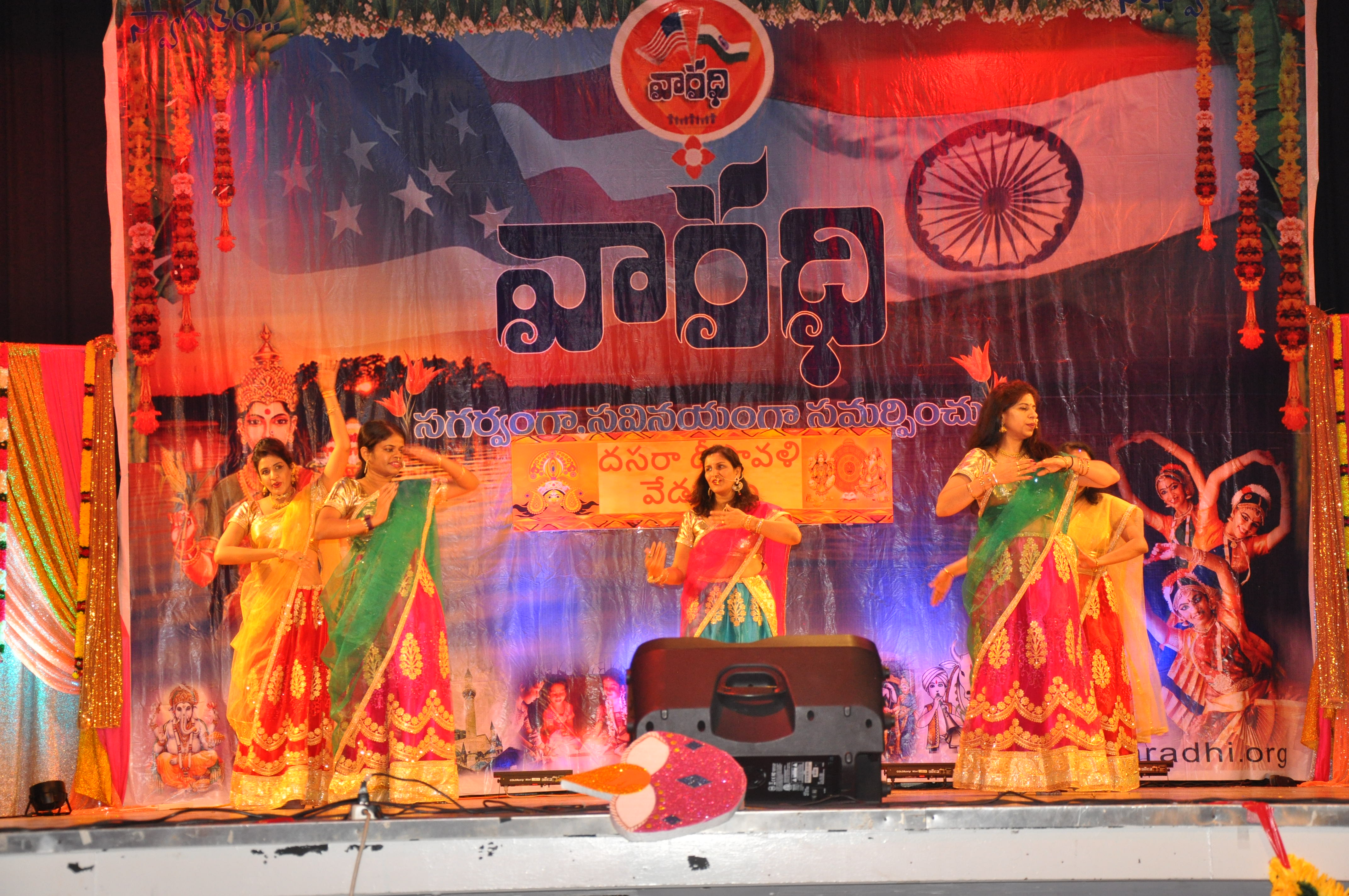
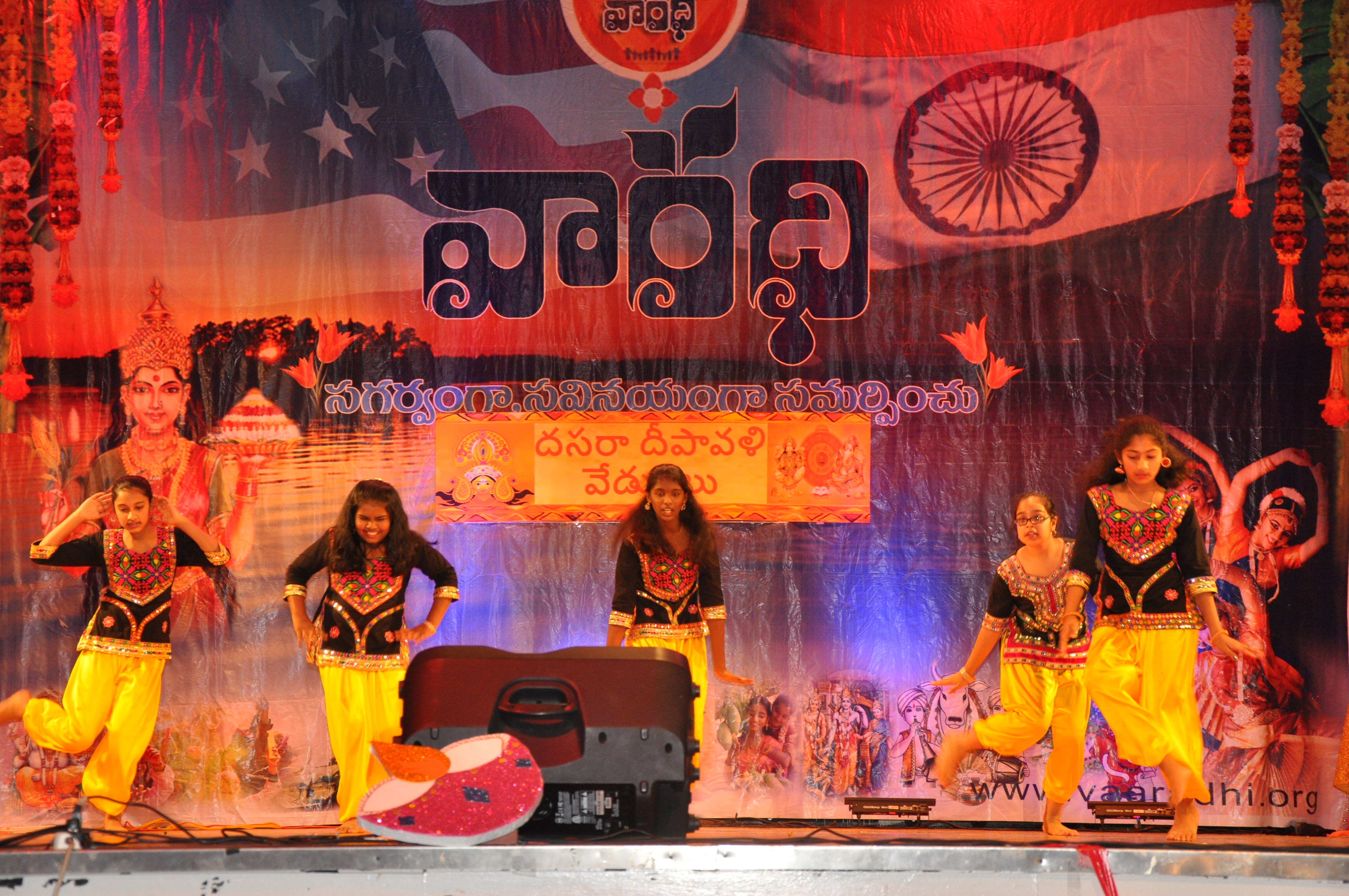
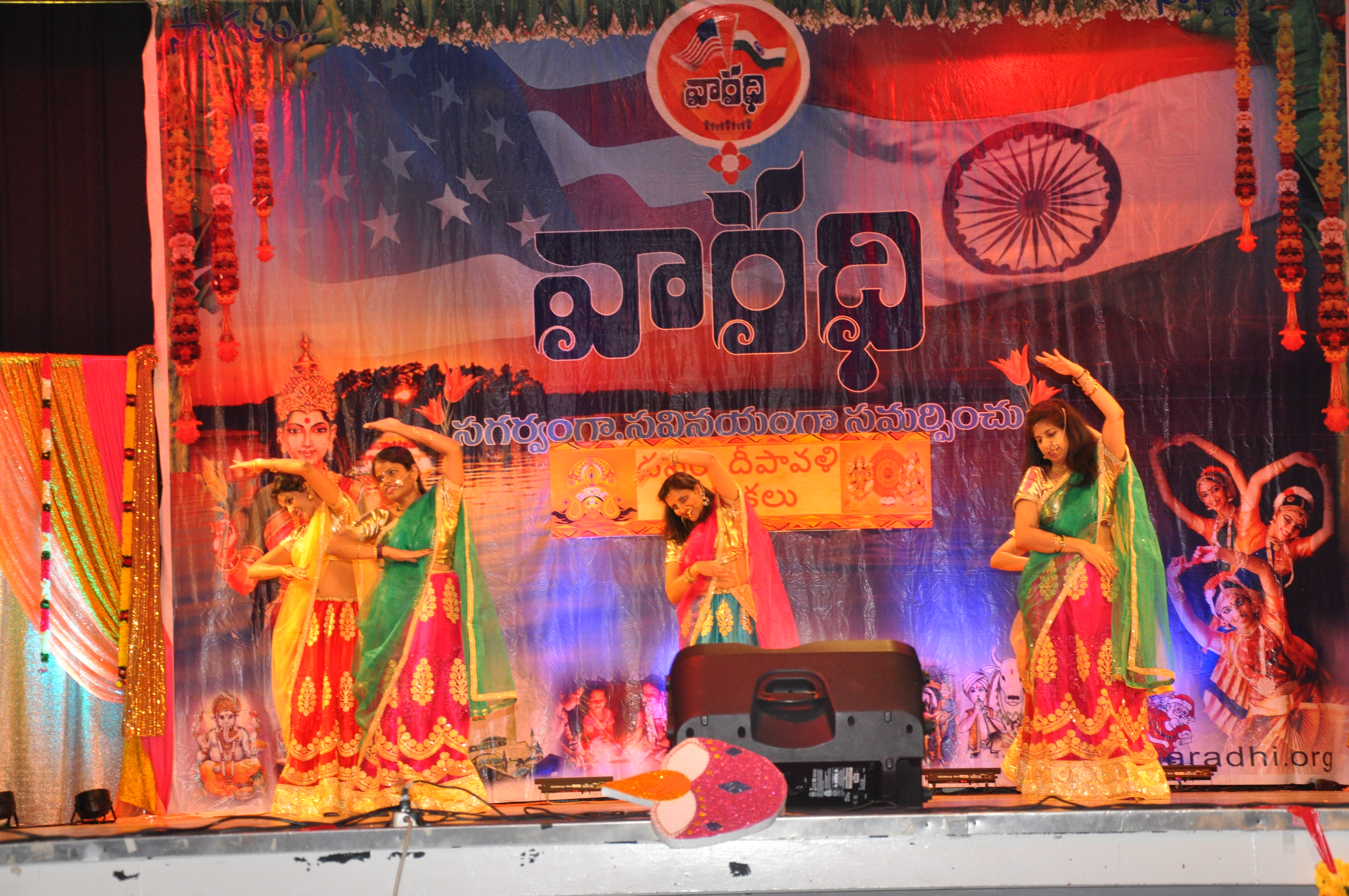
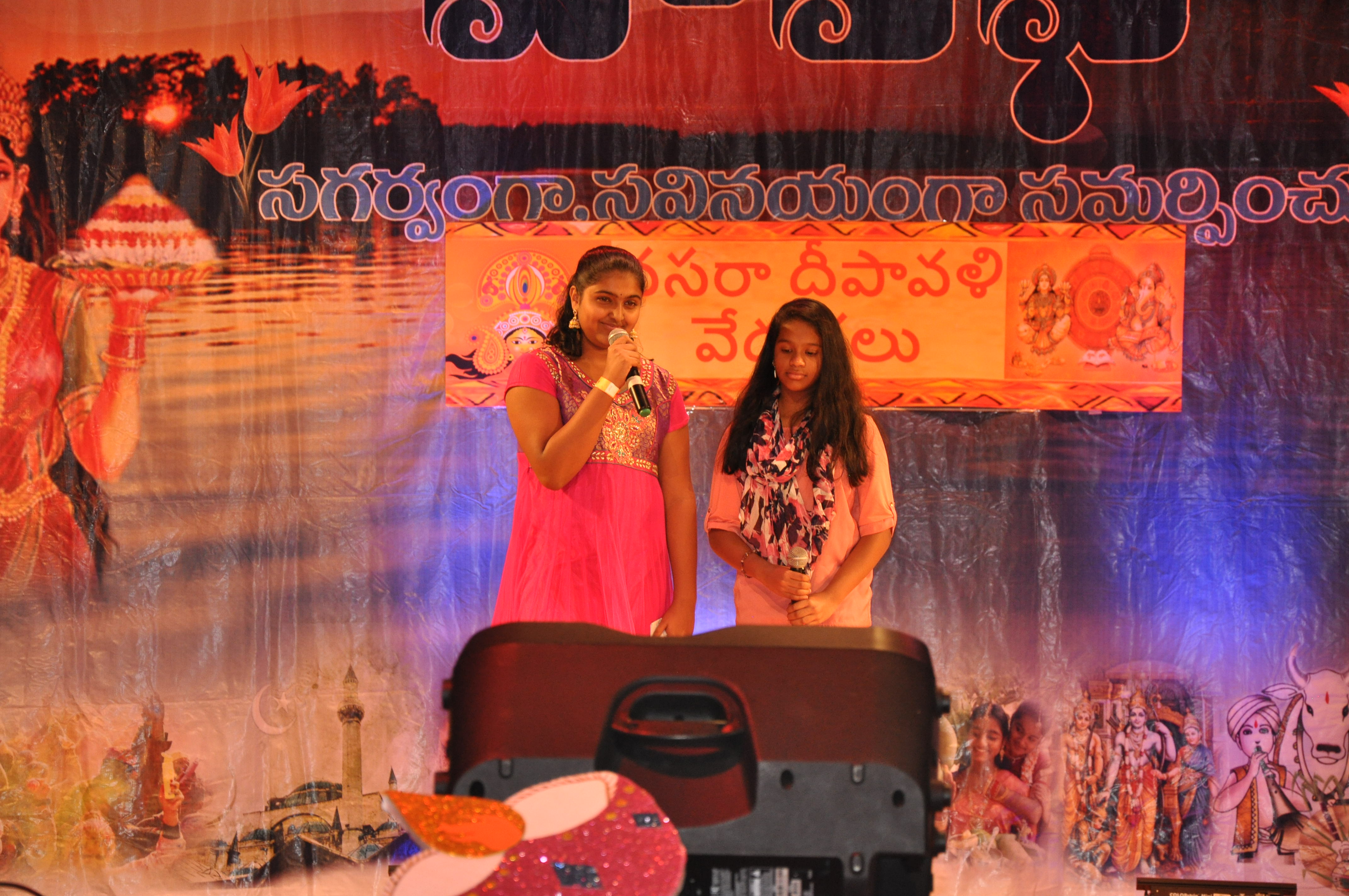
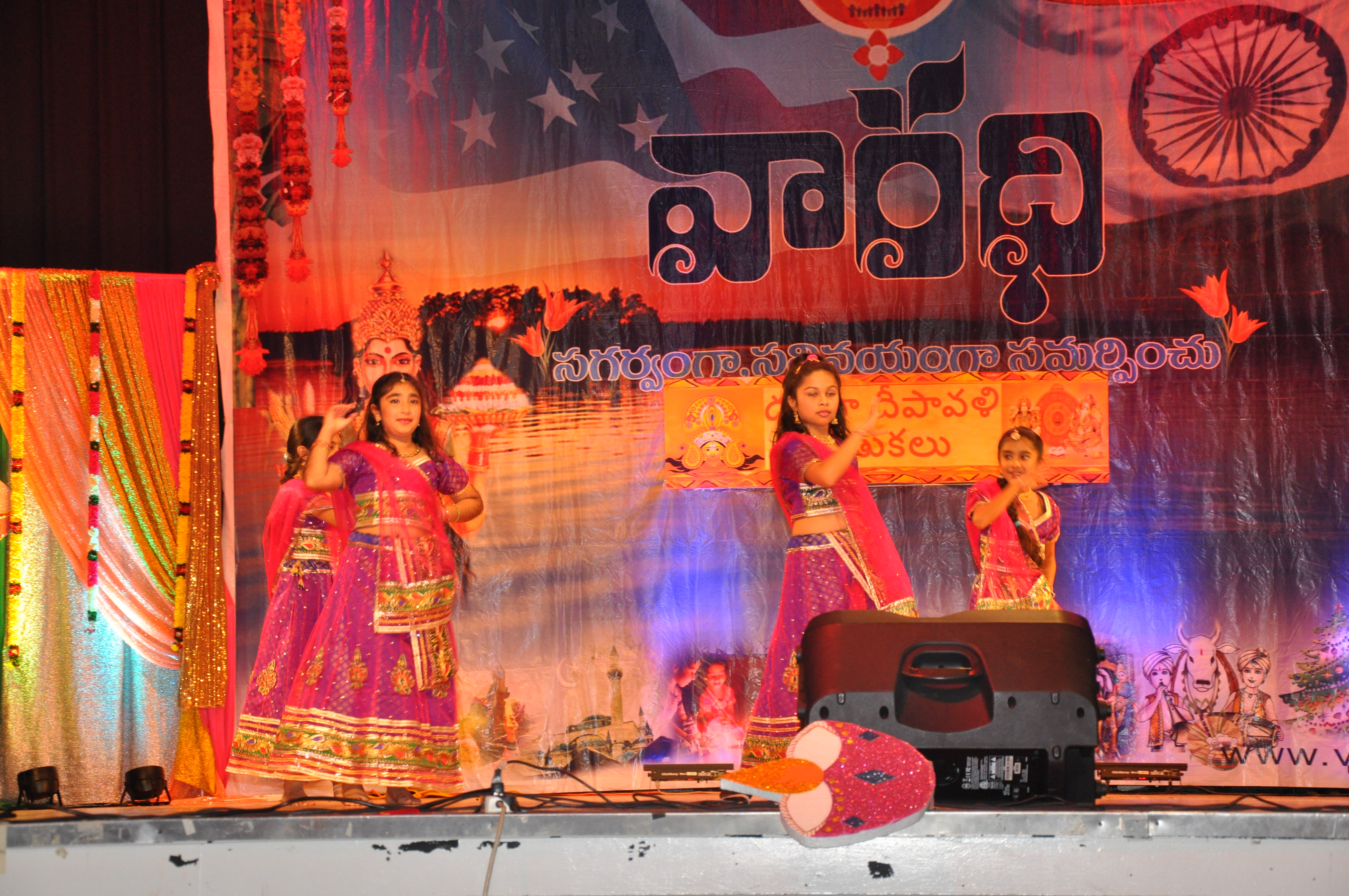
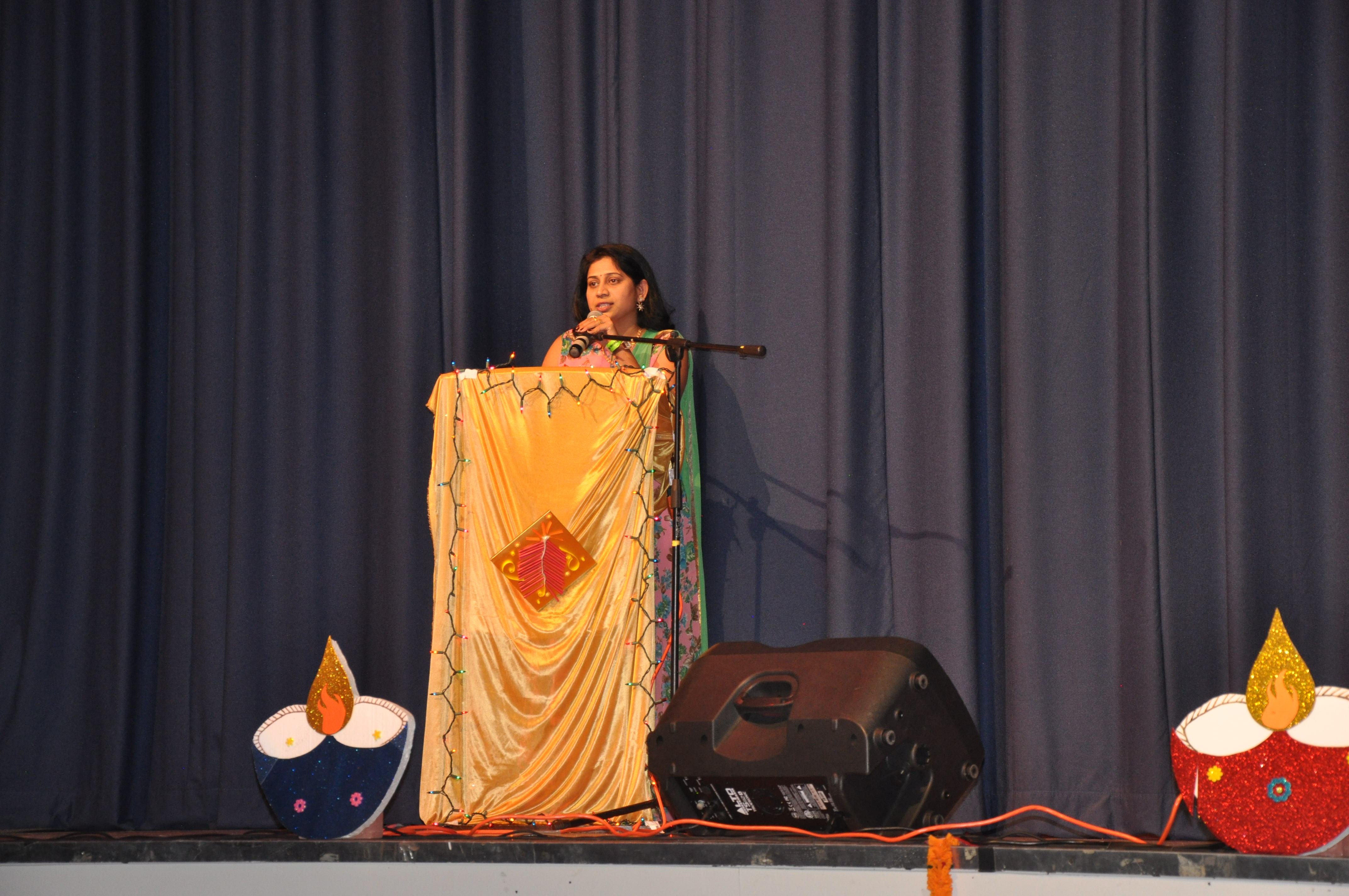
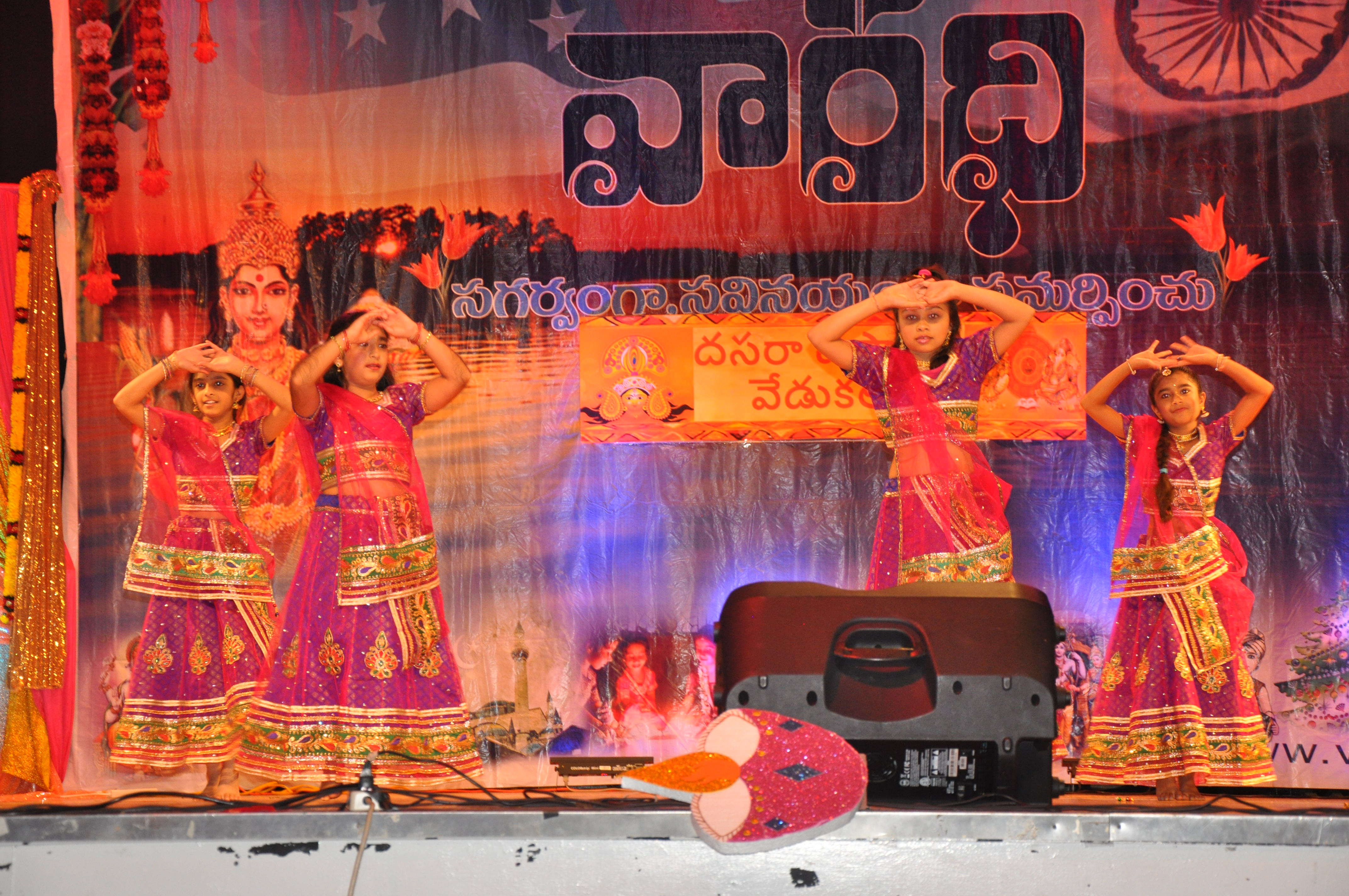
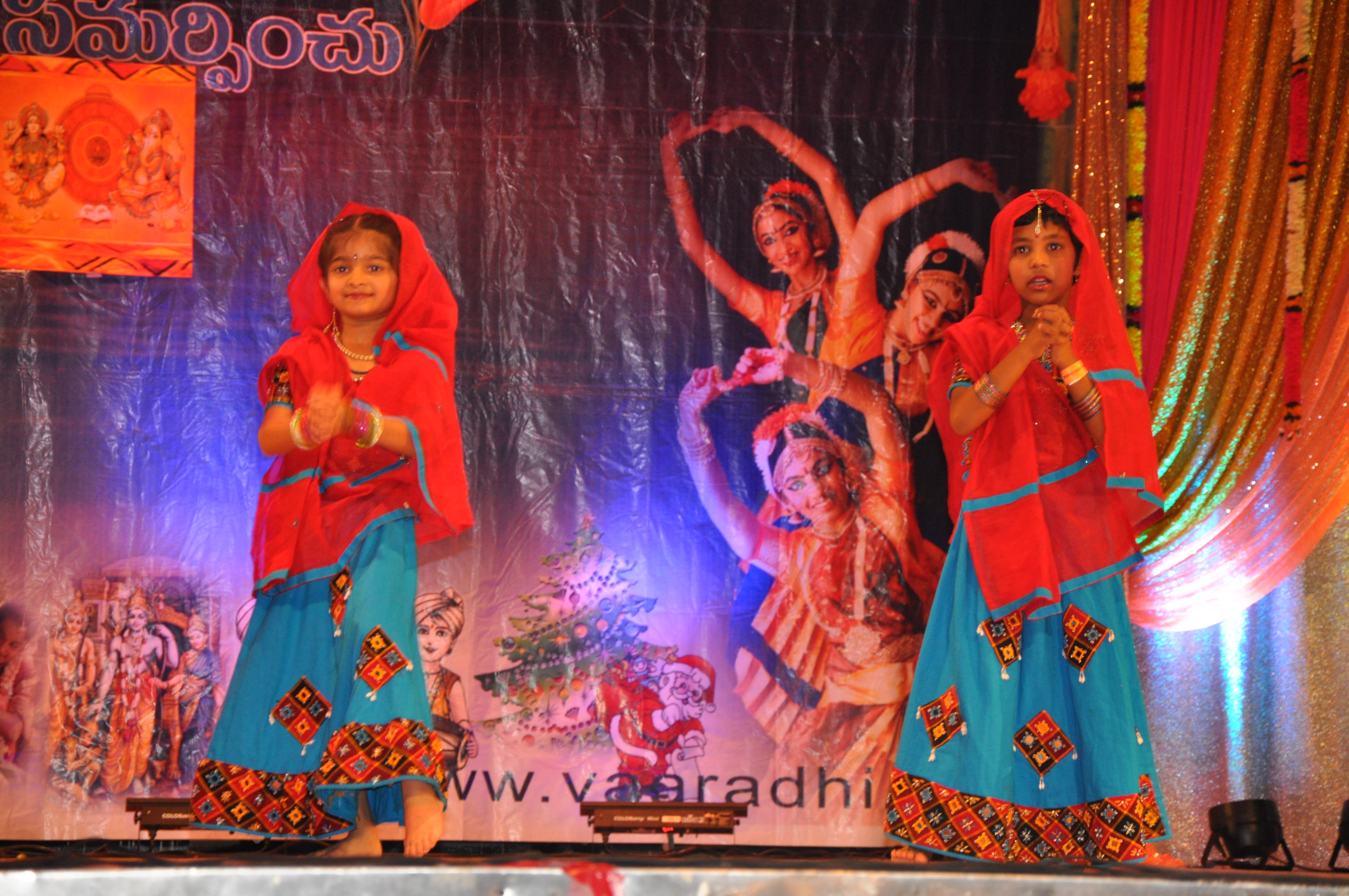
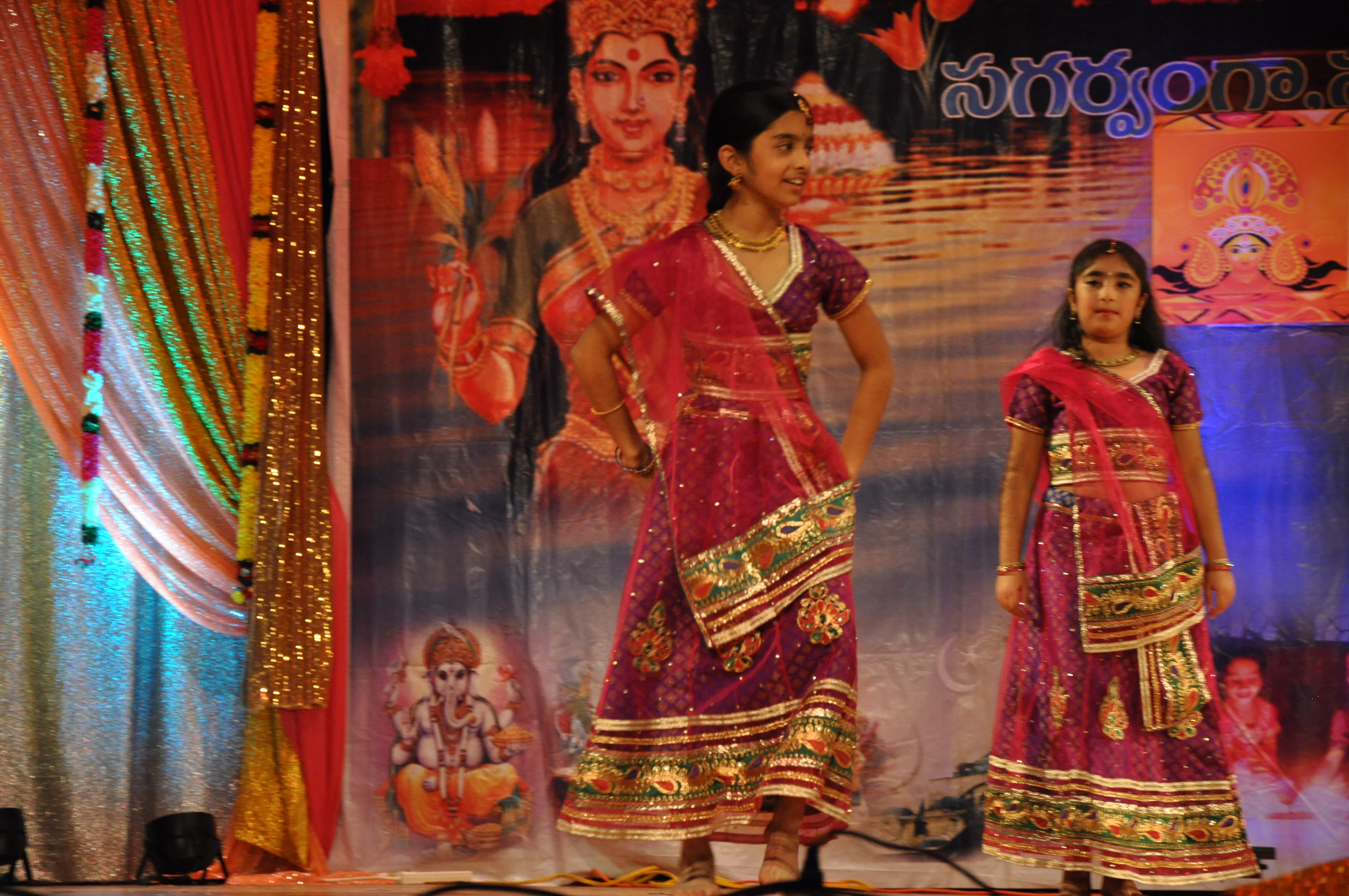
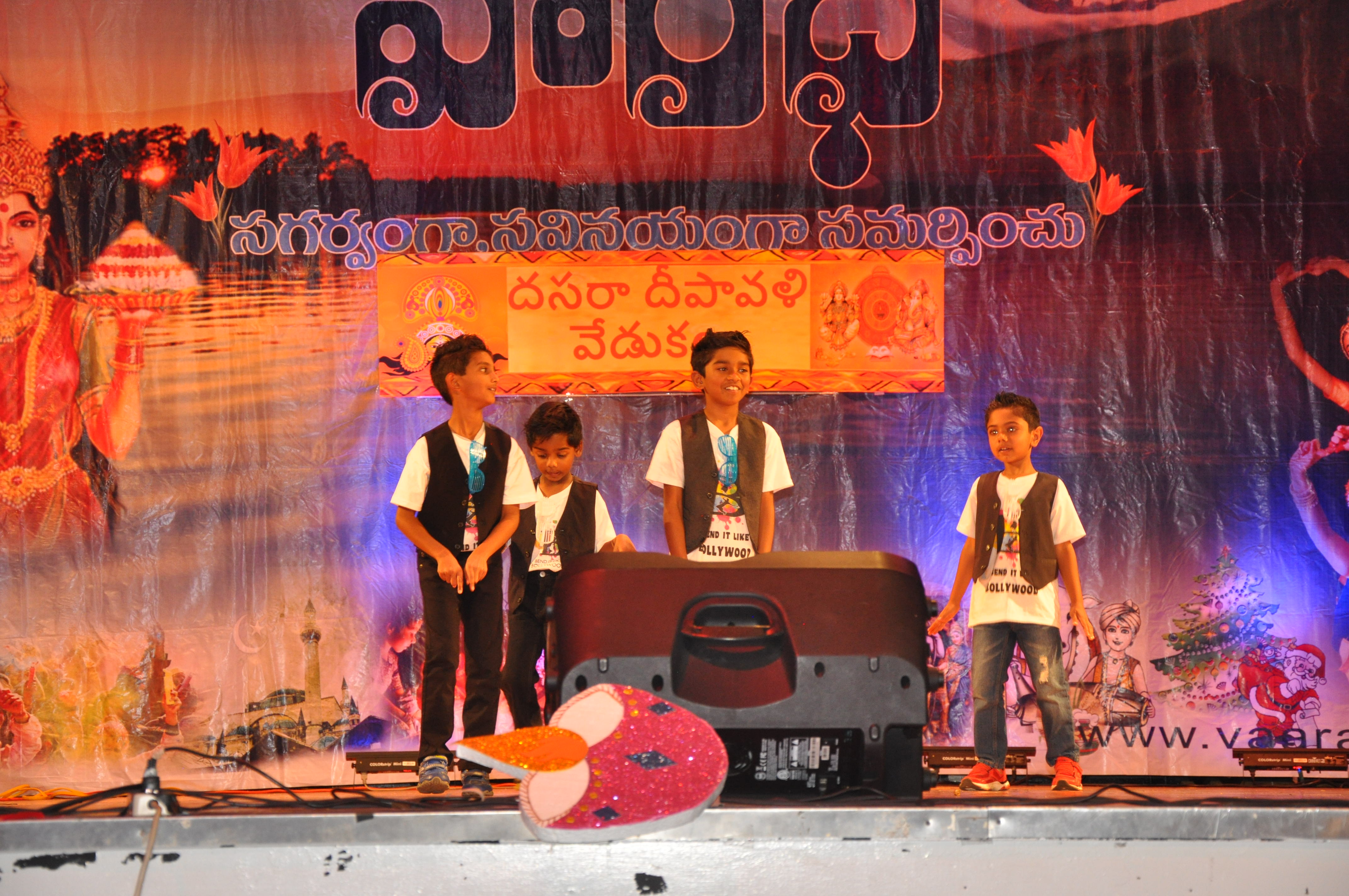
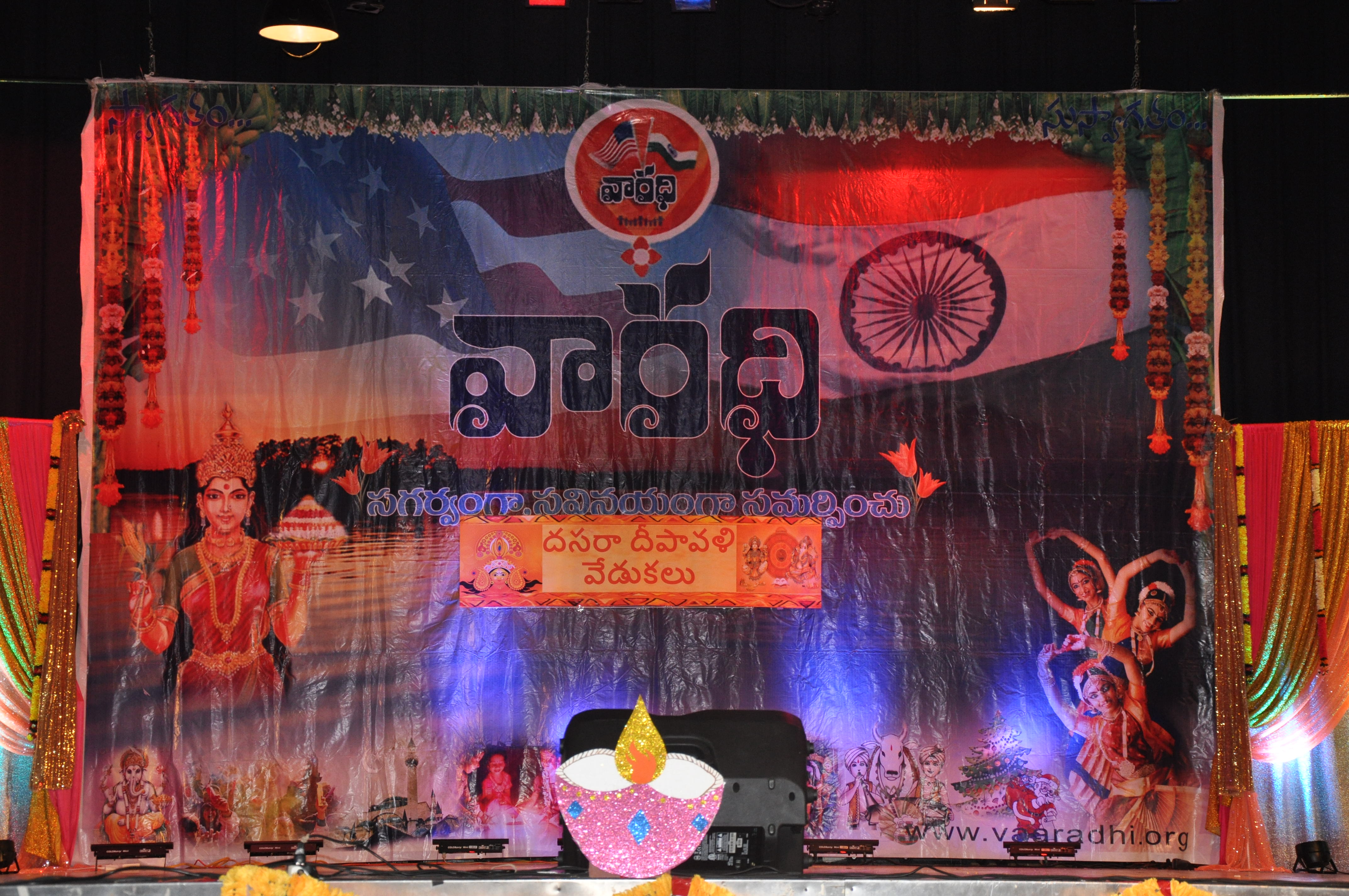
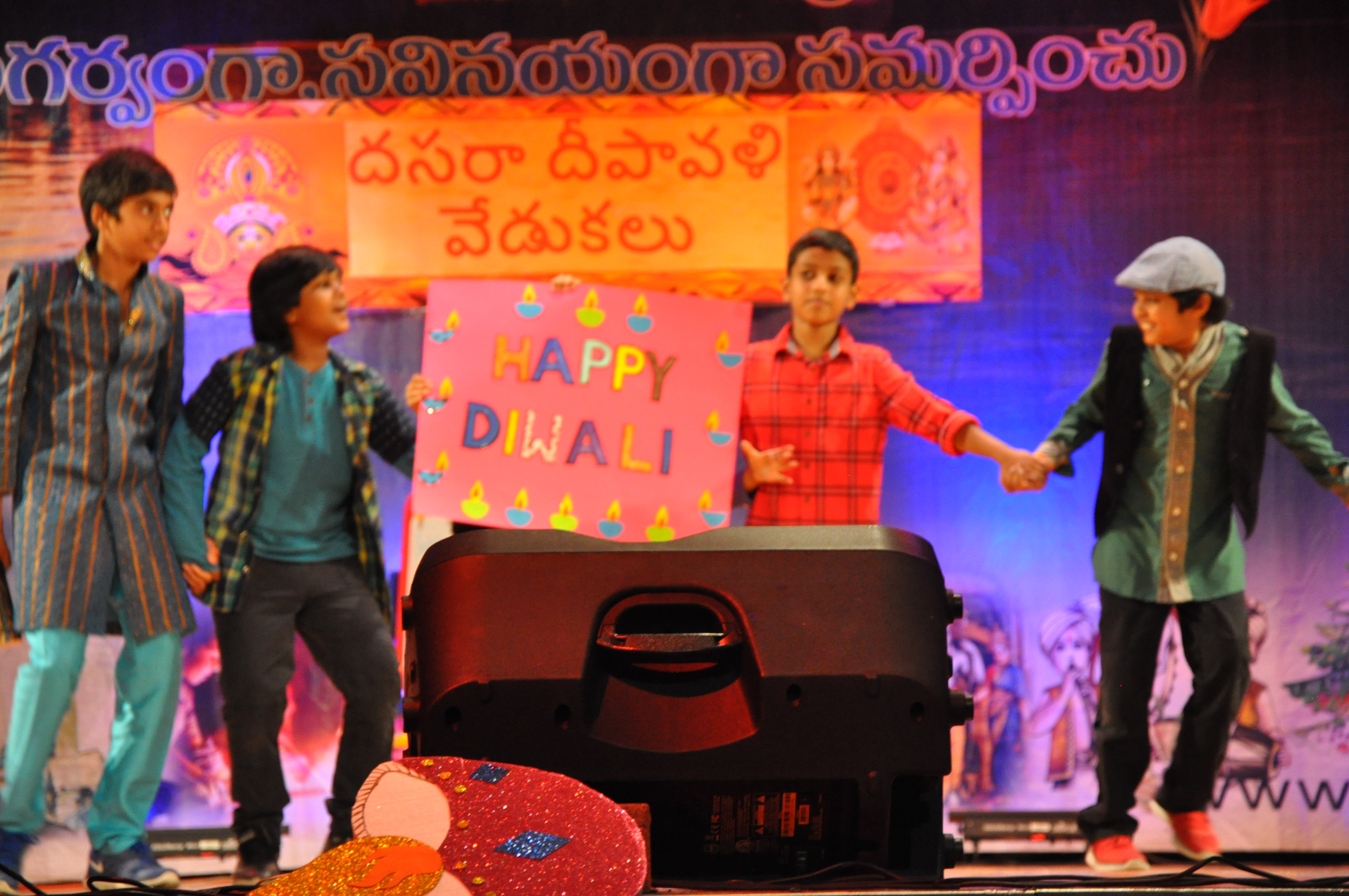
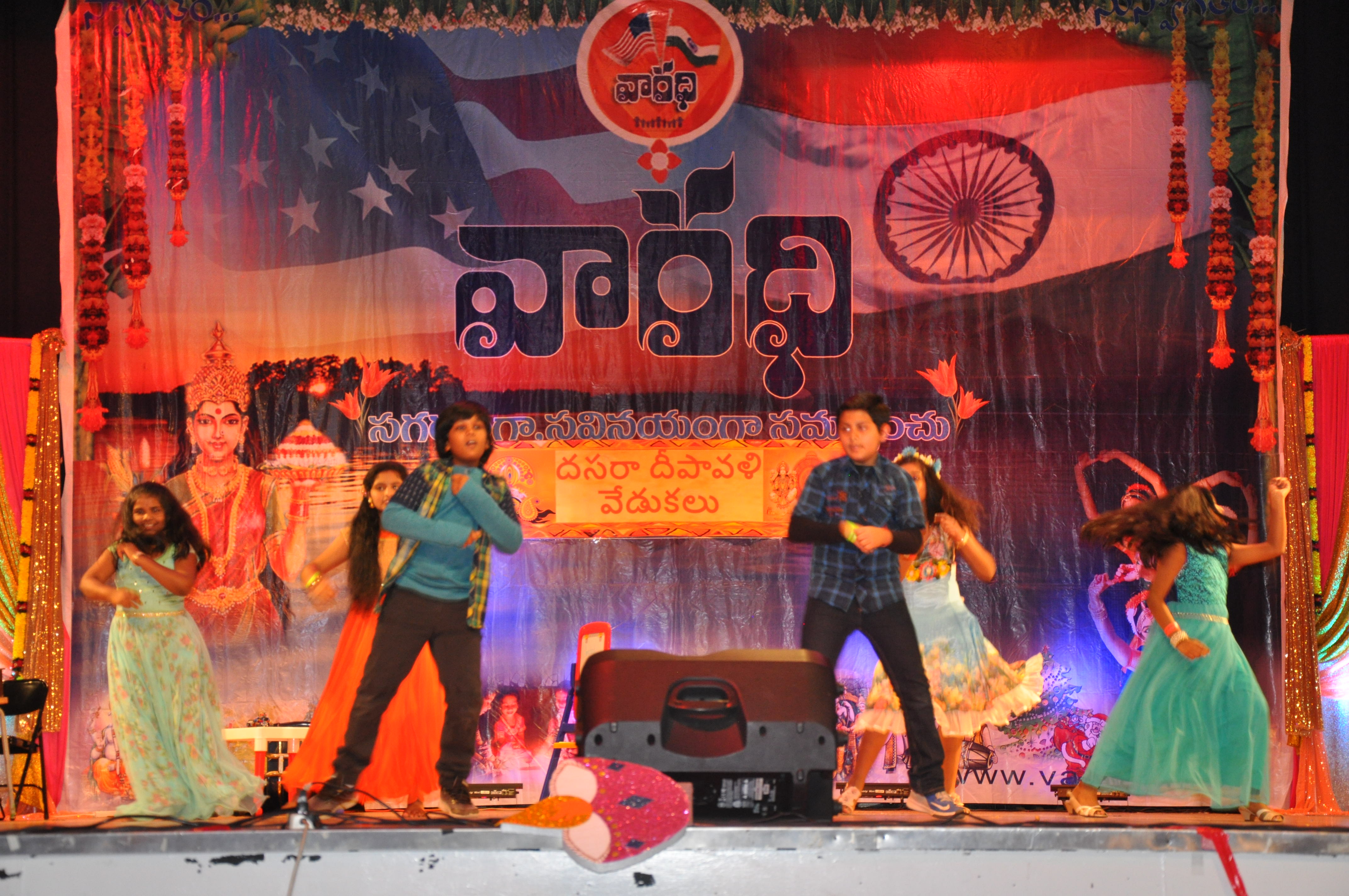
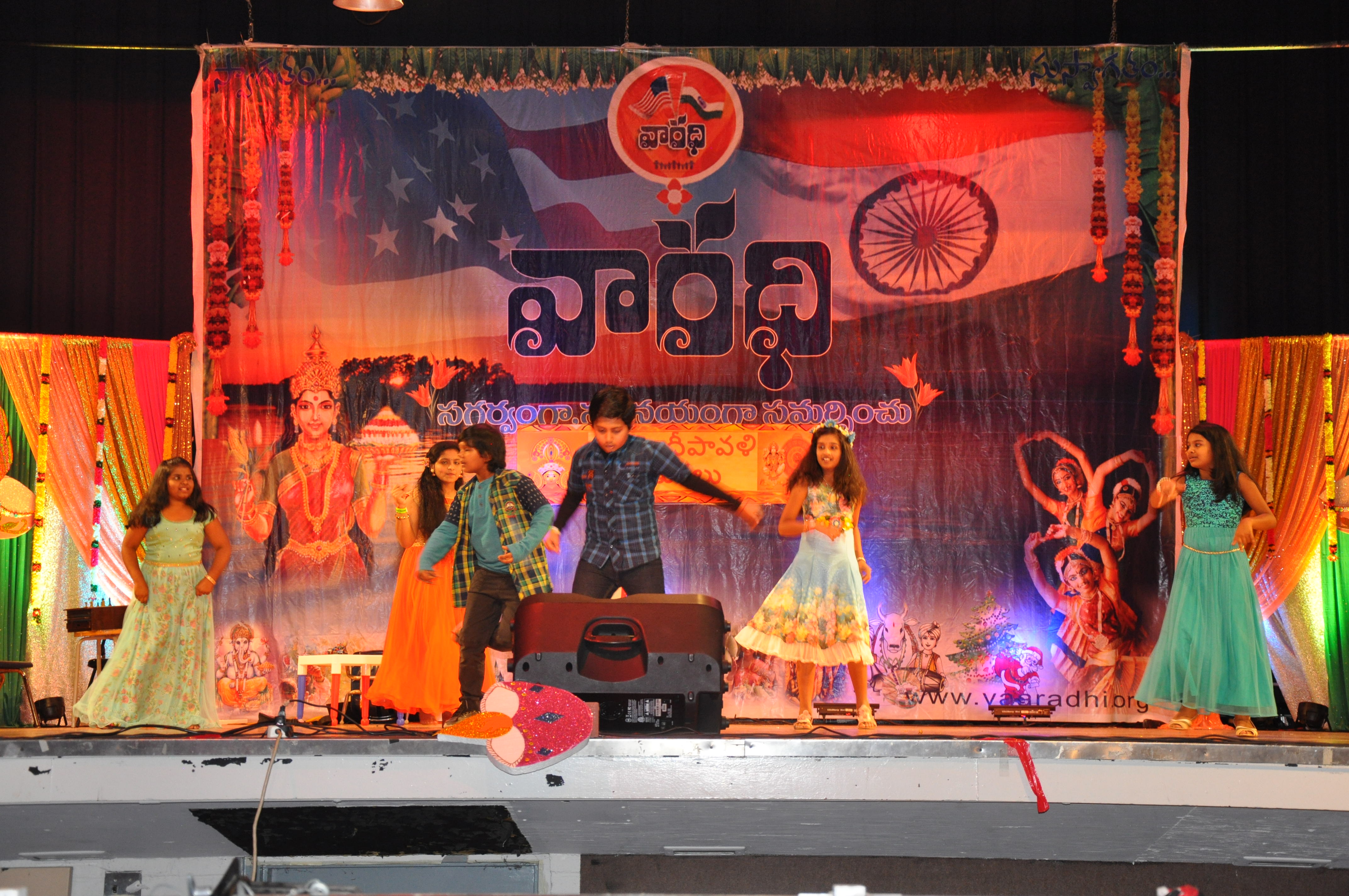
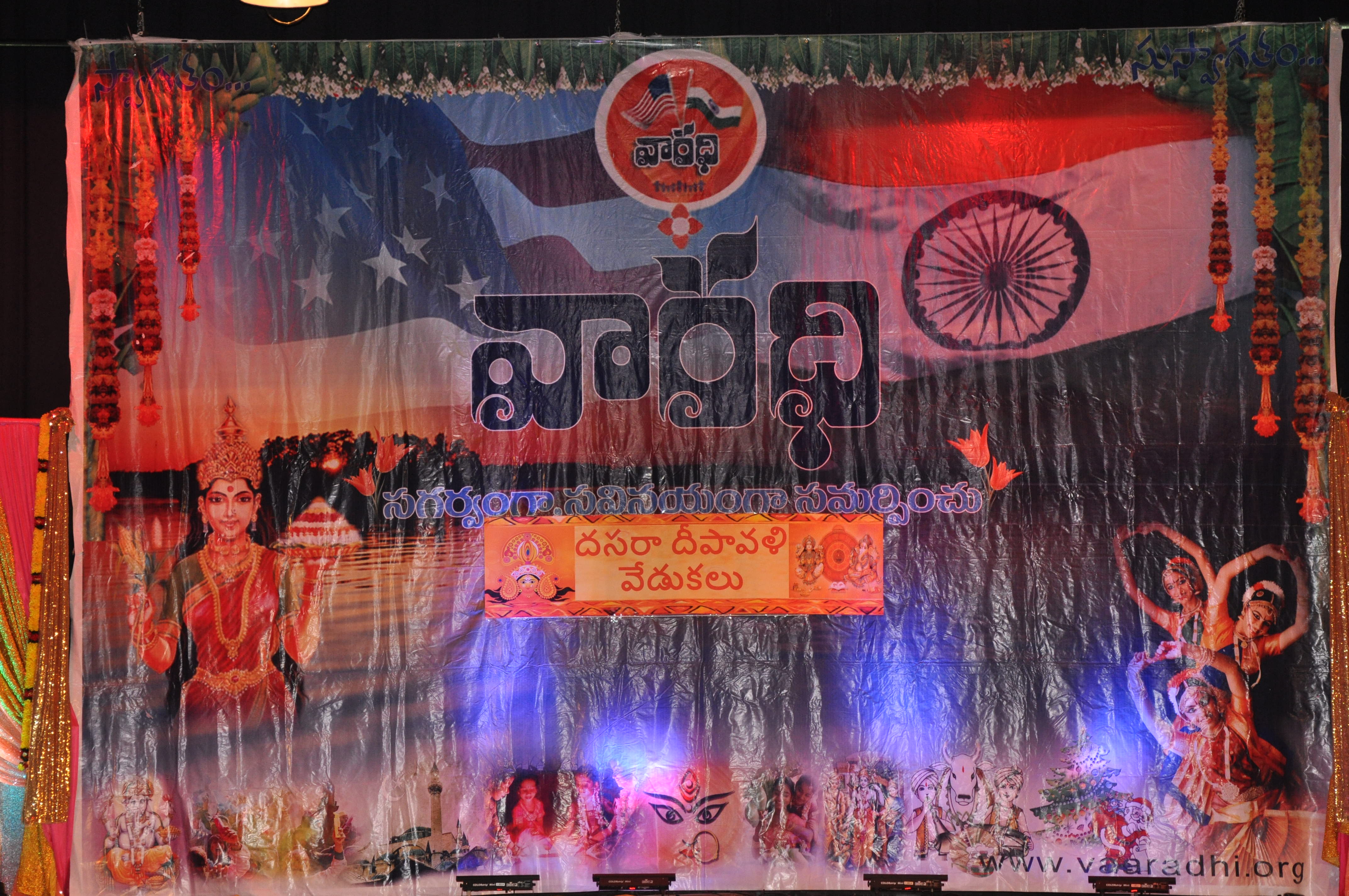
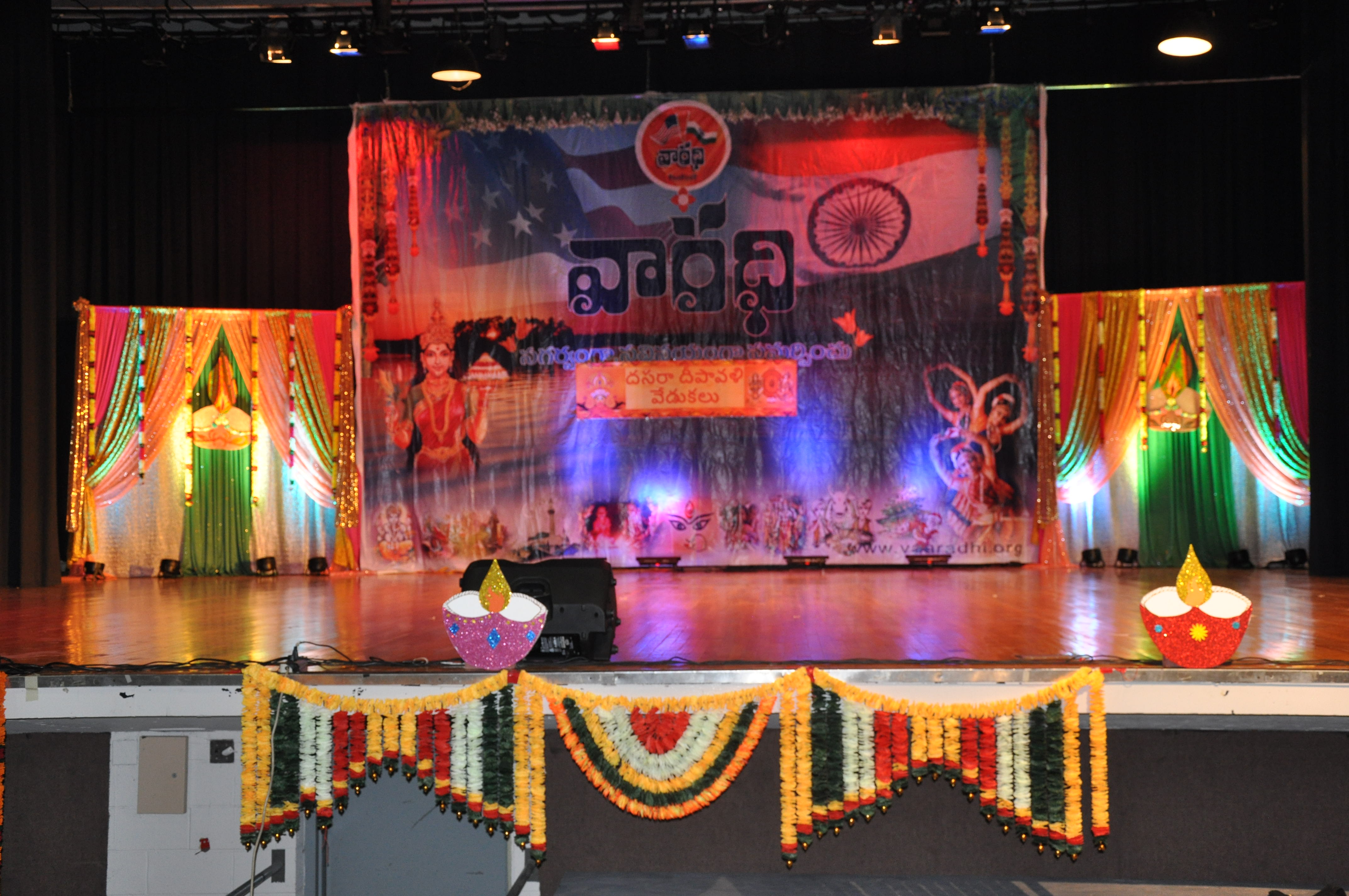
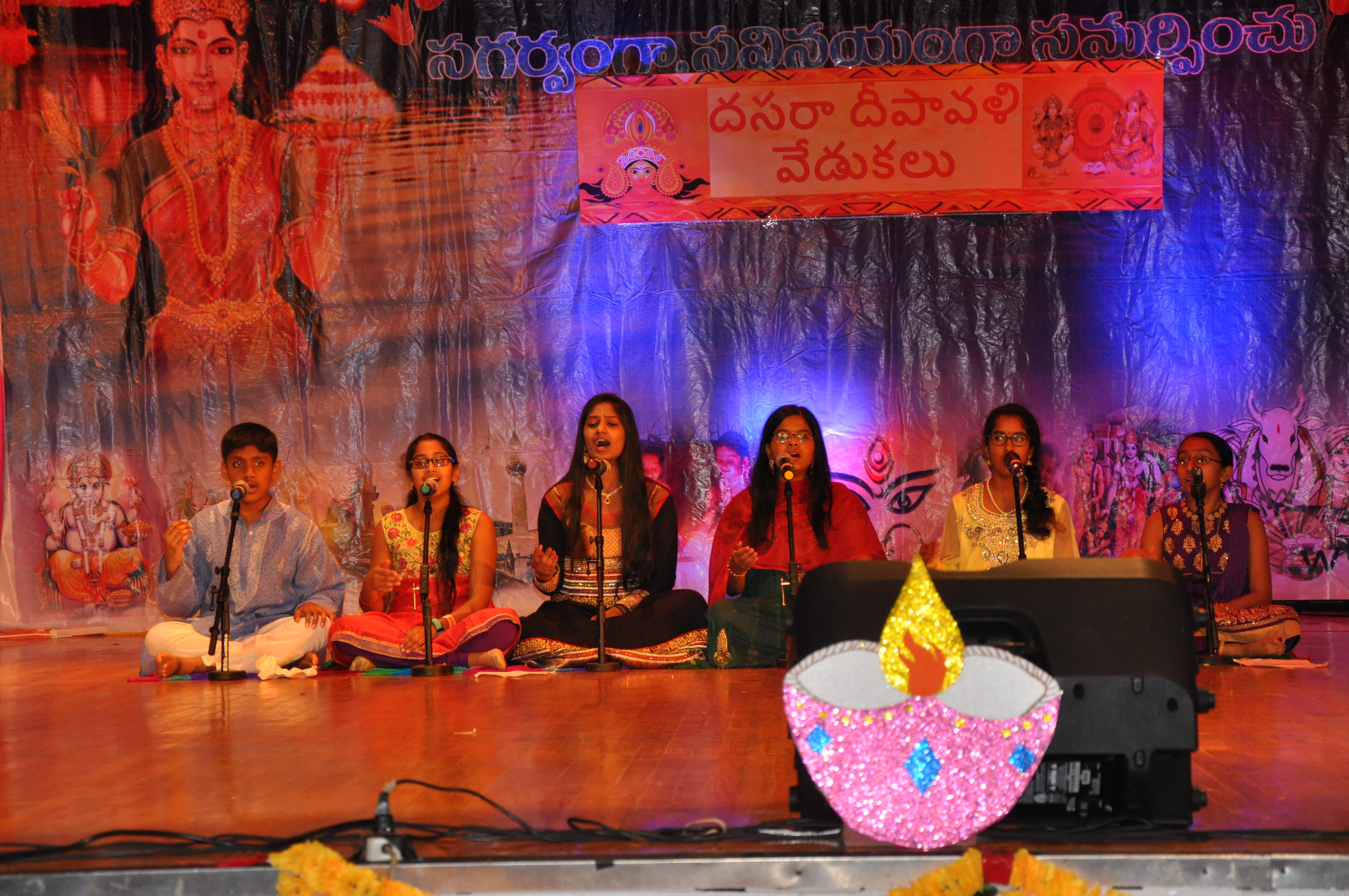
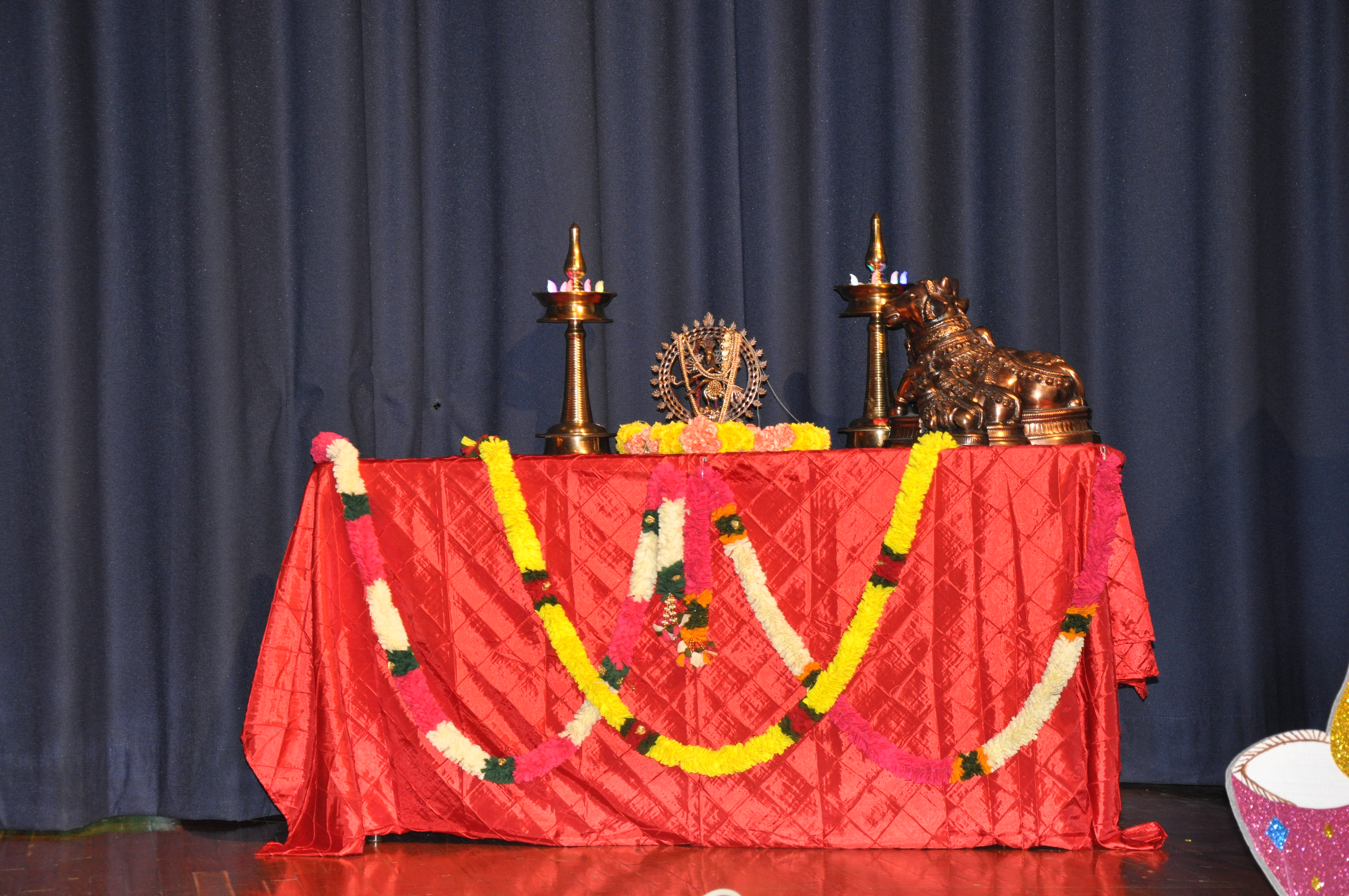
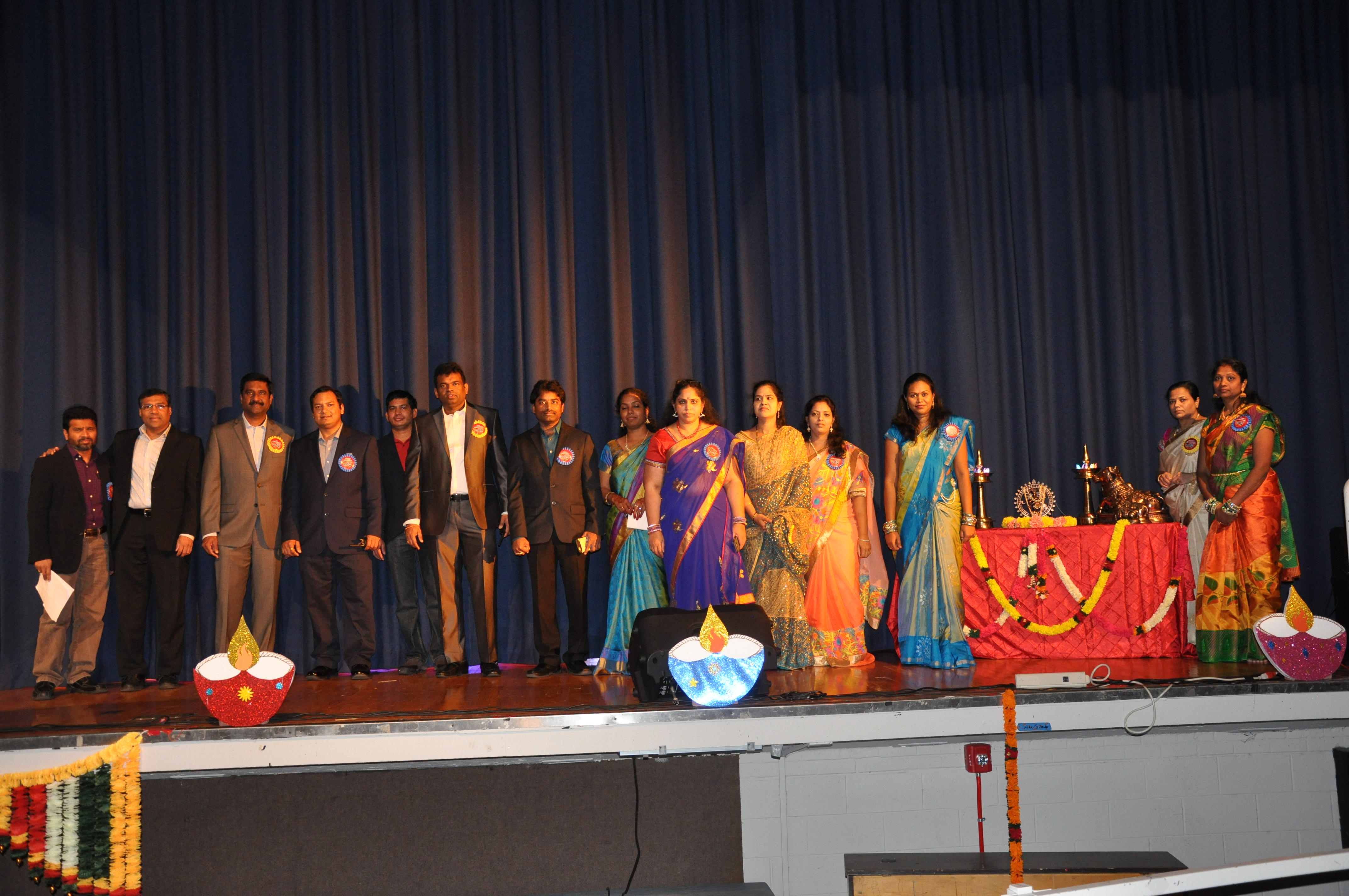
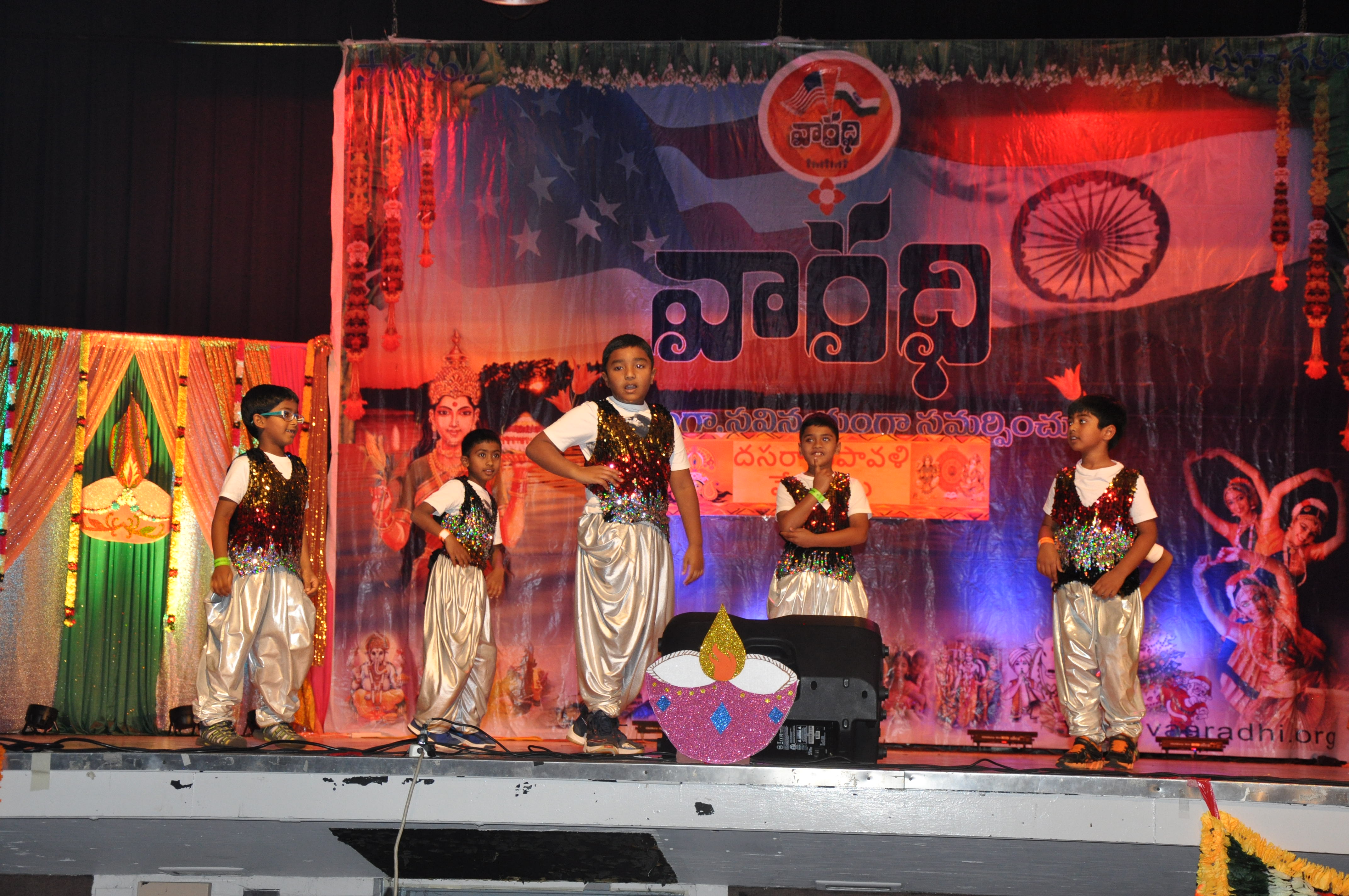
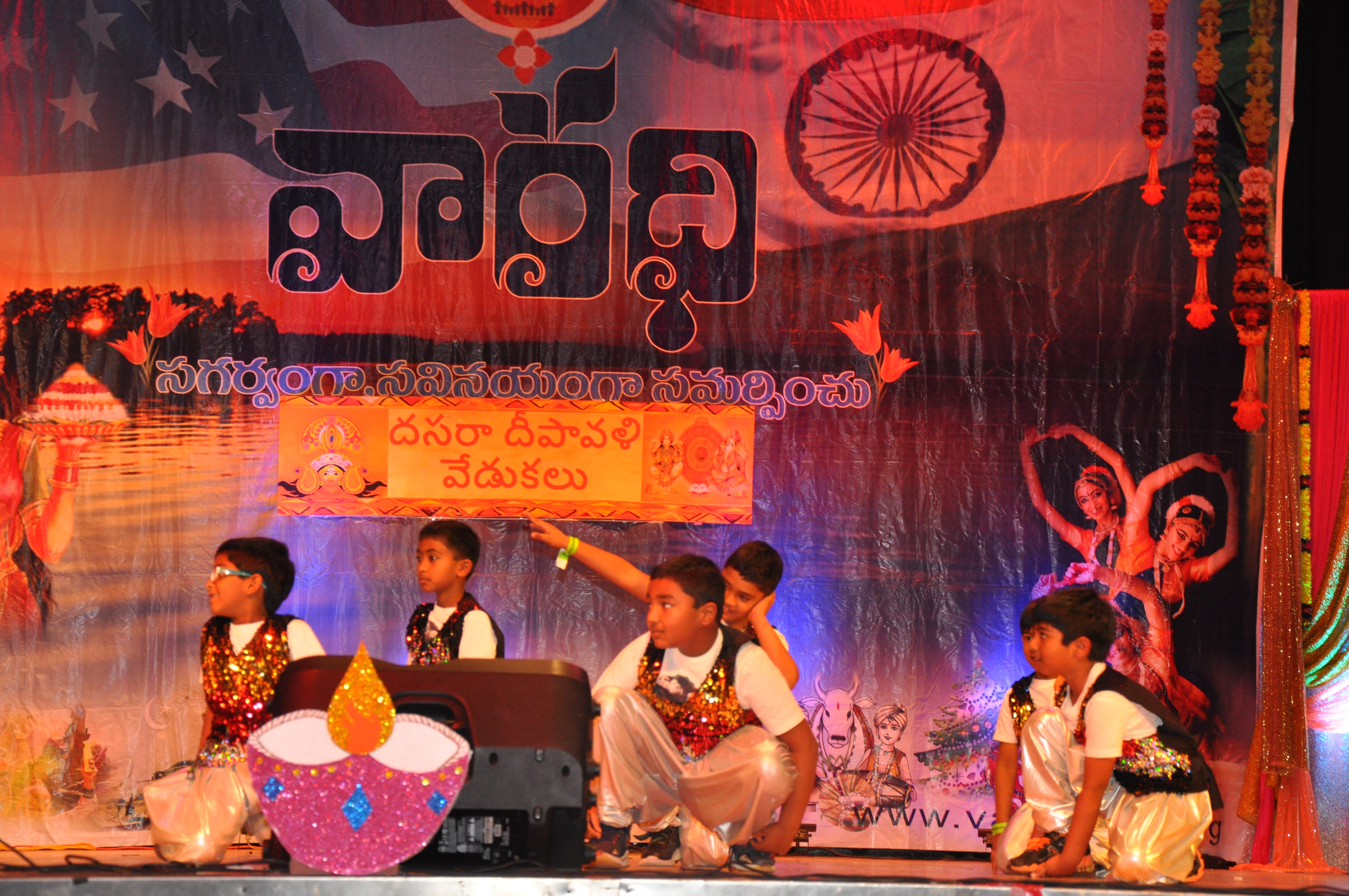
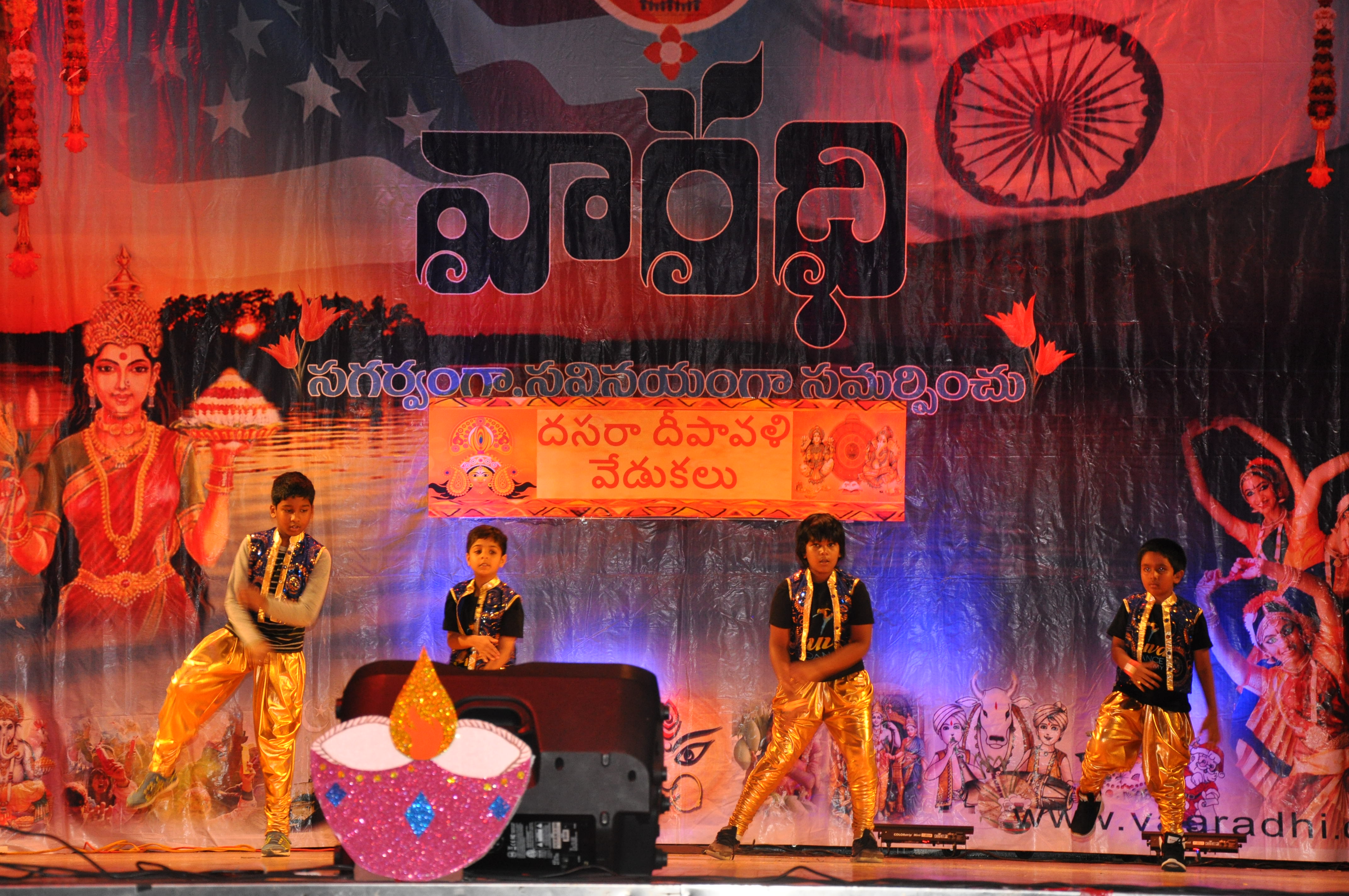
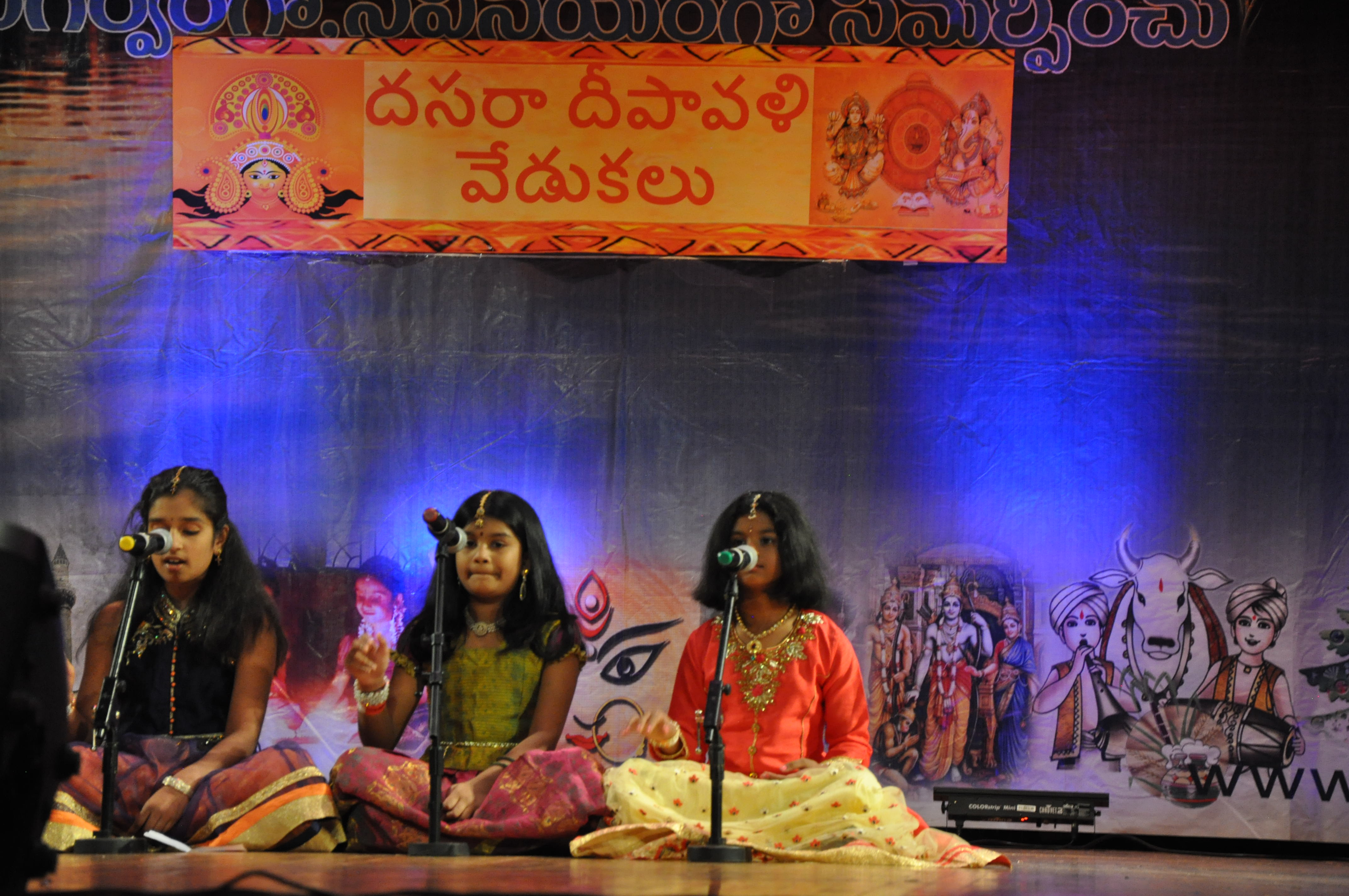
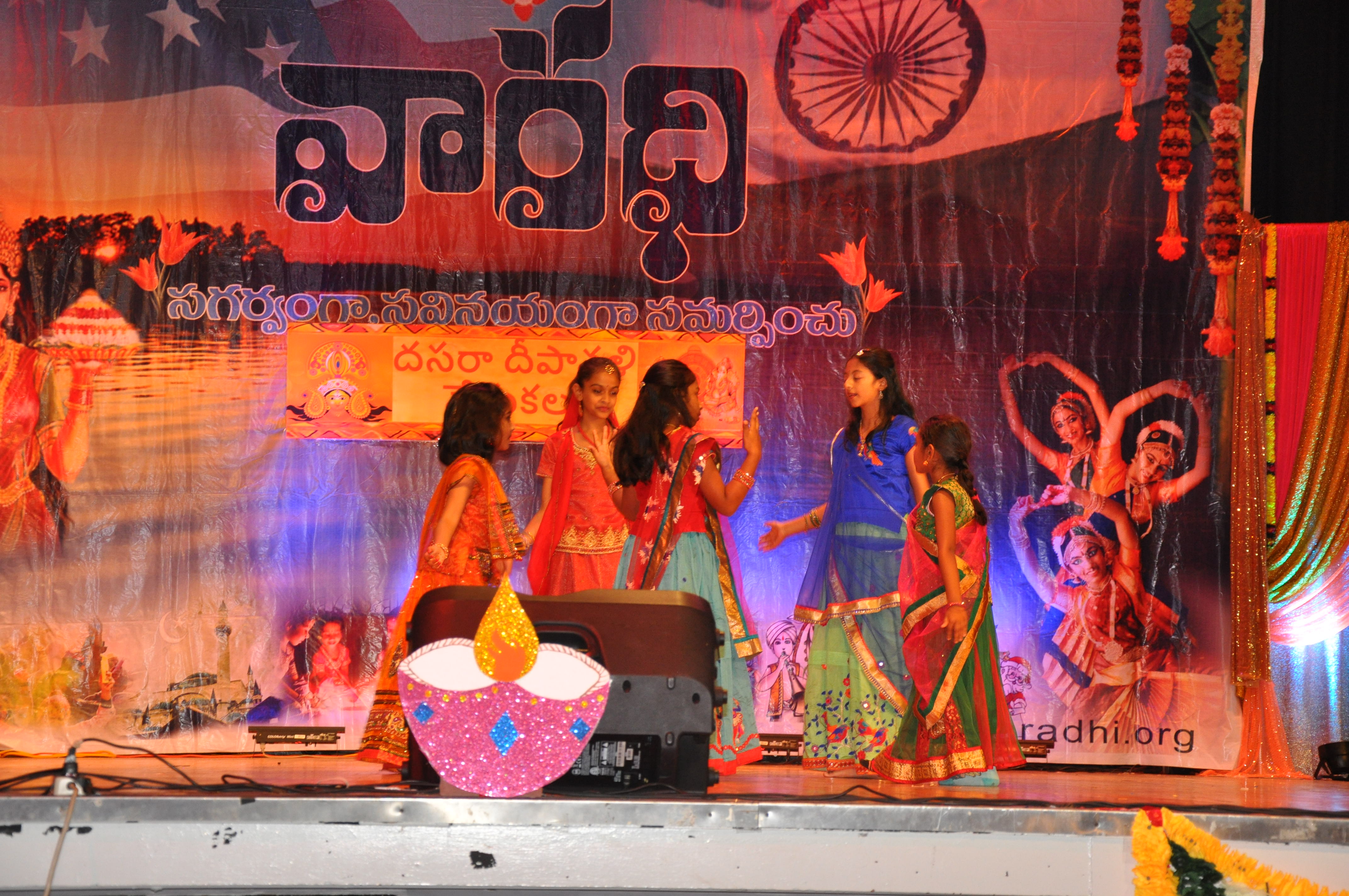
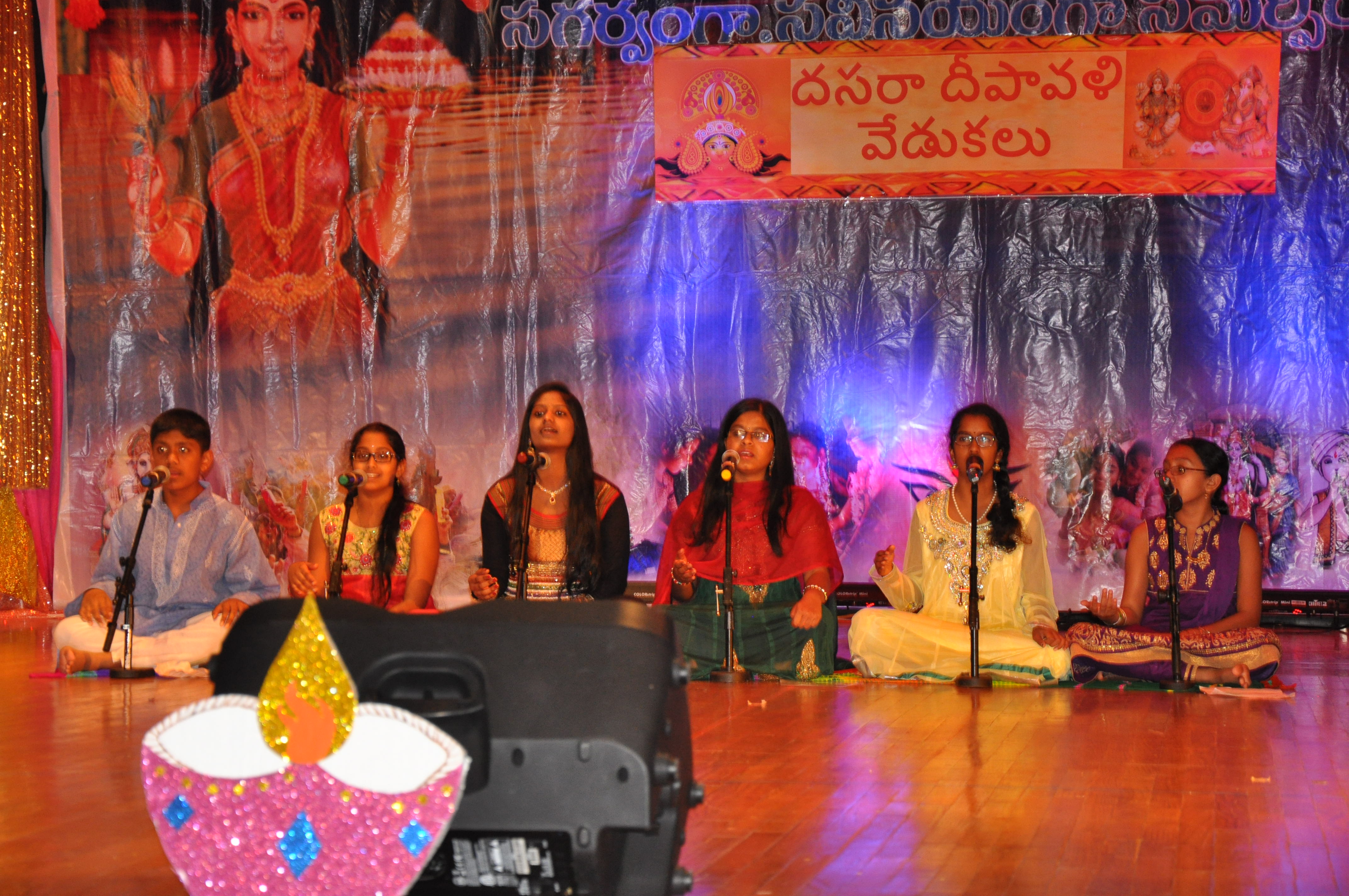
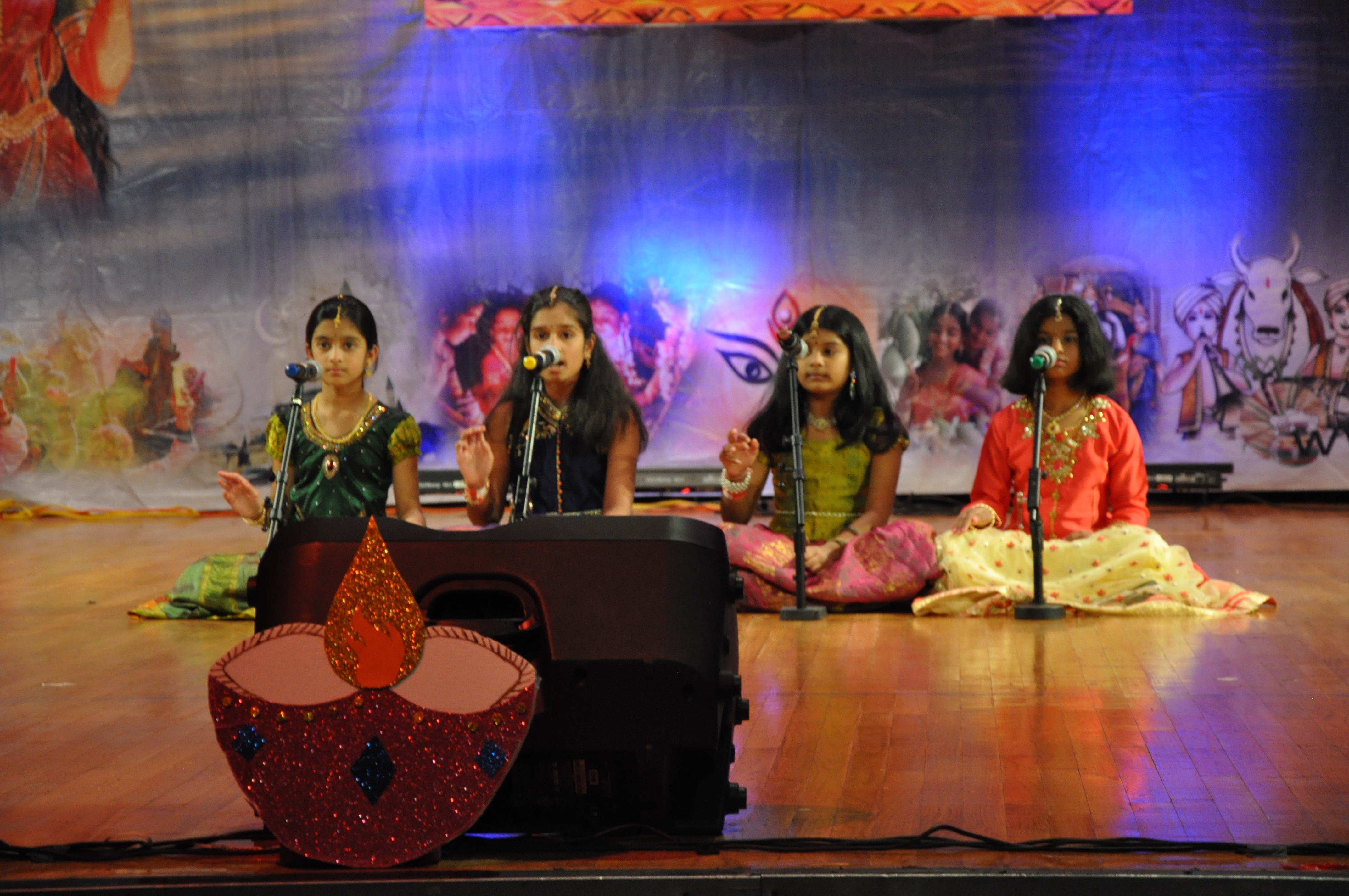
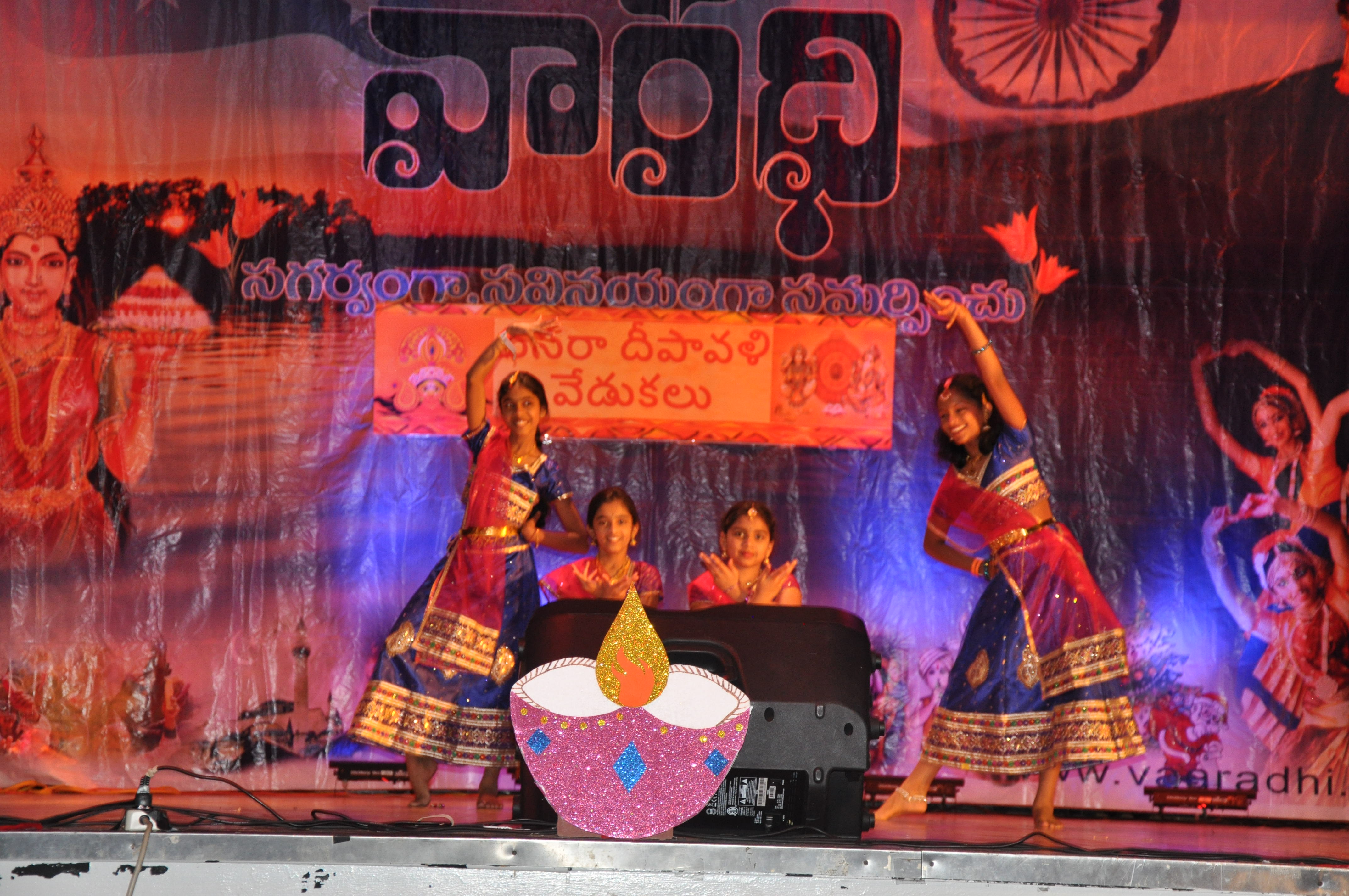
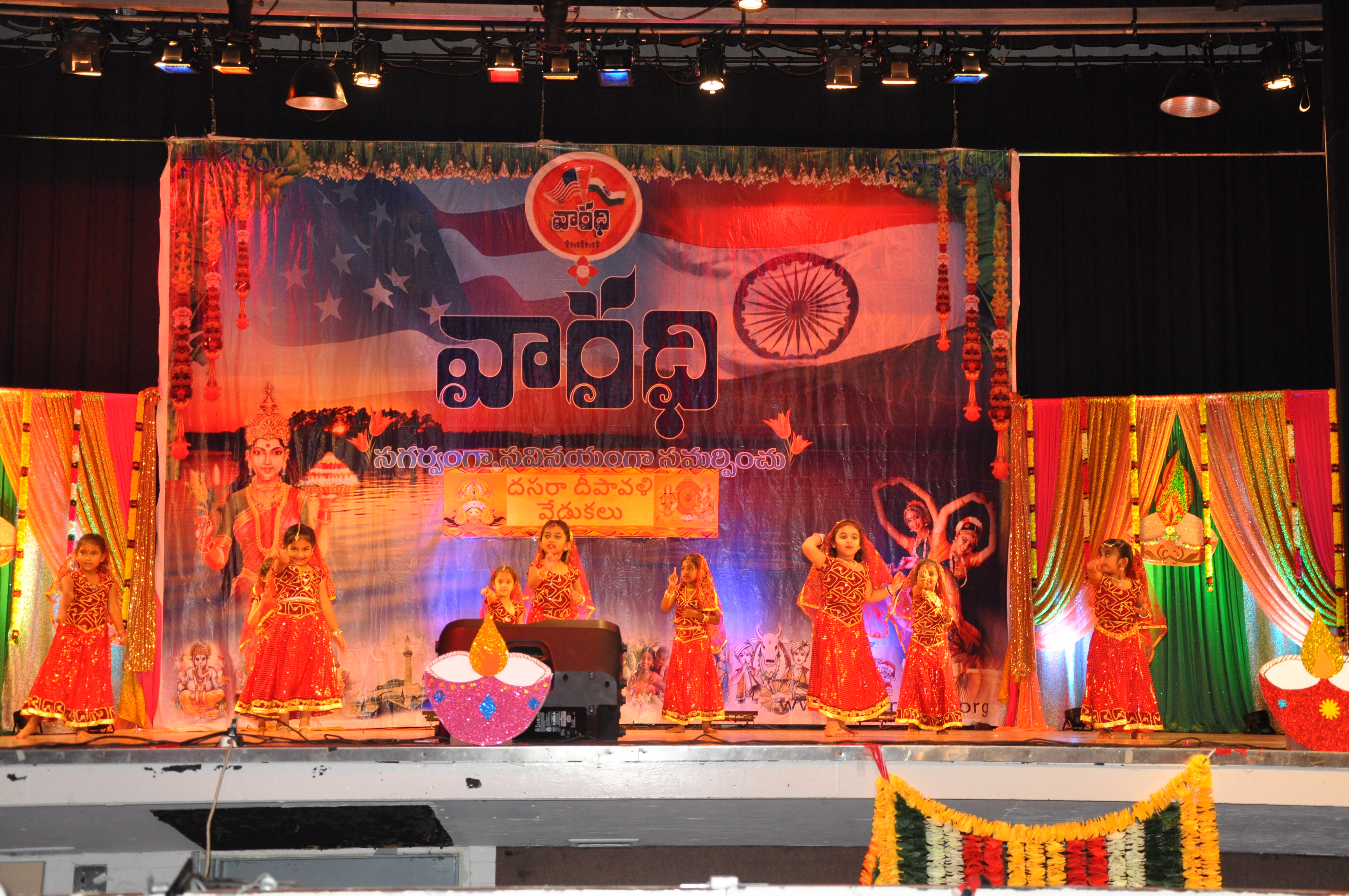
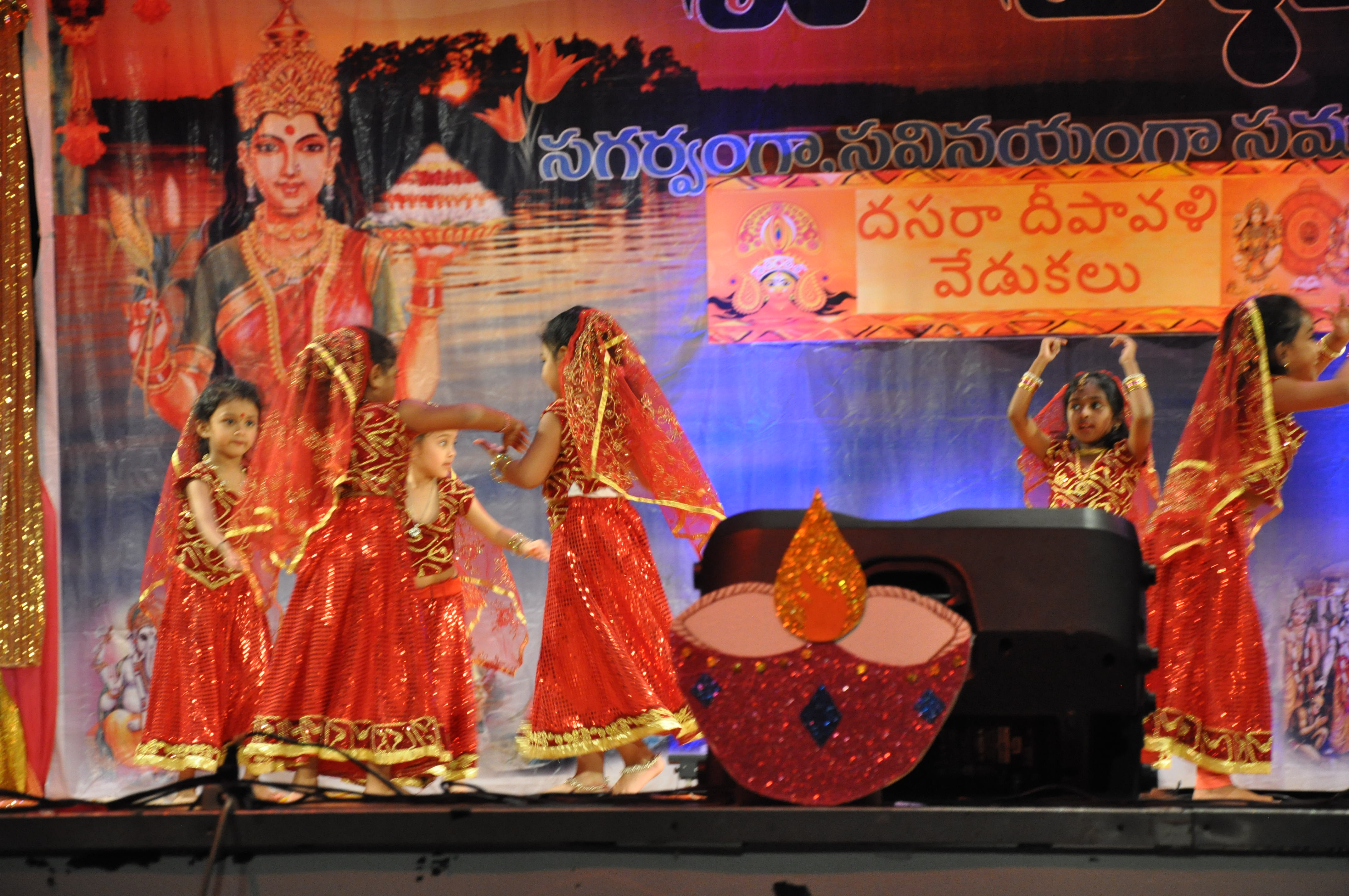
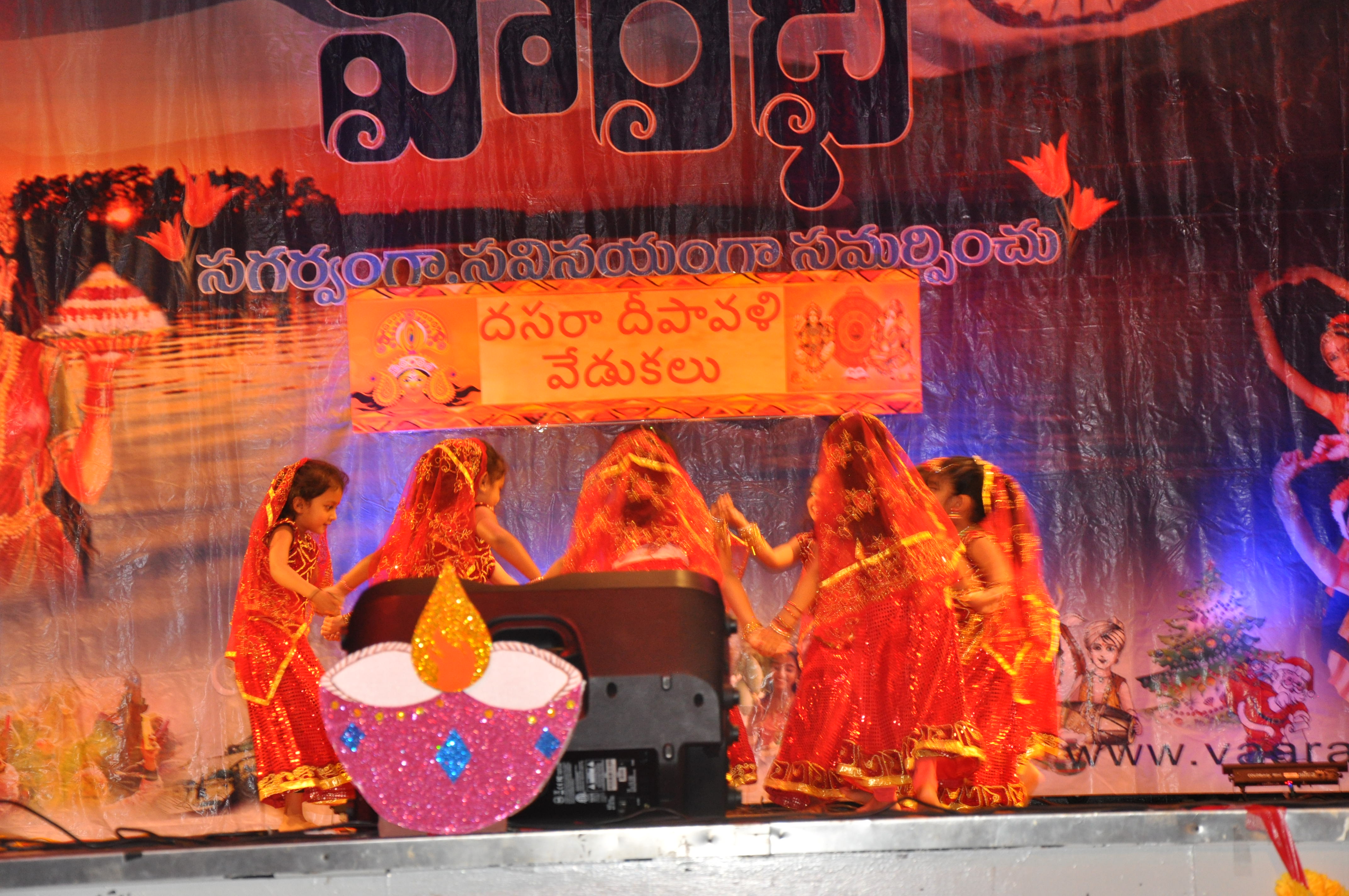
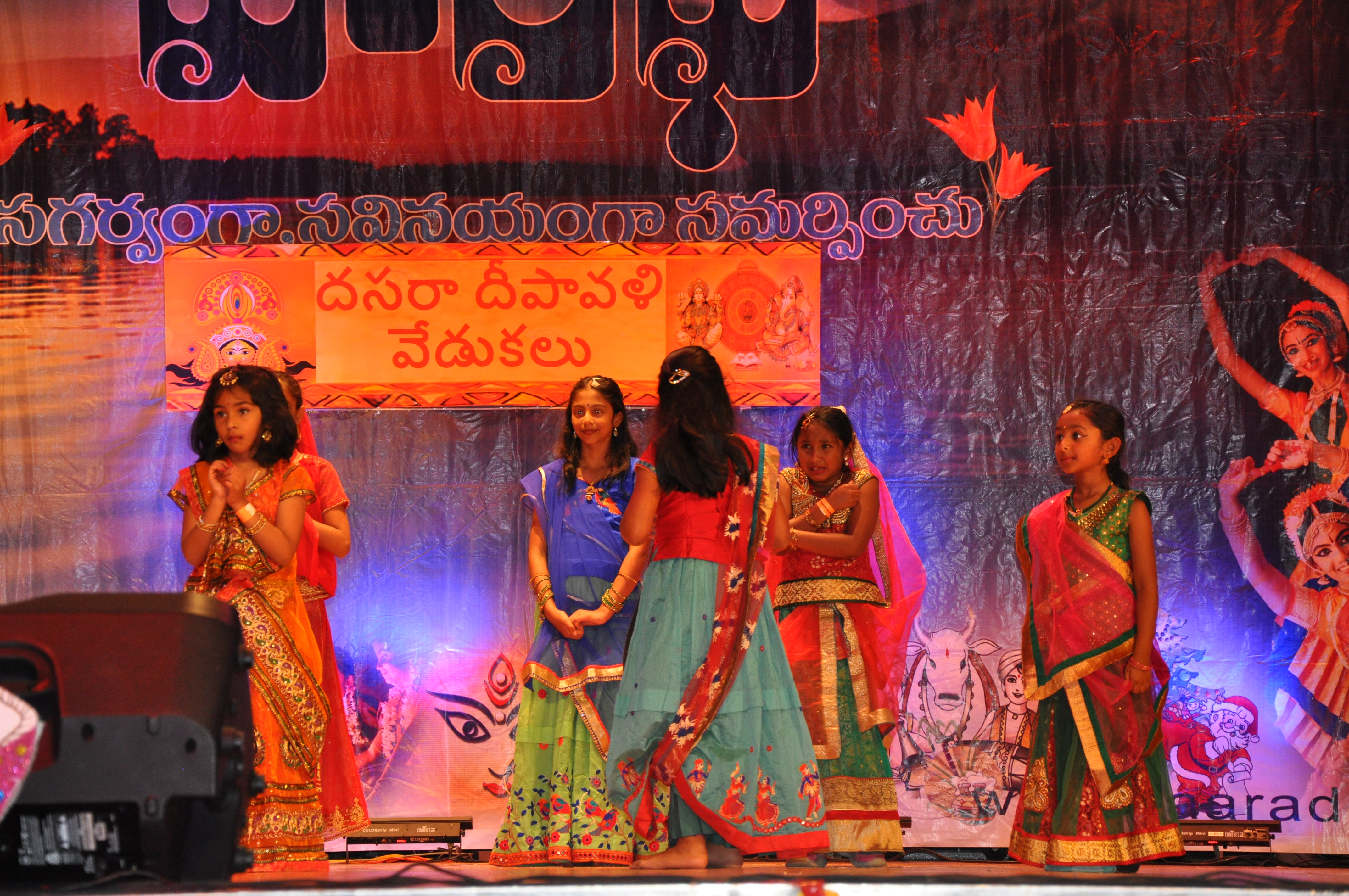
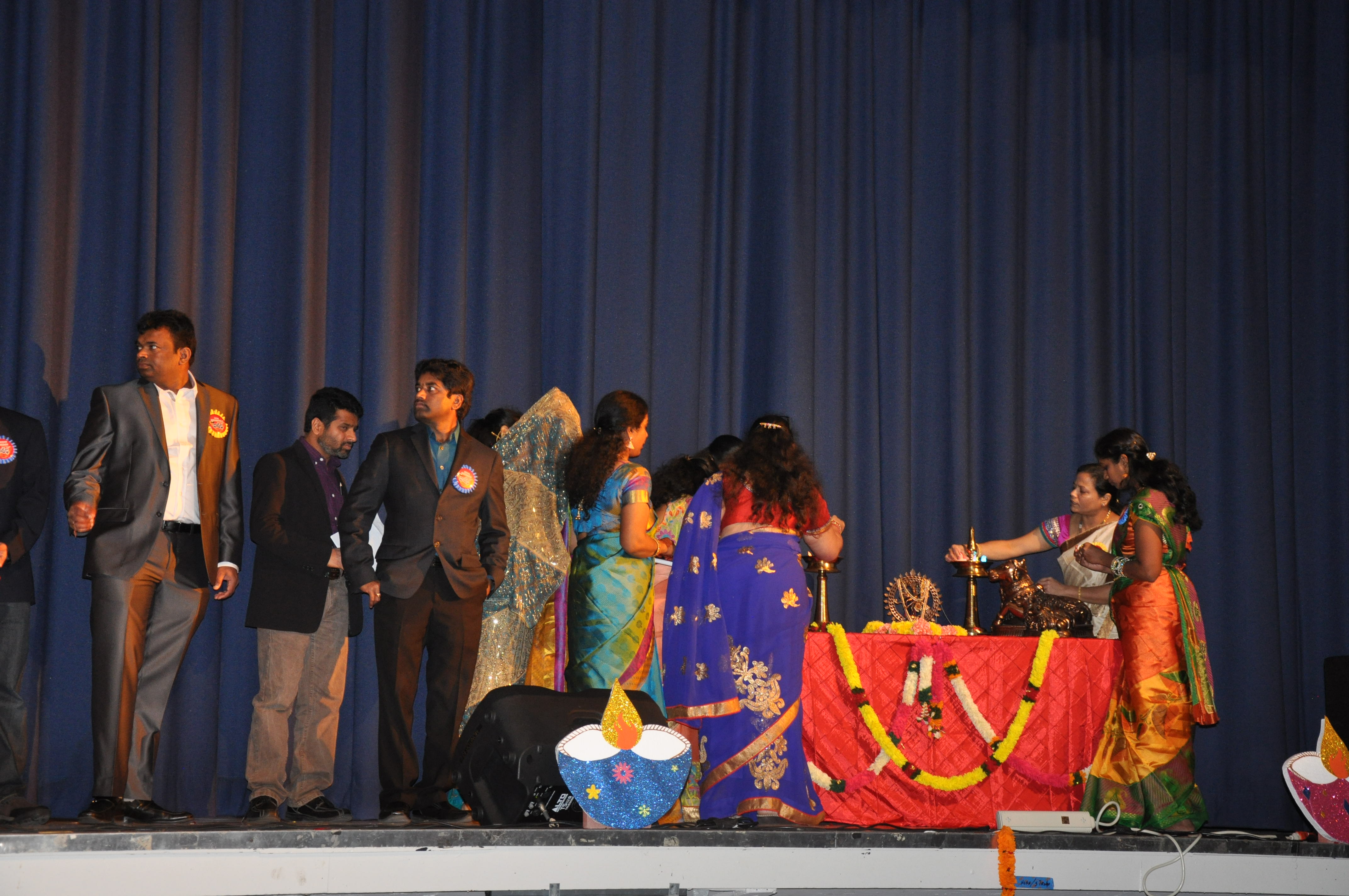
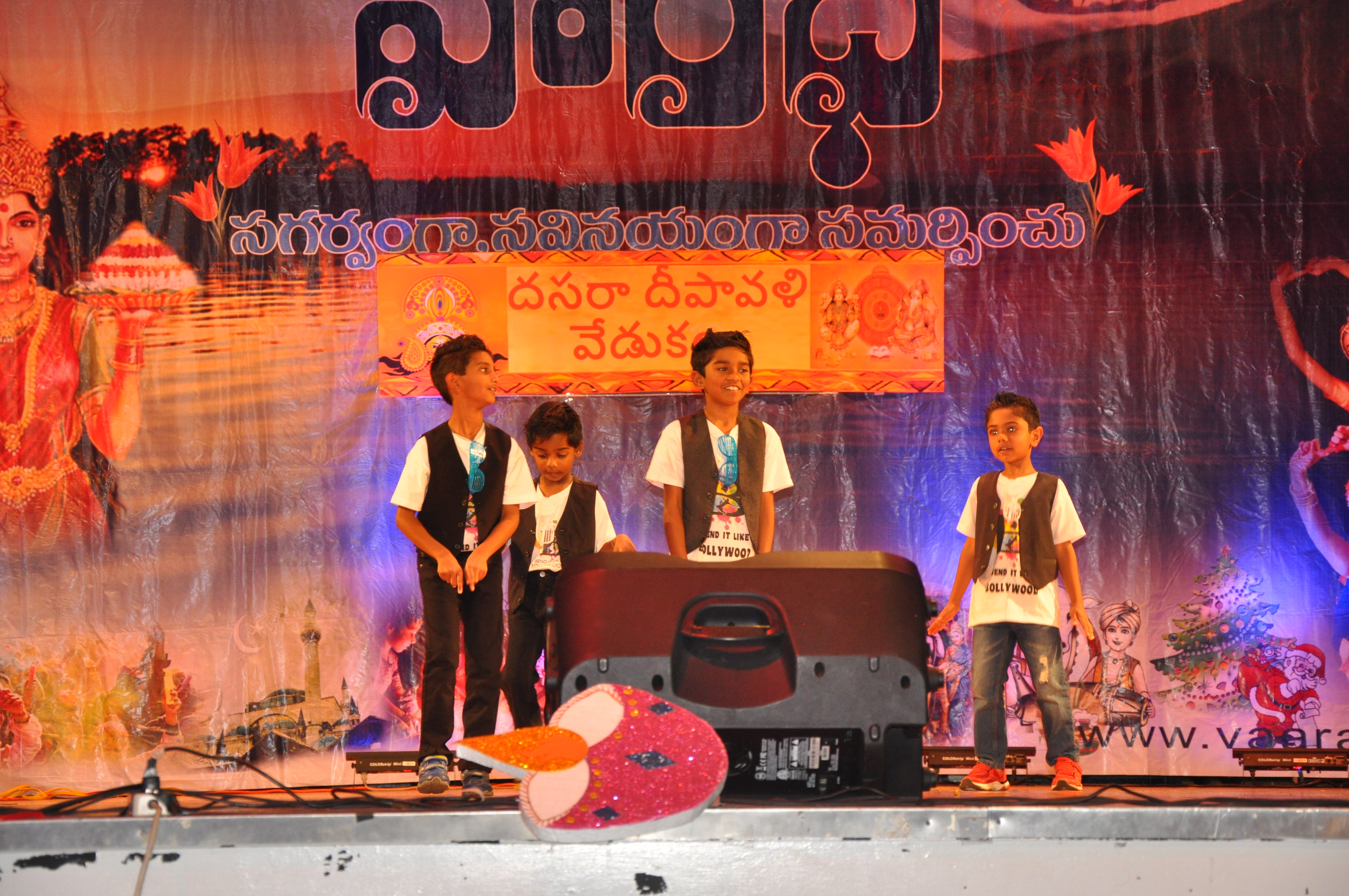
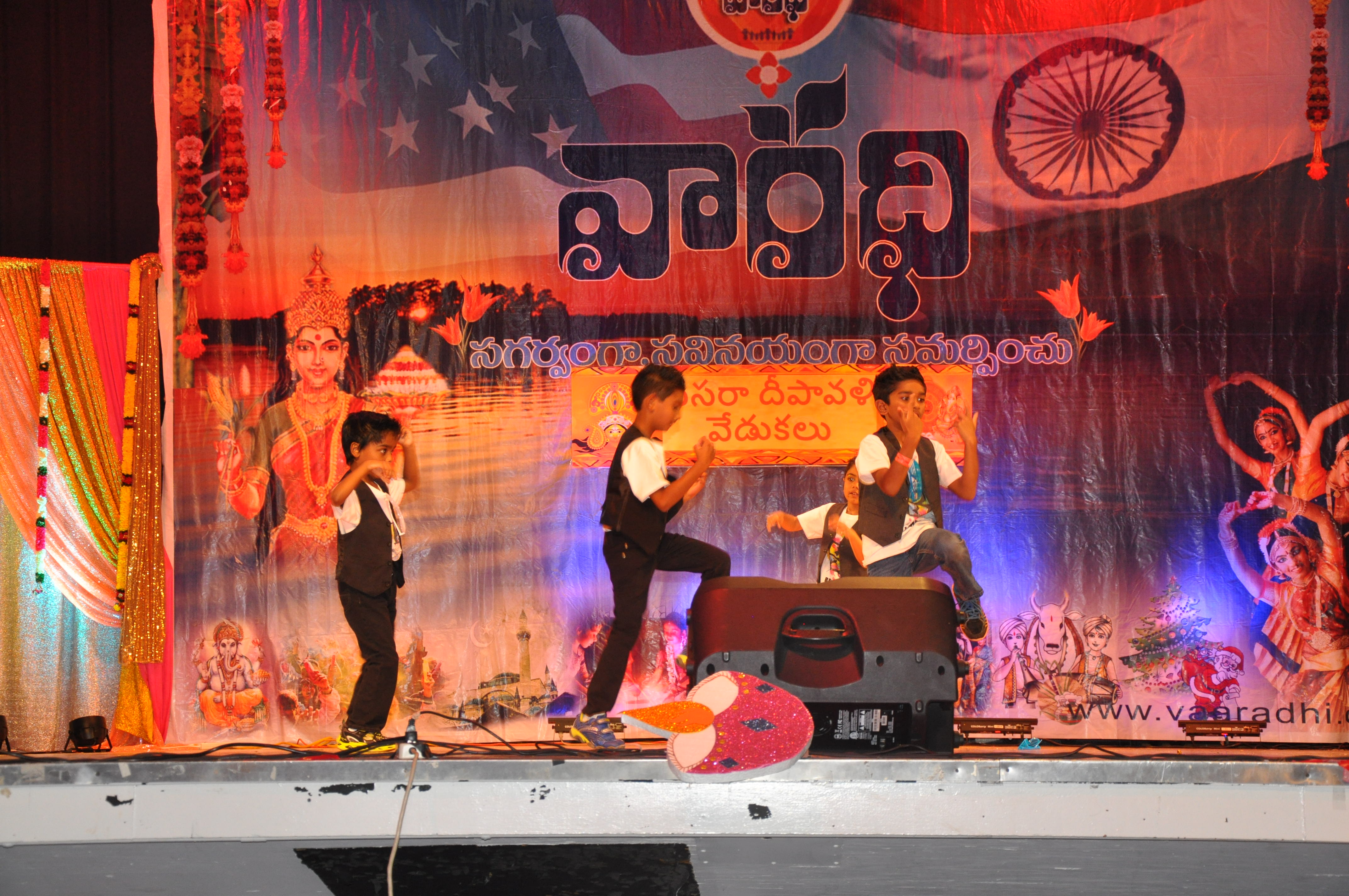
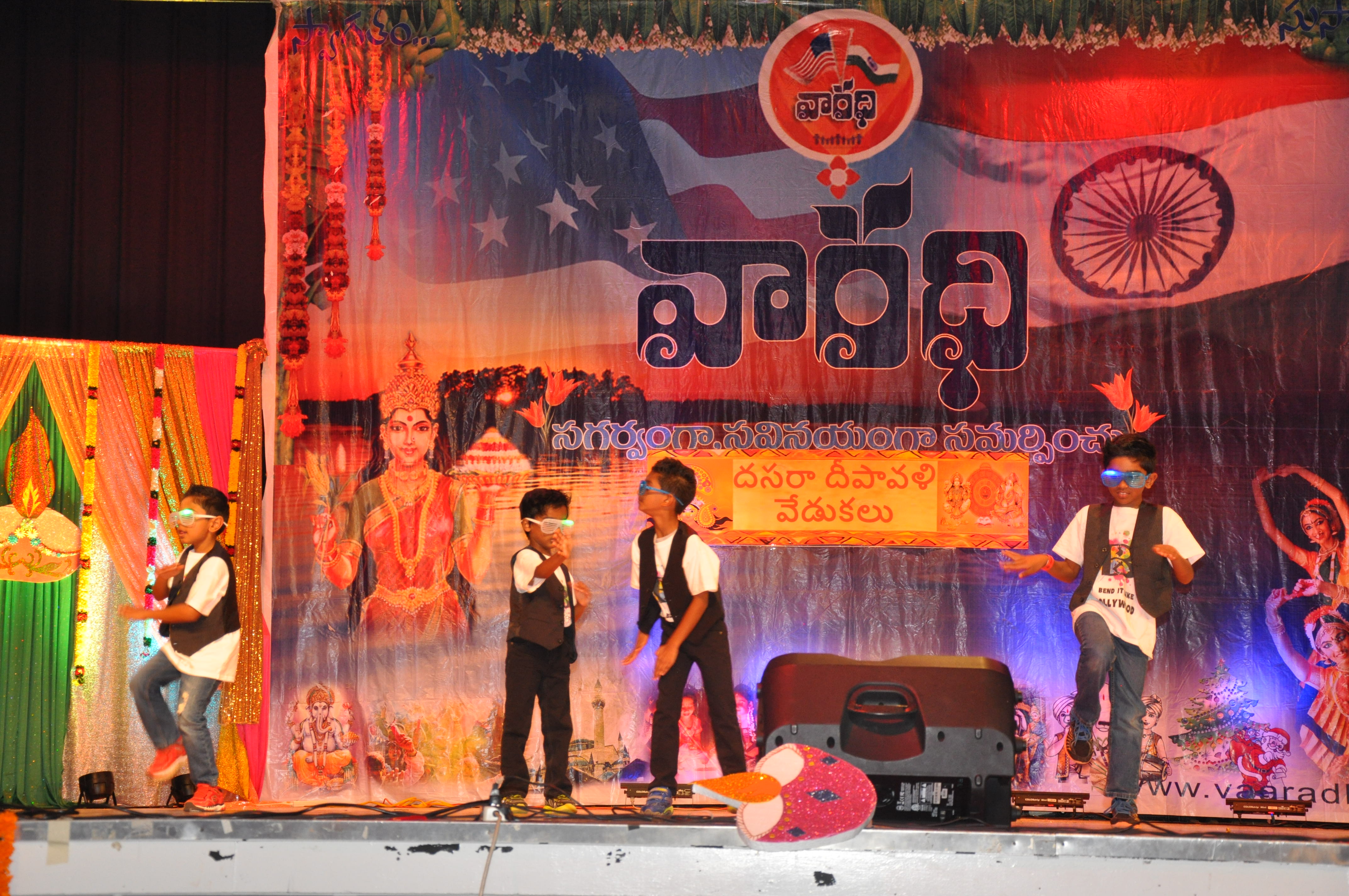
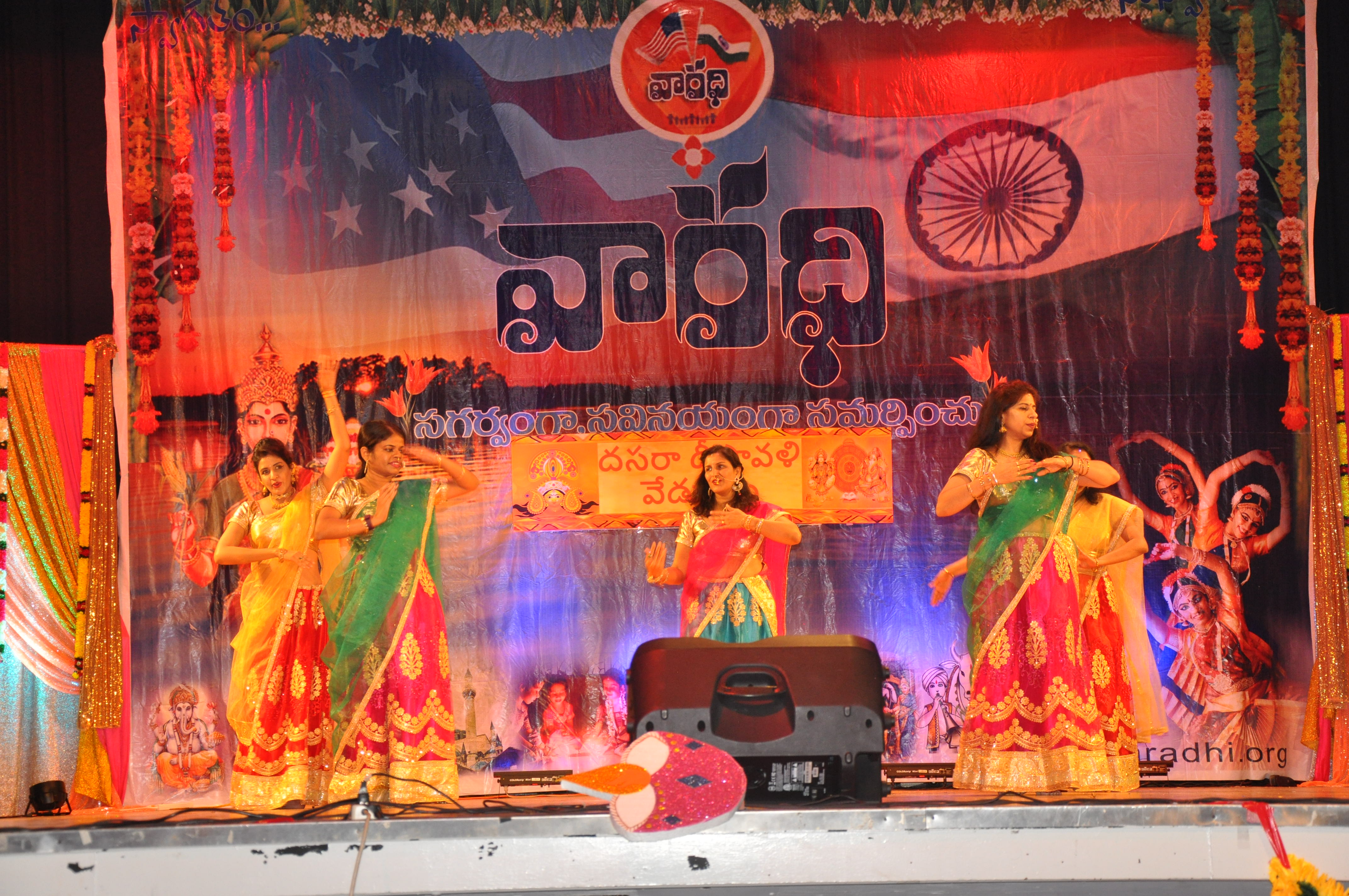
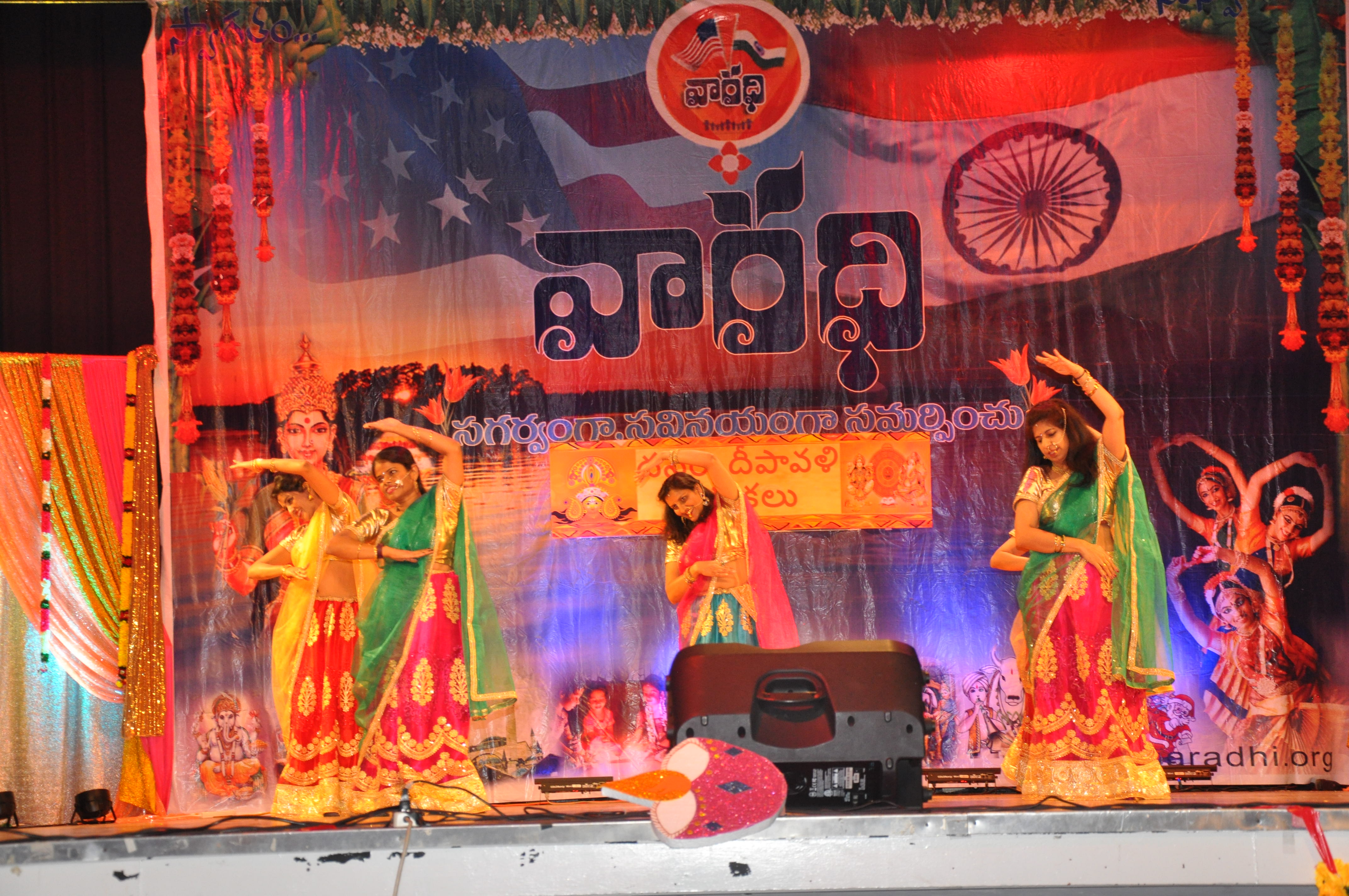
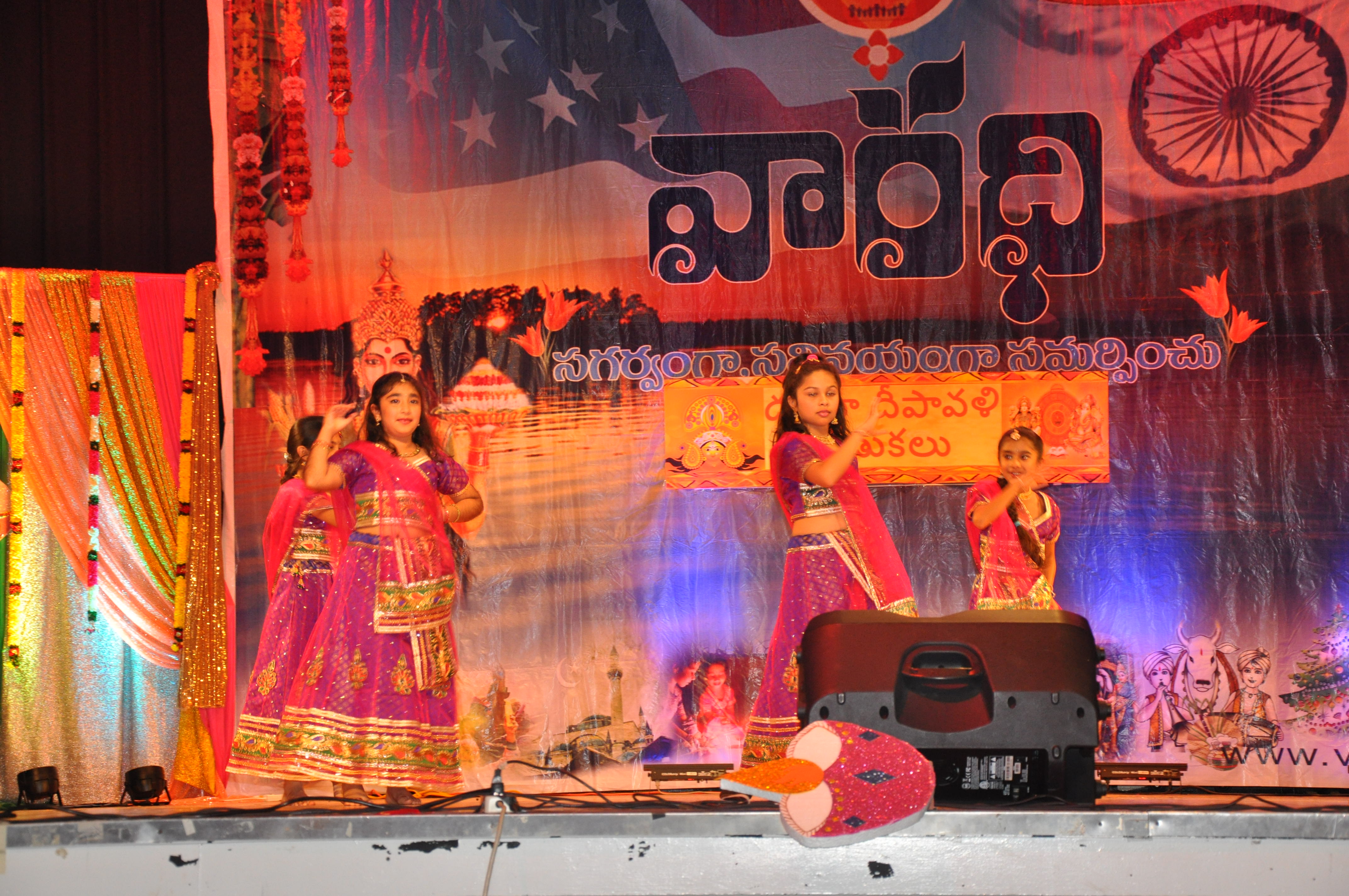
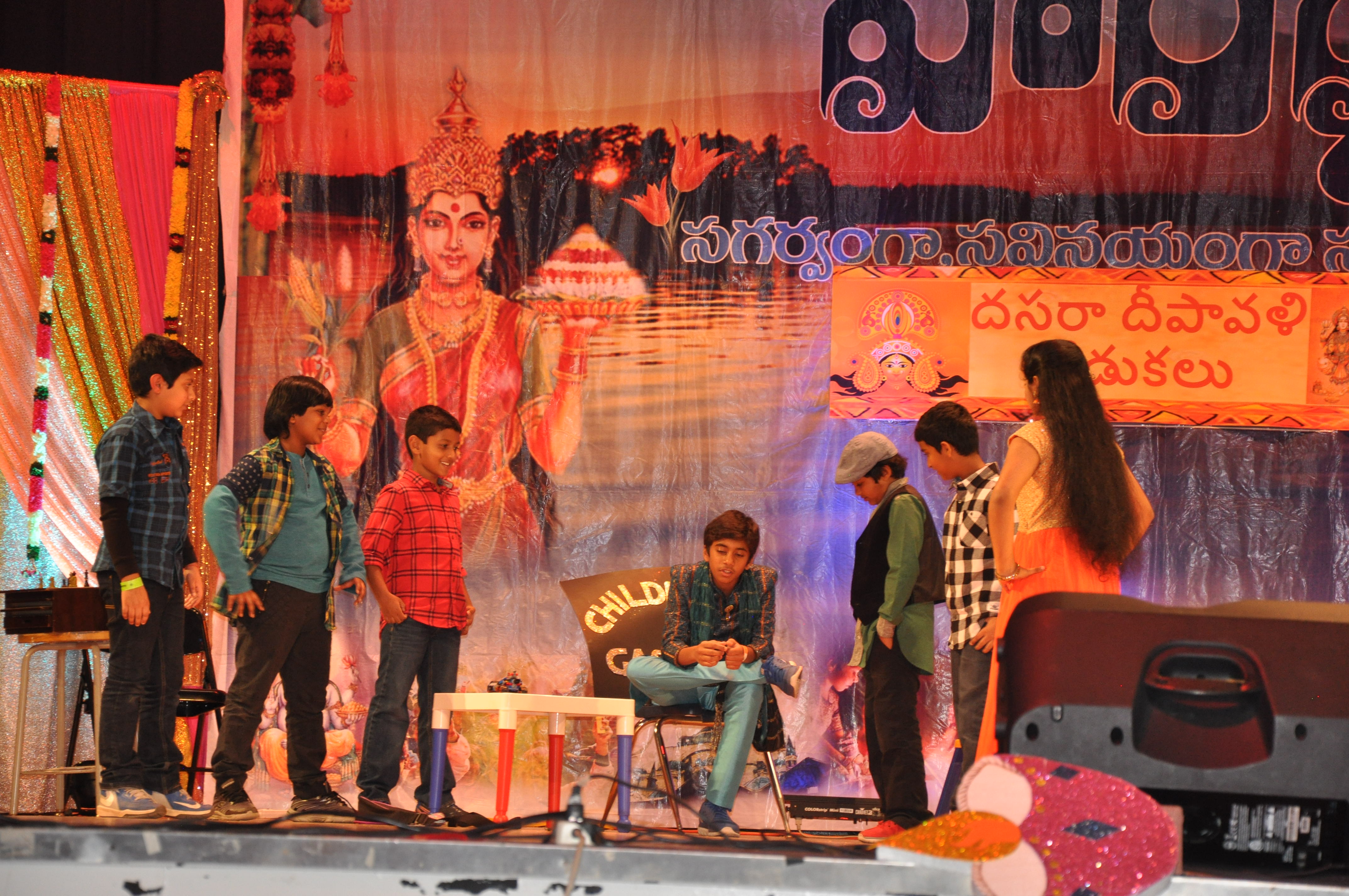
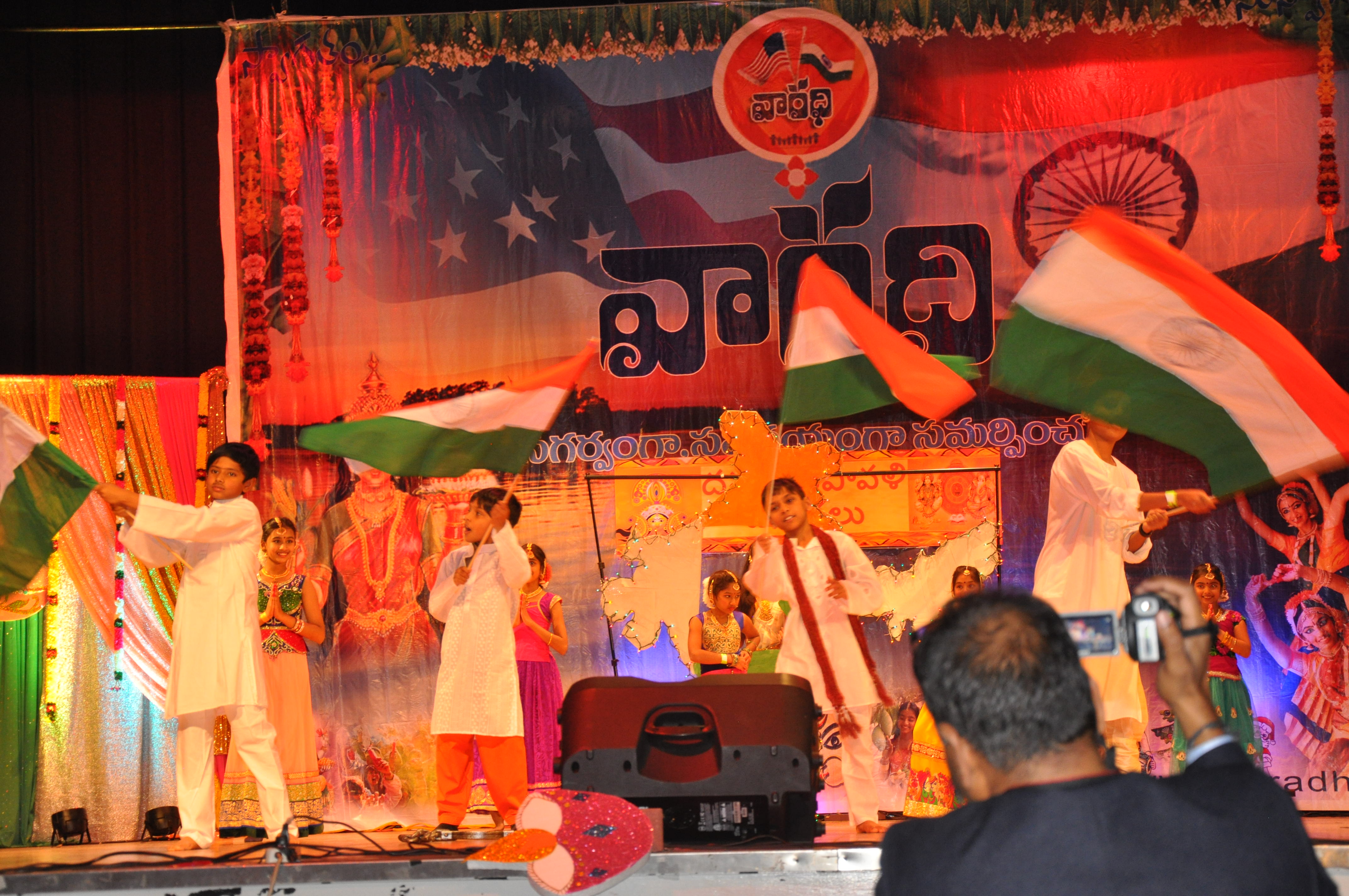
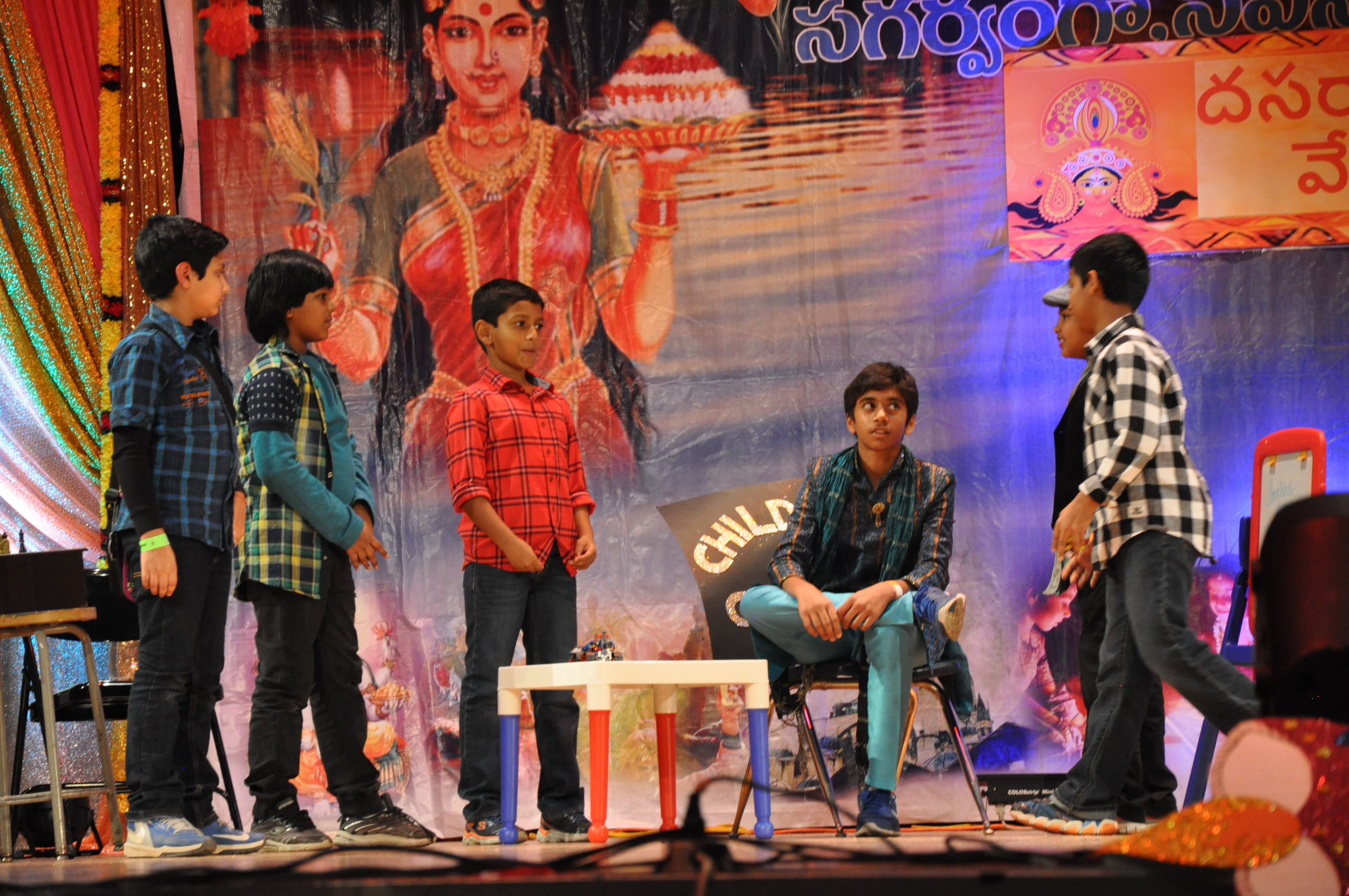
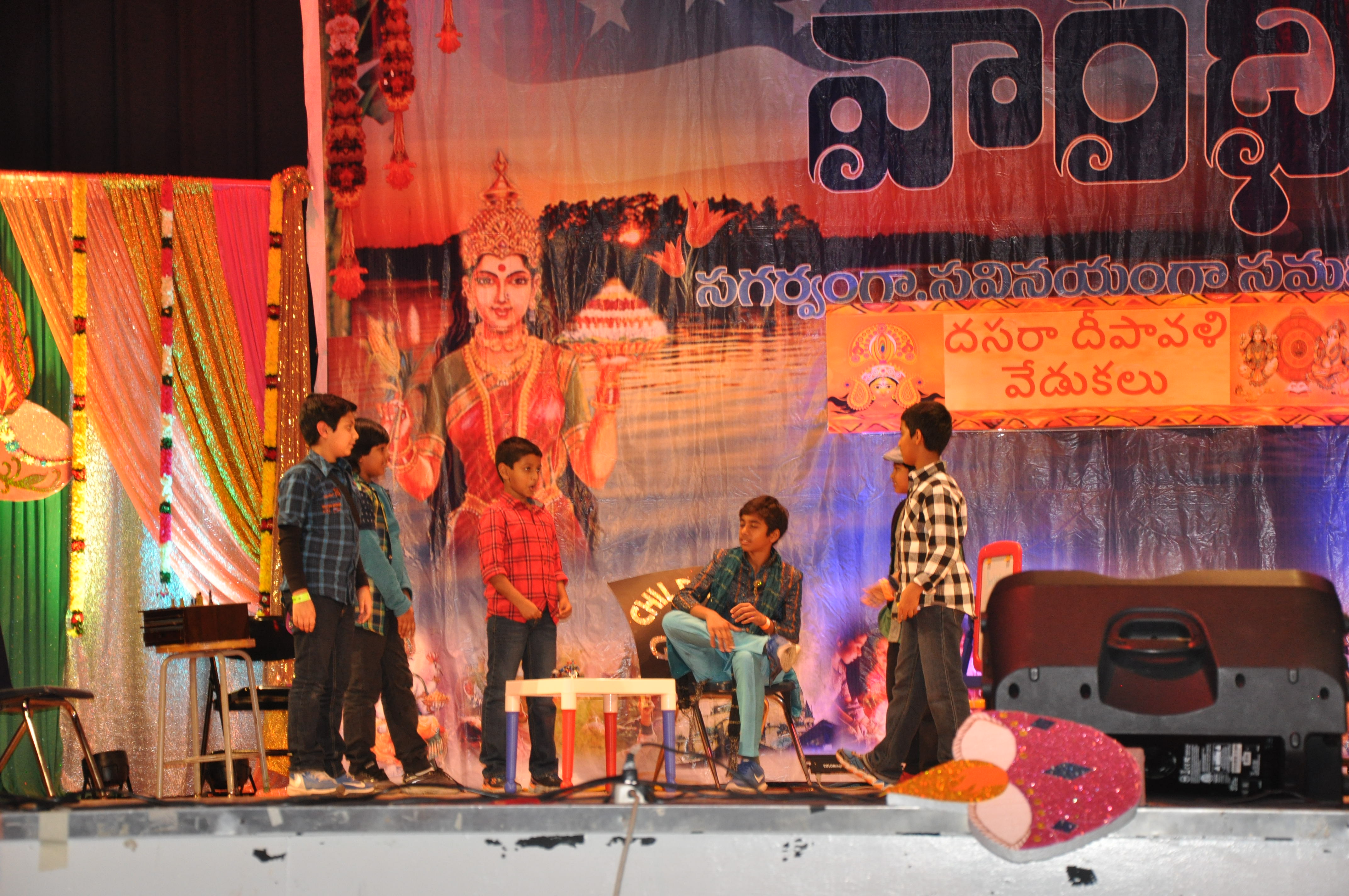
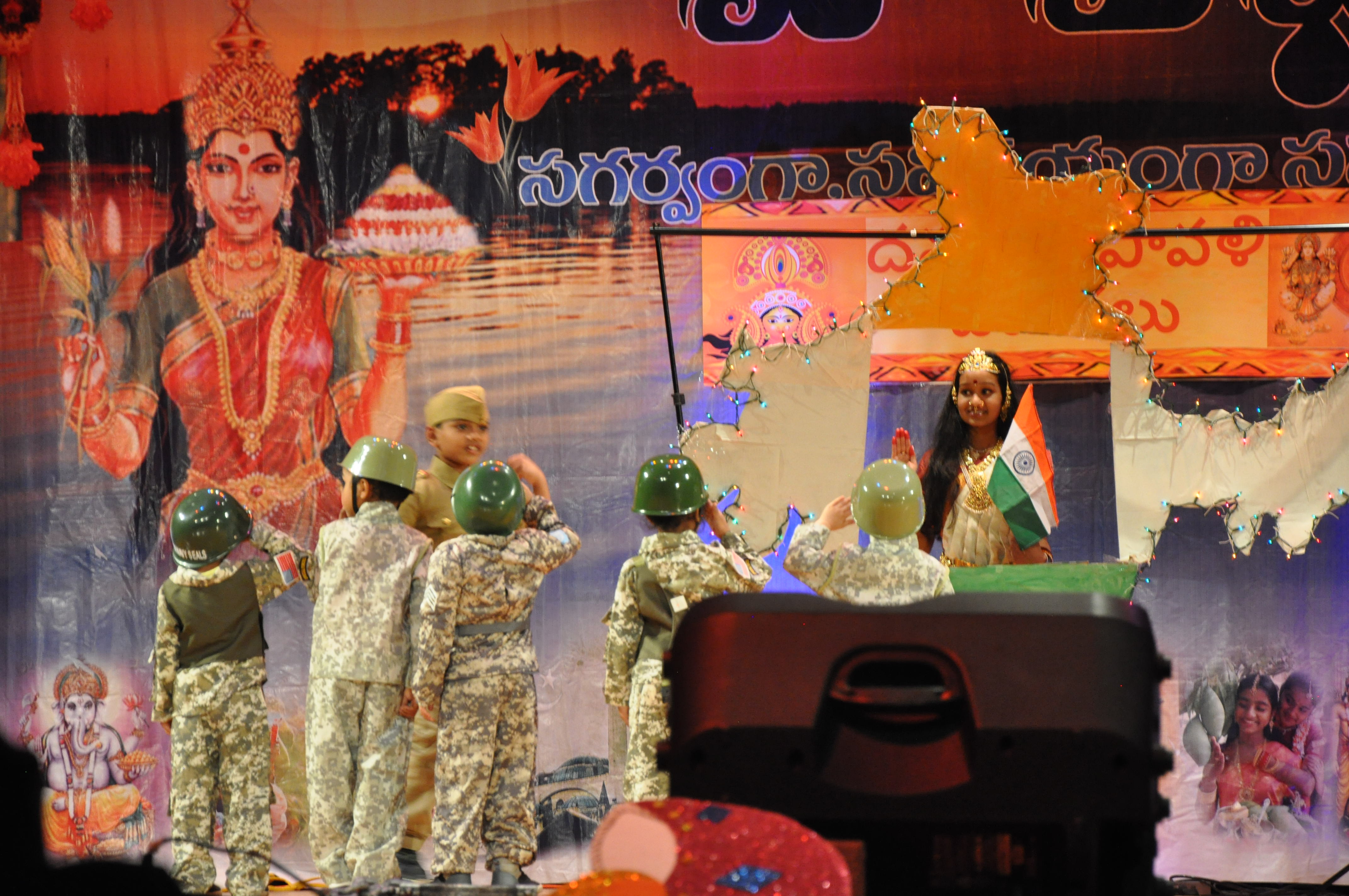
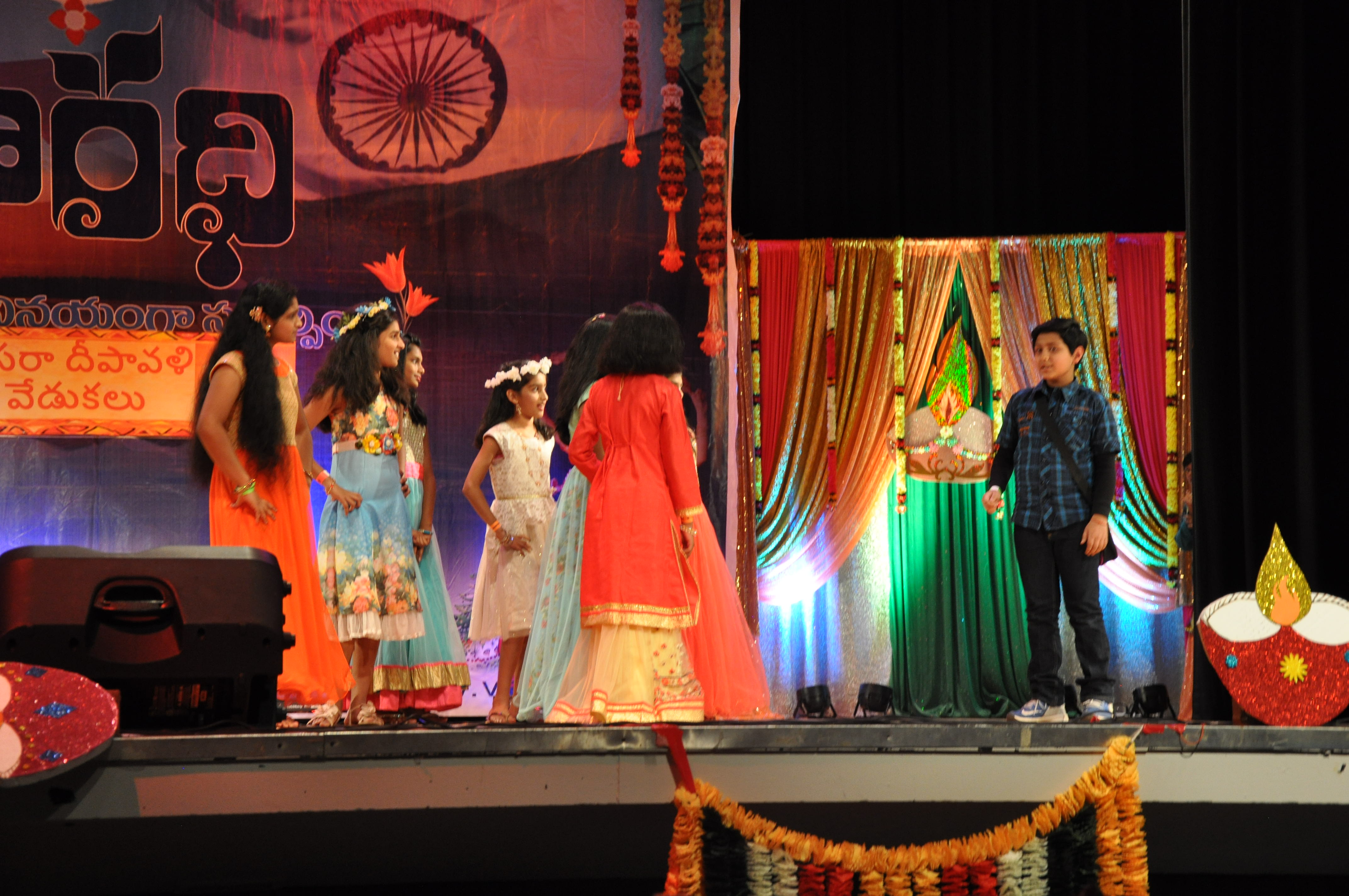
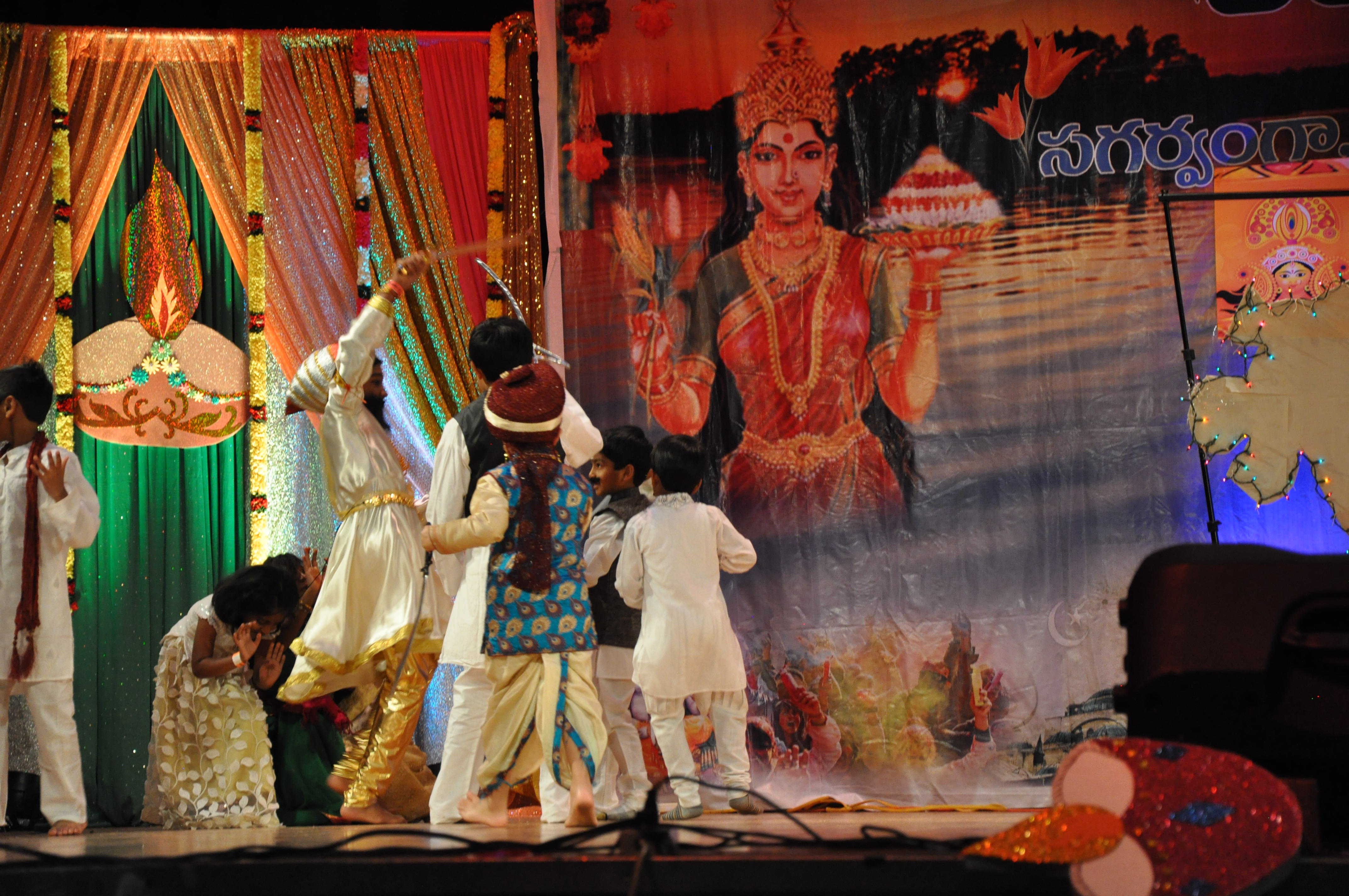
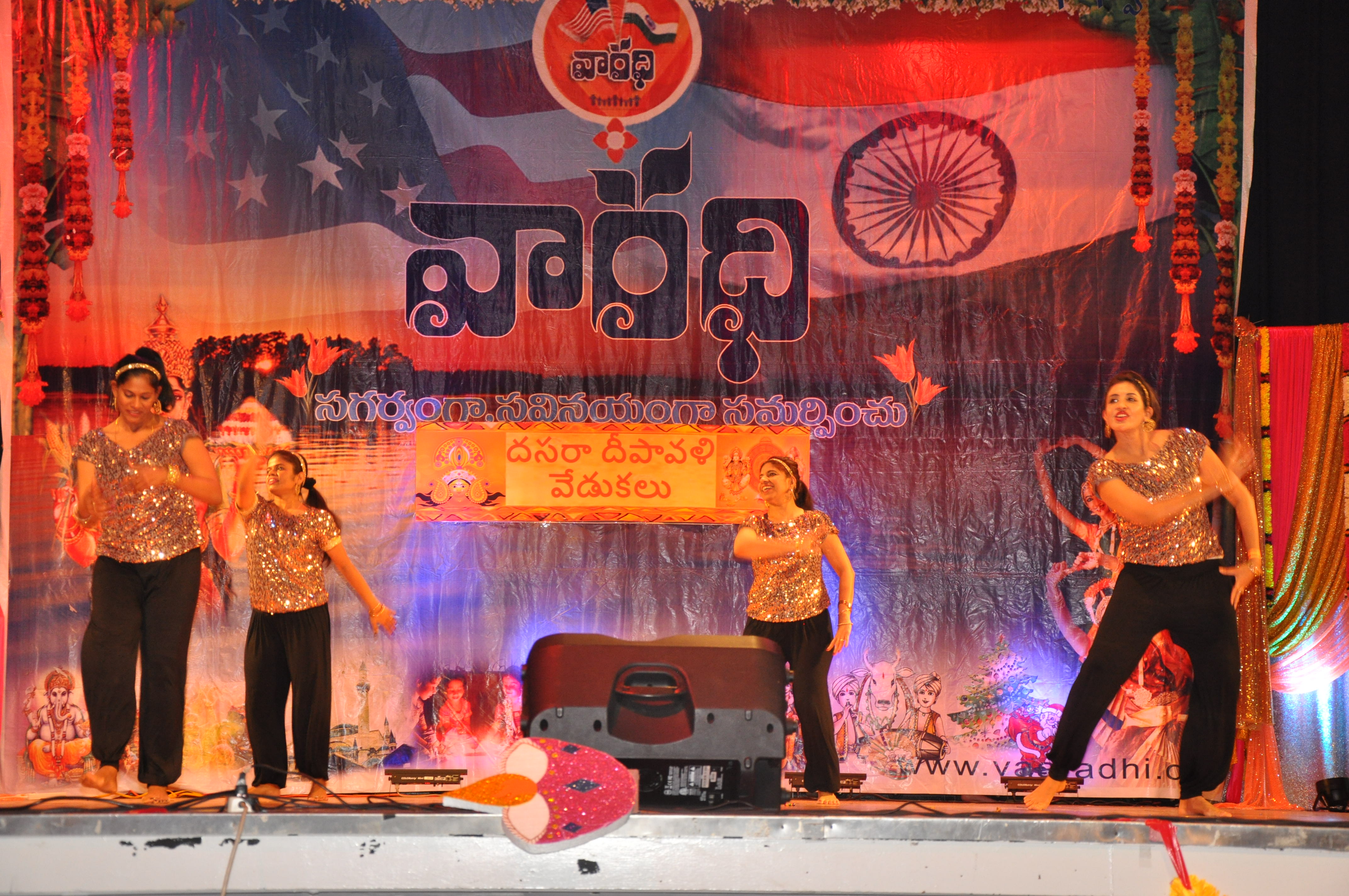
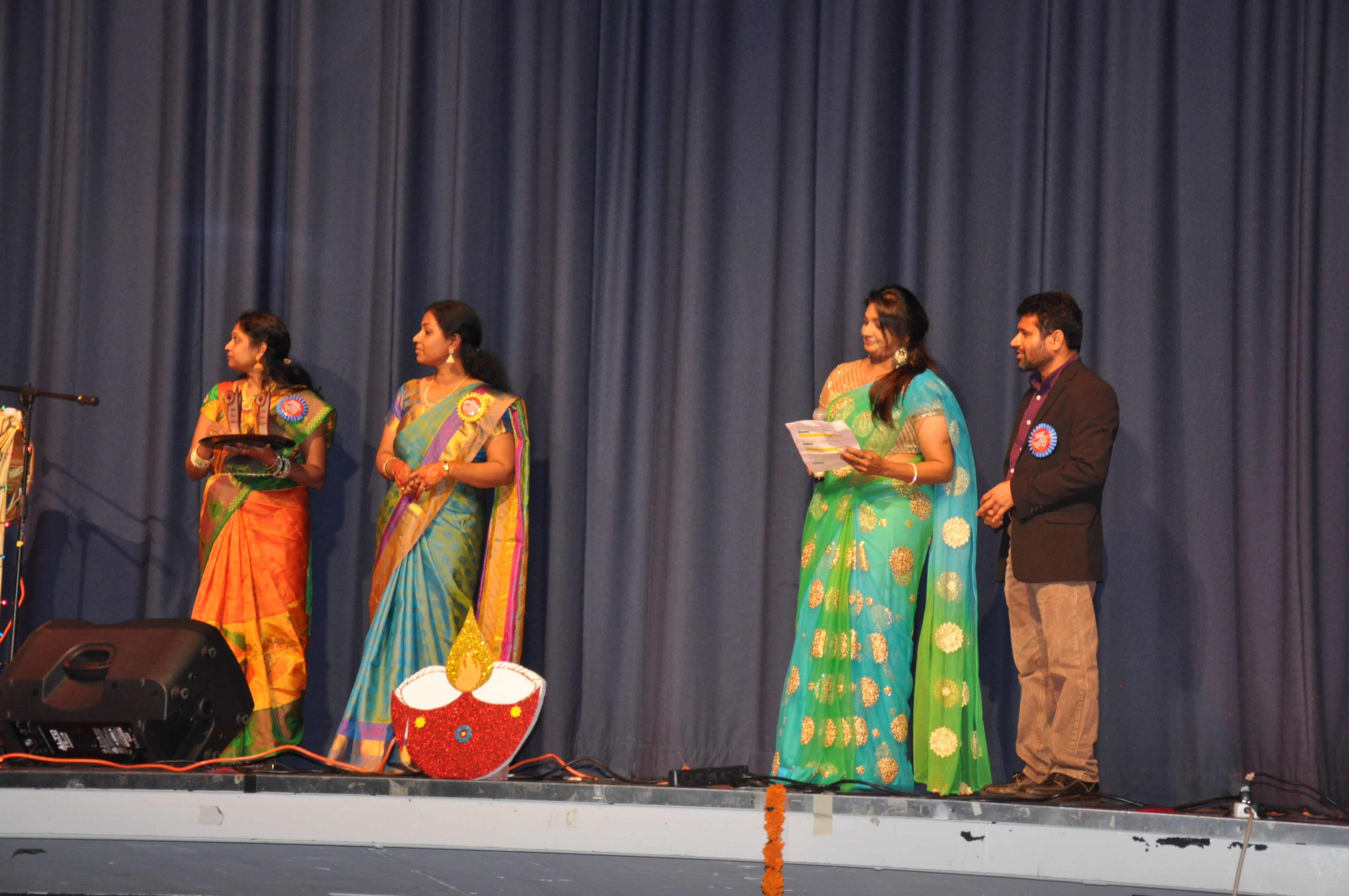
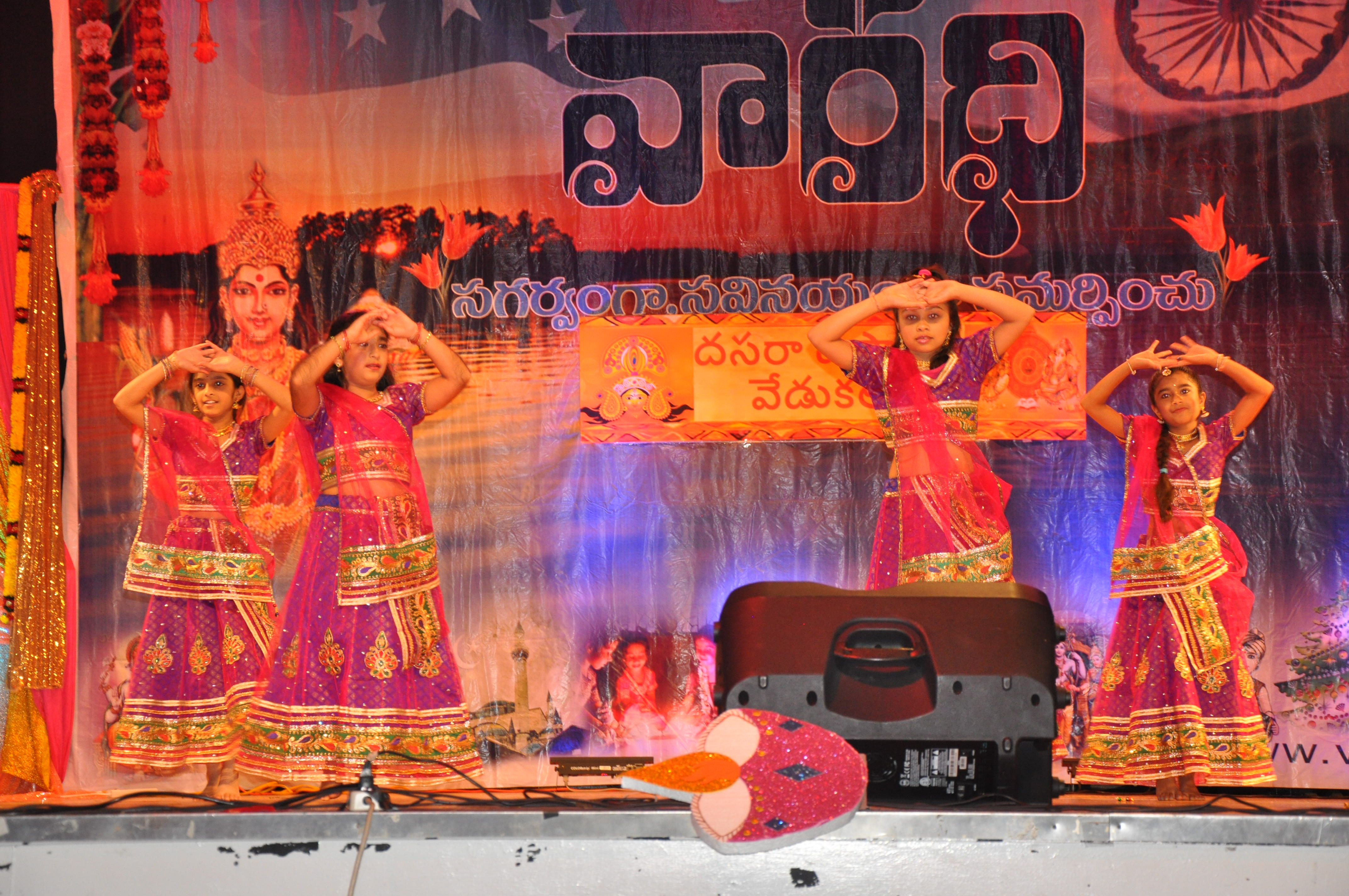
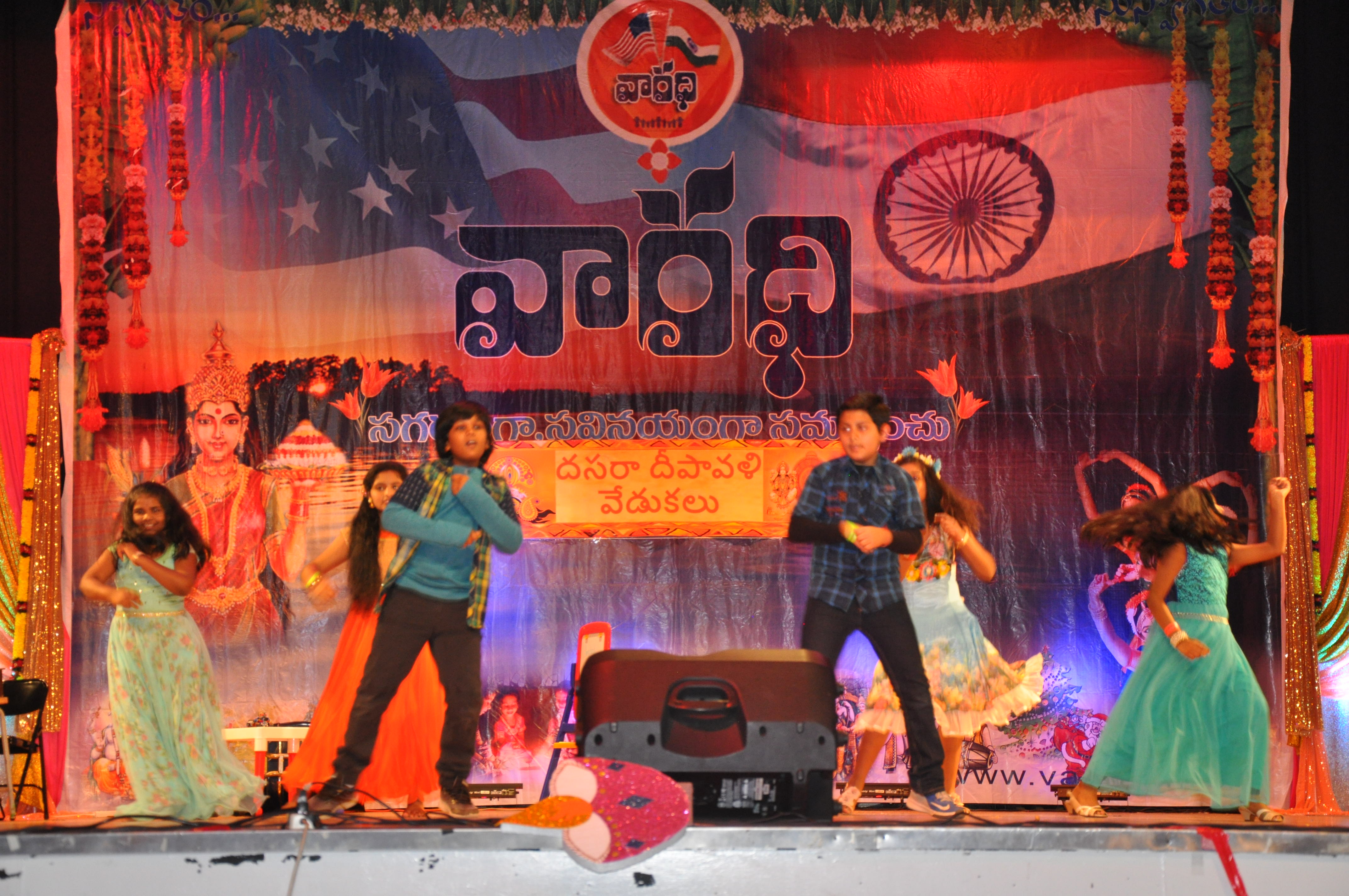
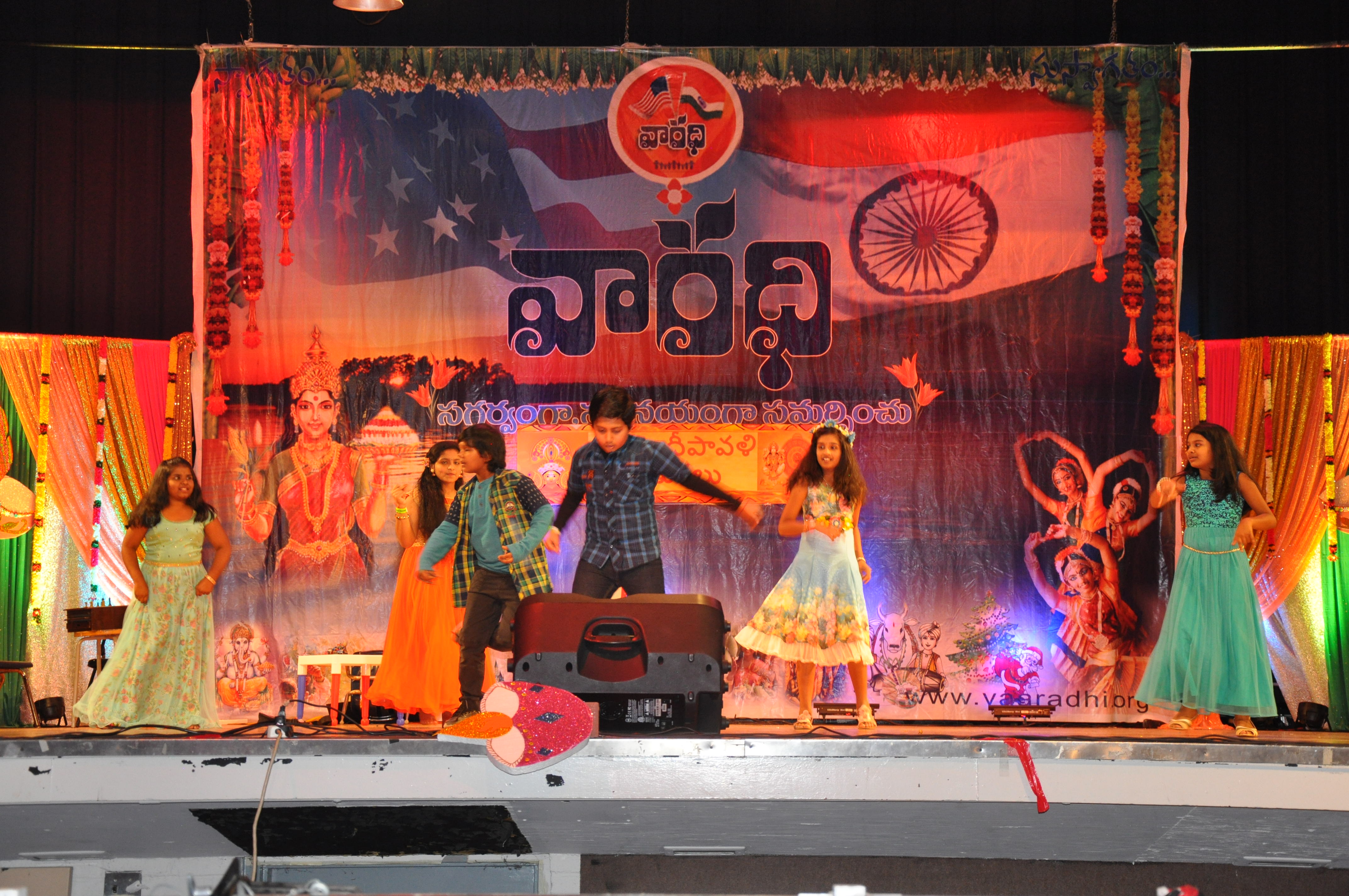
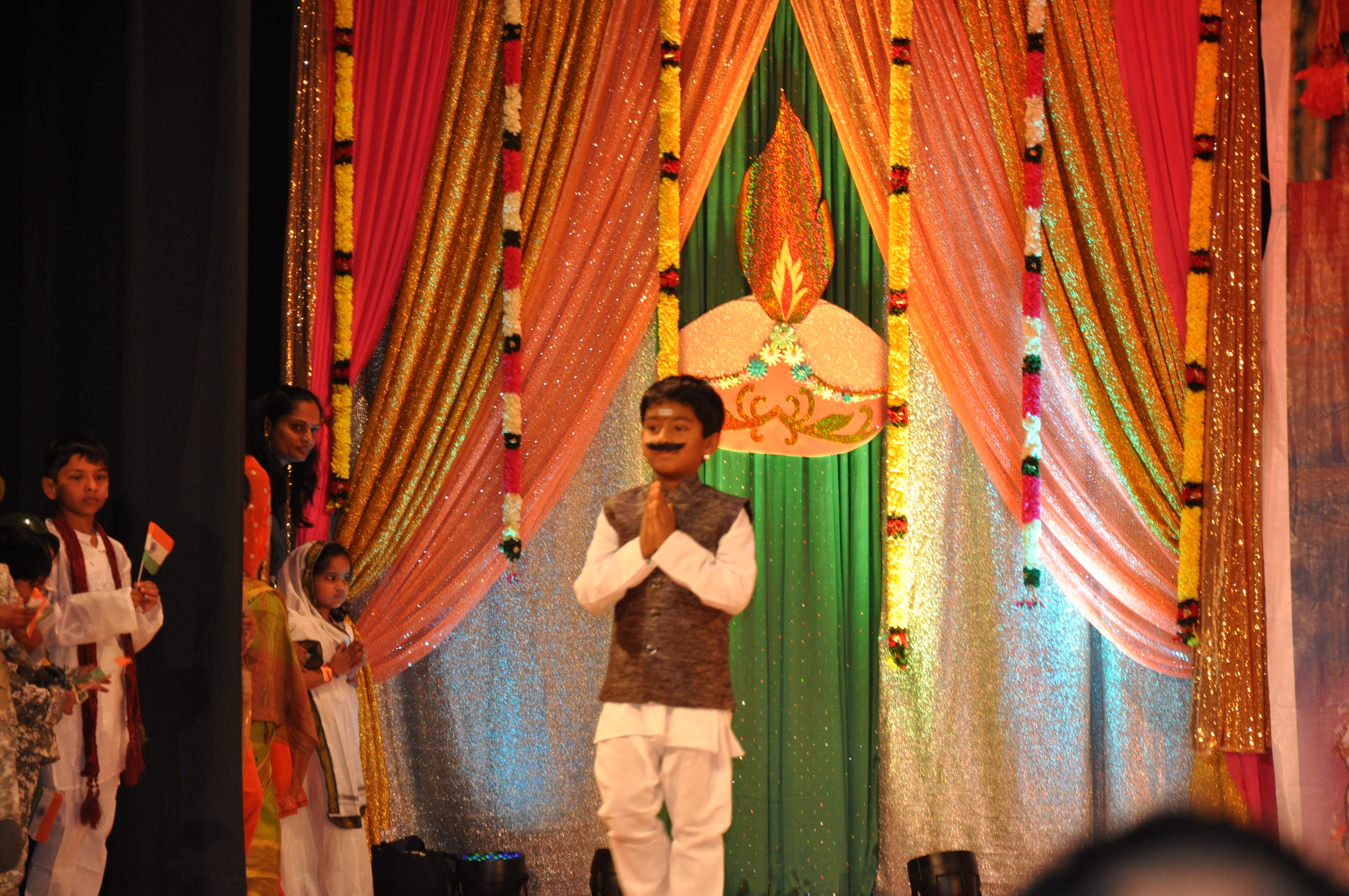
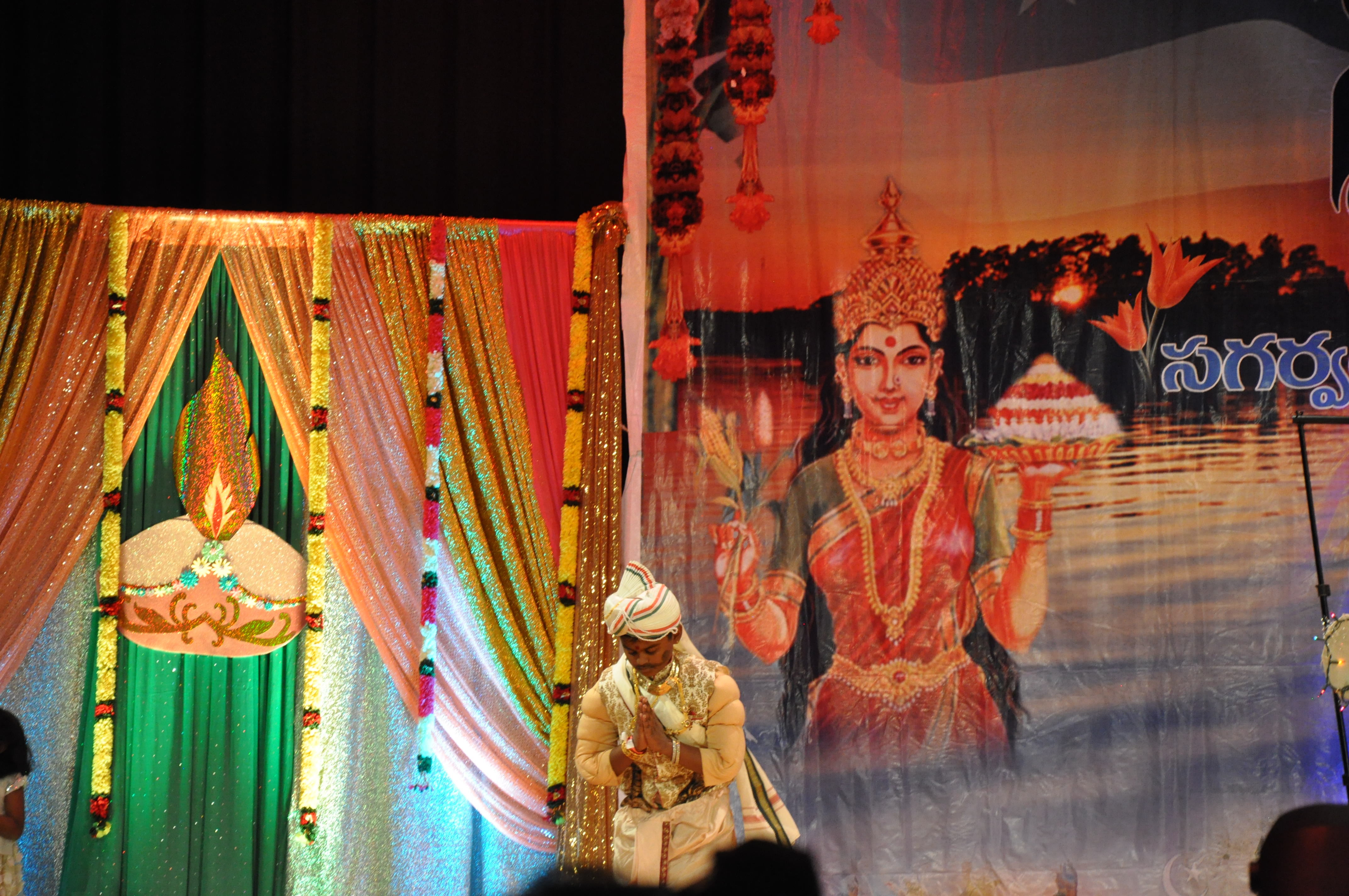
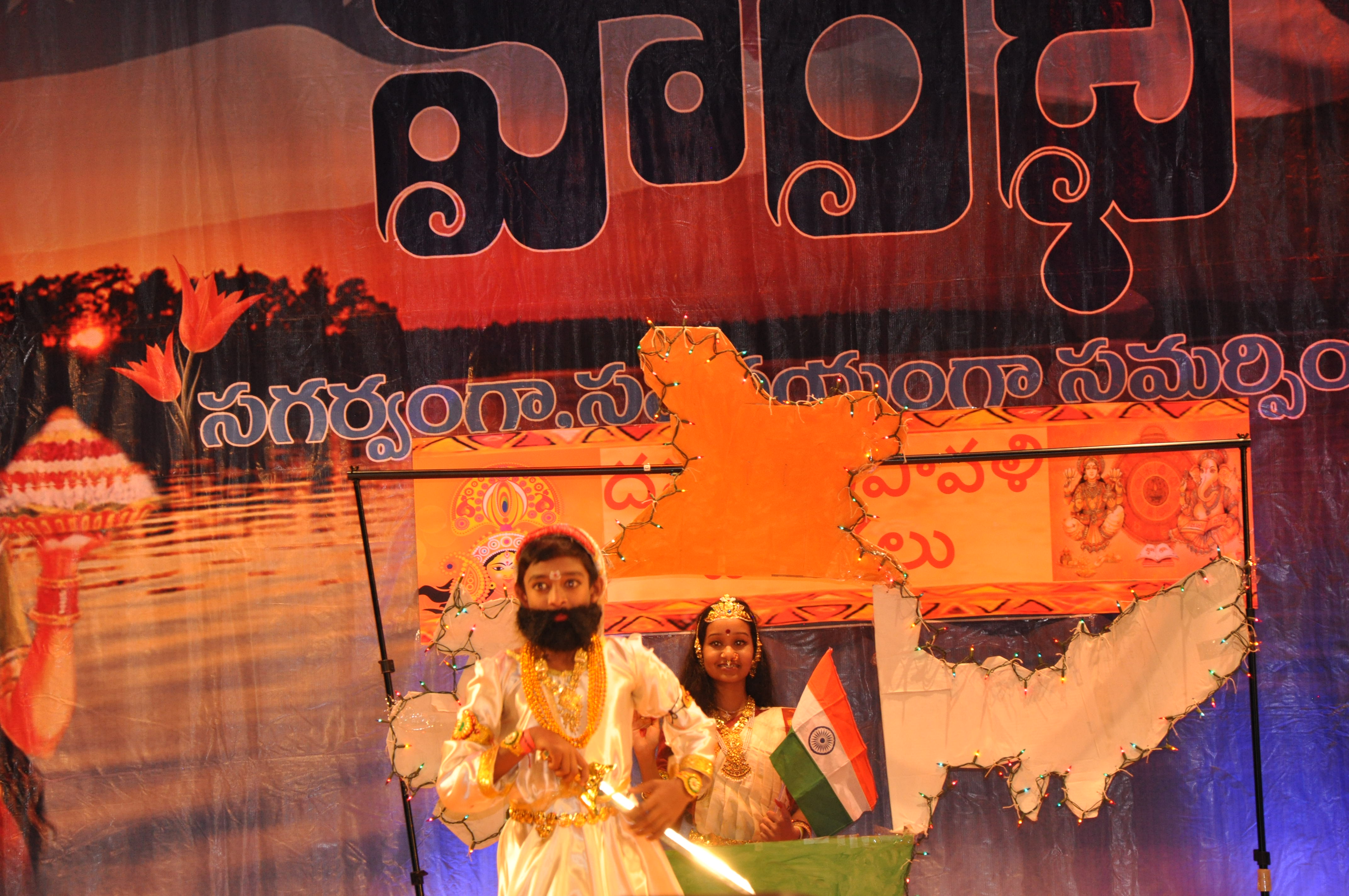
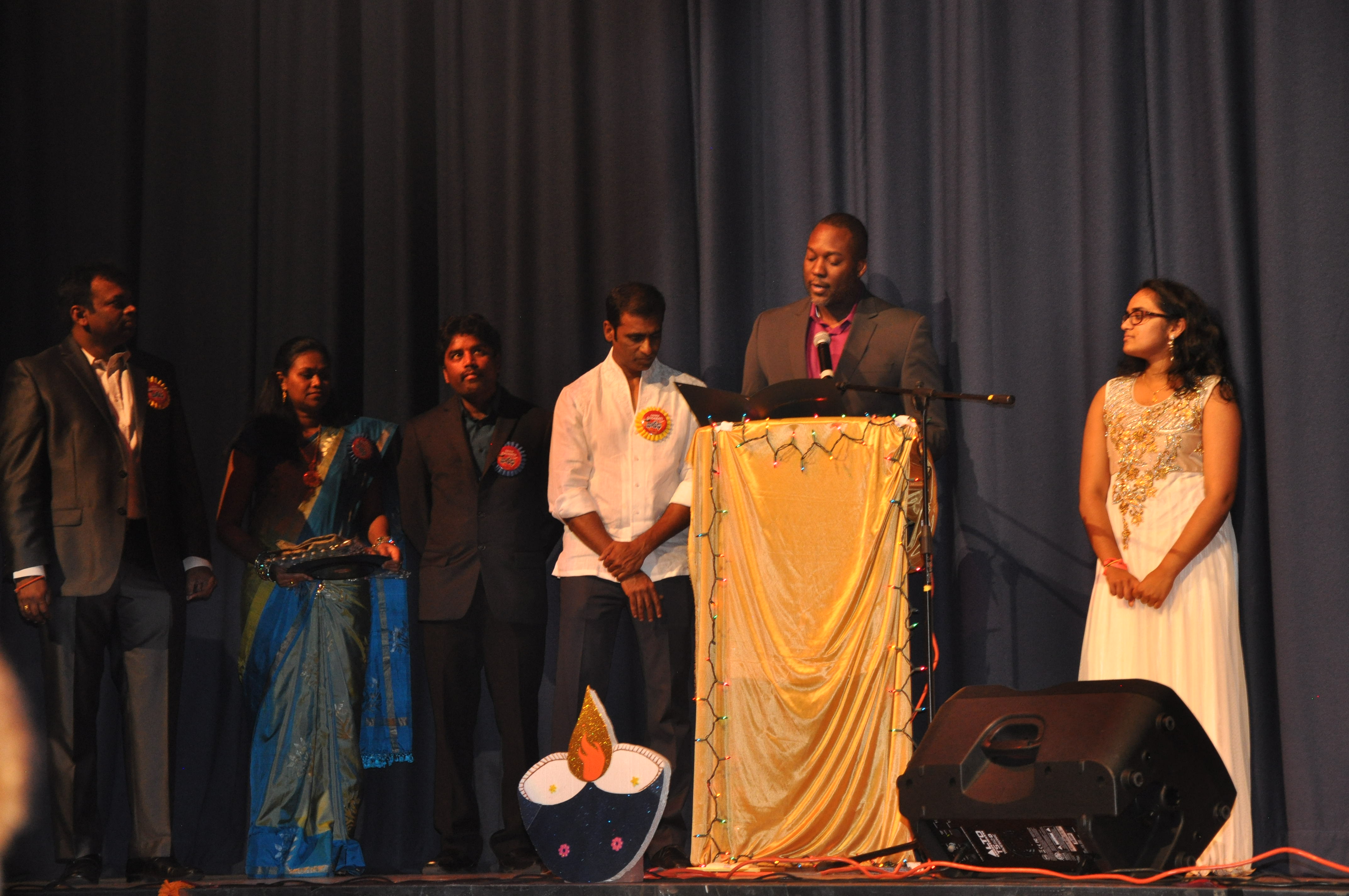
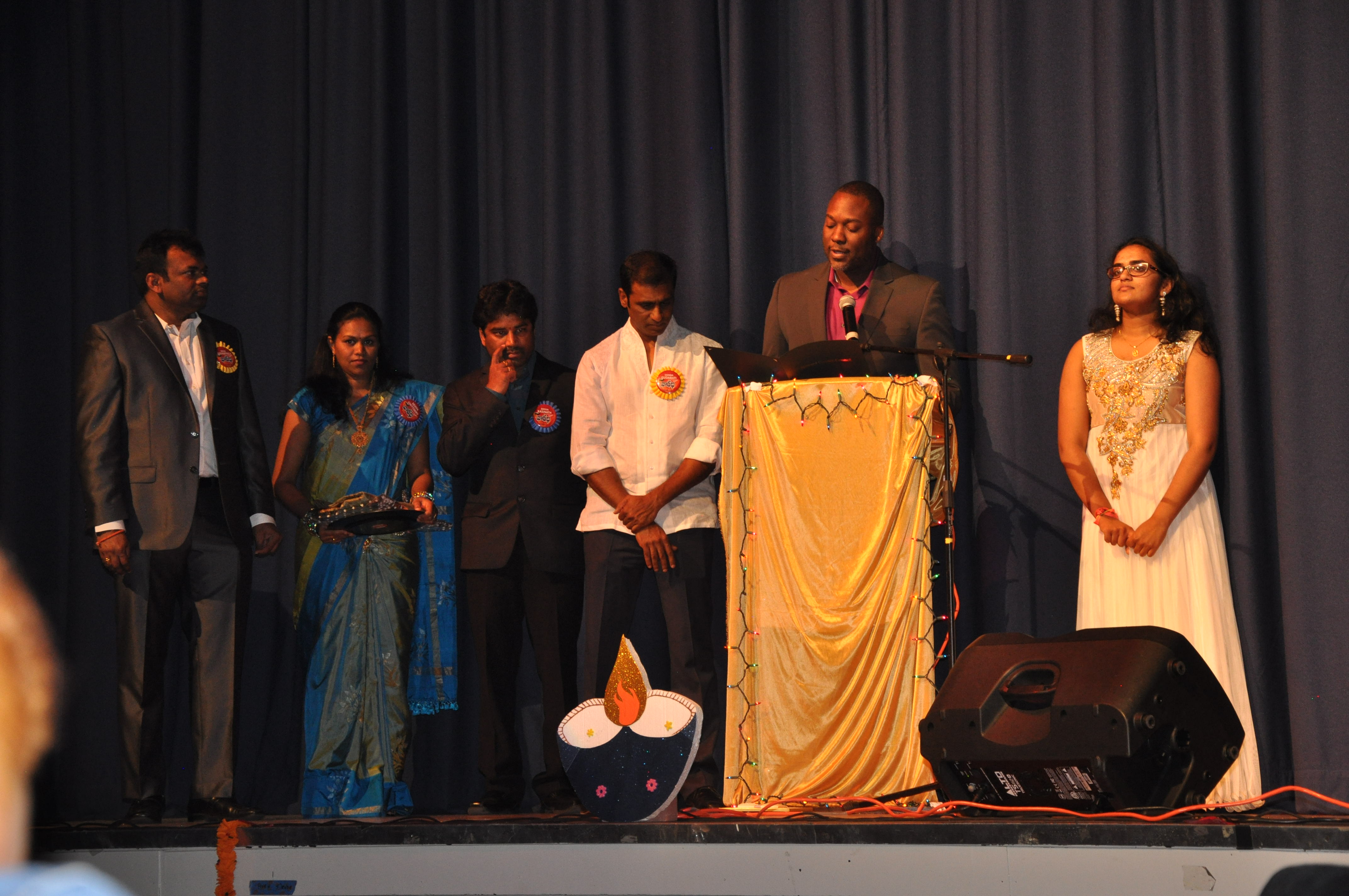
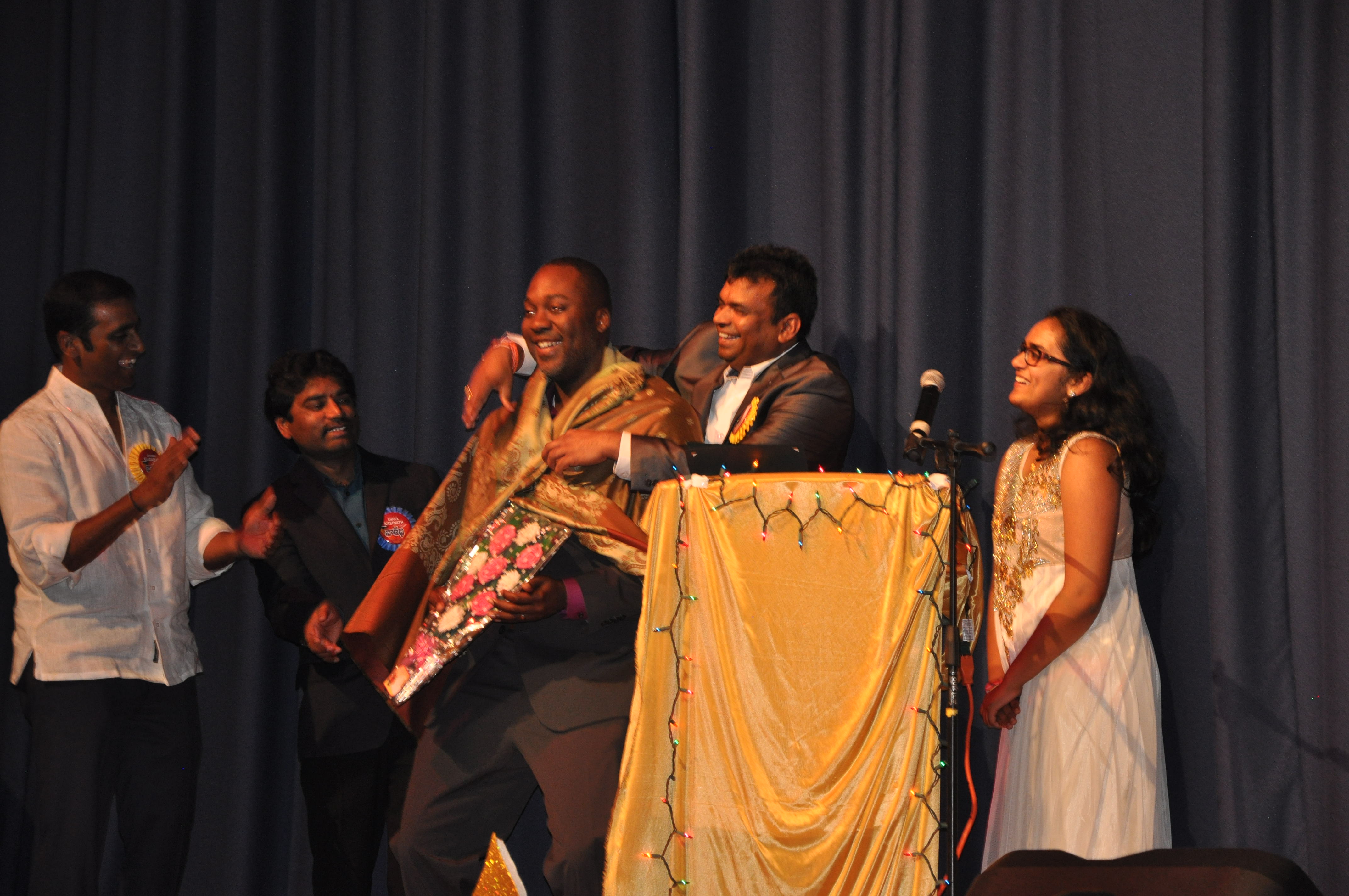
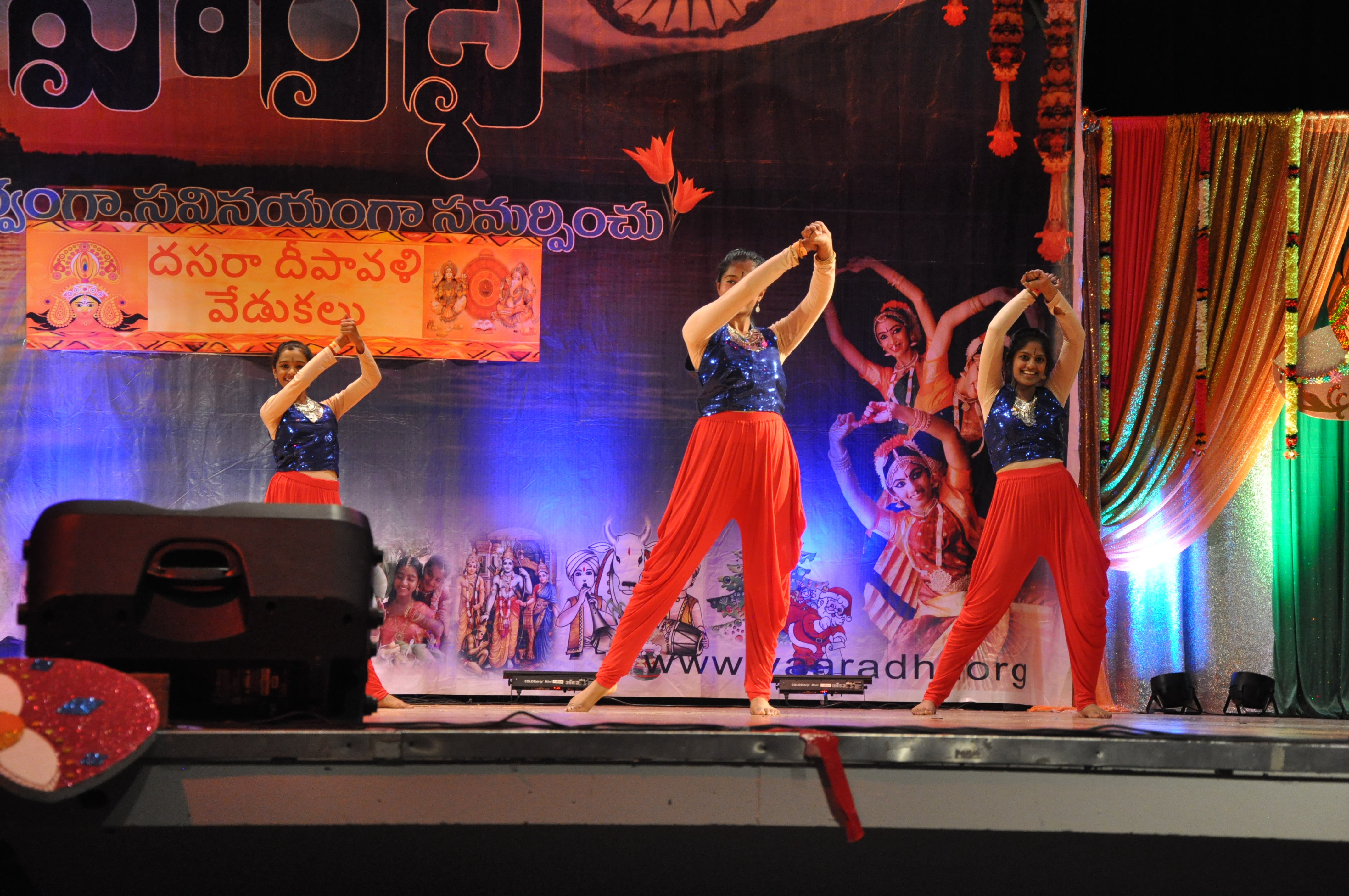
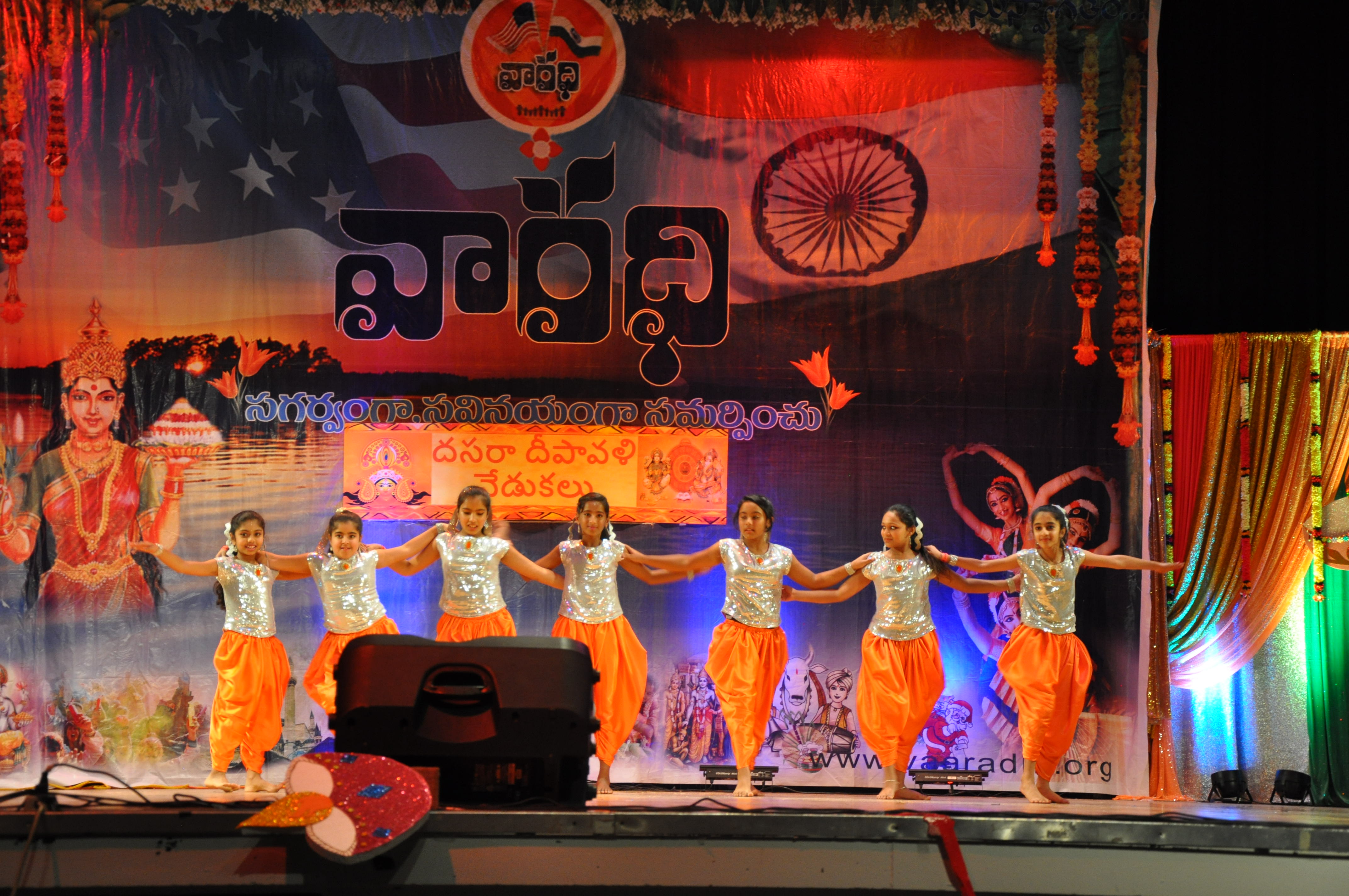
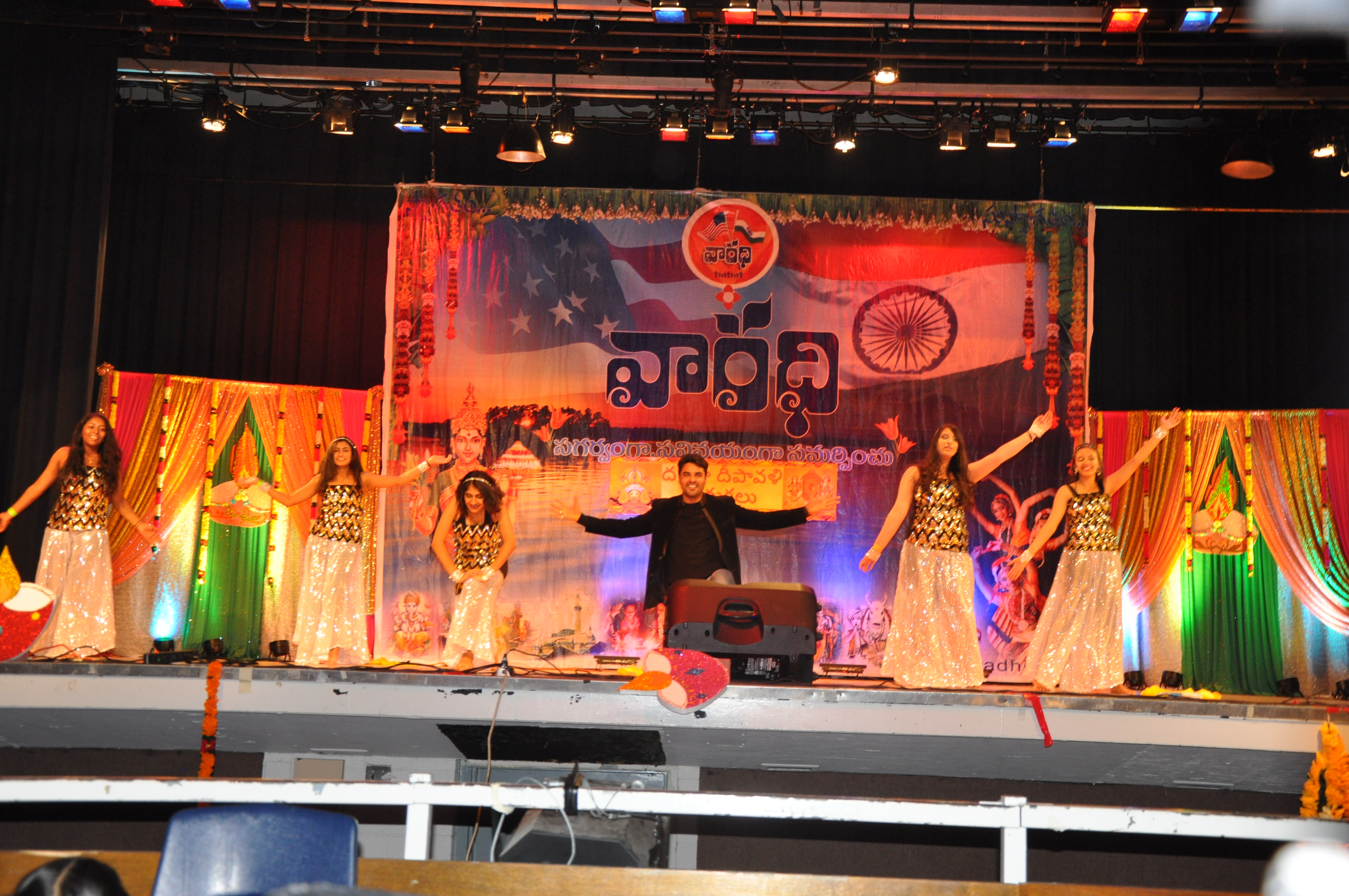
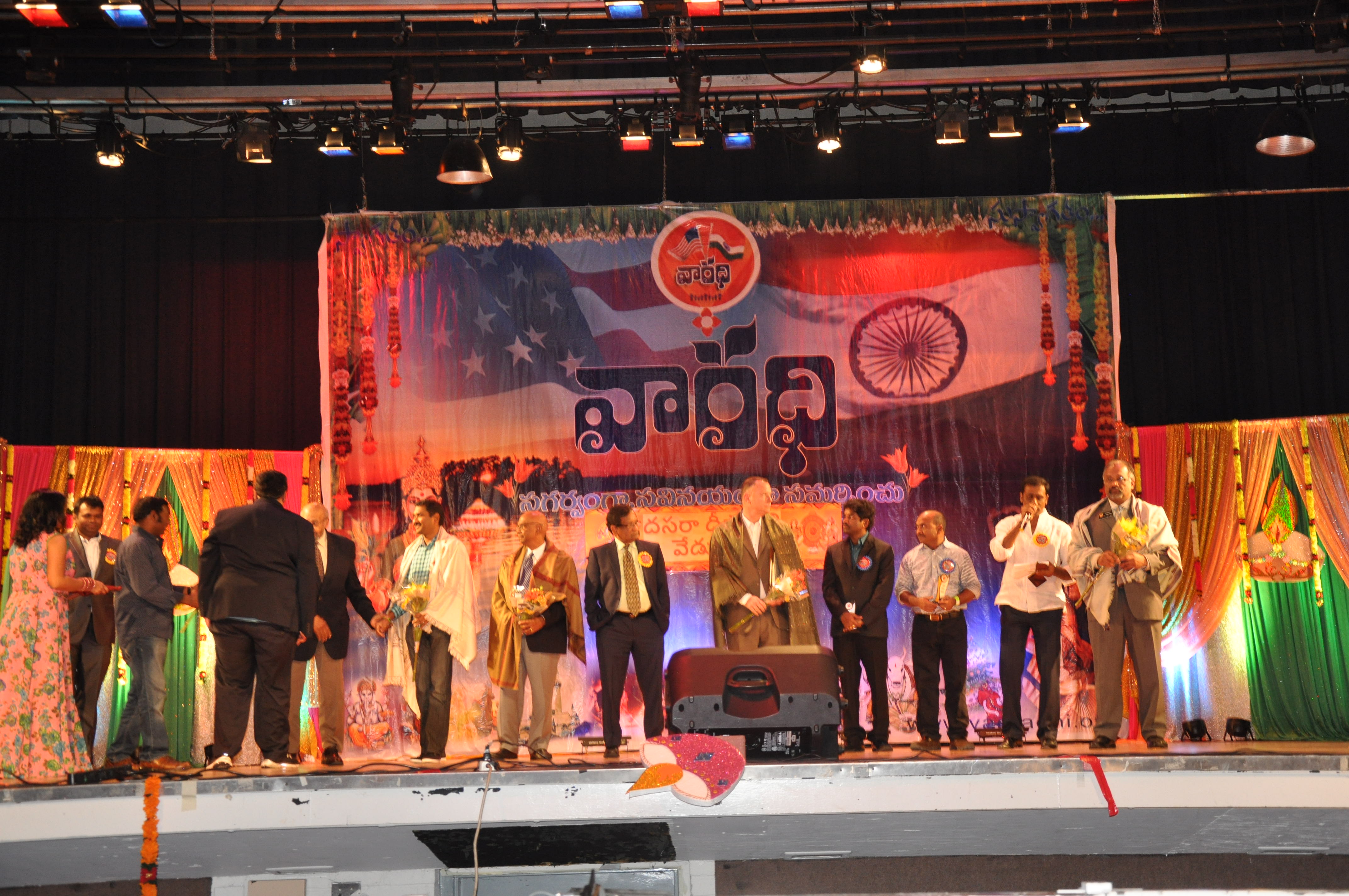
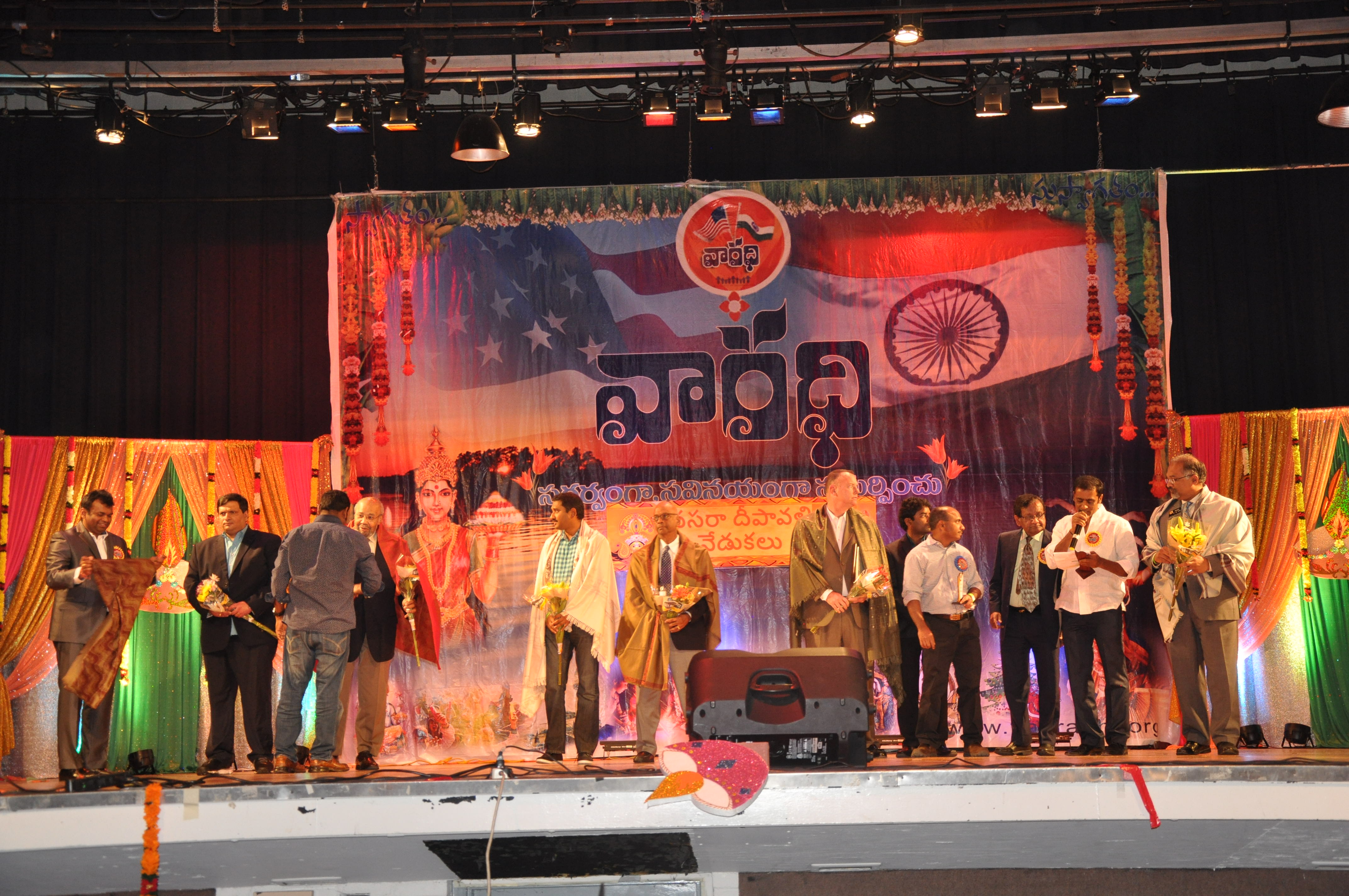
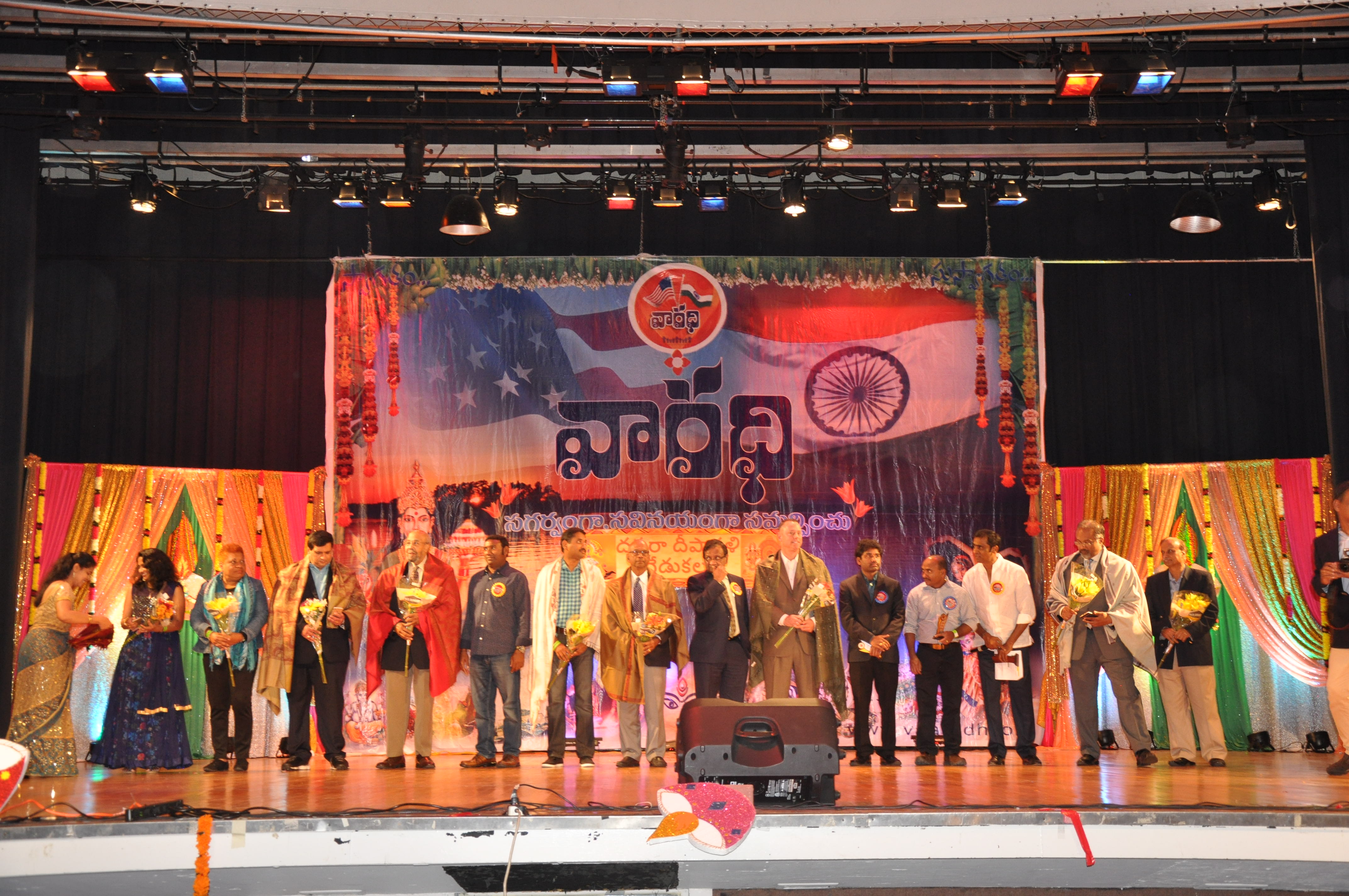
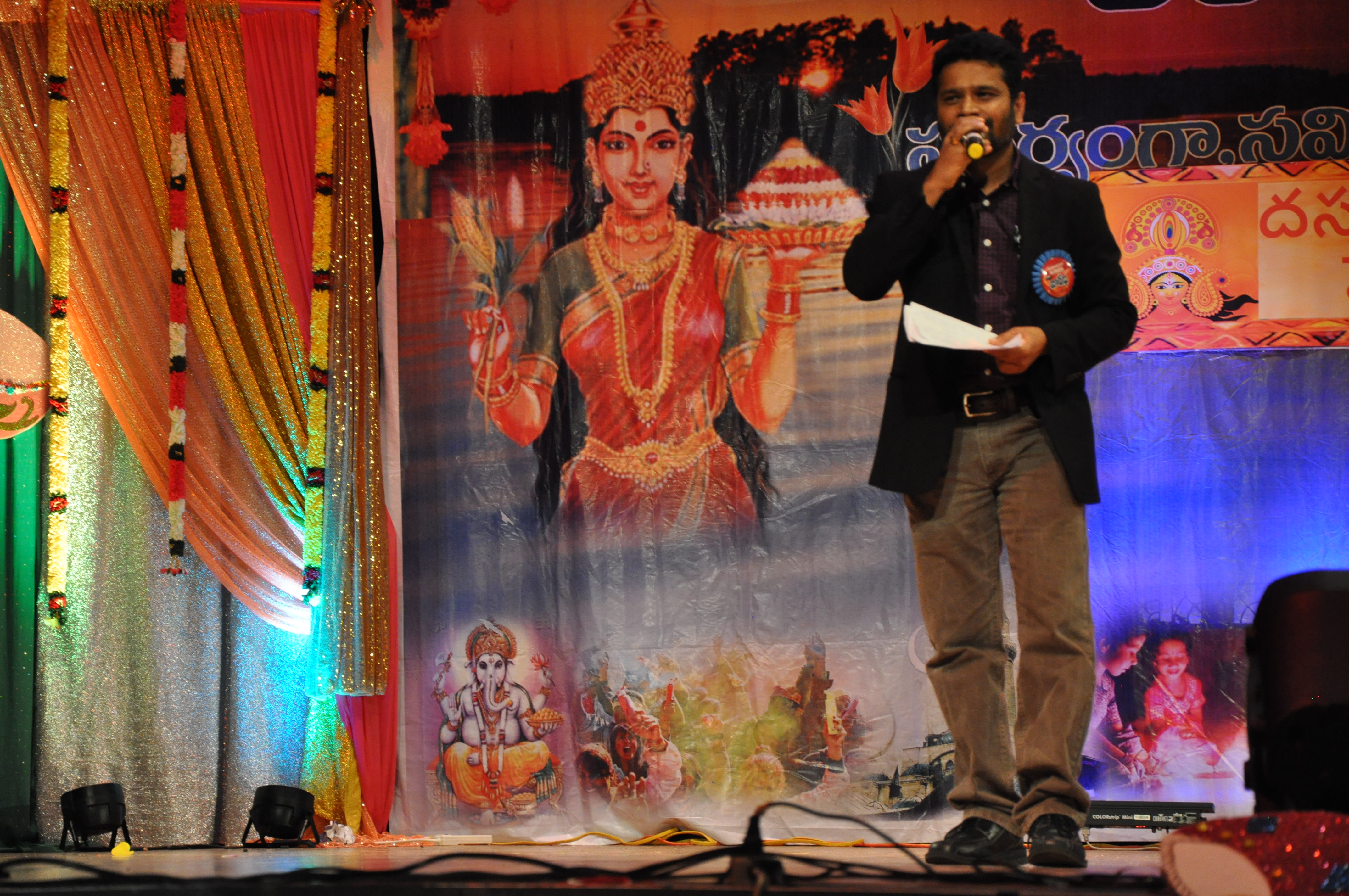
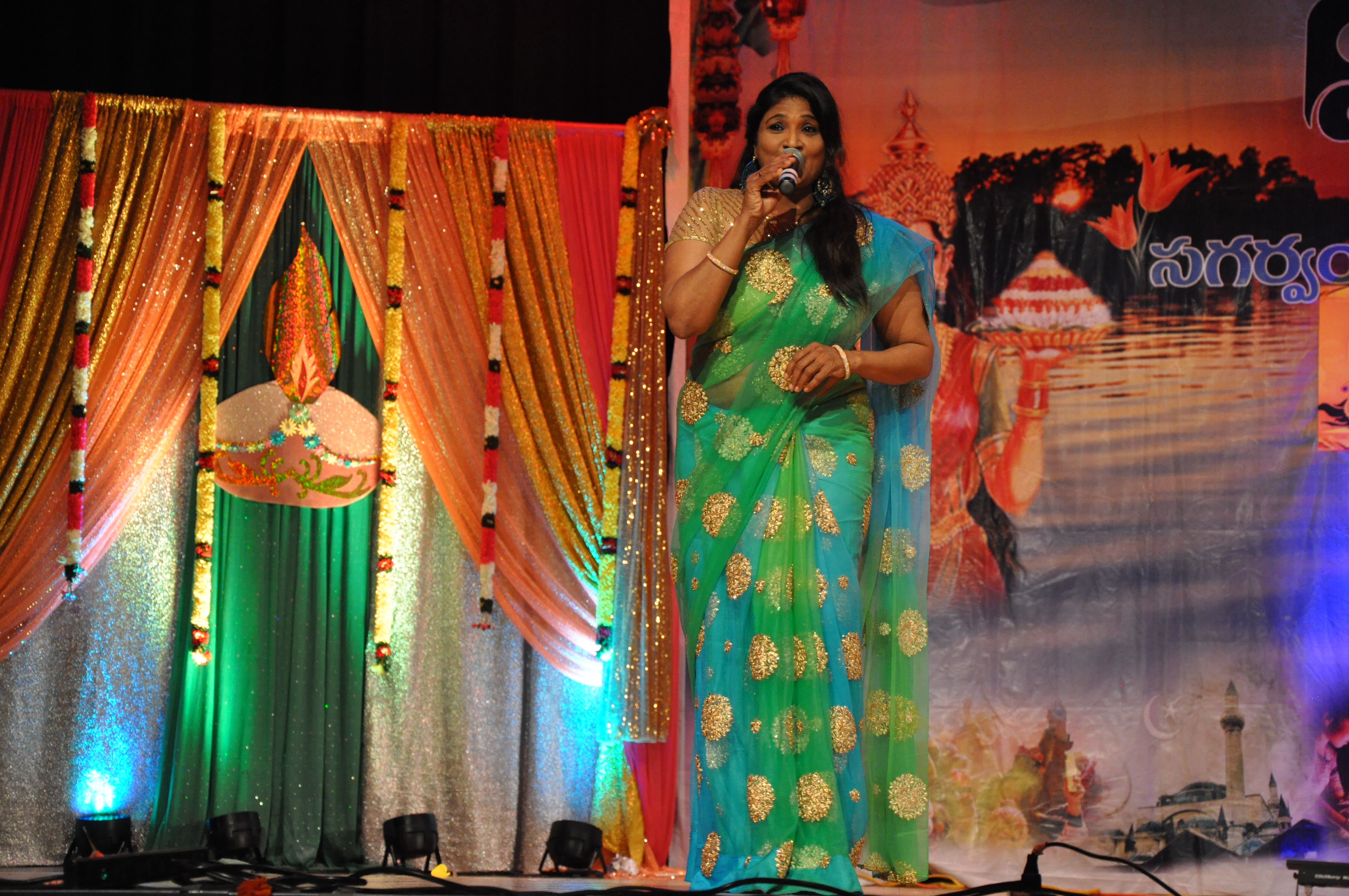
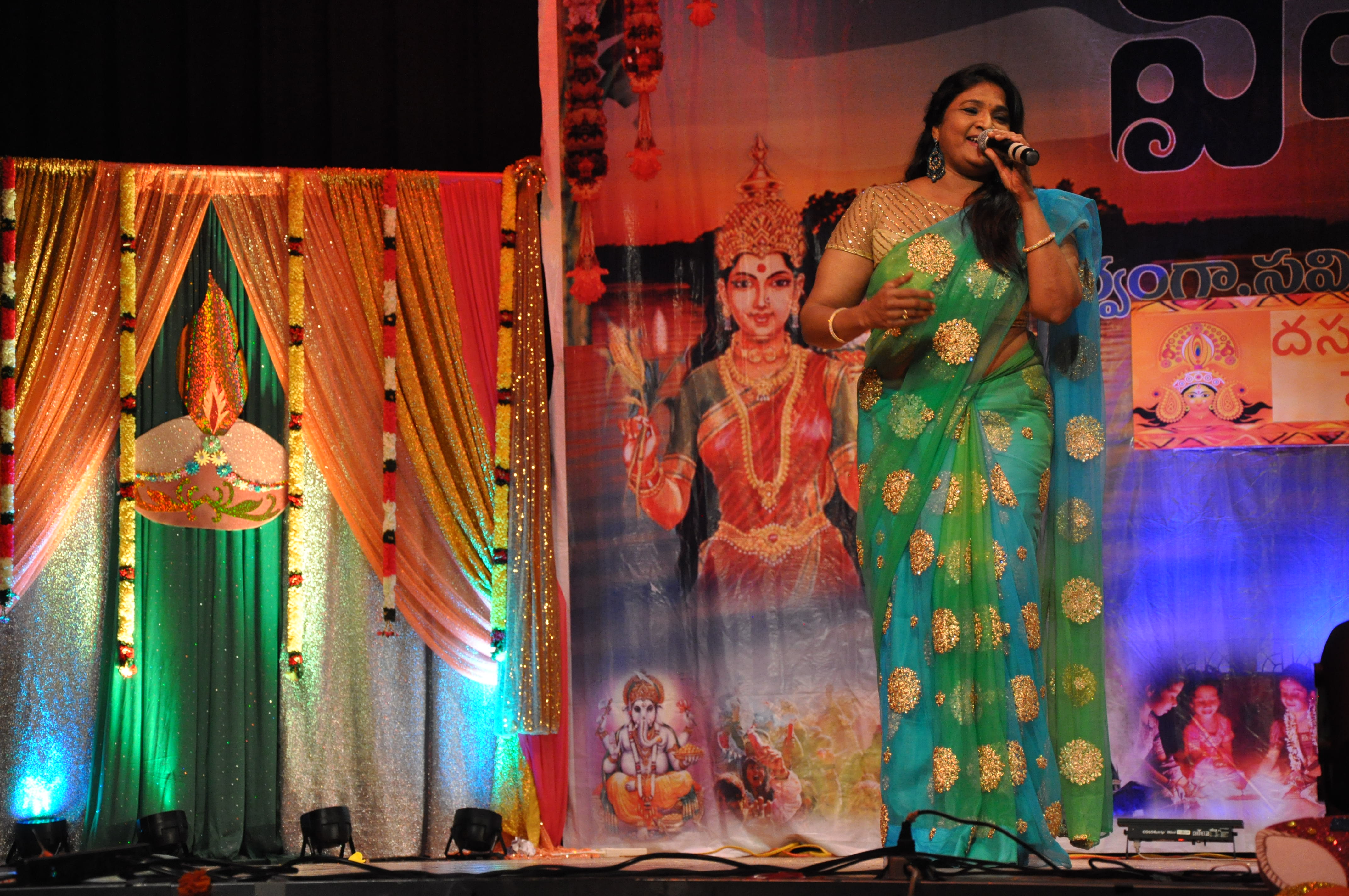
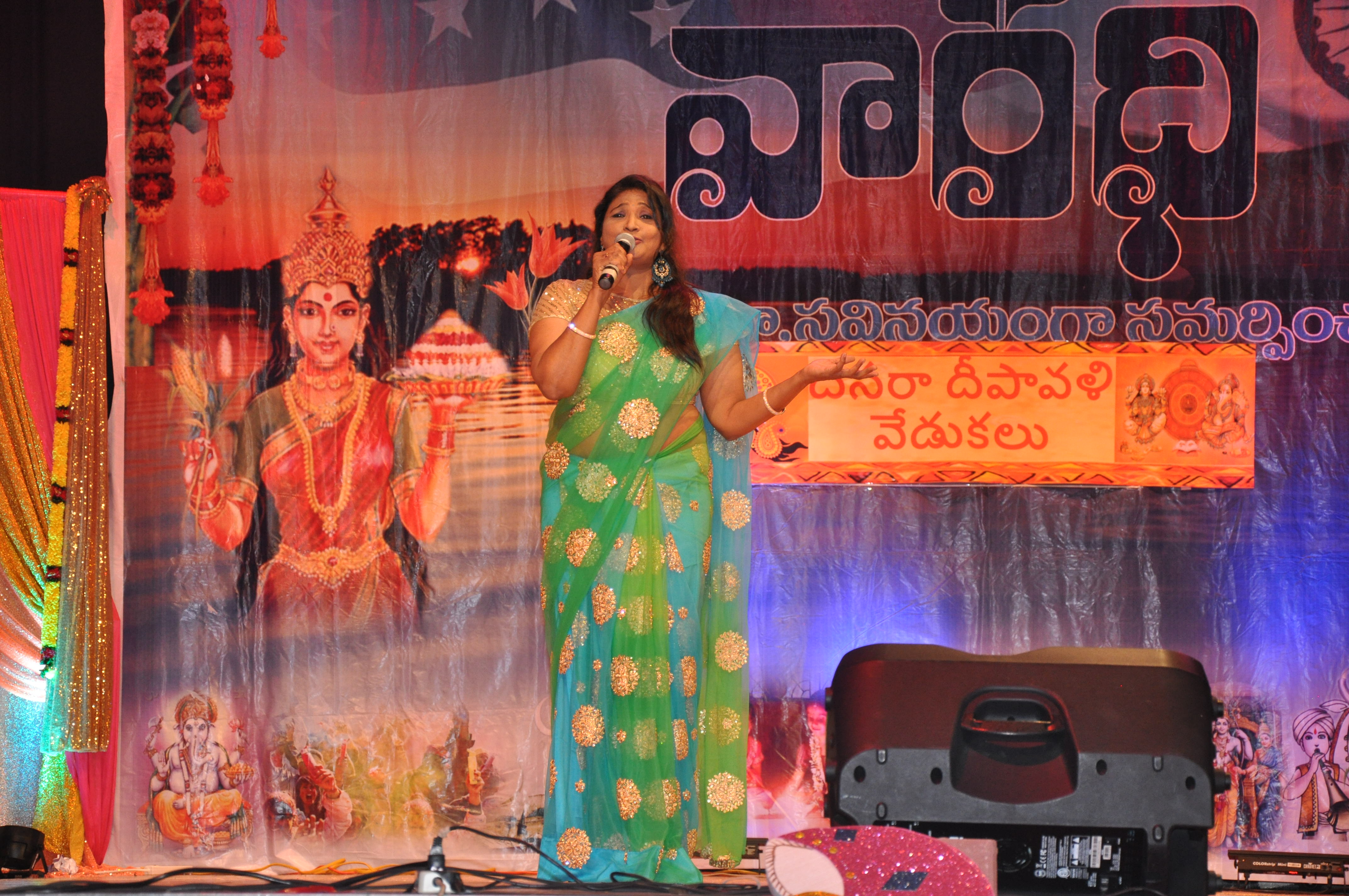
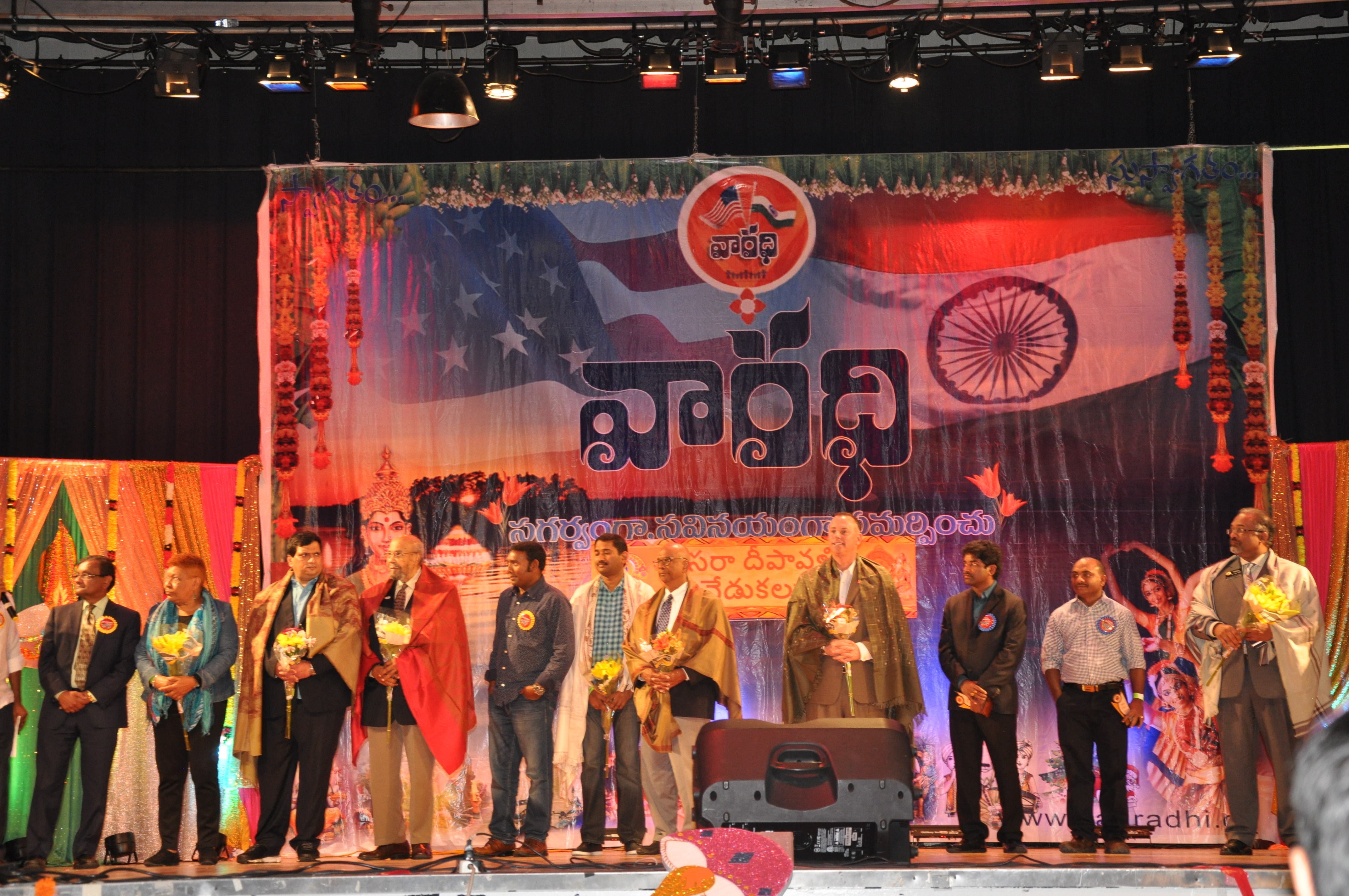
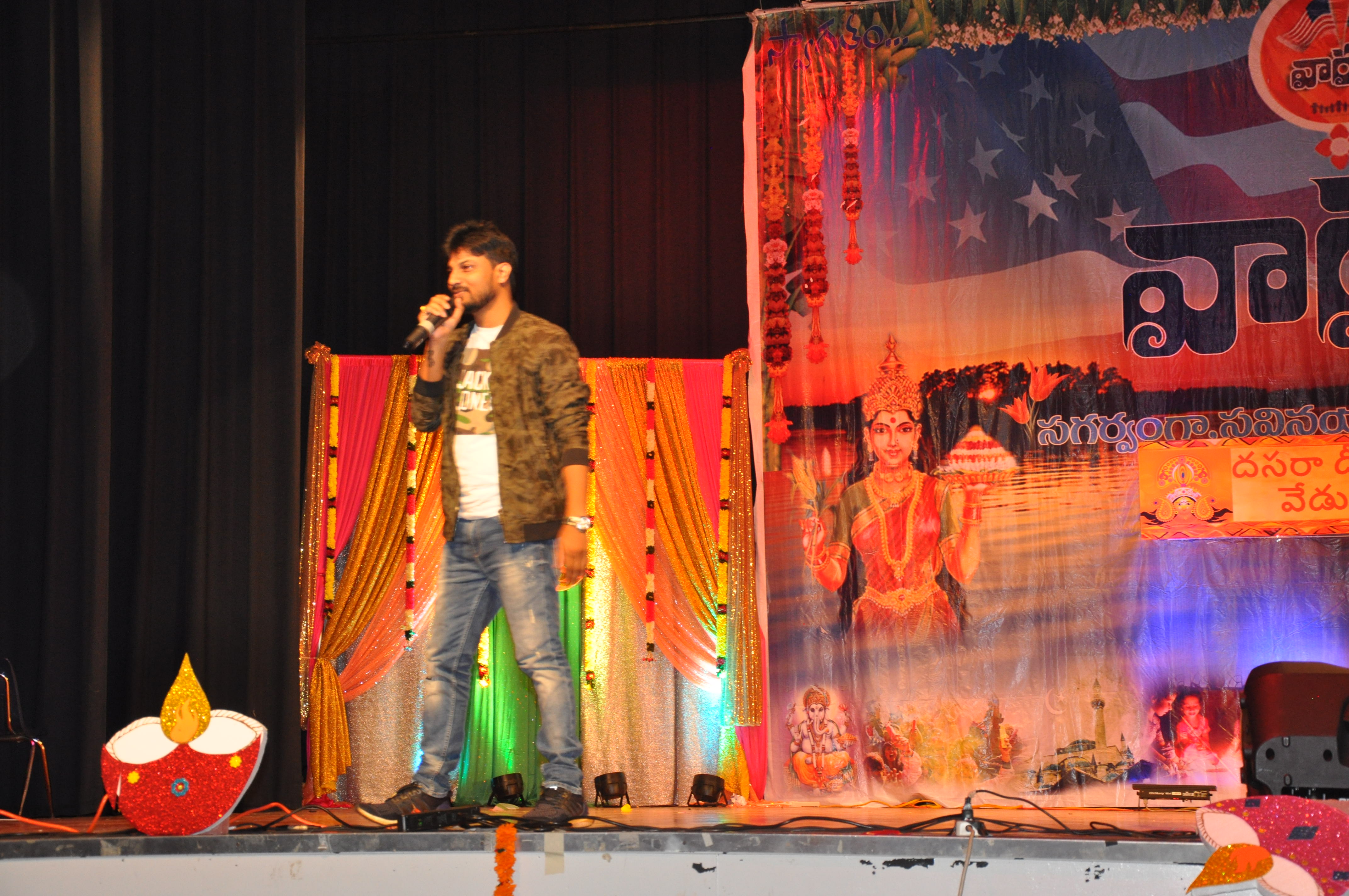
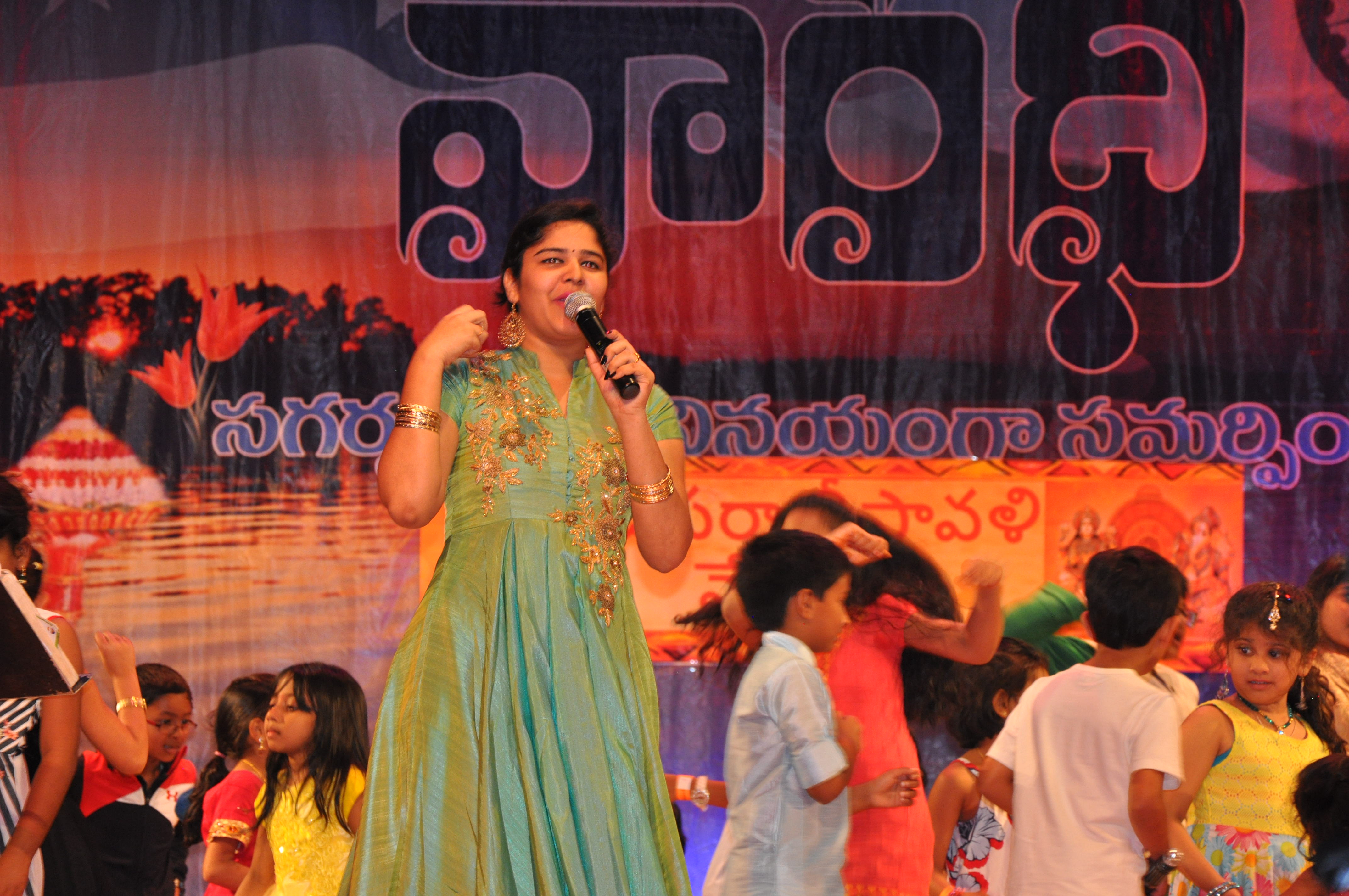
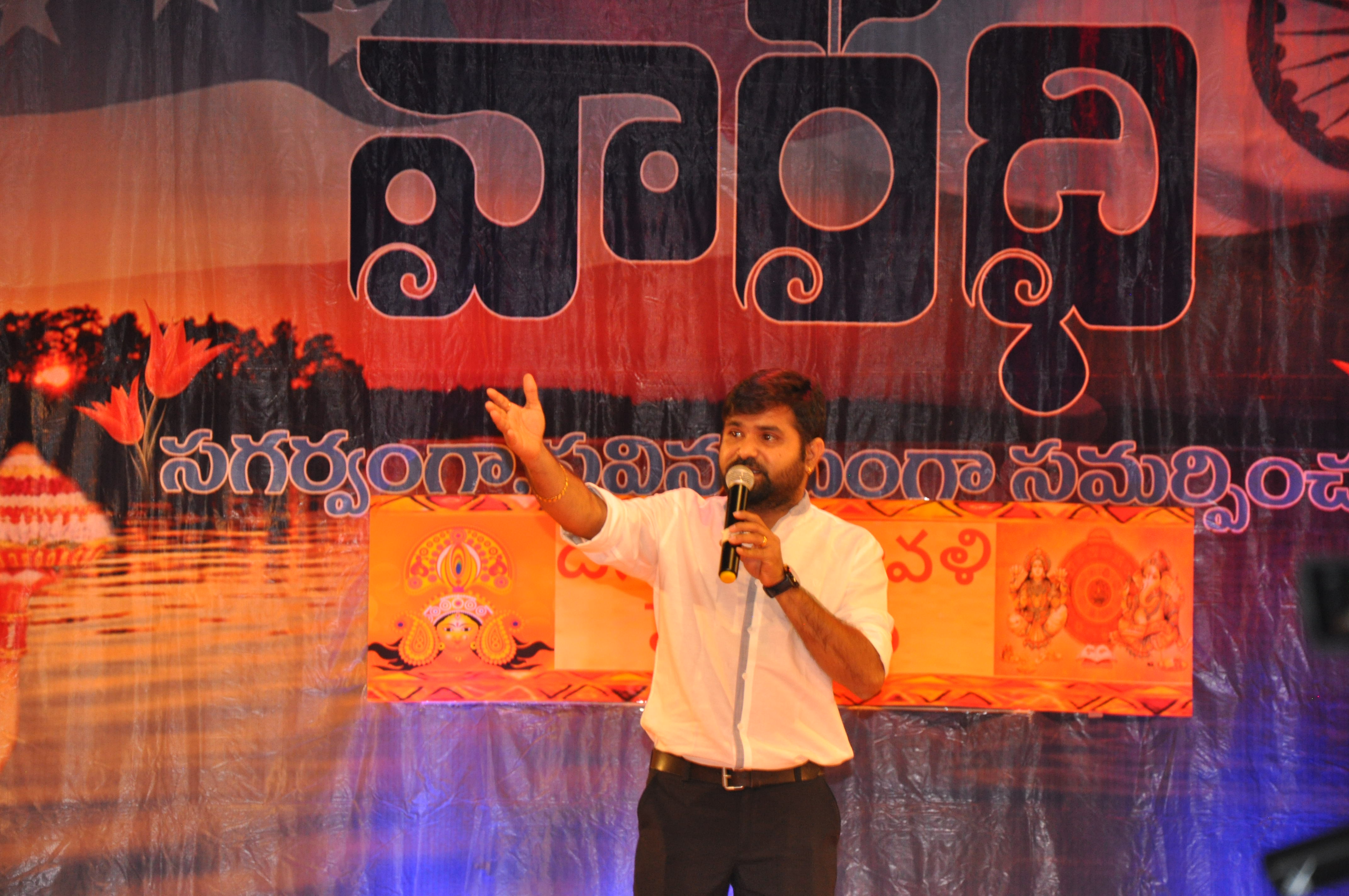
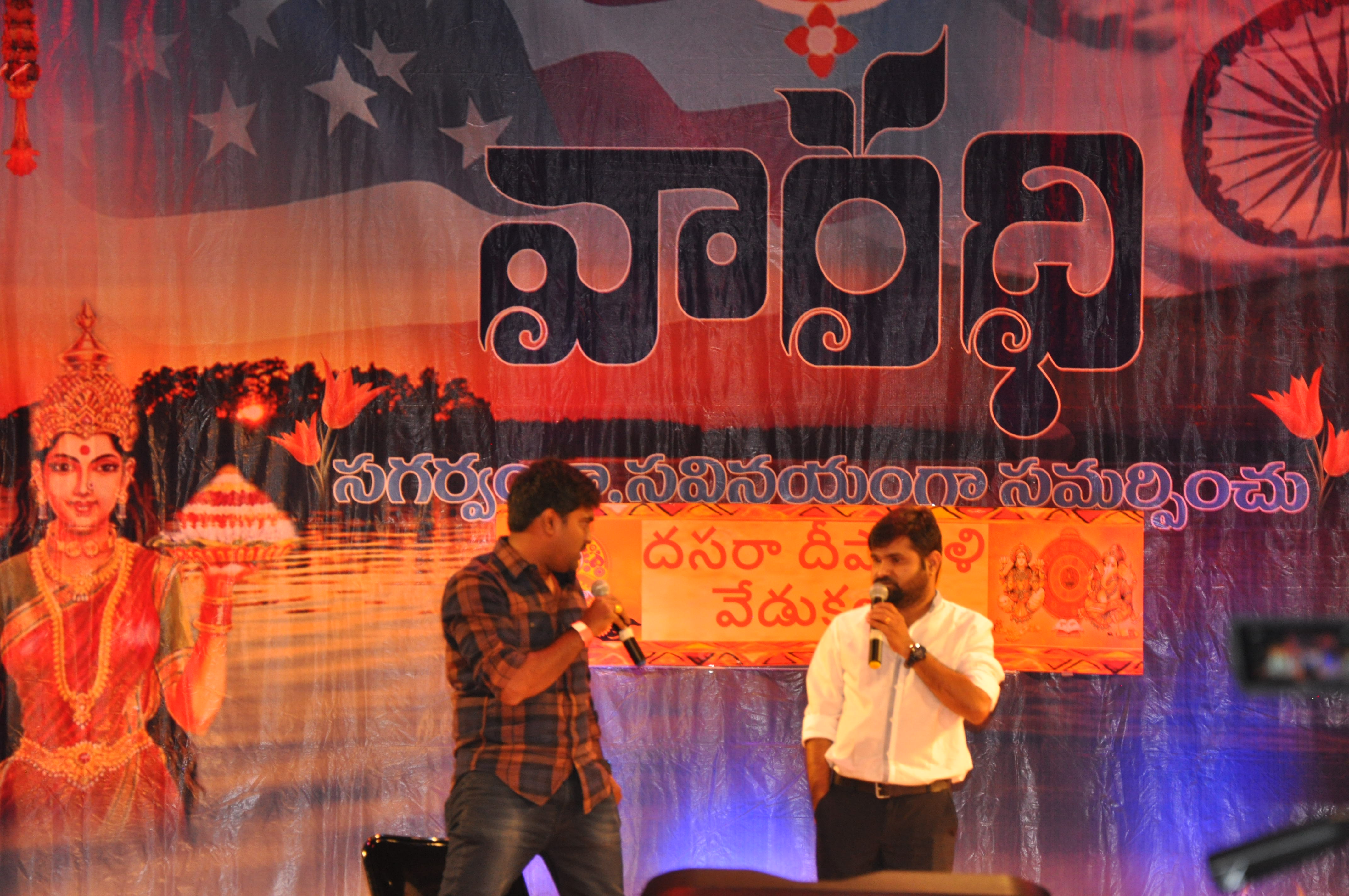
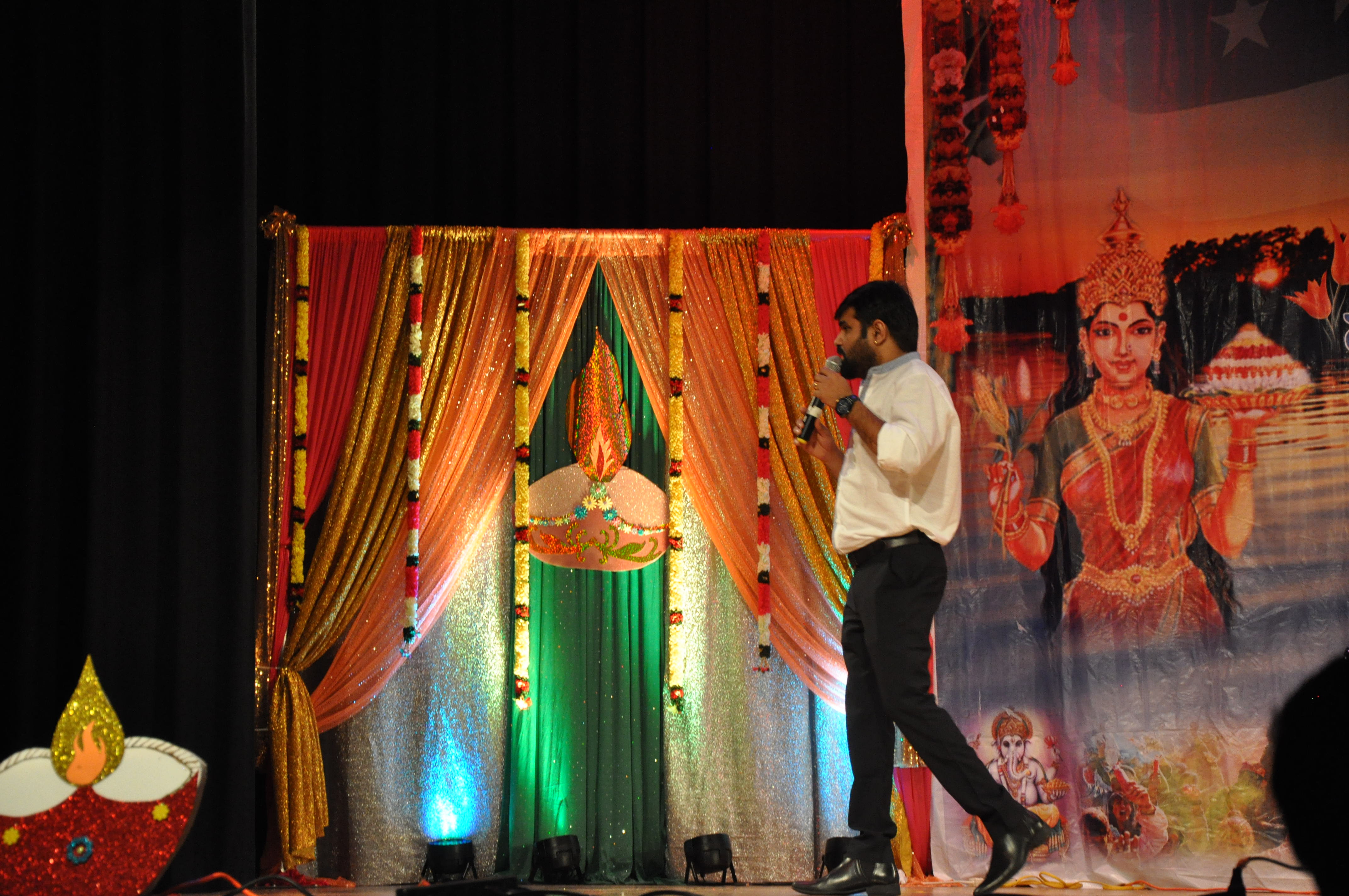
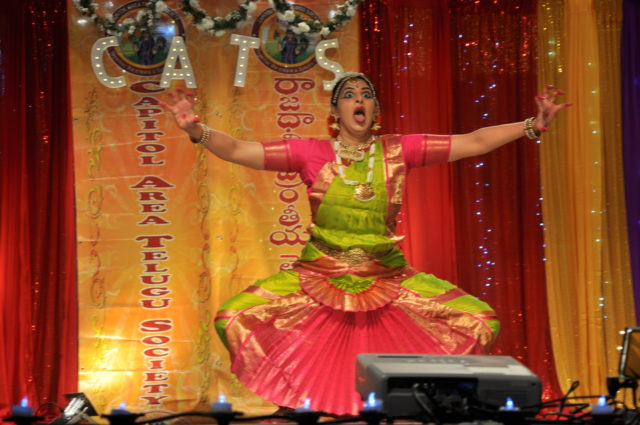
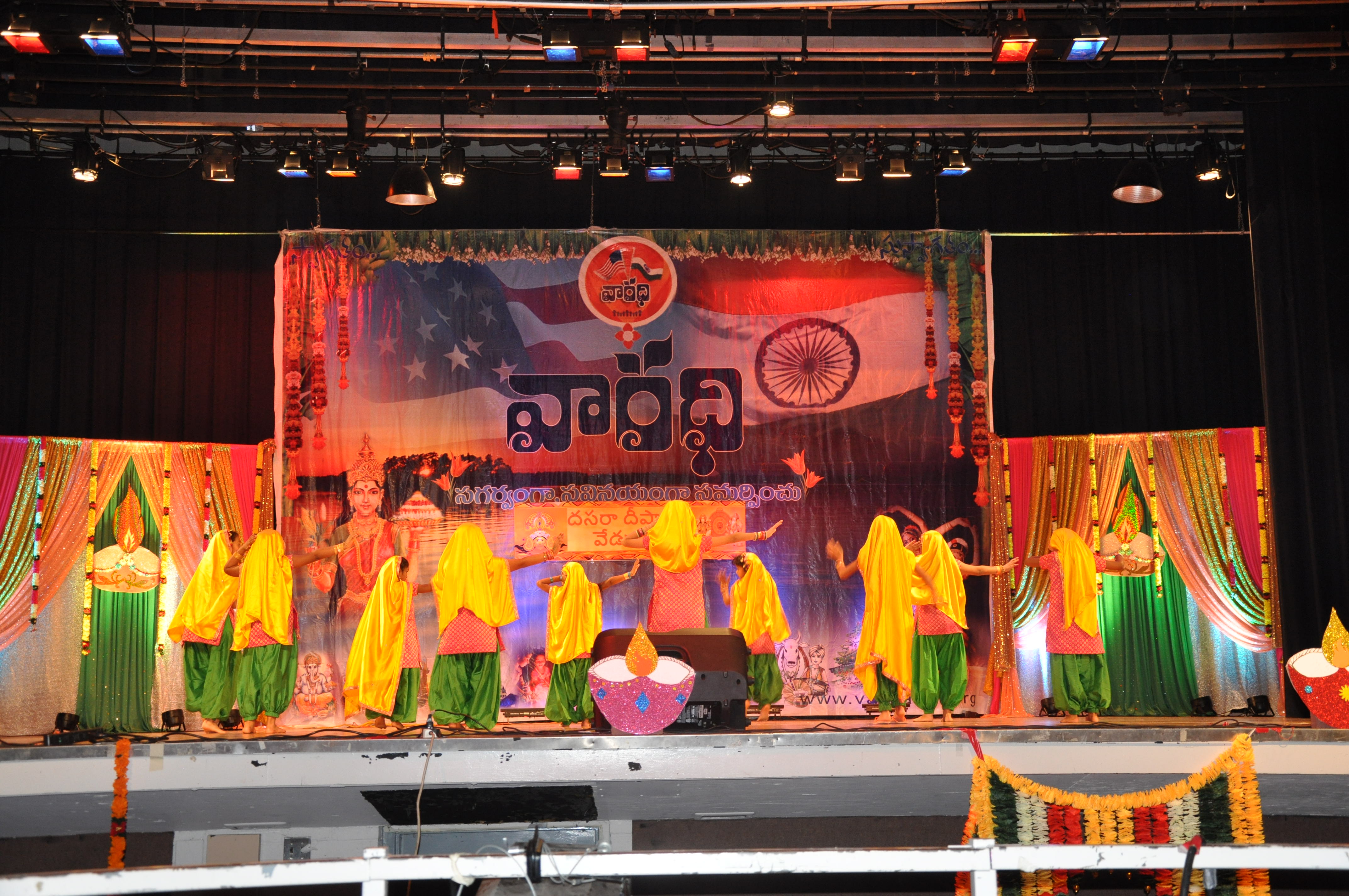
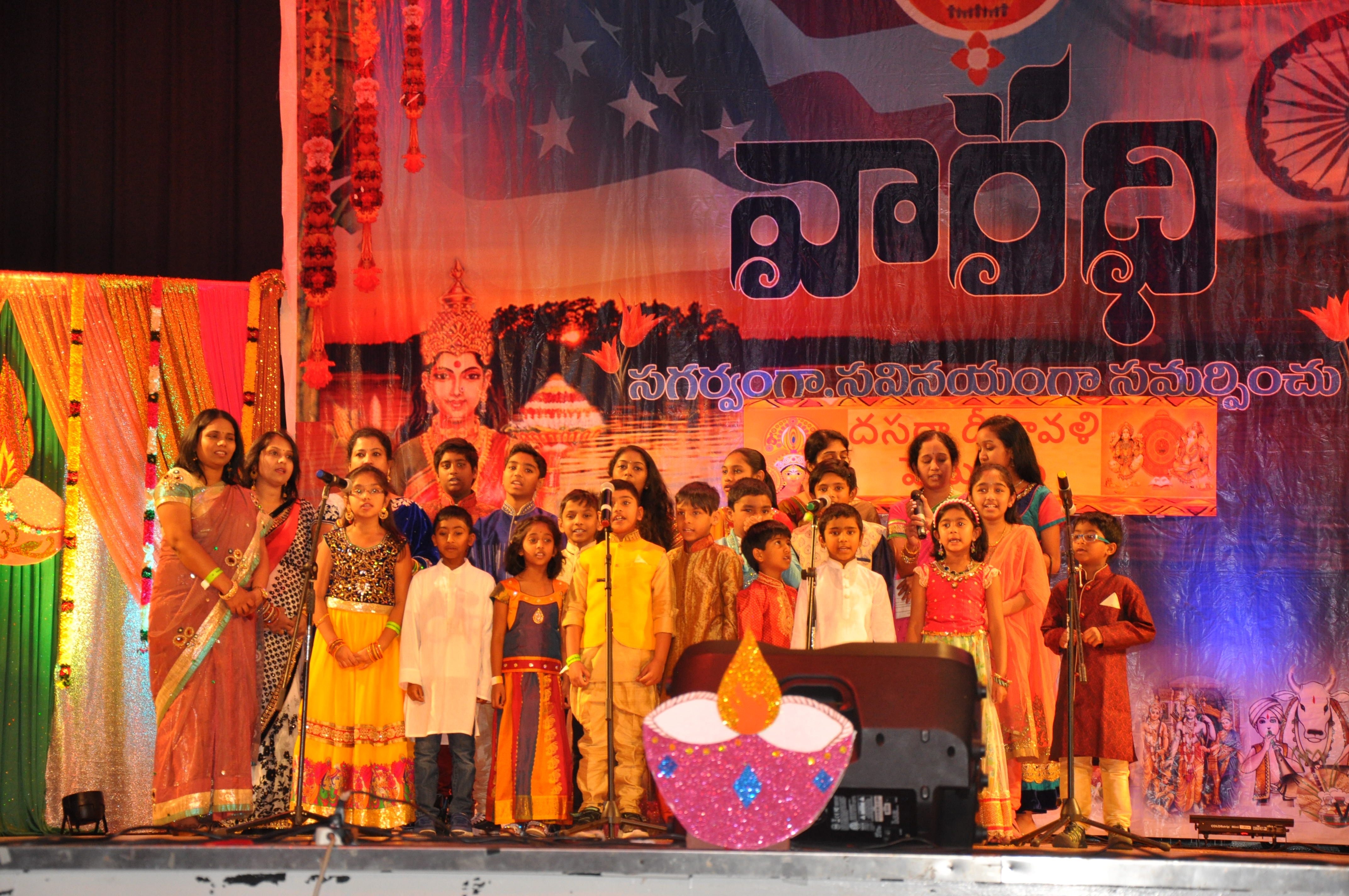
2016 CATS Diwali Celebrations

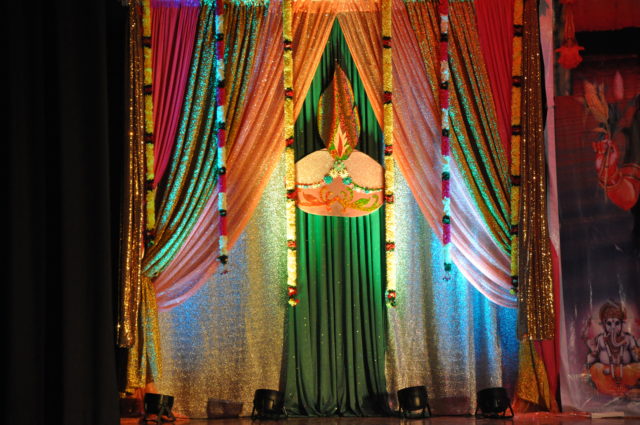
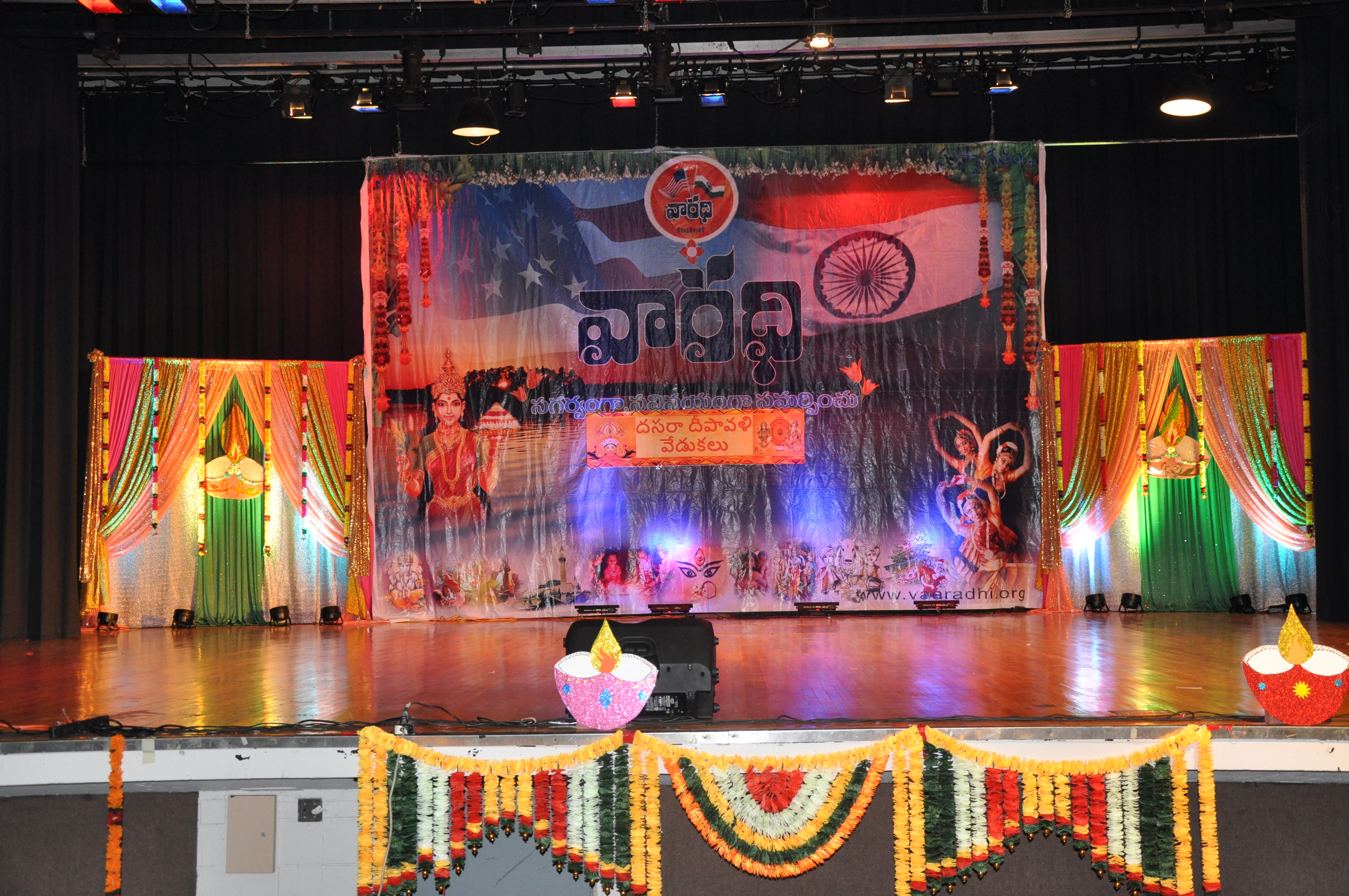
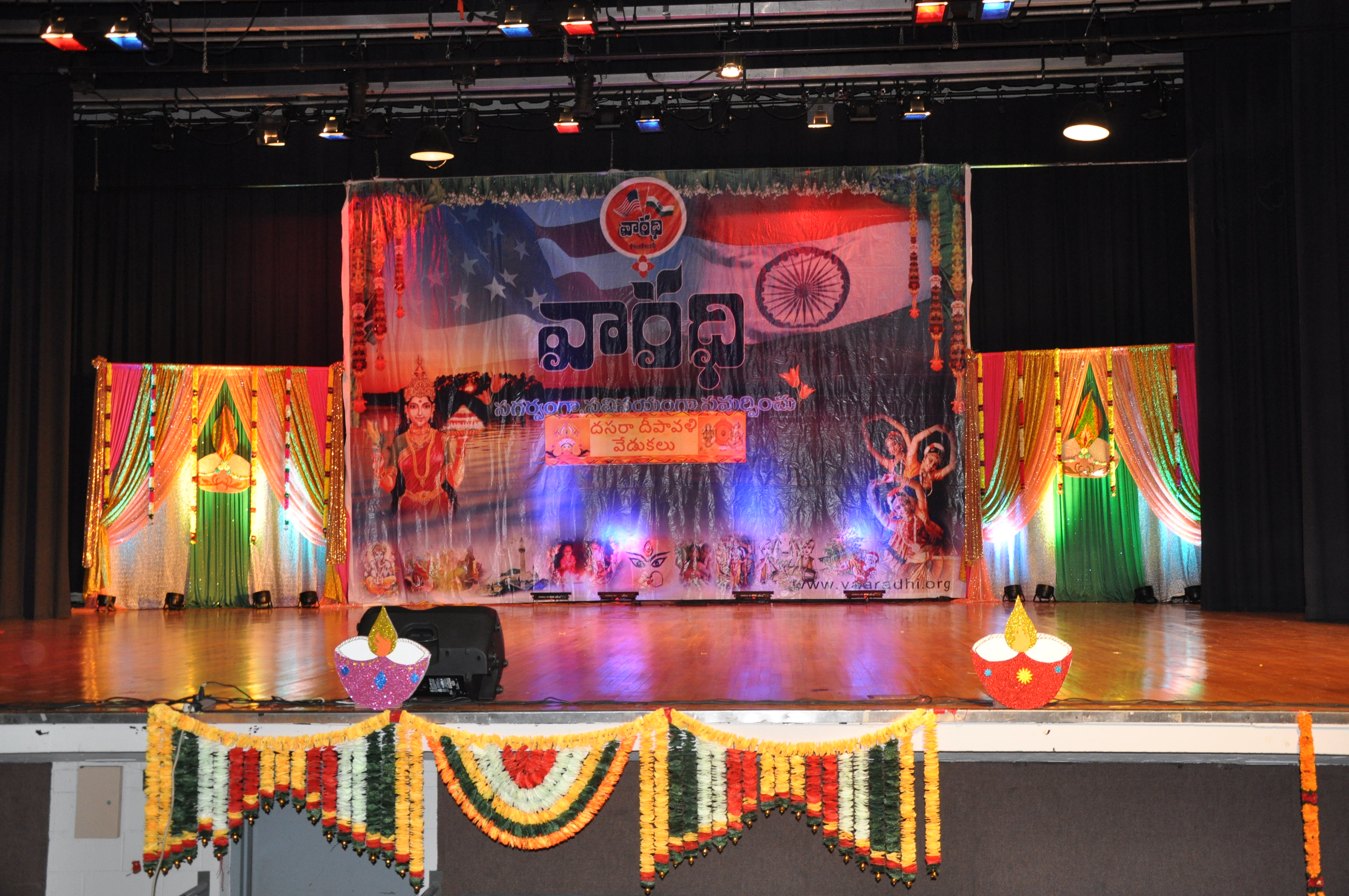
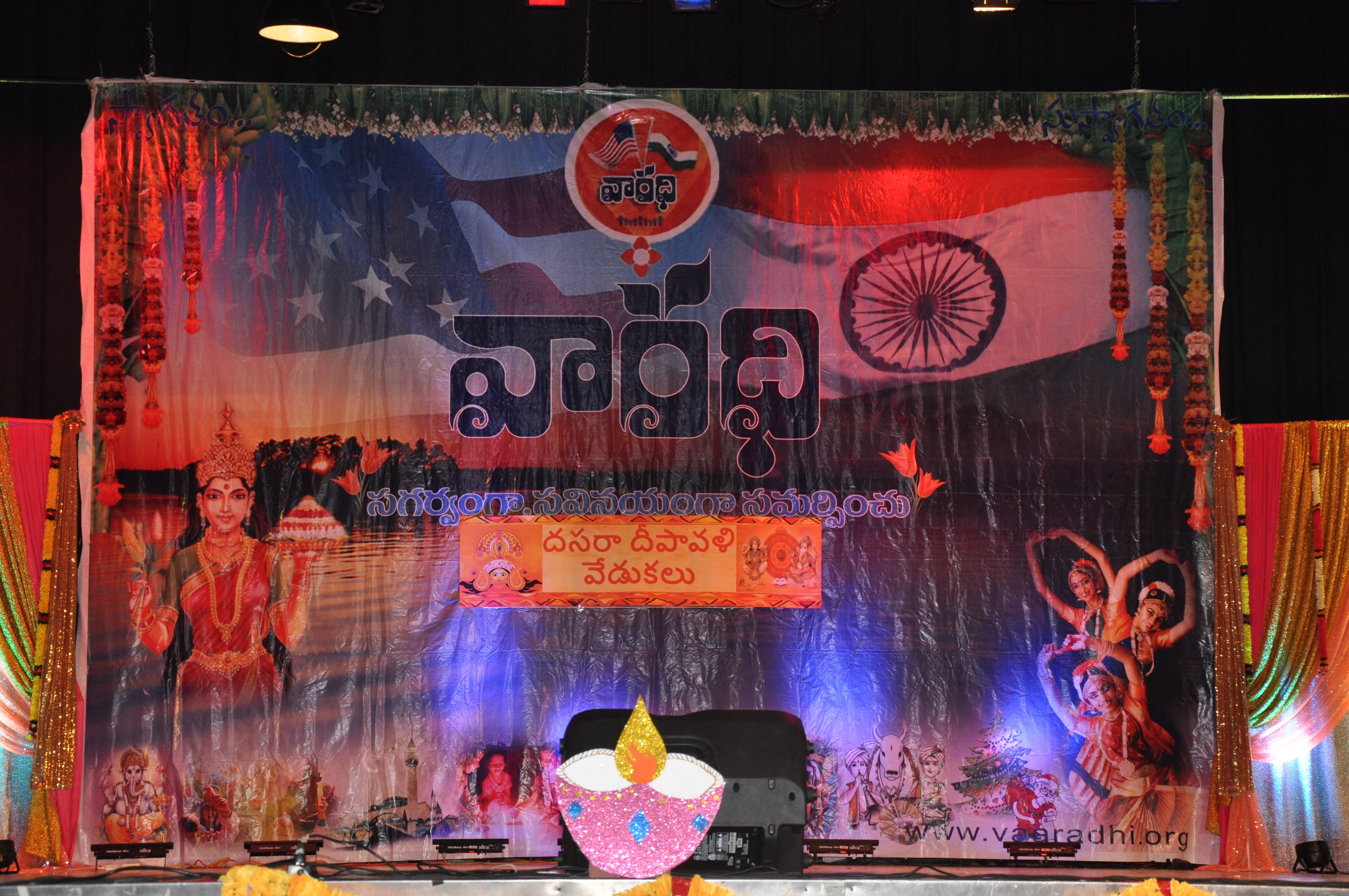
0

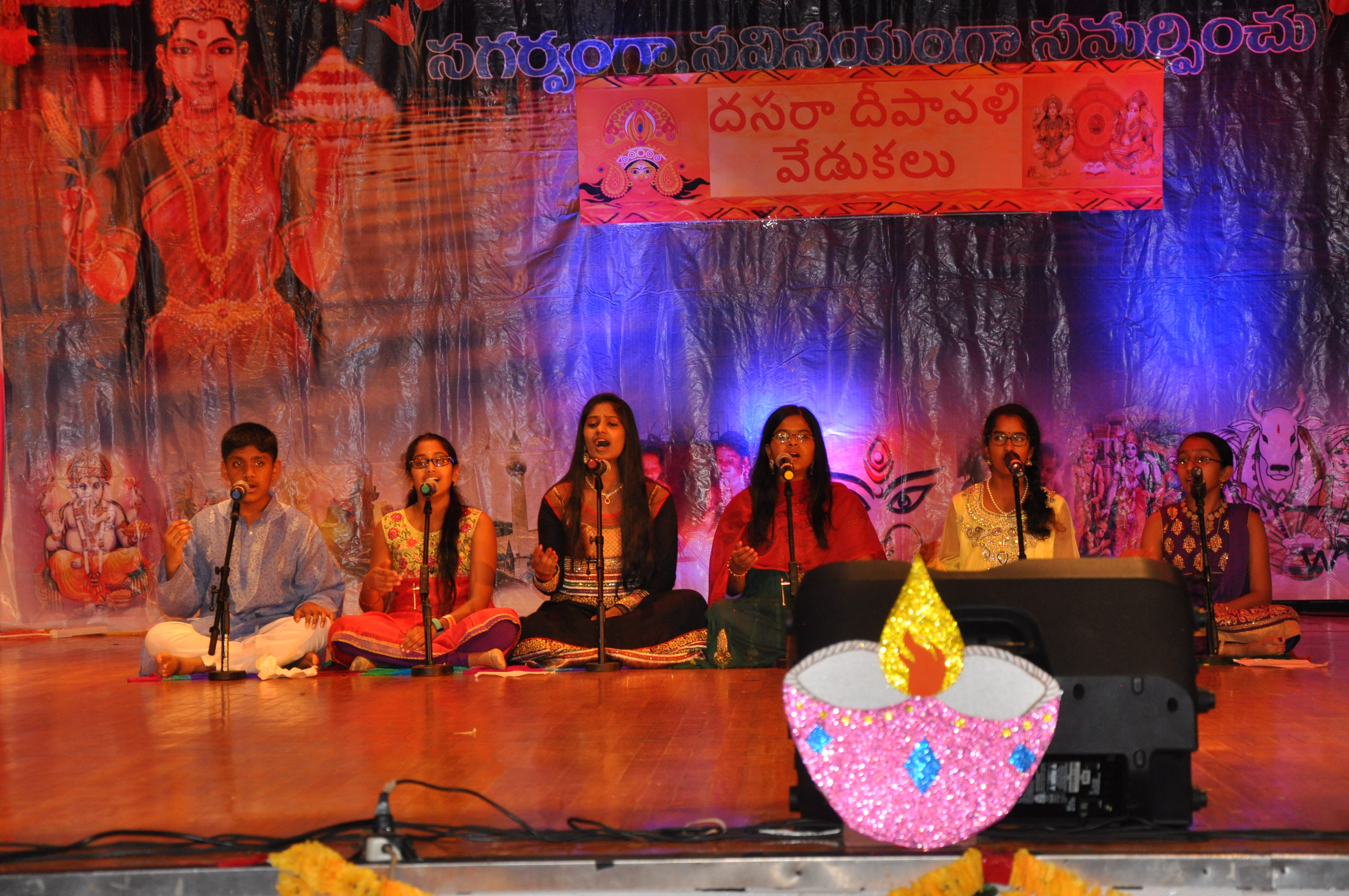
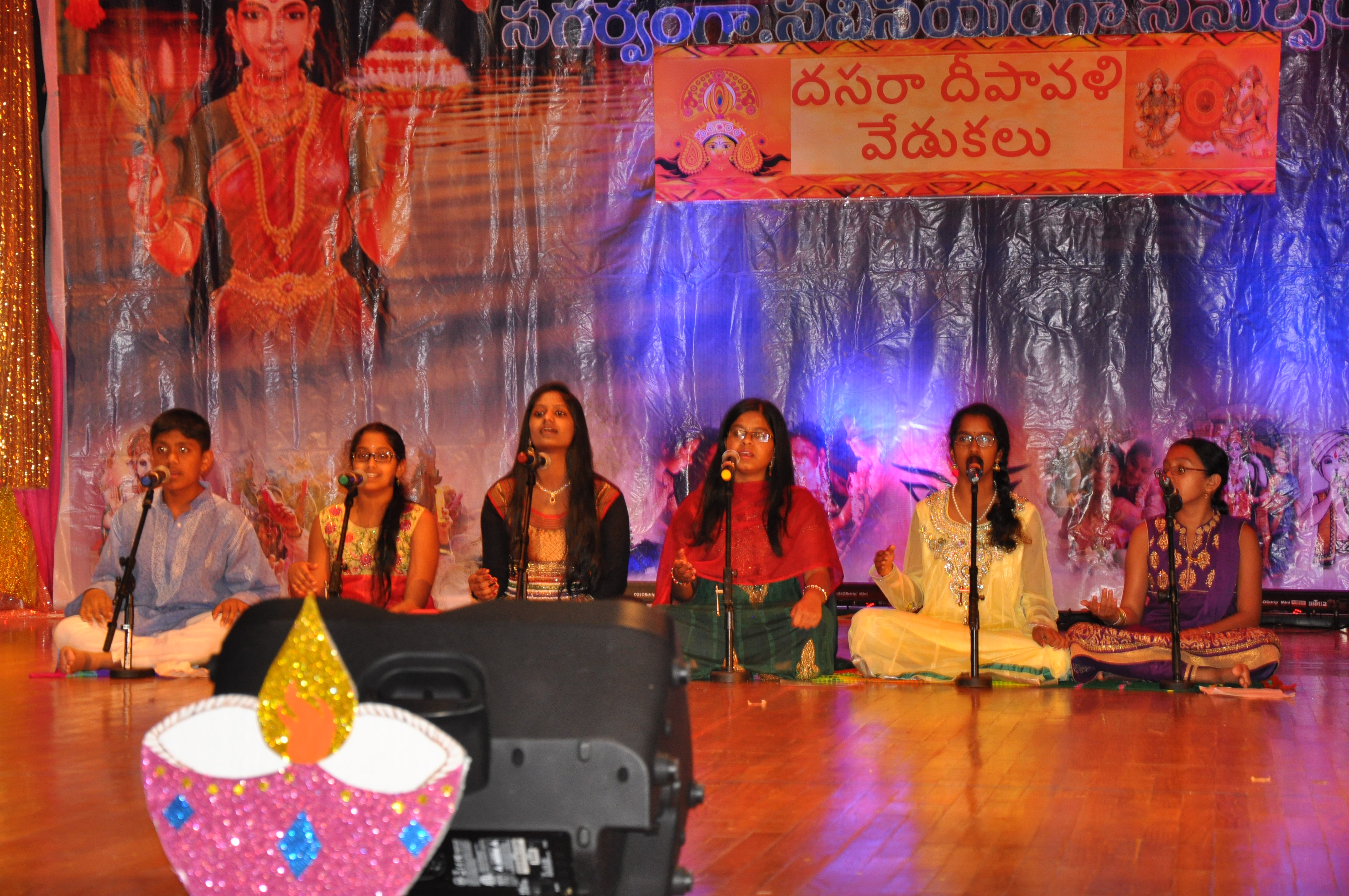
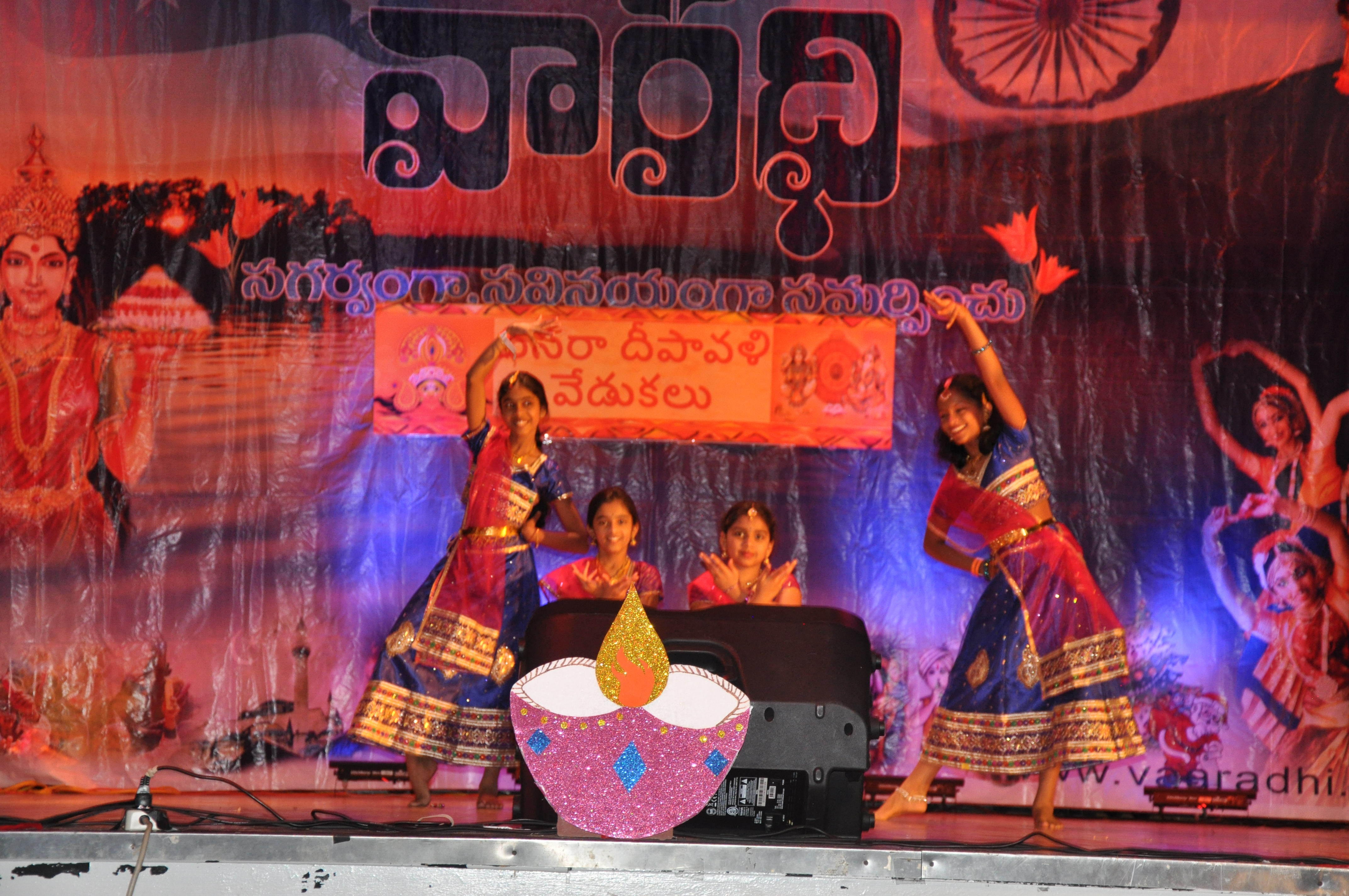
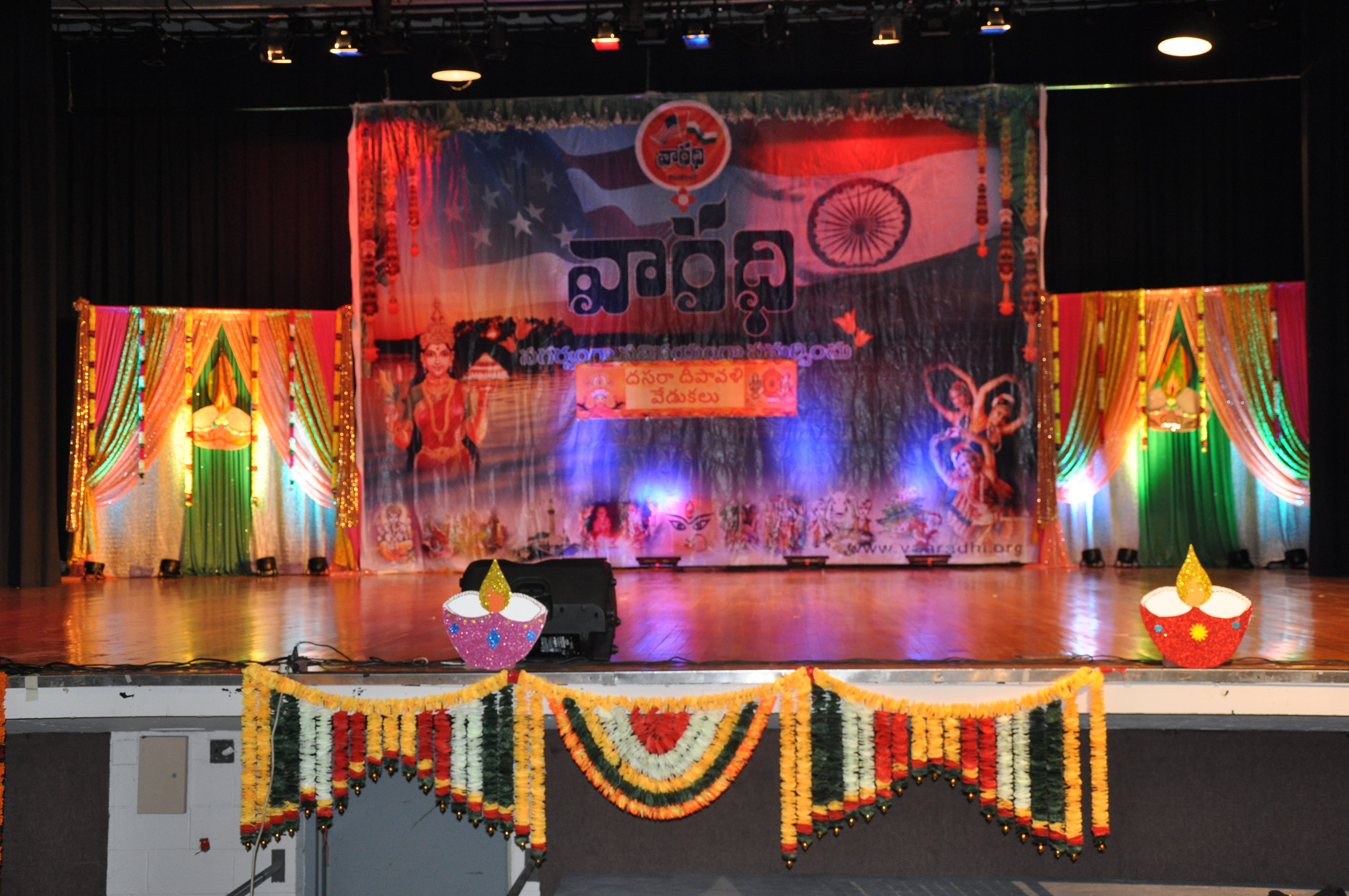
Watch Highlights Video HERE

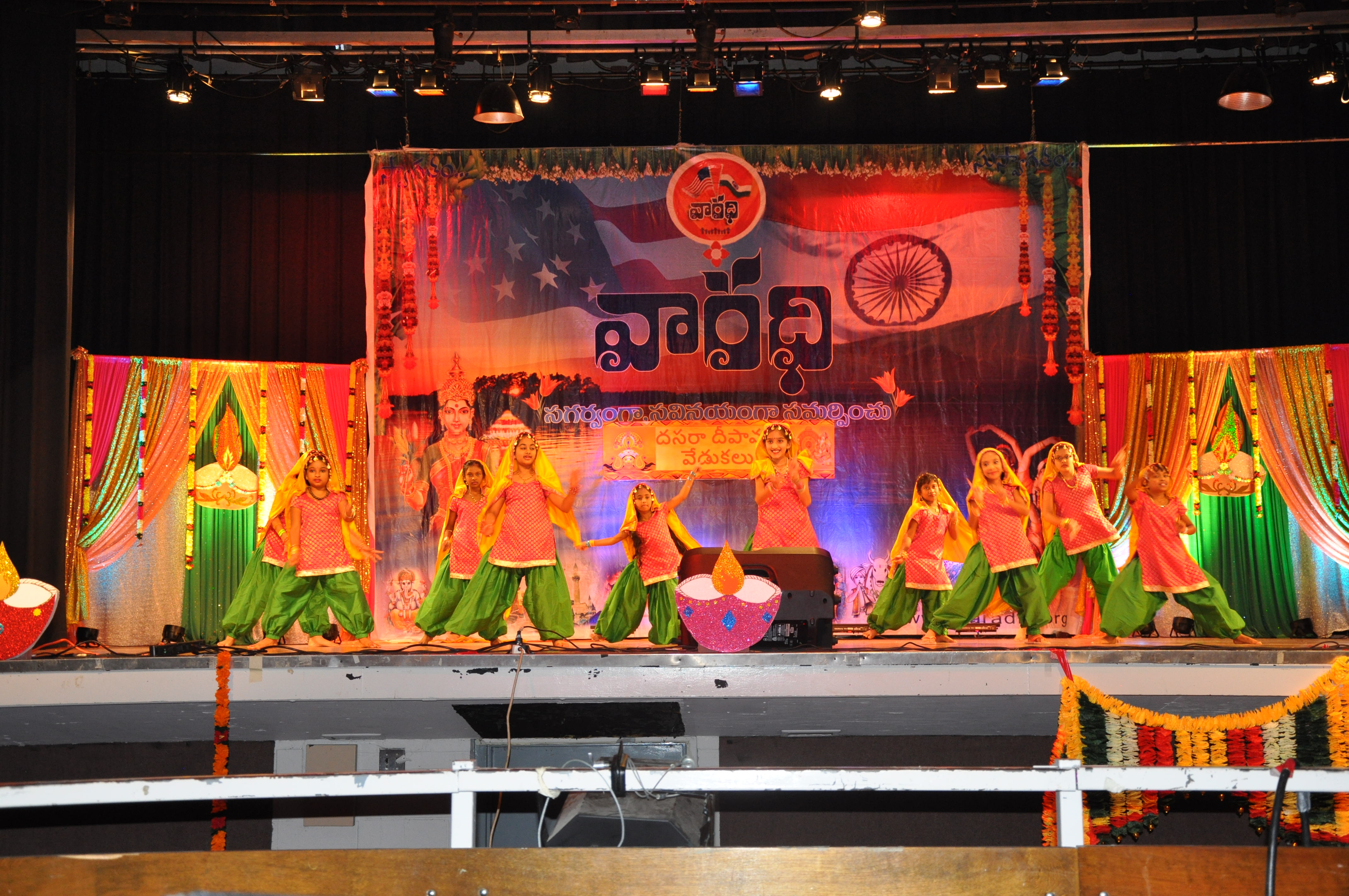
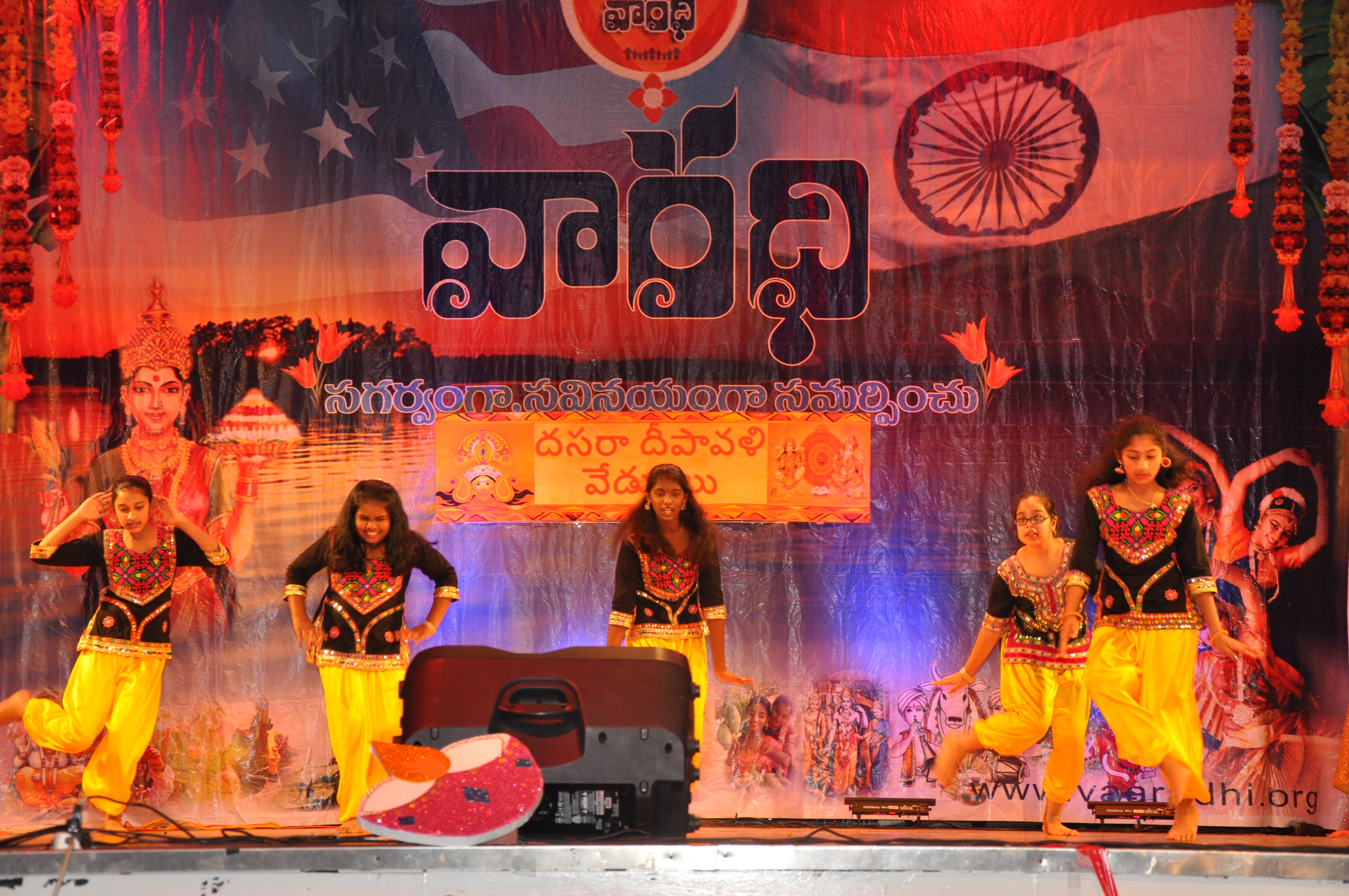
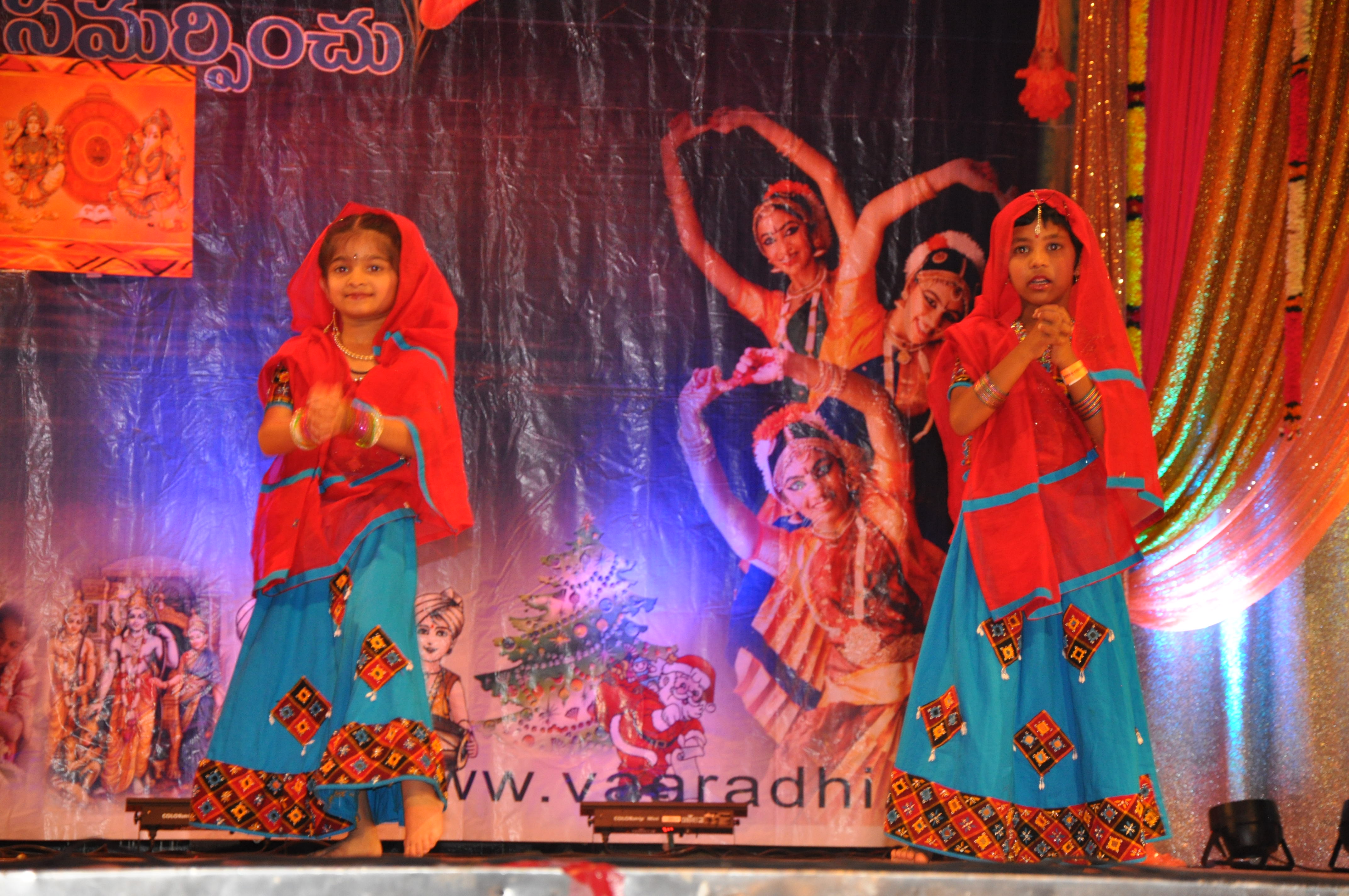
Diwali – the day of Hindu home coming

0

We all know what Diwali is – the most important festival of Vaishnavite Hindus who celebrate the return of the popular king Rama from his 14 year exile to the forest, during which his wife was abducted by Ravana, and Rama killed Ravana and released his wife from captivity. Such is the popularity of Rama even today that it is hard to find a gathering of Hindus in which multiple persons are not named after him. He must have been immensely loved by his people in those ancient times, which is why they chose to celebrate his return with a big festival and ensured that all posterity of theirs does the same.

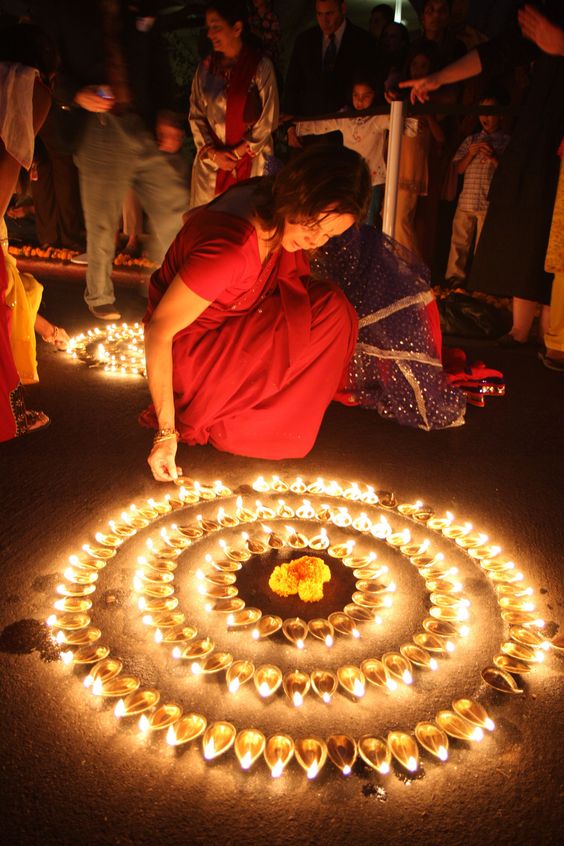
Diwali is typically celebrated by placing rows of oil lamps on ledges and the railings of the houses, making them look great and beautiful. In fact the proper Sanskrit word for Diwali is “Deepavali”, which literally means “row of lamps”. Hindus also express joy by bursting firecrackers in the evening. This is one day on which just about every Hindu household buys and bursts firecrackers. Children eagerly wait for Diwali to be able to do so.

Of course, there is also the Hindu ritual of worshipping Goddess Lakshmi on this day, along with Lord Ganesha. It is the Hindus’ way of inviting the Goddess to their homes, which is meant to bring wealth because Lakshmi is the Goddess of wealth in the Hindu pantheon. The ritual itself consists of placing the idols of Lakshmi and Ganesha on a platform, ritually washing them with water and Panchamrit, clothing them in new “clothes”, and then offering them fruit, sweets and other items. All the acts are accompanied by chanting of sacred mantras.

But there is more to Diwali than the return of King Rama from exile and Lakshmi-Ganesha poojan. And in this article, I am outlining some of the lesser known facts about Diwali.

Do we know, for instance, that Diwali is celebrated in a major way in many countries outside India? Apart from Nepal, where it is the biggest five day festival like India, Diwali is a holiday in Pakistan also. Though the holiday was granted there to the miniscule minority of Hindus, even Muslims also celebrate Diwali to this day. In many other countries, from Australia to USA, from Fiji to Mauritius, Diwali was taken by Hindu expatriates and now it has become a major local festival in those countries also.

Moreover, Diwali is not just the day of Rama’s return to his birthplace. Diwali is also the day on which Pandavas returned from their thirteen years of exile. Indeed, Diwali would appear to be the happy day of return of popular Hindus to their home city. Perhaps this is the reason Hindus find it so important to be in their home town on this day.

Other legends associated with Diwali are:

1. This is the day the critical dialogue took place between Yama and Nachiketa, which is one of the cornerstones of Hindu thought and philosophy. The wonderful dialogue about the nature of death is narrated in Katha Upanishad and reading it will connect you to the finest in Hindu philosophy.

2. The day immediately prior to main Diwali is celebrated as Naraka Chaturdashi in many parts of the Indian subcontinent. Legend says that on this day Lord Krishna killed the demon Narakasura, who was infamous for tyrannical rule and mistreatment of women.

3. It is said that Goddess Lakshmi appeared first on the day of Diwali. That is the reason the worship of Lakshmi has special significance when Hindus celebrate Diwali.

4. Two days after Diwali is Bhai Dooj, the special day of meeting and expression of love between brother and sister. It is said that on this day, Lord Yama (God of death) visited his sister Yamuna. He gave a boon to her that whoever visits her on this day will attain Moksha (liberation). Then on, a tradition came about that brothers visit their sisters on this day.

Diwali is indeed a wonderful festival. The rows of lights / lamps give a wonderful feeling of peace and happiness. The gaiety all around is infectious. The colorful attire and Rangoli are a sight to behold. So this time, when you celebrate Diwali, remember that it is a happy day of homecoming, and also remember our great ancestors who make us remember our great men, and through them the great values inherent in our culture.

Latest news on Yoga and Health – October Edition

0
pixabay_realworkhard_balance-110850_960_720

Much research has been done on the effects of yoga on our health and wellbeing. Here’s a round-up of the latest findings, which prove yoga is good for your health.

Yoga for anxiety

New research indicates that yoga may be good for people who suffer from anxiety.

Generalized Anxiety Disorder affects about 6.8 million adults in the United States in any given year. Generalized Anxiety Disorder can be severe and can lead people to worry uncontrollably about the future. This excessive worry causes problems in everyday life, work and relationships. The disorder can also lead to physical symptoms such as muscle tension and difficulty sleeping.

Generalized anxiety disorder can be difficult to treat and often has a poor response to traditional treatments such as medication.

In a study led by Jessica Morgan Goodnight at Georgia State University, participants received eight twice-weekly Kripalu yoga sessions. The study found a reduction in self-reported worry and anxiety symptoms after the course. It found that yoga had a positive influence on anxiety, mindfulness, and heart rate variability. This research demonstrates that yoga could very well offer an option for people suffering from Generalized Anxiety Disorder.

References

http://iaytjournals.org/doi/10.17761/1531-2054.0.0.000
http://www.emaxhealth.com/11402/looking-natural-remedy-anxiety-try-yoga

Yoga for healthy aging

Research reveals how a yoga practice can help slow down aging

The benefits of Yoga have been studied quite comprehensively and the list of positive outcomes for yoga practitioners increases all the time. One of the most recent discoveries has been how practicing yoga helps us to age better. The interest in the benefits of yoga on aging has been fuelled by statistics that suggest that in areas of the world with tremendous yogic influence – in some parts of India for example –the average lifespan is much longer than that of Western citizens, despite little or no affordable healthcare for the average person.

Yoga may help older people stay in better health for a variety of reasons.

Yoga practice supports bone, joint, muscle and heart health
Practicing yoga increases muscle elasticity and tones tendons and ligaments. The weight bearing elements of yoga also support good bone health. Yoga practice can also reduce fat and lower heart rates improving heart health.

Yoga practice improves posture and balance
Improved posture is also an important aspect of yoga. Yoga strengthens the back and shoulders and also promotes a strong sense of balance, all of which are important keys to unlocking the door to the world of anti-aging.

Researchers from The George Institute for Global Health, Australia have found that yoga can have a positive impact on the balance and physical mobility of people aged over 60. Preliminary evidence from the study suggests that yoga may be effective in reducing the risk of falls and promoting independence in older age.

Yoga practice increases the production of melatonin
As we grow older the amount of melatonin that is released into our bodies begins to decrease. Melatonin has roles in sleep, cancer prevention, strengthening the immune system, and may even slow down cellular aging. However, a study from India found that men practicing yoga on a daily basis for 3 months, actually had increased levels of melatonin.

So yoga could provide many benefits as we age, keeping us healthy and active for longer, reducing risks from falls and illness and increasing our sense of well-being.

References
http://www.georgeinstitute.org/media-releases/researchers-uncover-benefits-of-yoga-for-healthy-ageing

Pranayama helps beat stress.

New study finds that yoga breathing may lower stress-related inflammation in the body.

Yoga isn’t just about physical poses it’s also about breathing. In yogic practice, special breathing techniques called Pranayama are used.

A recent study published in BMC Complementary and Alternative Medicine indicated that yoga breathing can lower stress-related inflammation in the body

The study examined twenty participants and measured levels of biomolecules called cytokines in their saliva. Half of the group then read a text for 20 minutes while the other half did yoga breathing exercises. The cytokines were measured periodically through the exercise.

At the end of the full twenty minutes, Researchers found three stress-related biomarkers significantly decreased in those who did the yoga breathing exercise but not in people who were just reading.

So that is three more good reasons to keep up your yoga practice!