







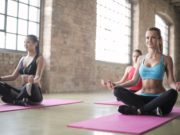
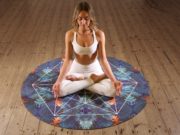








Making the Most of Your Yoga Space at Home
0

In the past, we here at Antaryami have already spoken a number of ways that you create the perfect yoga space at home and the benefits that doing yoga at home can provide. Of course, practising yoga every day is extremely beneficial, but are you using this beautiful and tranquil space that you’ve created to its full potential?

While you may use this space in the mornings as soon as you wake up or when you get home after a strenuous day, there are so many uses your yoga space can have that will bring so many more benefits into your day, positively affecting your mental and emotional well-being, as well as your stress levels.

Let’s dive straight in!

First Thing in the Morning

The best and most essential way to use your yoga space is, of course, to practice yoga, so let’s start with the obvious. There’s no better way to start your day than practice between 5 and 10 sun salutations to get the blood pumping around your body.

This is the best way to wake up, and you’re sure to carry the benefits of your session with you onto the rest of your day.

Getting Ready for Bed

No matter what you’ve been up to in your day, having a nice and calming stretch before bed is a great way release any stress you might have had built-up from the rest of your day. This is the ideal way to relax your muscles, and you’re sure to have an amazing night’s sleep because of it.

Any Other Times of the Day

Before we move onto the other kinds of benefits that your yoga space can provide, remember that it’s your studio, so feel free to practice any other kinds of yoga you want to try at any other times of the day.

Whether you’re having a lunch break, preferably before you eat, or even just randomly in the afternoon, feel free to practice yoga at any time of day, even if you’re just looking for a peaceful break between the jobs on your to-do list.

Meditation

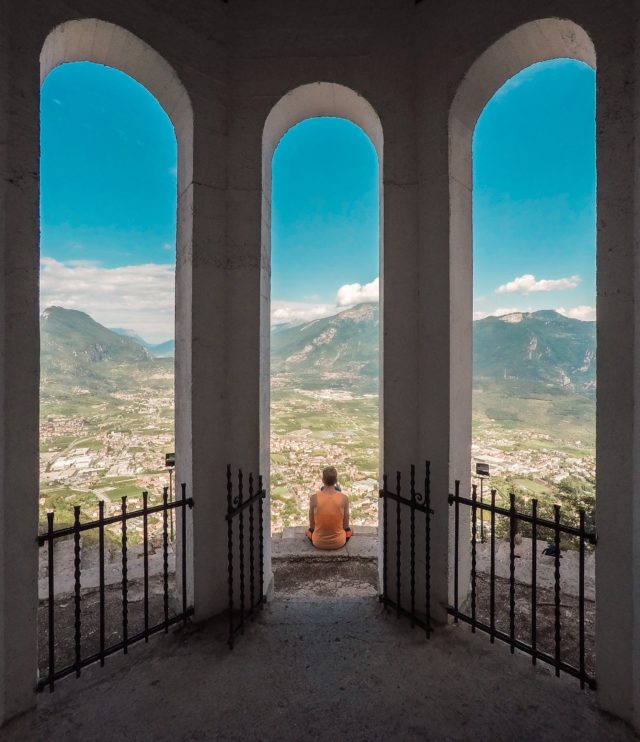
Of course, you’ve spent so much effort creating a beautiful yoga space; this will naturally make it the ideal place to meditate. Light up some incense, grab your favourite pillow or chair. Close the door, play some soft ambient music (the Spotify Yoga & Meditation Playlist has a great selection of tracks), listen in silence and shut off the world, if only for a few minutes.

I love to start my own yoga sessions by meditating ten minutes before and ten minutes after, meditating once in the evening and perhaps the odd occasion throughout the day. This helps me stay completely in tune with my body, my mind and my emotions. I’m not going to bore you now with all the other incredible benefits that meditation provides.

Reading & Writing

Your yoga space has been designed to be your space and your space of peace at that. Why not fully optimise your use of this space by including other peaceful activities, such as reading and writing? Reading is renowned for its therapeutic properties, and there’s no better way to escape the stresses of the modern world than this.

Likewise, journaling, or keeping a diary, is a great way to find synchronicity with your emotions and your mental state, so much so that it’s considered by a lot of professionals to be a form of meditation in itself.

Get Creative

We spend the vast majority of our lives in front of screens and digital devices. Whether that’s our smartphones, laptops, computers, televisions or tablets. Try making your yoga space a device-free zone and take a break from your gadgets by using your yoga space as a creative space.

You could make vision boards, scrapbooks, dreamcatchers, draw, paint, or anything you enjoy! Not sure what kind of activities suit you? Try them all until you find one that you enjoy!

Summary

As you can see, there is a tonne of opportunities you can enjoy when it comes to the yoga space you’ve created in your home. While it’s nice to have a dedicated space, don’t forget that you can use for all manner of peaceful activities that will help you find a calming and positive balance in your life


Frustrated with Meditation? Here are 5 Tips to Help You Out

0

Meditation isn’t usually as simple as closing your eyes, clearing your mind and then basking in the silence for several minutes. If only it was, right? It’s only natural that you go to sit with your eyes closed and those pesky thoughts start to put in, and out of your mind and before long you’re caught up with whether you’re answered your emails, what you’re having for dinner and what’s on TV.

This can be frustrating, to say the least. However, while it takes practice to get in touch with meditation and to find your focus, there are several things you can do in the meantime to help you relax and stop getting stressed out with your practices, ensuring that it remains a beneficial thing to do.

#1 – Have No Expectations

If you’re a beginner or have been practising for a short amount of time, it’s easy to build up expectations of what mediation is going to be like. For example, you might feel like as soon as you close your eyes, your mind is going to go blank and you’ll be thinking of nothing.

However, when this doesn’t happen, this is where the frustrations start. Remember, mediation is not about trying to take control or master your mind. Instead, it’s coming into the present moment to realise how your mind and body work. If you’re meditating and your mind bursts into thought, this is what you’re focusing on, so you’re giving yourself the time to acknowledge these thoughts and accept them.

Have no expectations

#2 – Shorten Your Practices

You might have read somewhere online, or have been told, that the longer you meditate, the more benefits you’ll get from it. From personal experience, this is true. However, if you’re getting frustrated with your practice and thinking ‘yes, I need to be meditating half an hour every day’, this is only going to make you frustrated.

You can still feel the benefits from a ten-minute session a five-minute session, even a one-minute session. Only mediate for the time that you feel comfortable meditating for.

#3 – It’s All in the Breathing

The breathing aspect of your meditation practice is by far the most important. It’s the tool that keeps you alive, and it can work as an anchor for your mind into the present moment. Use every single inhale and exhale as a tool to focus your mind and to keep you calm and relaxed.

If you start feeling stressed out or frustrated, take a nice long deep breath and keep going until you feel calm again. If you feel like you’re forcing it, just try again later in the day!

#4 – Try Group Sessions

Mediation is a very personal thing but trying to form the habit and keep up with your practices on your own can be a struggle, especially if you’re new to the whole concept. Luckily, there are group sessions available in gyms and classes all over the world, and there’s bound to be one in your local area.

If you’re having trouble with yourself, attending one of these group sessions where you can connect with others and ask questions to an experienced meditator may provide all the help you need.

#5 – Try Meditation Walking

If sitting still in silence isn’t your thing, and you find you’re finding that you’re restless and can’t concentrate, it’s always worth remembering that you don’t have to. You could instead try meditation walking.

This is where you simply take yourself on a walk, preferably out in a quiet and natural setting, where you can leave your devices and gadgets at home and just be alone with yourself for a while. Even finding your present moment anchor in the rhythm and sounds of your feet could be all you need.

How Yoga is Helping Kids in Schools with Anxiety

0

As avid lovers of yoga, we are constantly aware of the fact that yoga is a great way to start our days and relieve stress after it’s been a long one. Naturally, this decreases the amount of anxiety that we have in our everyday lives, which is essential in an age where anxiety and depression have reached the point of epidemic.

With this in mind, it only makes sense that societies of the world are proactive in minimising these cases. Earlier this week, Forbes reported on the fact that US schools are now starting to implement yoga in their curriculums in the hopes of reducing the number of anxiety and depression cases among their students, one of the most affected demographics.

This stems from a new study that was released by Tulane University earlier this year. Within the study, a randomized group of third-graders who were suffering some degree of anxiety were given yoga and meditation practices over the course of eight weeks.

Named ‘Yoga Ed’, the group had 10x 40-minute sessions that took place before the school day had started. One group practised this in the Spring term, whereas another group practised in the autumn.

During the sessions, the class practised breathing exercises, several Vinyasa and Ashtanga poses that were specially selected for third-graders and guided relaxation. On the other hand, students in another control group received the normal care they would normally receive, which involved social-worker activities and interactions.

Students from both control groups then filled out custom questionnaires that asked them about their personal opinions on their quality of life and their overall life satisfaction levels using a range of different variables. These were designed so the third graders could answer them naturally without being confused.

The results?

The group who studied yoga and mindfulness training had a dramatic improvement when it came to their overall quality of life, including improvements in their psychosocial and emotional aspects of life, confirming that yoga and meditation are beneficial for reducing stress and anxiety, even in people as young as third-grade.

The team explained that they picked third-grade students for the research trial because this was the year when academic pressure is turned up, and stress is much more likely to occur and the subjects they are learning about become more complex.

However, this isn’t the first-time studies have found that mindfulness training can help children. Past studies have shown that mindfulness can have a very positive effect on children suffering from ADHD. Others showed a dramatic increase in children’s general happiness and their overall wellbeing.

So, while these results are hugely surprising, it’s yet another step forward into implementing mindfulness practices into schools, overall improving the current well-being and conditions of our younger generations during the stressful times in their lives.

How Ayurveda Can Help Your Skin in the Summer

0

As the summer months start to come around, allowing us to shake off the shackles of one of the coldest springs we’ve had in a long time, while many of us are happy to see a bit of warmth and sunlight, for some of us, this is yet another nightmare time of the year.

When you consider conditions such as hayfever, sunstroke and the sorts, as well as the proven effects that the UV rays have on us and our skin, it’s very important that we keep our well-being in mind before venturing out.

What’s more, thanks to the growing concerns of climate change, there are many reports that have claimed the ozone layer is getting increasingly thinner in some places, meaning the effects of these harmful UV rays can be more problematic.

However, by taking a step back to our Ayurveda roots, there are many remedies and solutions out there that can help us to take care of ourselves properly. Let’s explore them!

Keeping Your Skin Hydrated

Of course, the most important part of looking after yourself is keeping your skin hydrated. This will help you to lock in your essential body oils and stops your skin from cracking. The layers of moisture in your skin can also help to protect you from the sun’s rays.

Ayurveda simply recommends that you carry a water bottle with you wherever you go, and you might even want to set up reminders to help you remember to drink throughout the day. These are essential on both hot and mild days, even more so if you’re sweating.

If you’re used to drinking drinks like tea and coffee, during the hotter days, it’s highly recommended that you replace these with water.

Try Using an Ayurveda Face Mask

One of the best ways to keep your face hydrated, one of the most important areas to maintaining is using a face mask. While this might not seem like it’s for everybody, there’s no reason why you can’t treat yourself while looking after your body and your own health, the most important thing you should be doing in your life.

There are three types of mask you can make, depending on the nature of your skin. Use a Multani mitti face mask as your basis, before adding milk for dry skin, water for normal skin and honey or oily skin. You’ll start to feel the benefits almost immediately.

Removing Dead Skin

Since your cells are absorbing lots of sunlight, your body will start to replace your skin cells more rapidly than it will any other time of the year. Fortunately, you can assist your body in this process by ingesting cinnamon.

For this, all you need to do is mix a tablespoon of cinnamon with honey and sugar and then using it as a face rub!

Summary

By making sure that you look after your skin, you can be sure that you’re providing yourself with the best protection. With the best protection, you can ensure that you’re safe while feeling your best, giving you the opportunity to make the best of your summer.

Health Draft Recommending Ayurveda Practices in Kerala

0
The State government in Kerala has drafted their health policy for 2018. It’s noted that all Ayurveda healthcare practises and dispensaries are to be converted into primary health care centres. If effective, this mission to promote traditional medicine will ensure the practice is widely available in the Kerala state.
In the draft, the policy details the need for strengthening in the district areas. This is because these areas are in dire need of staff and field workers, especially in primary health care centres. The draft also states that ASHA workers may be employed.
The main cause for concern, stating in the draft, is the complete lack of specialist departments. By deploying the use of Ayurveda practices, those who currently receive little to no healthcare whatsoever. The document continues, stating that Ayurveda hospitals should be set up in all taluks in the State. This would allow traditional medicine practices in various existing buildings and facilities. Yoga centres would also be installed in these facilities.
In these facilities, the policy also wants to ensure that various health services would be available. These would include; CHIS, ESI, Karunya and RSBY.

Increase In Education

 
The final point noted is the recommendation suggesting improvements to education. In this point, the policy states that new Ayurveda medicine colleges should be set up and made accessible to citizens of the State. With institutions set up, more individuals could practise and spread the medical treatments. This would help provide a better quality of life for everyone.
However, the draft does state that some restrictions must be created to ensure the quality of the practise and education. If these colleges were to become a reality, they would have to strictly abide by the Central regulations. The rejuvenating policy suggests that Ayurveda should be aught in PG courses. These are the courses available to nurses and paramedics. This would mean that Ayurveda is taught in courses for these roles.
More details will be released from by State government as the draft is finalised. This could mean big changes are in progress which could improve the conditions of some areas, especially in Kerala. Let us know what you think by leaving a comment below!

Surviving This Winter on an Ayurveda Diet

0

Winter is a tough time of year for many of us. With Christmas just around the corner, it’s so easy and tempting to get caught up stuffing ourselves with mince pies and booze. However, this can usually mean that we fall short of our dietary requirements which can leave us feeling rather ill.

Given the time of year, a weakened immune system can render us rather susceptible to illnesses and bed days, not something you want to happen over the festive holidays. Instead, why not replace some of the poorer quality foods with their Ayurveda replacement?

This way you can still enjoy beautiful and hearty meals this Christmas while looking after your body, your wellbeing, your health and the rest of your loved ones. Let’s get started!

Keep Your Digestive System Active

One of the primary factors that influence your immunity to illnesses happens in your digestive system. This is a fully functional part of the body throughout the year, but, come winter, when tend to get lazier and sit around more which can lead to this section of the body not operating as it should.

However, by using natural oils in your cooking, maybe desi ghee as well as butter, you can help to nurture and promote healthy activity in your digestive system to keep you operating smoothly.

Some Veg & Hot Water

When it comes to preparing and cooking your vegetables, it’s a great idea this time of year to boil them. And there’s a tonne of dishes you can create using these methods. Consider soups, broths and stews, all containing a wealth of boiled and wholesome vegetables that will give your body the exact nourishment that it needs.

All kinds of root vegetable, such as beetroots, carrots and big leafy green vegetables are all highly recommended and can even be steamed if you’re looking to mix things up. In short, when preparing meals during the winter months, you’re going to want to make sure that food is piping hot!

If possible, try to avoid packaged and pre-cooked vegetable meals that you can find in supermarkets since you’ll want your food to be a fresh as possible for the maximum amount of benefits.

Get Some Nuts!

Nuts have always been a highly recommended food when it comes to eating properly and making sure you have the nutrition that your body needs. In addition to nuts, also feel free to consume dry-fruits; you could even mix them together!

When it comes to nuts, almonds, walnuts, pistachios, cashews and dates and so on are all great choices to have, it just depends on which are your favourite! When eating nuts, they help your body to naturally generate heat that will help to keep you warm as well as giving you an energy boost to help you fight off the lethargy.

Summary

While many people like to take this time of year as an excuse to binge eat, we say, why not binge eat in the best way possible by giving your body exactly what it needs to stay fit and healthy while still tasting beautiful, all in line with Ayurveda practices!

Everything You Need to Know About Sitting Down and Actually Meditating

0

When starting out in the world of meditation, one of the biggest problems I came across was actually forming the habit of sitting down and meditating. My typical habit was to practice religiously for a couple of days and then something would come up, and I would miss a day, and then another, and then another.

It’s frustrating how easy it is to fall into the habit of not doing something, despite it being proven that it’s so beneficial to your wellbeing. As Dan Harris, writer of Meditation of Fidgety Sceptics puts it;

“It’s not about meditating itself; it’s about sitting down and actually doing the damn thing!”

Never truer words have been spoken. Today, we’re going to go through a couple of pointers you can use to build up that mediation habit, so you can find it easier to meditate day in, day out, and start enjoying the benefits like you should be.

Start of the Day

The most beneficial time of day to meditate is typically regarded to be the first moments when you wake up. Not only does meditate put you in the right mindset to start enjoying the day ahead properly, but it’s also great because you can basically get it done and out the way.

Of course, we’re not trying to rush the practice. However, getting into the habit of doing it as the first thing you do when you wake up is a great way to build a habit because there’s nothing stopping you.

Anytime of Day

While you may already be in the habit of waking up and rushing out the door to get to work, that doesn’t mean that you can’t meditate any time of the day. In fact, it’s highly recommended that you simply meditate whenever you have time.

This means whenever you get on the bus to or from work, maybe sat in your car in the car park, on the toilet or even just a couple of minutes sat at your desk. Meditating even just for five minutes is so much more beneficial than not meditating at all to squeeze in those sessions whenever you can.

Swapping Social Media Time

How often do you think you spend on social media? Whereas most people predict themselves to be there around two hours a day, the national average for the UK is actually closer to six hours a day, and there’s a lot you can do in six hours.

Instead of browsing your social media feeds for hours a day, try turning that time into something productive, like meditating.

Focus on What You’re Doing

This might sound like a weird question but how often do you actually focus on what you’re doing. For example, if you’re driving down a road that you always drive down, how often are you still focused on the act, sights and sounds of actually driving, or are you away in your own head?

It’s a very meditative act to be focused on what you’re doing at all times and can help you to learn how to stay present. For example, even when you’re simply walking up the stairs, feel every step beneath your feet and check in with all your senses. In theory, you’re only meditating for several seconds, but focusing on everything you’re doing will add up to hours of practice throughout the day.

Set Reminders

Smartphones are great things to have and use but only if they don’t consume your life and you use them as a tool like they are meant to be used. Setting reminders on your phone to meditate can be a great way to remind yourself to meditate throughout the day while forming a habit.



What’s more, even if you don’t feel like you have time to meditate, you can simply set a reminder to remind yourself to be mindful throughout the day. Personally, I have a little notification pop up every hour or so which simply says breath, in which I’ll close my eyes, take a deep breathe and return to what I was doing before.

Yoga: Releasing Tension in Your Hips

0

Do you suffer from tight hips?

I’ve always found that when I first wake up in the mornings, and then increasingly throughout the day, my hips seem to get tighter and tighter. Even when practising yoga, I find that even touching my toes into a forward fold can prove difficult and it’s all because of my hips.

However, it isn’t just yoga that tight hips effect. Think about how sedentary many of our lives have become. We go from laying in bed all night to sitting in our kitchens, in the car, at work, in the car, living rooms and then back to bed.

It’s no wonder there’s so much tension in this area! Scientifically speaking, when we sit down, our hip flexors are constantly contracted, the main cause of this tightness that we can all sometimes feel. Over time, this can lead to much larger health problems, especially in our lower backs and even in our knees!

However, this doesn’t need to be the case, and there are many yoga poses we can practice, either in a session or just now and then throughout our days, that can help. Today, we’re going to explore three of the best, so get ready to open those hips!

#1 – Bound Angle

This is perhaps one of my favourite hip openers because you can really feel the tightness release when you’ve finished. Ideally, try sitting in this position every day, throughout the day, just whenever you can, for maximum benefit!

All you need to do is sit on a chair (careful not to fall off) or on the floor and sit with the soles of your feet touching. Then, gently – as much as is comfortable – push your knees down, as though you’re aiming to get them touching the ground.

You should immediately feel the tightness pull, just be careful not to hurt yourself. Hold for five deep breathes and you’re done!

#2 – Seated Spinal Twist

Another one of my favourite yoga poses, the seated spinal twist engages your entire body, so is great to include in any yoga practice. Simply sit on the floor with your legs out straight in front of you and your back straight.

Then, bend one leg up over your other leg, so your foot is parallel to your knee. If you’re folding your right leg, put your left elbow against your folded knee and push gently, making sure that you push gently to keep your knee pointed towards the ceiling.

Use your right hand to gentle prop yourself up from behind and look in the direction of your shoulder. You should feel your entire spine twist, from the back of your neck, all the way down to your lower back and hips.

Hold for five deep breaths and swap over to do the other side.

#3 – A Low Lunge

Finally, to conclude my list of effective hip openers, we have the low lunge, another favourite. This pose is really simple but really beneficial for your hips. Put yourself in your usual lunge position.

This is one leg extended out behind you with your front knee bent directly over your ankle. Make sure your knee does not extend forward over your toes! Make sure your extended leg is flat on the floor and try to sink your hips as low as you can.

Do this slowly because you’ll feel the stretch almost instantly and you don’t want to cause damage. When you can find your balance, put your hands into prayer position and hold for five breaths before swapping over to the other side.