






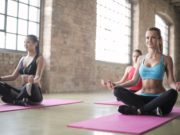
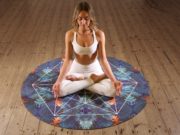






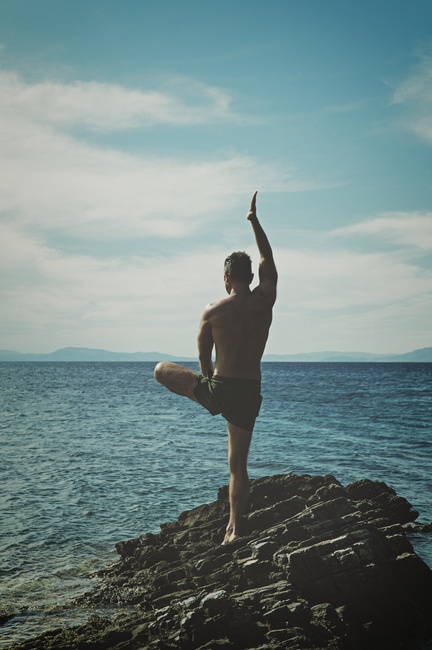
Yin yoga is a quiet, meditative yoga practice, also known as ‘Taoist’ yoga. Yin poses are passive and allow the release of tension in key joints, including ankles, knees, hips, neck, shoulders and the back.
Yin Yoga is based on the Taoist concept of yin and yang, opposite and complementary principles in nature. Yin yoga works with Yin or feminine energy rather than Yang or masculine energy. Yin relates to the cool, stable and unmoving aspects while yang relates to the warm, moving and changing aspects.
How this works in practice is that in Yin yoga, poses or asanas are held for several minutes at a time and you relax into the pose. Many of the poses are done on the floor or sitting down. Because of the slow pace of Yin yoga, it is a very meditative form. Taking time to relax into each asana helps the mind to slow down and cease its endless chatter. Because of these aspects, Yin yoga can be particularly useful to help with issues of the mind, such as anxiety or addiction. Yin yoga is also useful for those who want to increase flexibility without an exhausting routine and for this reason it is popular with athletes.
Mental and Emotional benefits of Yin yoga
As yoga was developed as a method of conditioning and preparing for sitting meditation, the practice of holding asanas for long periods of time has always been a significant part of traditional yoga practice. This mindfulness aspect of Yin yoga is still very much present today. During a class, teachers show practitioners how to observe the breath and use this as a way to focus on the present moment, allowing thoughts and feelings to arise but practicing the art of watching them without getting lost in them.
This means that Yin yoga is very calming on a mental and emotional level. It can help us learn to distance ourselves from the constant mind chatter and persistent, negative thought patterns. This triggers the parasympathetic nervous system (the opposite of the flight or fight response) thus calming us and reducing heart rate and blood pressure.
Physical benefits of Yin yoga
As well as these mental and emotional benefits, Yin yoga also helps physically by working on the connective tissues of the body to increase circulation and improve flexibility. Yin yoga can be a particularly effective way to open tight hips and hamstrings.
What to expect from a Yin yoga class
• Yin yoga classes are suitable for beginners and more experienced practitioners alike.
• The pace is slow, so you need to wear comfortable, warm clothes and maybe keep your socks on.
• The most noticeable difference between Yin yoga and more dynamic forms is the slow pace. The asanas may be the same as in other forms of yoga. However, they are held for five minutes or more.
• You will be guided to focus on your breathing while holding the poses.
Yin yoga is an ideal form of yoga for those who would like a quiet meditative practice, especially for those who want to work on emotional issues, are stressed and anxious, or have an addiction or eating disorder. Yin yoga is also useful for those looking for the benefits of increased flexibility without an exhausting cardio workout. Yin yoga is also a great complement to more dynamic forms of yoga, helping to improve flexibility and deepen awareness.