


















Some time around now, a mother somewhere is telling a grown adult to wear a sweater and drink something hot.
She may never have read a line of Ayurveda. She’s following it anyway.
Ayurveda pays close attention to the seasons. Its classical texts include a whole discipline for this, called ritucharya, the routine of the seasons. The basic idea is easy to grasp: you’re not the same person in November as in July, so why eat the same way?
In Ayurvedic terms the cool, dry, windy end of autumn is a time when vata tends to rise. Vata is the quality of movement and dryness, the one that’s linked to cold hands, dry skin and a scattered mind. You don’t have to accept the theory to find the advice familiar. It’s mostly what you’d want anyway.
What the tradition suggests
Eat warm. Soups, dal, khichdi, stewed fruit. Less salad straight from the fridge, and fewer iced drinks. Khichdi, the simple pot of rice and split mung beans, is the dish Ayurvedic cooks return to again and again.
Eat on time. Regular meals matter more in this tradition than any single superfood. Skipping lunch and raiding the pantry at 10 PM is the part to fix first.
Use your spice box. Ginger, cumin, black pepper, cinnamon and a little ghee are the classic companions of the cold months. None of this is exotic. It’s probably in your kitchen already.
Go to bed. The evenings are getting longer. Ayurveda would like you to notice that, rather than fight it with a screen.
A cup worth making
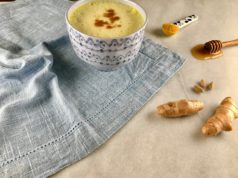
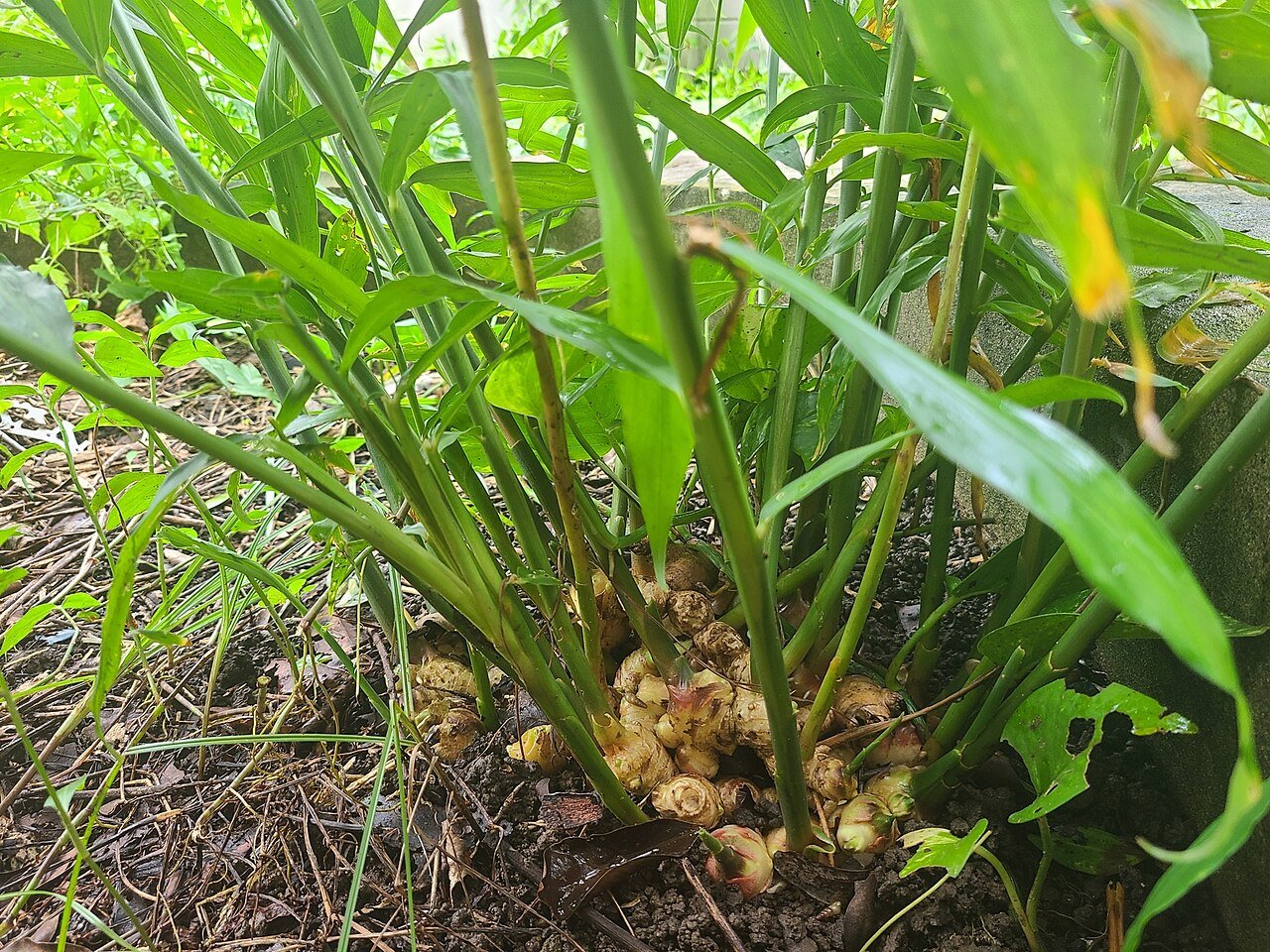
Slice a thumb of fresh ginger. Simmer it in two cups of water for ten minutes, and add a squeeze of lemon and a little honey once it has cooled enough to drink. Ayurvedic tradition holds that honey shouldn’t be cooked, so wait until the end.
There’s nothing mystical about it. It’s a hot drink that tastes alive, and it gives you a reason to sit down for five minutes.
The part we insist on
Ayurveda is a traditional system, and it has a lot of wisdom about daily rhythm. It’s not a replacement for medical care, and we don’t offer this as treatment for anything.
Three things are worth saying plainly:
- Ginger, turmeric and many herbs can interact with medicines, including blood thinners. If you take regular medication, or you’re pregnant, ask your doctor before using them in anything beyond normal cooking amounts.
- The US FDA has warned that some Ayurvedic products sold online have contained lead, mercury or arsenic. Food from your kitchen is one thing. Be far more careful with pills and powders from an unknown seller.
- A fever that won’t go away, chest pain, or trouble breathing all need a doctor, not a recipe.
Start with one thing
Don’t overhaul your life this week. Pick one: a warm breakfast, a fixed lunch hour, or an earlier night.
And yes, wear the sweater. She was right about that, too.
Find more videos on our YouTube channel: Subscribe to Antaryami