












It starts with a bad gift.
A man named Vajashravasa is giving away everything he owns in a great sacrifice, which sounds noble until you look at the cows. They’re old. They’ve eaten their last grass and given their last milk. He’s giving away what he no longer needs and calling it holiness.
His young son Nachiketa watches this, the way children watch adults, and he can’t let it go.
“Father, to whom will you give me?”
No answer. He asks again. He asks a third time, and his father, cornered and furious, snaps the kind of thing parents snap.
“I give you to Death.”
The Katha Upanishad doesn’t tell us if he meant it. It only tells us that the boy went.
Three nights at the door
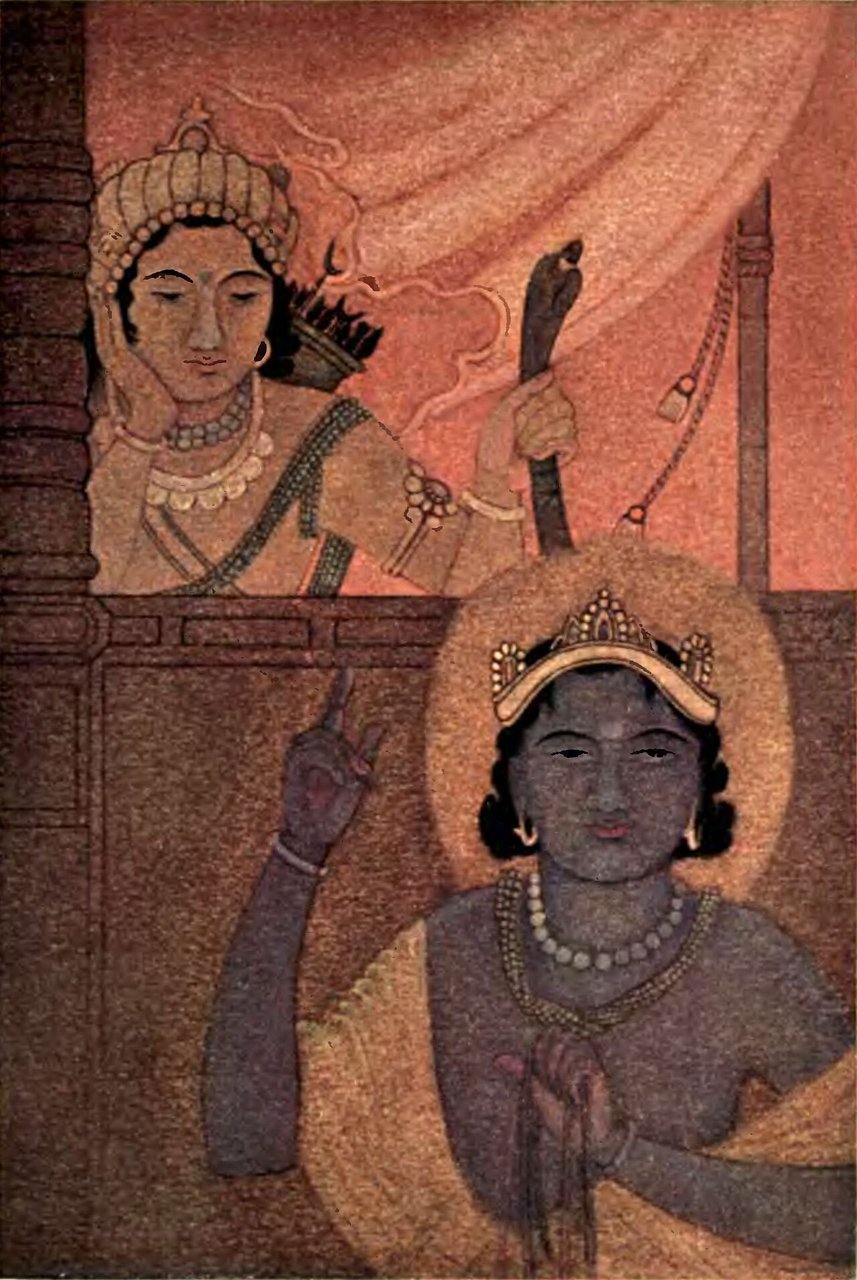
Nachiketa arrives at the house of Yama and finds no one home. So he waits. Three nights, without food, sitting at the door of Death.
When Yama returns he’s mortified. In this world a guest who goes unfed is a serious matter, even if the guest is a mortal child and the host is the end of all things. So Death apologizes, and offers three boons, one for each night.
The first boon is the one that gets me. Nachiketa could ask for anything. He asks that his father’s anger be gone, and that his father know him and welcome him when he comes home.
The second is knowledge of a sacred fire that leads to heaven. Yama teaches it gladly, and even names it after him.
Then comes the third.
The question
When a person dies, Nachiketa says, some claim they still exist and some claim they don’t. Teach me which is true.
And Death, who has just been so generous, flinches. Even the gods have doubted this, he says. It’s subtle. Ask for something else.
Then he starts to bargain, and this is the best part of the text. Take sons and grandsons who’ll live a hundred years. Take cattle, horses, elephants, gold. Rule as much of the earth as you like. Live as long as you please. Here are heavenly women with chariots and music, no mortal could win them. Just don’t ask me about death.
It’s quite a list. Think about what’s on your own list. Now picture it being offered to you, in full, by someone who can deliver.
Nachiketa is unimpressed. All of these wear out by tomorrow, he says. And how could anyone enjoy them, having looked you in the face? Keep your horses.
Death, it seems, had been waiting a long time for someone to say that. He’s delighted. Few people, he tells the boy, ever turn down the chain of riches.
What Yama teaches
Every person, Yama says, stands before two paths: shreyas, the good, and preyas, the pleasant. They don’t always point the same way, and the wise person knows the difference.
Then he gives the image people have carried ever since. The self is the rider, the body is the chariot, the intellect the charioteer, the mind the reins, and the senses are the horses. You’ll find the same picture all over Indian thought, and it hasn’t aged a day.
And he gives the answer. The self is not born and does not die. It wasn’t killed when the body was killed. That’s the teaching, and Vedanta has spent the centuries since unpacking it.
But I’d go back to the opening. The whole Upanishad, one of the great texts of the world, exists because a kid noticed his father was handing out worn-out cows, and wouldn’t look away.
It’s worth keeping an eye on the children in your house. They’re noticing too.
Find more videos on our YouTube channel: Subscribe to Antaryami