
Home › Ayurveda › The Meal You Make After Diwali
AyurvedaThe Meal You Make After Diwali
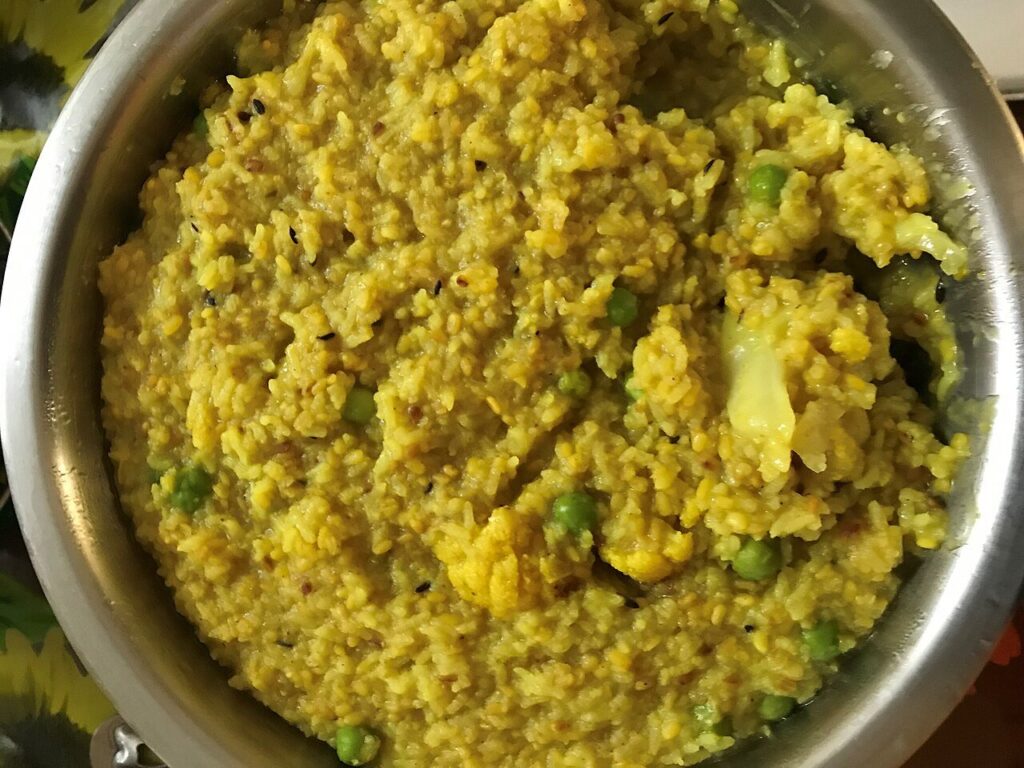
There comes a morning, a few days after Diwali, when you open the fridge and see four boxes of sweets, half a tray of samosas and something an aunt sent home with you that you can’t identify. And your stomach says, quietly: no.
This is what kitchari is for.
Kitchari, or khichdi, is rice and split moong dal cooked together until soft, with a spoon of ghee and a few gentle spices. It’s what grandmothers make when someone is unwell, what many people eat after a fast, and what Ayurveda, India’s traditional system of health, has long recommended as simple, nourishing food that’s easy to digest.
It’s also, frankly, delicious. This isn’t punishment food.
Why Ayurveda likes it
In Ayurveda, digestion is described as agni, a kind of inner fire. Heavy, oily, rich food is said to smother that fire. Kitchari is the opposite: warm, soft, mildly spiced, and complete enough to make a meal on its own. Rice and moong together give you a good balance, and split yellow moong is the dal most people find easiest on the stomach.
That’s the traditional view, and plenty of families live by it. It isn’t medical advice. If you have a health condition or a special diet, check with your doctor before making big changes, kitchari or not.
One-pot kitchari
Serves 3 to 4
- ½ cup basmati rice
- ½ cup split yellow moong dal
- 1 to 2 tablespoons ghee
- 1 teaspoon cumin seeds
- A pinch of hing (asafoetida)
- 1 teaspoon grated fresh ginger
- ½ teaspoon turmeric
- Salt to taste
- 5 to 6 cups water
- Optional: a handful of chopped carrot, zucchini or spinach
1. Rinse. Put the rice and dal together in a bowl and rinse in several changes of water until it runs mostly clear. Soak 20 minutes if you have time.
2. Temper. Warm the ghee in a heavy pot over medium heat. Add cumin seeds. When they sizzle and smell toasty, about 30 seconds, add the hing and ginger and stir for a few seconds more.
3. Simmer. Add the drained rice and dal, turmeric and salt, and stir to coat. Pour in 5 cups of water, bring to a boil, then lower the heat, partly cover, and cook 30 to 40 minutes, stirring now and then. Add vegetables halfway through.
4. Adjust. Kitchari should be soft and porridge-like. Add more hot water if it gets too thick.
In a pressure cooker or Instant Pot, it takes about 10 minutes at pressure after tempering.
Serve with a little more ghee on top, a squeeze of lemon, and some plain yogurt or a pickle on the side.
Make it yours
Every family has its version. Gujarati homes often make it with a bit more ghee and serve it with kadhi. In Bengal, khichuri on a rainy day comes with fried eggplant. Some add peppercorns and cloves, others a tomato. None of them is wrong, though each family will tell you the others are.
A little ritual
Some people eat kitchari for a day or two as a gentle reset after a heavy week. You don’t need to make a project of it. Just make a pot, eat it warm, slowly, and notice how you feel afterward.
Then, when you’re ready, go back to the sweets. They’ll still be there. Diwali sweets are immortal. Scientists can’t explain it.
Find more videos on our YouTube channel: Subscribe to Antaryami
Find more videos on our YouTube channel
Subscribe to Antaryami